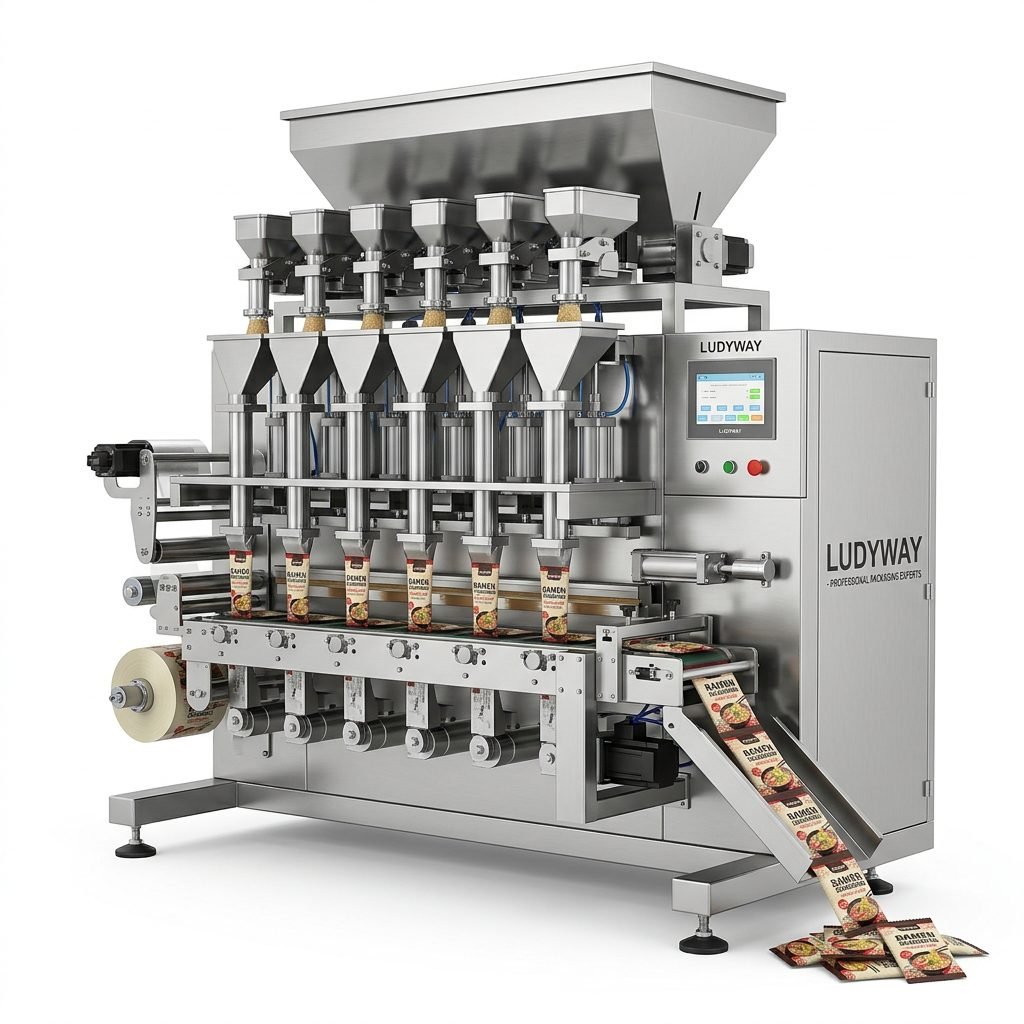
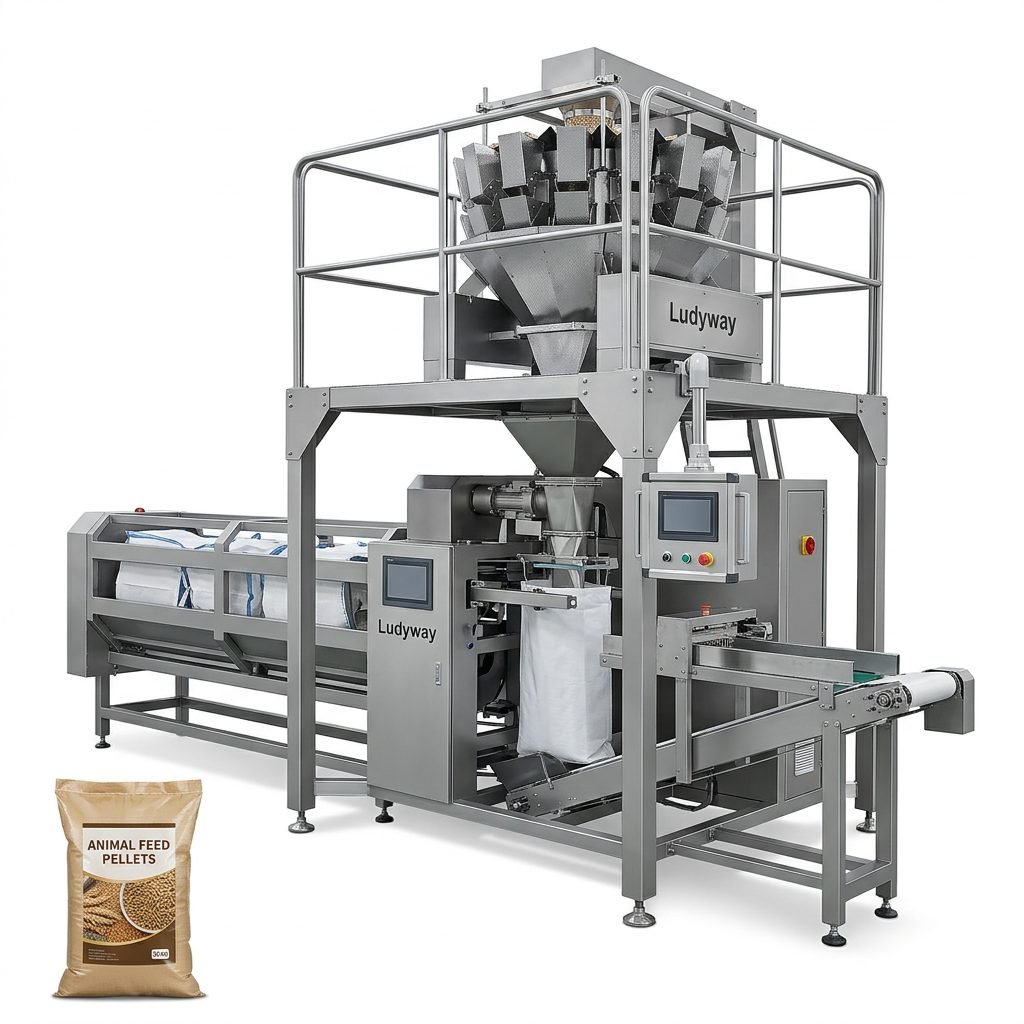
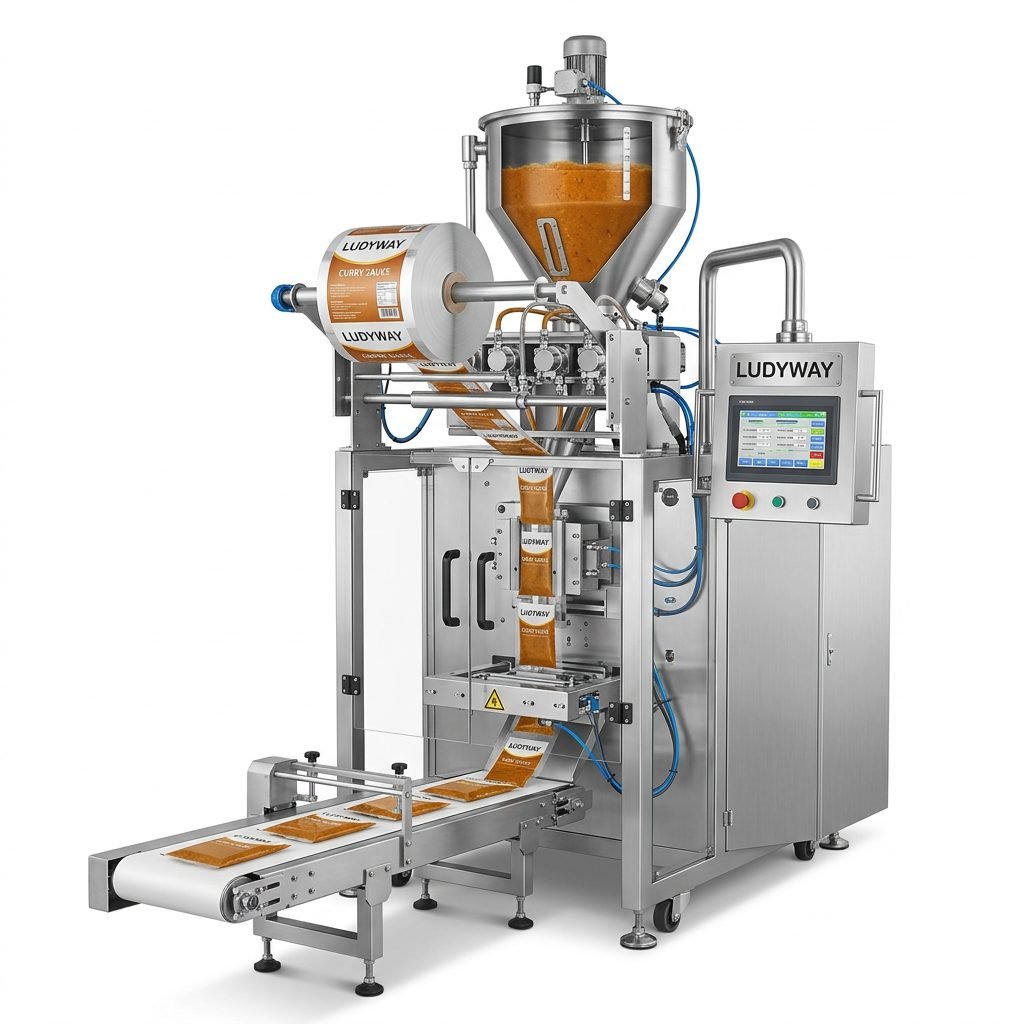
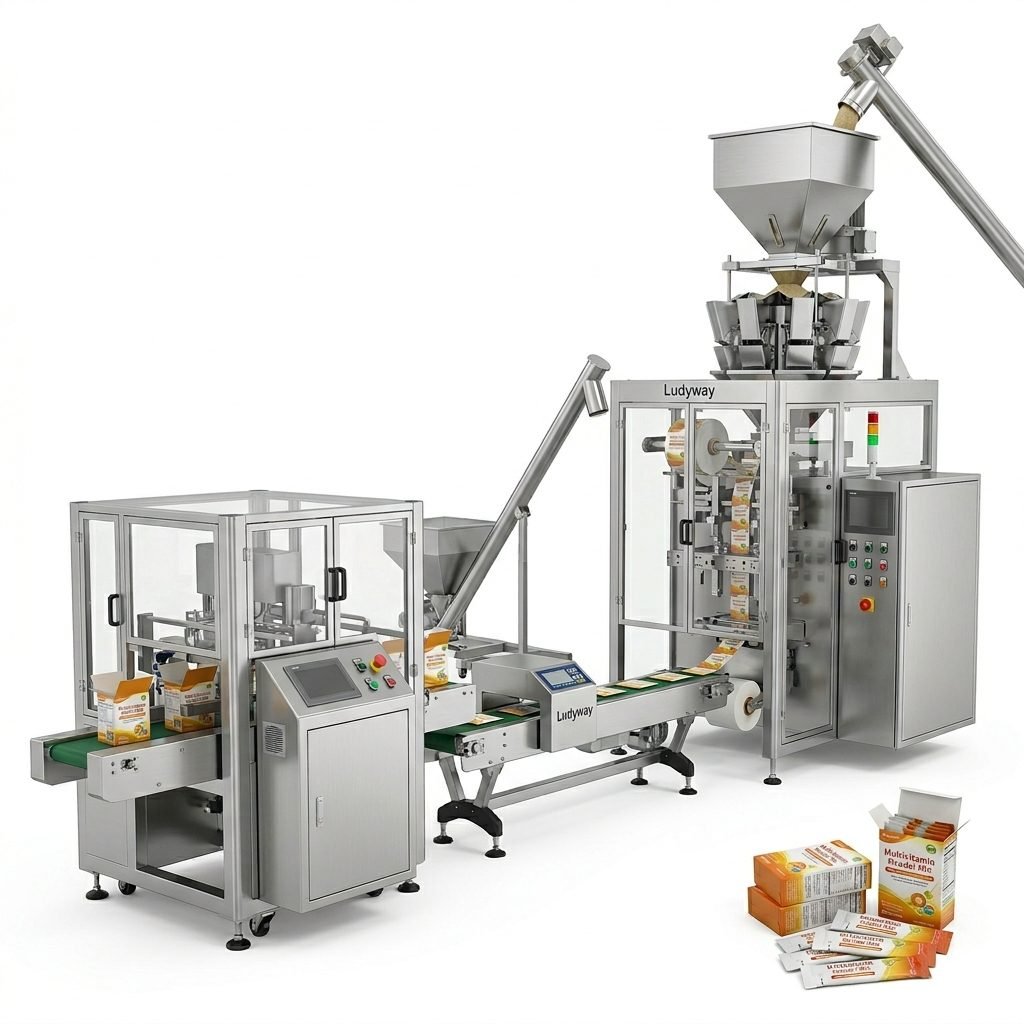
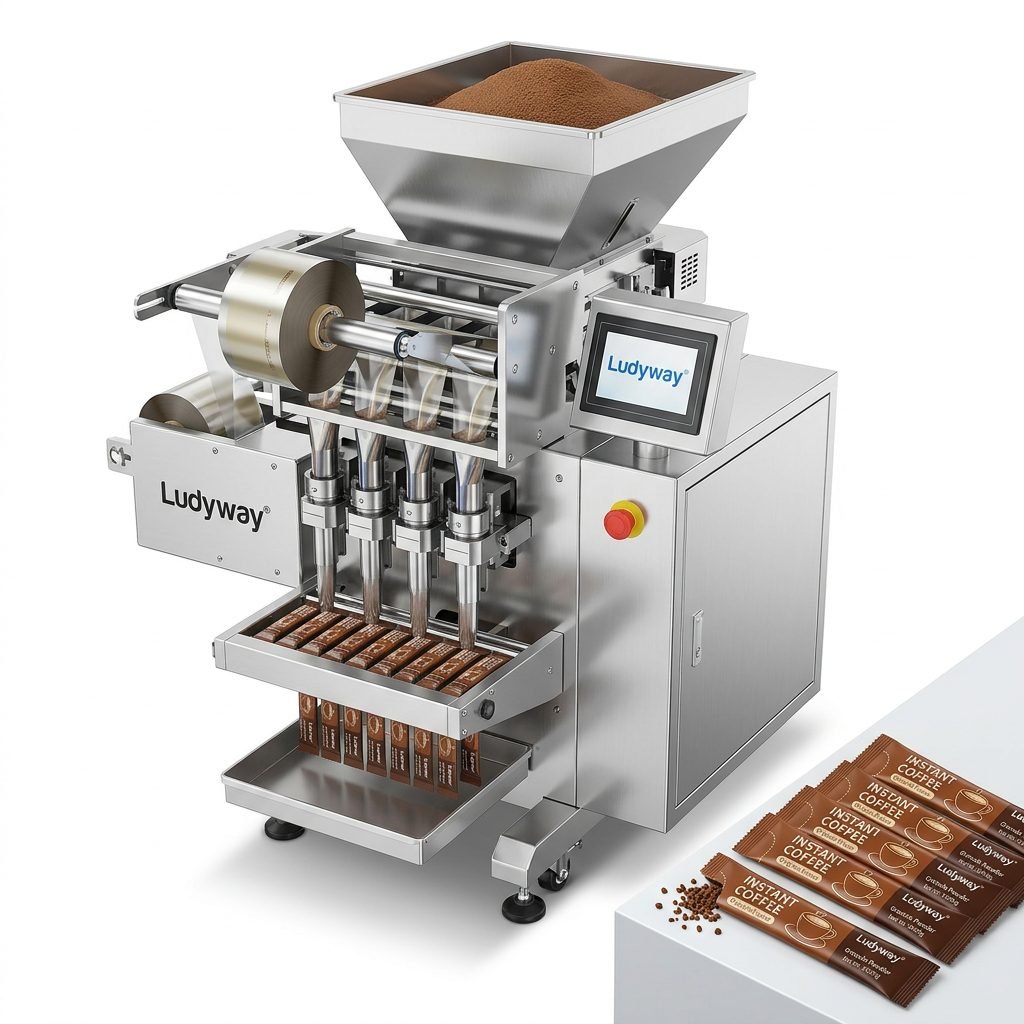
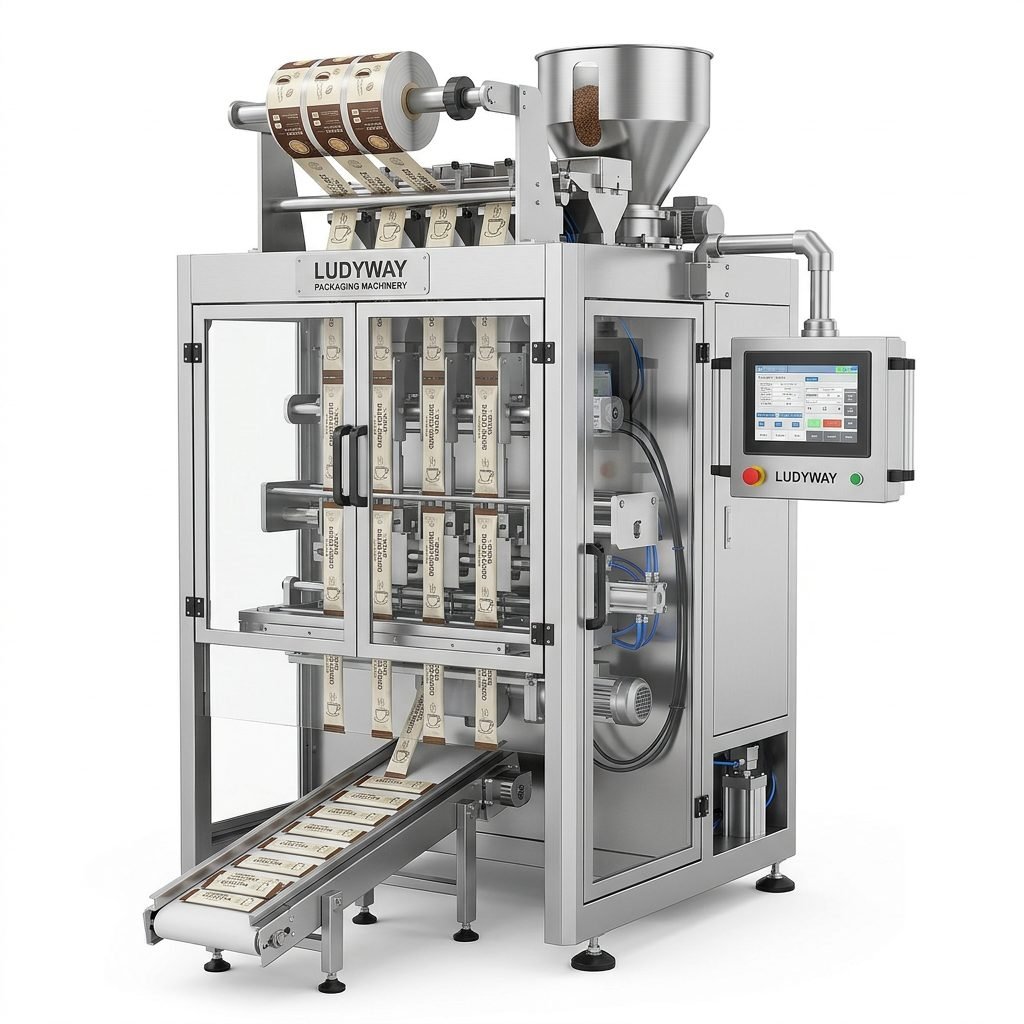
For businesses in Chicago, finding reliable used packaging equipment is a practical way to maintain production efficiency while managing capital expenditure. The city’s diverse industrial landscape, from food processing giants in the Fulton Market District to burgeoning pharmaceutical startups in the Illinois Medical District, creates a constant demand for quality machinery. Chicagoans, known for their no-nonsense, value-oriented business approach, appreciate equipment that delivers robust performance without the premium price tag of brand-new models. This guide explores the local market for pre-owned packaging machines, highlighting where to find quality assets and what to consider to ensure a smart investment.
Understanding Chicago’s Packaging Equipment Landscape
The Windy City’s industrial heritage is deeply rooted in manufacturing and logistics. This history has fostered a mature secondary market for industrial machinery, including packaging equipment. Whether you need a vertical form-fill-seal (VFFS) machine for coffee beans, a liquid filler for craft beverages, or a cartoner for over-the-counter pharmaceuticals, Chicago’s market offers a wide variety. The key is navigating this market with an informed strategy to avoid costly pitfalls and secure machinery that will serve your production line reliably for years.
Why Consider Used Equipment in Chicago?
Opting for used packaging machinery is often a strategic decision for Chicago businesses:
- Cost Savings: Significant reduction in initial capital outlay compared to new equipment.
- Faster ROI: Get your production line up and running sooner, as used machines are typically available immediately.
- Proven Reliability: Many older models are known for their durability and simple, robust mechanics.
- Local Availability: Inspecting and transporting machinery within the Chicagoland area is logistically simpler and cheaper.
Key Sources for Quality Used Packaging Machines
Finding the right supplier is half the battle. Here are the primary channels to explore in and around Chicago.
1. Specialized Industrial Machinery Dealers
Several reputable dealers in the Midwest specialize in buying, refurbishing, and reselling packaging equipment. These companies often provide the most value, as they perform necessary reconditioning, offer limited warranties, and have technical knowledge. Look for dealers with a physical location you can visit to inspect the machinery firsthand. Building a relationship with a local dealer can also provide long-term benefits for future service and parts.
2. Direct Purchase from Other Manufacturers
Sometimes, companies upgrade their lines and sell their older equipment directly. This can be an excellent opportunity, especially if the machine has a well-documented maintenance history. Networking through local industry associations or online B2B marketplaces can uncover these private sales. However, this route often requires more due diligence on the buyer’s part regarding the machine’s condition and any necessary reconfiguration.
3. Online Auctions and Marketplaces
Platforms like Industrial Auction House or Machinery Network list equipment from liquidations, bankruptcies, or corporate closures. While prices can be very competitive, the condition is usually “as-is, where-is,” meaning inspection prior to bidding is crucial. Factor in potential rigging and transportation costs from the seller’s location to your Chicago facility.
4. Brokerage Services
Equipment brokers act as intermediaries, helping you find a specific machine model. They have extensive networks and can source equipment nationwide or even globally. This is a good option if you need a very particular machine not readily available in the local Chicago market. Be clear about broker fees and who is responsible for final inspection and logistics.
Critical Inspection Checklist Before You Buy
Never buy a used packaging machine sight unseen. Use this checklist during your inspection.
Mechanical & Electrical Integrity
- Run the Machine: Request a test run with a material similar to your product. Listen for unusual noises from gears, chains, or bearings.
- Check Wear Parts: Inspect critical components like sealing jaws, filling nozzles, cutters, and grippers for excessive wear.
- Control System: Power up the PLC/HMI. Check for error logs and ensure all functions are operational. Is the software outdated or still supported?
- Frame and Structure: Look for cracks, welds, or signs of major repairs on the machine frame.
Documentation & History
- Maintenance Logs: A well-documented service history is a strong indicator of a cared-for machine.
- Original Manuals & Schematics: These are invaluable for troubleshooting and future repairs.
- Spare Parts: Inquire if any spare parts or wear-part kits are included in the sale.
Partnering with a Professional Provider
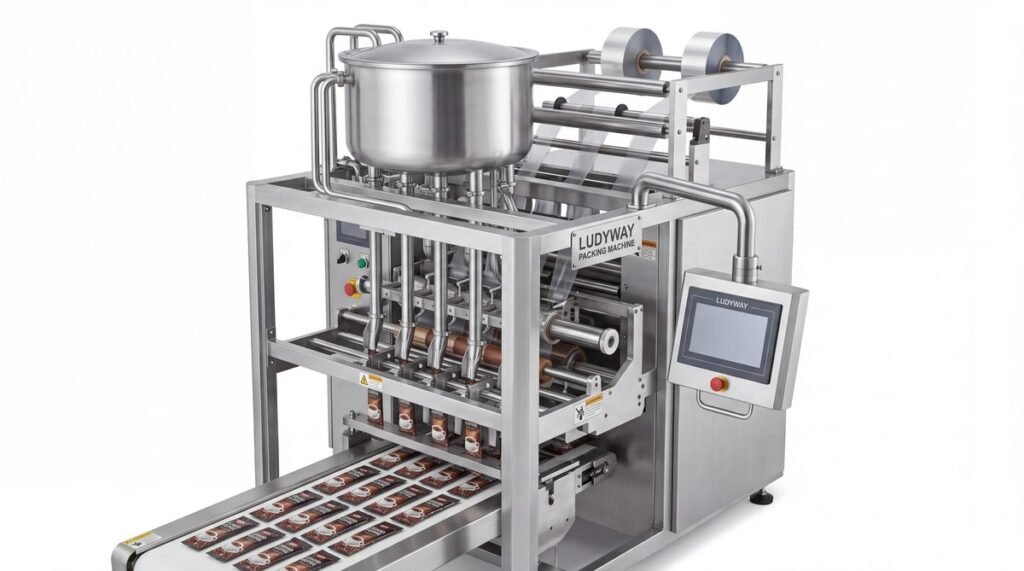
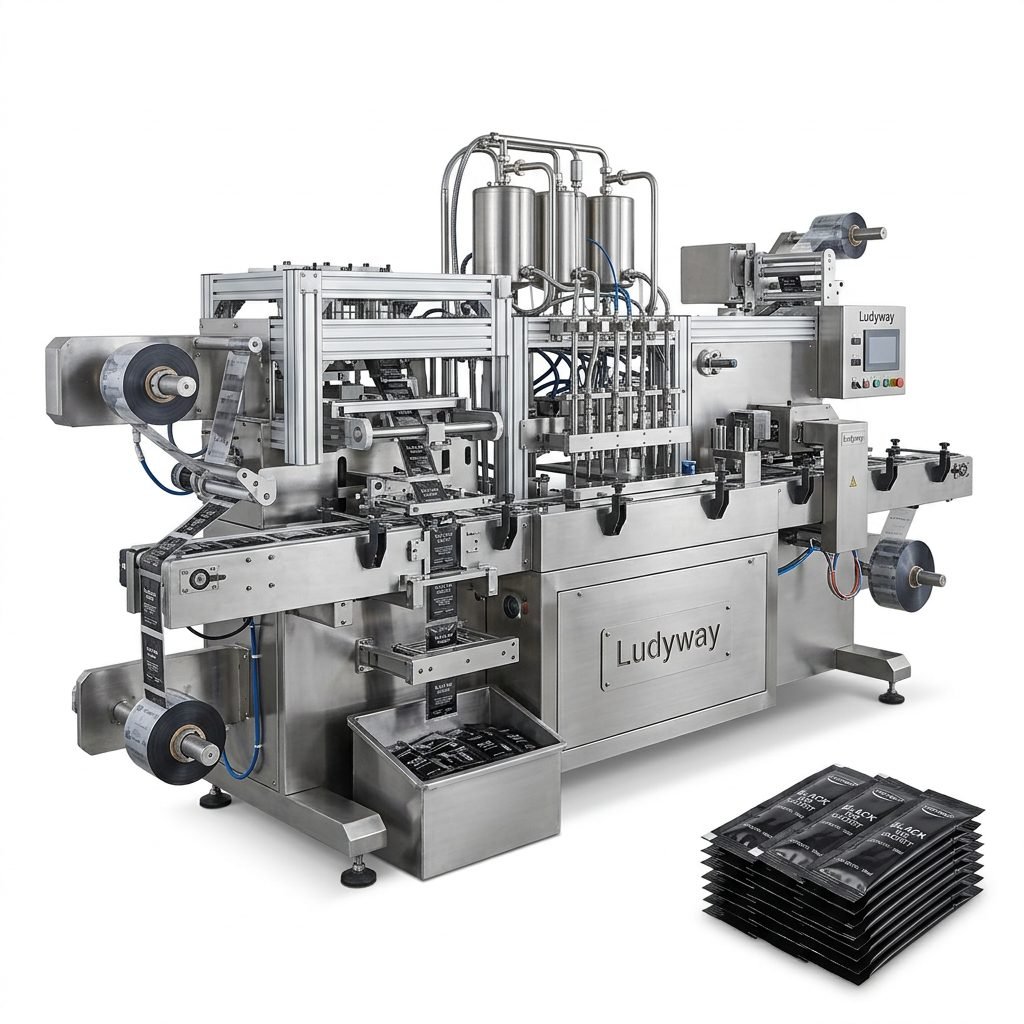
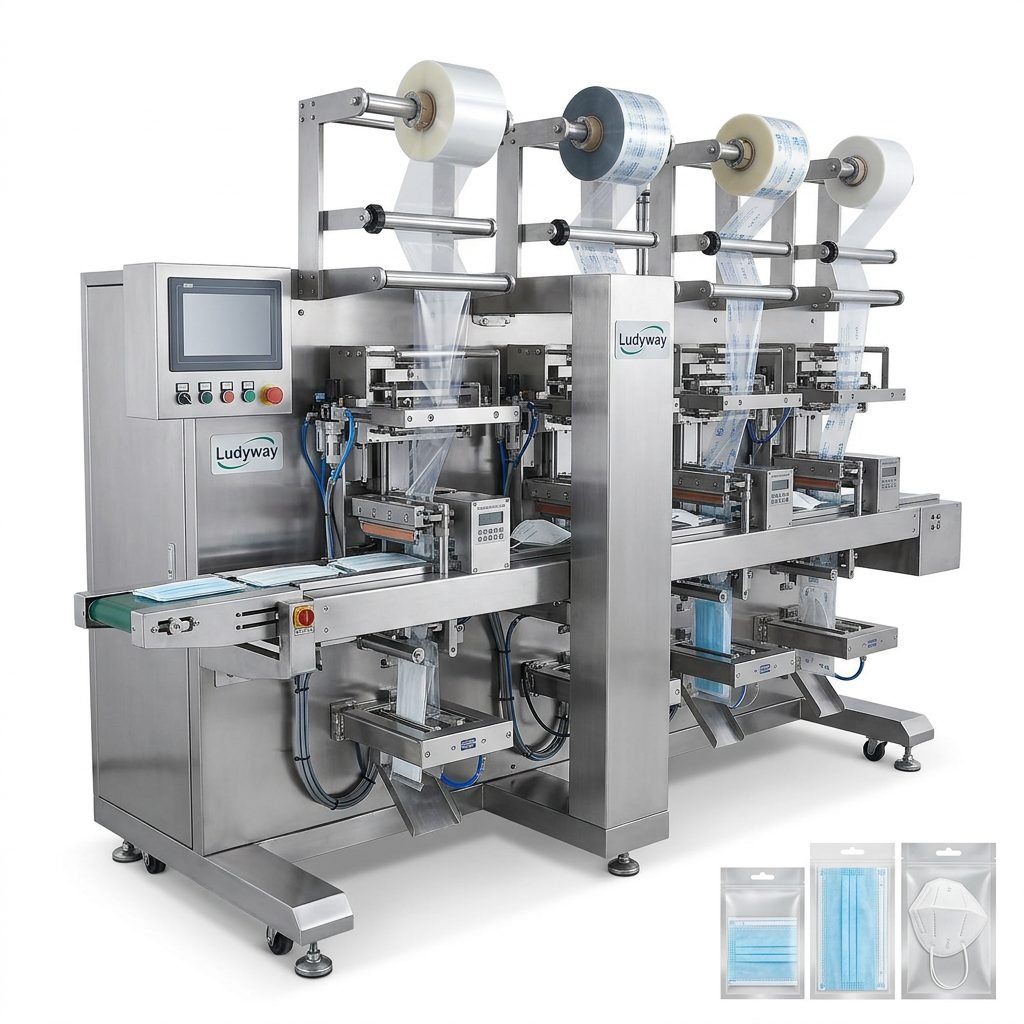
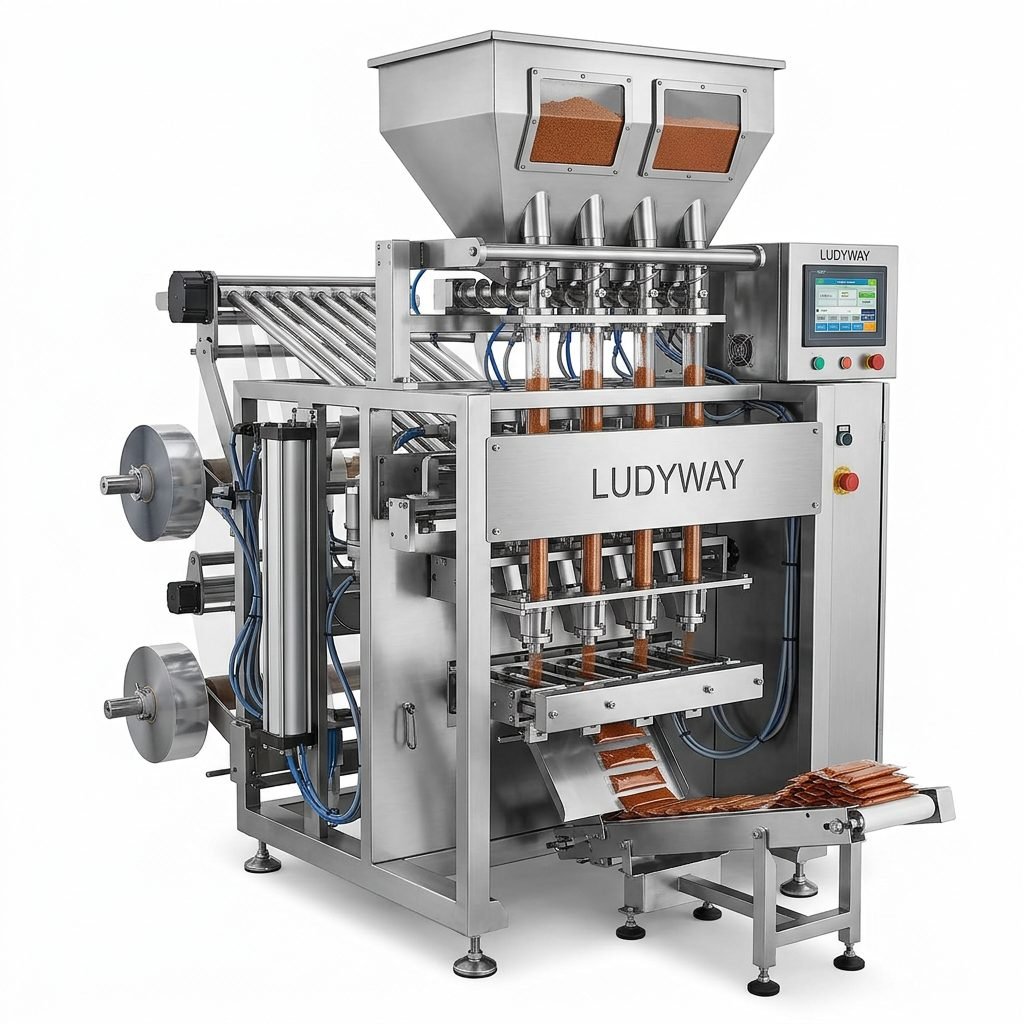
For businesses seeking more than just a machine transaction, partnering with a professional packaging solutions provider like Ludyway Machinery can be transformative. With over 30 years of industry experience, such partners offer deep expertise in selecting the right equipment—whether new or used—for your specific application. They can assist with machine assessment, recommend necessary refurbishments, and ensure the equipment integrates seamlessly into your Chicago production line. Their support often includes installation, operator training, and reliable after-sales service, turning a used equipment purchase into a low-risk, high-reward investment.
The Ludyway Advantage for Chicago Businesses
While Ludyway Machinery is known for its advanced new equipment, its extensive industry knowledge is equally valuable for clients considering the used market. Their team of experts can provide pre-purchase consultation to help you evaluate potential used machines against your production goals. They understand the nuances of different machine models and generations, helping you avoid obsolete technology or machines known for chronic issues. This guidance ensures that your investment in used packaging equipment in Chicago is sound and aligned with your long-term operational strategy.
Finalizing Your Purchase and Planning for Success
Once you’ve selected a machine, negotiate clear terms regarding price, payment, removal, and any included warranty or support. Plan for the move carefully—hiring a professional rigging company familiar with Chicago’s industrial zones is recommended. Before installation, schedule a thorough deep-clean and sanitation, especially if the machine was previously used in a different industry (e.g., moving from chemicals to food). Finally, budget for initial spare parts and factor in a break-in period where minor adjustments might be needed.
Conclusion
Navigating the market for used packaging equipment in Chicago requires diligence, but the rewards—significant cost savings and accelerated production capability—are substantial. By sourcing from reputable channels, conducting thorough inspections, and considering the support of an experienced partner like Ludyway Machinery, you can equip your facility with quality, affordable machines. This pragmatic approach resonates with the Chicago business spirit, ensuring your operation remains competitive and efficient in a dynamic market.
Frequently Asked Questions (FAQs)
1. What is the most important thing to check when buying a used packaging machine?
The single most critical step is to run the machine under conditions as close as possible to your intended use. This functional test reveals more about its true condition than any visual inspection. Check the quality of the seals, the accuracy of the fills, and listen for any operational irregularities.
2. How much should I budget for refurbishment after purchase?
It’s wise to budget an additional 15-25% of the purchase price for immediate refurbishment, unless buying from a dealer who includes a comprehensive reconditioning service. This covers replacing worn seals, belts, and bearings, updating safety guards, and performing a full mechanical and electrical safety check.
3. Can used packaging machines be upgraded with modern features?
Yes, many older mechanical machines can be retrofitted with modern upgrades like servo drives for better accuracy, new PLC controls with user-friendly HMIs, or enhanced safety light curtains. A qualified technician or provider like Ludyway Machinery can advise on the feasibility and cost-effectiveness of such upgrades for your specific model.
4. Where can I find reliable service technicians for older used machines in Chicago?
Many independent service companies in the Chicago area specialize in legacy equipment. Additionally, contacting the original equipment manufacturer (OEM) or an authorized service partner (even if you didn’t buy the machine from them) is often the best way to get expert service, genuine parts, and technical documentation.
5. Is it better to buy a used machine locally or from another state?
Buying locally in Chicago offers major advantages: easier pre-purchase inspection, lower transportation costs, and often a better understanding of the machine’s history. However, if a specific, hard-to-find model is available elsewhere at a great price, factor in all logistics and inspection costs (including travel) to make a fair comparison.