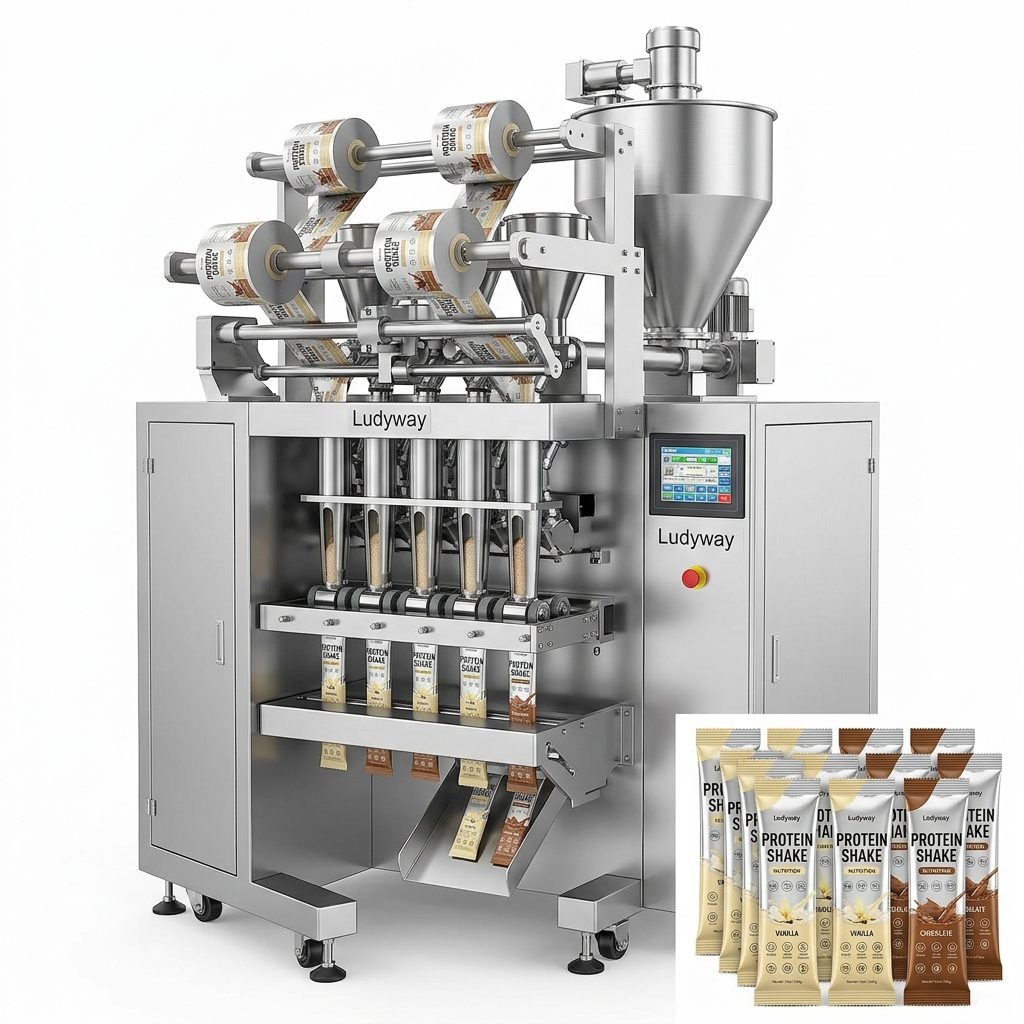
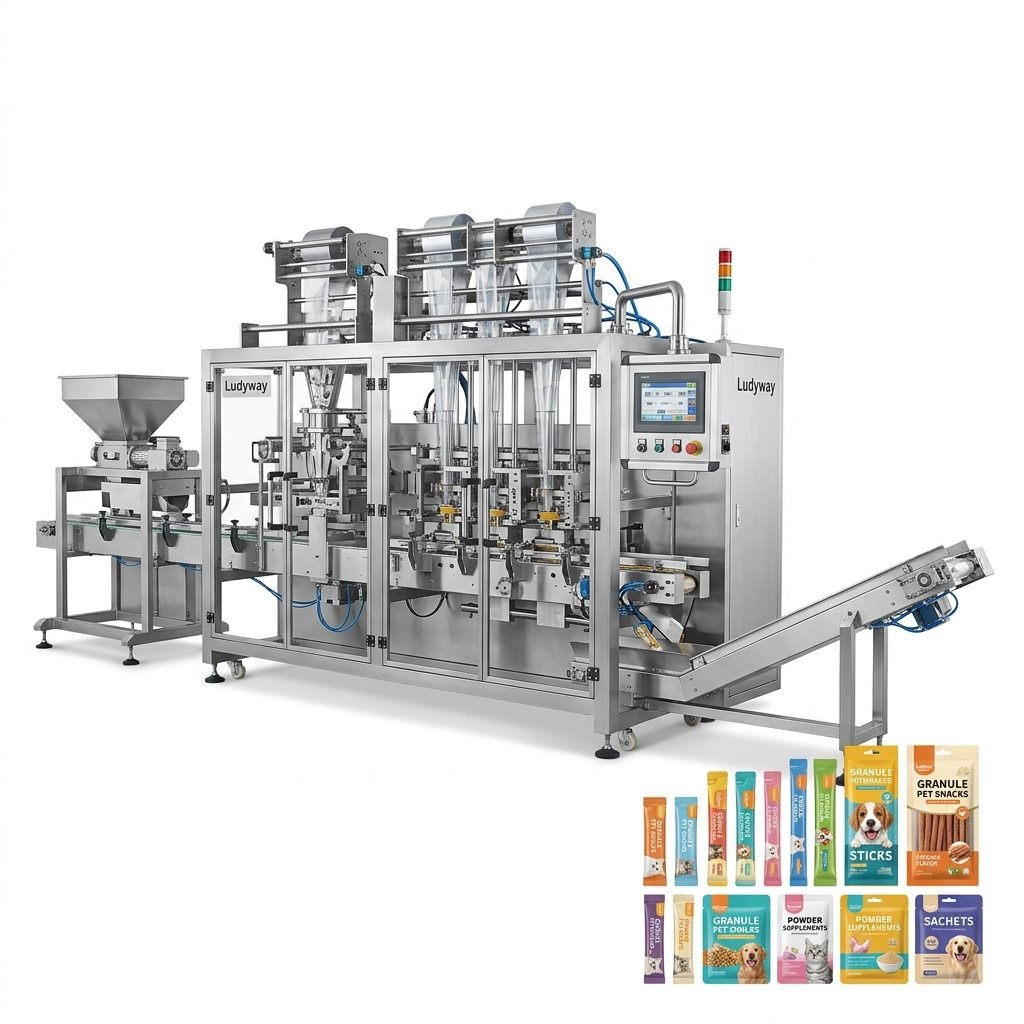
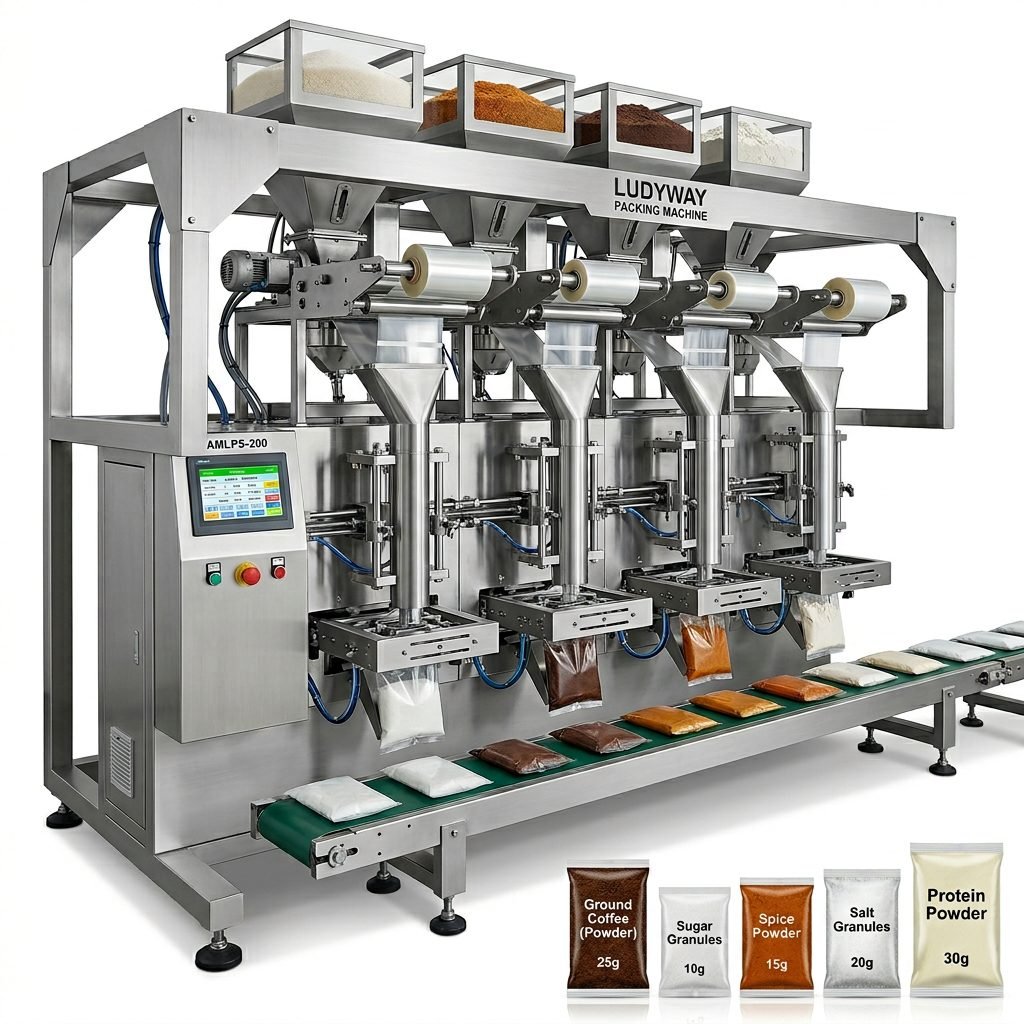
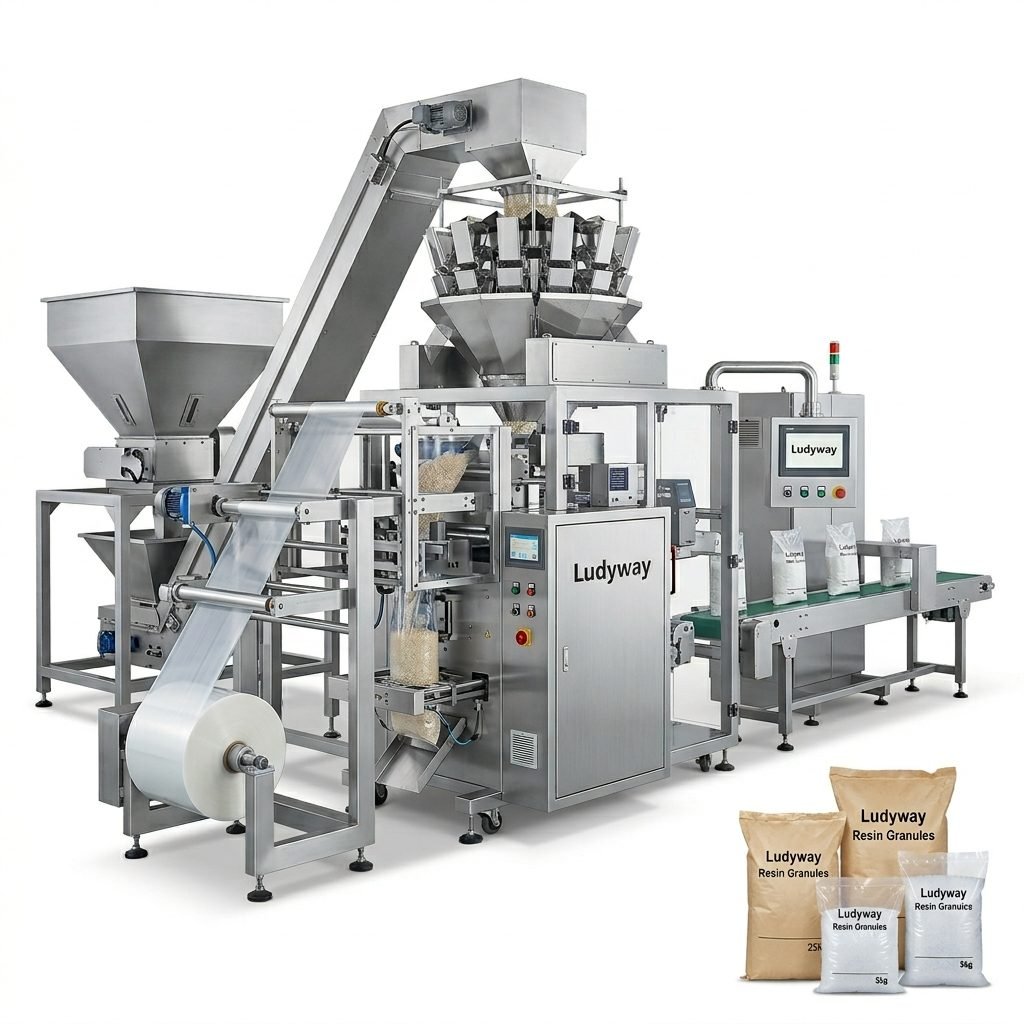
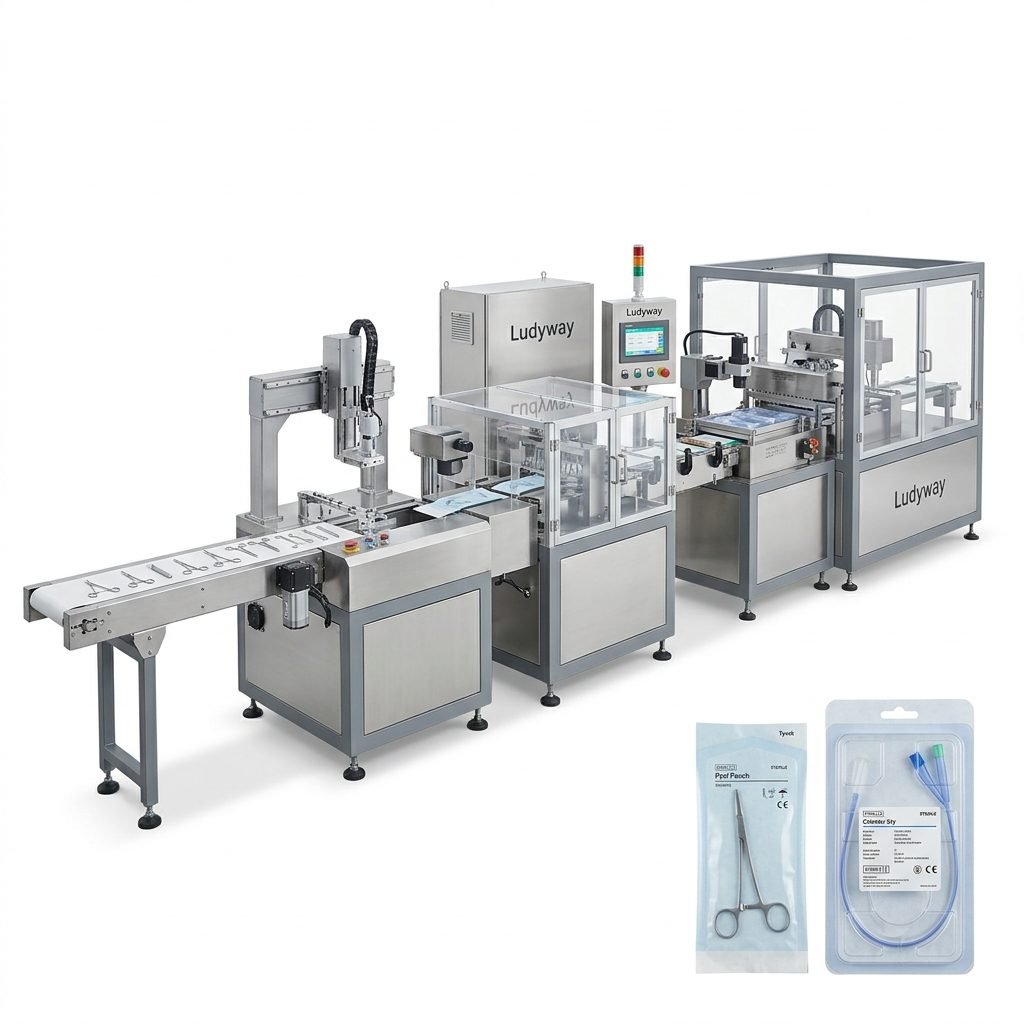
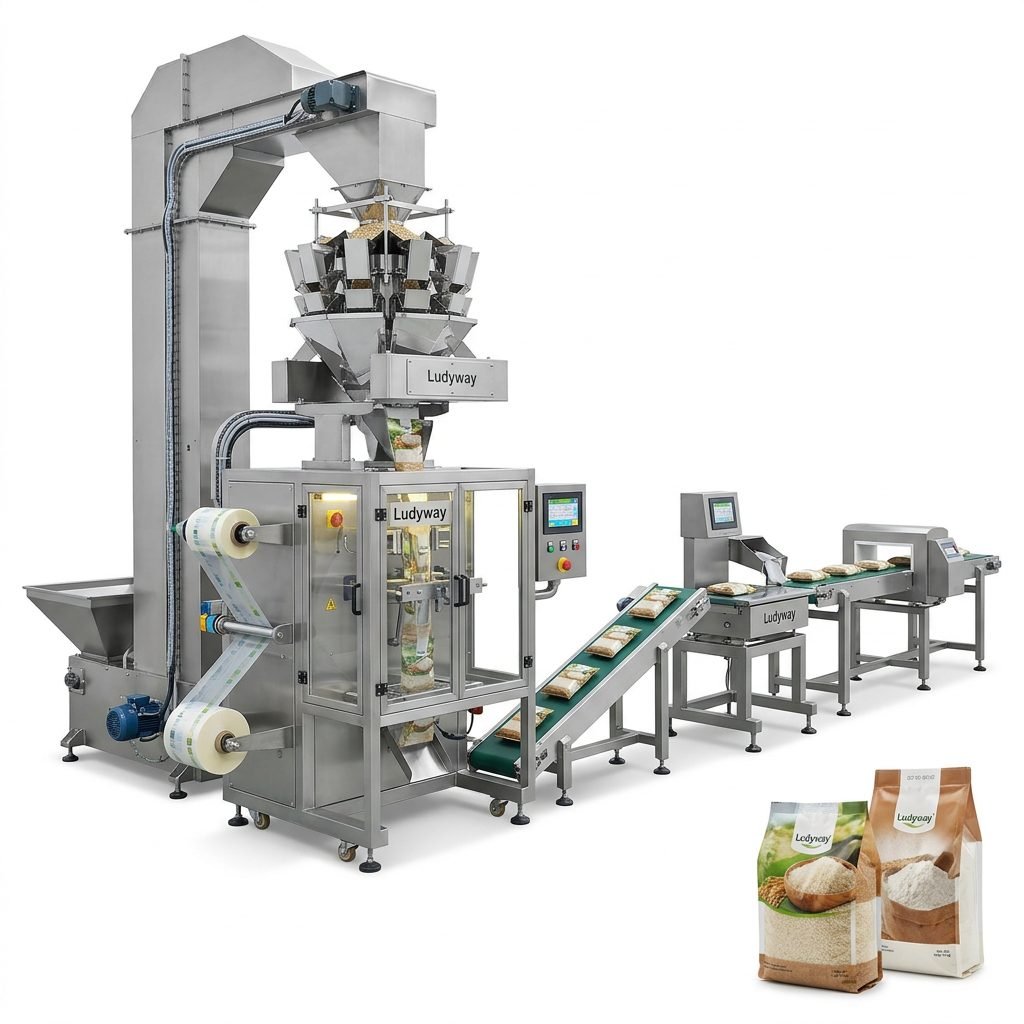
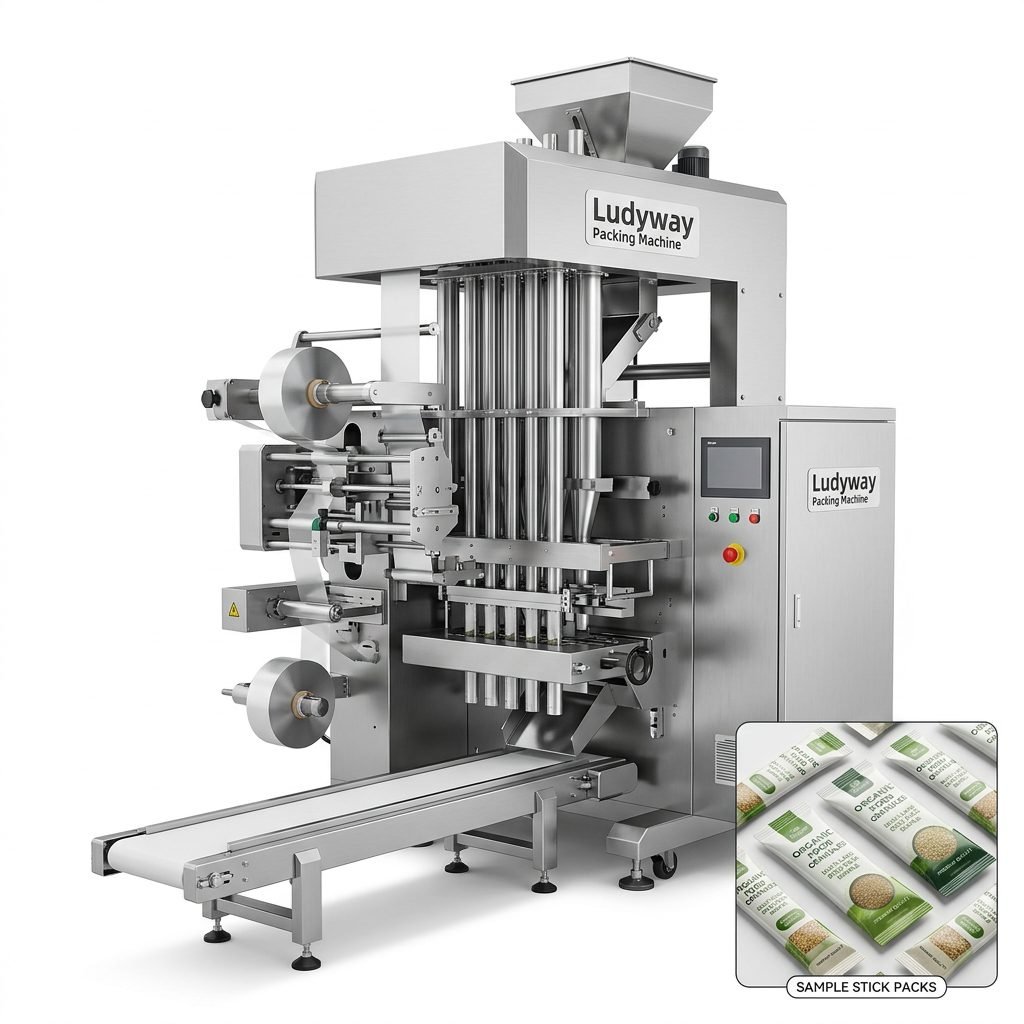
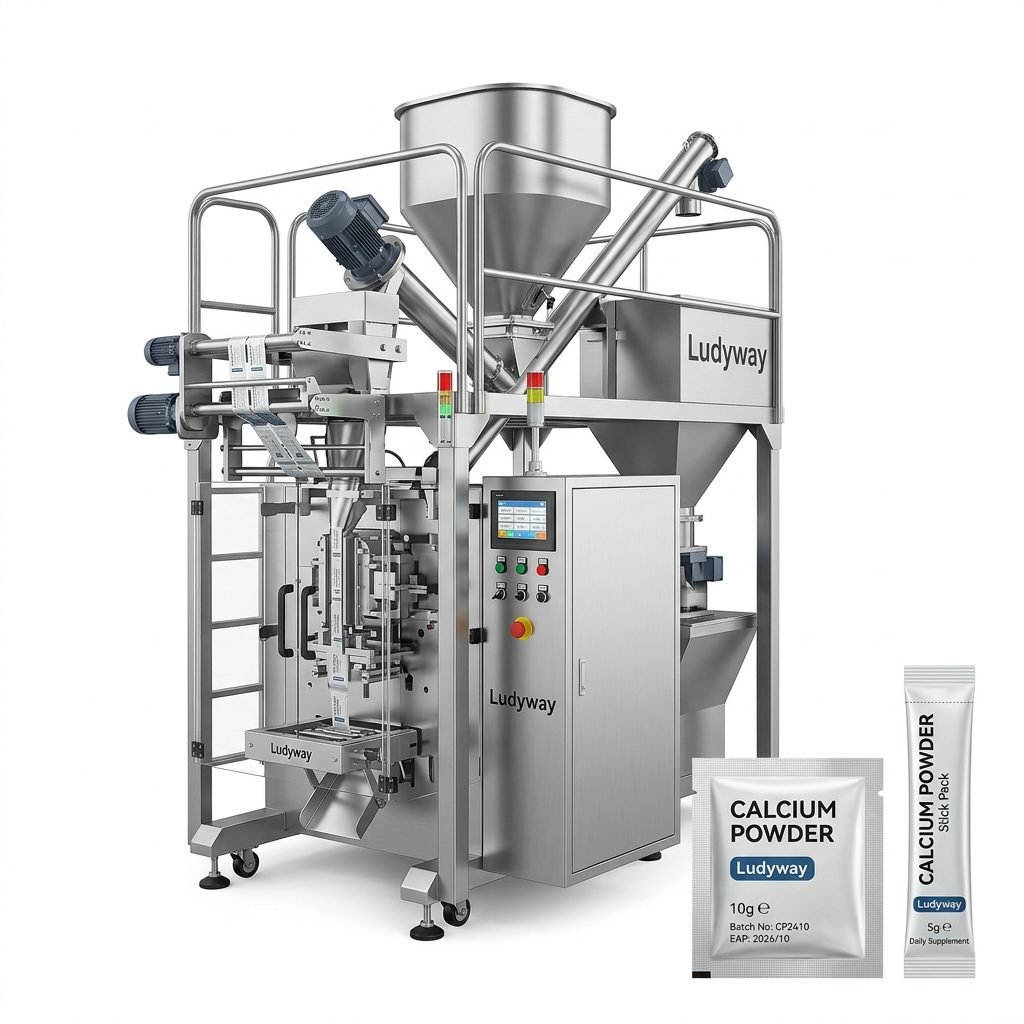
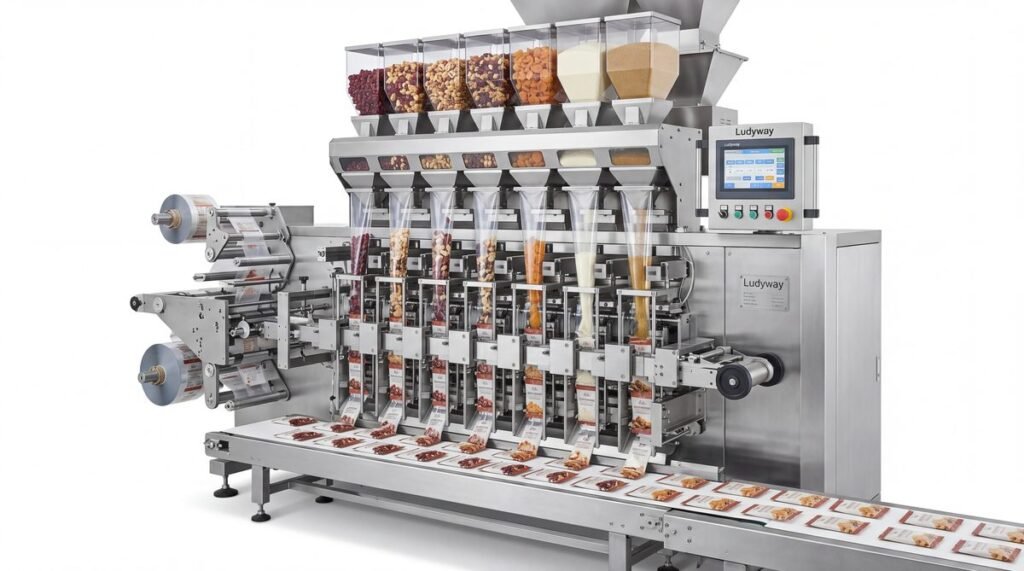
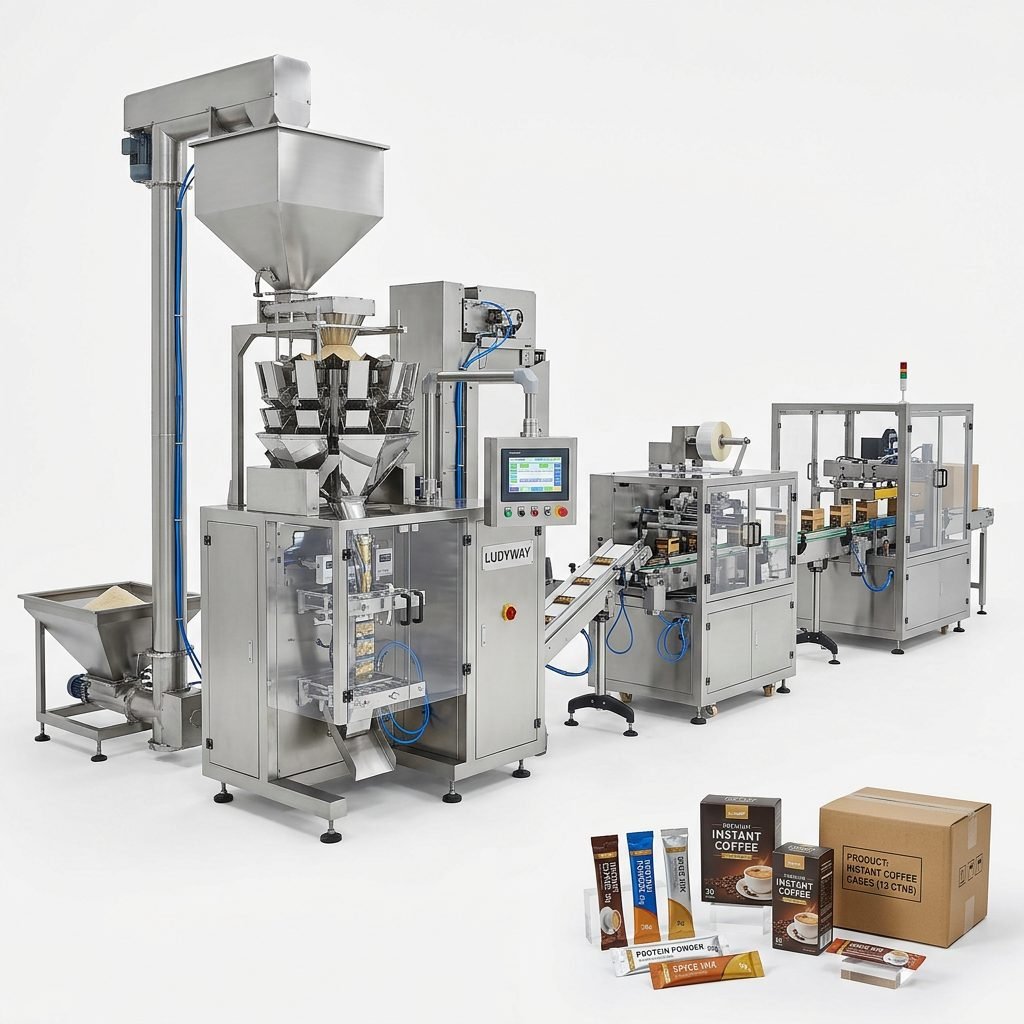
The global cosmetic packaging machinery market is a dynamic and rapidly evolving segment of the industrial automation landscape. Driven by consumer demand for innovative, sustainable, and personalized beauty products, this market encompasses the specialized equipment used to fill, seal, label, and assemble packaging for cosmetics, skincare, fragrances, and personal care items. From high-speed filling lines for mass-market lotions to precision capping machines for luxury serums, the machinery is critical for ensuring product integrity, brand appeal, and operational efficiency.
Market Size and Current Landscape
The market has demonstrated robust growth over the past decade. Valued at several billion dollars, it is projected to continue its upward trajectory with a steady compound annual growth rate (CAGR). This expansion is fueled by the relentless innovation in cosmetic formulations, which necessitates adaptable and precise packaging solutions. The Asia-Pacific region, particularly countries like China, South Korea, and Japan, stands as both a major manufacturing hub and a colossal consumer market, significantly influencing global trends and machinery demand. Europe and North America remain key markets, characterized by high demand for premium, sustainable, and automated packaging solutions.
Key Insight: The shift towards miniaturization and sample-sized packaging for travel and promotional purposes has created a niche demand for highly accurate, small-volume filling machinery.
Primary Growth Drivers
Several interconnected factors are propelling the cosmetic packaging machinery market forward:
1. Rising Consumer Demand and Product Proliferation
The beauty industry is defined by fast-paced product launches, limited editions, and a vast array of SKUs. This requires packaging machinery that is not only fast but also highly flexible, allowing for quick changeovers between different container shapes, sizes, and materials with minimal downtime.
2. Sustainability Imperative
Environmental concerns are reshaping packaging. There is immense pressure to use recycled materials, biodegradable plastics, and reduce overall packaging weight. Machinery must now handle these often more delicate or irregular sustainable materials without compromising speed or causing breakages. Equipment that facilitates refillable packaging systems is also gaining traction.
3. Automation and Industry 4.0 Integration
Manufacturers are increasingly adopting fully automated and smart production lines. Modern cosmetic packaging machinery integrates IoT sensors, vision inspection systems, and data analytics for real-time monitoring, predictive maintenance, and guaranteed quality control. This drive towards “lights-out” manufacturing enhances efficiency and reduces labor costs.
4. Demand for Premiumization and Customization
Luxury and niche brands often use unique packaging formats (e.g., irregular bottles, magnetic closures, dual chambers). This demands specialized, often semi-automatic or custom-engineered machinery capable of executing complex assembly and decoration tasks that standard machines cannot handle.
Key Market Segments
The market can be segmented based on machine type, application, and automation level.
By Machine Type
- Filling Machines: Liquid fillers, paste fillers, and powder fillers. Accuracy and hygiene are paramount.
- Capping & Sealing Machines: For screw capping, snap capping, induction sealing, and tube crimping.
- Labeling & Decorating Machines: Applying labels, sleeves, and direct printing for product information and branding.
- Cleaning & Sterilization Equipment: Crucial for skincare and cosmetic products where contamination control is essential.
- Assembly & Cartoning Machines: For assembling multi-component kits and placing primary packages into secondary cartons.
By Application
Skincare (creams, serums, lotions) represents the largest application segment, followed by color cosmetics (lipsticks, foundations), fragrances, and hair care. Each category has distinct viscosity, filling accuracy, and packaging material requirements, influencing machinery design.
Future Trends Shaping the Industry
The future of cosmetic packaging machinery is intelligent, sustainable, and agile.
▶ Hyper-Flexibility and Modular Design
Machines will be built on modular platforms, allowing manufacturers to easily reconfigure lines for different products. This plug-and-play approach drastically reduces changeover time and capital investment for new SKUs.
▶ AI-Powered Quality Control
Advanced vision systems powered by artificial intelligence will go beyond detecting simple defects. They will learn to identify subtle inconsistencies in fill levels, label alignment, cap closure, and even cosmetic product color or texture, ensuring flawless output.
▶ Advanced Aseptic and Clean-Room Packaging
With the blurring lines between cosmetics and cosmeceuticals, demand for preservative-free products is rising. This will drive investment in machinery capable of operating in aseptic or controlled environments to ensure product sterility and extended shelf-life.
▶ Focus on Refill and Reuse Systems
The circular economy model will move from trend to standard. Machinery will be specifically designed to efficiently clean, inspect, and refill durable primary containers, requiring new handling, cleaning, and filling technologies. Companies like Ludyway Machinery are at the forefront of developing adaptable solutions for such evolving production needs.
The Role of Specialized Suppliers
Navigating this complex market requires partners with deep technical expertise and a global perspective. Experienced suppliers provide more than just machines; they offer turnkey solutions encompassing feasibility studies, line design, installation, and ongoing support. Their understanding of diverse regional regulations, material science, and production bottlenecks is invaluable. For instance, a supplier with extensive experience in the Asian market will be adept at configuring high-speed lines for popular sheet masks or cushion compacts, while understanding the premium finishing expectations of European luxury brands.
Choosing a partner with a strong track record, such as Ludyway Packaging Machinery, which brings decades of industry experience and offers a wide range of intelligent packaging systems, can be a strategic advantage for brands looking to scale or innovate their packaging operations efficiently.
In conclusion, the cosmetic packaging machinery market is intrinsically linked to the vitality and innovation of the beauty industry itself. Success will belong to machinery manufacturers and cosmetic brands that collaboratively embrace flexibility, sustainability, and digital intelligence. The machinery of tomorrow will not just package a product; it will be a central node in a smart, responsive, and responsible production ecosystem, enabling brands to meet the aesthetic, functional, and ethical expectations of the modern consumer.
Frequently Asked Questions (FAQs)
1. What are the main types of filling machines used in cosmetics?
The primary types are piston fillers (ideal for creams and pastes), peristaltic pump fillers (for sensitive liquids like serums), and time-pressure fillers (for foams and aerosols). The choice depends on product viscosity, required accuracy, and filling speed.
2. How is sustainability impacting cosmetic packaging machinery design?
Machinery must now handle post-consumer recycled (PCR) plastics, paper-based materials, and mono-materials designed for recycling. This requires gentler handling systems, precise heat controls for sealing, and adaptability to less consistent material properties. Machinery for refillable systems is also a growing segment.
3. What should I look for when choosing a cosmetic packaging machinery supplier?
Key factors include: proven experience with your specific product type (e.g., liquids vs. powders), the flexibility and changeover speed of their equipment, integration capabilities for automation and data, compliance with relevant safety standards (e.g., cGMP, CE), and the quality of their after-sales service and technical support. Exploring the solutions from established providers like Ludyway’s packaging experts can offer insights into reliable and innovative options.
4. What is the trend regarding automation levels in cosmetic packaging?
The trend is moving from semi-automatic towards fully automated, integrated lines. This includes robotic palletizing, automated guided vehicles (AGVs) for material handling, and centralized control systems that monitor the entire line’s performance, optimizing efficiency and reducing manual intervention.
5. How important is regulatory compliance for this machinery?
Extremely important. Machinery must comply with regional safety directives (like the EU’s Machinery Directive). For products that are borderline cosmetic/pharmaceutical (cosmeceuticals), equipment may need to be designed for easy cleaning and validation to meet stricter pharmaceutical standards, impacting material choices and design.