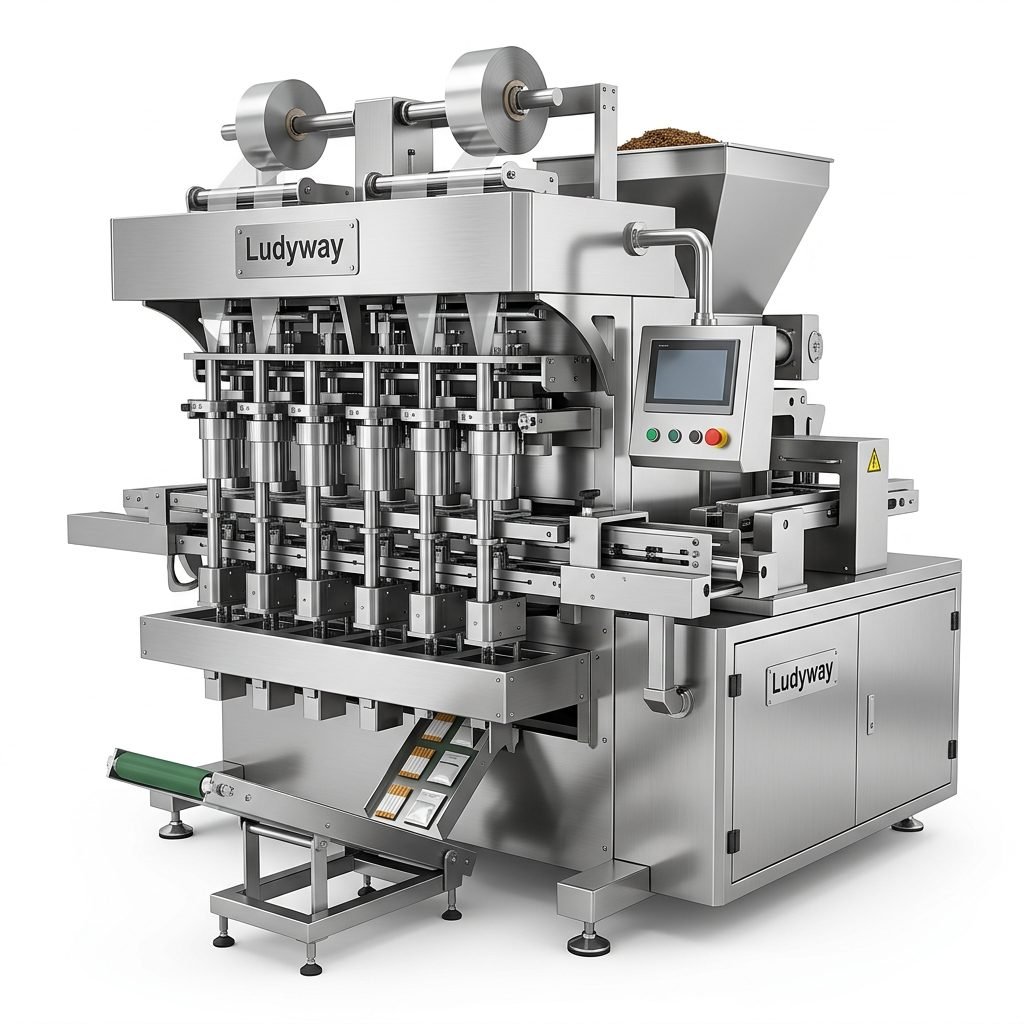
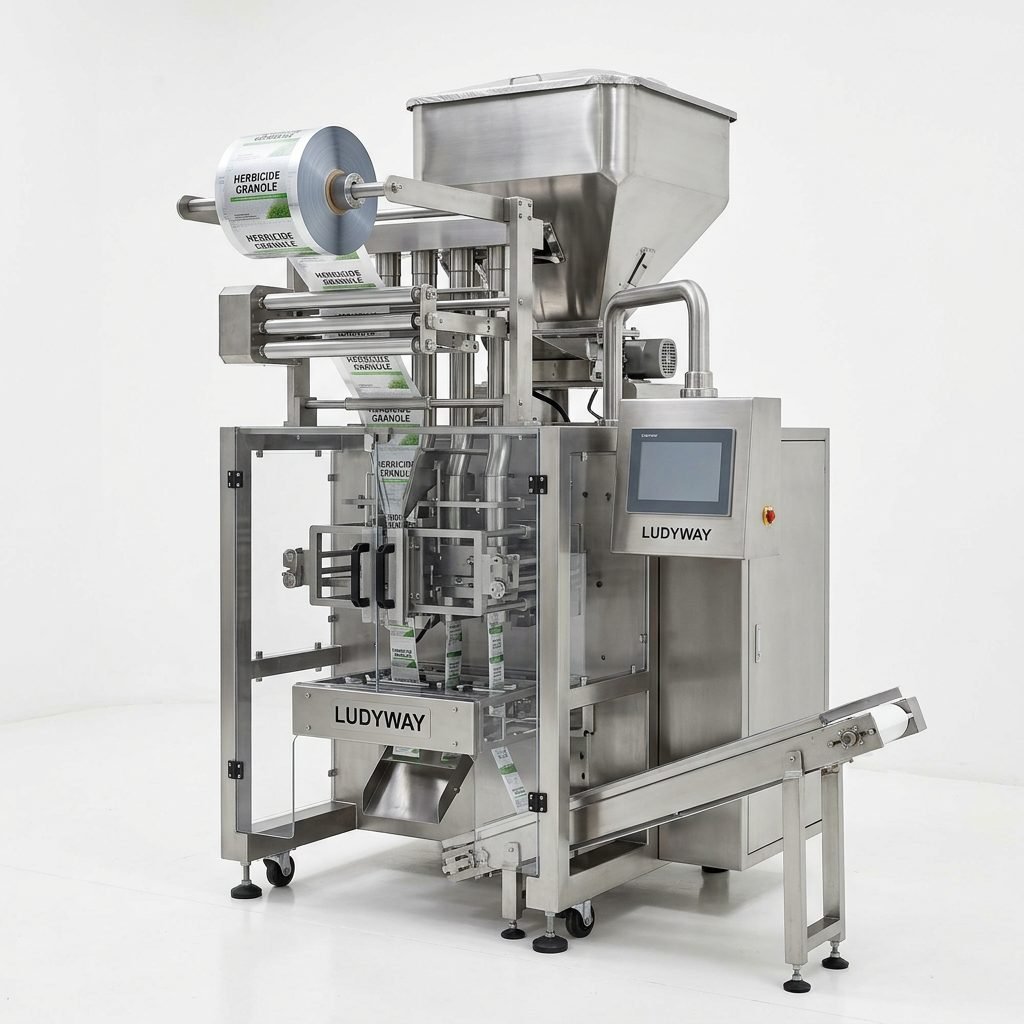
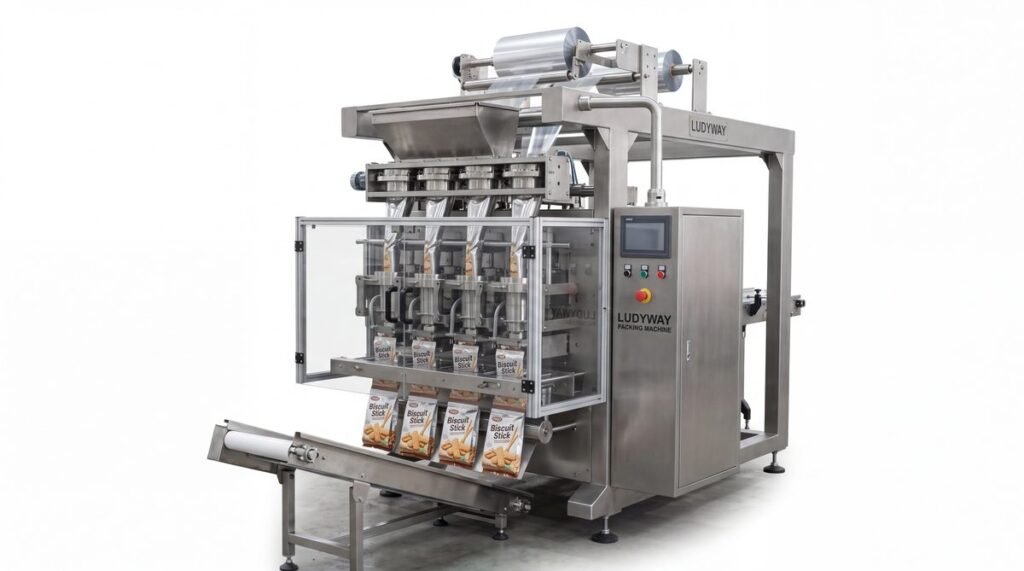
In the fast-paced world of manufacturing, efficiency, hygiene, and precision are non-negotiable. For industries like food, pharmaceuticals, and consumer goods, the final packaging stage is a critical point where product integrity, brand reputation, and operational costs converge. This is where the strategic implementation of automatic cartoning and packaging machine solutions becomes a game-changer. Moving beyond simple containment, modern automated systems are intelligent production partners designed to handle diverse products with speed, accuracy, and minimal human intervention.
The evolution from manual packing to fully automated lines represents a significant leap in production philosophy. It’s a shift from viewing packaging as a cost center to recognizing it as a value-adding process that enhances product safety, supply chain agility, and market responsiveness.
The Core Advantages of Automated Packaging Systems
Adopting an automatic cartoning system is an investment that pays dividends across multiple facets of your operation. The primary benefits are multifaceted and directly impact the bottom line.
Unmatched Speed and Consistent Throughput
Automated machines operate continuously at predetermined speeds, eliminating the variability and fatigue associated with manual labor. Whether it’s hundreds of sachets per minute or complex secondary packaging operations, these systems deliver a reliable, high-volume output that manual processes simply cannot match. This consistency is vital for meeting large orders and just-in-time production schedules.
Precision and Reduced Product Waste
Every mis-filled sachet or incorrectly sealed carton represents lost revenue. Automated systems use advanced sensors, servo drives, and programmable logic controllers (PLCs) to ensure each action—from filling and sealing to carton forming and insertion—is executed with pinpoint accuracy. This precision drastically reduces giveaway and product waste, optimizing material usage and protecting profit margins.
💡 Key Consideration: Flexibility
Modern machines are not rigid. Look for solutions with quick-change parts and recipe management systems. This allows a single line to efficiently switch between different product sizes or types, making low-volume, high-mix production economically viable.
Enhanced Hygiene and Contamination Control
This is particularly crucial for the pharmaceutical and food sectors. Automated packaging minimizes direct human contact with the product. Enclosed systems and cleanable stainless-steel contact parts help maintain stringent hygiene standards, complying with regulations like GMP (Good Manufacturing Practice) and HACCP (Hazard Analysis Critical Control Point).
Labor Optimization and Ergonomic Benefits
Automation alleviates the strain of repetitive, physically demanding tasks. It allows your workforce to be upskilled to more valuable roles such as machine supervision, quality control, and maintenance. This not only improves employee satisfaction and safety but also creates a more stable and skilled operational environment.
Tailored Solutions for Key Industries
The “one-size-fits-all” approach fails in packaging. Each industry has unique challenges that demand specialized solutions. A provider with deep cross-industry experience, like Ludyway Packing Machine, can tailor technology to meet these specific demands.
Food Industry: Freshness, Speed, and Appeal
Food packaging must preserve freshness, prevent contamination, and attract consumers on the shelf. Automatic solutions for food involve:
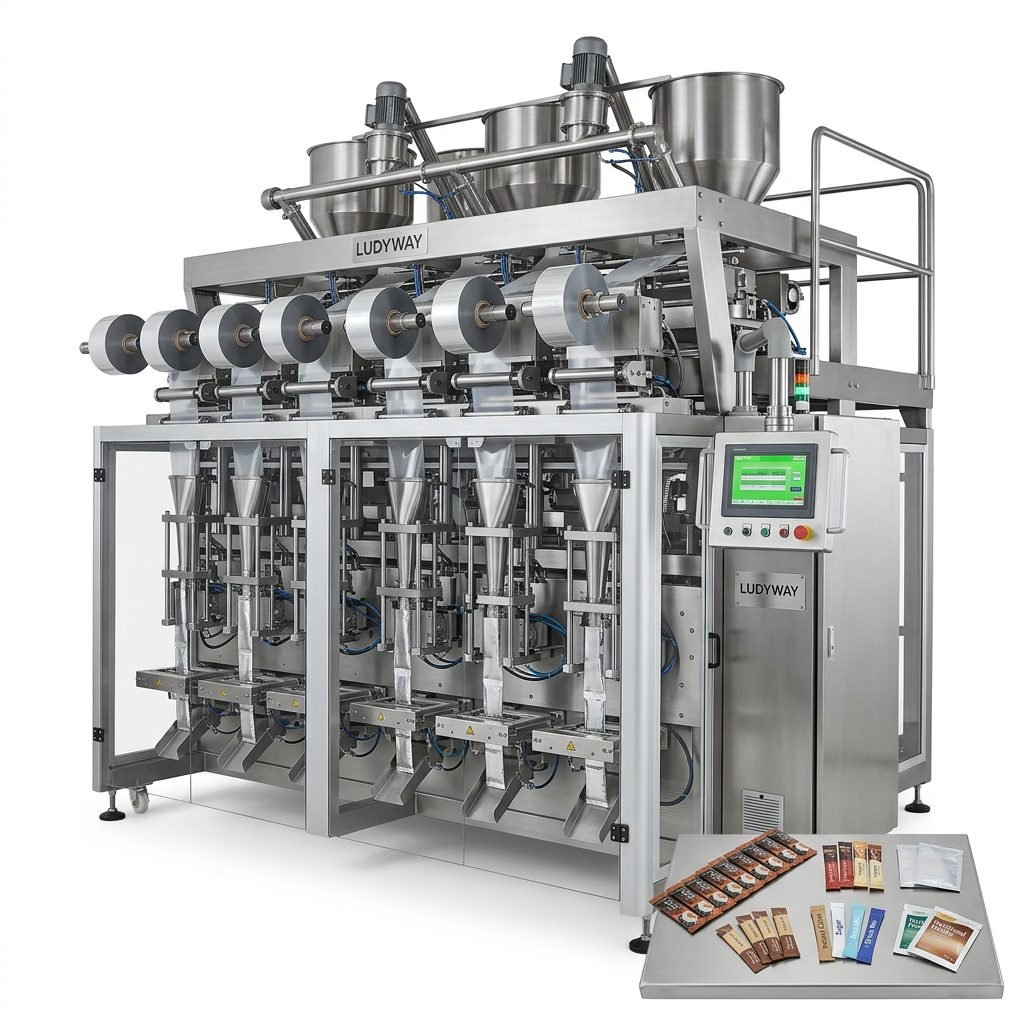
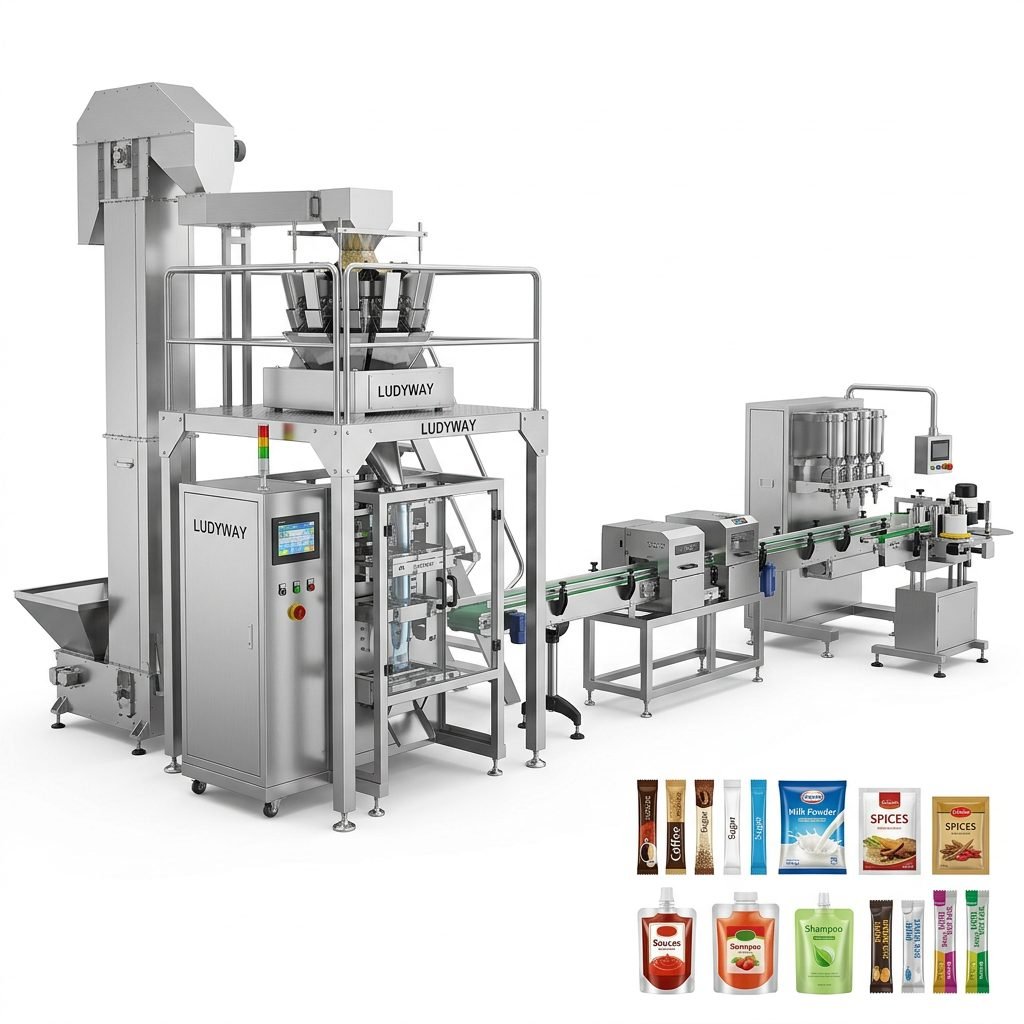
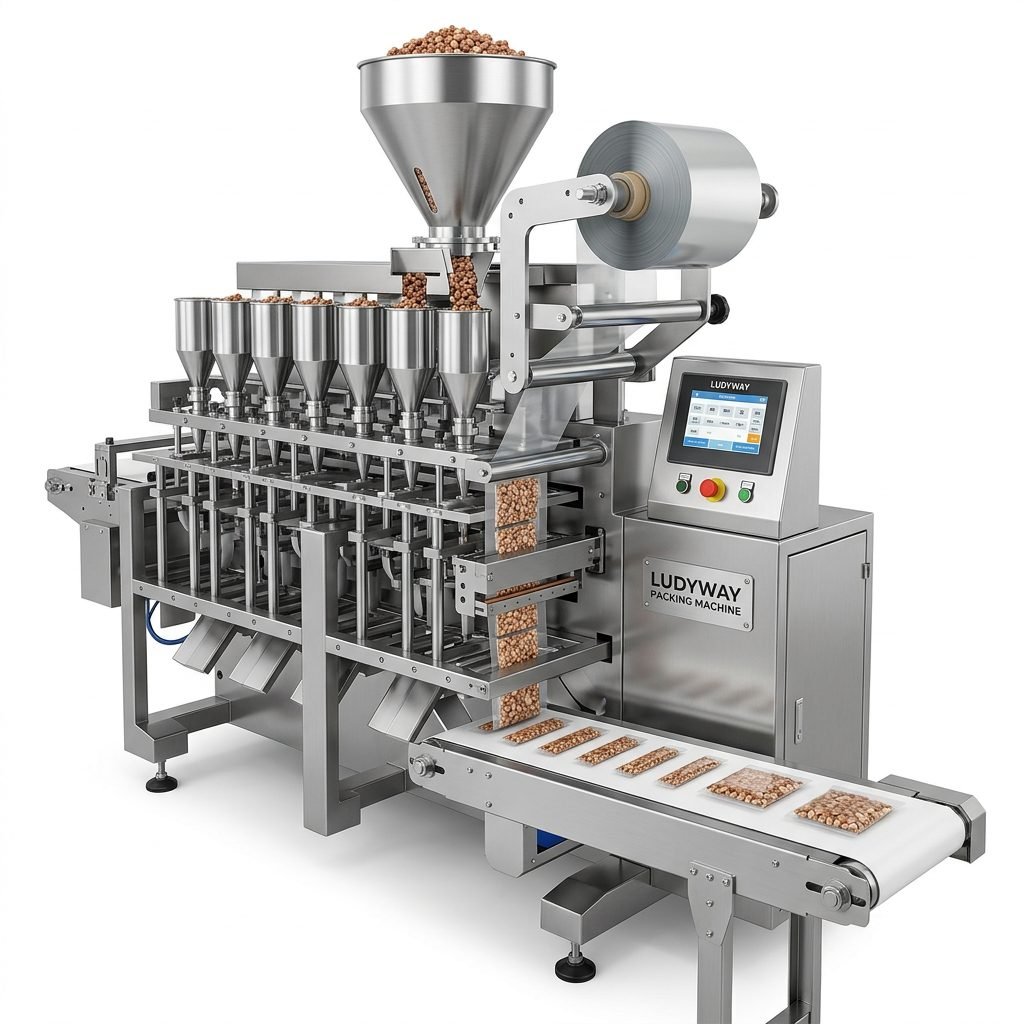
- Granule & Powder Packers: For coffee, sugar, spices, and instant soups with high-speed, multi-lane filling.
- Liquid Filling & Sealing: For sauces, dressings, and oils, often integrated with nitrogen flushing to extend shelf life.
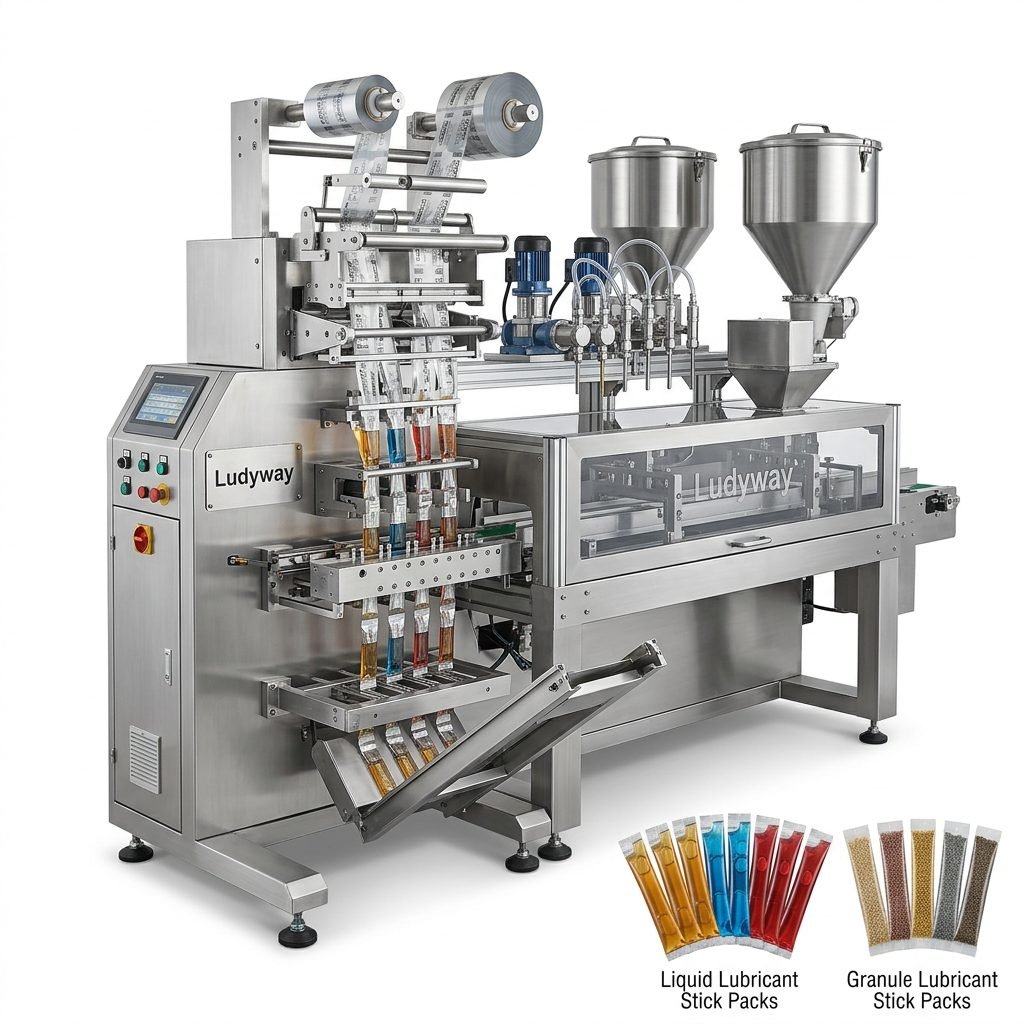
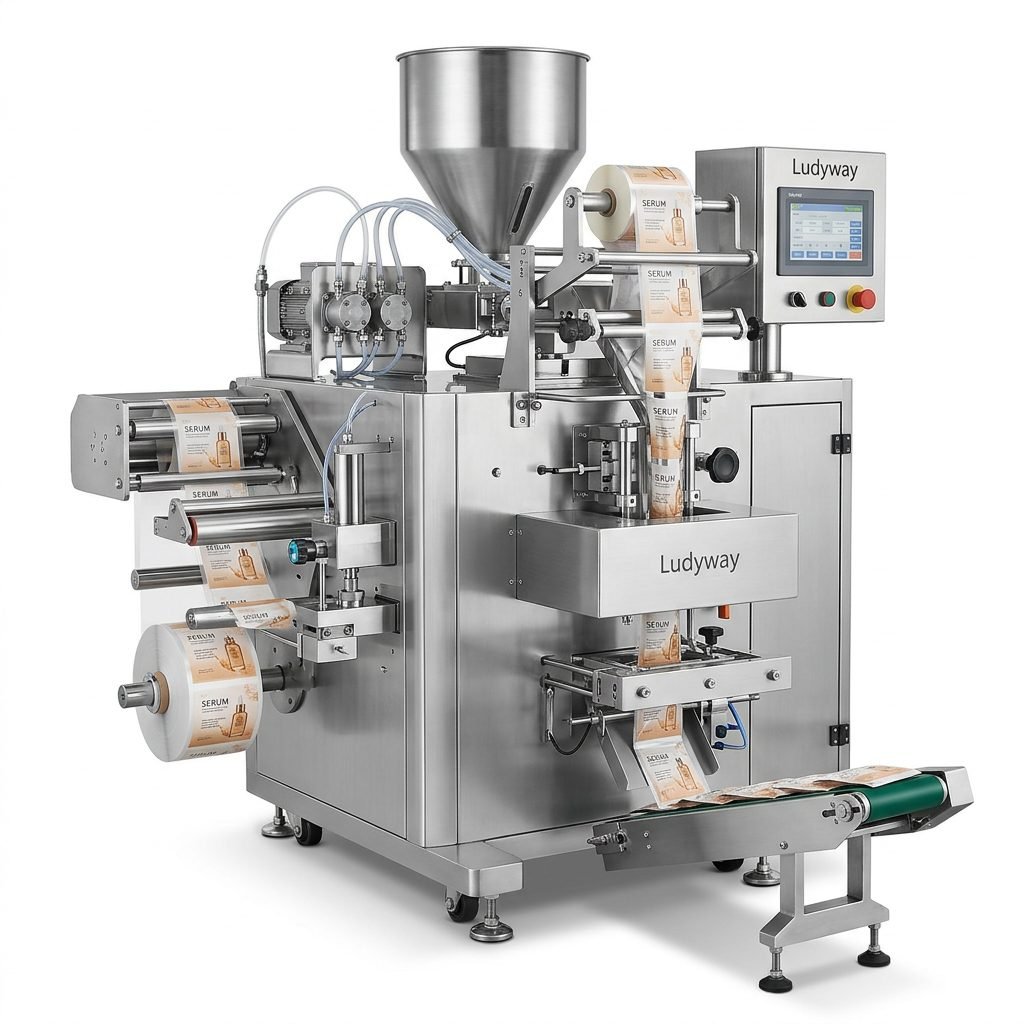
- Stick Pack & Sachet Machines: Ideal for single-serve portions of condiments, drink mixes, and supplements.
The machinery must be easy to clean, compatible with food-safe materials, and capable of handling a variety of consistencies without spillage or inaccuracy.
Pharmaceutical Industry: Accuracy, Traceability, and Compliance
Here, the stakes involve patient safety and regulatory adherence. Packaging solutions must be validated and designed for zero error tolerance.
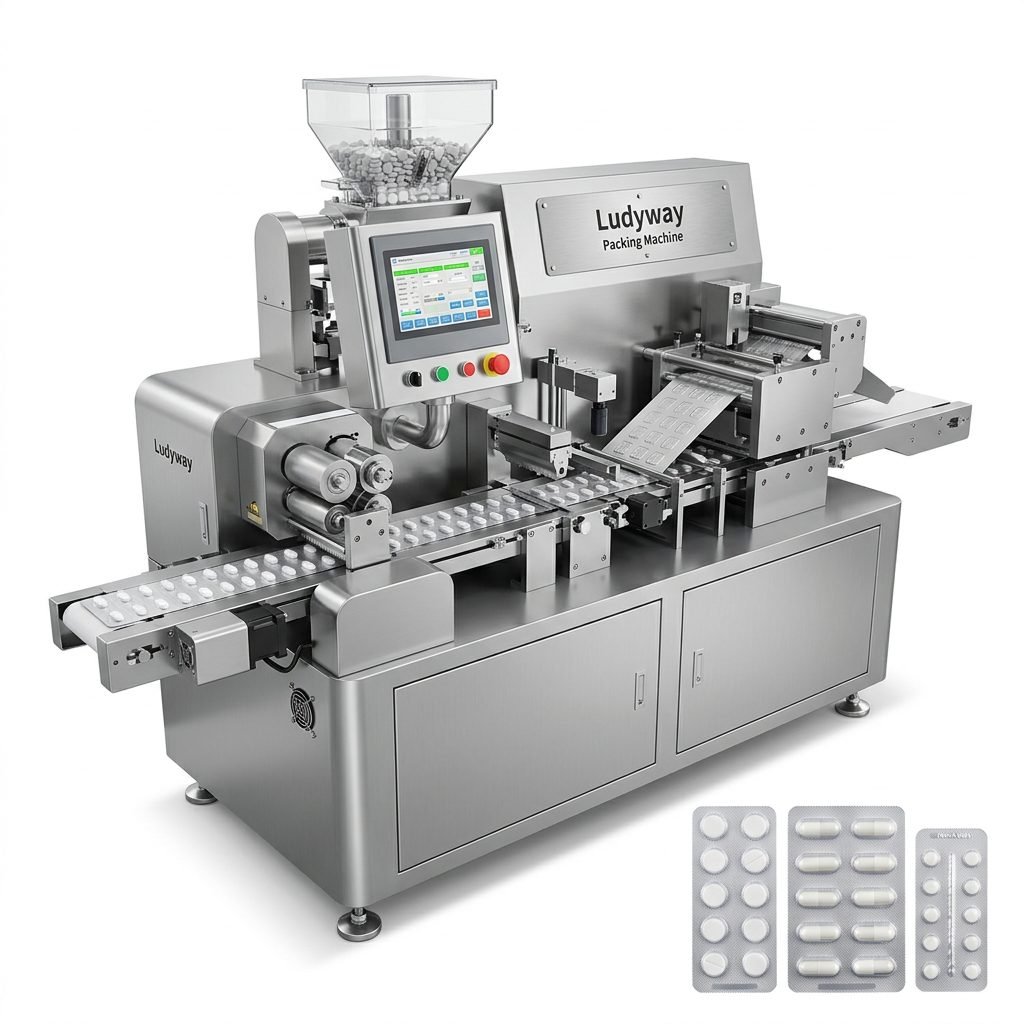
- Blister Packaging & Cartoning: For tablets and capsules, often with integrated vision systems to check for missing pills and print batch codes.
- Powder & Liquid Pharma Fillers: For medicinal powders or syrups, requiring aseptic or cleanroom capabilities.
- Serialization & Aggregation: Advanced lines can serialize individual packages and aggregate them to cartons and cases for complete track-and-trace, a requirement in many markets like the EU and USA.
Consumer Goods Industry: Versatility and Brand Differentiation
This broad category includes everything from cosmetics to hardware. Packaging needs to be cost-effective, robust, and adaptable to frequent marketing changes.
Automatic cartoners excel at assembling display-ready boxes, inserting multiple items (like a bottle, a leaflet, and a sample), and applying tamper-evident seals. The ability to handle odd-shaped items and switch between different carton styles quickly is a major advantage for brands with diverse product lines.
⚙ The Turnkey Advantage
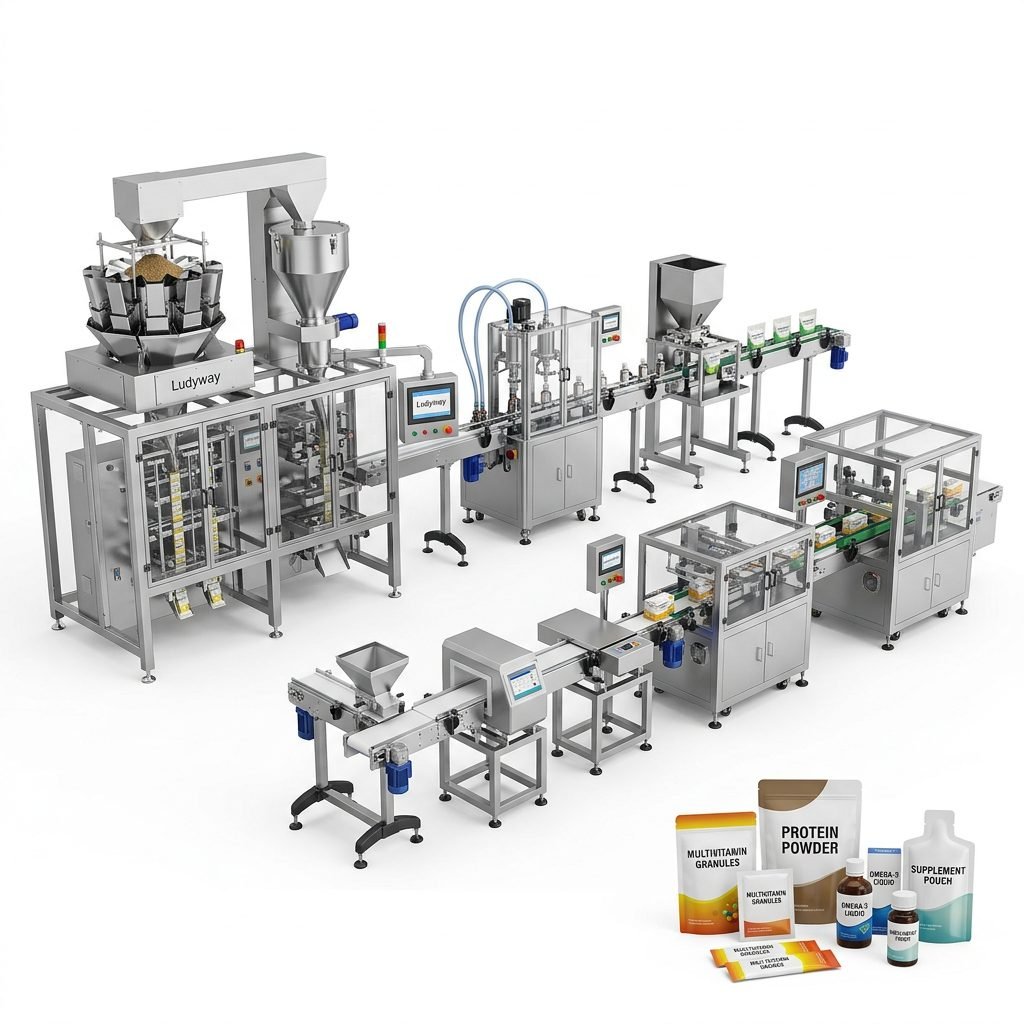
Leading providers don’t just sell machines; they deliver complete production line solutions. This involves integrating primary packaging machines (like sachet fillers) with secondary equipment (like cartoners and case packers), along with conveyors, inspection systems, and control software. A turnkey approach from a single source ensures compatibility, simplifies project management, and provides a single point of accountability for service and support.
Implementing Your Automated Packaging Line: A Strategic Guide
Successfully integrating an automated packaging system requires careful planning. It’s a collaborative process between you and your machinery partner.
Step 1: Define Your Requirements
Start with a clear analysis: What are your current and future production volumes? What products and package sizes need to be run? What are your key pain points (e.g., labor costs, waste, speed bottlenecks)? Define your must-have features and your desired level of automation.
Step 2: Partner with an Experienced Provider
Choose a partner with proven experience in your specific industry. Evaluate their technical support, spare parts availability, and willingness to provide customized solutions. A provider with a global service network, built over years of operation, can offer invaluable peace of mind.
Step 3: Plan for Integration and Training
Work with your supplier to plan the line layout, utility connections, and safety systems. Comprehensive training for your operators and maintenance technicians is essential to maximize uptime and quickly troubleshoot minor issues.
Step 4: Focus on Lifecycle Value
Consider the total cost of ownership, not just the purchase price. A reliable, well-supported machine from a reputable brand may have a higher initial cost but delivers far greater value through years of dependable service, higher efficiency, and lower long-term maintenance costs.
Conclusion: Packaging as a Strategic Asset
Automatic cartoning and packaging machines are far more than just metal and motors. They are strategic assets that drive operational excellence. For food, pharma, and consumer goods producers, investing in the right automated solution is a direct investment in product quality, brand protection, and competitive advantage. By partnering with a knowledgeable and reliable equipment provider, you can transform your packaging line from a necessary cost into a powerful engine for growth and innovation.
Frequently Asked Questions (FAQs)
1. What is the typical ROI (Return on Investment) for an automatic packaging machine?
ROI varies based on labor costs, production volume, and current waste levels. Typically, payback periods range from 1 to 3 years. Savings come from reduced labor, lower material waste, increased output, and fewer quality-related returns.
2. Can one machine handle different product types and package sizes?
Yes, many modern machines are designed for flexibility. Look for models with “quick-changeover” features, such as interchangeable forming heads, adjustable servo mechanisms, and digital recipe storage. This allows for fast switching between jobs.
3. How important is after-sales service and technical support?
It is critically important. Even the best machinery may require maintenance or troubleshooting. A provider with a strong global service network, readily available spare parts, and responsive remote support ensures maximum uptime and protects your investment.
4. What certifications should I look for in pharmaceutical packaging equipment?
For pharmaceutical applications, equipment should be designed to comply with cGMP (current Good Manufacturing Practice). Key aspects include use of sanitary materials (e.g., 316L stainless steel), smooth, cleanable surfaces, and validation documentation (IQ/OQ/PQ) to prove the machine performs as specified.
5. How do I choose between a standard machine and a fully customized solution?
Start with a standard model that meets 80-90% of your needs; customization can often address the remaining specific requirements. A custom solution is ideal for highly unique products or processes but involves longer lead times and higher cost. An experienced provider can guide you to the most cost-effective balance.