Investing in a shrink wrap packaging machine is a significant decision for any manufacturer, warehouse, or fulfillment center. The right machine can streamline your entire packaging line, reduce labor costs, and protect your products during transit. However, with so many models, configurations, and price points available, the selection process can quickly become overwhelming. This comprehensive buyer’s guide walks you through every critical factor to consider, helping you make an informed purchasing decision that aligns with your production goals and budget.
Understanding Shrink Wrap Machine Types
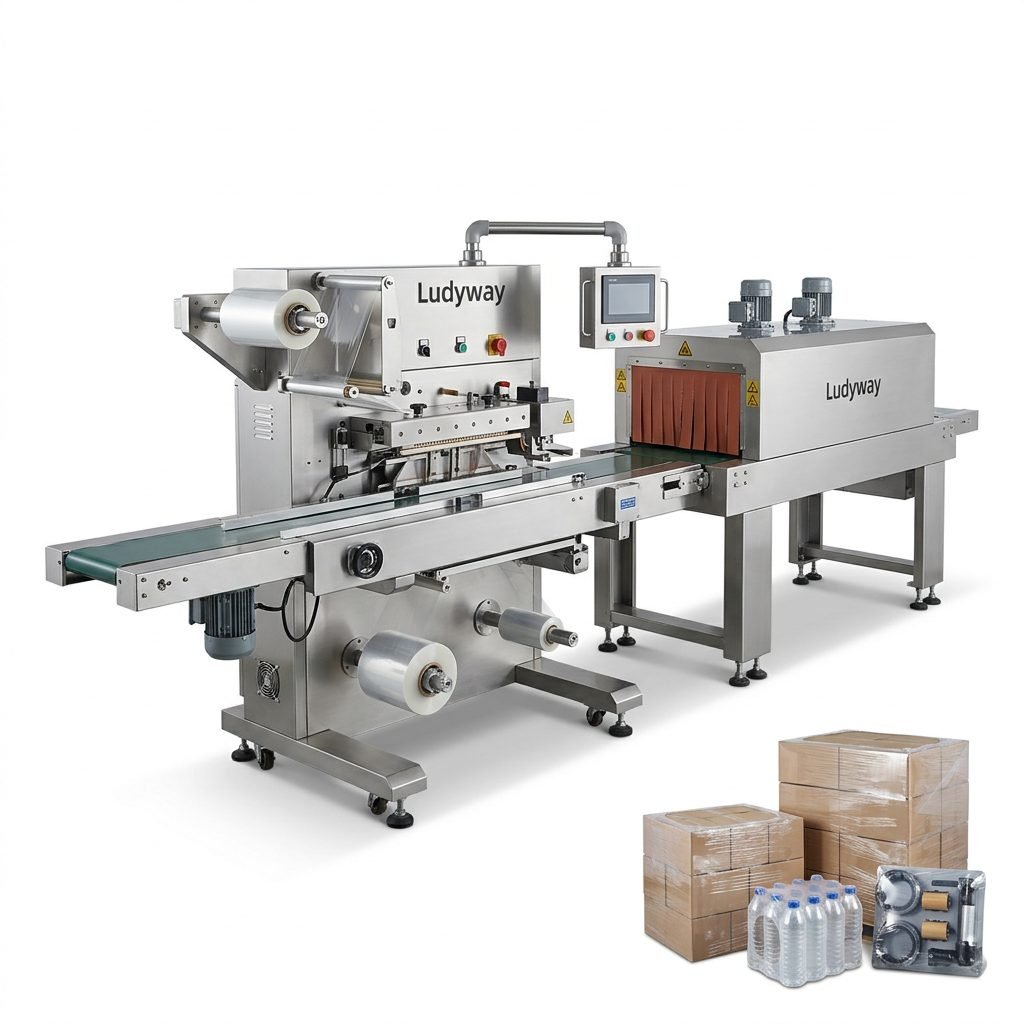
Before evaluating specific features, it is essential to understand the different categories of shrink wrap equipment available. Each type serves distinct operational needs and production volumes.
- Manual Shrink Wrap Systems: Ideal for low-volume operations, these require an operator to place products, activate the sealing bar, and move items through the heat tunnel. They offer the lowest upfront investment but higher per-unit labor costs.
- Semi-Automatic Machines: These systems automate either the sealing or the shrinking process, striking a balance between cost and productivity. Operators load products, but the machine handles the wrapping cycle, making them suitable for medium-volume packaging lines.
- Fully Automatic Shrink Wrap Machines: Designed for high-speed, continuous operation, these machines integrate conveyors, automatic film feeding, sealing, and shrinking into a single workflow. They are best for high-volume production environments where consistency and speed are paramount.
- L-Bar Sealers: Named for their L-shaped sealing bar, these machines are among the most versatile options for packaging products of varying sizes. They can handle diverse product dimensions without requiring extensive changeover time.
Key Factors to Evaluate Before Purchasing
Selecting the right shrink wrap machine goes beyond comparing specifications. The following factors will help you narrow down your options effectively.
Production Volume and Speed Requirements
Your current and projected throughput should be the starting point of your evaluation. A machine that cannot keep pace with your production line speed will create bottlenecks, while an oversized machine represents unnecessary capital expenditure. Calculate your average packages per hour and factor in seasonal peaks. Industry data from PMMI’s Business Intelligence Library indicates that packaging machinery utilization rates directly impact return on investment timelines.
Product Dimensions and Variability
Measure the full range of products you intend to wrap, including minimum and maximum dimensions. If your product line includes items of widely varying sizes, look for machines with adjustable tunnels, quick-change film systems, and flexible sealing parameters. Machines with tight dimensional tolerances may limit your ability to accommodate new products in the future.
Film Type and Material Compatibility
Shrink film options include polyolefin, PVC, and polyethylene, each with distinct properties. Polyolefin is food-safe and offers excellent clarity, while polyethylene is more durable for heavier items. Your machine must be compatible with the film type you plan to use, including its thickness range and shrink characteristics. The Flexible Packaging Association provides detailed guidance on film selection for different applications.
Evaluating Machine Specifications and Build Quality
When comparing shrink wrap machines, certain technical specifications deserve careful attention. These directly affect machine longevity, performance consistency, and maintenance requirements.
Sealing System Design
The sealing mechanism is the heart of any shrink wrap machine. Look for solid-state temperature controls that maintain consistent heat levels, reducing the risk of film burn-through or weak seals. Machines with independent temperature zones for the seal bar and heat tunnel provide greater flexibility when working with different film types. Additionally, silicone-coated seal bars and Teflon-covered surfaces help prevent film residue buildup.
Heat Tunnel Efficiency
Heat tunnel design significantly impacts both energy consumption and shrink quality. Modern recirculating tunnel designs reduce energy usage by up to 30% compared to older convection models. Variable airflow controls allow operators to fine-tune heat distribution, which is particularly important for products with irregular shapes. Conveyor speed within the tunnel should be independently adjustable to accommodate different product and film combinations.
Frame Construction and Components
Industrial-grade machines built with heavy-gauge steel frames and quality electrical components will offer more reliable long-term performance. Examine the warranty terms, availability of replacement parts, and the manufacturer’s track record. Machines built to ISO packaging standards generally provide greater assurance of quality and safety compliance.
Budget Considerations and Total Cost of Ownership
The purchase price is only one component of the total investment. A comprehensive cost analysis should account for the following elements over the machine’s expected lifespan:
- Initial purchase price and any financing or leasing costs
- Installation and setup expenses, including facility modifications
- Energy consumption rates for the sealing system and heat tunnel
- Film costs and waste rates with different machine configurations
- Maintenance and spare parts availability and pricing
- Operator training and potential labor savings from automation
Many manufacturers find that a semi-automatic machine offers the best return on investment for moderate production volumes, while high-volume operations benefit most from fully automatic systems despite their higher upfront cost.
Comparing Machine Categories at a Glance
The following table provides a quick reference for comparing different shrink wrap machine types based on key operational parameters.
| Machine Type | Best For | Typical Speed | Investment Level |
|---|---|---|---|
| Manual L-Bar Sealer | Low volume, varied sizes | 5-15 packs/min | Low |
| Semi-Automatic | Medium volume, consistent products | 10-25 packs/min | Moderate |
| Fully Automatic Inline | High volume, dedicated lines | 25-60+ packs/min | High |
| Side Seal System | Variable lengths, high speed | 30-80+ packs/min | High to Premium |
Supplier Evaluation and After-Sales Support
Choosing the right supplier is as important as selecting the right machine. A reliable packaging machinery partner should demonstrate technical expertise, responsive service, and long-term commitment to your success.
Technical Support and Training
Confirm what level of installation support and operator training the supplier provides. Comprehensive on-site training reduces the learning curve and helps your team achieve optimal machine performance quickly. Remote troubleshooting capabilities, including video diagnostics and real-time technical guidance, have become increasingly valuable for minimizing downtime across global operations.
Spare Parts Availability
Verify that the manufacturer or supplier maintains an adequate inventory of critical spare parts and can ship them promptly. Machines using proprietary components may create dependency on a single supplier, potentially leading to extended downtime. Standardized components from established industrial automation brands generally offer greater flexibility and faster replacement.
Warranty and Service Agreements
Review warranty coverage details carefully, including which components are covered and for how long. Some manufacturers offer extended service agreements that include periodic maintenance visits, priority technical support, and discounted replacement parts. These agreements can provide valuable peace of mind, especially for high-speed production lines where unplanned downtime carries significant costs.
Industry Compliance and Safety Standards
Depending on your industry and target markets, your shrink wrap machine may need to meet specific regulatory requirements. Food packaging operations, for example, must comply with FDA food packaging and food contact substances regulations. Pharmaceutical applications may require documentation demonstrating adherence to relevant quality standards. The PMMI packaging machinery standards and regulations resource provides an excellent overview of current requirements across different industries.
Machine safety features should include emergency stop buttons, safety interlocks on access panels, thermal overload protection, and clear warning labels. Electrical components should carry appropriate certifications for your region, such as UL listing for North American markets or CE marking for European compliance.
Integration with Existing Packaging Lines
Consider how the new shrink wrap machine will connect with your existing equipment. Key integration points include:
- Infeed conveyors from upstream packaging or production equipment
- Outfeed conveyors leading to labeling, coding, or palletizing stations
- Line speed synchronization to prevent product accumulation or gaps
- Control system compatibility with existing SCADA or plant monitoring systems
- Physical footprint and clearance requirements around the machine
For manufacturers seeking a single partner for equipment selection, system integration, and technical support, working with an experienced packaging machinery provider like Ludyway can simplify the entire process from machine selection through commissioning and after-sales service.
Emerging Trends in Shrink Wrap Technology
Staying informed about technological advancements can help you future-proof your investment. Current trends in shrink wrap packaging include energy-efficient heat tunnel designs that reduce operating costs, servo-driven sealing systems that offer greater precision and repeatability, and smart sensors that enable predictive maintenance by monitoring component wear in real time. Additionally, the growing emphasis on sustainable packaging is driving innovation in biodegradable and recycled-content shrink films, as reflected in industry discussions at PACK EXPO International and similar trade events.
Making the Final Decision
After evaluating machine types, specifications, suppliers, and budget considerations, narrow your options to two or three models that best meet your requirements. Request detailed quotations that include all ancillary equipment, installation, training, and freight costs. If possible, arrange a machine demonstration or factory acceptance test using your actual products and packaging materials. This step verifies that the machine performs as expected and gives your team hands-on experience before finalizing the purchase.
Selecting the right shrink wrap packaging machine requires balancing performance, reliability, and cost. By systematically evaluating each of the factors outlined in this guide, you will be well-positioned to choose equipment that supports your operational goals and delivers long-term value for your packaging line.