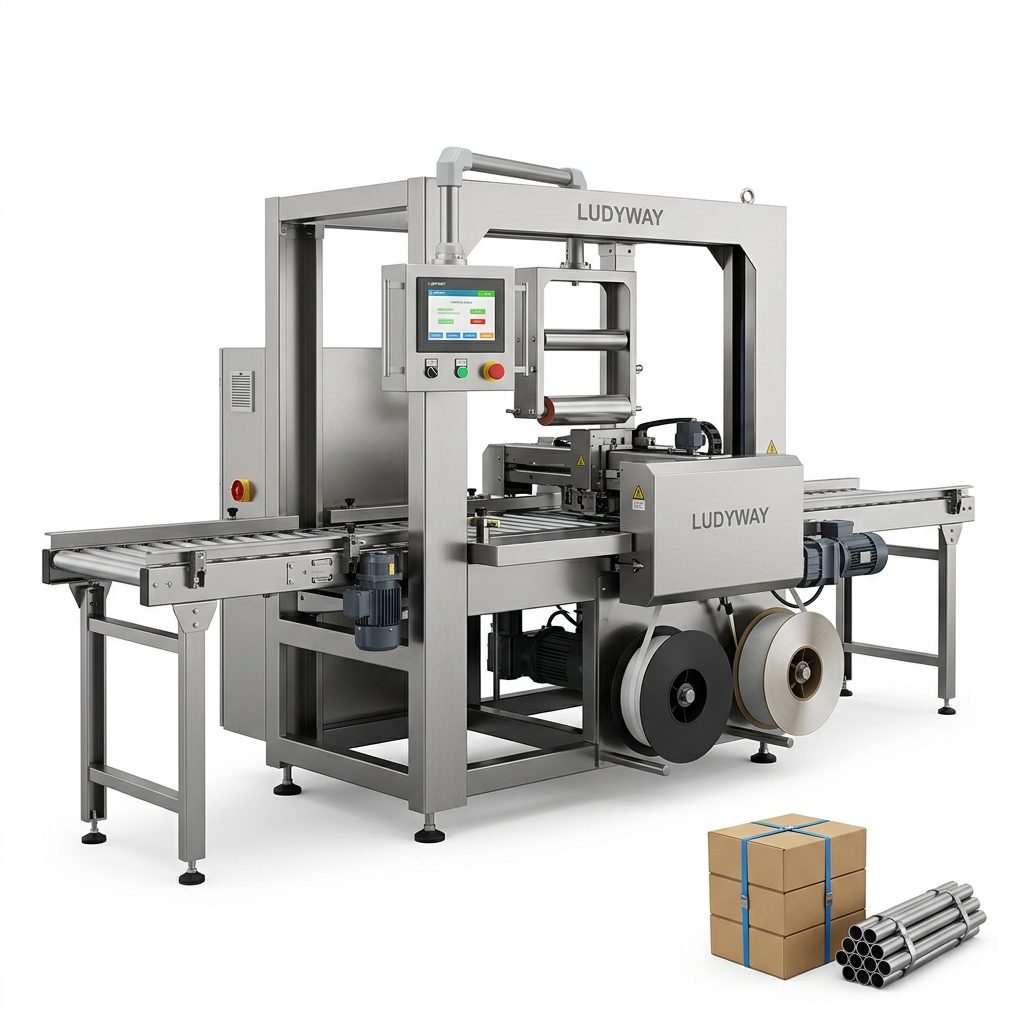
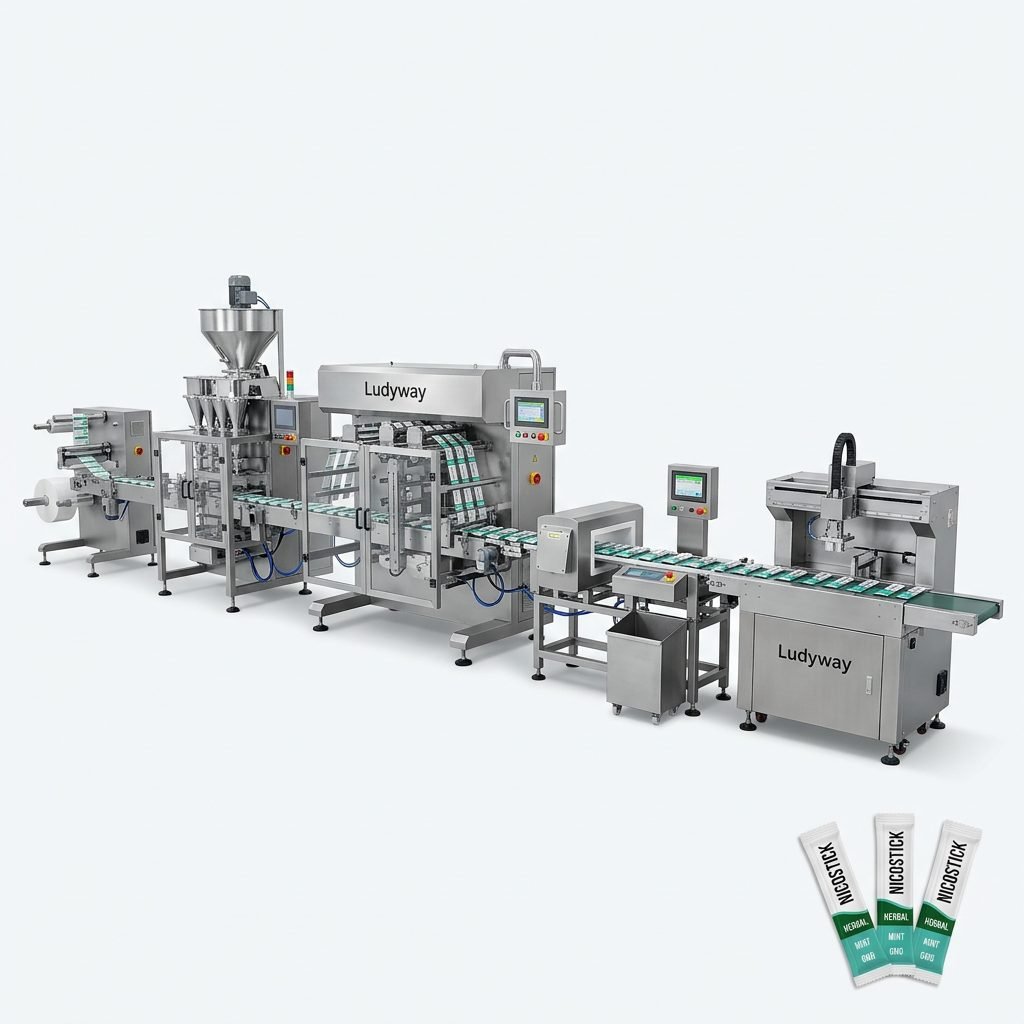
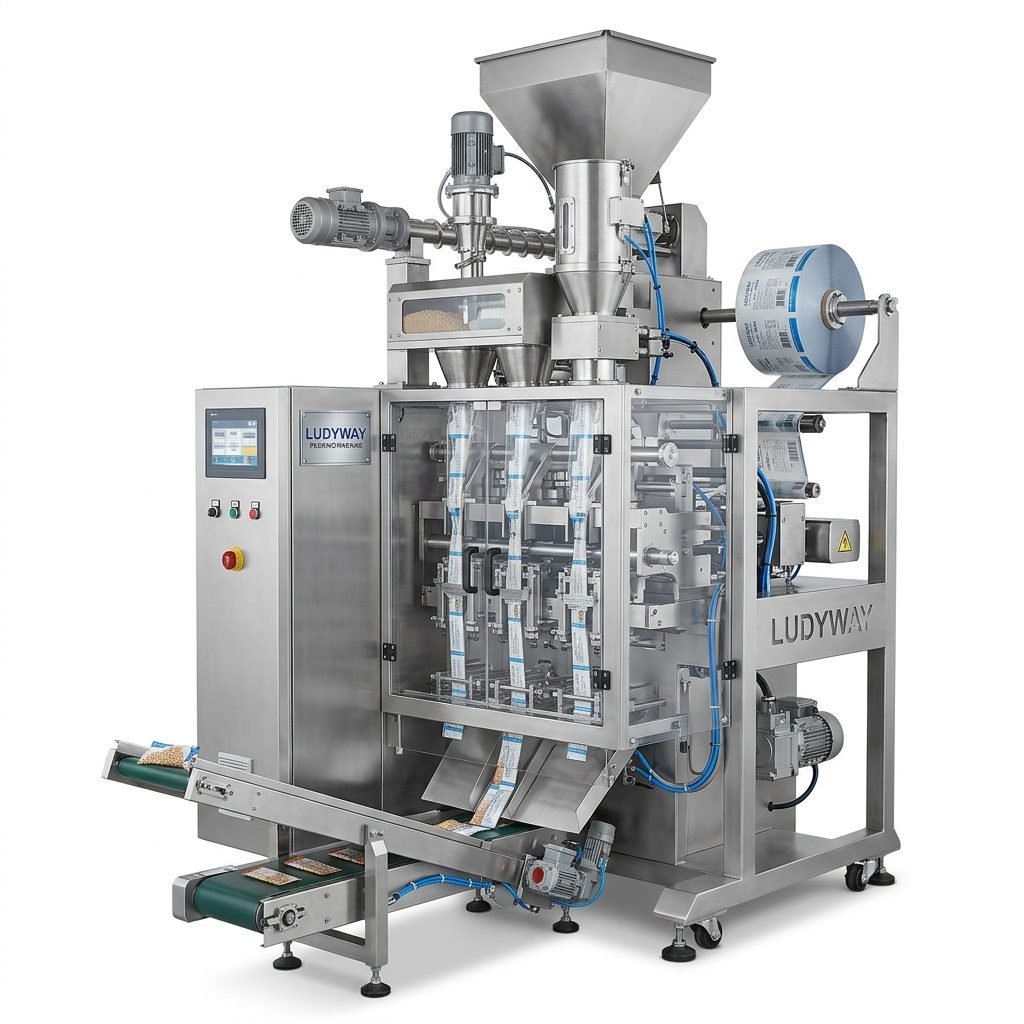
In today’s fast-paced manufacturing landscape, selecting the right packaging machinery is not just an operational decision—it’s a strategic investment in efficiency, quality, and brand reputation. Elite packaging machinery represents the pinnacle of automation, precision, and reliability, designed to meet the rigorous demands of modern production lines across industries like food, pharmaceuticals, and health products. Understanding the different types available, their key features, and the criteria for choosing the best solution is essential for any business aiming to optimize its packaging process.
Understanding the Different Types of Elite Packaging Machinery
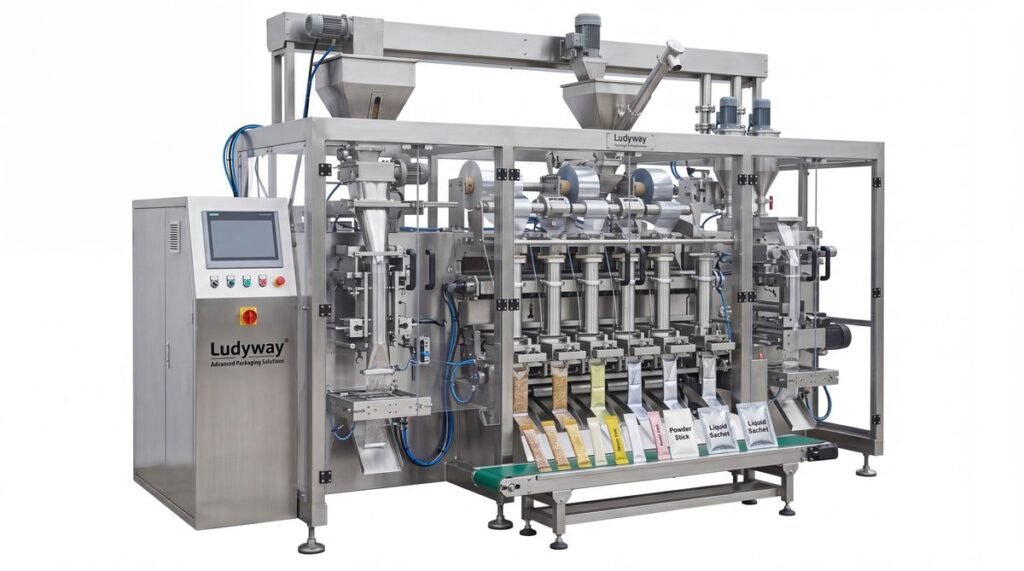
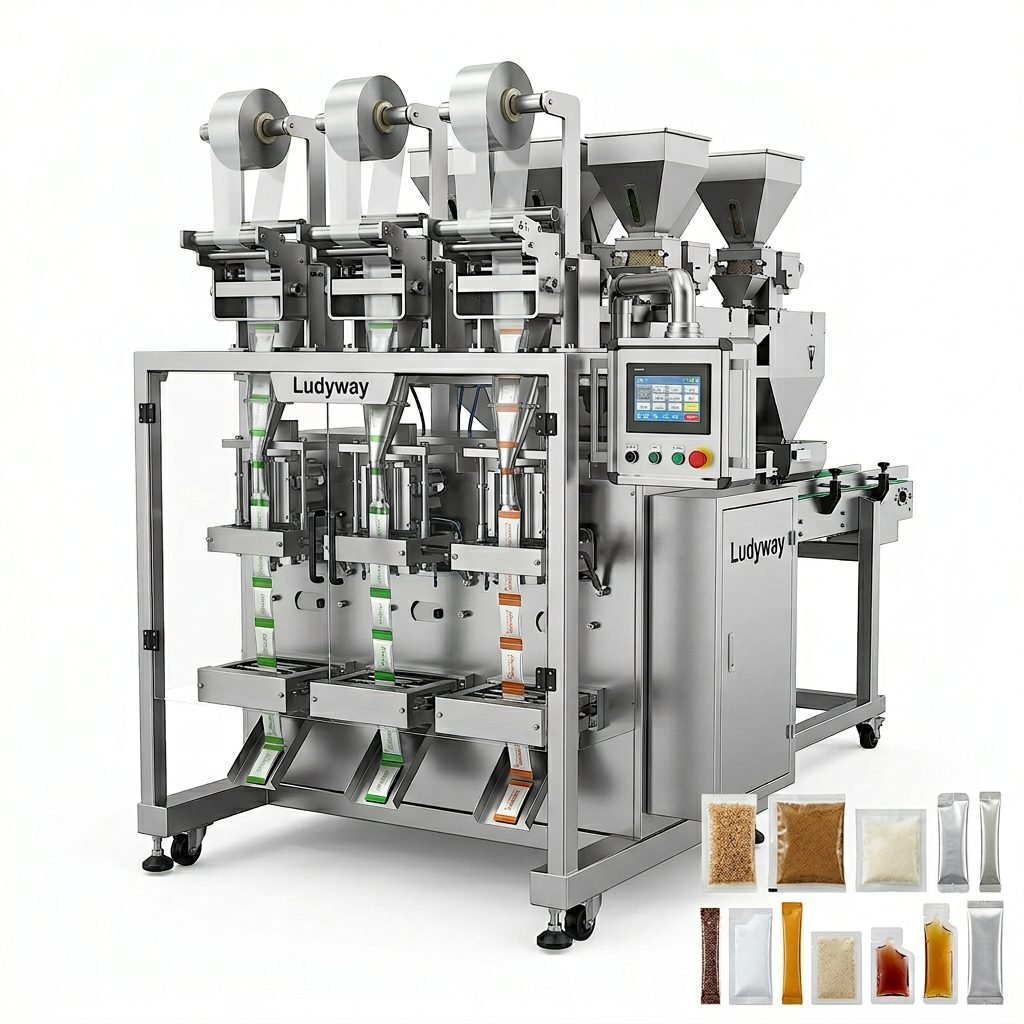
The world of packaging machinery is diverse, with specialized equipment designed for specific product forms and production volumes. The primary categories include systems for granules, powders, liquids, and unit-dose formats like stick packs and sachets.
Granule & Powder Packaging Systems
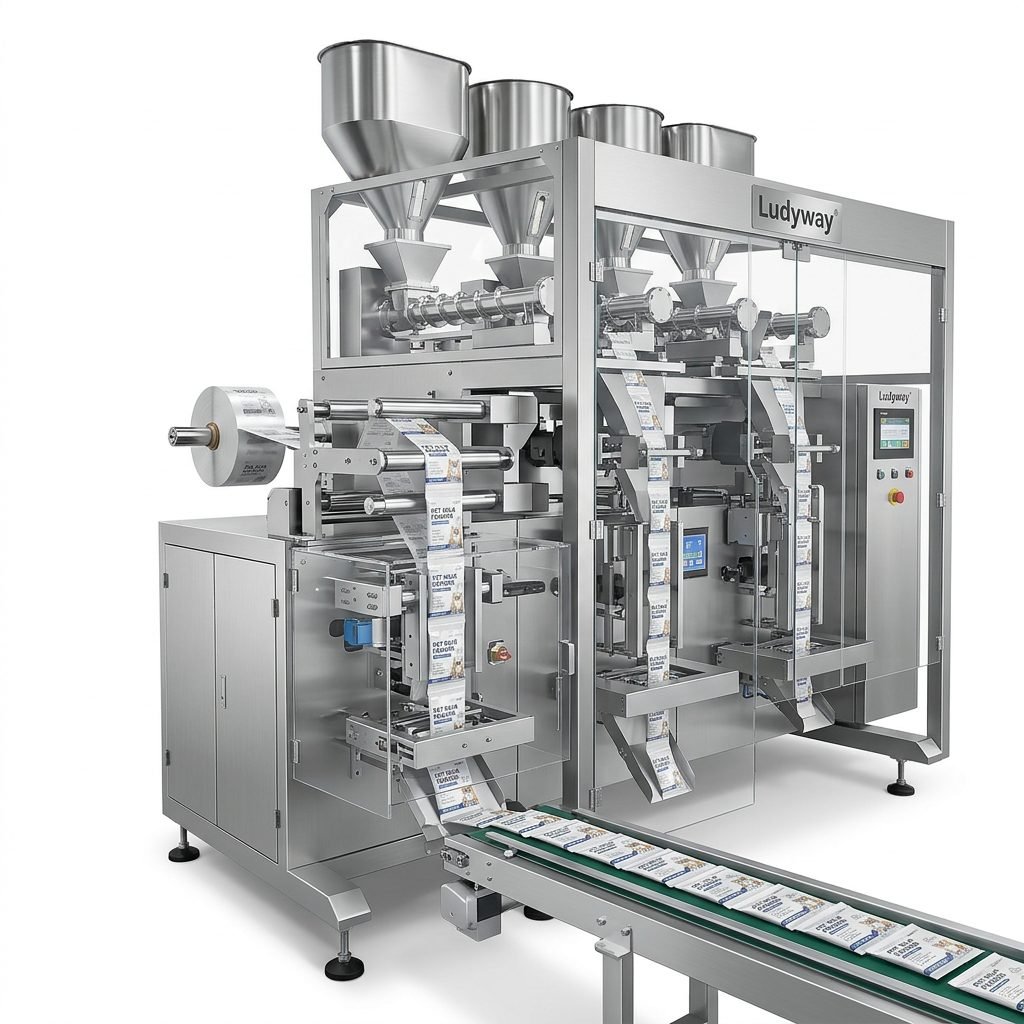
These machines are engineered for precision. They handle products like coffee, sugar, spices, and protein powders with high accuracy. Key systems include vertical form-fill-seal (VFFS) machines and multi-head weighers, which are crucial for maintaining consistent fill weight—a critical factor for cost control and regulatory compliance.
Liquid & Paste Filling Machines
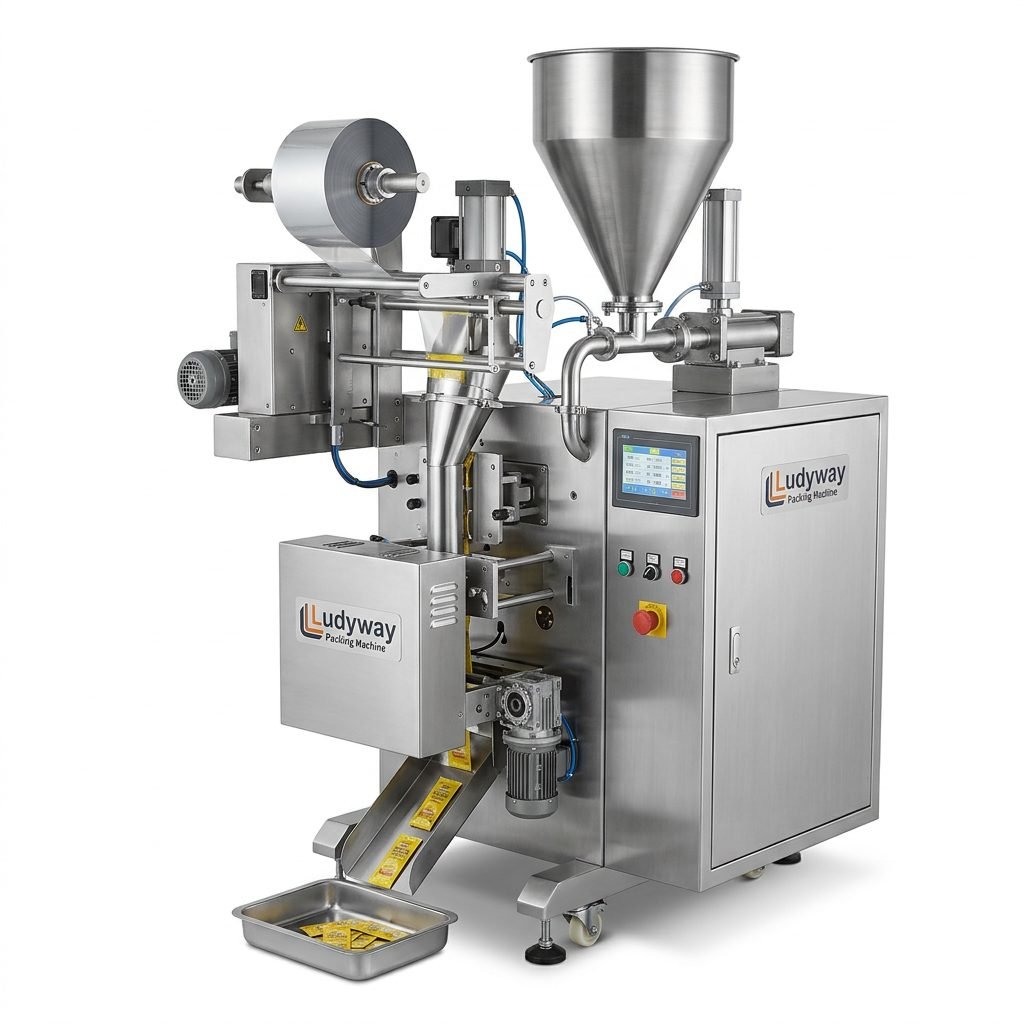
For products such as sauces, oils, shampoos, or pharmaceutical syrups, liquid filling machines offer clean, spill-free operation. Technologies range from piston fillers and peristaltic pumps to time-pressure systems, each chosen based on the liquid’s viscosity, foaming nature, and required fill accuracy.
Stick Pack & Sachet Packaging Machines
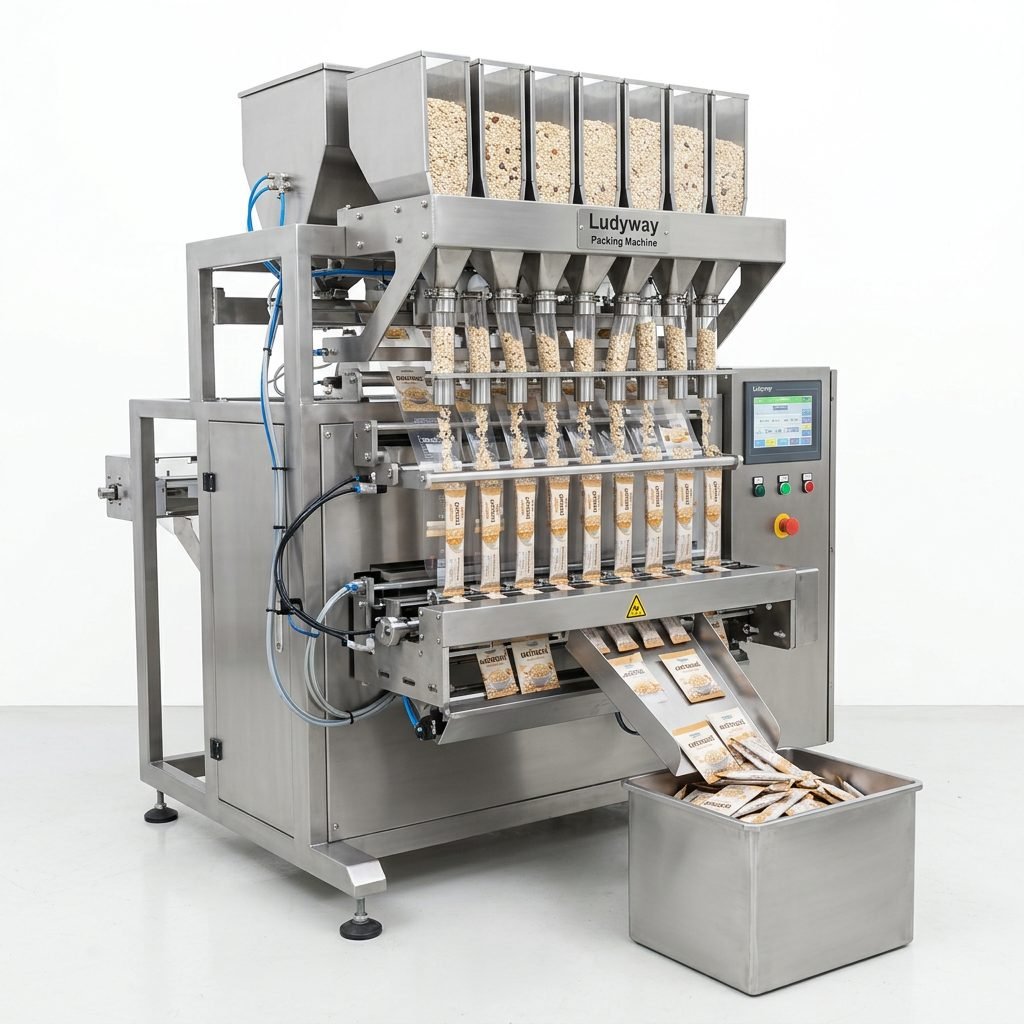
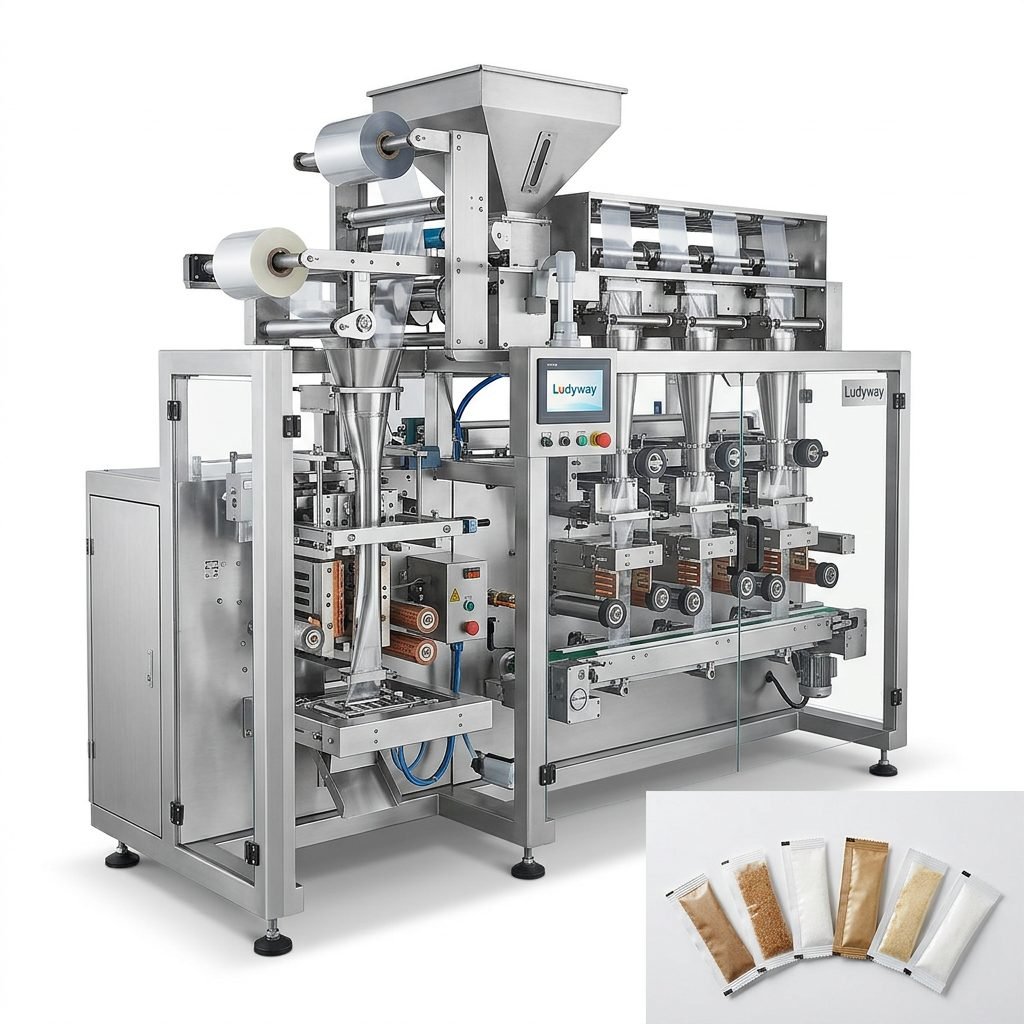
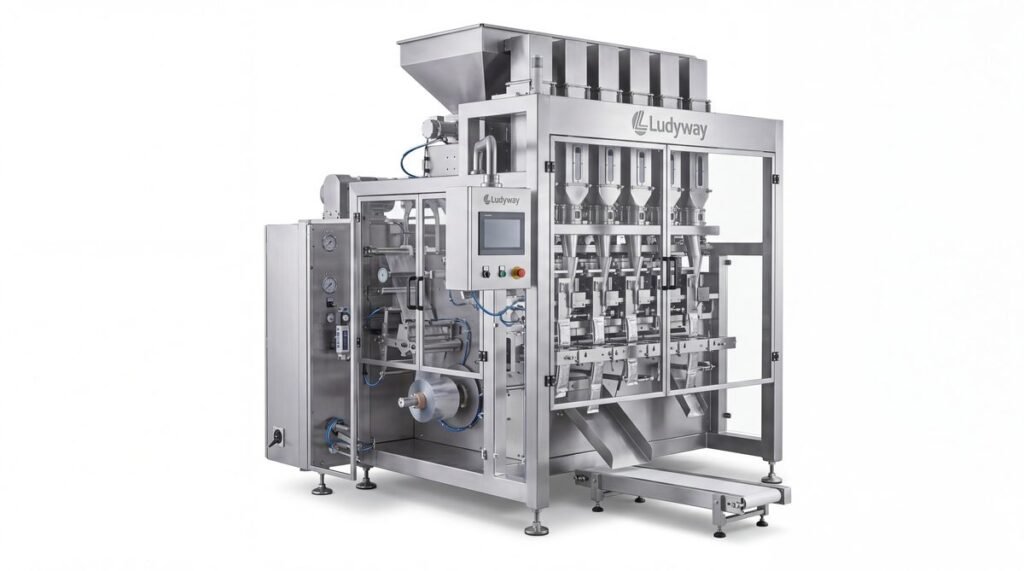
This category has seen tremendous growth, especially in the food supplement and pharmaceutical sectors. These machines create small, portable, and hygienic single-dose packages. Multi-lane stick pack machines are particularly notable for their high output, capable of producing dozens of sticks per minute, making them ideal for high-volume production of items like electrolyte powders or instant drink mixes.
Key Features that Define Elite Packaging Equipment
What separates elite machinery from standard equipment is a suite of advanced features that ensure superior performance, durability, and ease of use.
1. Advanced Automation and Control Systems
Modern elite machines are governed by sophisticated Programmable Logic Controllers (PLCs) and feature user-friendly Human-Machine Interfaces (HMIs). These systems allow for precise control over every parameter—from film tension and sealing temperature to fill volume—and store recipes for quick product changeovers.
2. High-Speed Precision and Accuracy
Speed must not compromise accuracy. Top-tier equipment incorporates high-resolution servo motors and precision sensors to ensure each package is filled, formed, and sealed to exact specifications, minimizing product giveaway and ensuring compliance with strict net content regulations.
3. Hygienic Design and Easy Maintenance
Especially critical for food and pharmaceutical applications, elite machines feature stainless steel contact surfaces, smooth, crevice-free frames, and CIP (Clean-in-Place) capabilities. Easy access panels and modular design simplify routine maintenance and sanitation, reducing downtime.
4. Flexibility and Quick Changeover
The ability to run multiple package sizes and formats on a single machine is a huge competitive advantage. Look for features like tool-less changeover systems, adjustable forming shoulders, and digital size adjustments to switch between products in minutes, not hours.
How to Choose the Best Packaging Solution for Your Production
Selecting the ideal machine requires a thorough analysis of your current and future needs. A methodical approach will prevent costly mismatches and ensure a strong return on investment.
Step 1: Conduct a Detailed Product and Production Analysis
Begin with the product itself. Document its physical characteristics (size, shape, flowability, abrasiveness), its sensitivity (to moisture, light, oxygen), and any special handling requirements. Next, define your required output speed (packages per minute), annual production volume, and the number of different SKUs you need to run.
Step 2: Evaluate Machine Specifications Against Your Needs
Compare machine specs directly with your analysis. Key metrics include:
✓ Maximum Speed: Can it meet your peak demand?
✓ Accuracy Range: Does it meet your fill weight tolerance?
✓ Material Compatibility: What types of film or laminate can it run?
✓ Footprint: Will it fit in your available floor space?
Step 3: Assess the Supplier’s Expertise and Support
The machine is only part of the solution. The supplier’s role is critical. Evaluate their industry experience, technical support capabilities, and spare parts availability. A supplier with deep application knowledge, like Ludyway Packaging Machinery, can provide invaluable guidance and reliable long-term partnership, ensuring your line runs smoothly for years.
Step 4: Consider Total Cost of Ownership (TCO)
Look beyond the initial purchase price. Calculate the TCO by factoring in energy consumption, maintenance costs, expected lifespan, and potential for future upgrades. A slightly more expensive machine with higher efficiency and lower maintenance can offer a much better lifetime value.
Step 5: Request a Product Sample Test
Never buy based on specifications alone. The most reliable step is to send your actual product and packaging materials to the supplier for a live performance test. This reveals the true speed, accuracy, and compatibility of the machine with your specific product, providing peace of mind before the final investment. Many reputable suppliers offer this service to demonstrate their equipment’s capability.
Common Questions About Elite Packaging Machinery
Q: What is the typical lead time for a high-end packaging machine?
A: Lead times can vary significantly based on complexity and customization. For standard elite models from established suppliers, expect 8 to 16 weeks. Fully customized or turnkey line solutions may require 4 to 6 months for engineering, manufacturing, and testing.
Q: How important is after-sales service when choosing a supplier?
A: It is absolutely critical. Elite machinery is a long-term investment. Comprehensive after-sales service—including installation supervision, operator training, readily available spare parts, and responsive technical support—is essential for maximizing uptime and protecting your investment. A global service network is a major advantage for international operations.
Q: Can one machine handle both stick packs and sachets?
A: Many modern machines are designed with flexibility in mind. Certain models can be configured to produce both stick packs and flat or stand-up sachets by changing the forming tube and sealing jaws. It’s vital to discuss this requirement explicitly with your supplier to ensure the chosen platform supports both formats efficiently.
Q: What are the key trends in packaging machinery technology?
A: The leading trends include the integration of Industrial Internet of Things (IIoT) for predictive maintenance and data analytics, increased use of robotics for end-of-line packing, a stronger focus on sustainable and recyclable packaging materials, and the development of “smart machines” with advanced self-diagnostics and AI-assisted optimization. Partnering with an innovative supplier ensures access to these advancements.
Q: How do I ensure the machine complies with my local safety and regulatory standards?
A: Reputable international suppliers design equipment to meet major global standards like CE (Europe) or UL (North America). You must provide your specific market requirements during the quotation process. The supplier should then certify that the machine, including all electrical and safety components, is compliant for your region. Always request and verify the relevant certification documents.