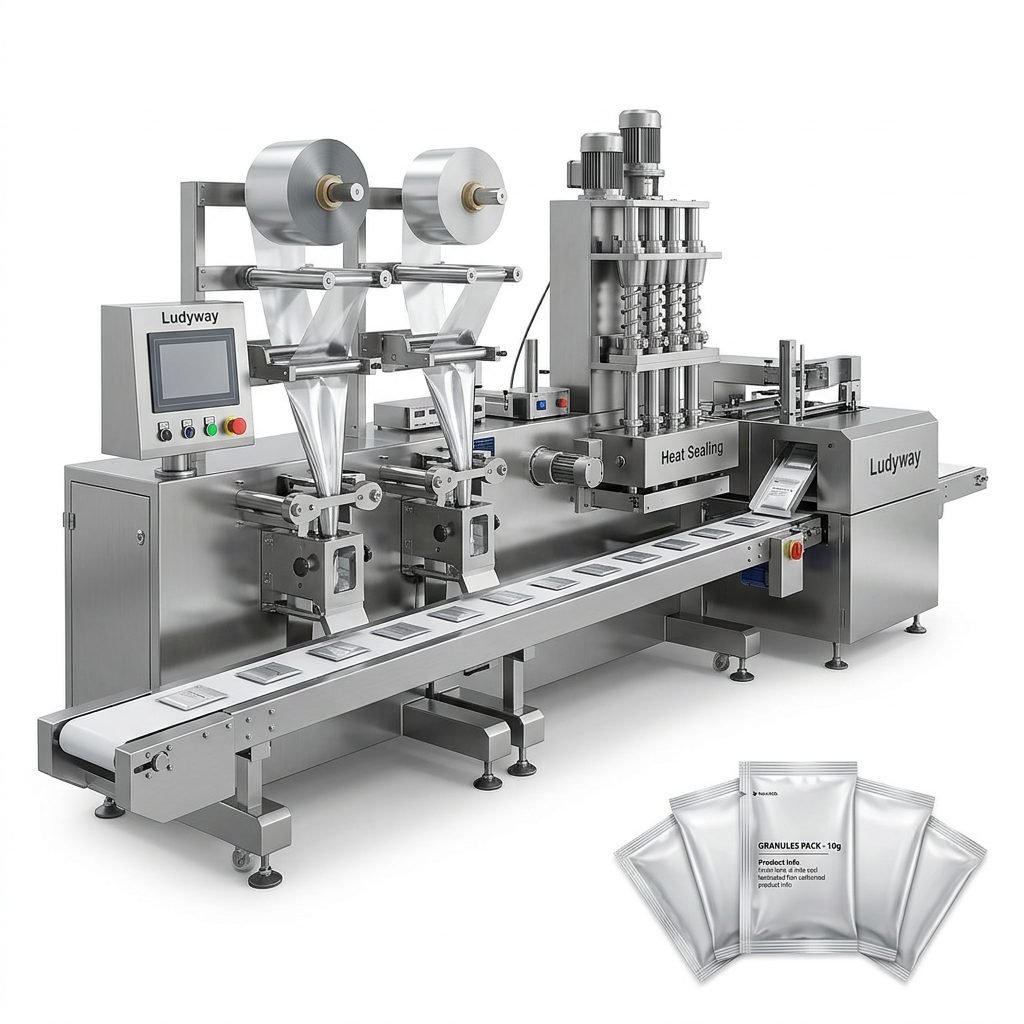
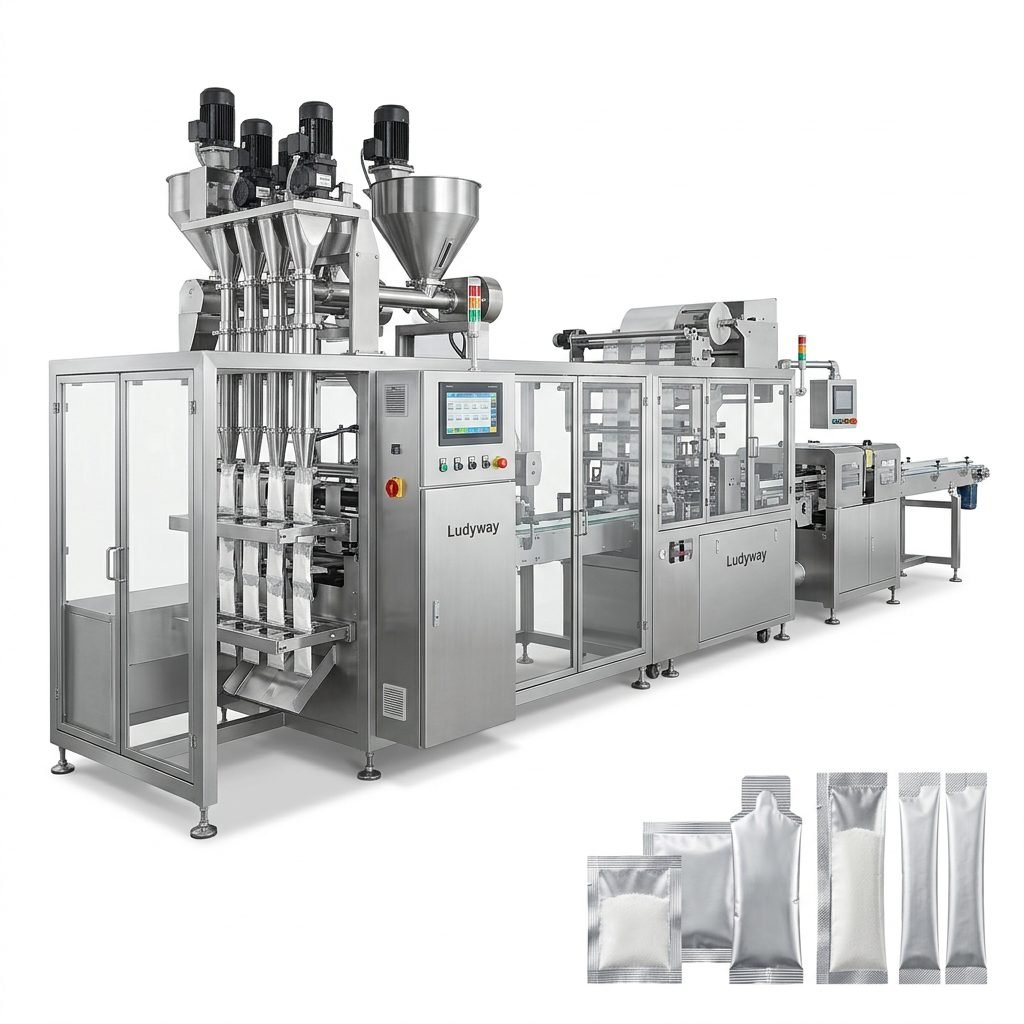
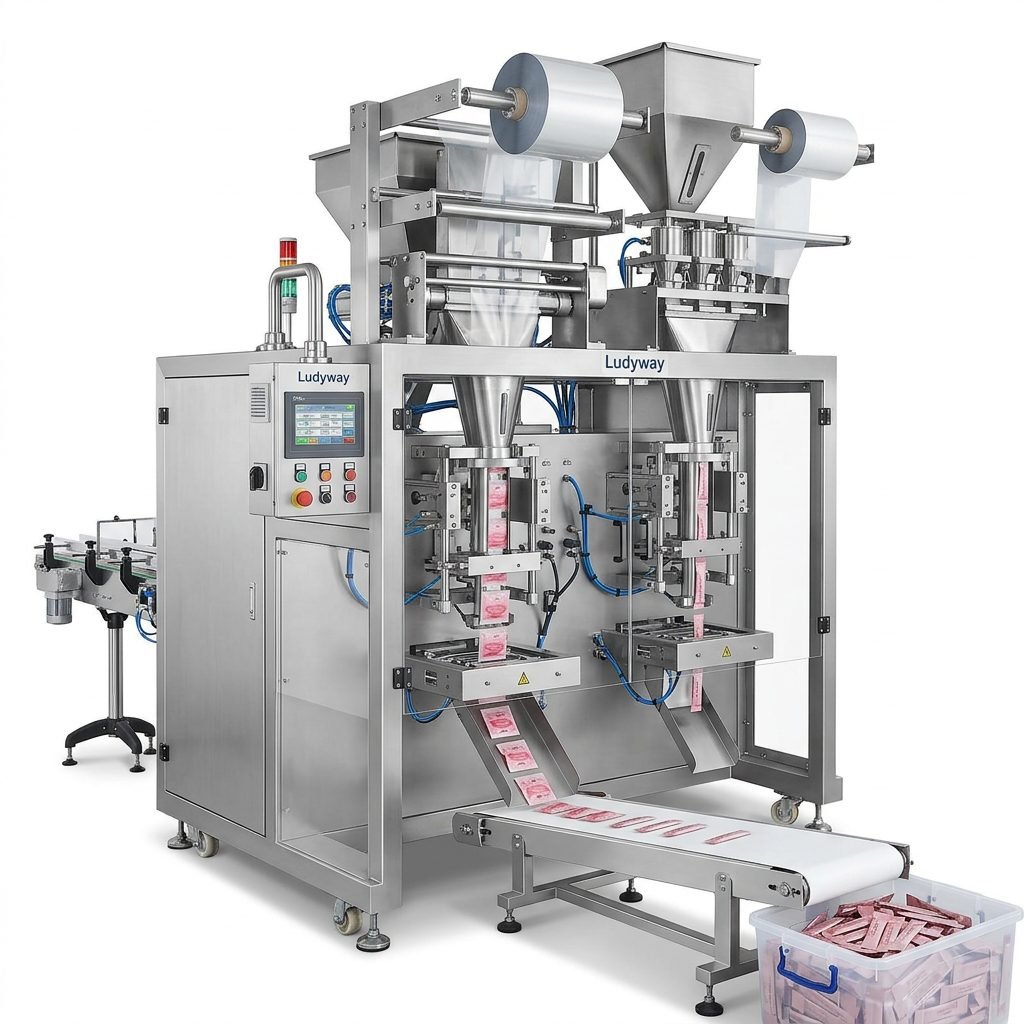
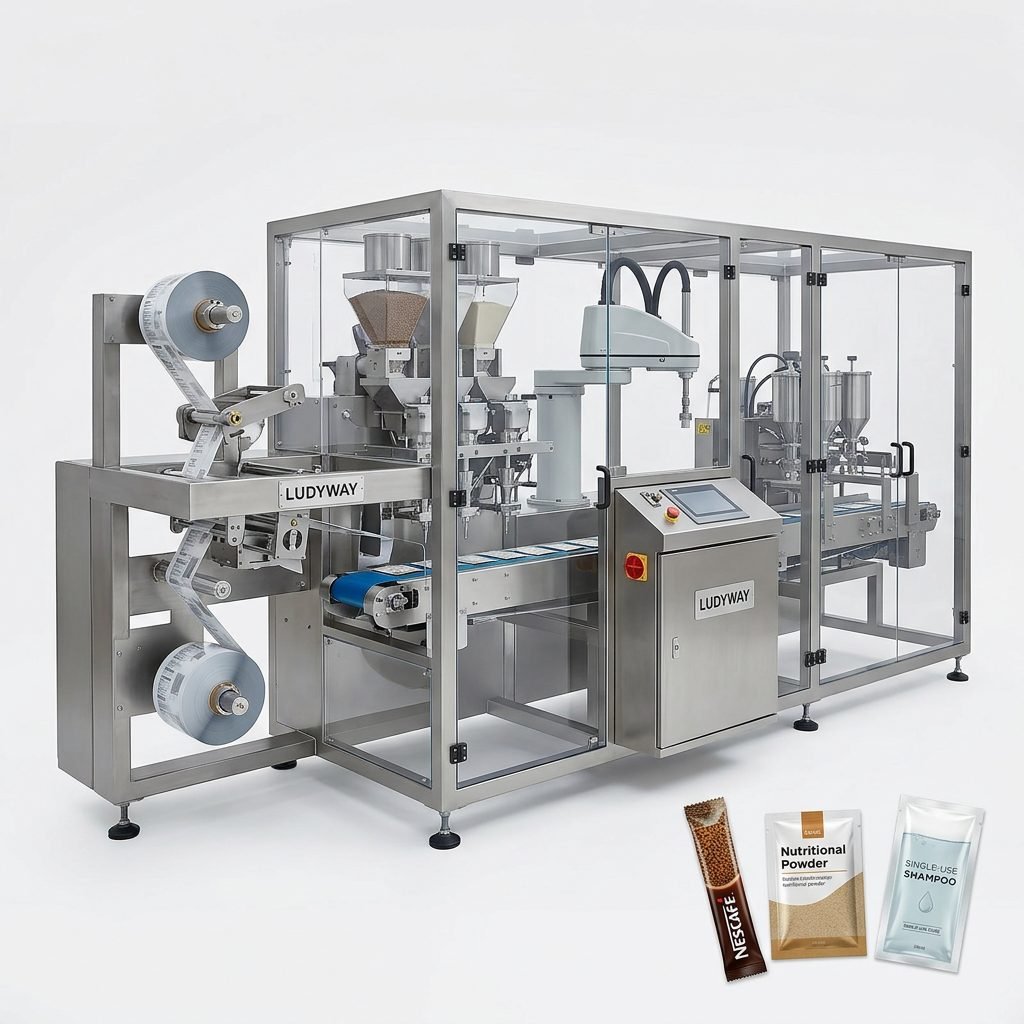
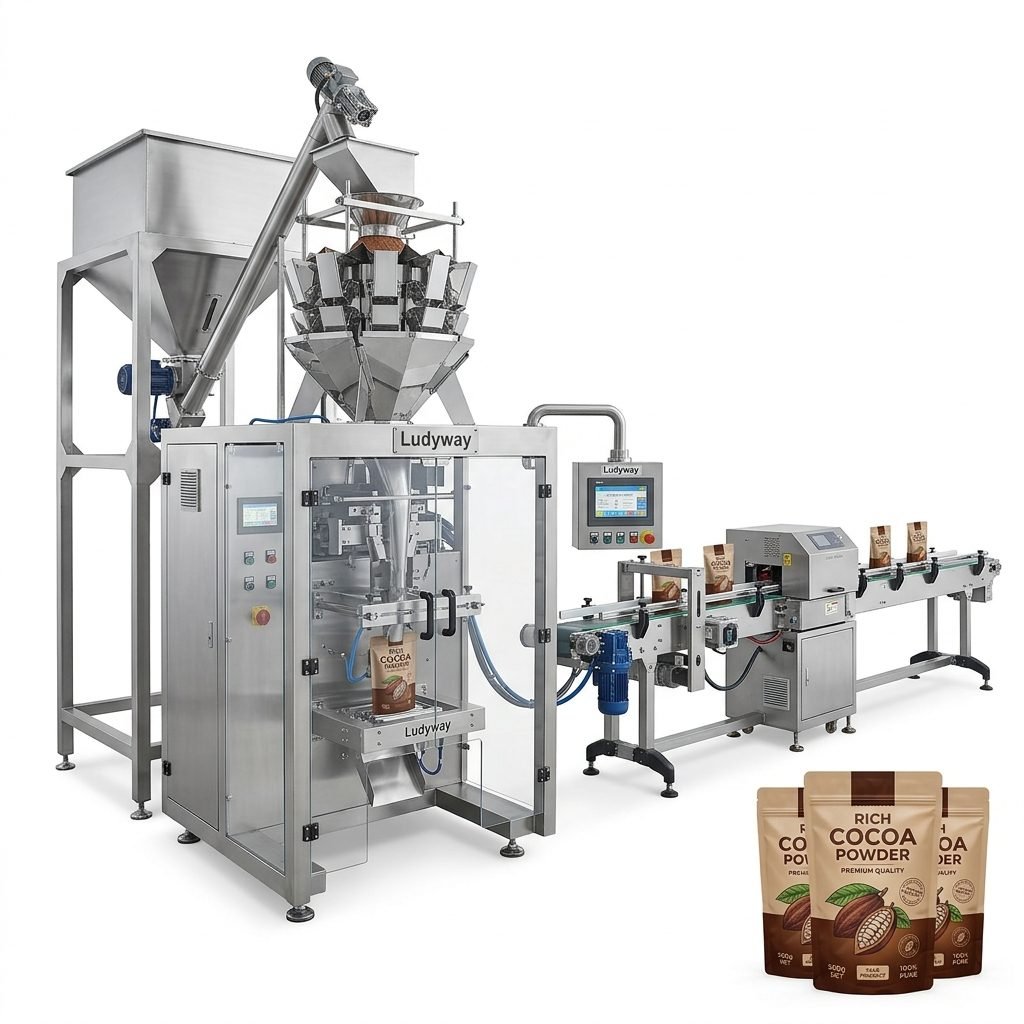
Selecting the appropriate packaging machinery for pharmaceutical manufacturing is a critical decision that directly impacts production efficiency, product safety, and regulatory compliance. The right equipment not only streamlines operations but also ensures that stringent industry standards are consistently met. This guide provides a comprehensive framework to help you navigate the key considerations when choosing a packaging machine for your pharmaceutical applications.
Understanding Your Pharmaceutical Packaging Requirements
Before evaluating specific machines, a thorough analysis of your product and process needs is essential. This foundational step prevents costly mismatches and ensures the selected equipment aligns with your operational goals.
Key Factors to Assess:
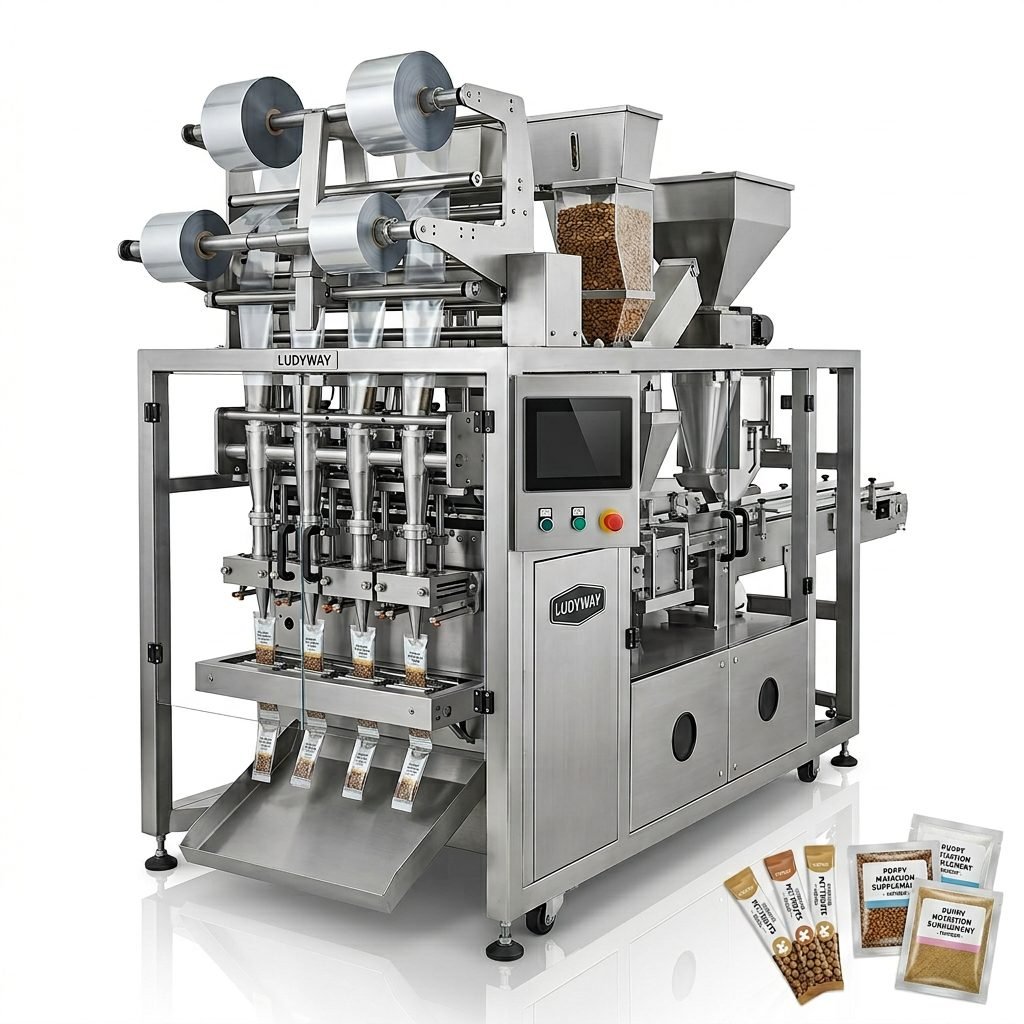
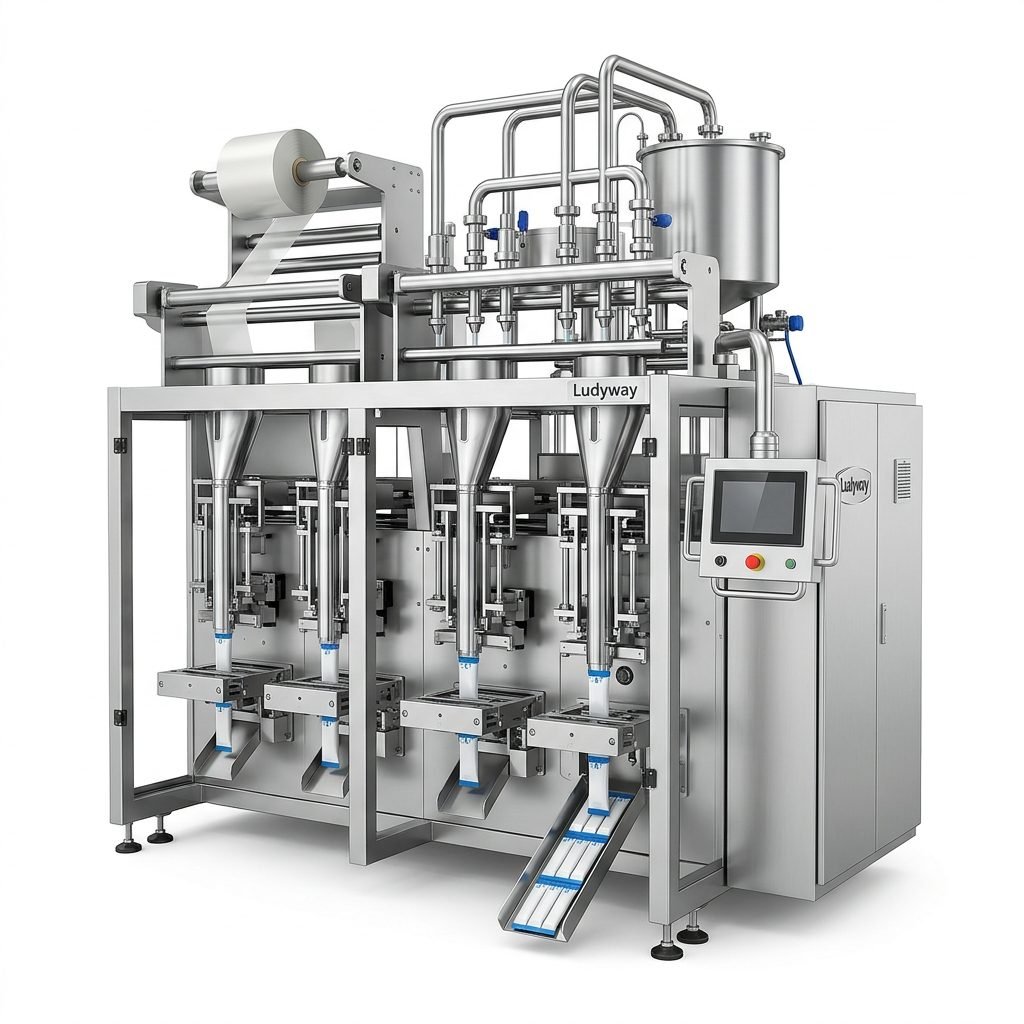
Product Characteristics: Is your product a powder, granule, liquid, tablet, or capsule? Each form demands specific handling mechanisms—like auger fillers for powders or volumetric fillers for liquids—to ensure accurate and contamination-free dosing.
Production Volume & Speed: Determine your required output (e.g., packs per minute). High-speed blister packaging lines differ vastly from lower-volume, flexible sachet machines. Consider both current needs and future scalability.
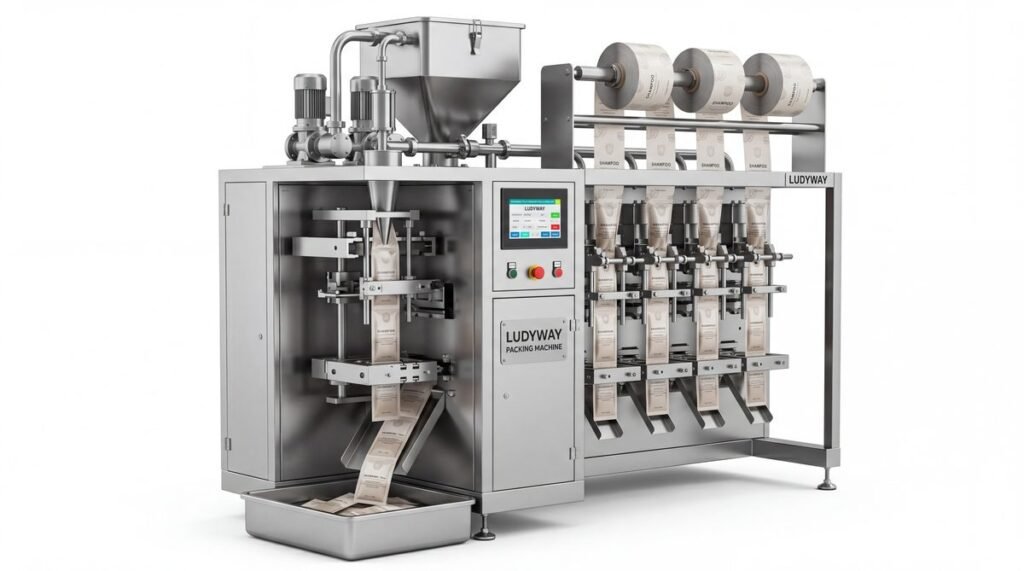
Packaging Materials & Formats: Define your primary packaging: blister packs, stick packs, sachets, bottles, or vials. The machine must be compatible with your chosen materials (e.g., ALU/ALU foil for blisters, multi-layer films for sachets) and capable of achieving the desired seal integrity.
Prioritizing Compliance and Validation
In the pharmaceutical industry, regulatory adherence is non-negotiable. Equipment must be designed and constructed to facilitate compliance with global standards like FDA 21 CFR Part 211, EU GMP, and other relevant pharmacopoeias.
Essential Compliance Features:
Look for machines built with GMP (Good Manufacturing Practice) principles in mind. This includes:
- Easy-Clean Design: Stainless steel (grades 304 or 316) contact surfaces, rounded corners (coving), and minimal crevices to prevent cross-contamination and allow for effective sanitation.
- Documentation & Validation Support: The supplier should provide a comprehensive DQ/IQ/OQ/PQ (Design/Installation/Operational/Performance Qualification) protocol. This documentation is crucial for regulatory audits.
- Data Integrity & Traceability: Modern machines should offer data logging, electronic batch records, and audit trails to meet ALCOA+ principles (Attributable, Legible, Contemporaneous, Original, Accurate).
Evaluating Machine Efficiency and Automation
Efficiency translates to higher throughput, less waste, and lower operational costs. Automation is key to achieving consistent efficiency while minimizing human error.
Automation Level Analysis:
1
Semi-Automatic: Ideal for low-volume production, pilot batches, or highly sensitive products requiring manual oversight. Operators handle loading or unloading.
2
Fully Automatic: The standard for medium to high-volume lines. Machines perform feeding, filling, sealing, and coding in-line with minimal intervention, significantly boosting output.
3
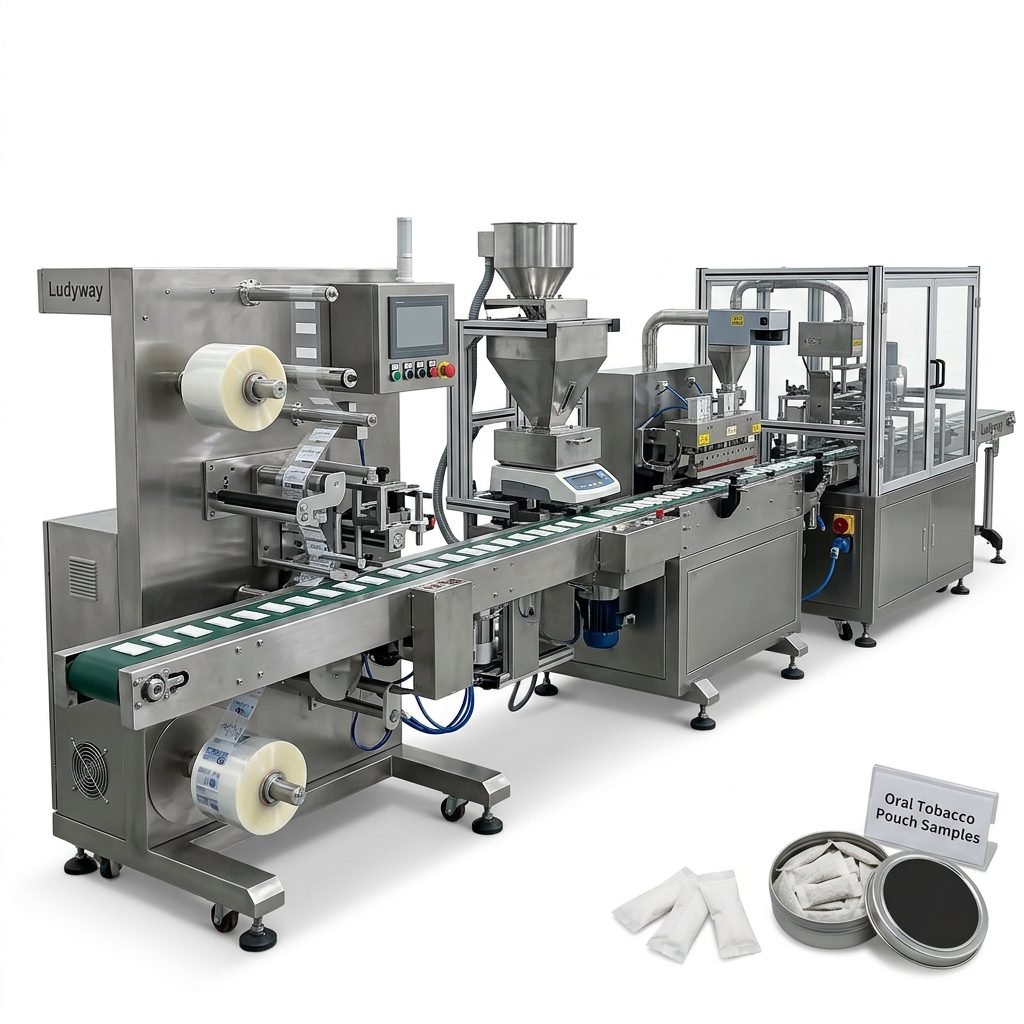
Integrated Turnkey Lines: The pinnacle of efficiency. These systems combine multiple processes (e.g., counting, blister packing, cartoning, serialization) into one seamlessly controlled line. They are complex but offer the highest productivity and data integration.
Technical Specifications and Supplier Reliability
Diving into the technical details and evaluating the supplier’s expertise are the final, decisive steps.
Critical Technical Checks:
- Accuracy & Repeatability: For filling, what is the weight or volume variation (e.g., ±1%)? High precision is critical for dose accuracy.
- Changeover Time: How quickly can the machine switch between different product formats or sizes? Quick changeovers enhance flexibility for multi-product facilities.
- Uptime & Maintenance: Inquire about the machine’s Overall Equipment Effectiveness (OEE) and the availability of spare parts. A reliable packaging machinery partner will provide clear maintenance schedules and support.
Choosing the Right Partner:
Select a supplier with proven experience in pharmaceutical packaging. They should understand the regulatory landscape and offer robust after-sales service, training, and technical support. Review their company history and client portfolio to gauge their long-term reliability and industry standing.
Conclusion
Choosing the right pharmaceutical packaging machine is a strategic investment. By systematically evaluating your product needs, prioritizing compliance features, demanding efficiency through automation, and partnering with a technically proficient and reliable supplier, you can secure a solution that enhances productivity, ensures patient safety, and maintains regulatory compliance for years to come. The goal is to find a machine that is not just a piece of equipment, but a validated, integral part of your quality assurance system.
Frequently Asked Questions (FAQs)
Q1: What is the most important GMP feature to look for in a pharmaceutical packaging machine?
The most critical feature is cleanability and hygienic design. The machine must be constructed with appropriate materials (like 316L stainless steel) and have a design that prevents product accumulation and allows for easy, validated cleaning to avoid cross-contamination.
Q2: How do I decide between a semi-automatic and a fully automatic machine?
The choice depends on your production volume, budget, and labor strategy. Semi-automatic machines suit lower volumes, R&D, or products requiring manual checks. Fully automatic machines are necessary for high-volume, commercial production to ensure speed, consistency, and lower long-term operational costs.
Q3: What does “validation support” from a supplier entail?
It means the supplier provides the necessary documentation and protocols to help you prove the machine is fit for its intended purpose. This typically includes Factory Acceptance Test (FAT) reports, Site Acceptance Test (SAT) support, and templates or guidance for generating your own IQ, OQ, and PQ documents required by regulators.
Q4: Can one packaging machine handle different pharmaceutical product forms?
Some versatile machines can handle related forms (e.g., a powder filler might handle fine granules), but significant changes (e.g., from tablets to liquid) usually require different core technology. The key is “changeover” capability—look for machines designed for quick and tool-less changeovers between similar formats.
Q5: Why is supplier after-sales service so crucial for pharmaceutical packaging equipment?
Pharmaceutical production cannot afford prolonged downtime. A supplier with readily available spare parts, responsive technical support, and the ability to perform urgent repairs or re-validation support is essential to maintain your production schedule and ensure continuous compliance.