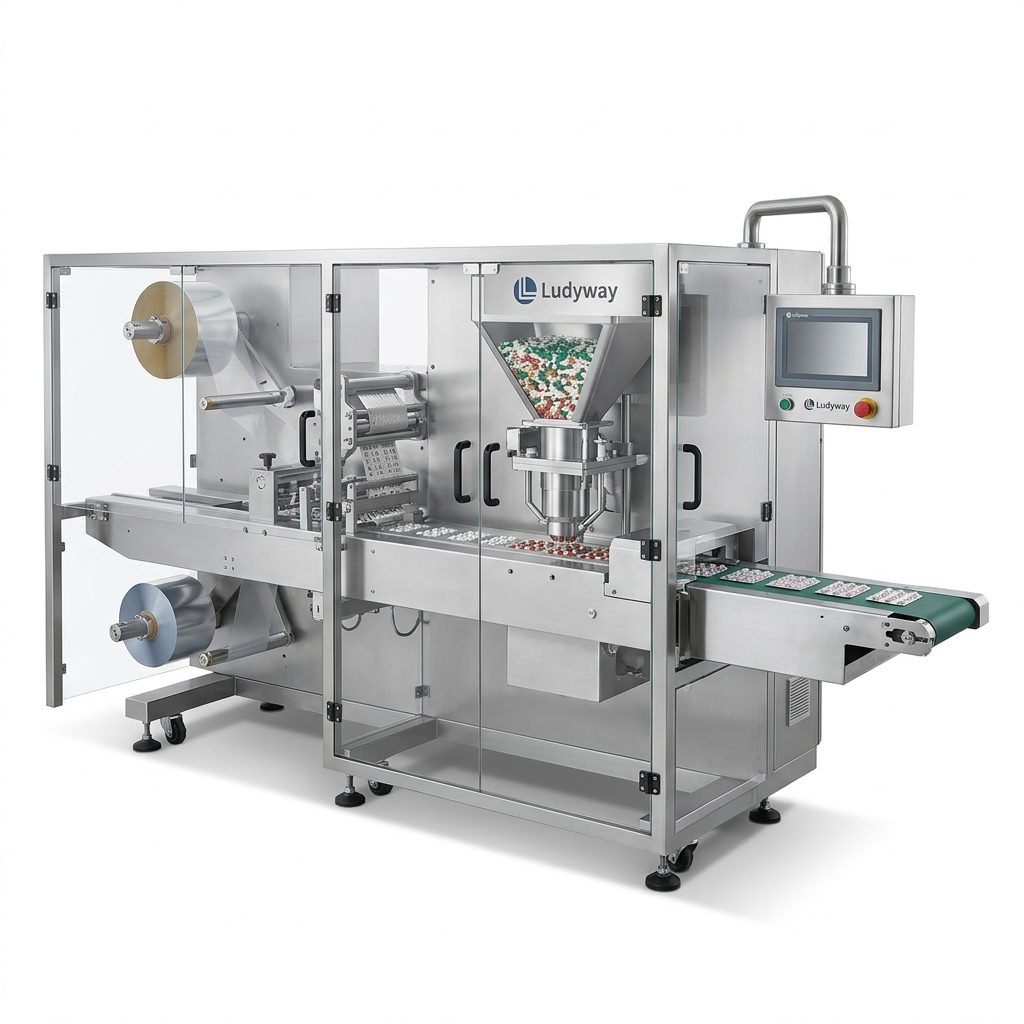
The global end-of-line packaging machinery market represents a critical segment within the industrial automation landscape, directly influencing the efficiency, safety, and presentation of finished goods across diverse sectors. As production volumes escalate and consumer expectations evolve, the demand for sophisticated, automated solutions to handle the final stages of packaging—including case packing, palletizing, wrapping, and labeling—has surged. This analysis delves into the projected market size, prevailing growth trends, and the primary drivers shaping the industry’s trajectory toward 2030.
Market Size and Growth Projections
Recent industry analyses project the global end-of-line packaging machinery market to experience a compound annual growth rate (CAGR) of approximately 5.5% to 6.8% from 2024 to 2030. This steady growth is expected to propel the market valuation from an estimated USD 4.8 billion in 2023 to surpass USD 7.2 billion by the end of the forecast period. The expansion is not uniform, with significant regional variances driven by industrialization rates, labor cost dynamics, and regulatory environments.
Asia-Pacific is anticipated to remain the dominant and fastest-growing region, accounting for over 40% of the global market share by 2030. This is closely followed by North America and Europe, where the focus is on technological upgrades and integration with Industry 4.0 frameworks. The growth is fundamentally tied to the overarching need for supply chain optimization and reducing operational bottlenecks at the final, most visible stage of production.
Key Growth Trends Shaping the Future
The evolution of end-of-line packaging is being steered by several interconnected trends that redefine how manufacturers approach logistics and product handling.
1. Integration of Smart Technologies and IoT
The infusion of the Internet of Things (IoT), artificial intelligence (AI), and machine learning into packaging lines is a transformative trend. Modern machinery is increasingly equipped with sensors and connectivity features that enable:
- Predictive Maintenance: Machines analyze their own performance data to forecast component failures before they cause unplanned downtime.
- Real-Time Monitoring & Analytics: Production managers gain live insights into line efficiency, throughput rates, and potential slowdowns from centralized dashboards.
- Self-Optimization: AI algorithms can automatically adjust machine parameters for different product SKUs, maximizing efficiency and reducing changeover time.
2. Rise of Flexible and Collaborative Robotics
Traditional, large-scale robotic palletizers are being complemented—and sometimes replaced—by smaller, more agile collaborative robots (cobots). These cobots can work safely alongside human operators without extensive safety caging, making them ideal for smaller batch production, mixed-SKU palletizing, and rapid reconfiguration of packaging lines. This flexibility is crucial for manufacturers responding to e-commerce demands, which often require handling a vast variety of box sizes and product types on the same line.
📈 Trend Spotlight: Sustainability-Driven Design
Environmental responsibility is no longer a niche concern but a core driver of machinery innovation. Manufacturers are demanding equipment that supports sustainable practices, leading to trends such as:
• Right-Sizing Packaging: Machines that can create smaller, optimized cases to reduce material waste and shipping costs.
• Compatibility with Recyclable Materials: Advanced grippers and handling systems designed to work effectively with corrugated cardboard, paper-based tapes, and other eco-friendly materials that may have different handling properties than plastics.
• Energy Efficiency: New generations of motors, drives, and control systems are engineered to consume significantly less power during operation and in standby mode.
3. Demand for Turnkey and Modular Solutions
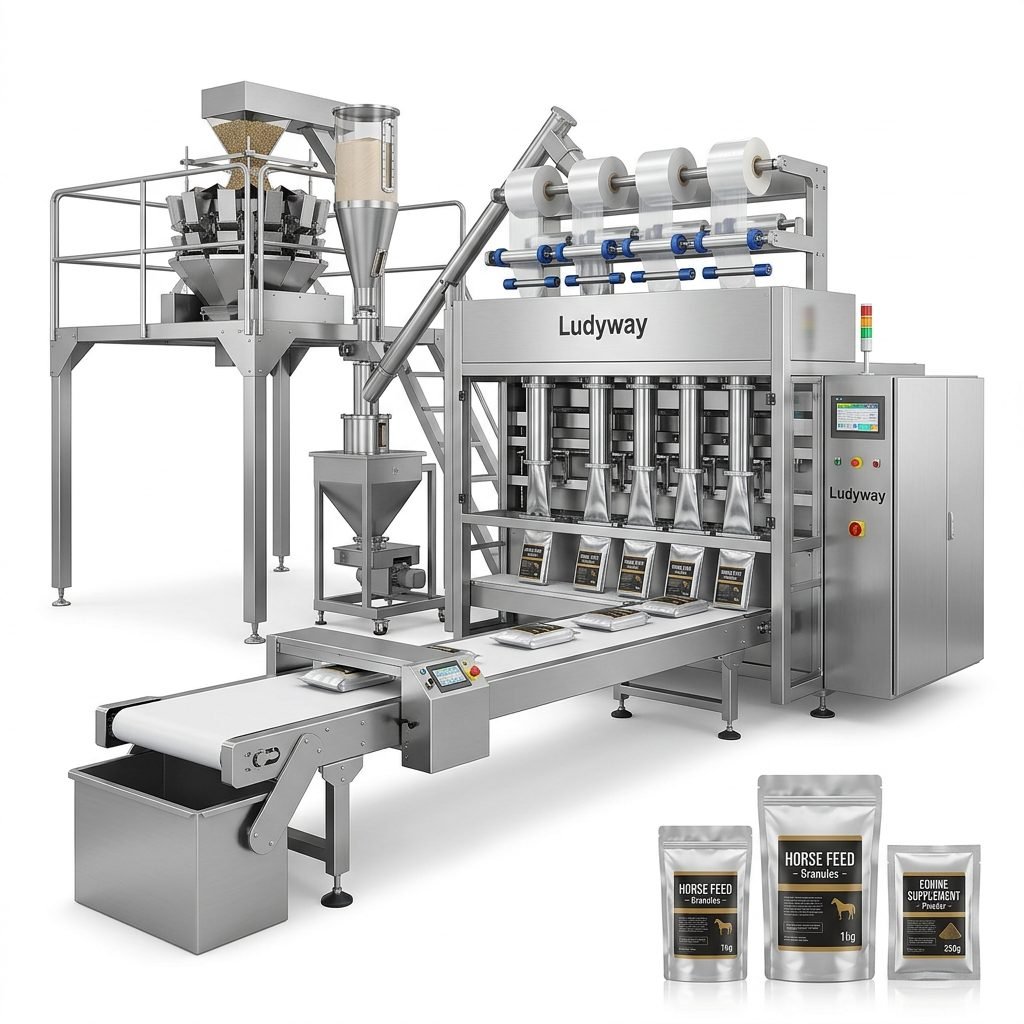
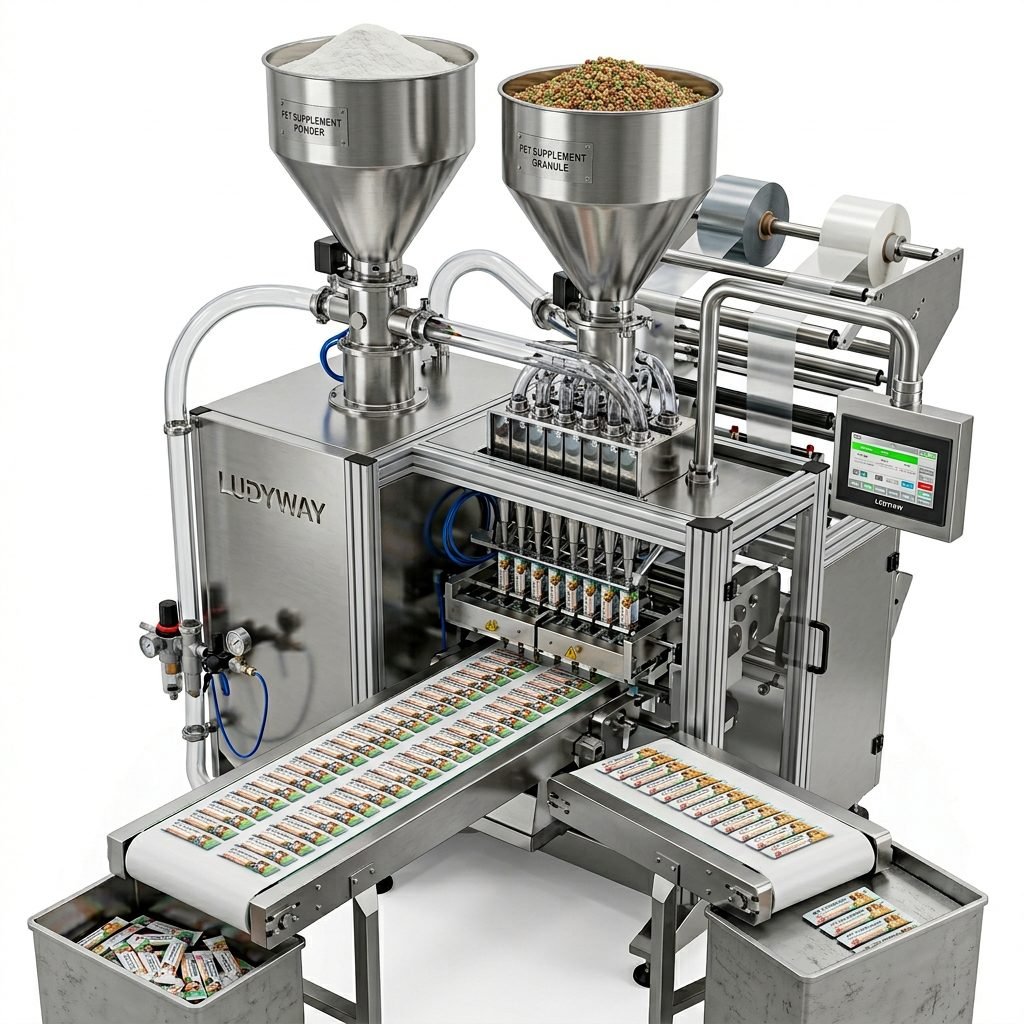
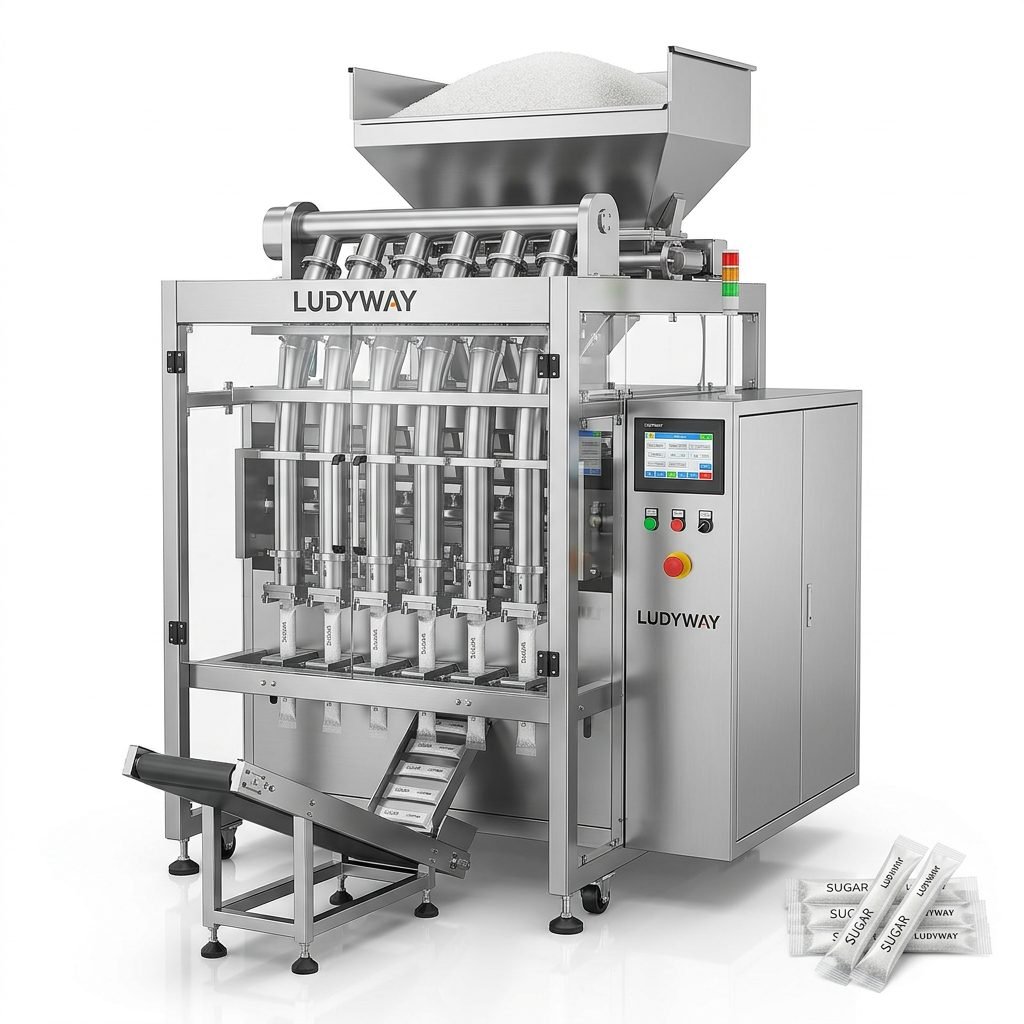
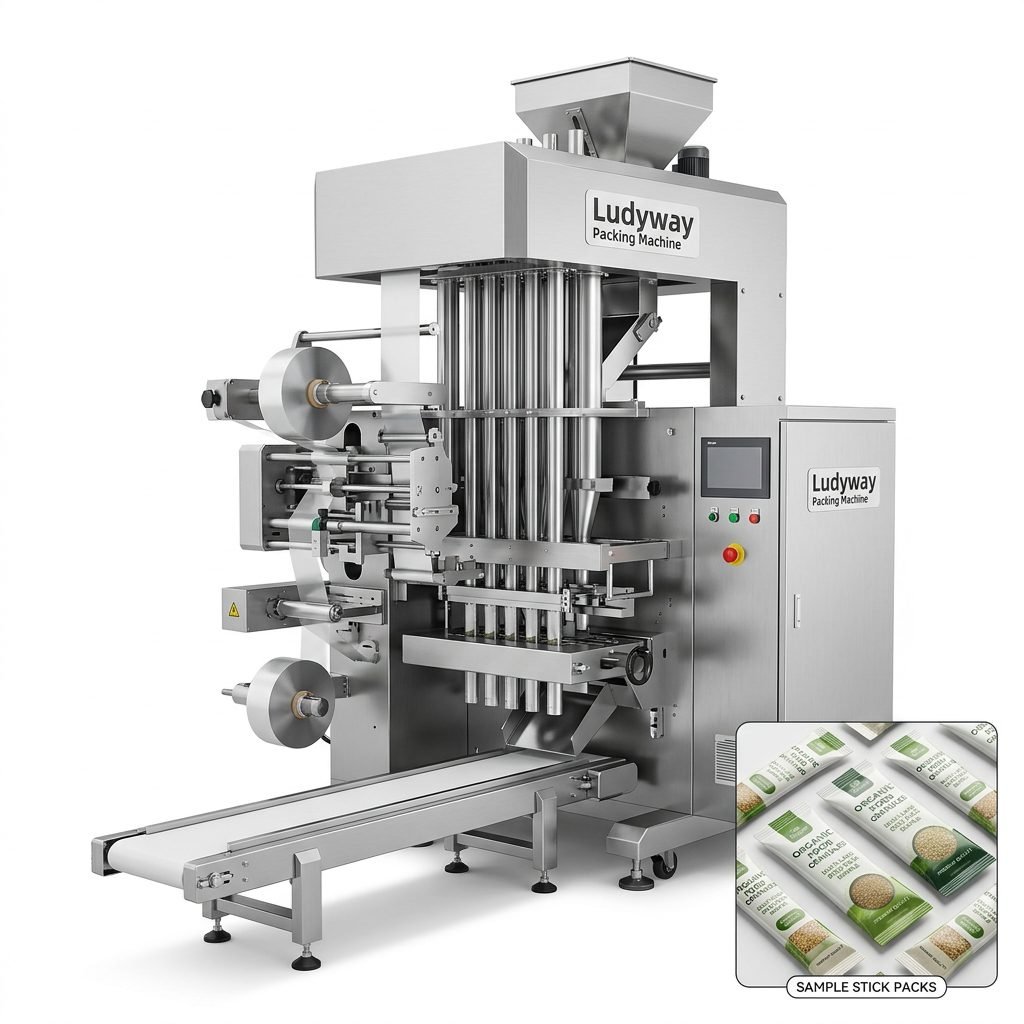
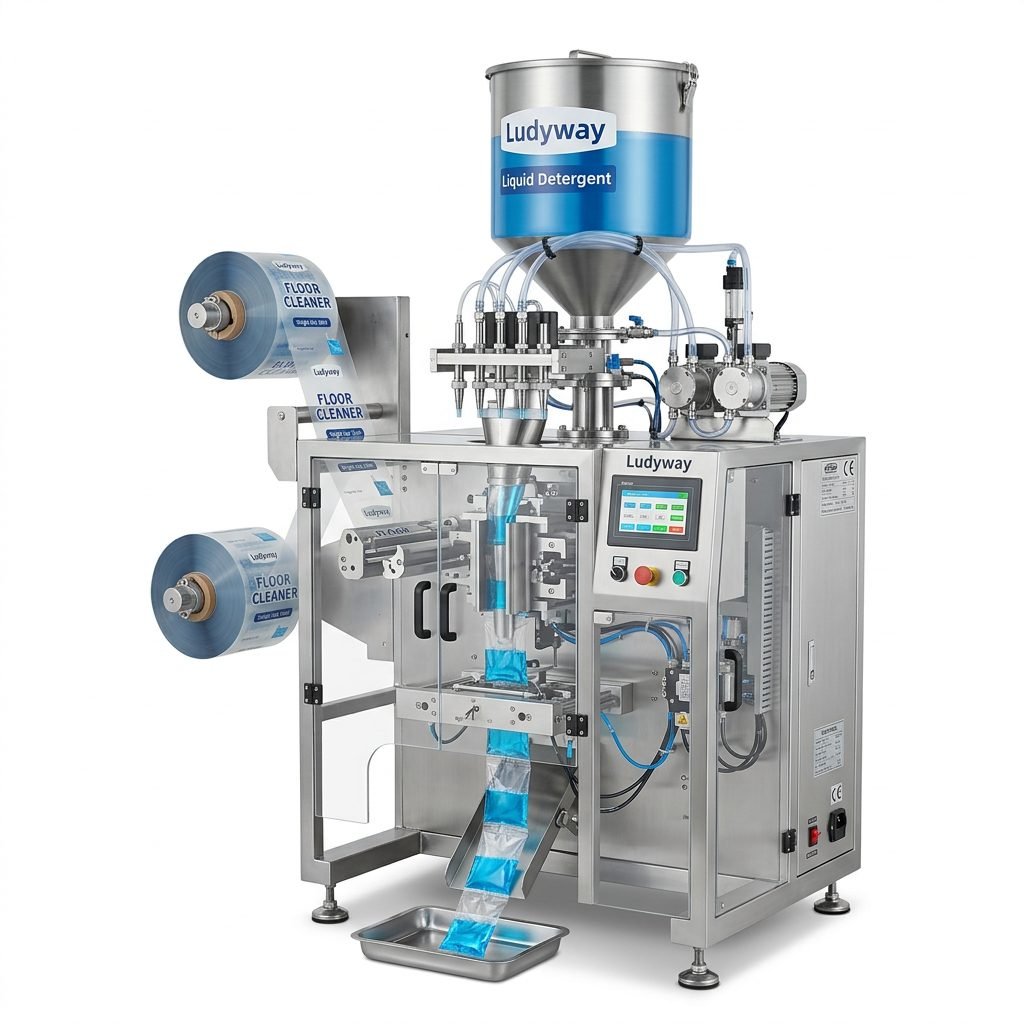
There is a growing preference among end-users, especially small and medium-sized enterprises (SMEs), for complete, ready-to-operate solutions. Providers like Ludyway Machinery have responded by offering turnkey production line solutions that integrate end-of-line equipment with upstream filling and primary packaging machines. This holistic approach ensures compatibility, reduces integration headaches, and provides a single point of service and responsibility. Concurrently, modular machinery designs allow for scalable expansion, enabling businesses to add capabilities like robotic arms or advanced vision inspection systems as their needs grow.
Primary Market Drivers Through 2030
The sustained growth of this market is underpinned by powerful macroeconomic and sector-specific forces.
E-commerce and Omnichannel Retail Expansion
The relentless growth of online shopping is perhaps the most potent driver. E-commerce fulfillment centers require end-of-line systems that are exceptionally fast, accurate, and adaptable. Machinery must handle a constant “rainbow” of different product sizes and shapes, often requiring automated case erectors, packers, and sealers that can switch configurations in seconds. The need for efficient unit sorting and parcel handling directly fuels investment in advanced end-of-line automation.
Labor Shortages and Rising Operational Costs
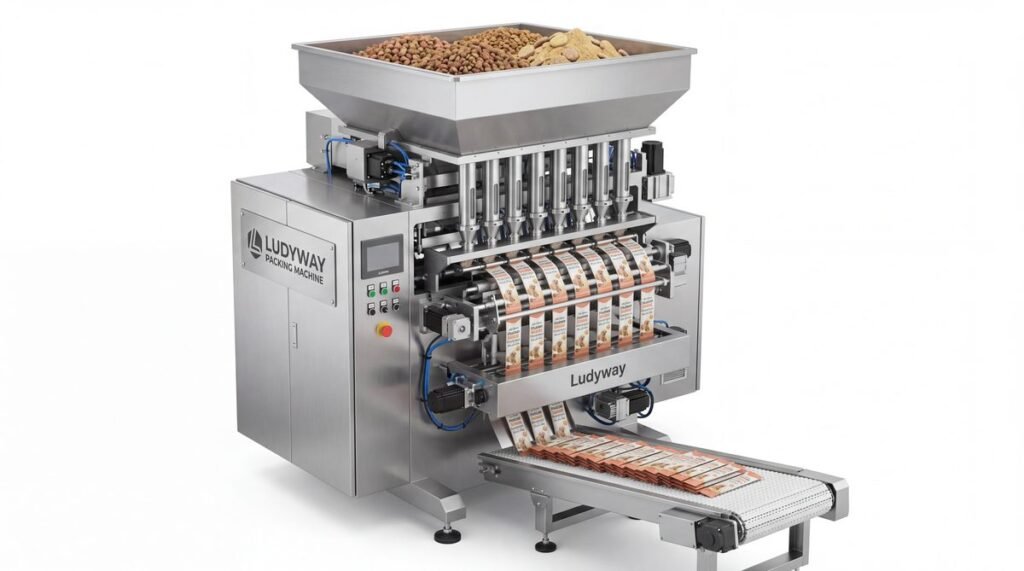
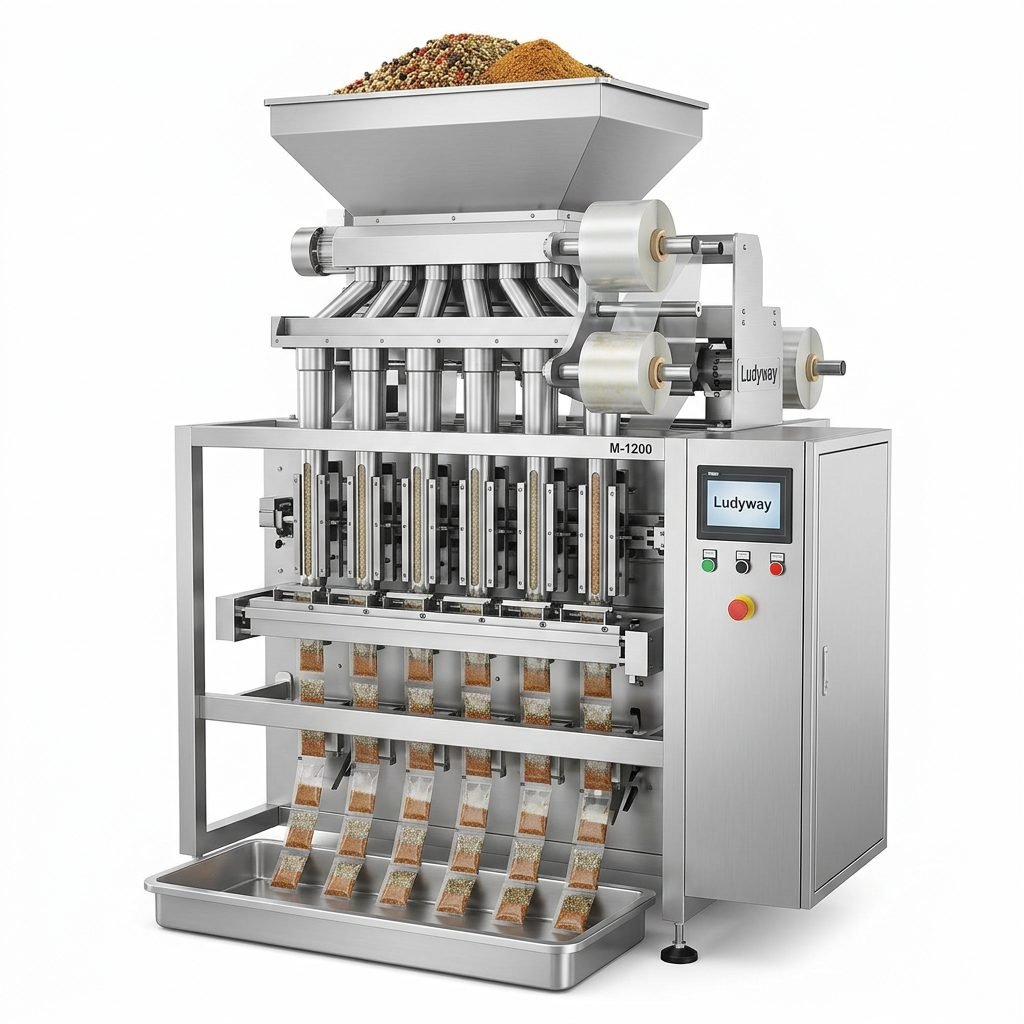
Persistent labor shortages in manufacturing and logistics, coupled with increasing wage pressures, make automation a strategic imperative. End-of-line tasks like case packing and palletizing are physically demanding and have high turnover rates. Automating these processes with reliable machinery from experienced suppliers such as Ludyway Packaging Machinery ensures consistent throughput, reduces reliance on manual labor, mitigates injury risks, and improves overall cost predictability.
Stringent Safety and Hygiene Regulations
In industries like food, beverages, and pharmaceuticals, regulatory compliance is non-negotiable. Automated end-of-line systems minimize human contact with the final product, reducing contamination risks. Furthermore, traceability requirements are easier to meet with automated systems that can log and associate batch data with specific cases and pallets. This driver is particularly strong in regions with strict regulatory frameworks, pushing manufacturers to adopt compliant, automated solutions.
Globalization of Supply Chains
As companies operate and distribute products on a global scale, the need for standardized, efficient, and robust packaging processes becomes critical. End-of-line machinery must produce stable, secure pallet loads that can withstand long-distance transportation. This drives demand for high-performance stretch wrappers, palletizers, and labeling systems that ensure product integrity from the factory floor to the retail shelf anywhere in the world.
Conclusion and Strategic Outlook
The journey to 2030 for the global end-of-line packaging machinery market is charted toward greater intelligence, flexibility, and sustainability. Success for equipment manufacturers will hinge on their ability to deliver integrated, IoT-enabled solutions that address core customer pain points: labor challenges, e-commerce complexity, and environmental goals. For end-users, strategic investment in modern end-of-line automation will be a key differentiator, impacting not just operational efficiency but also brand reputation through improved reliability and sustainable practice. The market’s evolution will continue to be a collaborative effort between innovative machinery providers and forward-thinking manufacturing enterprises seeking a competitive edge in an automated future.
Frequently Asked Questions (FAQs)
What is end-of-line packaging machinery?
End-of-line packaging machinery refers to the automated equipment used in the final stages of the production process. It handles tasks after products are filled and sealed into their primary containers, including cartoning, case packing, palletizing, stretch wrapping, bundling, and labeling. Its primary role is to prepare finished goods efficiently and securely for storage and shipment.
What are the main benefits of automating end-of-line processes?
Key benefits include significantly increased throughput and efficiency, reduced labor costs and dependency, improved worker safety by automating heavy and repetitive tasks, enhanced packaging consistency and load stability, and better compliance with traceability and hygiene regulations, especially in food and pharma.
How does e-commerce growth affect this market?
E-commerce demands extreme flexibility to handle a vast array of product sizes (each-picking) and requires high-speed, accurate sorting and shipping. This drives innovation in robotic case packing, adjustable automated cartoners, and intelligent sorting systems that can manage a high mix of SKUs with minimal changeover time, making adaptability a core requirement for modern machinery.
Why is sustainability a focus in machinery design?
Manufacturers face increasing pressure from consumers, retailers, and regulators to minimize environmental impact. Machinery designers are responding by creating equipment that works with lighter-weight and recyclable materials, reduces energy consumption, and optimizes package size to cut down on material waste and transportation emissions, aligning automation with corporate sustainability goals.
What should I consider when choosing an end-of-line machinery supplier?
Critical factors include the supplier’s industry experience and technical expertise, the reliability and after-sales support of their equipment, ability to provide customized or turnkey solutions, and their commitment to innovation in areas like connectivity and sustainable design. Evaluating their global service network and project implementation track record is also essential for long-term operational success.