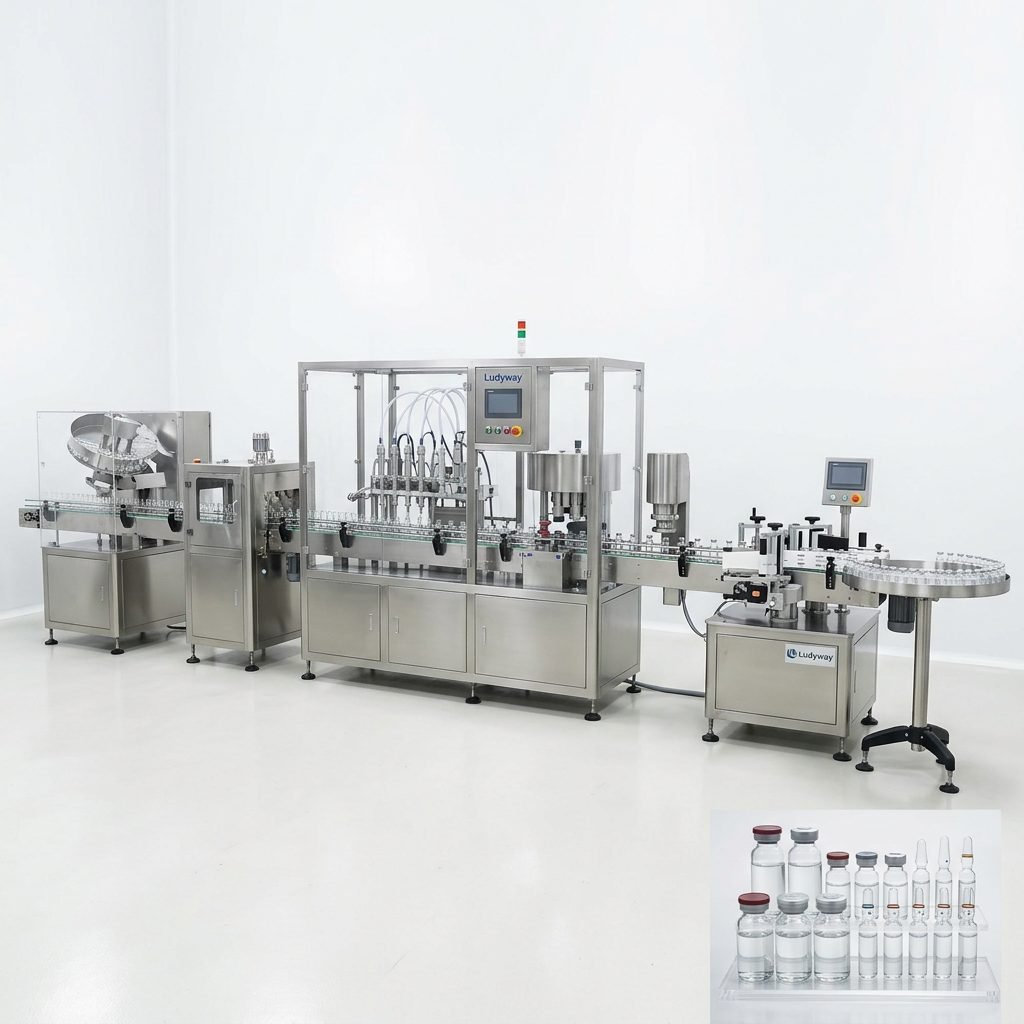
In today’s fast-paced manufacturing and distribution landscape, the packaging of spare parts is a critical yet often overlooked component of the supply chain. Efficient, protective, and organized packaging ensures parts arrive intact, are easily identifiable, and integrate seamlessly into inventory systems. At the heart of this process lies the spare parts packaging machine—a sophisticated piece of automation designed to handle the unique challenges of packaging diverse, often irregularly shaped industrial components. This article delves into the various types of these machines, explains their core working principles, and provides a comprehensive guide to selecting the optimal solution for your operational needs.
Understanding Spare Parts Packaging Machines
Spare parts packaging machines are specialized automated systems that measure, count, bag, seal, and label individual or kits of spare parts. Unlike standard product packaging, these machines must accommodate a wide variance in part size, weight, and material—from tiny O-rings and electronic chips to heavy bearings and metal fittings. The primary goal is to create a secure, unitized package that protects the part from damage, corrosion, and contamination during storage and transit, while also providing clear identification for end-users.
Key Function: These machines transform loose parts into organized, professional packages, which is essential for after-sales service efficiency, maintenance operations, and industrial distribution.
Common Types of Spare Parts Packaging Machines
The choice of machine is heavily dependent on the part characteristics and required packaging format. Here are the primary types:
1. Vertical Form-Fill-Seal (VFFS) Machines
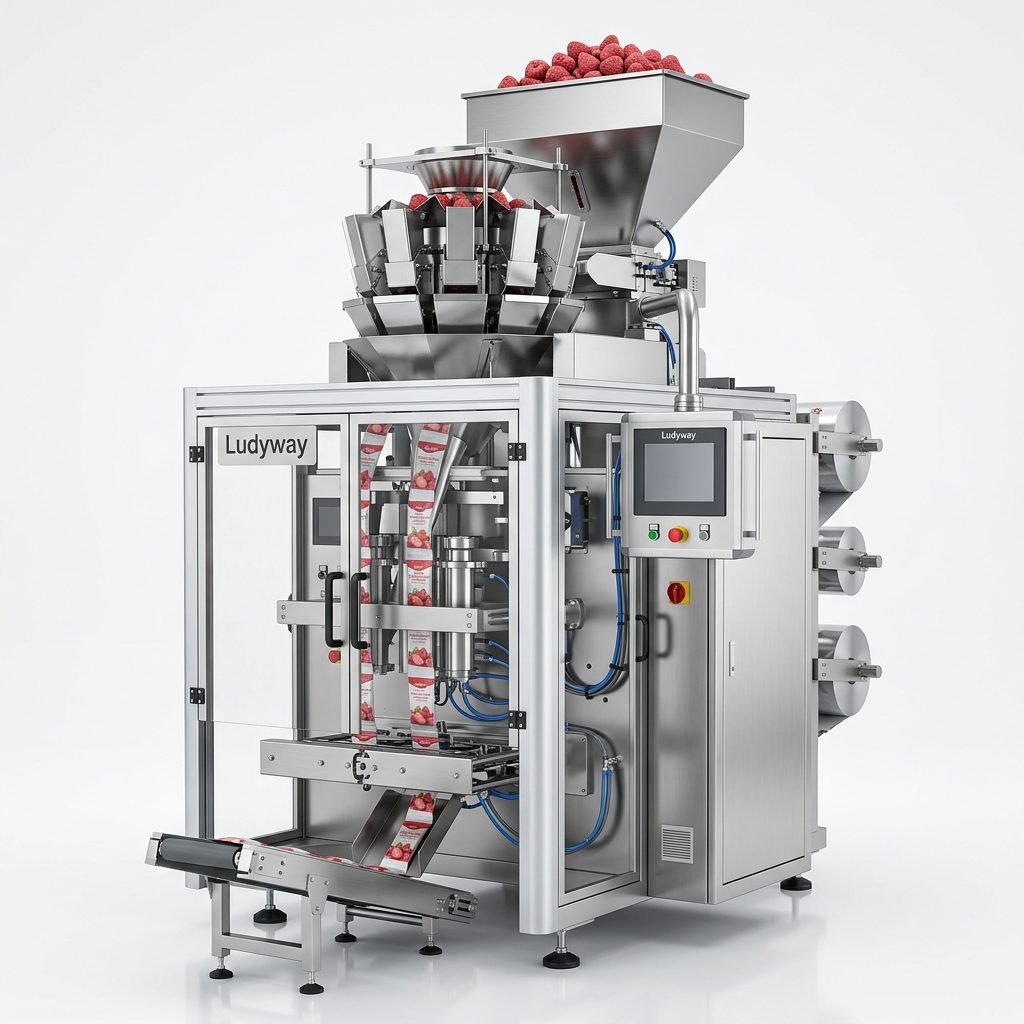
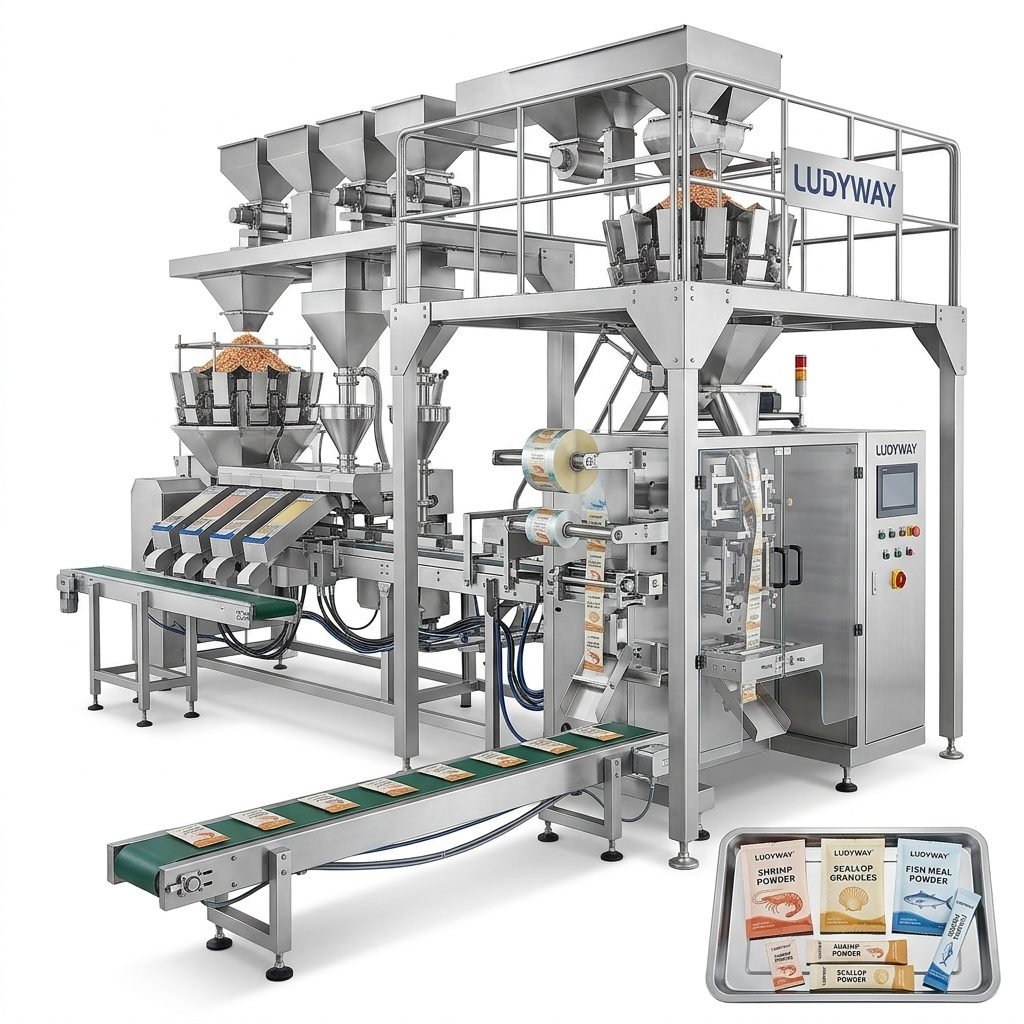
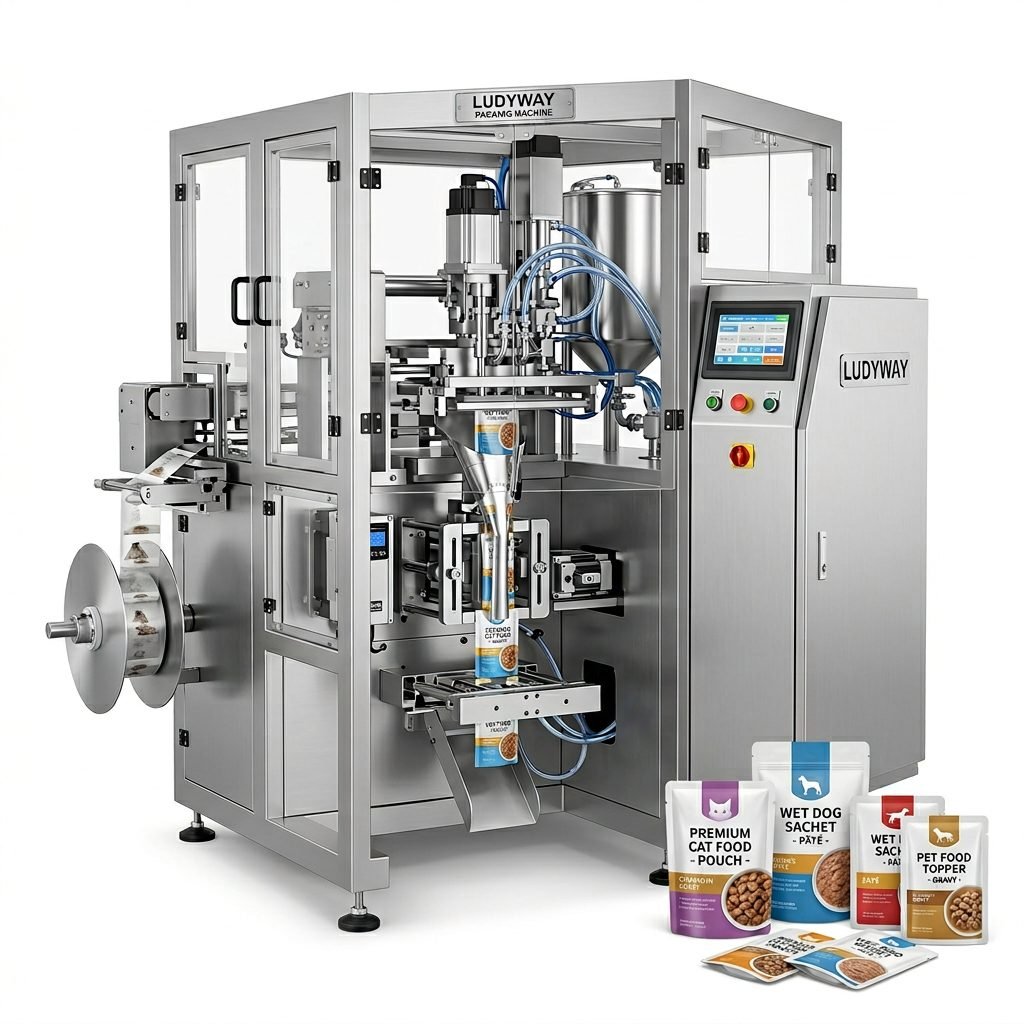
VFFS machines are highly versatile and common for packaging smaller, free-flowing spare parts like screws, nuts, and washers. They form a bag from a roll of packaging film, fill it with a pre-measured volume or count of parts, and then seal it. Modern VFFS systems can be integrated with multi-head weighers or precise counting scales for accuracy.
- Best For: High-volume packaging of small, uniform parts.
- Output: Can achieve very high speeds, suitable for large-scale distribution centers.
2. Stick Pack and Sachet Packaging Machines
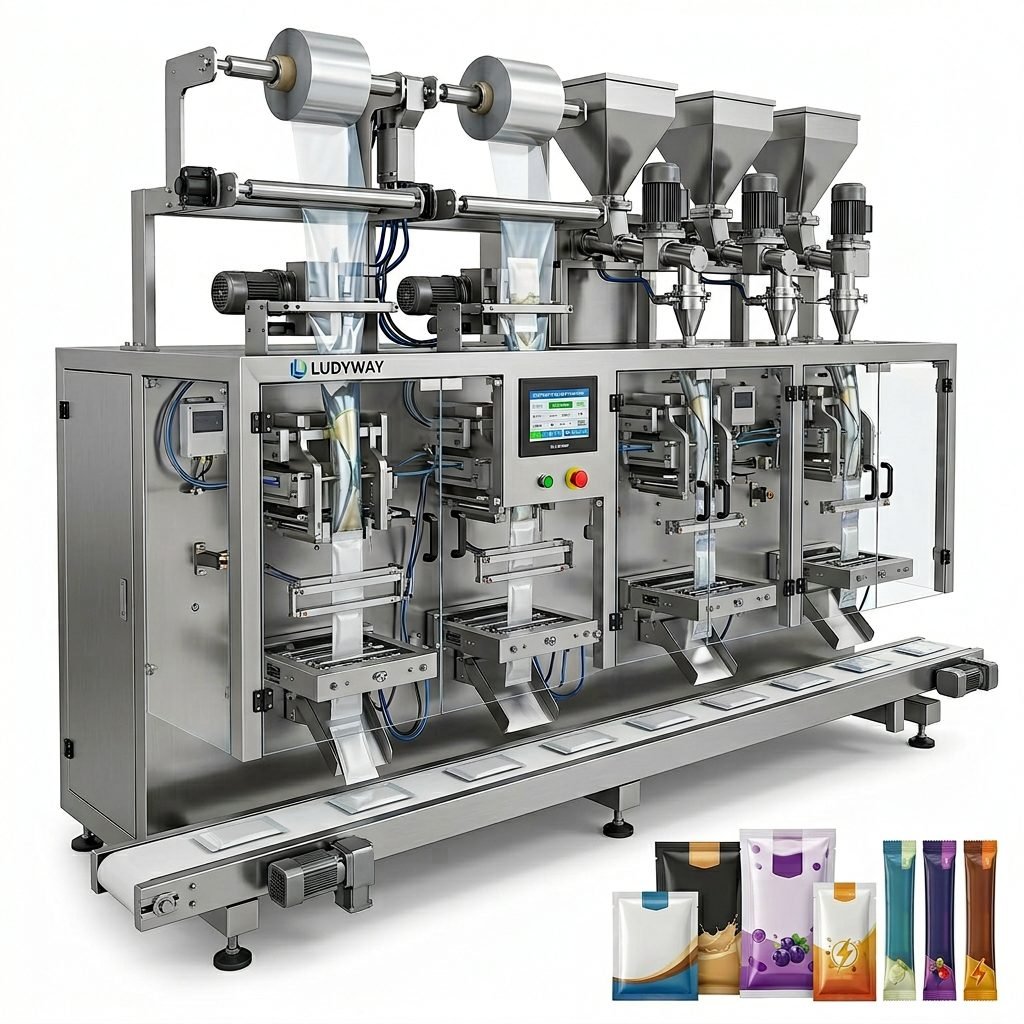
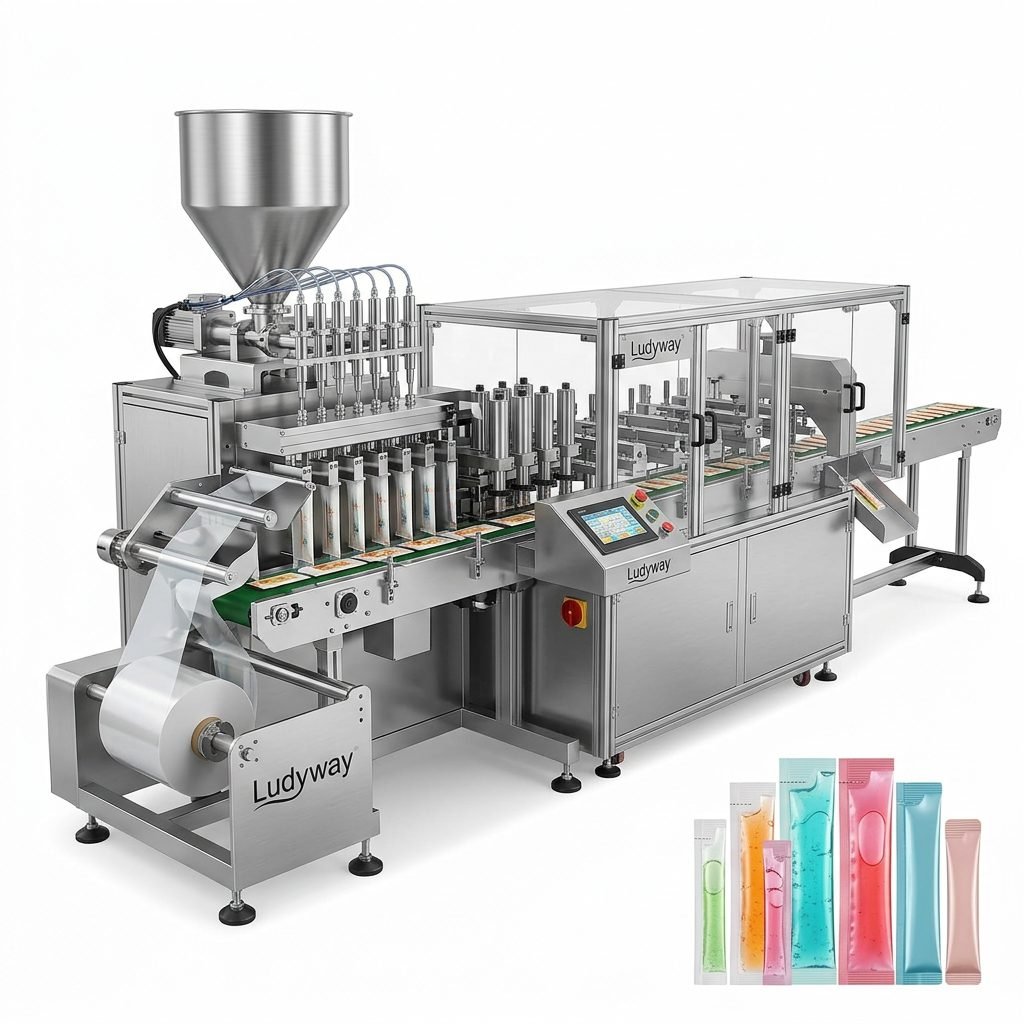
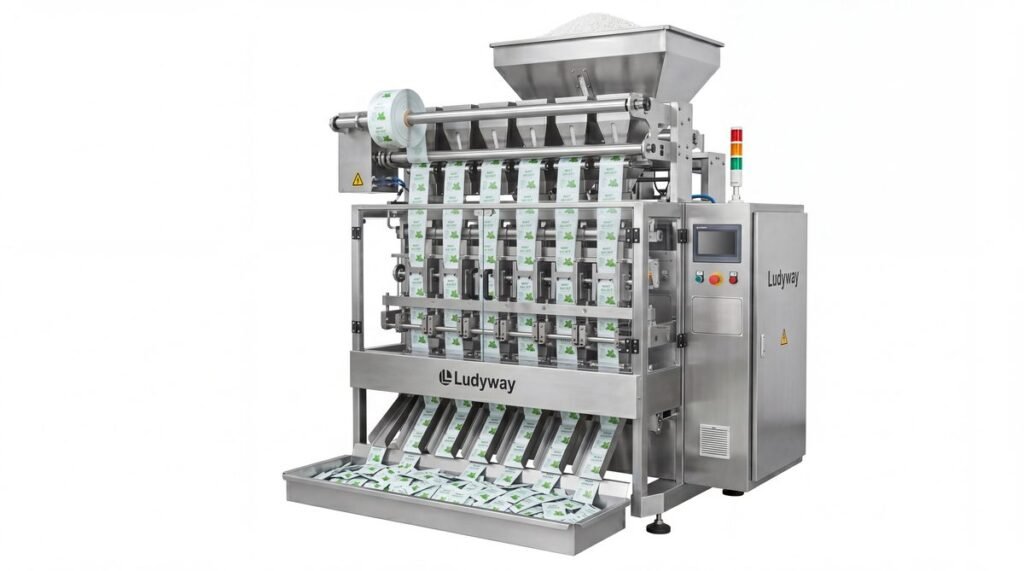
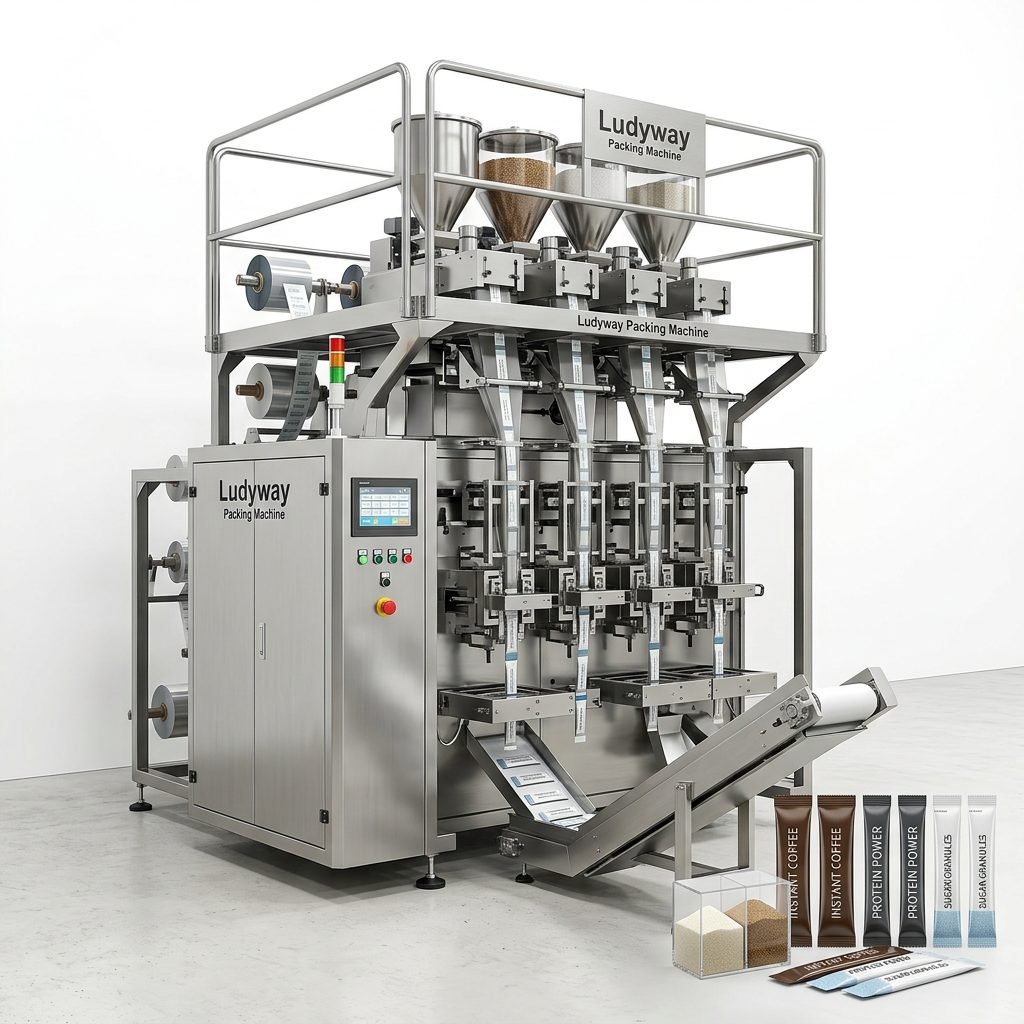
For very small parts or lubricants/greases that accompany mechanical parts, stick pack or sachet machines are ideal. They create slim, elongated packets or small pouches. This format is perfect for single-use applications or for including a small consumable part within a larger kit.
3. Blister and Clamshell Packaging Machines
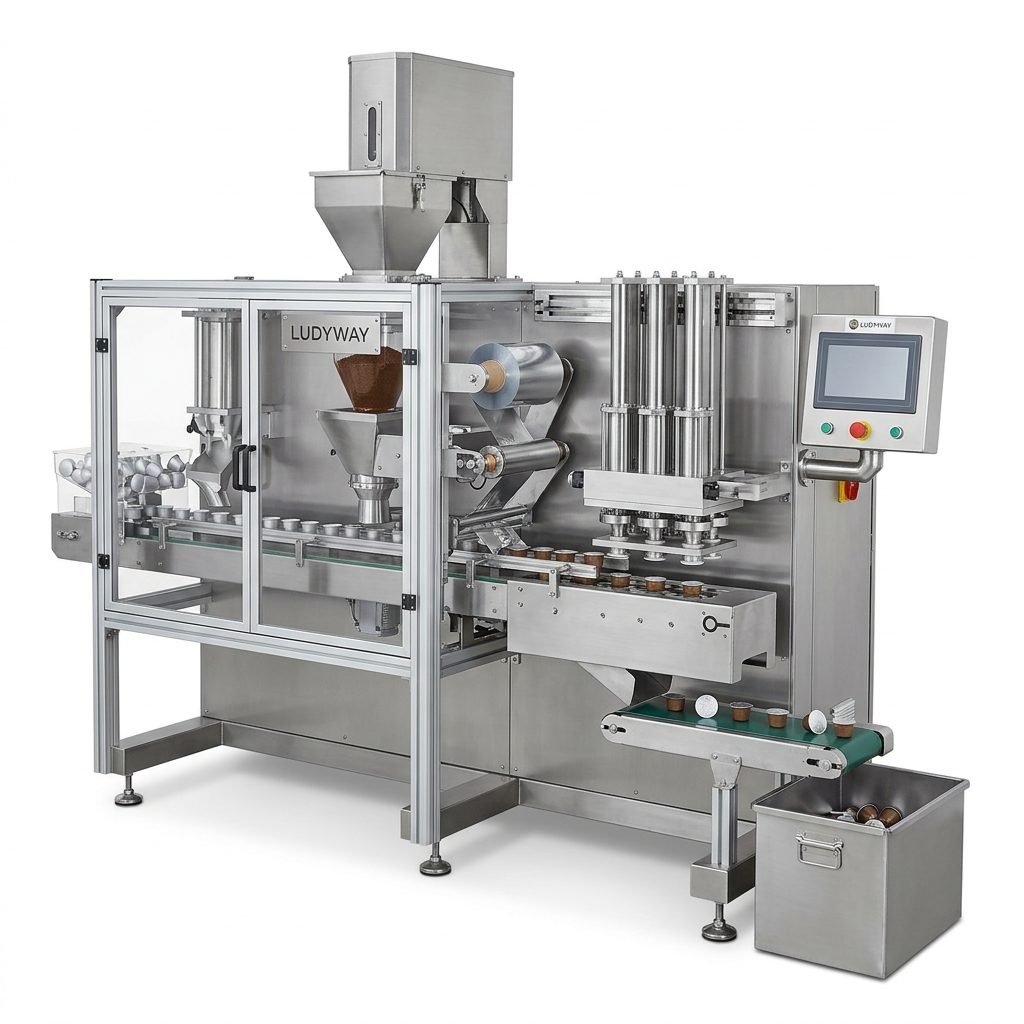
These machines use pre-formed plastic blisters or clamshells paired with a cardboard backing. They provide excellent visibility and superior protection for fragile or high-value components like electronic circuit boards, sensors, or precision tools. The part is securely held in place, preventing movement-induced damage.
🛠️ Visual Advantage: Blister packaging offers immediate part identification and tamper evidence, which is crucial for quality control and warranty purposes.
4. Shrink Wrapping and Bundling Machines
For larger parts or for grouping multiple items into a kit, shrink wrapping systems are used. The machine wraps parts in a loose plastic film, which then passes through a heat tunnel, causing the film to shrink tightly around the product. Bundlers can group several packaged items together for bulk handling.
5. Automated Bagging & Labeling Systems
This is a broad category that often involves placing parts into pre-made bags (polybags, zipper bags) and then automatically applying a printed label with part number, description, barcode, and QR code. These systems are highly flexible and can handle a vast range of part sizes with quick changeovers.
Core Working Principle: Automation and Integration
Despite their differences, most spare parts packaging machines follow a similar automated sequence: Supply -> Orient/Count -> Place -> Seal -> Label -> Discharge.
- Part Feeding and Orientation: Parts are fed via vibratory bowls, conveyor belts, or robotic pick-and-place units. Vision systems or sensors may orient parts correctly.
- Counting and Measurement: Critical for accuracy. Achieved through weigh scales, optical counters, or robotic vision counting systems.
- Packaging Material Handling: The machine draws film, pre-formed blisters, or bags from a roll or magazine.
- Placement and Sealing: The part is placed into the packaging medium, which is then heat-sealed, crimped, or closed.
- Labeling and Coding: An integrated printer-applicator adds the vital data label. This step is key for traceability and inventory management.
- Discharge and Collection: Finished packages are conveyed to a collection bin or carton for further distribution.
How to Choose the Right Spare Parts Packaging Solution
Selecting the wrong equipment can lead to inefficiency, product damage, and increased costs. Consider these critical factors:
1. Analyze Your Part Profile
This is the most crucial step. Create a detailed list of all parts to be packaged, noting:
• Size & Shape: Minimum and maximum dimensions, irregular geometries.
• Weight & Fragility: Determines the machine’s sturdiness and handling mechanism.
• Material & Surface: Oily, dusty, or sharp parts may require specific hopper or conveyor designs.
• Volume & Mix: The number of different SKUs and the required output speed (parts per minute).
2. Define Packaging Specifications
What does the final package need to achieve?
• Protection Level: Does it need to be dust-proof, moisture-resistant, or anti-static?
• Labeling Requirements: Must it include barcodes, QR codes for technical documentation, or multi-language text?
• Format: Bag, blister, shrink wrap? Consider your end-user’s unpacking experience.
Pro Tip: Future-Proofing
Choose a machine with modularity and scalability. Can it handle future part design changes? Can you add a vision inspection system or a second labeling head later? Investing in flexible automation from experienced providers like Ludyway Machinery protects your long-term investment.
3. Evaluate Integration and Support
The machine must integrate with your upstream (production) and downstream (warehouse management) systems. Ensure the supplier offers:
• Comprehensive Training: For operators and maintenance staff.
• Reliable Technical Support: Availability of spare parts and service engineers.
• Software Compatibility: Machine software should be able to receive data from your ERP/MES for dynamic labeling.
4. Consider Total Cost of Ownership (TCO)
Look beyond the initial purchase price. Calculate costs for:
• Consumables (film, labels, ink).
• Energy consumption.
• Maintenance and potential downtime.
• Changeover time between different parts.
A slightly more expensive but robust and efficient machine often has a lower TCO.
Conclusion
Implementing an automated spare parts packaging system is a strategic investment that drives operational efficiency, reduces waste, and enhances customer satisfaction through reliable part delivery. By thoroughly understanding the types of machines available, their working principles, and meticulously evaluating your specific needs against the selection criteria outlined, you can choose a solution that not only solves today’s packaging challenges but also adapts to tomorrow’s demands. Partnering with a knowledgeable provider ensures you gain from their expertise in tailoring the right automation for your unique spare parts portfolio.
Frequently Asked Questions (FAQs)
Q1: Can one machine package vastly different sizes of spare parts?
A: Yes, but with limitations. Machines designed for high flexibility, like certain bagging systems with adjustable settings and quick-change parts (like jaws and hoppers), can handle a wide range. However, extremely high variance may require dedicated cells or semi-automatic solutions to be cost-effective.
Q2: How important is labeling integration in a spare parts packager?
A: It is absolutely critical. Automated labeling that pulls variable data (part number, lot, date) directly from your database is essential for traceability, inventory control, and preventing shipping errors. It is a non-negotiable feature for modern industrial operations.
Q3: What are the main maintenance requirements for these machines?
A: Regular maintenance typically includes cleaning (especially if packaging oily parts), lubrication of moving components, inspection and replacement of wear parts like sealing jaws and cutting blades, and calibration of scales and sensors. A good supplier will provide a clear maintenance schedule.
Q4: How do I handle the packaging of very fragile or easily scratched parts?
A: For such parts, consider machines that use gentle handling methods like soft robotic grippers or drop-free placement systems. Blister packaging is often the best format as it cradles the part without movement. Internal cushioning or static-dissipative materials may also be required.
Q5: Is it feasible to automate the packaging of very low-volume, high-mix spare parts?
A: Full automation for very low volumes may not offer a strong ROI. In such cases, semi-automatic machines, where an operator presents the part but the machine handles measuring, bagging, and sealing, can be an excellent middle ground, improving consistency and speed over fully manual methods.