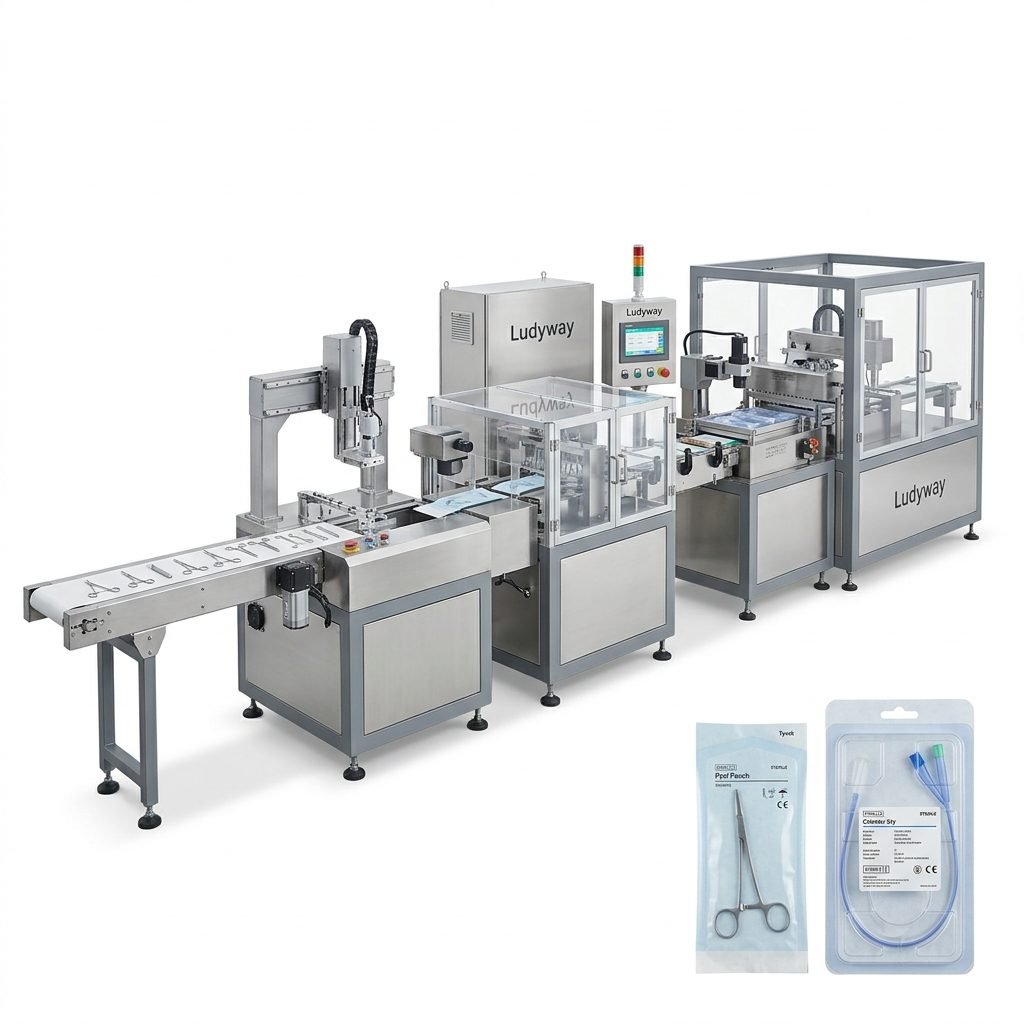
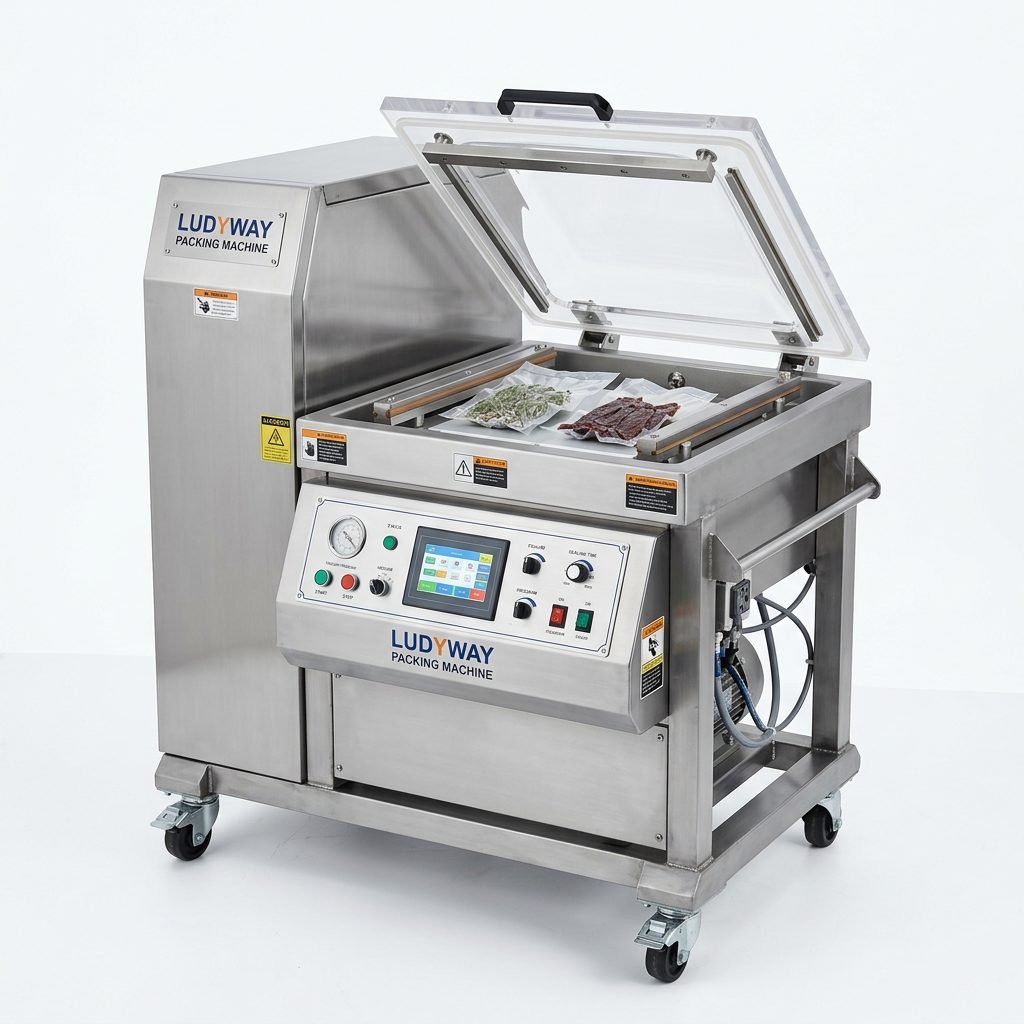
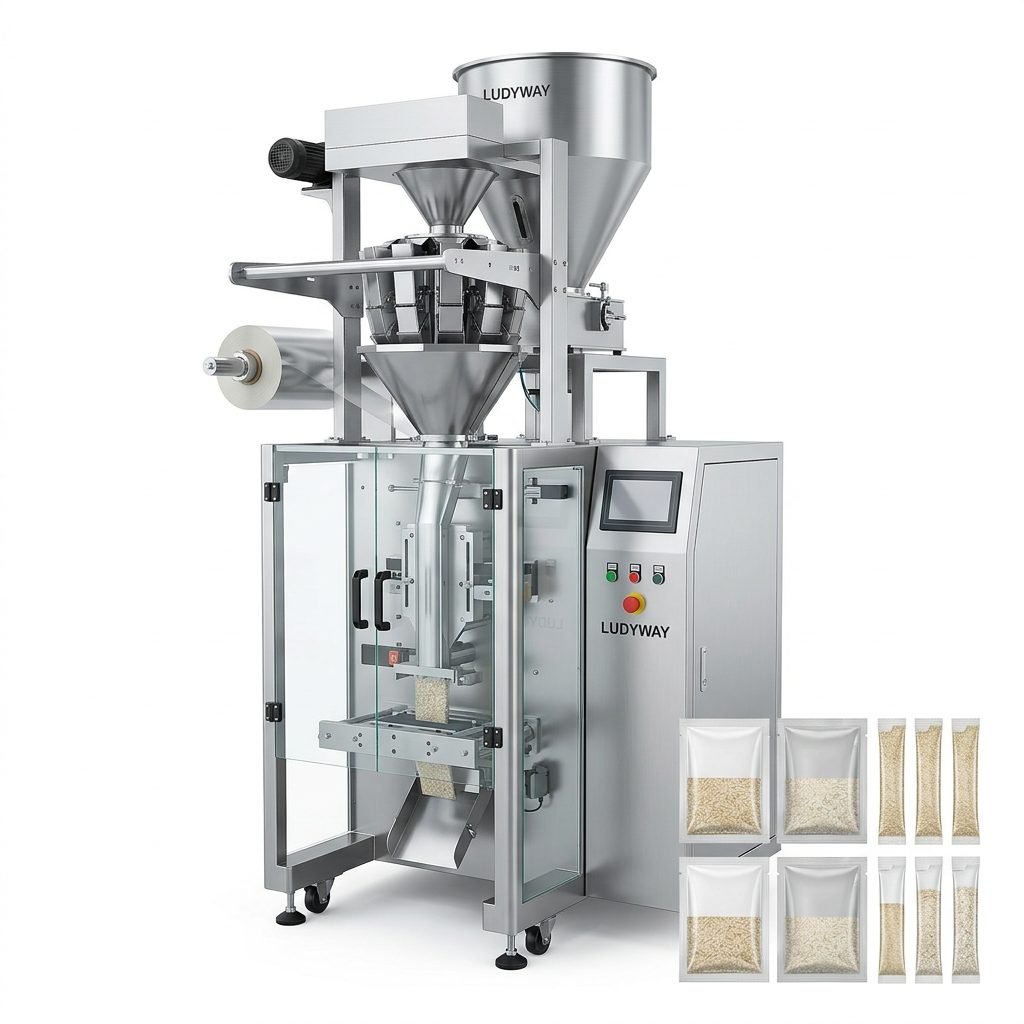
In today’s fast-paced manufacturing landscape, the demand for packaging solutions that are not only fast but also exceptionally reliable and versatile has never been higher. Industries ranging from sensitive pharmaceuticals to high-volume food production and robust industrial applications require machinery that can adapt, perform, and deliver consistency. This is where high-efficiency matrix packaging machinery comes into play, representing a pinnacle of automation and intelligent design. These systems are engineered to handle a diverse array of products—from powders and granules to liquids and pastes—with precision, ensuring optimal packaging integrity, speed, and operational efficiency.
The Core Technology Behind Matrix Packaging Systems
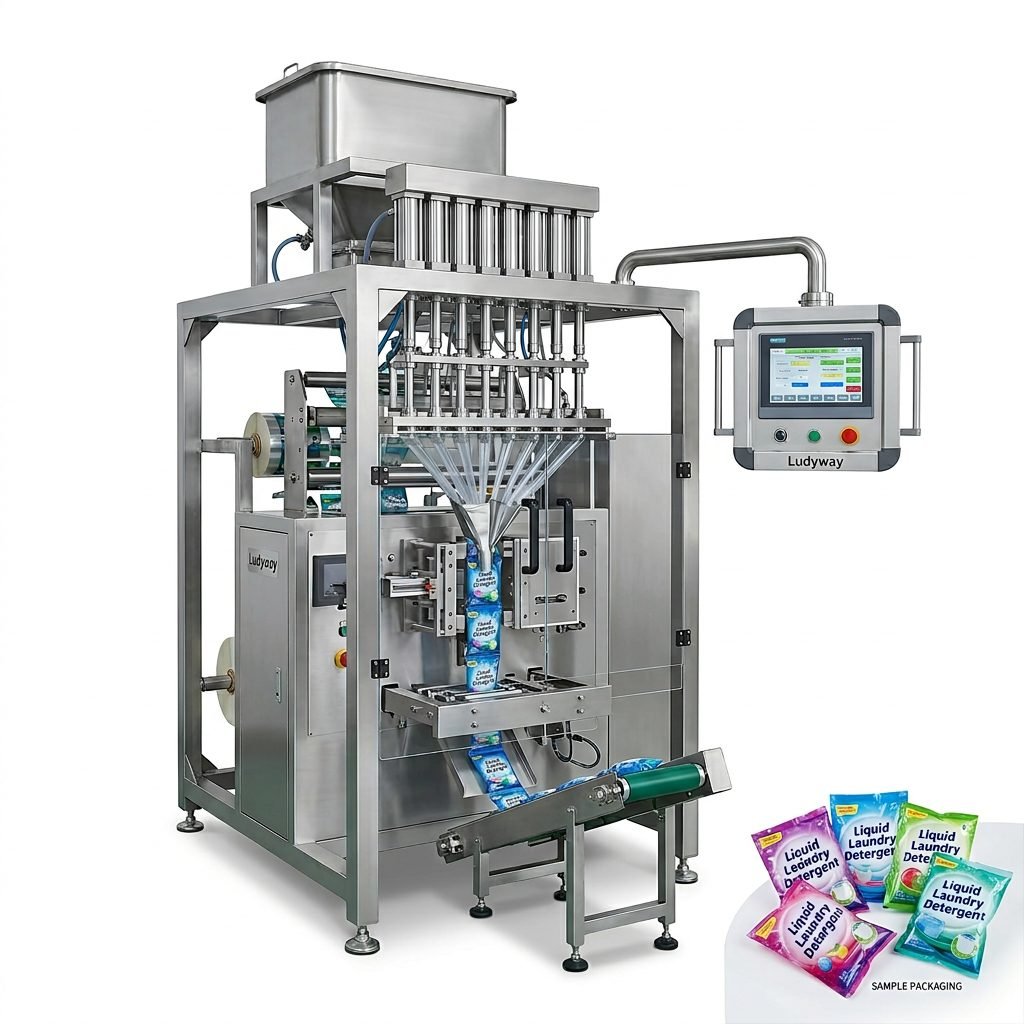
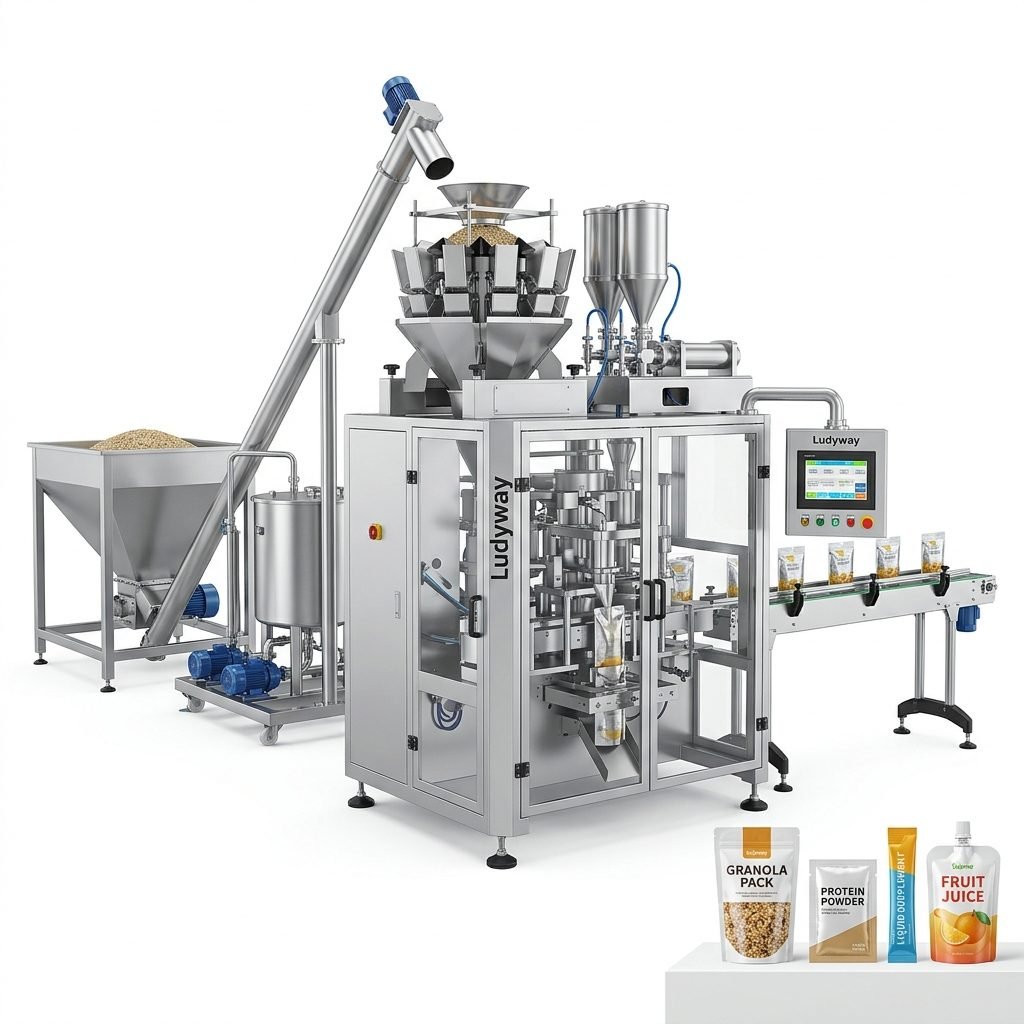
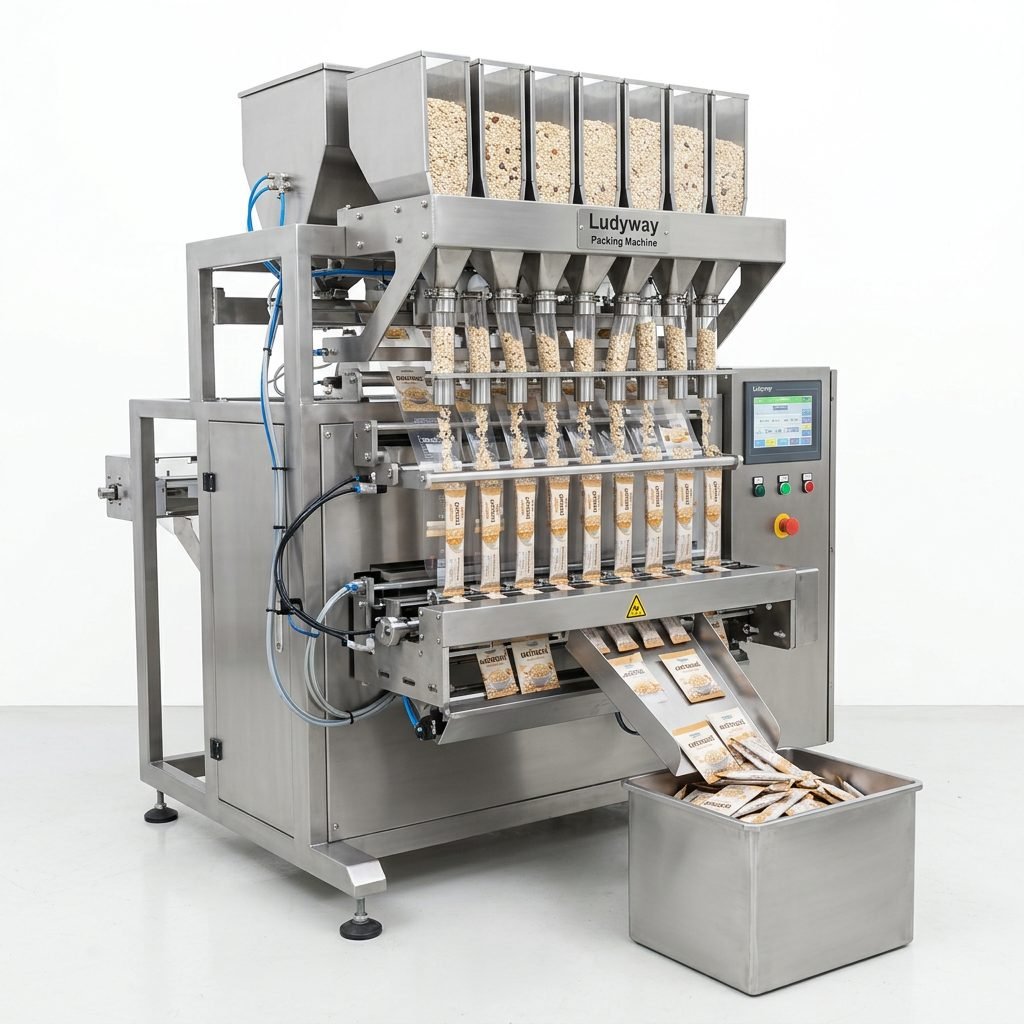
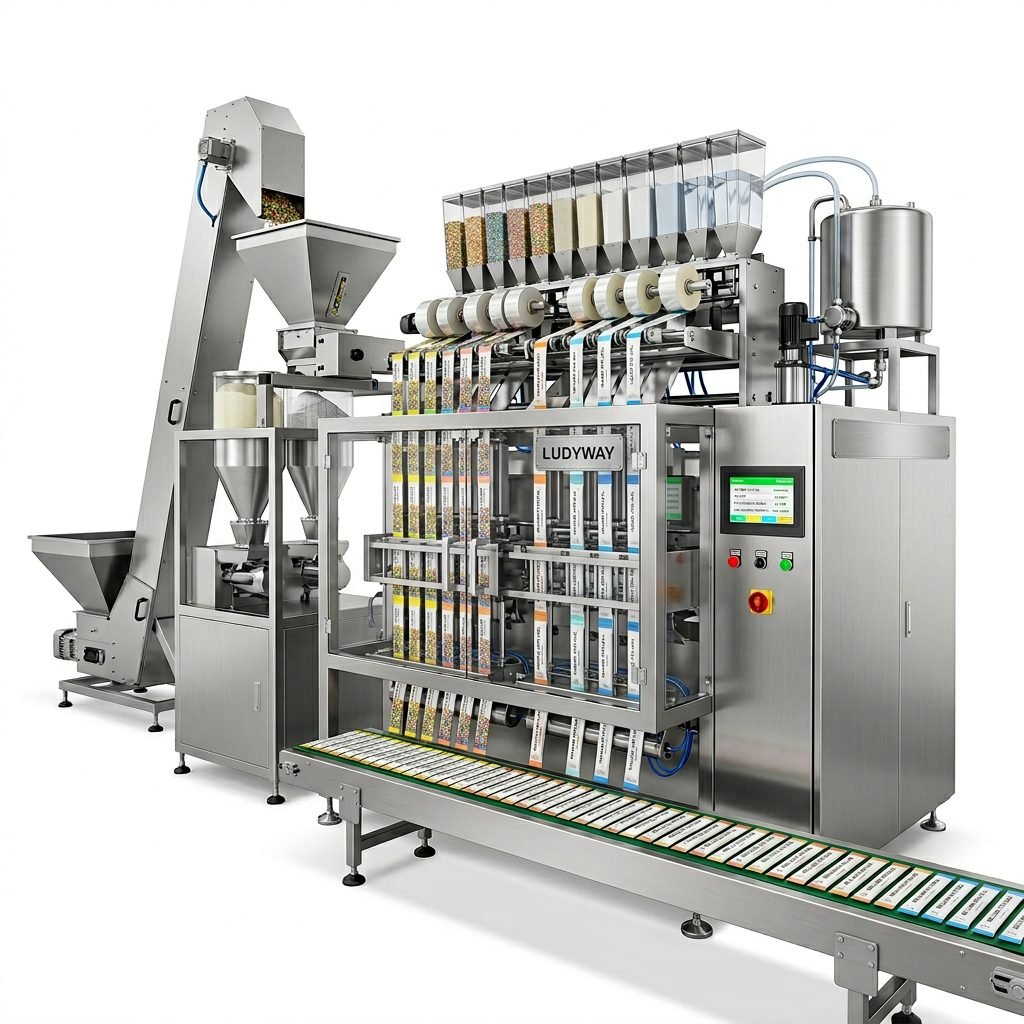
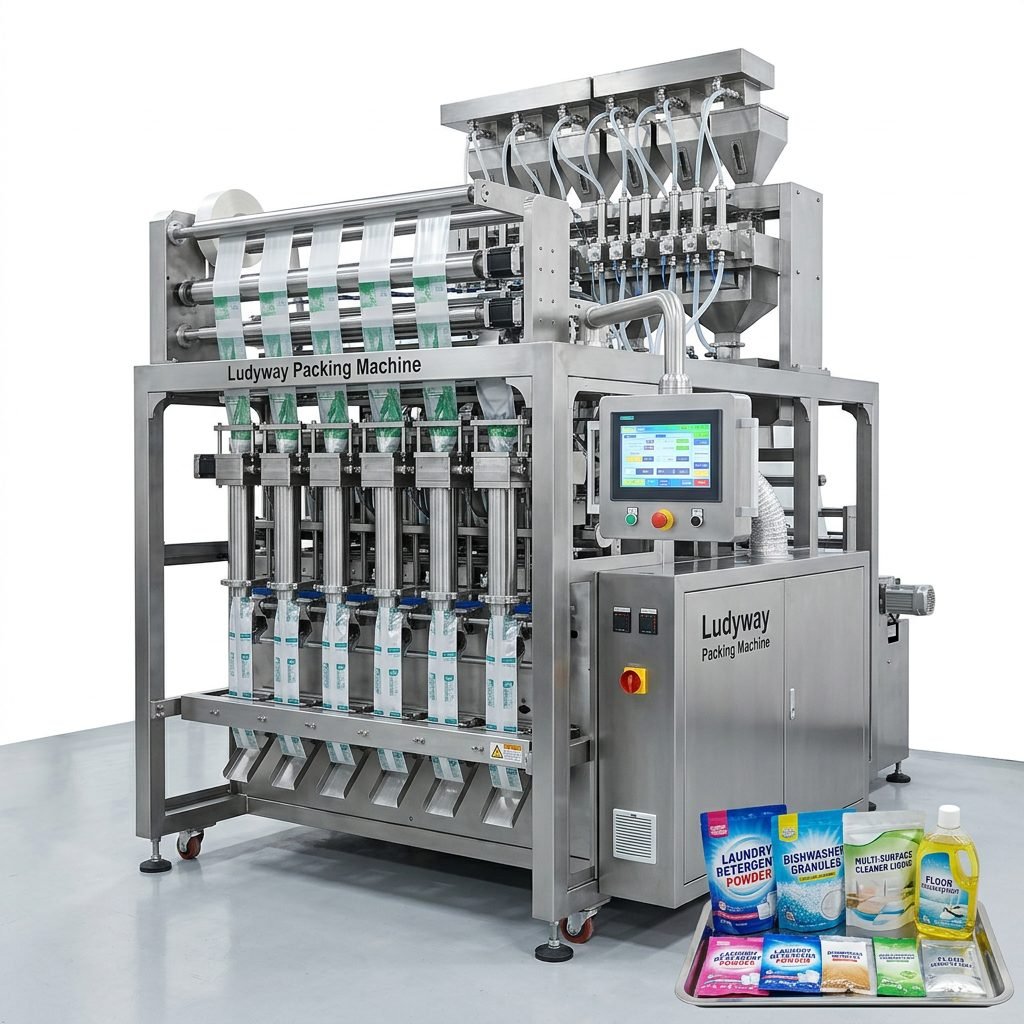
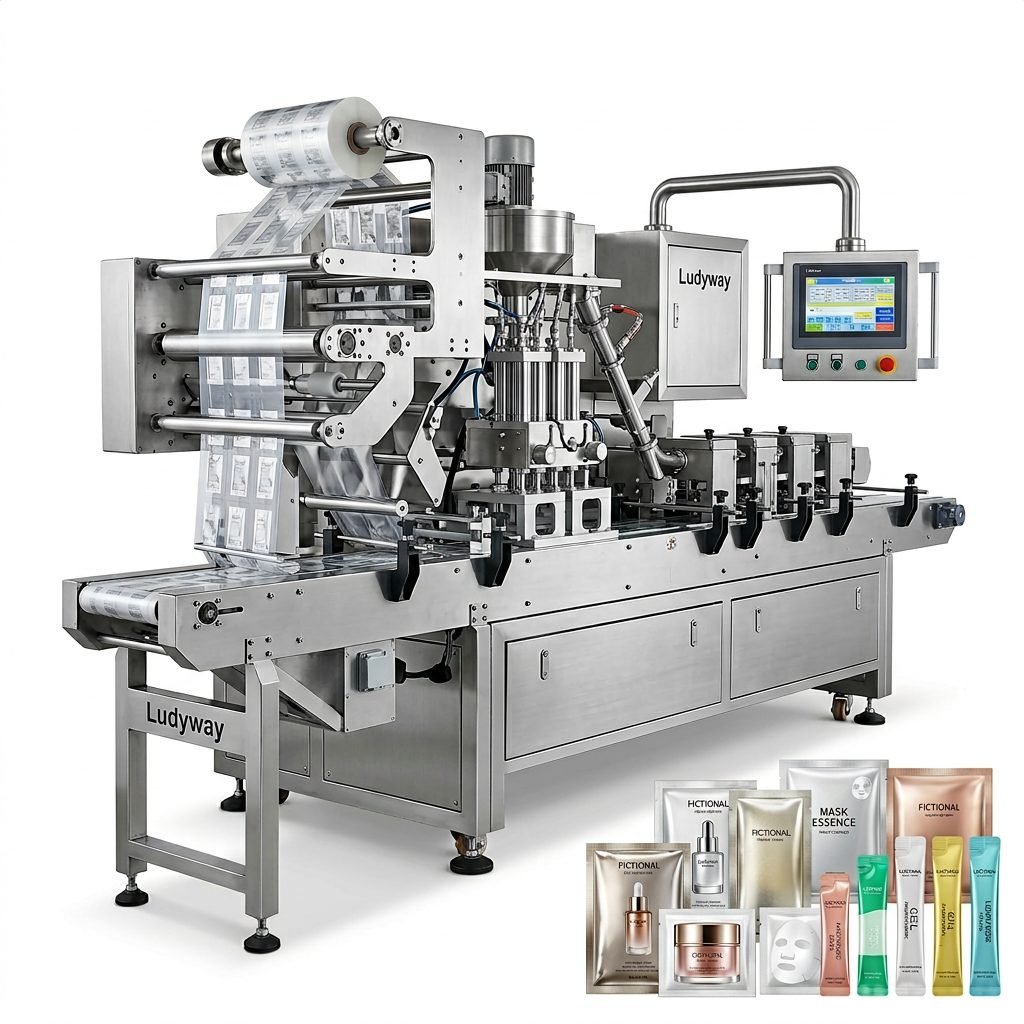
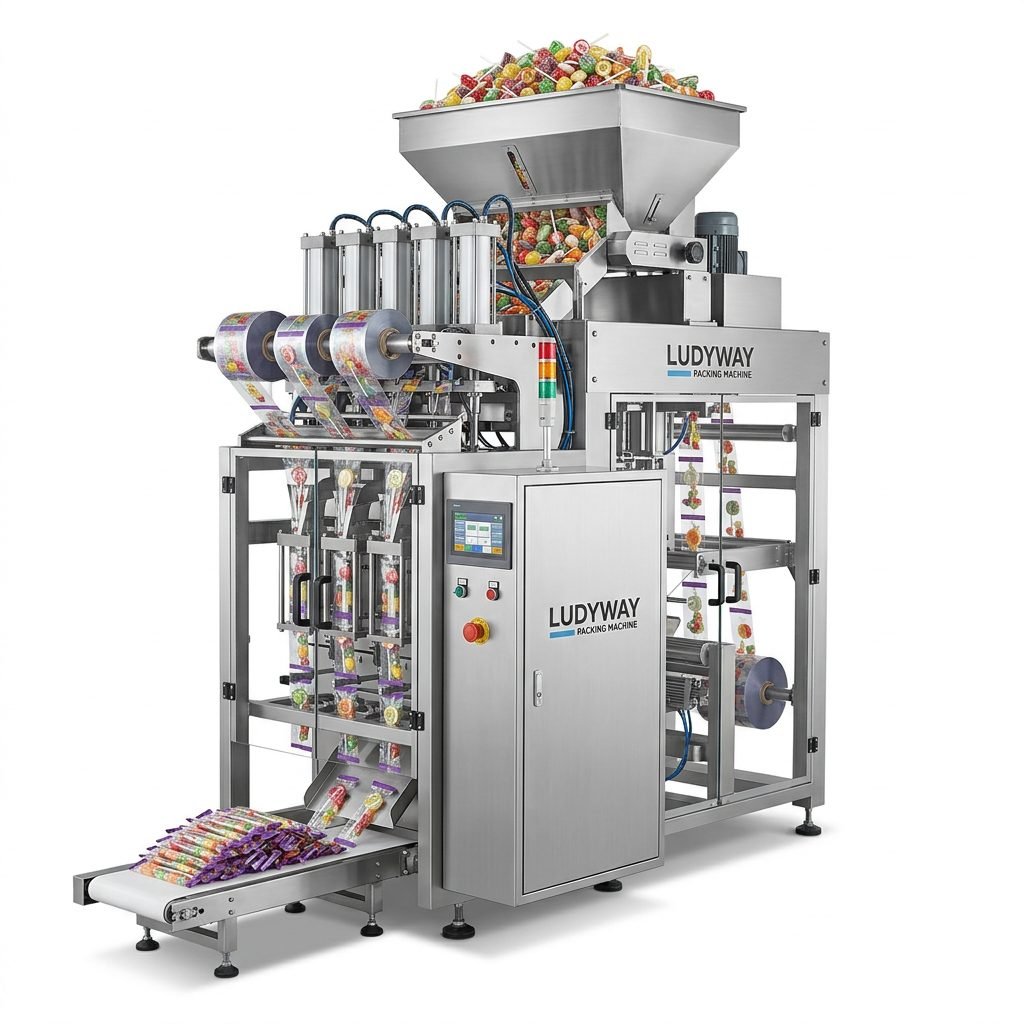
At its heart, a matrix packaging machine is a marvel of integrated engineering. Unlike single-function packagers, it operates on a multi-lane, synchronous principle. Imagine several packaging lines running in perfect harmony within a single machine frame. This “matrix” or grid-like arrangement allows for simultaneous filling and sealing of multiple sachets, stick packs, or pouches from a single web of packaging film. The technology hinges on a sophisticated programmable logic controller (PLC) that orchestrates the timing of film feeding, forming, dosing, sealing, and cutting across all lanes. This synchronized operation is the key to achieving remarkable output speeds without sacrificing accuracy or product safety.
Key Advantage: The multi-lane design drastically increases throughput. While a single-lane machine might produce 100 packs per minute, a 10-lane matrix system can achieve outputs of 1000 packs per minute or more, making it ideal for high-volume production runs in the food and industrial sectors.
Applications Across Critical Industries
1. Food & Beverage Industry
In the food sector, speed, hygiene, and freshness preservation are paramount. Matrix packagers excel at portion-control packaging for items like:
- Condiments (ketchup, mayonnaise, soy sauce)
- Drink mixes (coffee, tea, powdered soft drinks)
- Spices, seasonings, and recipe kits
- Snack nuts and dried fruits
The machinery often incorporates nitrogen flushing systems to displace oxygen within the pouch, significantly extending shelf life and preventing oxidation. Quick changeover features allow producers to switch between different product types or pack sizes with minimal downtime, supporting flexible production schedules.
2. Pharmaceutical & Healthcare
Precision and sterility are non-negotiable in pharma. Matrix packaging systems used in this field are built to comply with stringent Good Manufacturing Practice (GMP) standards. They are perfect for unit-dose packaging of:
- Powdered medications and supplements
- Oral rehydration salts
- Diagnostic test kit components
- Single-use sanitizing wipes or gel packets
These machines utilize medical-grade stainless steel contact parts and are designed for easy cleaning and validation. The accuracy of the micro-dosing systems ensures each sachet contains the exact, critical dosage, eliminating waste and ensuring patient safety.
3. Industrial & Chemical Production
Durability and the ability to handle aggressive or non-standard materials define the requirements here. Matrix packagers for industrial use are ruggedized to package:
-
- Lubricants, greases, and adhesives
- Sealants and construction chemicals
- Detergent powders and cleaning agents
- Agricultural chemicals and seed coatings
They feature corrosion-resistant components and specialized pumping systems for viscous products. The packaging materials used are also tougher, often multi-layered laminates that provide an effective barrier against moisture, chemicals, and physical damage during transport and storage.
Choosing the Right Partner for Your Packaging Line
Selecting a high-efficiency matrix packaging machine is a significant capital investment. The right supplier does more than just sell equipment; they become a long-term partner in your production success. A reliable partner, like Ludyway Machinery, brings essential qualities to the table.
Look for a provider with deep, proven industry experience. Decades of operation, like the over 30 years behind Ludyway, mean they have encountered and solved a vast array of production challenges. This experience translates into machines that are not just theoretically sound but practically robust. Furthermore, a partner with strong in-house engineering capabilities can offer true customization. Your production line is unique, and your packaging machine may need specific modifications for a particular film type, filling nozzle design, or integration with upstream and downstream equipment.
📈 Operational Efficiency Metrics to Consider:
When evaluating machinery, go beyond the headline speed. Assess the Overall Equipment Effectiveness (OEE). A truly high-efficiency machine maximizes OEE by:
- Minimizing changeover time with tool-less adjustments.
- Reducing film waste through precise tension control and registration systems.
- Ensuring high uptime with accessible maintenance points and reliable components.
- Providing clear data outputs for performance monitoring and analysis.
Comprehensive after-sales support is the final critical pillar. This includes thorough training for your operators and maintenance teams, readily available spare parts, and responsive technical support. A global service network ensures that no matter where your production facility is located, expert help is accessible, minimizing potential downtime. Exploring the company’s history and evolution can give you confidence in their stability and commitment to the industry.
The Future: Smart Packaging and Integration
The next evolution of high-efficiency matrix packaging is rooted in Industry 4.0 connectivity. Modern machines are becoming data hubs. Integrated sensors monitor parameters like seal temperature, film tension, and fill weight in real-time. This data can be fed into a Manufacturing Execution System (MES) for full traceability—a requirement that is becoming standard, especially in pharma and high-end food production. Predictive maintenance alerts, generated by the machine’s software, can notify operators of potential issues before they cause a stoppage, pushing efficiency even further.
Furthermore, the integration of vision inspection systems directly into the packaging line is becoming more common. These systems can check for seal integrity, print registration, and fill level on every single pouch at high speed, automatically rejecting any defective packs. This level of quality control, combined with the raw speed of matrix technology, creates a packaging solution that is both high-volume and zero-defect oriented.
Implementing such an advanced system is a strategic decision. It’s advisable to work with a supplier who can provide a complete turnkey solution, managing the integration of the packaging machine with feeders, conveyors, checkweighers, and cartoners to create a seamless, optimized production line.
Frequently Asked Questions (FAQs)
Q1: What is the primary advantage of a matrix packaging machine over a standard single-lane machine?
A: The primary advantage is a massive increase in production output (throughput) within a comparable footprint. By running multiple packaging lanes in parallel, it multiplies the output of a single-lane machine, making it the most efficient choice for large-scale, high-speed production requirements.
Q2: Can matrix packagers handle different types of products on the same machine?
A: Yes, but with changeover. They are highly versatile and designed for quick changeovers. By switching the forming tools, filling pumps, and film reels, a well-designed matrix machine can switch between different product forms (e.g., powder to liquid) and pack sizes. However, it packages one product type at a time per production run.
Q3: How does the machine ensure dosing accuracy across all lanes simultaneously?
A: High-precision servo-driven pumps or auger fillers are used for each lane or a shared system with precision diverter valves. The PLC controls these actuators with extreme accuracy. Many systems also include in-line checkweighers that provide feedback to the filling system, allowing for real-time micro-adjustments to maintain consistent weight across every sachet.
Q4: What kind of packaging materials can be used with these systems?
A: They are compatible with a wide range of roll-stock laminates, including paper/aluminum/plastic structures for barrier properties, pure plastic films for cost-effectiveness, and breathable or sterile medical films. The machine must be configured with the appropriate sealing jaws (constant heat, impulse, ultrasonic) for the specific material.
Q5: Is the operational complexity much higher than for simpler machines?
A: While the technology is more advanced, modern matrix packagers are designed with user-friendly Human-Machine Interface (HMI) touchscreens. Operators manage recipes, monitor performance, and conduct changeovers through intuitive guided steps. Comprehensive training from the supplier is key to mastering operations and routine maintenance.