Germany represents one of the most advanced and highly regulated markets for food processing and packaging equipment in Europe. Setting up a retort packaging machine production line in Germany requires careful planning, strict adherence to regulatory standards, and a deep understanding of both technical and operational requirements. This guide walks you through every critical step of the process.
Understanding the German Retort Packaging Market
Germany is Europe’s largest food processing market, with a growing demand for ready-to-eat meals, pet food, and shelf-stable products packaged in retort pouches. The packaging machinery market continues to expand, driven by consumer preference for convenient, long-shelf-life food products. Retort packaging—using flexible pouches that undergo high-temperature sterilization—offers significant advantages over traditional canning, including lighter weight, reduced shipping costs, and improved product quality.
Regulatory Framework in Germany
Before installing any packaging machinery, understanding Germany’s regulatory environment is essential. The country enforces some of the world’s strictest food safety and machinery standards.
EU Packaging Directives and German Implementation
Germany adheres to all EU packaging and packaging waste regulations, which govern materials, design, and recyclability. Specifically for retort packaging, compliance with Regulation (EC) No 1935/2004 on food contact materials is mandatory. The German Federal Institute for Risk Assessment (BfR) provides additional recommendations that often exceed EU requirements.
Machinery Directive and CE Marking
All packaging machines installed in Germany must carry CE marking in accordance with the EU Machinery Directive 2006/42/EC. This requires comprehensive technical documentation, risk assessment, and conformity declaration. The ISO packaging standards provide internationally recognized benchmarks for equipment design and safety.
Planning Your Production Line Layout
A well-designed layout is critical for operational efficiency and regulatory compliance. German facilities typically follow strict guidelines for hygienic design, workflow optimization, and worker safety.
- Raw material intake zone — separated from processing areas to prevent cross-contamination
- Filling and sealing area — requires controlled environment with filtered air and positive pressure
- Sterilization (retort) zone — must accommodate thermal processing equipment with proper ventilation
- Cooling and drying section — essential for pouch integrity after retort processing
- Secondary packaging and palletizing — final stage before warehousing
| Production Phase | Key Requirements | German Standard Reference |
|---|---|---|
| Facility Design | Hygienic zoning, drainage, surface finishes | DIN EN 1672-2, EHEDG guidelines |
| Equipment Installation | CE marking, risk assessment, safety guards | 2006/42/EC, DIN EN ISO 12100 |
| Thermal Processing | Validated sterilization, temperature monitoring | DIN EN ISO 17665, BfR recommendations |
| Quality Control | Seal integrity testing, visual inspection | ISO 11607, DIN 58953 |
Key Equipment for Retort Packaging Lines
Selecting the right machinery is the cornerstone of a successful operation. A complete retort packaging line typically includes:
Retort Pouch Filling and Sealing Machines
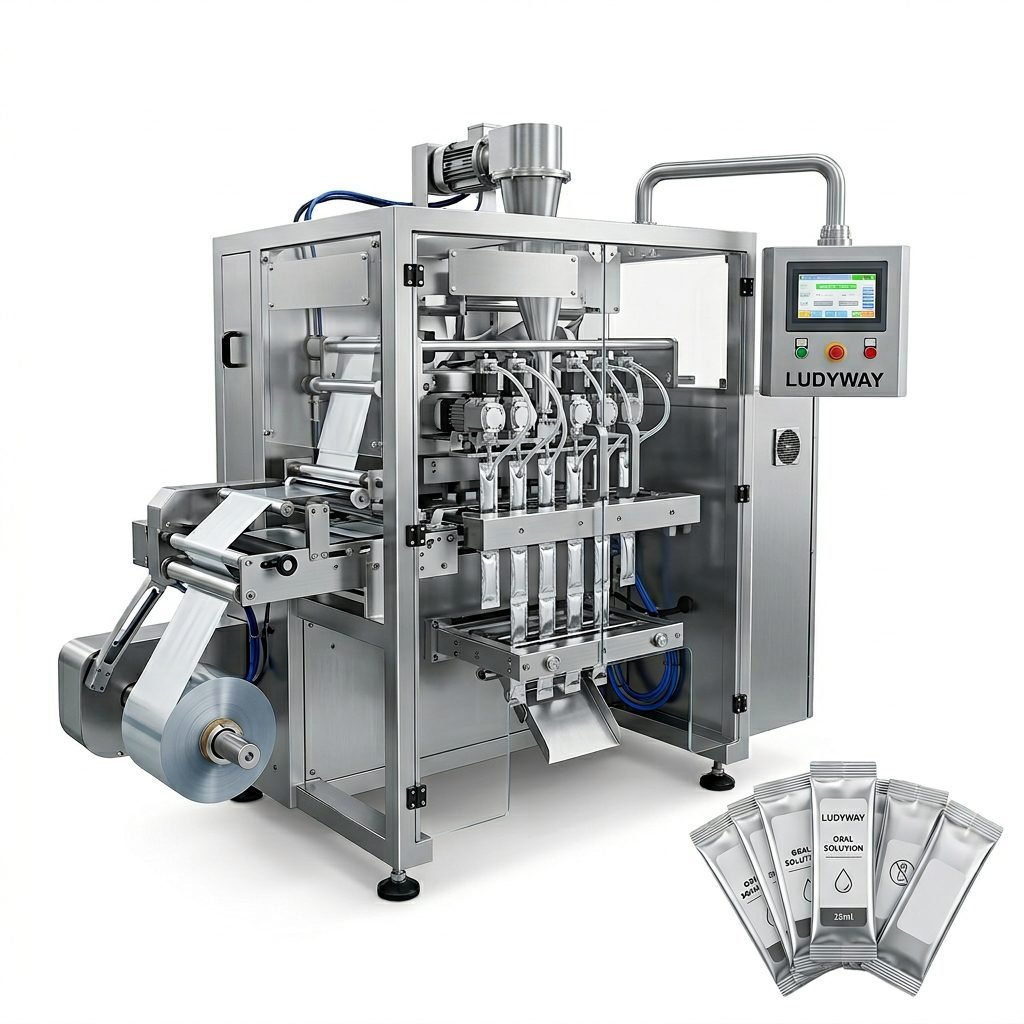
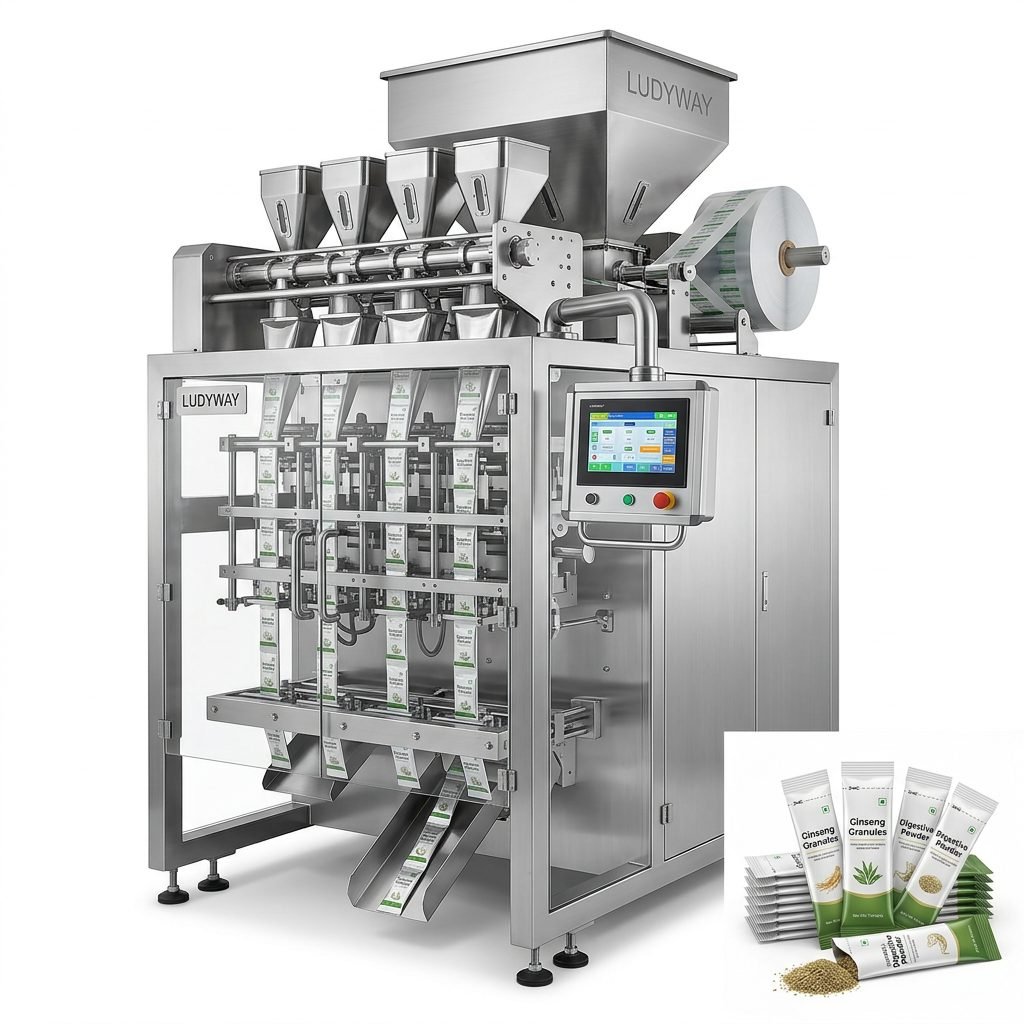
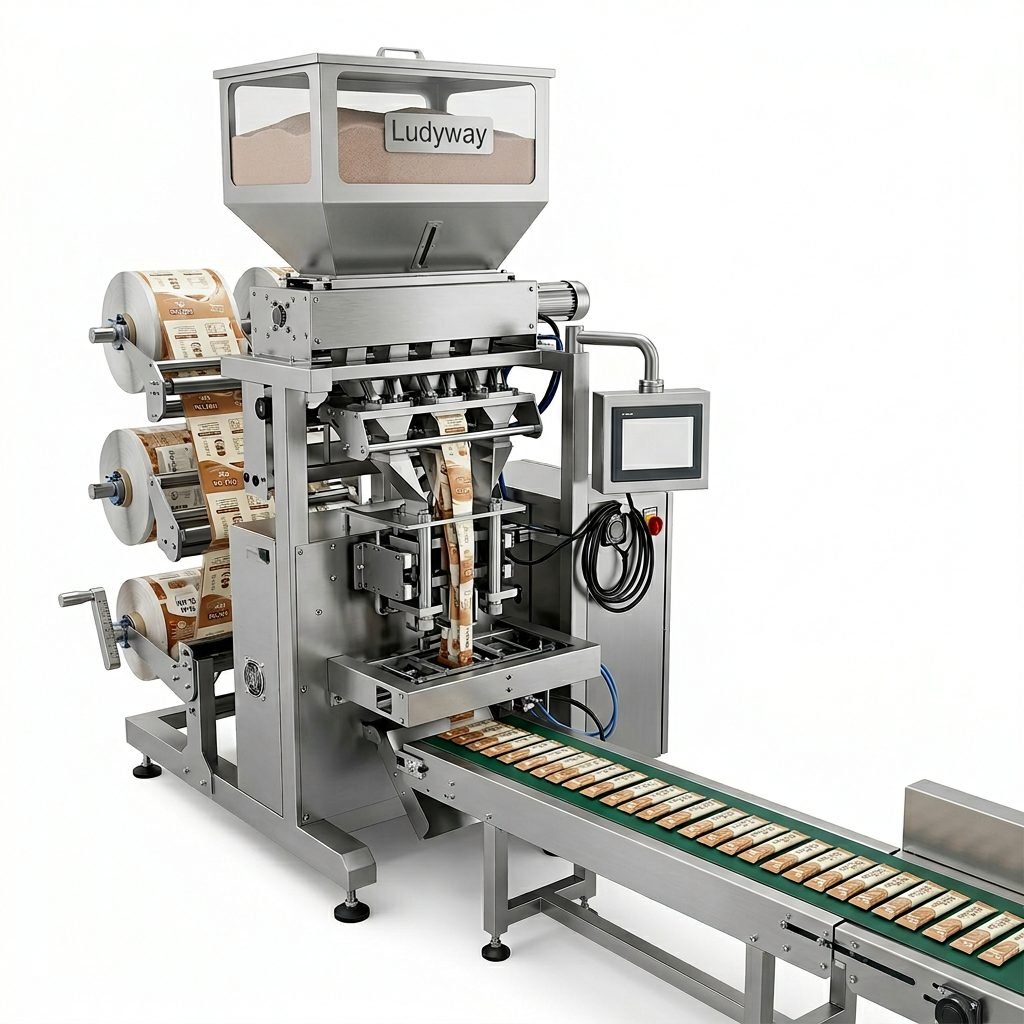
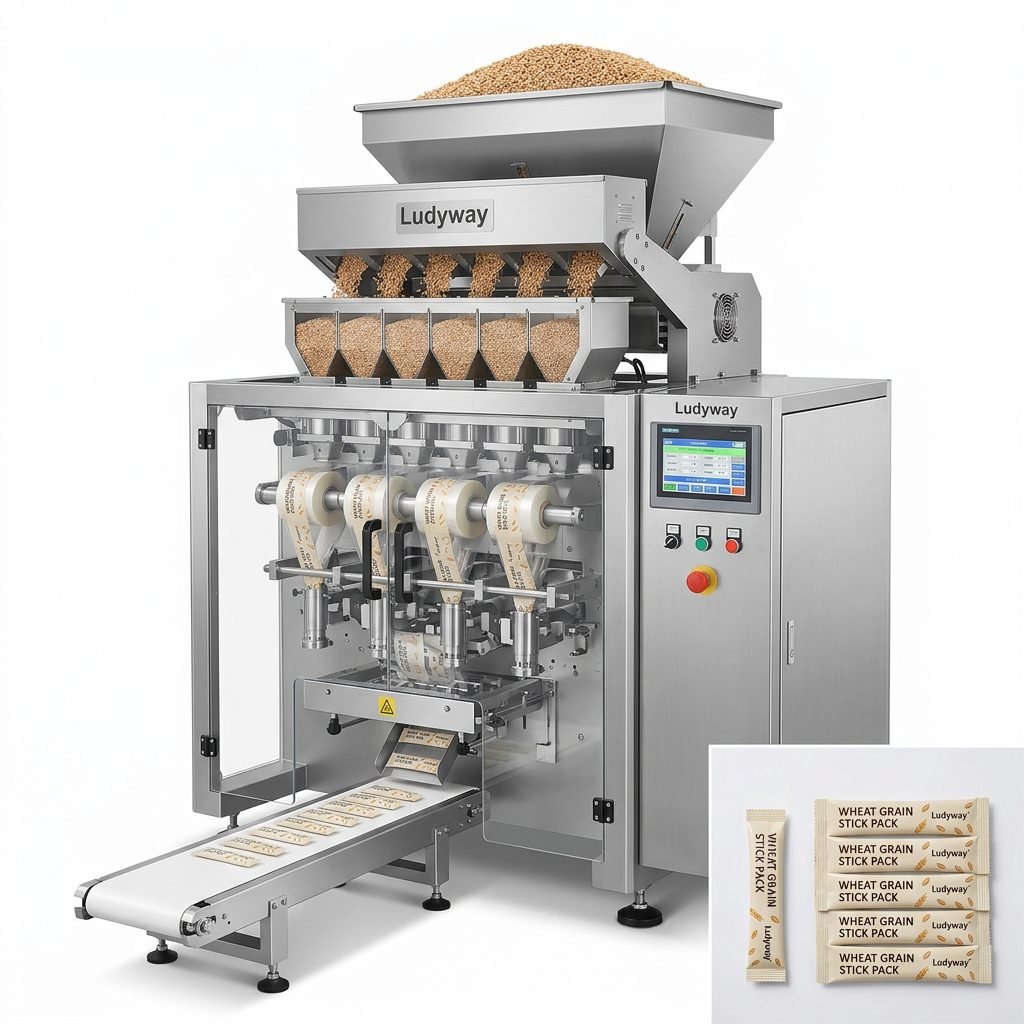
These machines handle pre-made retort pouches, automatically opening, filling, and sealing them under controlled conditions. Precision filling systems ensure accurate portion control while minimizing product waste. Seal integrity is paramount—any defect can compromise the sterilization process and lead to product spoilage.
Retort Sterilization Systems
The retort itself is the heart of the operation. Modern systems use superheated water spray, steam-air mixture, or full water immersion to achieve uniform heat distribution. German facilities often opt for automated retort systems with advanced PLC controls and data logging capabilities to meet traceability requirements. Batch and continuous retort configurations are available depending on production volume.
Secondary Packaging and Automation
After sterilization, pouches require drying, inspection, and secondary packaging. Automated systems for cartoning, case packing, and palletizing are commonly integrated. Industry data from PMMI shows that automation levels in German packaging facilities are among the highest globally, driven by labor costs and quality consistency demands.
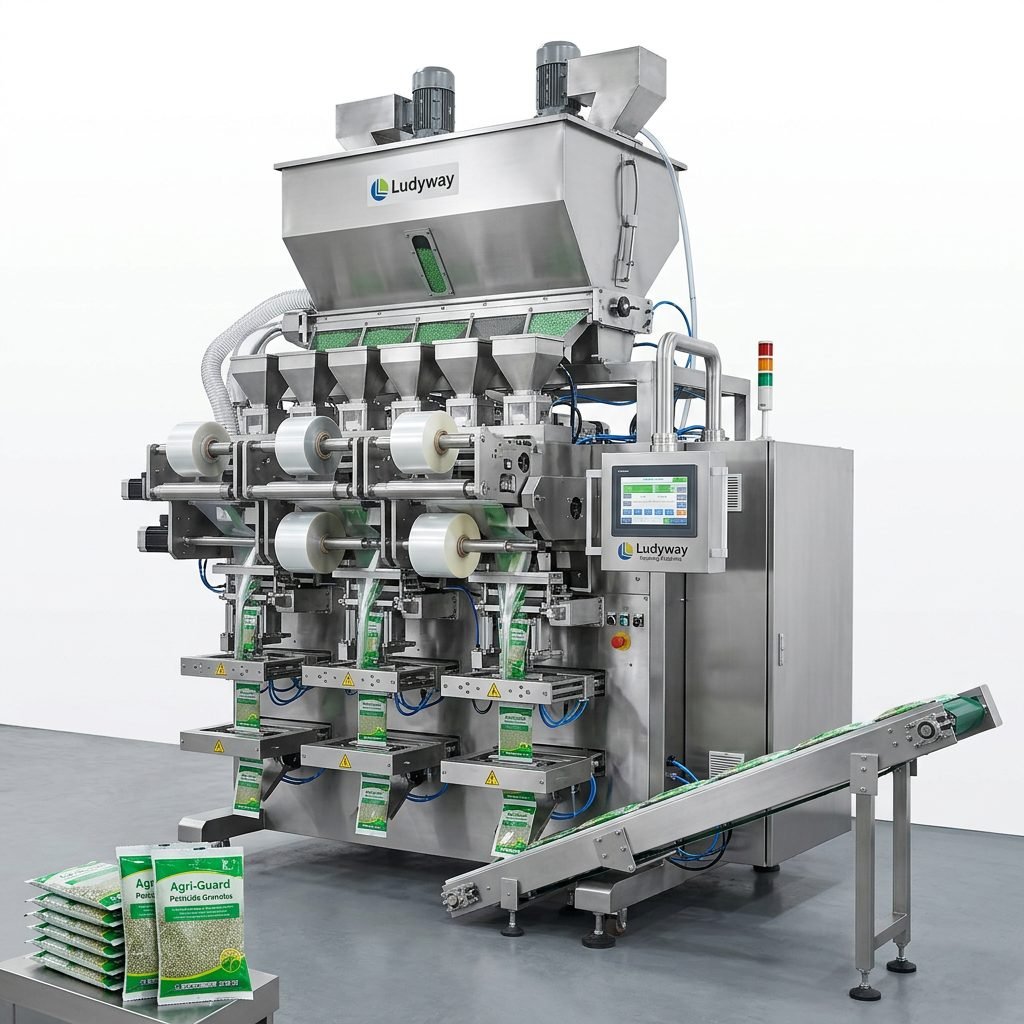
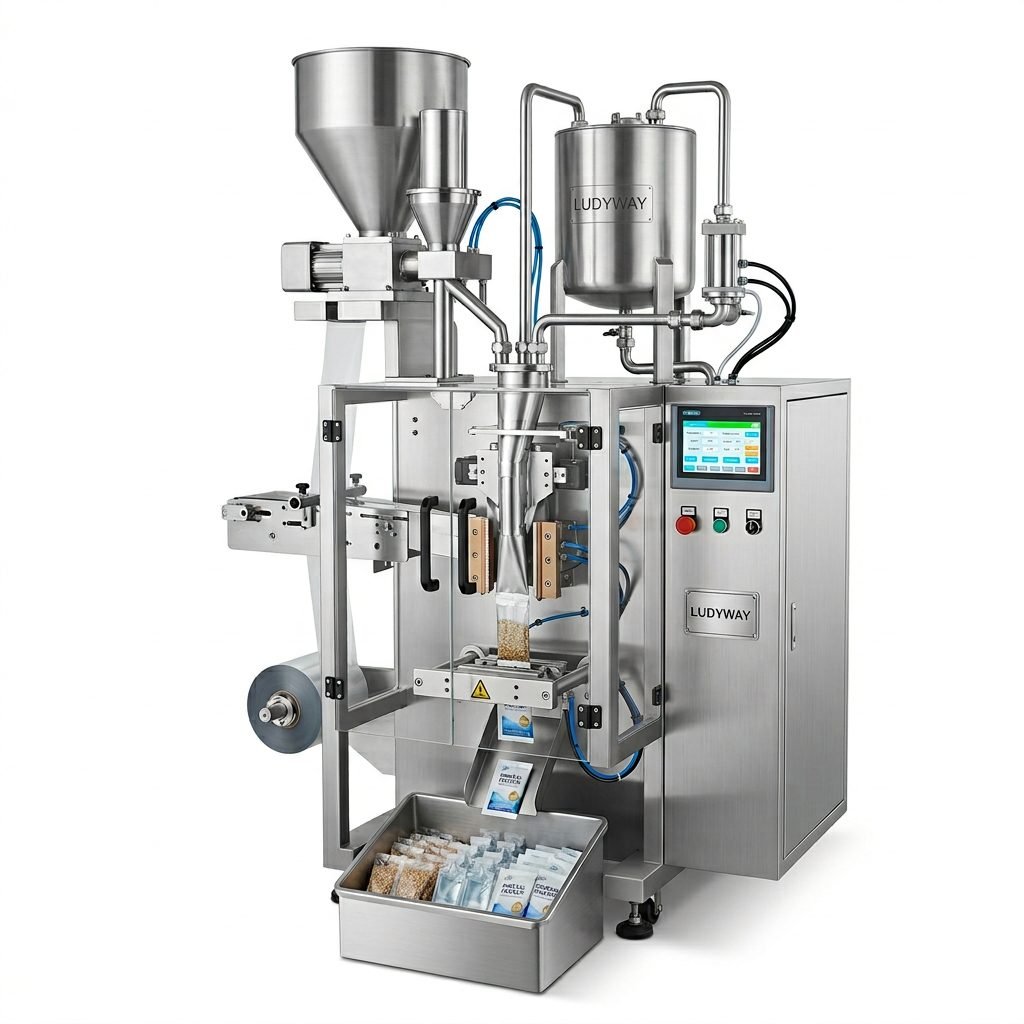
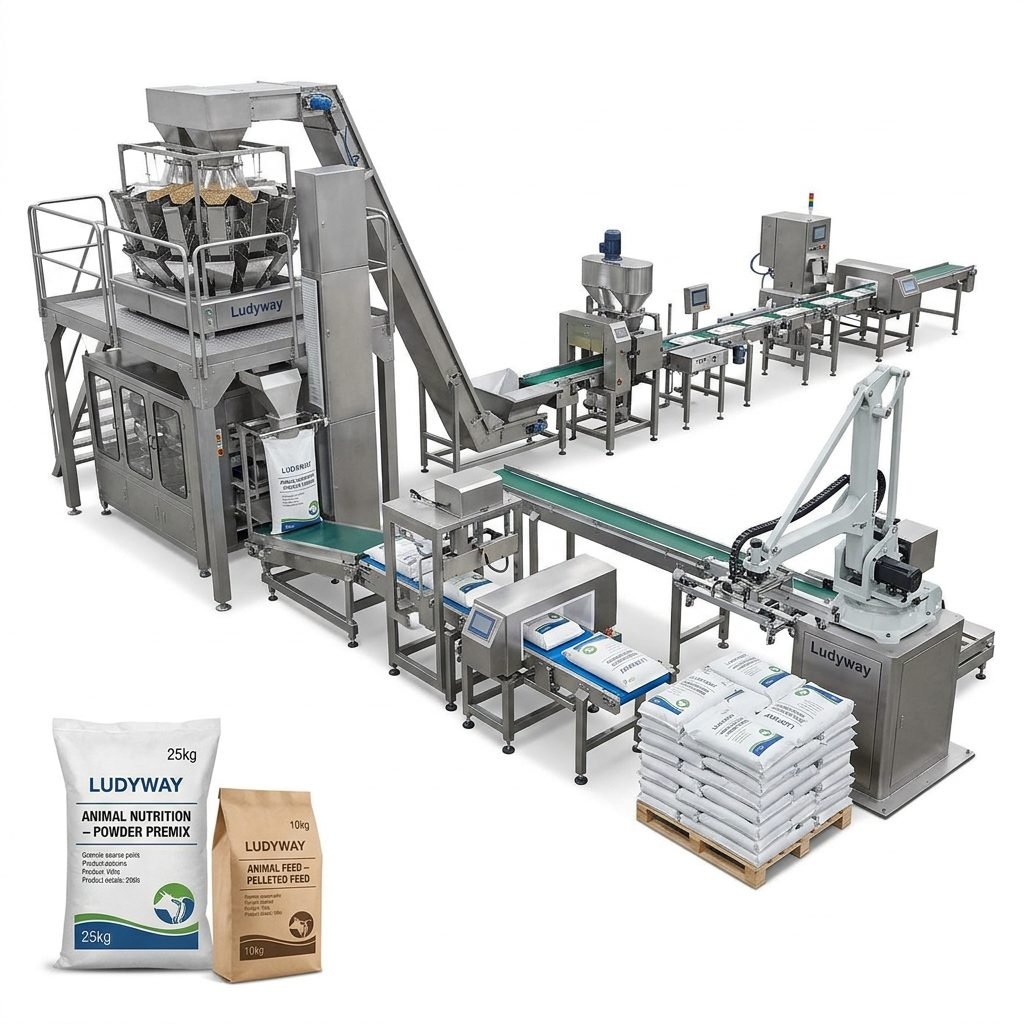
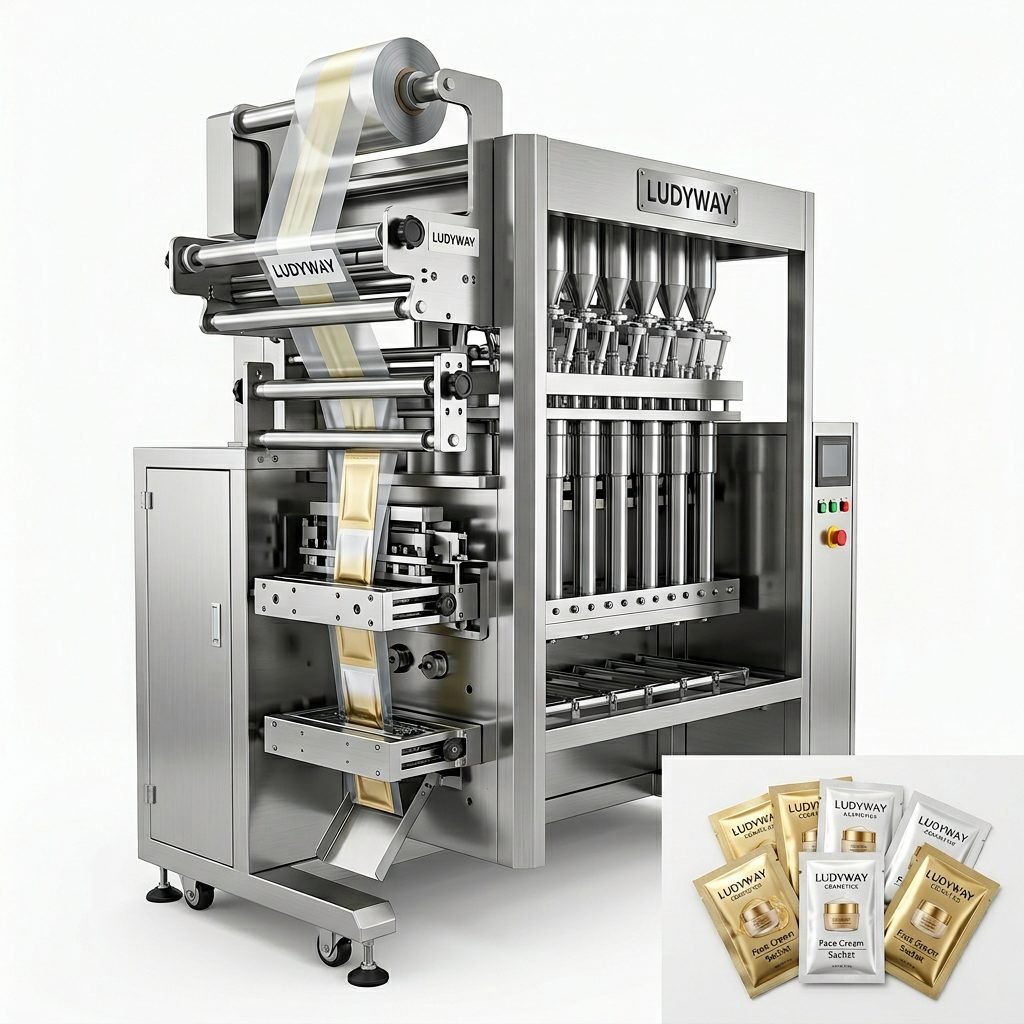
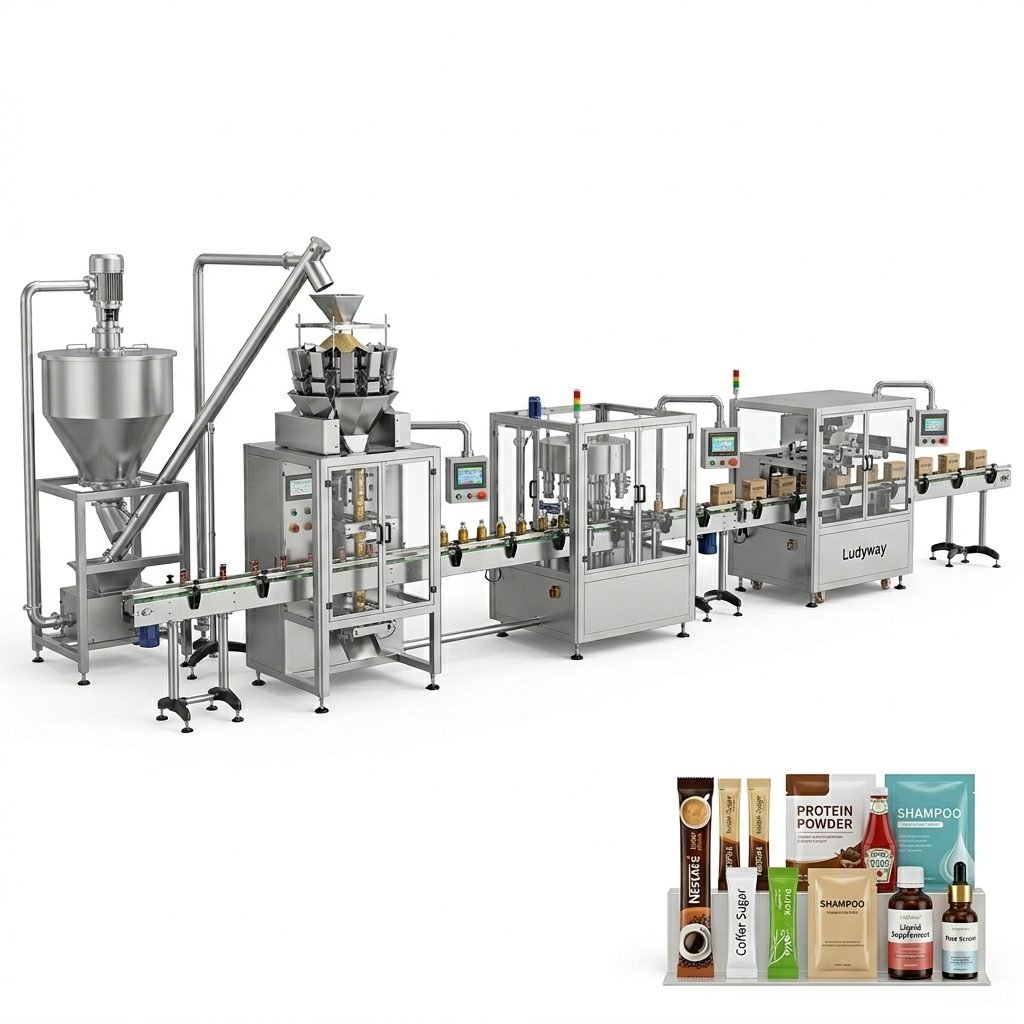
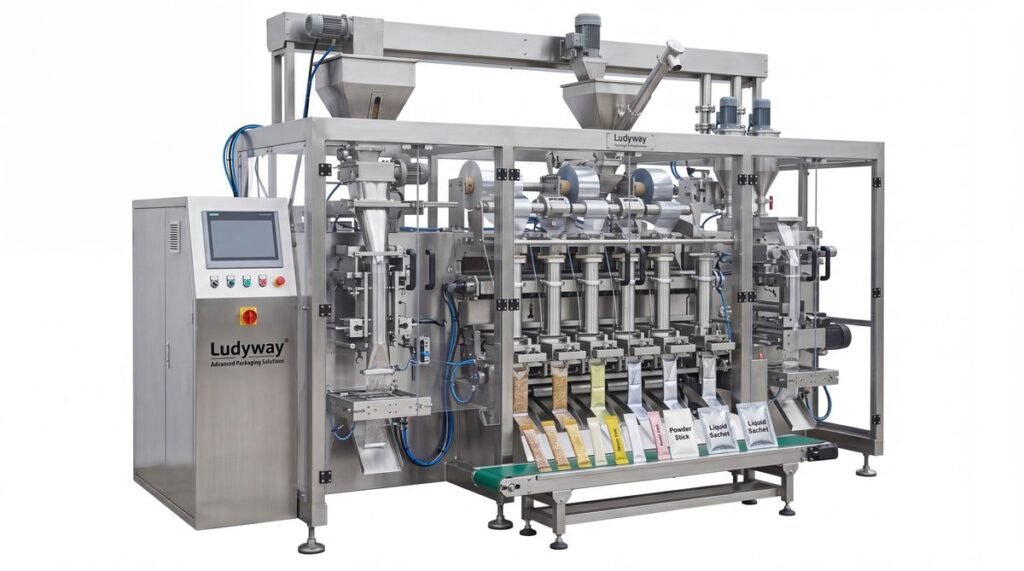
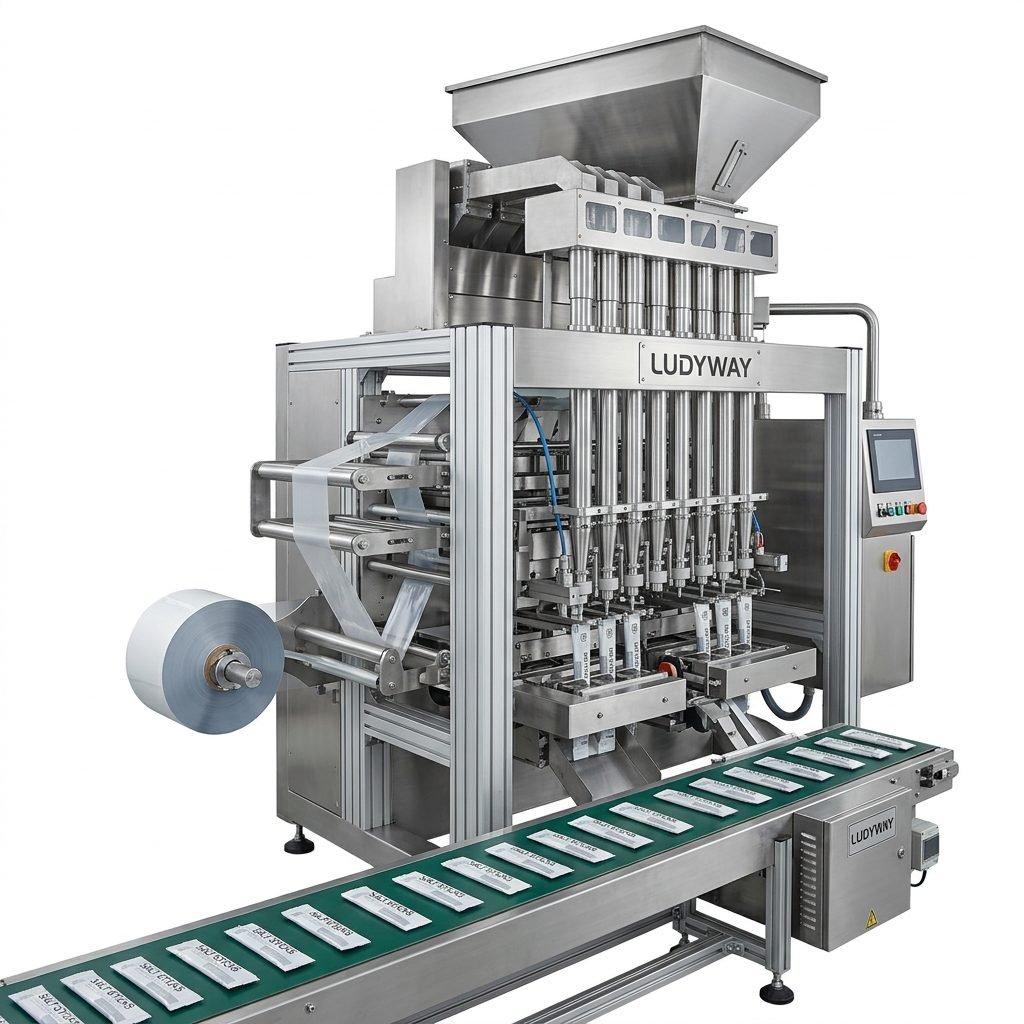
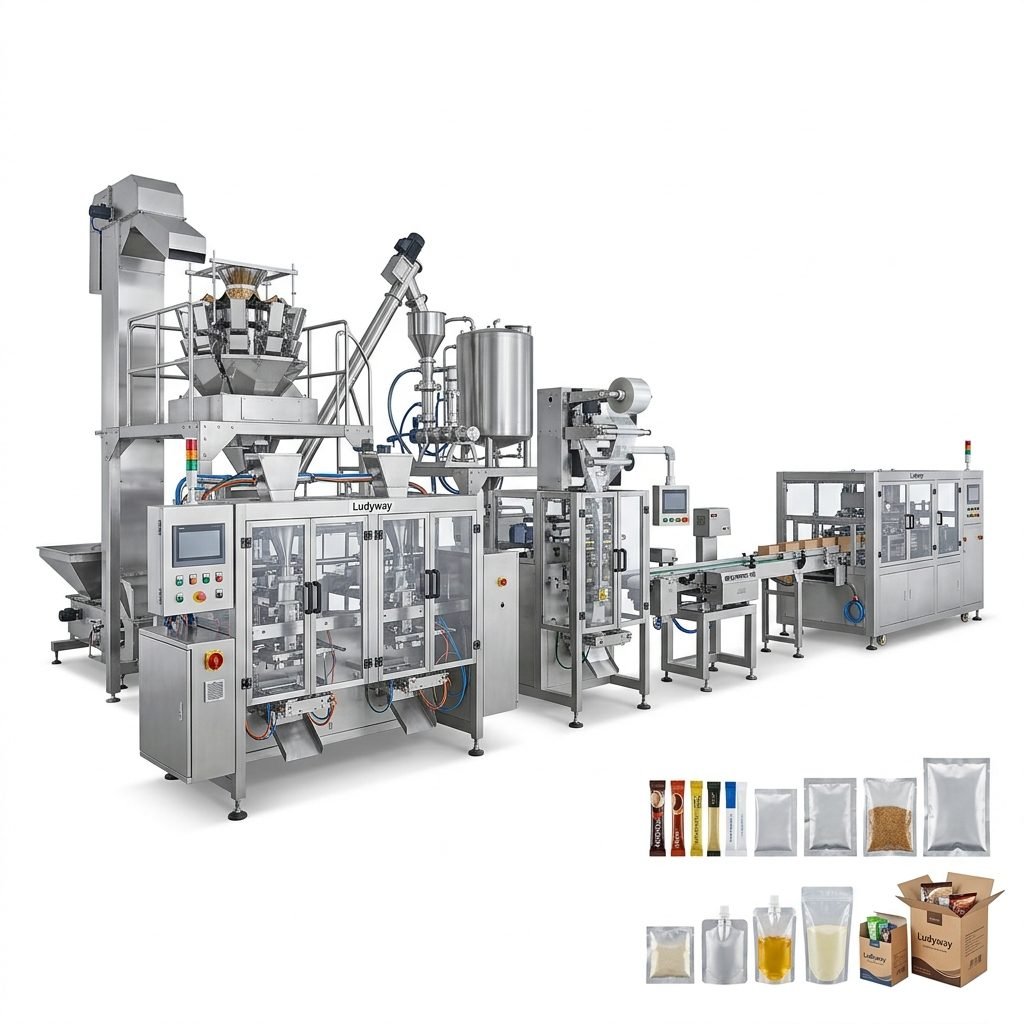
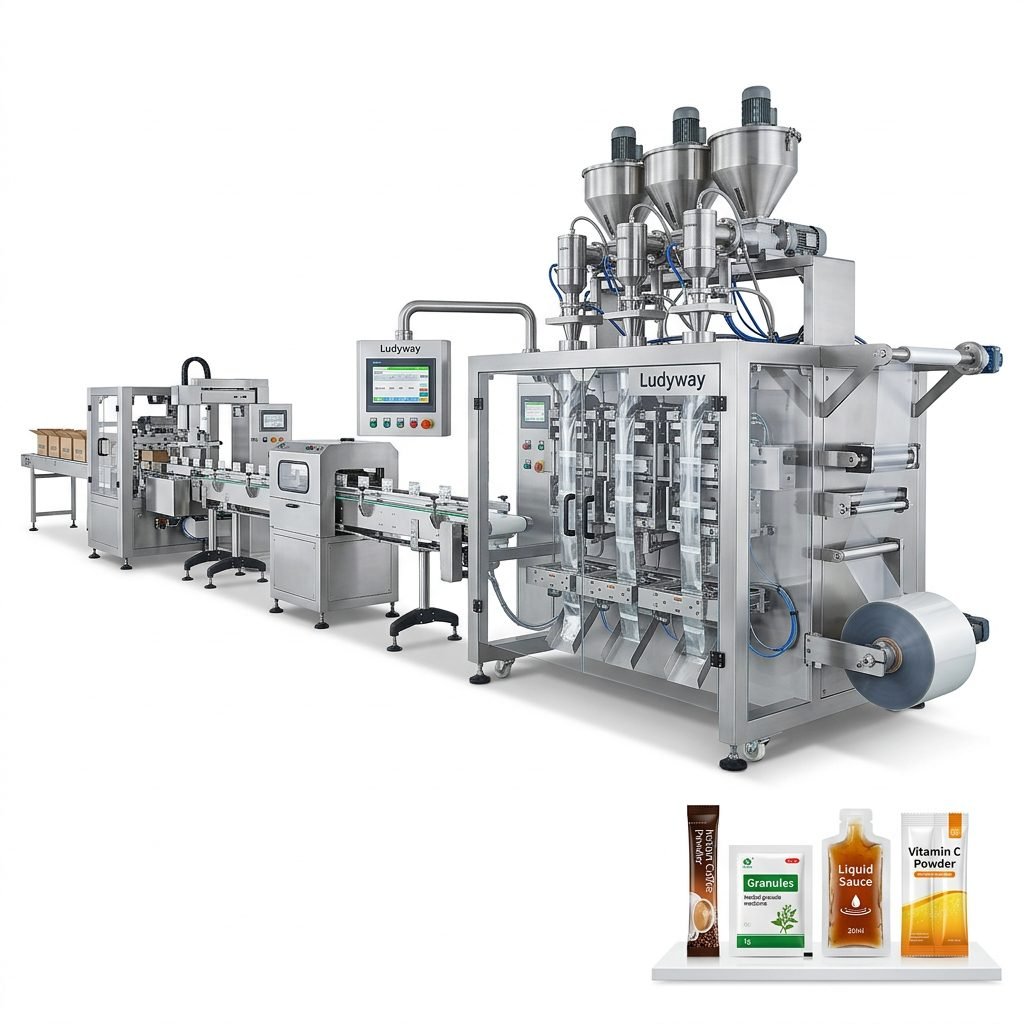
For companies seeking comprehensive turnkey solutions, manufacturers like Ludyway offer integrated retort packaging lines that combine filling, sealing, sterilization, and secondary packaging into a single coordinated system. Their equipment is designed to meet international standards including CE certification for the European market.

Installation and Commissioning Process
Installing a retort packaging line in Germany involves several critical phases that must be carefully managed:
- Pre-installation assessment — site survey, utility verification, and permit acquisition from local authorities (Gewerbeaufsichtsamt)
- Equipment delivery and positioning — coordinated logistics with attention to facility access and rigging requirements
- Mechanical and electrical installation — performed by certified technicians following VDE regulations for electrical systems
- Commissioning and dry runs — testing all subsystems without product to verify mechanical operation
- Process validation — heat distribution studies, seal strength testing, and microbiological challenge tests
- Operator training — comprehensive instruction on machine operation, CIP procedures, and safety protocols
Compliance with German Food Safety Standards
HACCP implementation is mandatory for all food processing facilities in Germany. Your retort packaging line must incorporate critical control points with documented monitoring procedures. The FDA food packaging guidelines, while American, provide useful reference frameworks that align with international best practices, though EU Regulation 852/2004 on food hygiene takes precedence in Germany.
Key compliance areas include:
- Temperature monitoring and recording at all thermal processing stages
- Seal integrity verification with documented sampling plans
- Traceability systems linking raw materials to finished product batches
- Regular equipment calibration and maintenance documentation
- Pest control and environmental monitoring programs
Maintenance, Training, and Operational Excellence
Sustaining peak performance of a retort packaging line requires a structured maintenance program and well-trained personnel. German regulations emphasize preventive maintenance over reactive repairs. The Flexible Packaging Association provides valuable resources on best practices for maintaining flexible packaging equipment.
Scheduled Maintenance Intervals
| Interval | Maintenance Tasks | Responsible Party |
|---|---|---|
| Daily | Visual inspection, cleaning, seal check samples | Line operators |
| Weekly | Sensor calibration, lubrication, belt tension check | Maintenance technician |
| Monthly | Full system audit, safety device testing | Engineering team |
| Annually | Complete overhaul, retort vessel inspection (TÜV) | Certified service provider |
Operator Training Requirements
German law requires that all personnel operating packaging machinery receive documented training covering safe operation, emergency procedures, and hygiene practices. Training should be conducted in German (or the operator’s native language) and refreshed annually.
Future-Proofing Your Investment
The packaging industry continues to evolve with trends toward sustainability, digitalization, and smart manufacturing. When setting up a retort packaging line in Germany, consider equipment that supports:
- Industry 4.0 integration — IoT sensors for predictive maintenance and real-time OEE monitoring
- Sustainable packaging materials — mono-material retort pouches that meet EU recyclability targets
- Energy efficiency — heat recovery systems and optimized retort cycle programming
- Flexible production — quick-changeover designs for multiple pouch formats and product types
Conclusion
Setting up a retort packaging machine production line in Germany is a significant undertaking that demands thorough planning, regulatory expertise, and investment in quality equipment. By understanding the German regulatory landscape, selecting CE-certified machinery, designing an efficient facility layout, and implementing robust maintenance and training programs, you can build a production line that delivers consistent quality, operational efficiency, and long-term profitability. Working with experienced equipment suppliers who understand both the technology and the regulatory environment is essential for a successful project outcome.
Additional Resources
- PMMI Business Intelligence — Packaging Machinery Market Research
- ISO Packaging and Distribution Standards
- Flexible Packaging Association — Industry Resources
- European Commission — Packaging and Packaging Waste Regulation
- PACK EXPO International — Packaging Trade Show
- FDA — Packaging and Food Contact Substances