In the dynamic world of manufacturing, the role of processing and packaging machinery is foundational. For businesses navigating this sector, membership in or consultation with a dedicated Processing and Packaging Machinery Association can be transformative. These associations serve as central hubs for industry knowledge, networking, and advocacy, providing members with a structured path to operational excellence, compliance, and competitive advantage.
Core Benefits of Association Membership
Joining a professional association in this field unlocks a suite of advantages designed to propel a business forward. The benefits extend far beyond simple networking, offering tangible resources for growth and stability.
Access to Industry Standards & Best Practices
Associations are often at the forefront of developing and disseminating critical industry standards. Members gain early and detailed access to guidelines covering machine safety, hygiene protocols (like HACCP and GMP), packaging material sustainability, and operational efficiency benchmarks. This insider knowledge is crucial for maintaining compliance in highly regulated sectors like food and pharmaceuticals, helping companies like Ludyway Packing Machine design solutions that meet global regulatory demands from the outset.
Furthermore, associations provide a platform for collective problem-solving. Through committees and working groups, members collaborate to address common challenges, such as adapting to new recycling regulations or implementing smart factory (Industry 4.0) technologies. This collaborative environment accelerates innovation and reduces the risk of costly missteps for individual companies.
Networking and Business Development Opportunities
The value of a strong professional network cannot be overstated. Associations facilitate connections between machinery manufacturers, component suppliers, raw material providers, and end-user brands. These connections often lead to strategic partnerships, new client relationships, and valuable supplier agreements. For a brand with over 30 years of collective industry experience, participating in these networks reinforces credibility and opens doors to international projects and collaborations that might otherwise be inaccessible.
Advocacy and Market Influence
A unified industry voice is powerful. Processing and Packaging Machinery Associations actively lobby on behalf of their members regarding trade policies, environmental legislation, and technical regulations. This advocacy helps shape a fairer and more predictable business environment. For companies serving a global customer base, this means associations work to reduce technical trade barriers and promote standards that facilitate international commerce, directly supporting worldwide service missions.
Understanding Industry Standards and Compliance
Adherence to recognized standards is not optional; it’s a prerequisite for market entry and consumer trust. Associations play a key role in clarifying this complex landscape.
Key Standard Categories:
- Safety Standards (e.g., ISO 12100, CE Marking): Ensure machinery protects operators from harm through proper risk assessment and safety-integrated design.
- Hygiene & Sanitation Standards (e.g., EHEDG, 3-A): Paramount for food and pharmaceutical packaging, governing cleanability, material surfaces, and prevention of contamination.
- Quality Management Standards (e.g., ISO 9001): Framework for consistent production, reliable equipment, and continuous improvement processes.
- Performance & Testing Standards: Define how to measure machine speed, accuracy, efficiency, and durability, allowing for objective comparison and specification.
For a machinery provider, designing equipment that is “compliance-ready” is a significant market advantage. It reduces the time and cost for their clients to validate and commission new production lines. Deep engagement with association resources on standards is therefore a critical component of product development strategy.
Gaining Actionable Industry Insights
Beyond standards, associations are vital sources of strategic intelligence. They conduct market research, publish trend reports, and organize conferences that shed light on the future of the sector.
Trend Analysis and Future Outlook
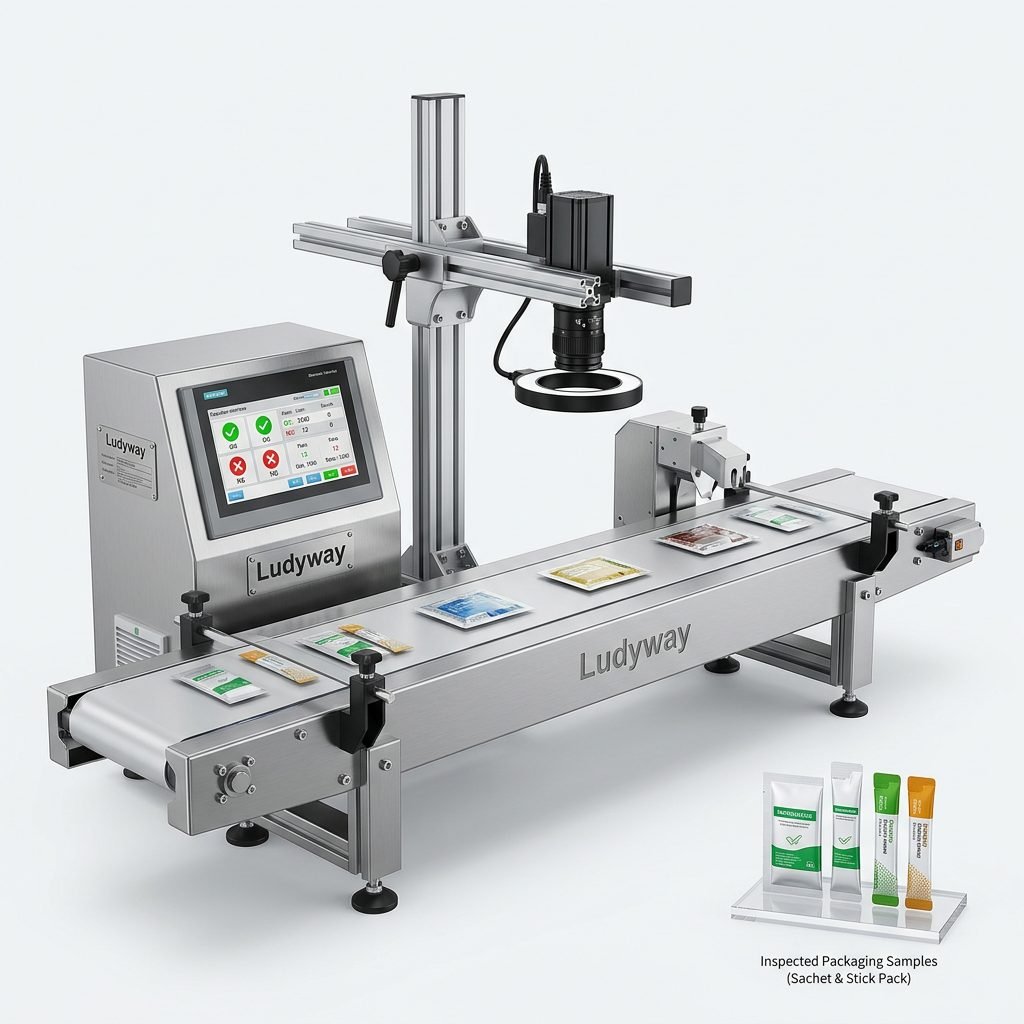
Current insights point toward several dominant trends: the relentless drive for sustainability and circular economy principles, requiring machinery to handle recyclable, biodegradable, or reduced-plastic materials; the integration of IoT sensors and AI for predictive maintenance and quality control; and the demand for flexibility to accommodate e-commerce-sized packages and personalized products. Associations provide forums to explore these trends, understand their implications, and see cutting-edge solutions in action.
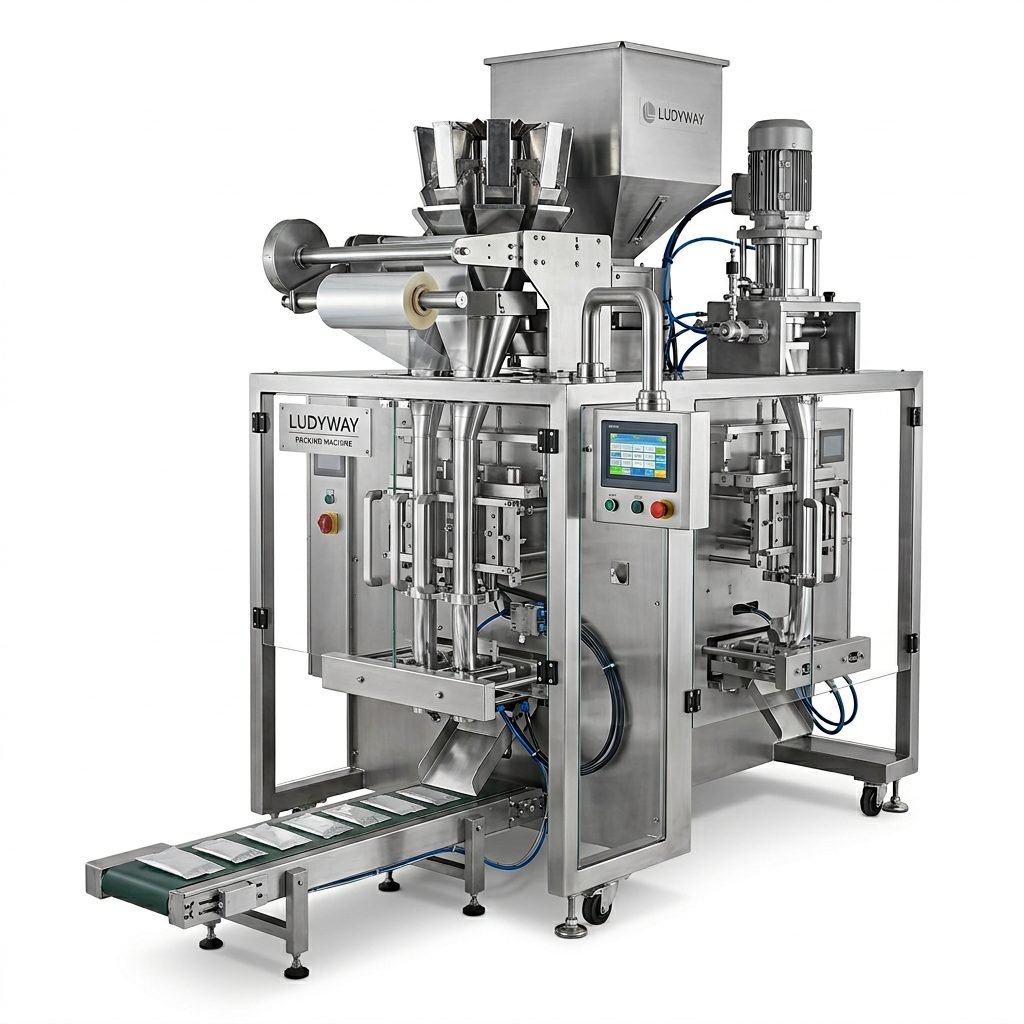
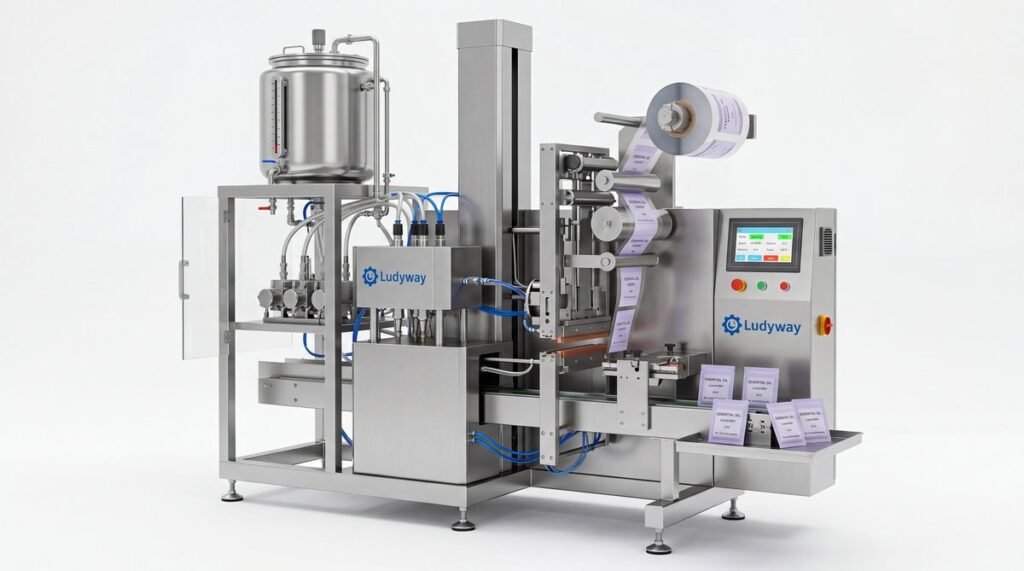
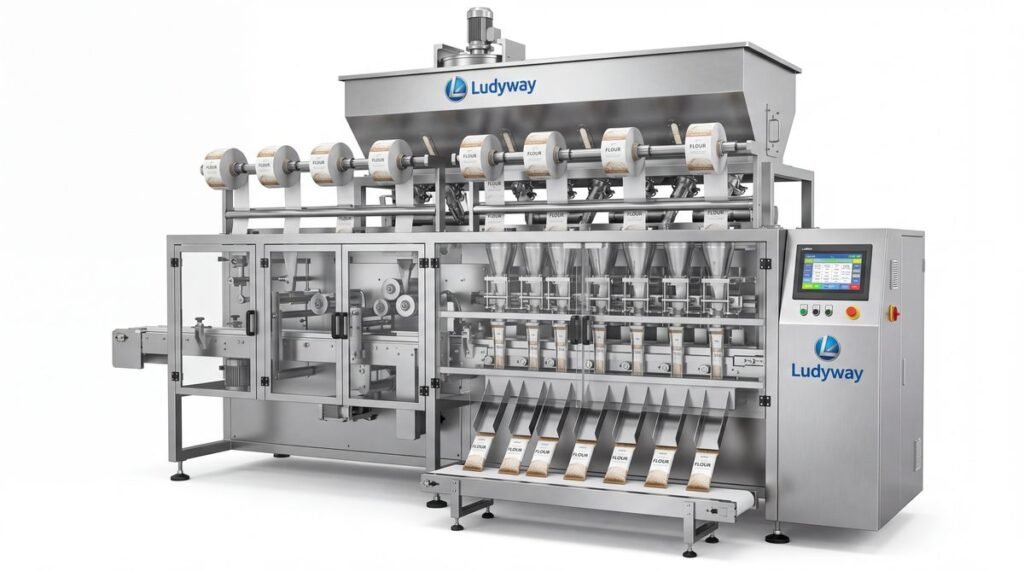
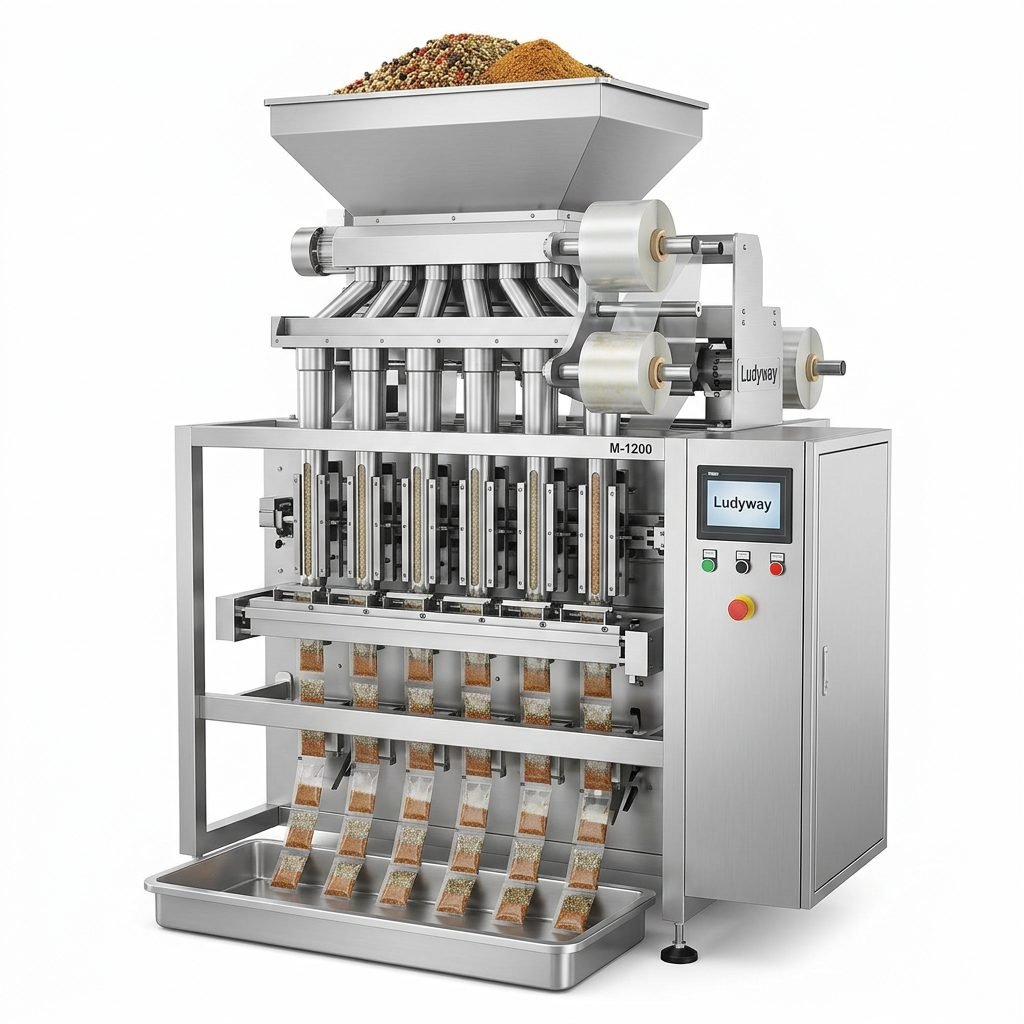
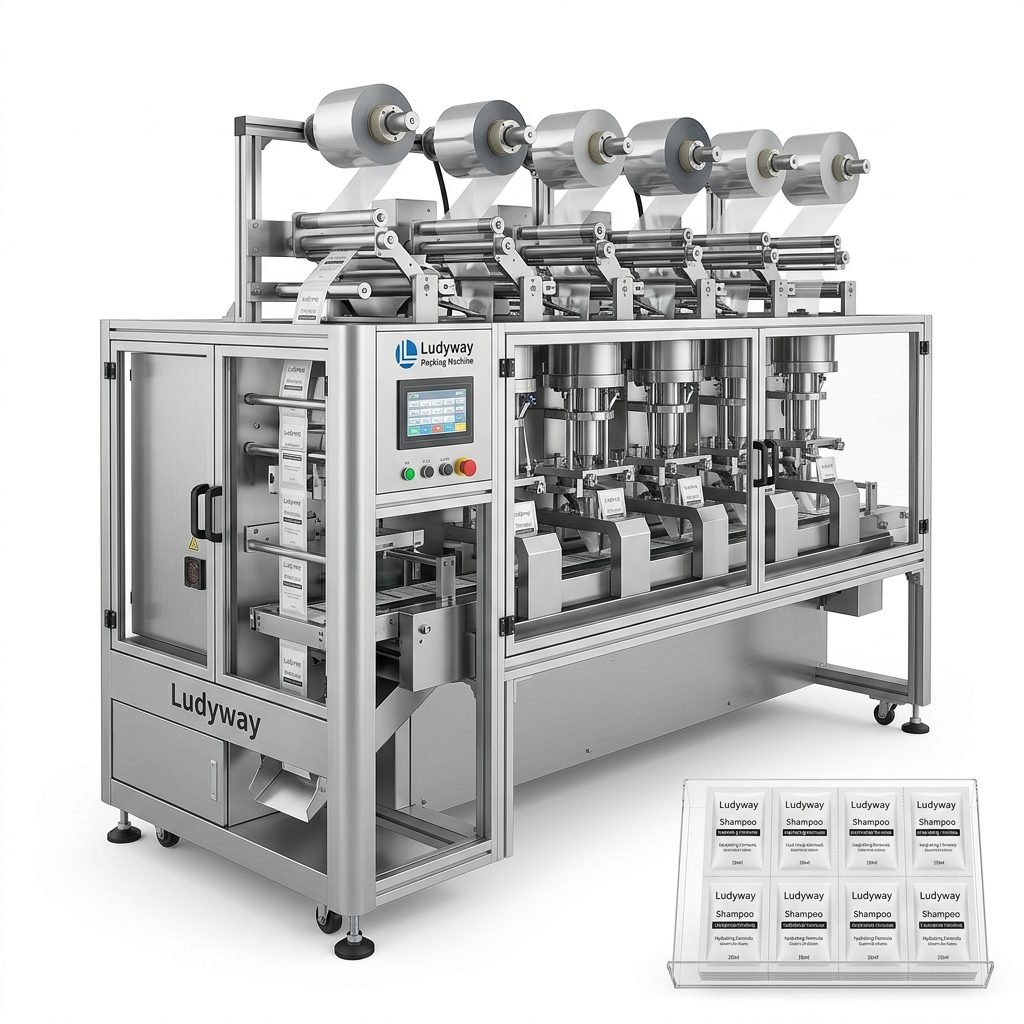
For example, the shift towards smaller, unit-dose packaging in pharmaceuticals and food supplements directly fuels innovation in high-speed, multi-lane stick pack and sachet packaging systems. Manufacturers attuned to these insights through association channels can proactively develop the intelligent packaging machine models the market will demand next.
Educational Resources and Professional Development
Continuous learning is essential in a technical field. Associations offer certification programs, technical workshops, webinars, and white papers that help engineering teams stay current. This commitment to knowledge transfer ensures that the industry’s collective expertise grows, supporting the delivery of more advanced turnkey production solutions to customers globally.
The Role of Specialized Machinery Providers
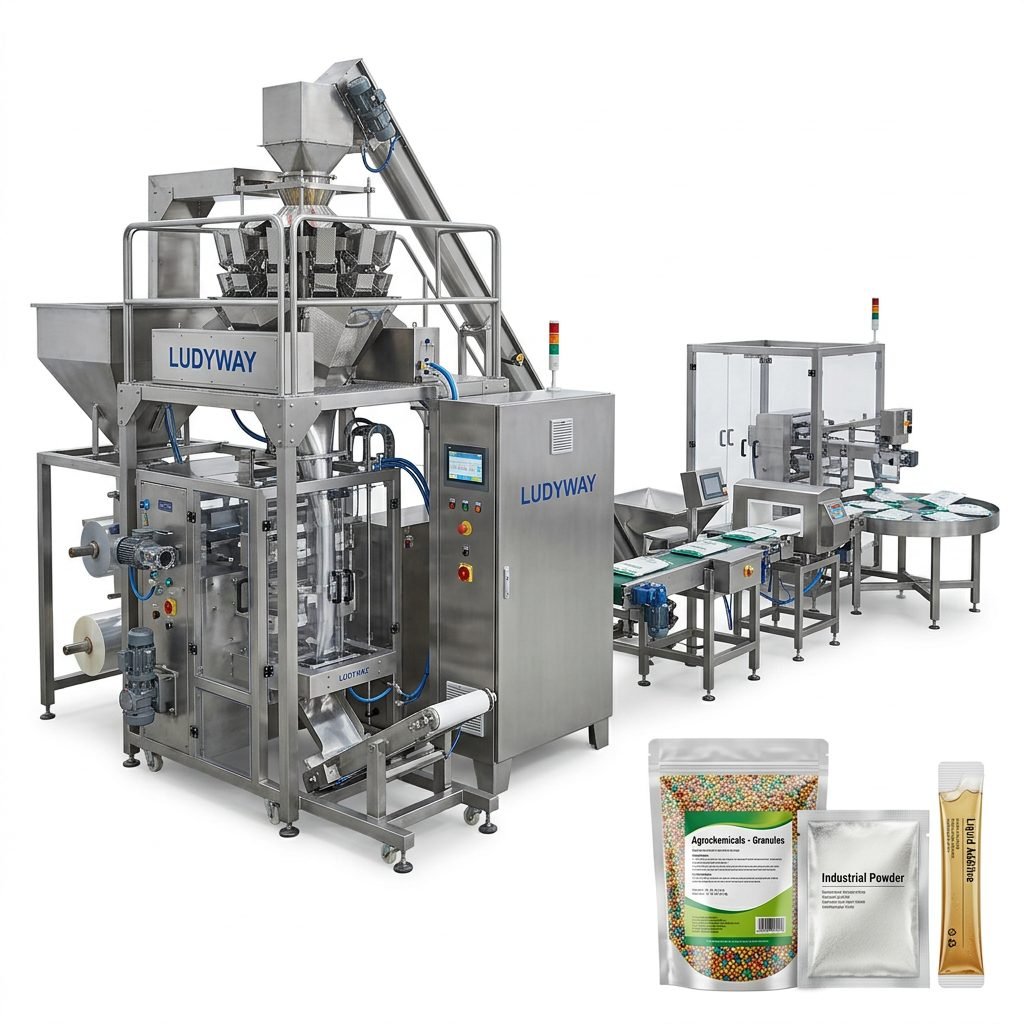
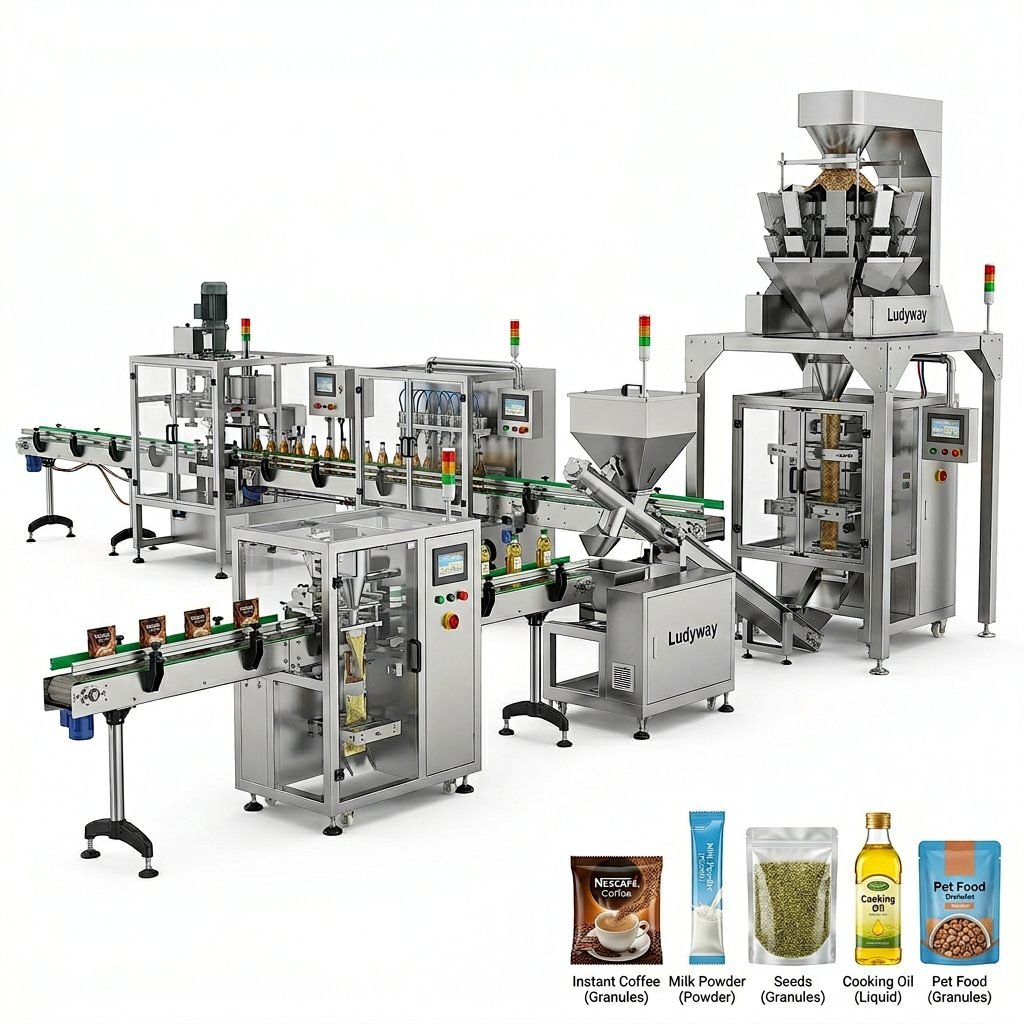
Within this ecosystem, specialized companies exemplify the value derived from deep industry engagement. A focus on specific segments—such as packaging for granules, powders, and liquids—allows for unparalleled expertise.
Such specialization, built over decades, enables the provision of reliable solutions that address precise client pain points. It translates into machines that offer superior accuracy, less waste, higher uptime, and easier integration into complete lines. The journey from a focused engineering team to a provider of over 50 equipment models underscores how deep industry immersion, akin to active association participation, drives innovation and expansion into international markets.
💡 Key Takeaway:
The synergy between individual corporate expertise and collective association strength creates a powerful engine for industry progress. Companies that actively engage with their professional associations are better positioned to anticipate change, meet evolving standards, and deliver the innovative, efficient, and high-quality automated solutions that define market leadership.
Frequently Asked Questions (FAQs)
1. What is the primary value of joining a Processing and Packaging Machinery Association?
The primary value is multifaceted: it provides authoritative access to evolving industry standards and safety regulations, creates unparalleled networking opportunities with suppliers and clients, offers a unified voice for advocacy on important legislative issues, and serves as a central source for market research and professional development, ultimately reducing business risk and accelerating growth.
2. How do industry standards directly affect machinery design and manufacturing?
Standards directly dictate critical design parameters. They influence material selection (e.g., food-grade stainless steel), safety feature implementation (emergency stops, guards), hygiene design (cleanability, absence of crevices), and performance metrics. Designing to recognized standards from the beginning ensures broader market acceptance, easier certification, and greater trust from end-users in sectors like food and pharmaceuticals.
3. Can small to medium-sized enterprises (SMEs) benefit from association membership?
Absolutely. For SMEs, the benefits can be even more impactful. Associations level the playing field by providing access to resources, market intelligence, and networks that are typically available to larger corporations. They offer a cost-effective way to gain credibility, stay compliant, and connect with potential partners or customers on a global scale, which is essential for international business development.
4. What current industry trend is most influencing packaging machinery development?
Sustainability is arguably the most influential trend. It drives demand for machinery capable of handling new, often challenging materials like mono-plastics, paper composites, or biodegradable films. This requires innovations in sealing technologies, web handling, and material feeding systems. Concurrently, the demand for flexibility and smart, data-connected machines for Industry 4.0 integration is equally transformative.
5. How does engagement with an association contribute to innovation?
Engagement fosters innovation through collaboration and exposure. Working groups tackle common technical challenges, sparking collaborative solutions. Conferences and exhibitions expose members to adjacent technologies and novel approaches. Furthermore, early insight into regulatory and market shifts allows companies to pivot R&D efforts proactively, ensuring their next generation of products, such as advanced multi-lane packaging systems, meets future rather than just current needs.