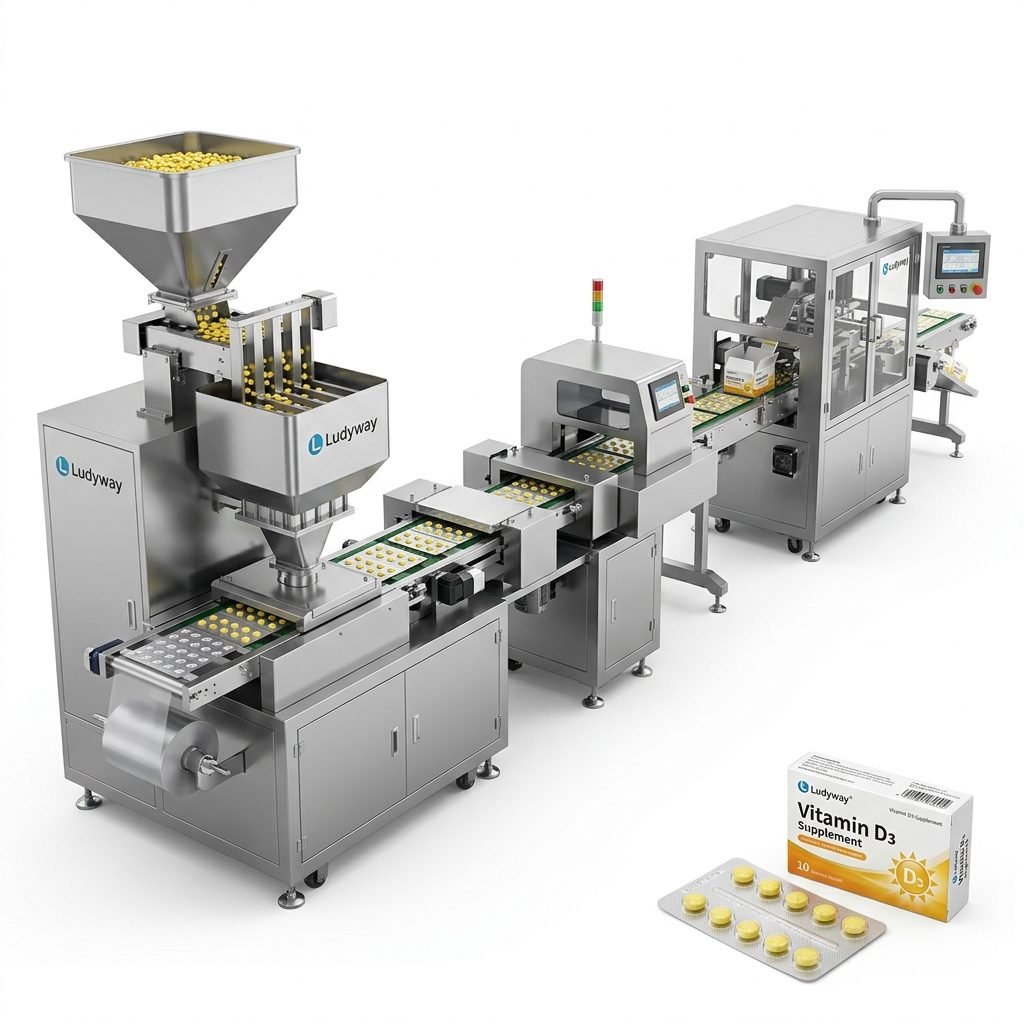
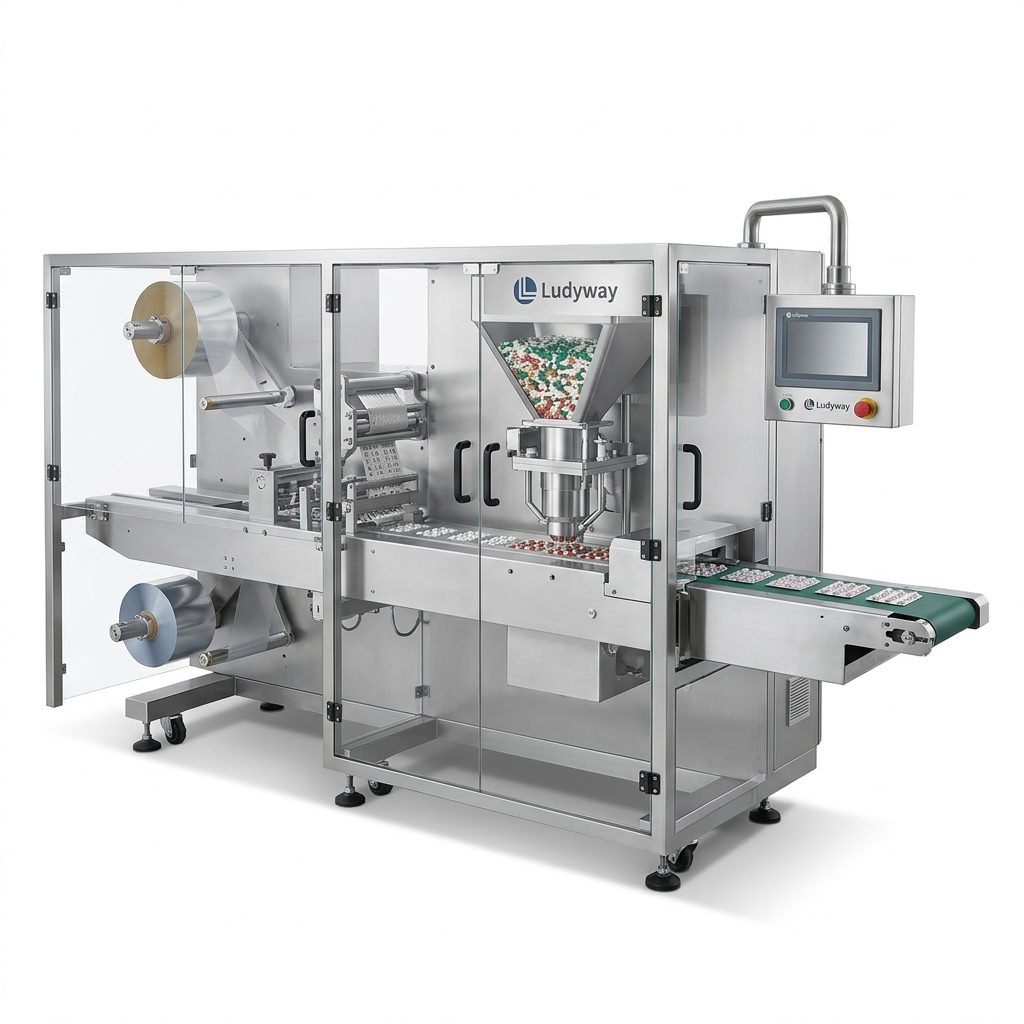
In the competitive world of cosmetic production, efficiency, precision, and presentation are paramount. The right packaging machinery is not just a tool; it’s a critical component that defines product quality, brand image, and operational success. This guide provides a comprehensive overview of the types, features, and essential buying tips for cosmetic packaging machinery, empowering you to make informed decisions for your production line.
Key Insight: The packaging is often the first physical touchpoint a customer has with your cosmetic brand. The machinery that creates that experience must be reliable, hygienic, and versatile.
Primary Types of Cosmetic Packaging Machinery
The cosmetic industry utilizes a diverse range of machinery, each suited for specific product forms and packaging styles. Understanding these types is the first step in selecting the right equipment.
1. Liquid Filling Machines
These are essential for products like serums, toners, foundations, and shampoos. They range from simple semi-automatic piston fillers for small batches to fully automated rotary filling lines for high-volume production. Key variants include:
- ● Piston Fillers: Ideal for viscous products like creams and lotions, offering high accuracy.
- ● Gravity Fillers: Best for thin, free-flowing liquids.
- ● Volumetric Fillers: Use pumps or timed flows for consistent volume delivery.
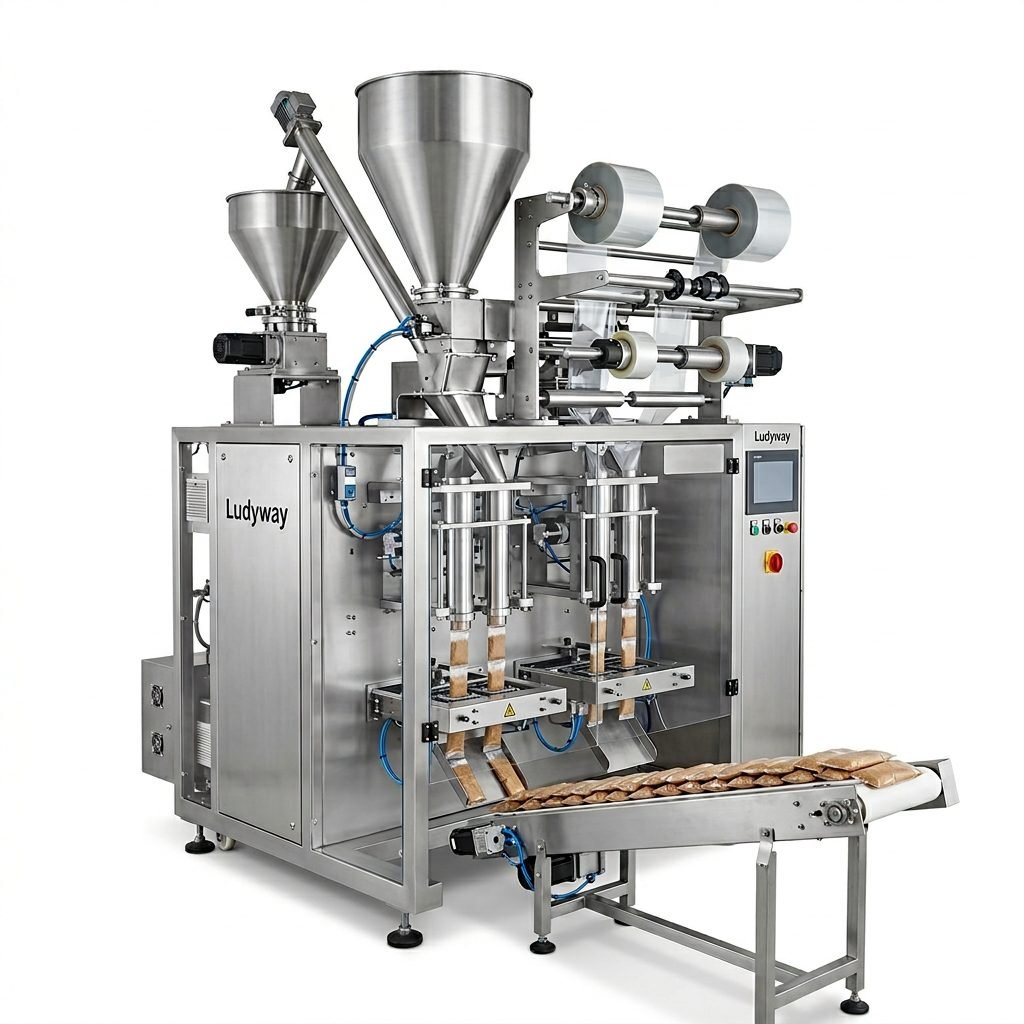
2. Powder Filling Machines
Used for products such as loose powders, eyeshadows, and blush. They require technology that prevents dusting and ensures precise weight control.
- ● Auger Fillers: The most common type, using a rotating screw to dispense powder. Excellent for a wide range of densities.
- ● Vacuum Fillers: Suck powder into a container, minimizing product loss and cross-contamination.
3. Tube Filling and Sealing Machines
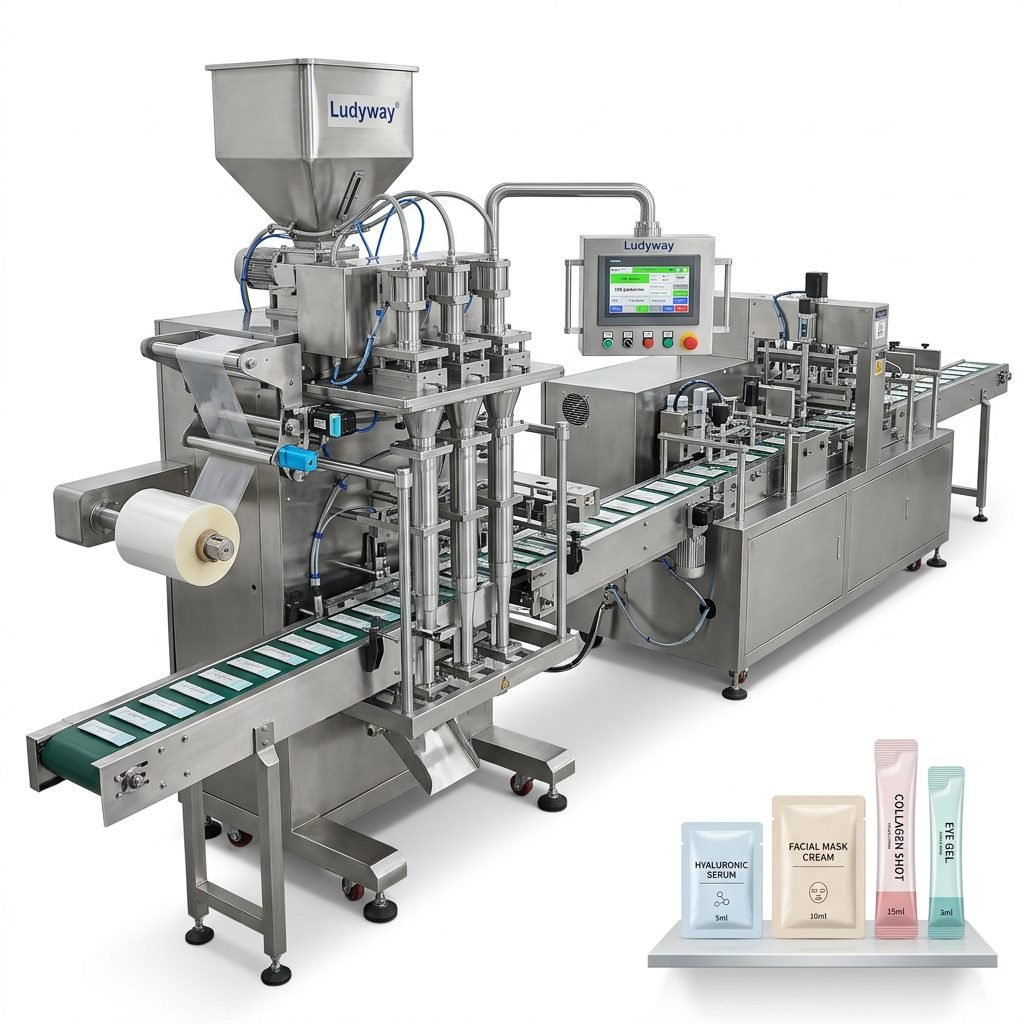
For packaging products into laminate, plastic, or metal tubes (e.g., creams, gels, masks). These machines typically integrate filling, sealing (heat or ultrasonic), and coding/capping operations.
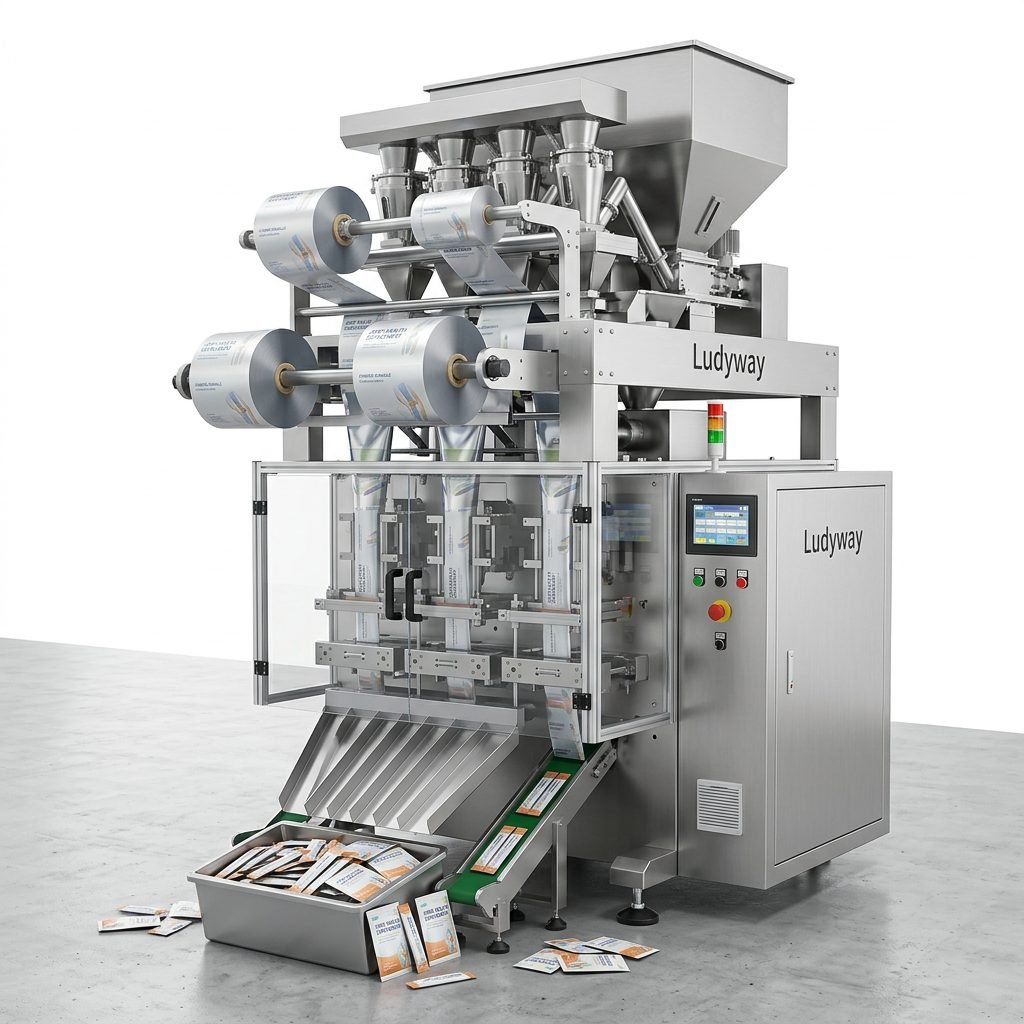
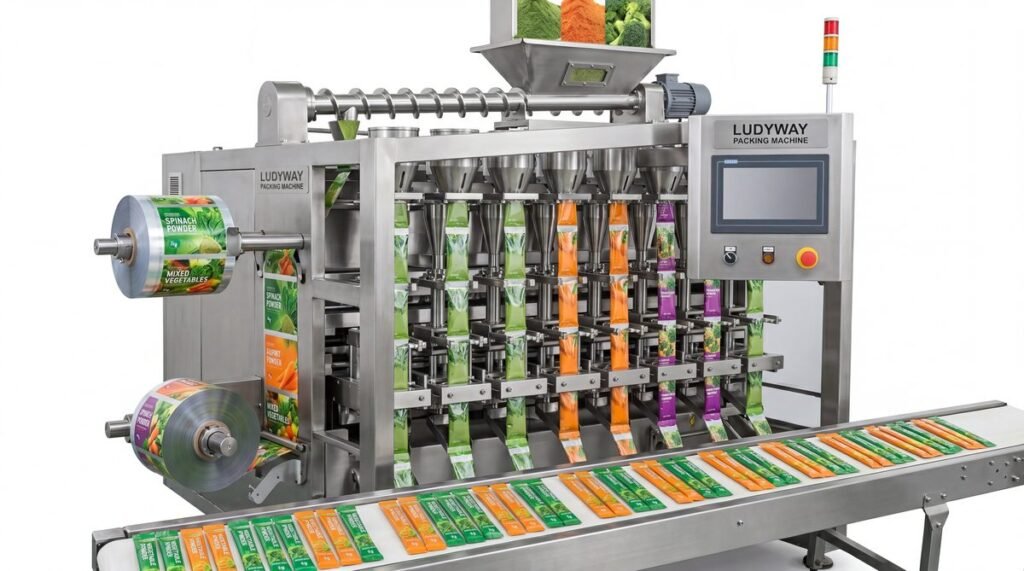
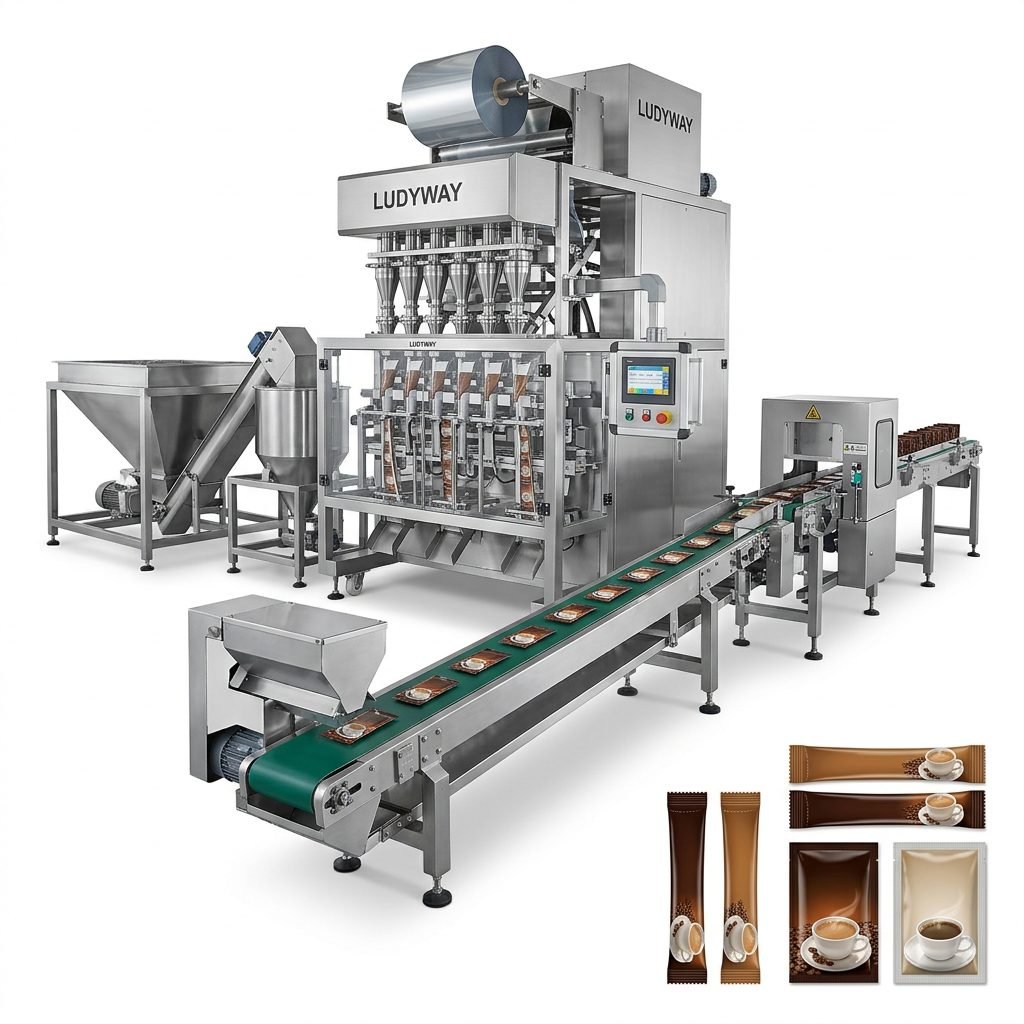
4. Stick Pack & Sachet Packaging Machines
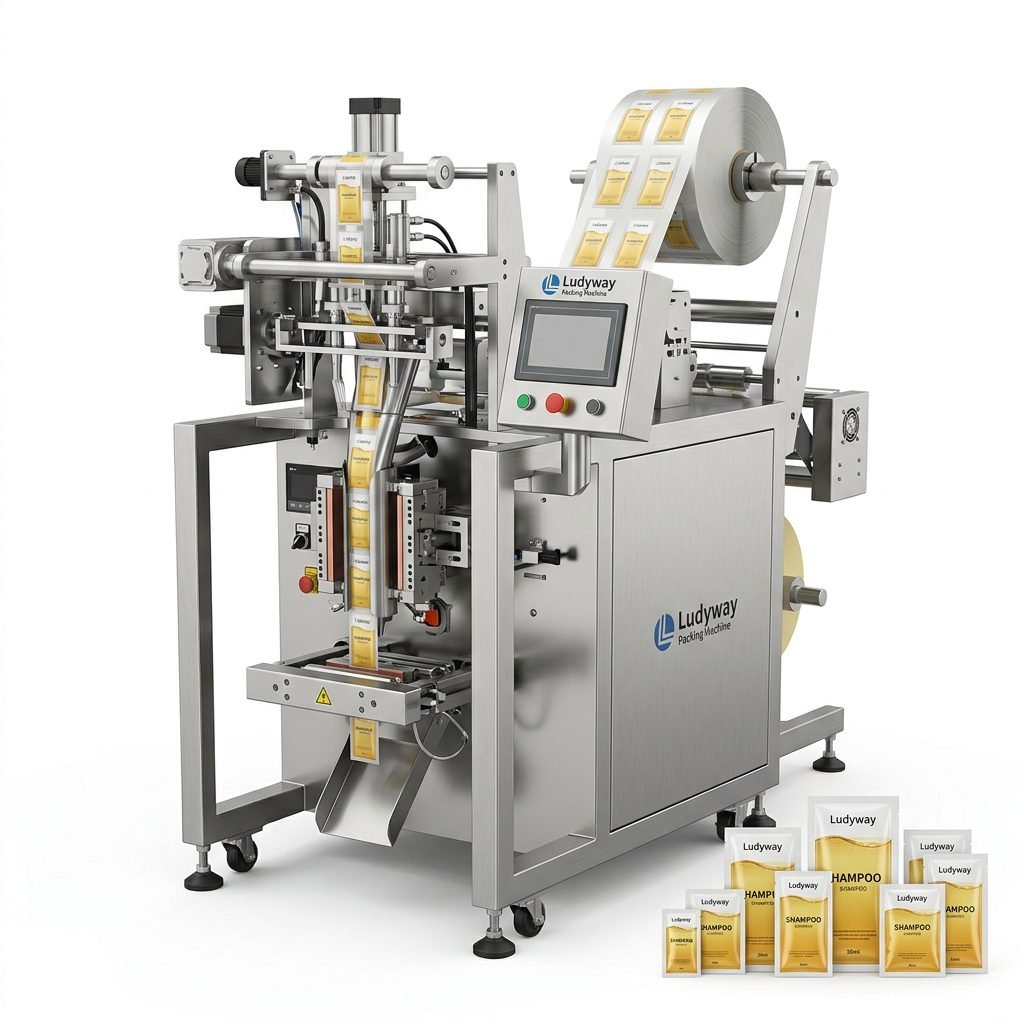
Perfect for single-use samples, travel sizes, or portion-controlled products like shampoo, conditioner, or face masks. Modern multi-lane stick pack machines can produce dozens of units per minute, offering incredible efficiency for promotional campaigns.
5. Capping, Labeling, and Cartoning Machines
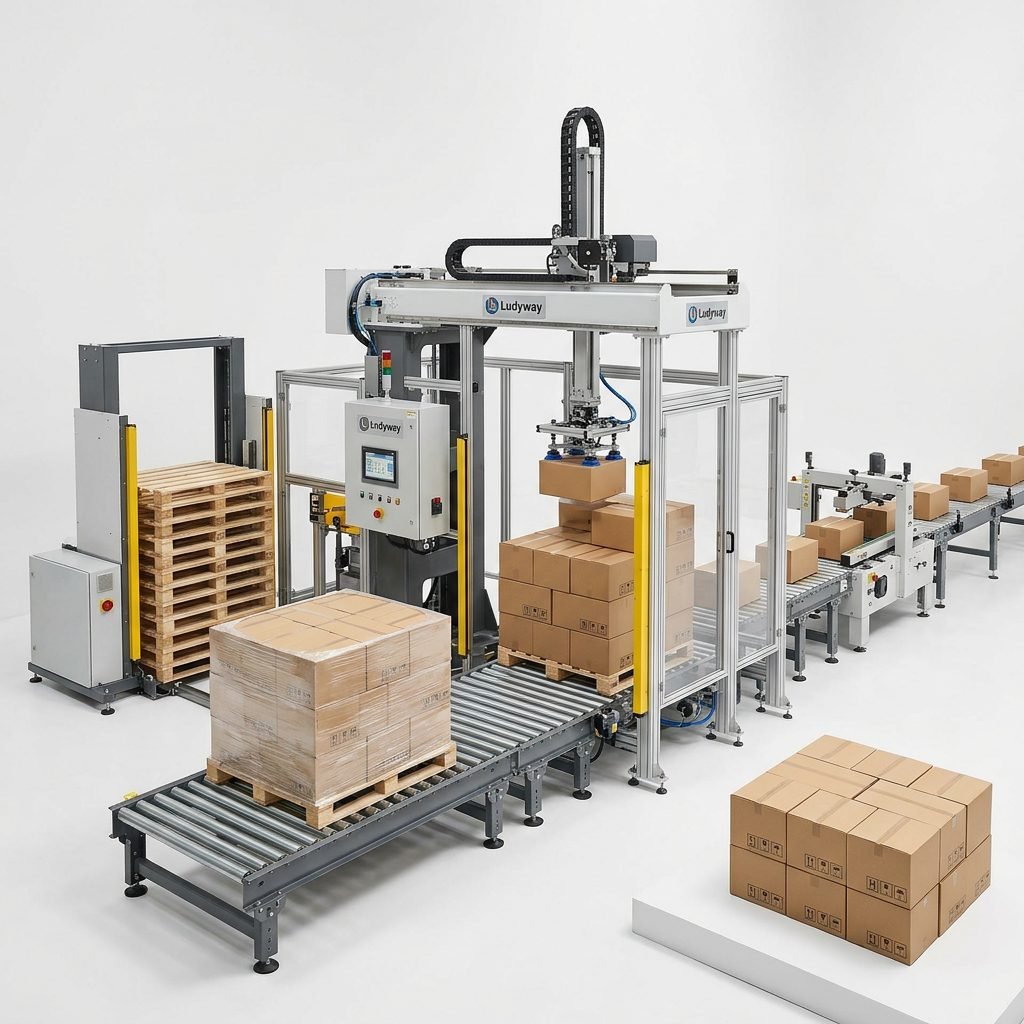
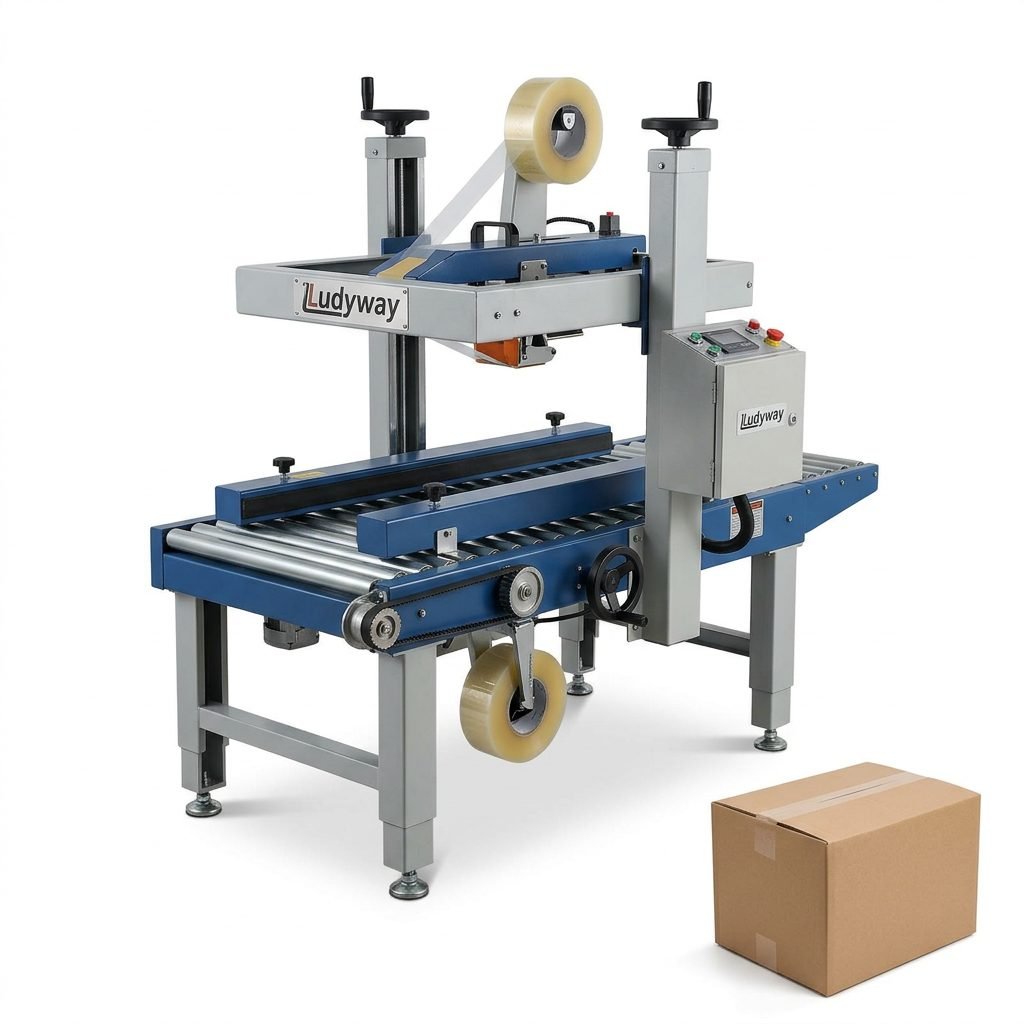
These complete the packaging line. Cappers apply screw caps, snap-on lids, or pumps. Labelers apply front/back labels or wrap-around labels. Cartoners automatically erect, load, and seal product into outer boxes.
Core Features to Prioritize
Beyond type, these features determine a machine’s suitability for cosmetic production:
Hygienic Design & Materials: Surfaces in contact with product must be made of stainless steel (e.g., 304 or 316 grade) or other FDA-compliant, non-reactive, and easy-to-clean materials. Design should prevent product trap points.
Accuracy and Precision: Fill weight consistency is non-negotiable. Look for machines with high-precision servo motors, advanced weighing systems (for powders), and fine-tunable controls to minimize giveaway and ensure compliance.
Flexibility and Changeover Ease: The market demands agility. Machines should allow quick changeovers between different container sizes, shapes, or products with minimal tools and downtime. Modular designs are a significant advantage.
Automation Level & Integration: Determine the needed level: semi-automatic (operator-assisted) or fully automatic (integrated into a line). The machine should communicate seamlessly with upstream and downstream equipment via PLC controls.
User-Friendly Interface: An intuitive HMI (Human-Machine Interface) touchscreen allows operators to set parameters, monitor production, and diagnose issues quickly, reducing training time and errors.
Essential Buying Tips for Your Investment
Selecting packaging machinery is a significant capital decision. Follow this structured approach to ensure a wise investment.
1. Conduct a Thorough Needs Analysis
Start by defining your current and future needs. Key questions include:
– What are your primary product forms (liquid, cream, powder)?
– What are your required output speeds (units per minute/hour)?
– What container types and sizes will you use?
– What is your available factory floor space and utility (air, power) access?
2. Prioritize Quality and Reliability Over Initial Price
A cheaper machine often leads to higher long-term costs through downtime, poor accuracy (product loss), and frequent repairs. Invest in robust machinery from reputable suppliers known for durability. Companies like Ludyway Machinery, with decades of engineering focus, build reliability into their equipment, ensuring sustained performance.
3. Evaluate Supplier Support and Service
The supplier relationship is crucial. Inquire about:
– Installation & Training: Is on-site setup and operator training included?
– Technical Support: What is the availability of spare parts and remote/on-site service?
– Warranty: What does the warranty cover and for how long?
A partner who offers complete turnkey solutions can streamline the entire process from design to operation.
4. Request a Live Demonstration or Trial
Always see the machine run, preferably with a product similar to yours. A performance trial at the supplier’s facility or a reference site reveals more than any brochure. Pay attention to noise levels, ease of operation, and the quality of the final packaged product.
5. Consider Future-Proofing and Scalability
Choose machinery that can grow with your business. Can the speed be upgraded? Can modules be added for new functions (e.g., adding a capper)? Planning for future expansion protects your investment.
Conclusion
Selecting the optimal packaging machinery for cosmetic production is a strategic decision that impacts your product quality, brand reputation, and bottom line. By understanding the different machine types, insisting on critical features like hygiene and precision, and following a diligent buying process with a focus on supplier partnership, you can build a packaging line that is not only efficient today but also adaptable for the innovations of tomorrow. The right equipment is a silent ambassador for your brand, ensuring every product that leaves your facility is perfect.
Frequently Asked Questions (FAQs)
Q1: What is the most important factor when choosing a filler for cosmetic creams?
A: For viscous products like creams, filling accuracy and clean handling are paramount. A piston filler is typically the best choice as it provides highly precise volumetric dispensing and minimizes product shear or aeration, which can affect the cream’s texture and appearance. Ensure the piston seals and contact parts are compatible with your product’s ingredients.
Q2: How can I minimize product waste during changeovers?
A: Look for machines designed for quick changeover (QCO). Features like tool-less adjustments, digital recipe storage (where settings for each product/container are saved), and easy-to-clean open frameworks drastically reduce downtime and the amount of product purged during transitions.
Q3: Are semi-automatic or fully automatic machines better for a startup?
A: For startups with lower volume and variety, a semi-automatic machine often presents a lower initial investment and greater flexibility for small, custom batches. As production scales, you can invest in automated lines. Some suppliers offer modular machines that can be upgraded from semi to full automation.
Q4: What certifications should I look for in cosmetic packaging machinery?
A: Key certifications include CE (for safety in the European market), and compliance with FDA regulations and cGMP (current Good Manufacturing Practices) guidelines, particularly for materials in contact with the product. These ensure the machine meets international standards for safety and hygiene.
Q5: Can one machine handle different types of cosmetics (e.g., liquid and cream)?
A: While some versatile filling machines can handle a range of viscosities with changeover of parts (like pump types or nozzles), it’s challenging for one machine to optimally handle extremely different forms like powder and liquid. It’s often more efficient to have dedicated machines for primary product types or to work with a supplier on a flexible, modular system designed for your specific product portfolio.