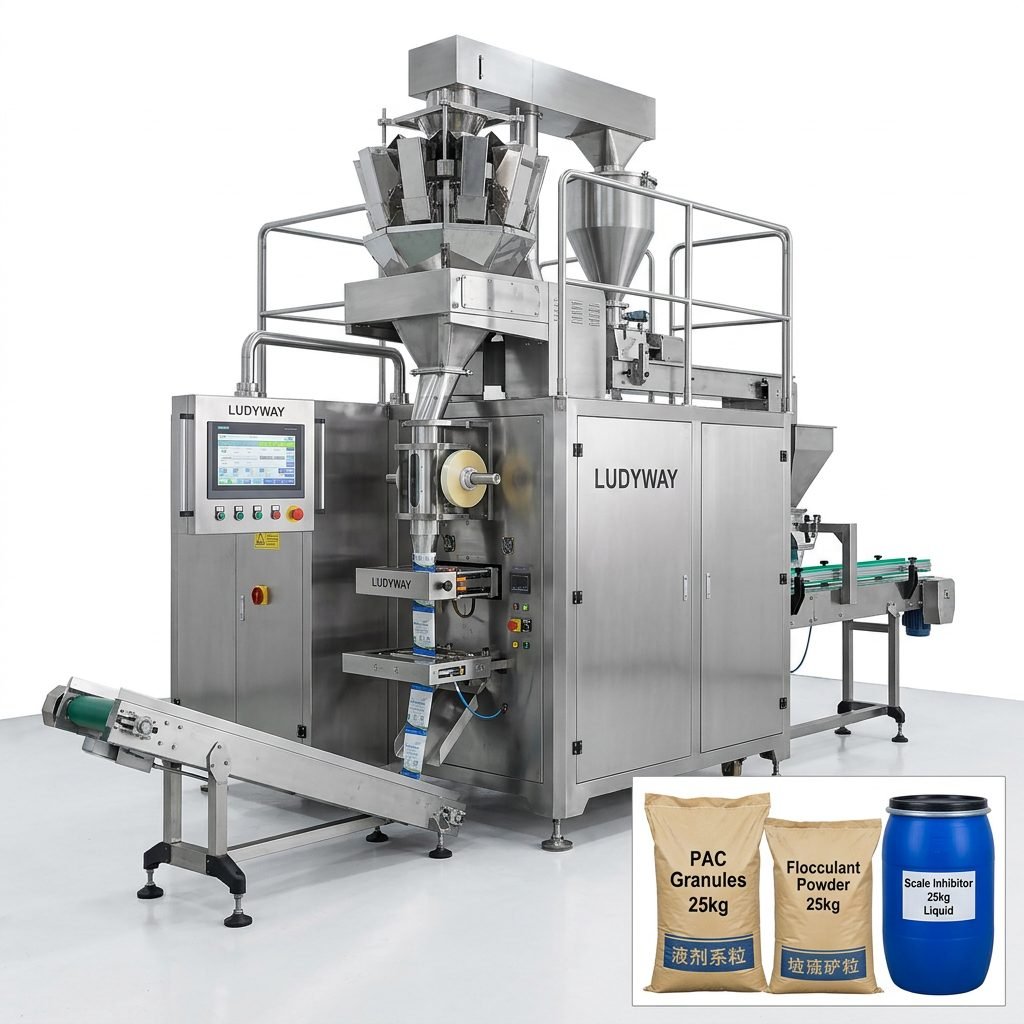
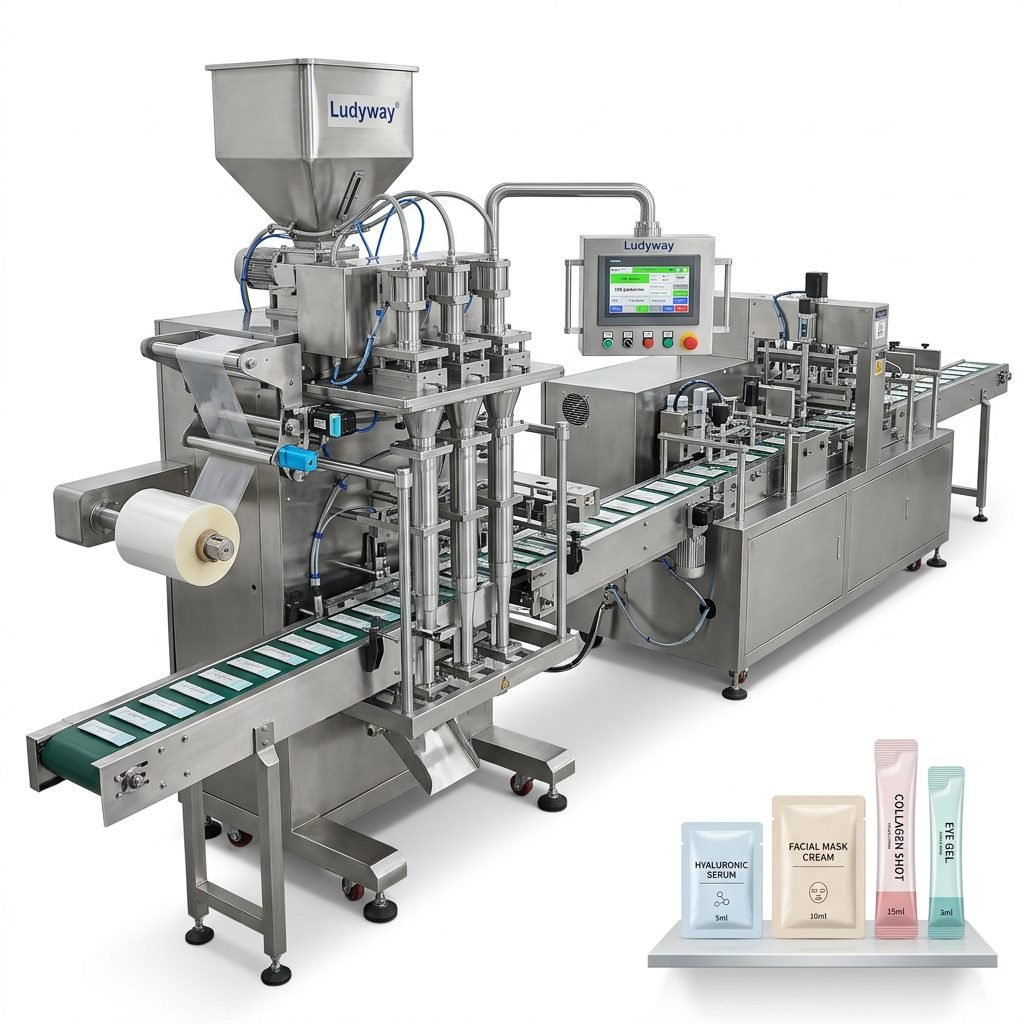
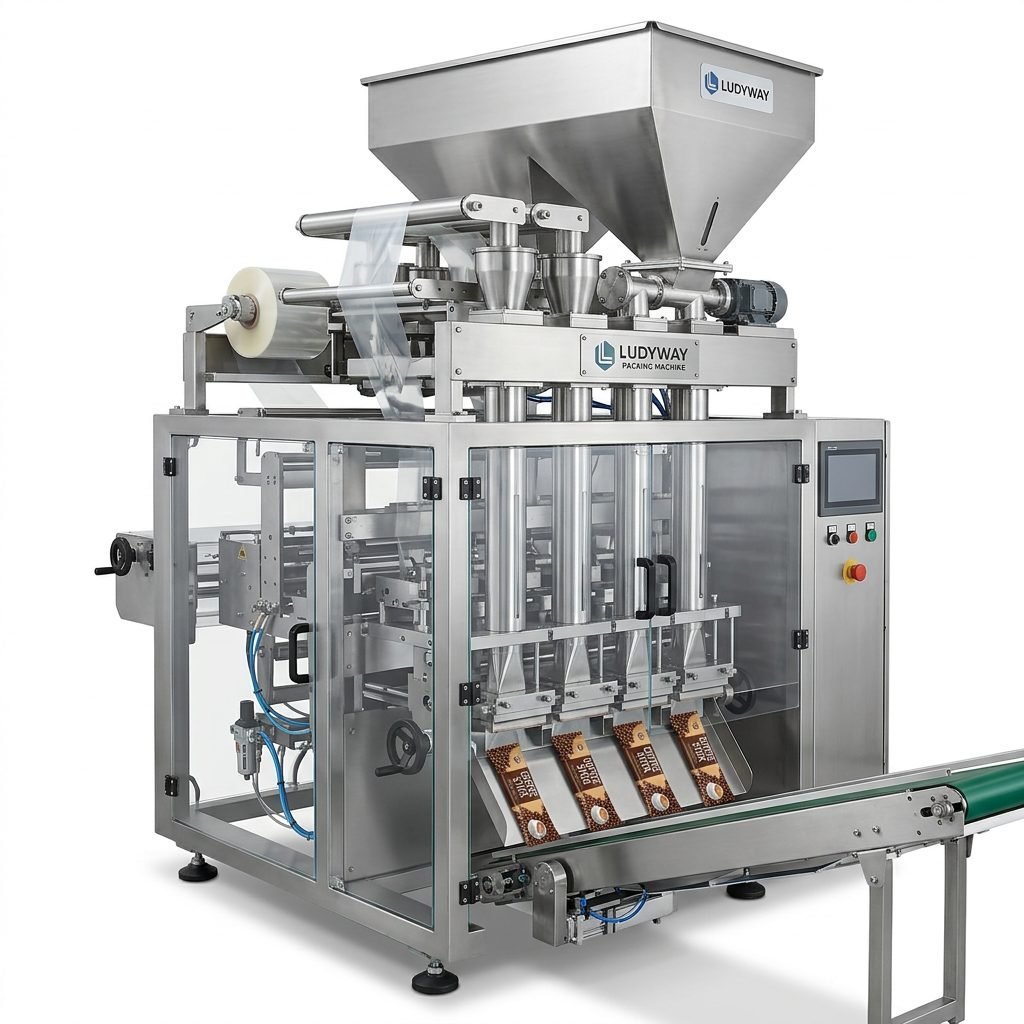
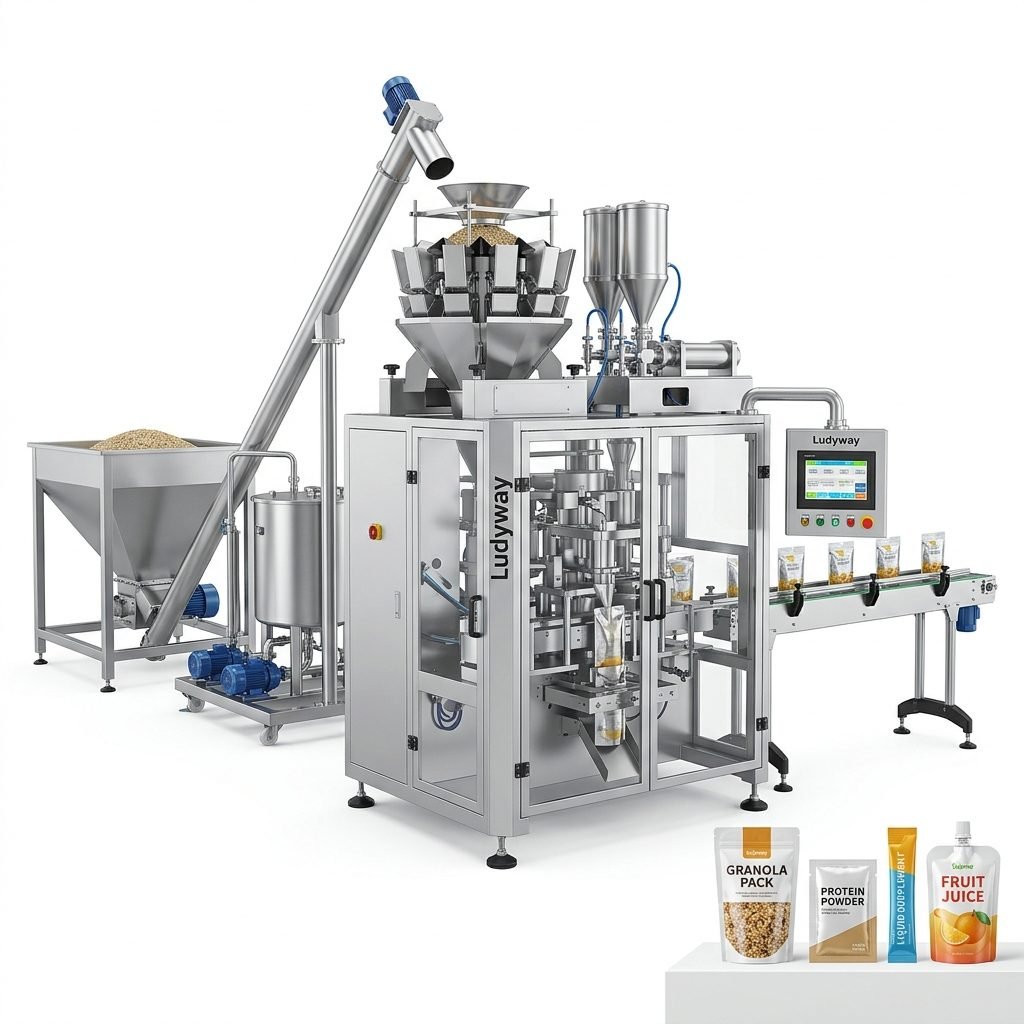
In today’s fast-paced manufacturing landscape, efficiency is not just a goal—it’s a necessity. For industries ranging from food and beverage to pharmaceuticals and health products, the ability to package products quickly, accurately, and reliably directly impacts profitability, market responsiveness, and customer satisfaction. This is where the concept of High‑Performance Speedway Packaging Machinery becomes a game-changer. Moving beyond standard automation, this class of equipment represents a paradigm shift towards integrated, intelligent, and ultra‑rapid production lines designed for the demands of modern, high‑volume manufacturing.
What Defines High‑Performance Speedway Packaging Machinery?
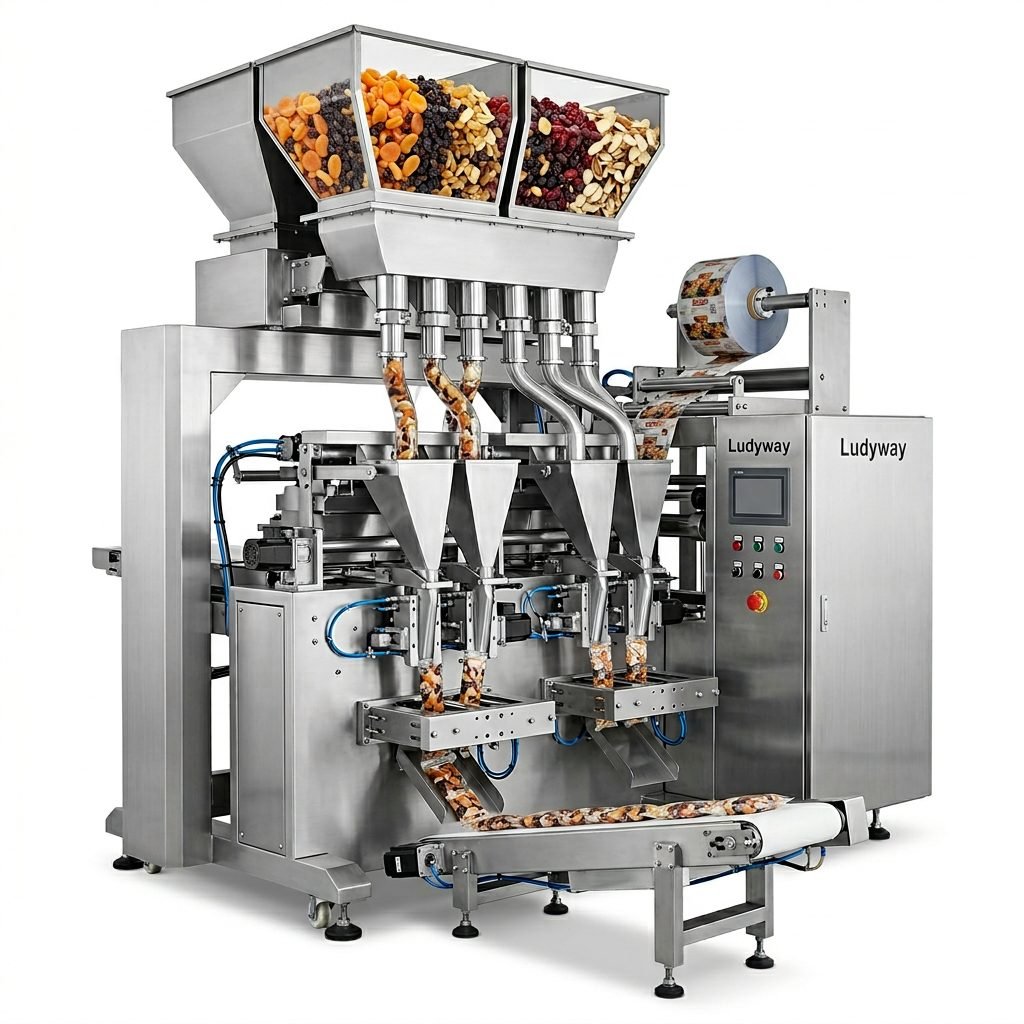
High‑performance speedway packaging machinery refers to advanced, often multi‑lane, automated systems engineered for maximum throughput with minimal downtime. Unlike single‑lane machines, these systems are built like industrial “speedways,” where multiple product streams are packaged simultaneously on parallel tracks. The core philosophy is to achieve a higher sum of outputs through synchronized, precision engineering rather than simply pushing a single machine to its mechanical limits.
Key Characteristics Include:
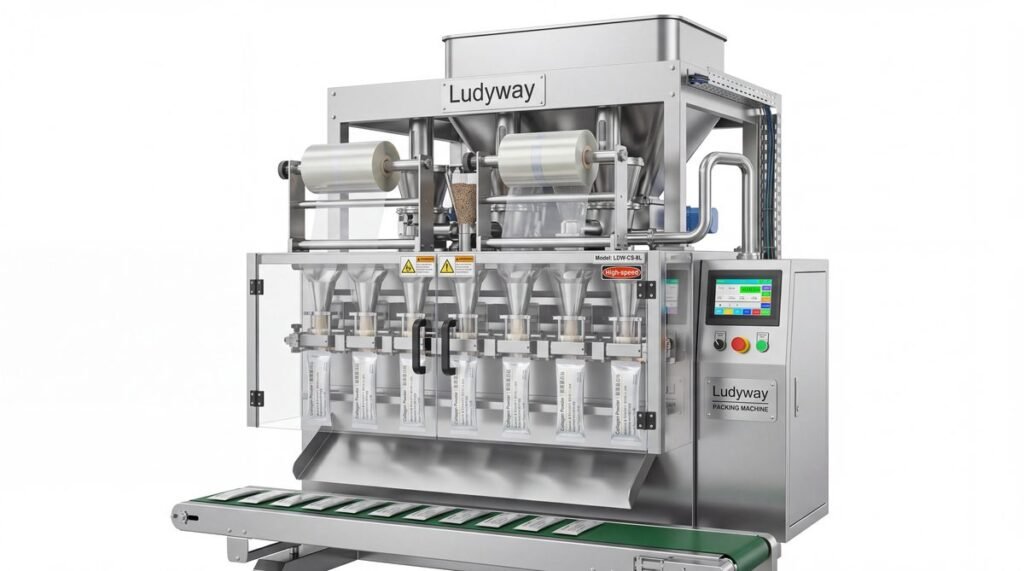
- Multi‑Lane Configuration: Capable of running 2, 4, 8, or even more lanes concurrently, dramatically multiplying output compared to single‑lane units.
- Integrated Servo Drive Systems: Provide exceptional control over speed, positioning, and torque, ensuring smooth, precise, and adaptable operation for various packaging formats.
- Advanced PLC & HMI Controls: Feature user‑friendly touchscreen interfaces for easy setup, recipe management, real‑time monitoring, and quick changeovers.
- High‑Speed Precision Dosing: Utilize auger, volumetric, or liquid pump fillers that maintain remarkable accuracy even at peak speeds, minimizing product give‑away.
- Robust & Low‑Maintenance Design: Constructed with high‑grade materials (e.g., stainless steel contact parts) and designed for easy access and cleaning, ensuring longevity and hygiene.
The Tangible Benefits for Your Production Line
Investing in speedway‑class machinery translates into measurable operational advantages that strengthen your competitive edge.
1. Dramatically Increased Production Output
The most direct benefit is a substantial leap in production capacity. By operating multiple lanes in parallel, these machines can achieve outputs that are multiples of what a traditional single‑lane machine produces. This allows you to meet large‑volume orders, reduce lead times, and capitalize on market opportunities without requiring multiple standalone machines and the associated floor space and operators.
2. Enhanced Overall Equipment Efficiency (OEE)
High‑performance systems are designed to maximize OEE—a composite metric of availability, performance, and quality. Features like quick‑change film reel systems, tool‑less format change parts, and automated fault detection minimize changeover time and unplanned stops. The inherent stability and precision of servo‑driven systems also reduce performance losses from micro‑stops and minor speed fluctuations, keeping the line running closer to its theoretical maximum.
3. Superior Product Consistency & Quality
Speed does not come at the cost of quality. Advanced dosing systems ensure each sachet, stick pack, or pouch receives an exact, pre‑determined amount of product. Consistent sealing integrity, achieved through precise temperature and pressure control across all lanes, guarantees package durability and product freshness. This level of consistency is critical for brand reputation and compliance with industry regulations, especially in sectors like pharmaceuticals.
4. Significant Reduction in Operational Costs
While the initial investment may be higher, the total cost of ownership often proves lower. Higher output per machine reduces the cost per unit produced. Reduced manual labor requirements for operation and monitoring free up personnel for higher‑value tasks. Furthermore, precision filling and minimal waste of packaging film contribute directly to material savings. The robust construction also leads to lower long‑term maintenance costs and less frequent part replacement.
→ Real‑World Application: Stick Pack Production
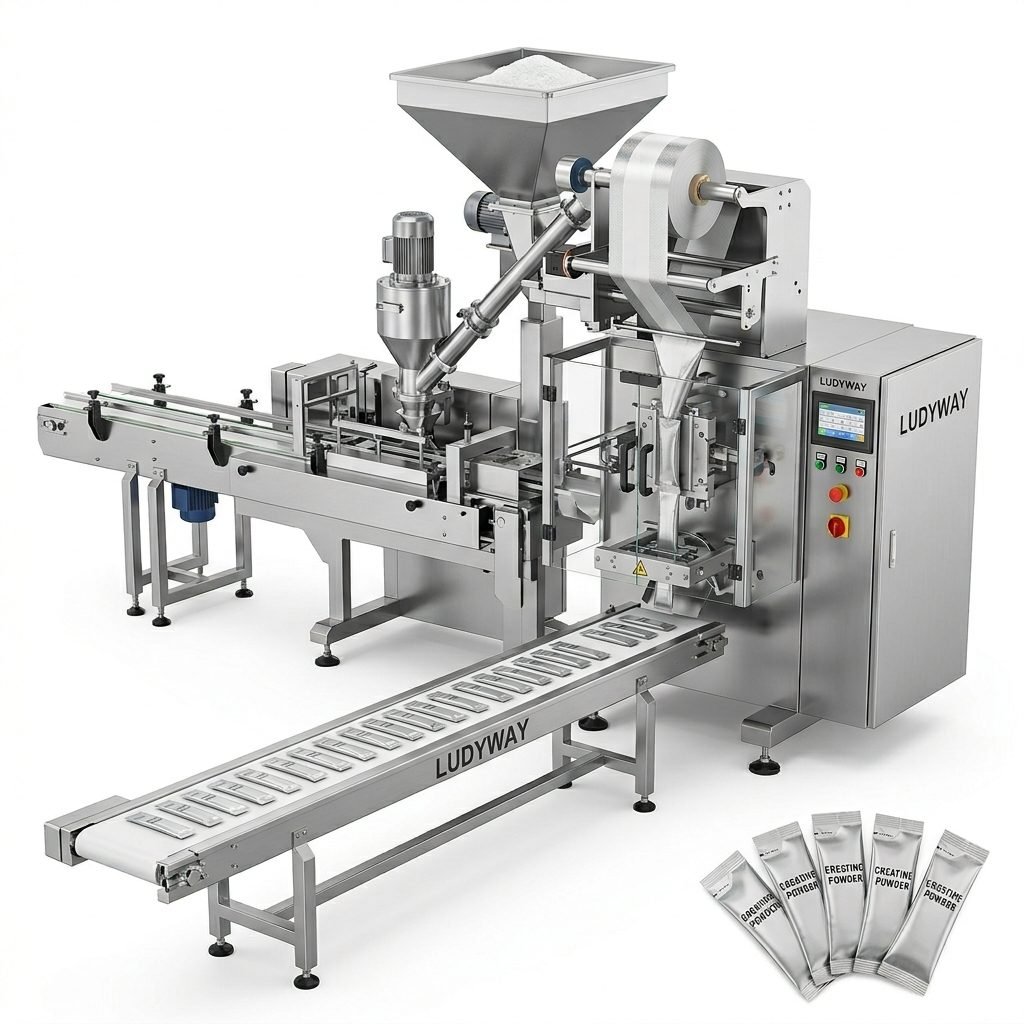
Consider a nutritional powder manufacturer. An 8‑lane high‑speed stick pack machine can produce over 1,000 stick packs per minute. This allows for rapid fulfillment of bulk orders for retail while also enabling efficient, small‑batch runs of sample‑sized packs for marketing campaigns—all on the same flexible platform. The quick changeover capability is key here, allowing the production schedule to be highly responsive.
Choosing the Right High‑Performance Partner
Selecting a speedway packaging system is a strategic decision. Key considerations extend beyond the basic machine specifications.
Assessing Your Product & Packaging Needs
The nature of your product is paramount. Is it a free‑flowing granule, a fine powder prone to dusting, a viscous paste, or a liquid? Each requires specific dosing technology (e.g., auger, pump, volumetric cup). Similarly, define your packaging format: sachet, stick pack, pillow pouch, or gusseted bag? The machine must be compatible with your desired film material (laminates, mono‑layer) and capable of producing the required seal type (fin seal, lap seal, 3‑ or 4‑side seal).
Evaluating Machine Flexibility & Scalability
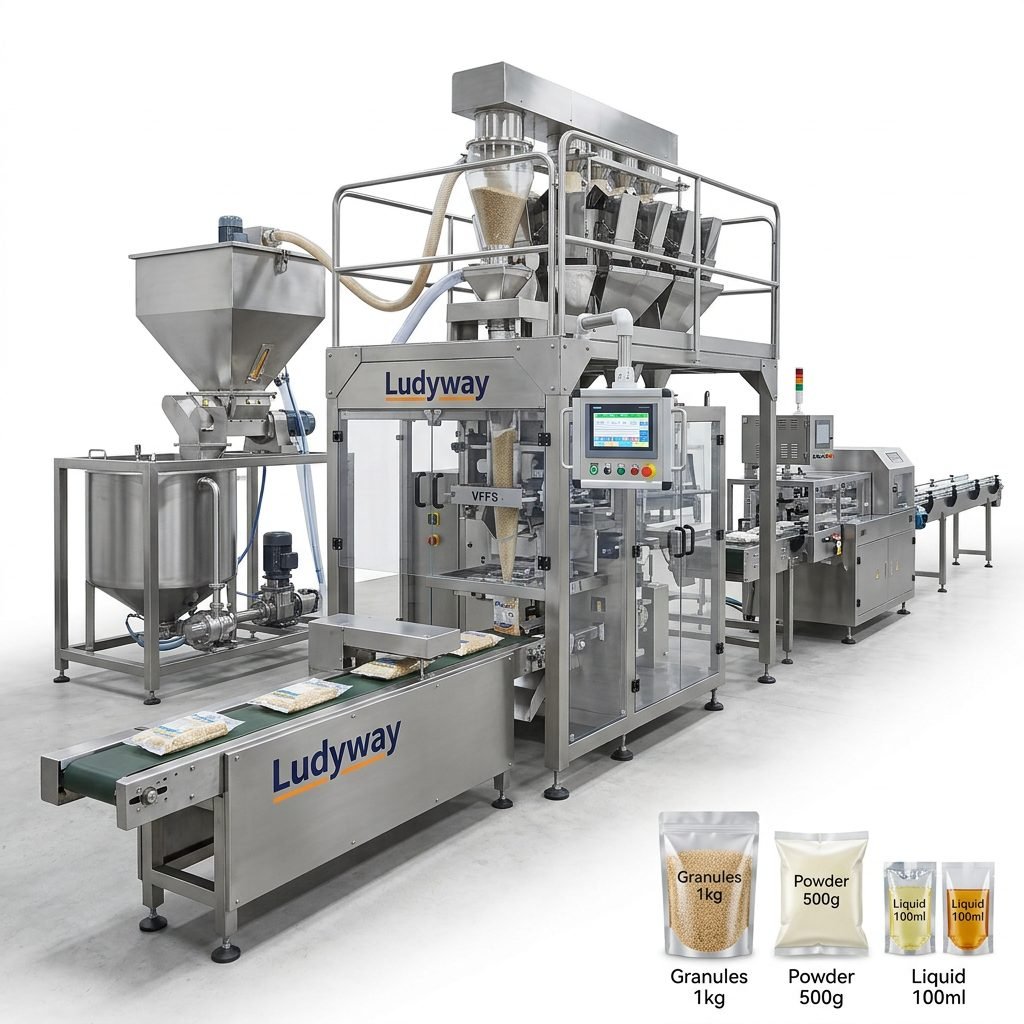
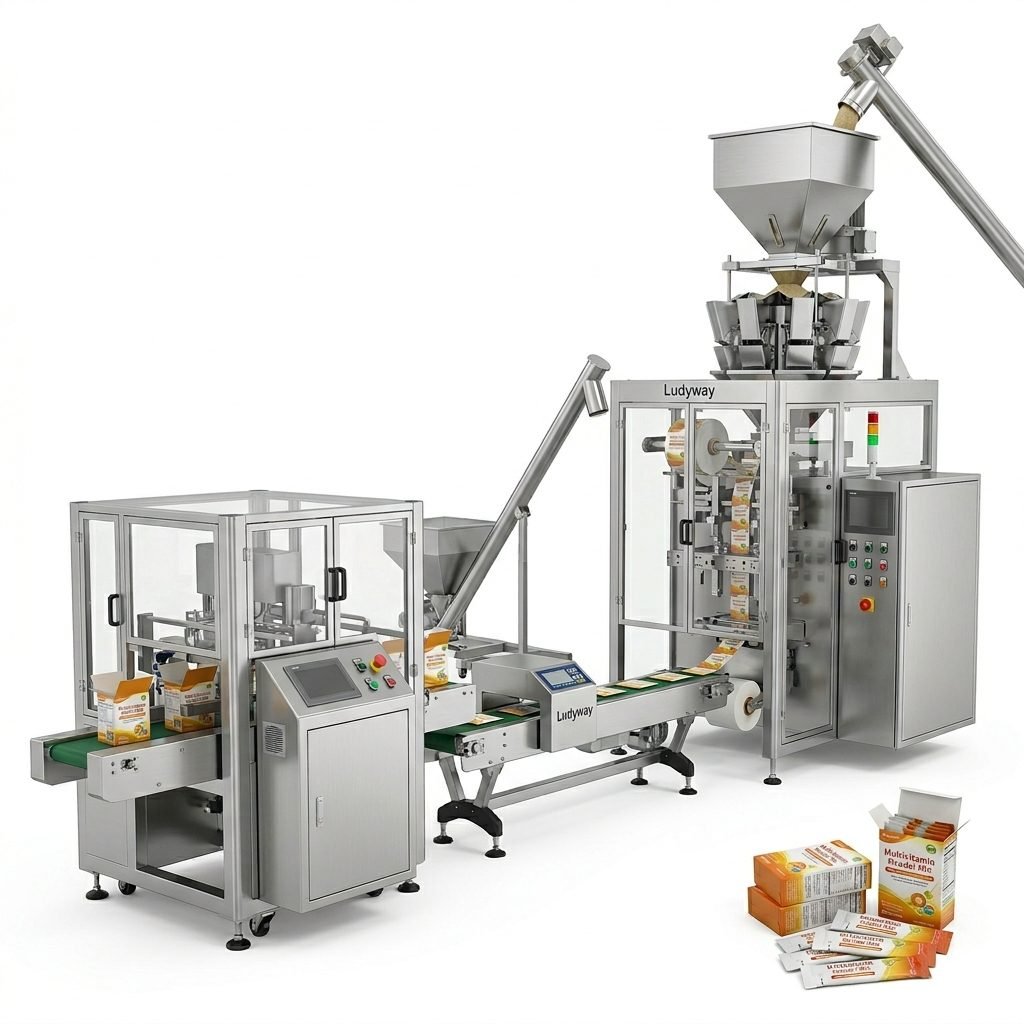
Market demands change. A machine that offers flexibility in pack size range (from small samples to larger retail sizes) and quick changeover between formats protects your investment for the long term. Consider if the supplier can provide a complete turnkey solution, integrating the packaging machine with upstream feeders, mixers, and downstream cartoners or case packers, creating a seamless “speedway” production line.
Importance of Manufacturer Expertise & Support
The machine’s performance is intrinsically linked to the expertise behind it. Partner with a manufacturer that possesses deep, proven experience in your specific industry. They should offer comprehensive support, including factory acceptance testing (FAT), detailed installation supervision, thorough operator and maintenance training, and readily available spare parts. A strong company profile with a history of successful projects is a reliable indicator of this capability.
Future‑Proofing with Smart Technology Integration
The next evolution of high‑performance packaging is the integration of Industry 4.0 principles. Modern speedway machines are the perfect platform for smart factory connectivity.
- IoT‑Enabled Monitoring: Remote access to real‑time data on machine status, output, efficiency (OEE), and alarm history allows for proactive management and troubleshooting.
- Predictive Maintenance: Sensors can monitor component wear (like bearing vibration or motor temperature), alerting maintenance teams before a failure occurs, thus preventing costly unplanned downtime.
- Data Analytics & Traceability: Production data can be aggregated to identify trends, optimize recipes, and ensure full batch traceability—a critical requirement in food and pharma sectors. This data‑driven approach is central to a modern packaging business strategy.
Ultimately, high‑performance speedway packaging machinery is more than just fast equipment; it is a strategic production asset. It embodies the shift from viewing packaging as a necessary cost center to leveraging it as a powerful tool for growth, quality assurance, and market agility. By delivering faster, more efficient, and more intelligent production, it empowers manufacturers to not only keep pace with demand but to drive forward, setting new standards in their respective industries.
Frequently Asked Questions (FAQs)
1. What is the main difference between a standard single‑lane machine and a high‑performance multi‑lane “speedway” machine?
The fundamental difference is in architecture and output philosophy. A single‑lane machine packages one stream of product at a time. A multi‑lane speedway machine runs several identical packaging lanes in parallel, synchronously. This allows the speedway machine to achieve a total output that is a multiple of a single‑lane machine’s output, without necessarily requiring each individual lane to run at an excessively high, potentially less stable, speed. It’s about combined, stable throughput.
2. Are these high‑speed machines suitable for small‑batch or frequent changeover production?
Yes, modern high‑performance machines are designed with flexibility in mind. Key features that enable this include: tool‑less change parts for different pack sizes, servo‑driven adjustments that can be saved as digital “recipes” in the HMI, and quick‑release film reel systems. This allows changeover times to be reduced to minutes, making them viable for smaller production runs and highly responsive manufacturing schedules.
3. How does the dosing accuracy hold up at such high speeds?
High‑performance systems use advanced, often servo‑controlled, dosing mechanisms. For powders and granules, high‑precision auger fillers with feedback systems are standard. For liquids, precision piston or pump fillers are used. These systems are engineered to maintain tight tolerances (e.g., ±1% or better) even at maximum rated speeds. The consistency is a result of precise mechanical design combined with electronic control, not a trade‑off for speed.
4. What kind of maintenance do these complex machines require?
While sophisticated, they are designed for reliability and easier maintenance. Routine maintenance typically involves regular cleaning, lubrication of specific points as per the manual, and inspection of wear parts like sealing jaws and cutting blades. The modular design of many models allows for easier access to key components. The most significant maintenance advantage comes from predictive features, where monitoring systems can alert you to service needs before a breakdown occurs.
5. Can these machines be integrated into a fully automated production line?
Absolutely. In fact, they are ideal as the core component of a turnkey automated line. They can be seamlessly integrated with upstream equipment like bulk material feeders, mixers, or grinders, and downstream systems like checkweighers, metal detectors, cartoners, and case packers. Reputable suppliers specialize in designing and supplying these complete, synchronized production solutions, where the packaging machine acts as the high‑speed “engine” of the entire line.