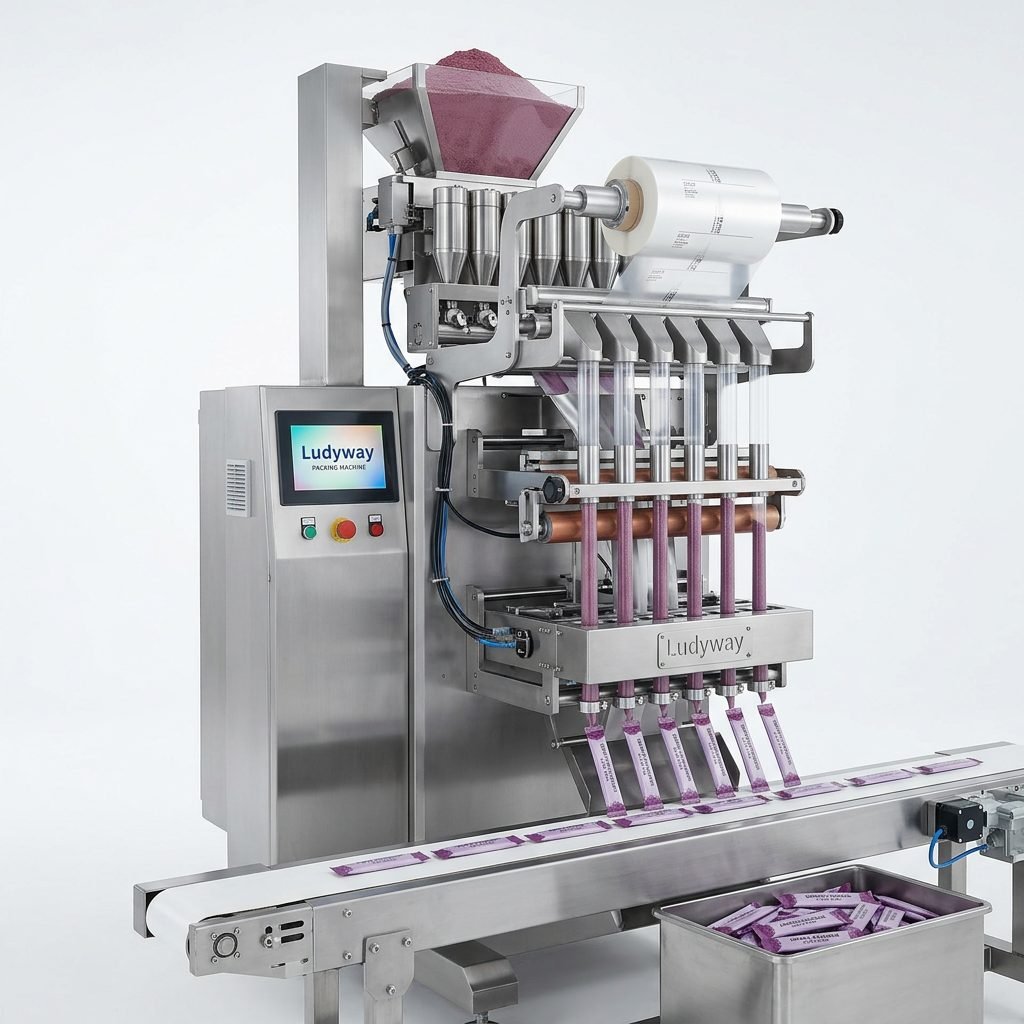
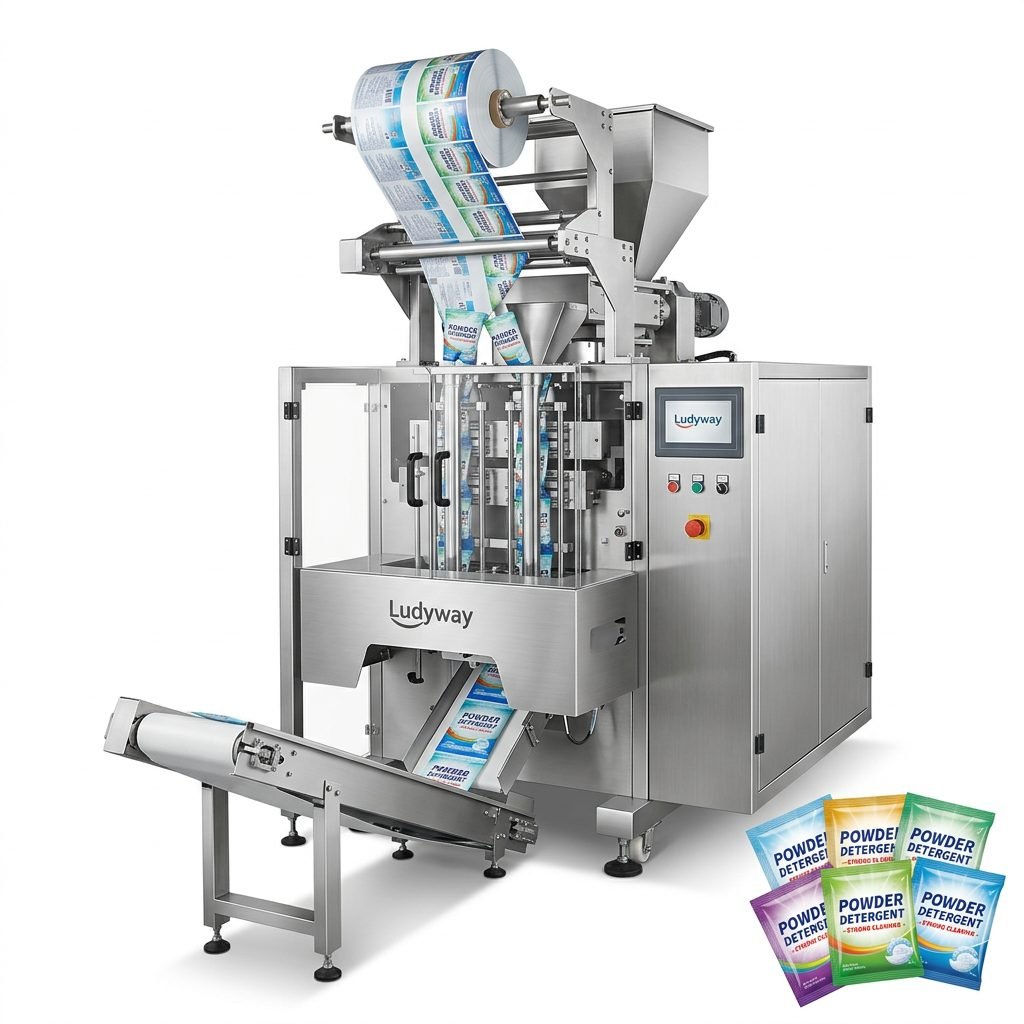
In the fast-paced world of frozen food production, efficiency and product integrity are paramount. The right packaging machine is not just a piece of equipment; it’s the guardian of quality from the production line to the consumer’s freezer. This comprehensive guide delves into the world of frozen vegetable packaging machines, exploring the various types, key features, and providing a clear roadmap for selecting the best one for your operation.
Understanding the Core Types of Frozen Vegetable Packaging Machines
The market offers a variety of packaging solutions tailored to different production scales, product types, and bag styles. Choosing the right type is the first critical step.
Vertical Form-Fill-Seal (VFFS) Machines
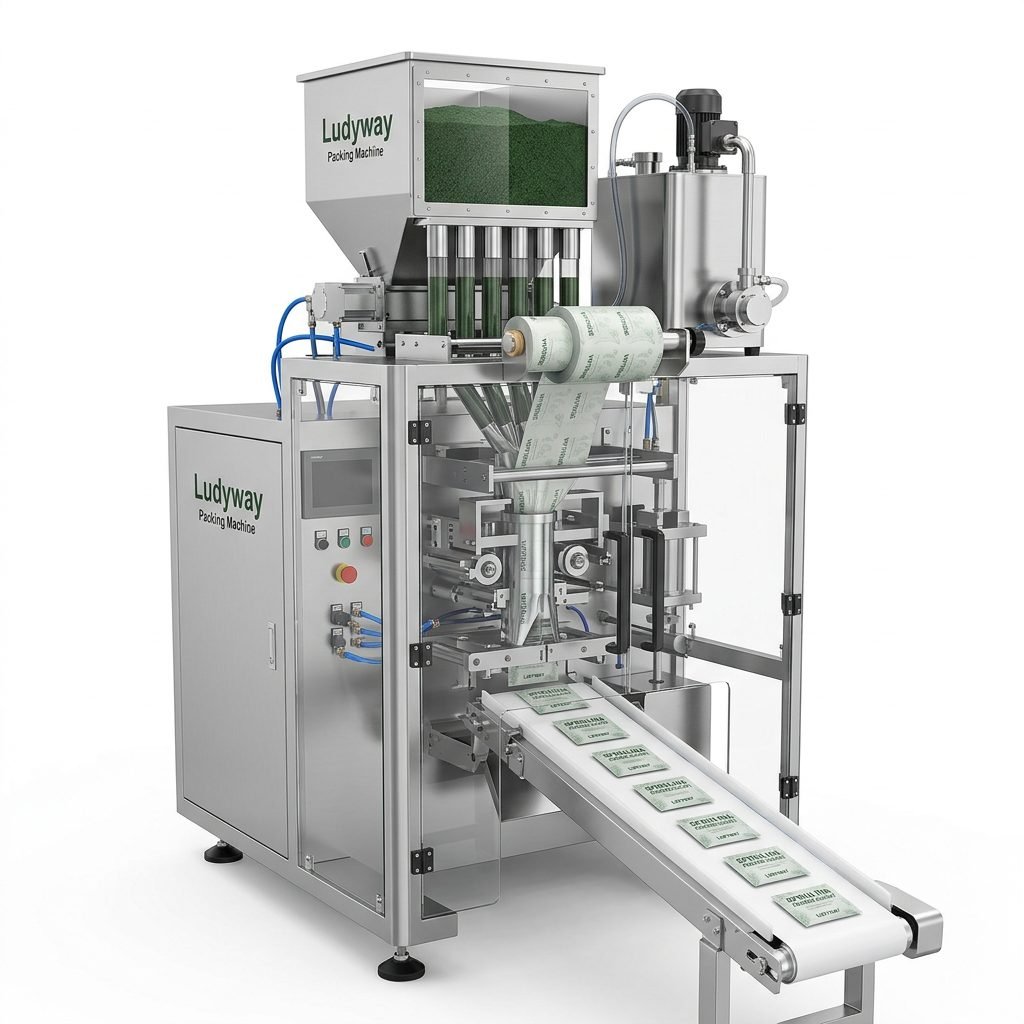
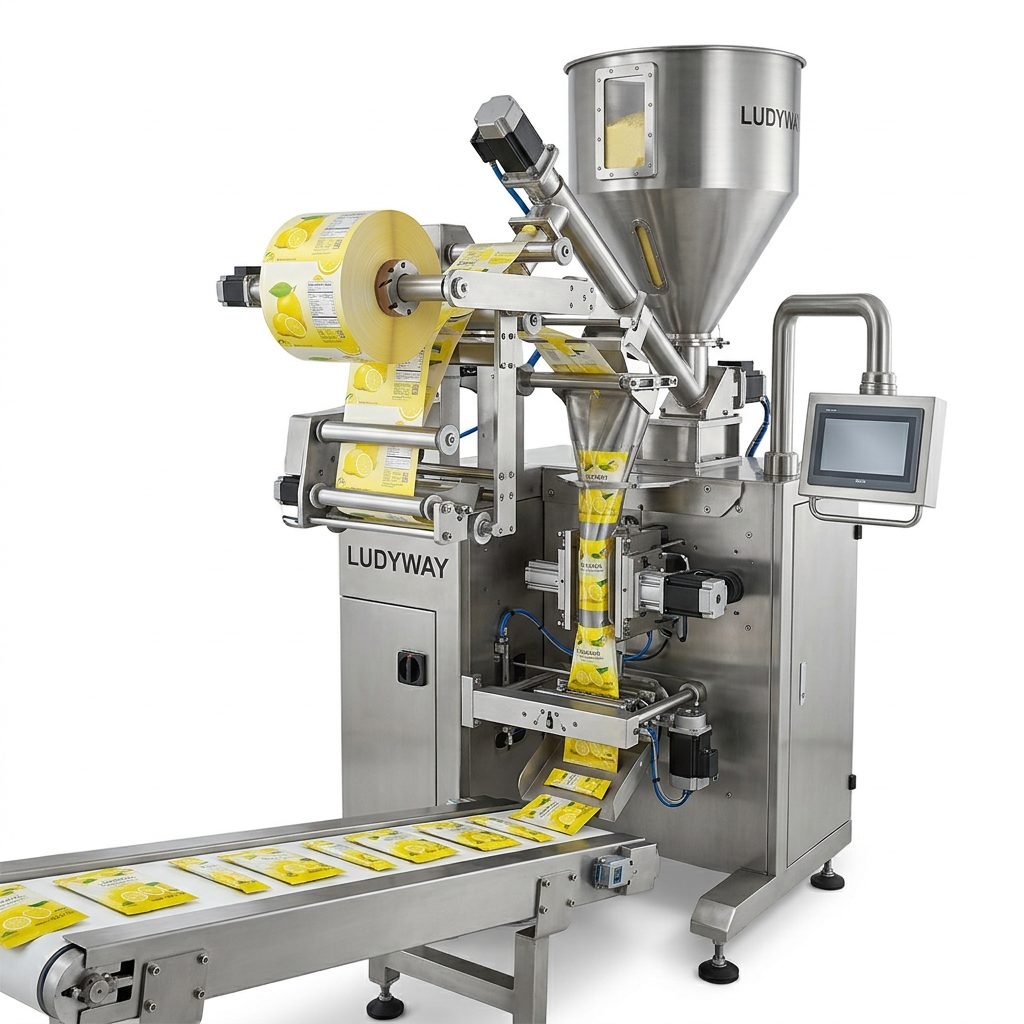
These are the workhorses of the industry. VFFS machines form bags from a roll of flat packaging film, fill them with product, and then seal them—all in a continuous vertical process. They are exceptionally versatile and ideal for packing loose-flow frozen vegetables like peas, corn, and mixed vegetables into pillow-style bags. Their high-speed operation makes them perfect for large-volume production lines.
Horizontal Form-Fill-Seal (HFFS) Machines
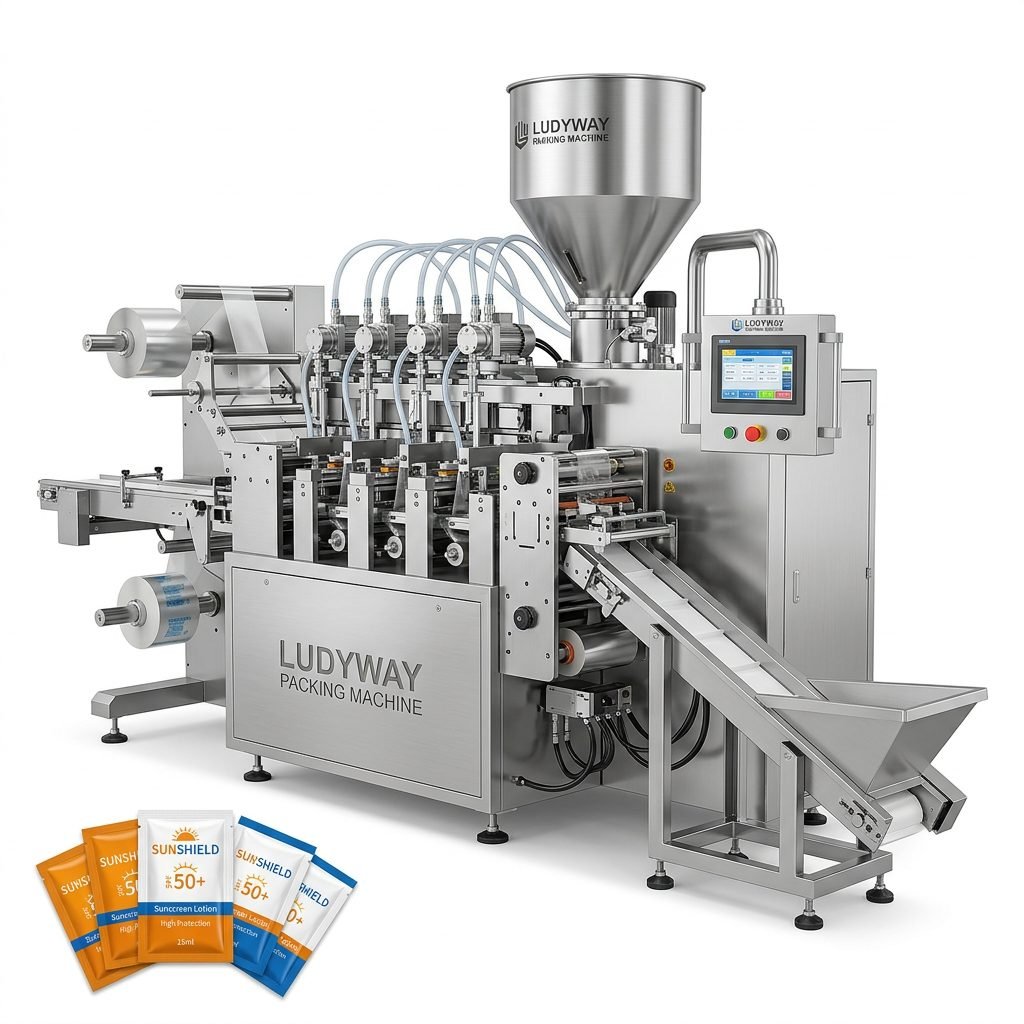
HFFS machines are typically used for more structured packaging, such as trays or cartons. The film is formed horizontally, often around a product already placed in a pre-made tray. This type is excellent for packaging frozen vegetable blends, ready meals containing vegetables, or products requiring a more premium, rigid presentation.
Pre-Made Bag Packers
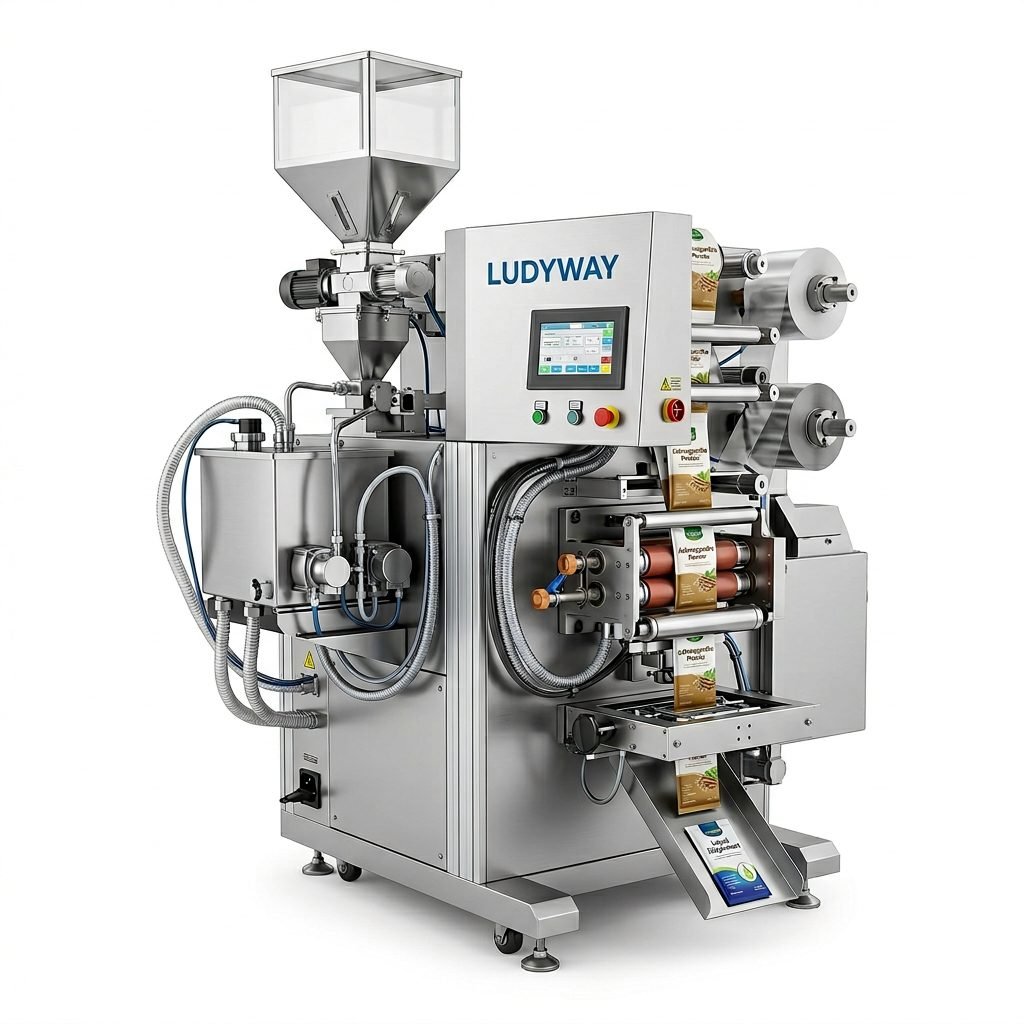
These machines use bags that are already manufactured (pre-made pouches or stand-up bags). The machine opens the bag, feeds the product into it, and then seals it. This system is advantageous when using complex bag materials with high-quality graphics or specific resealable zippers, offering a superior shelf presence for premium frozen vegetable products.
Weighing and Dosing Systems
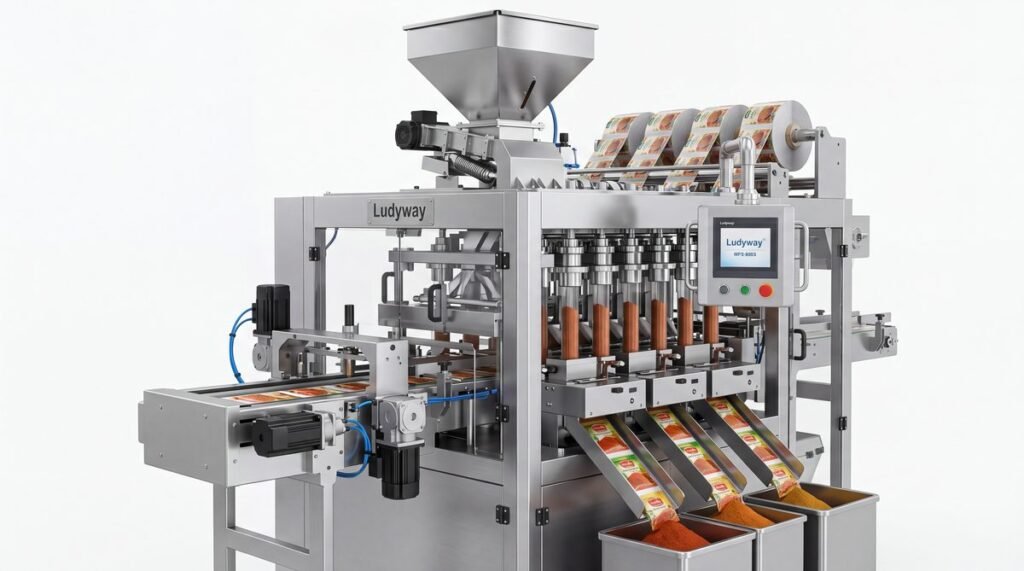
While not strictly packaging machines, integrated multi-head weighers or volumetric dosers are critical components. They ensure precise and consistent weight control, which is crucial for cost management and regulatory compliance. Modern systems use advanced load cell technology for high-speed, accurate portioning of frozen vegetables.
Essential Features for Frozen Vegetable Applications
Not all packaging machines are built to handle the unique challenges of frozen environments. Look for these non-negotiable features.
1. Robust Construction and Cold-Tolerance
Machines must be built from stainless steel or specially coated materials to resist corrosion from moisture and frequent washdowns. Critical components like seals, gaskets, and electrical parts must be rated for low-temperature operation to prevent failure and maintain precision.
2. Reliable Sealing Technology
A perfect seal is vital to prevent freezer burn and preserve quality. Look for machines with adjustable, temperature-controlled sealing jaws that can reliably fuse packaging films, even when they are cold or have frost condensation. Double-sealing bars provide an extra layer of security.
3. Product Handling Gentleness
Frozen vegetables, especially delicate items like broccoli florets or asparagus, can be brittle. The machine’s filling system—whether buckets, augers, or belts—must be designed to minimize product damage and breakage, preserving the visual appeal and texture of the vegetables.
4. High-Speed Operation with Quick Changeover
Production efficiency directly impacts profitability. Machines should offer high cycle rates. Furthermore, tool-less or quick-changeover mechanisms for different bag sizes or products are essential for flexible production scheduling, allowing you to switch from packing green beans to carrots with minimal downtime.
5. Advanced Control and Integration
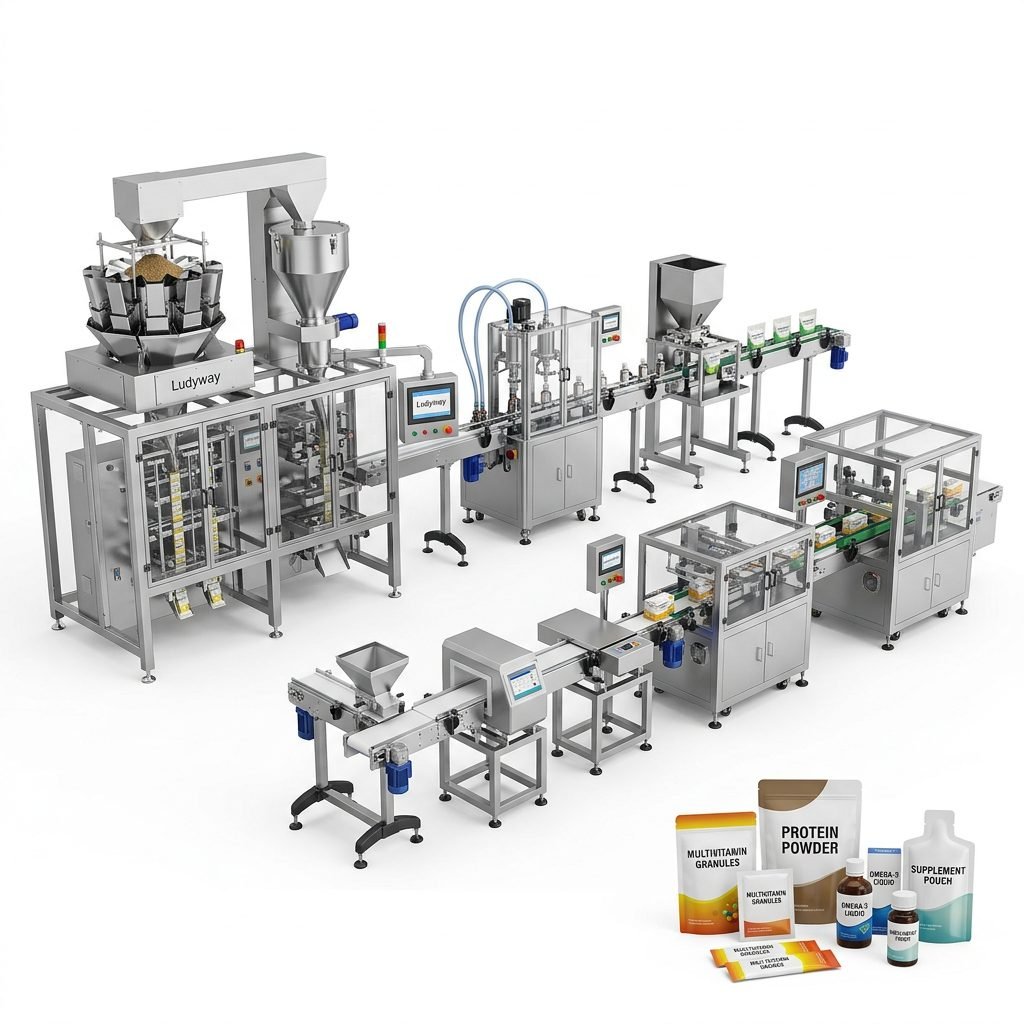
A modern machine should feature a user-friendly PLC-based touchscreen interface for easy operation, recipe storage, and diagnostics. It should also seamlessly integrate with upstream equipment (like freezers and conveyors) and downstream systems (like case packers) for a smooth, automated production line. For expert insights into building such integrated lines, consider consulting with professional packaging solution providers who specialize in turnkey projects.
How to Choose the Best Machine for Your Needs: A Step-by-Step Guide
Step 1: Analyze Your Product and Volume
Start with the basics. What specific vegetables are you packing? What is their form (whole, cut, blend)? What are your current and projected daily/weekly production volumes? A VFFS machine is likely ideal for high-volume loose items, while a pre-made bag system might suit lower-volume, premium lines.
Step 2: Define Your Packaging Specifications
Determine your bag type, size range, and material (e.g., multi-layer poly films with good barrier properties). The machine must be compatible with your chosen material and able to produce the required seal strength and bag style consistently.
Step 3: Evaluate Key Machine Specifications
- → Speed (bags per minute): Match this to your output requirements.
- → Bag Size Range: Ensure it covers all your present and near-future needs.
- → Accuracy (weight variation): Critical for cost control and compliance.
- → Footprint: Will it fit in your available factory space?
Step 4: Prioritize Hygiene and Maintenance
The machine should have a hygienic design with smooth surfaces, easy access for cleaning, and IP-rated electrical panels. Inquire about the availability of spare parts, service support, and the ease of routine maintenance. A reliable packaging machinery supplier will offer strong after-sales support.
Step 5: Consider Total Cost of Ownership (TCO)
Look beyond the initial purchase price. Factor in energy consumption, required operator skill level, potential downtime costs, and long-term service contracts. A slightly more expensive, robust, and efficient machine often has a lower TCO than a cheaper, less reliable alternative. Investing in intelligent packaging equipment from experienced manufacturers can lead to significant long-term savings.
Frequently Asked Questions (FAQs)
What is the most common type of machine for packing loose frozen vegetables?
The Vertical Form-Fill-Seal (VFFS) machine is the industry standard for high-speed packaging of loose-flow frozen vegetables like peas, corn, and diced carrots into flexible pouches.
How important is weight accuracy in frozen vegetable packaging?
Extremely important. Precise weight control is critical for regulatory compliance, customer satisfaction, and controlling product giveaway, which directly affects profitability. Modern multi-head weighers are essential for this task.
Can one machine handle different sizes and types of frozen vegetables?
Yes, many machines are designed for flexibility. The key is quick changeover capability. Look for machines that allow for fast adjustments to bag size, weighing parameters, and sometimes filling systems to minimize downtime between product runs.
What special maintenance do these machines require due to the cold environment?
Regular maintenance should focus on preventing moisture ingress and ice buildup. This includes checking and replacing cold-rated seals and gaskets, ensuring electrical enclosures are secure, and implementing a strict cleaning and drying protocol after washdowns to prevent corrosion.
Should I buy a standalone machine or a complete integrated line?
The choice depends on your scale and automation goals. A standalone machine is suitable for smaller operations or adding capacity. A complete integrated line, including conveying, weighing, packaging, and case packing, maximizes efficiency and reduces labor for high-volume producers. A partner with over 30 years of industry experience can help you design the optimal solution.