In the competitive landscape of modern manufacturing, efficiency and intelligence are not just advantages—they are necessities. The quest for faster throughput, reduced operational costs, and impeccable product consistency drives the evolution of production lines. At the heart of this transformation lies the strategic adoption of turnkey packaging machinery solutions. These complete, automated systems represent more than just machinery; they are integrated ecosystems designed to streamline operations from raw material intake to finished, packaged goods, enabling a leap into smarter, more responsive production.
The Core Philosophy: What Are Turnkey Packaging Solutions?
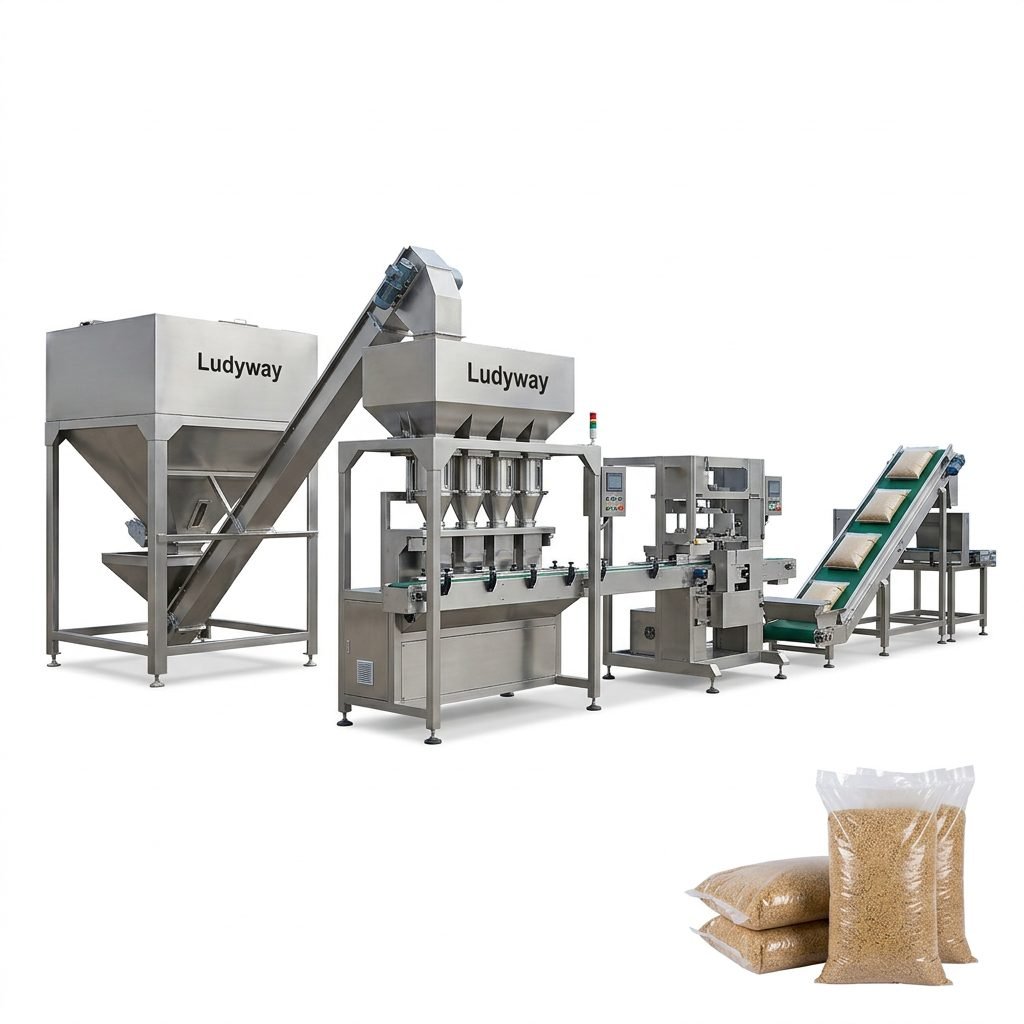
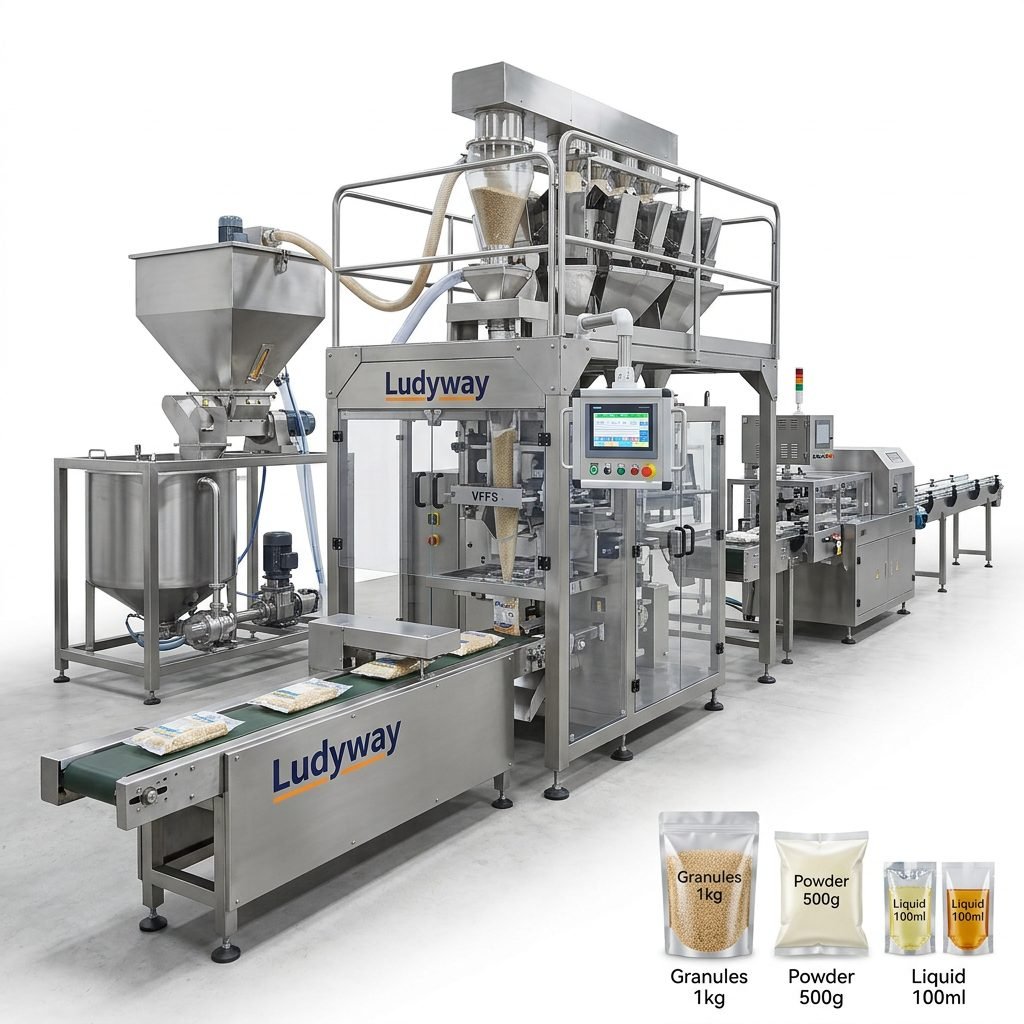
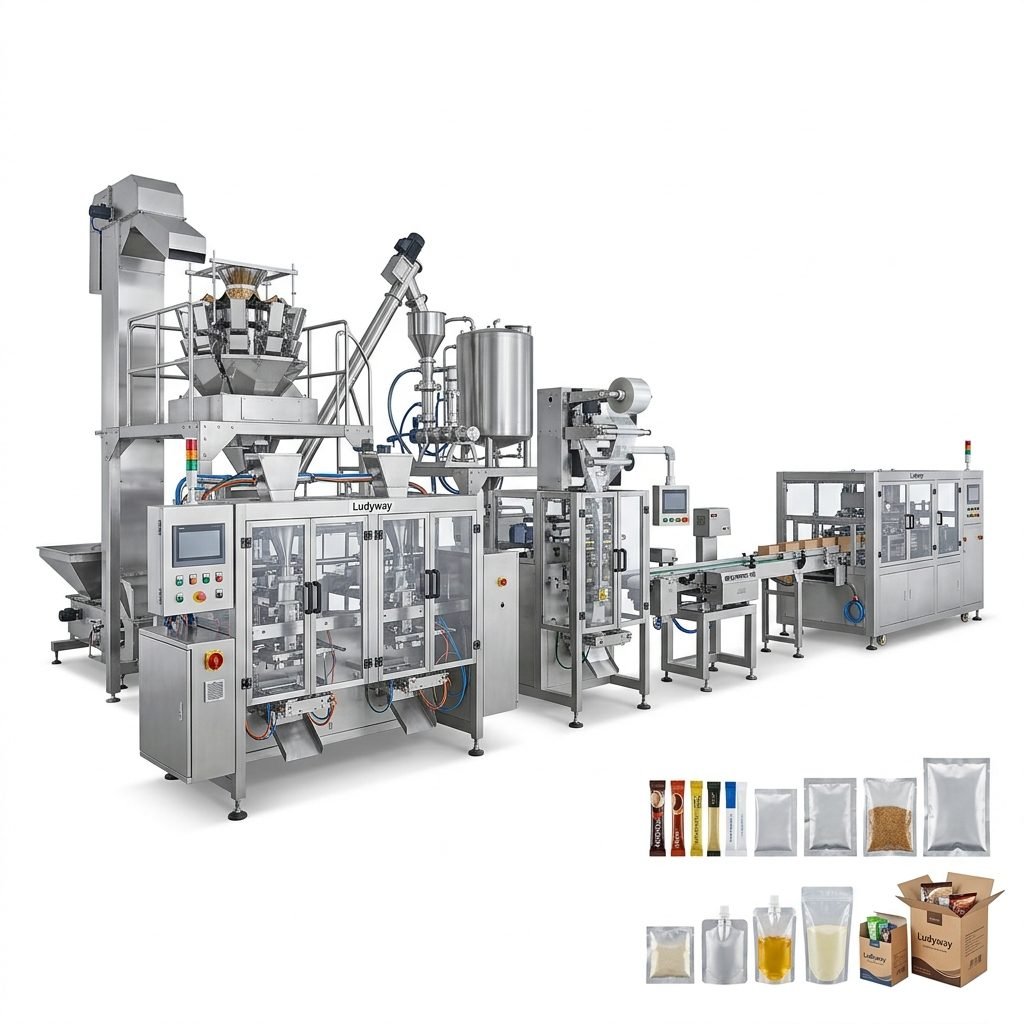
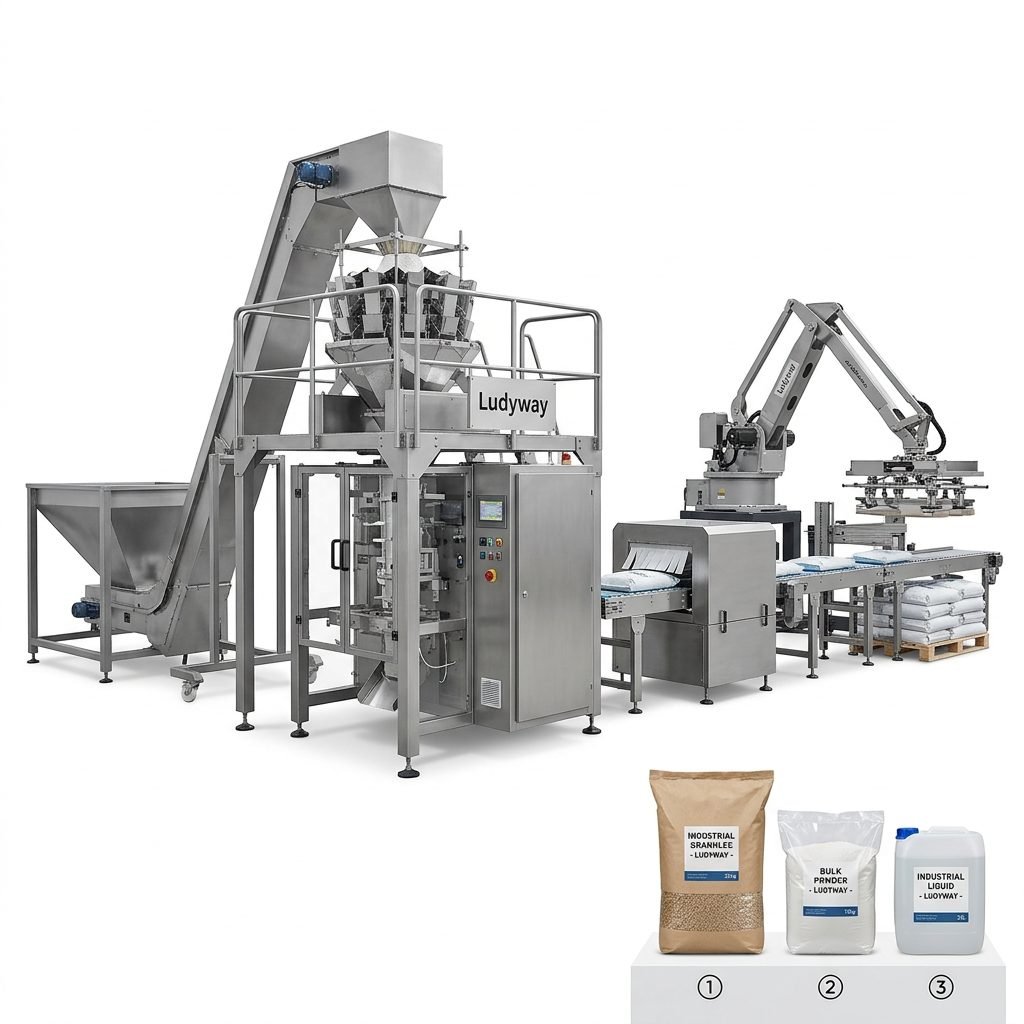
A turnkey solution is a project delivered in a complete, ready-to-operate state. In packaging, this means a supplier provides not just a single machine, but a fully integrated system encompassing all necessary equipment—from filling and sealing to labeling, cartoning, and palletizing. The client simply “turns the key” to begin production. This approach eliminates the complexity of sourcing individual components from multiple vendors, ensuring compatibility, seamless communication between machines, and a single point of accountability. The result is a harmonious production flow that maximizes uptime and minimizes integration headaches.
Key Benefits of an Automated Turnkey System
- Accelerated Time-to-Market: With design, installation, and commissioning handled by one expert partner, your production line becomes operational significantly faster.
- Enhanced Production Speed & Consistency: Automated systems operate at constant, high speeds with robotic precision, eliminating human error and variability.
- Optimized Floor Space & Labor: Integrated systems are designed for compact, efficient layouts. They also reduce reliance on manual labor, allowing staff to focus on supervision and quality control.
- Future-Proof Scalability: A well-designed turnkey system is built with modularity in mind, allowing for easier capacity expansion or product changeovers down the line.
Deconstructing the Complete Automated System
A sophisticated turnkey packaging line is a symphony of coordinated technologies. Let’s explore the typical components that work in unison.
1. Primary Packaging: The Foundation of Product Integrity
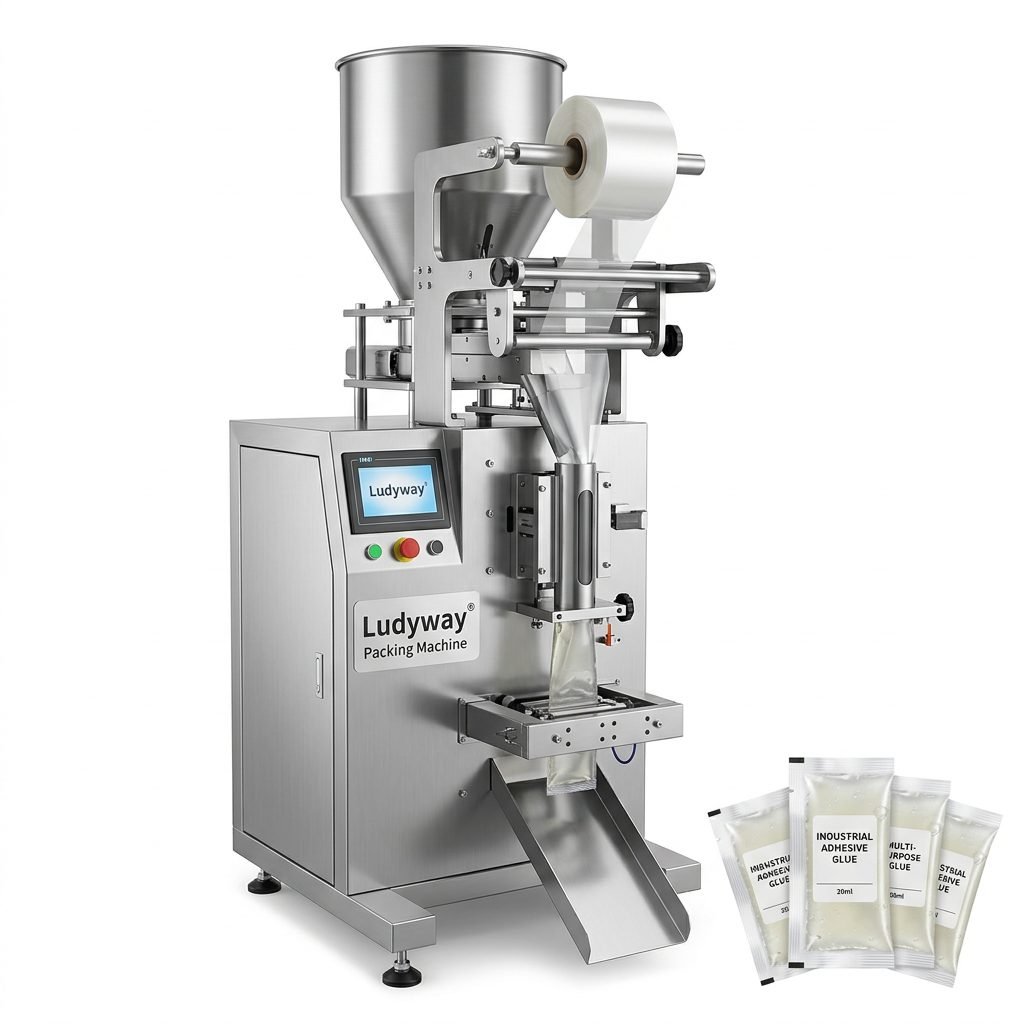
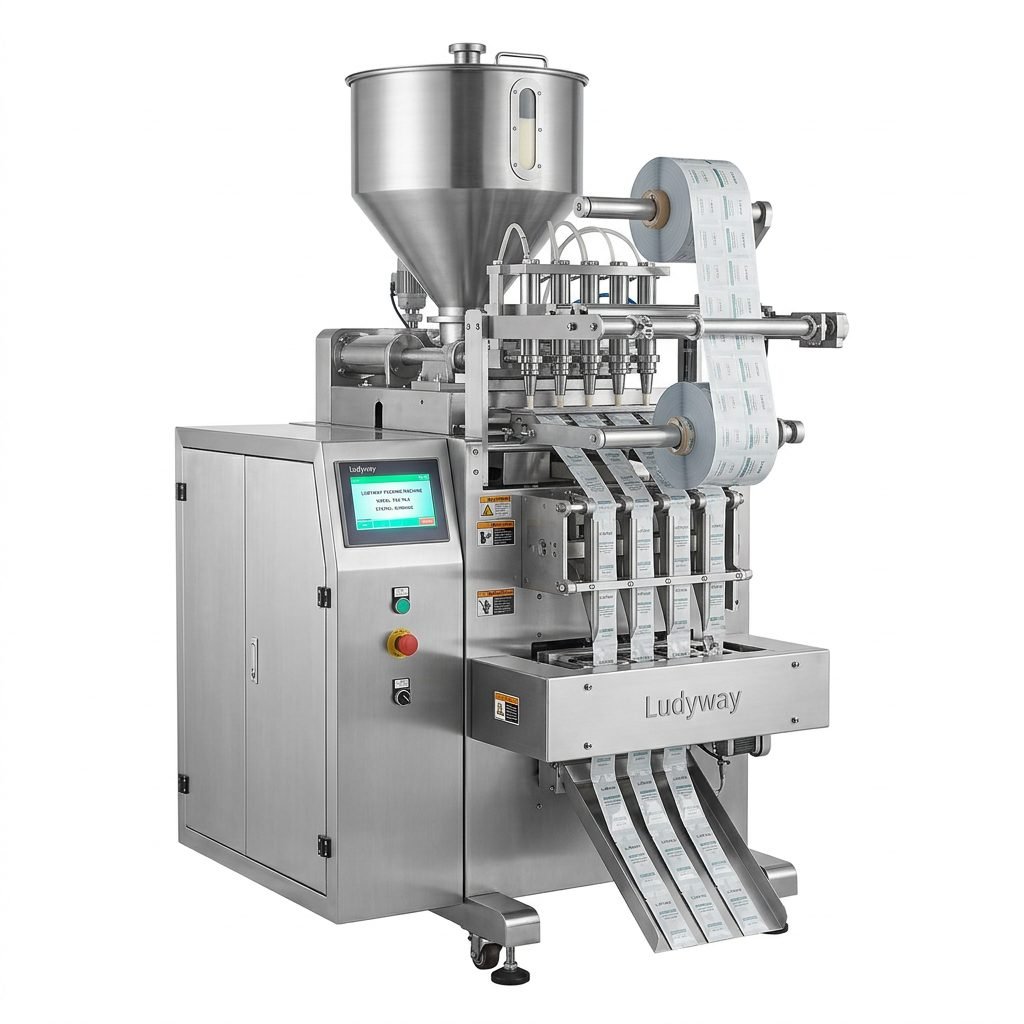
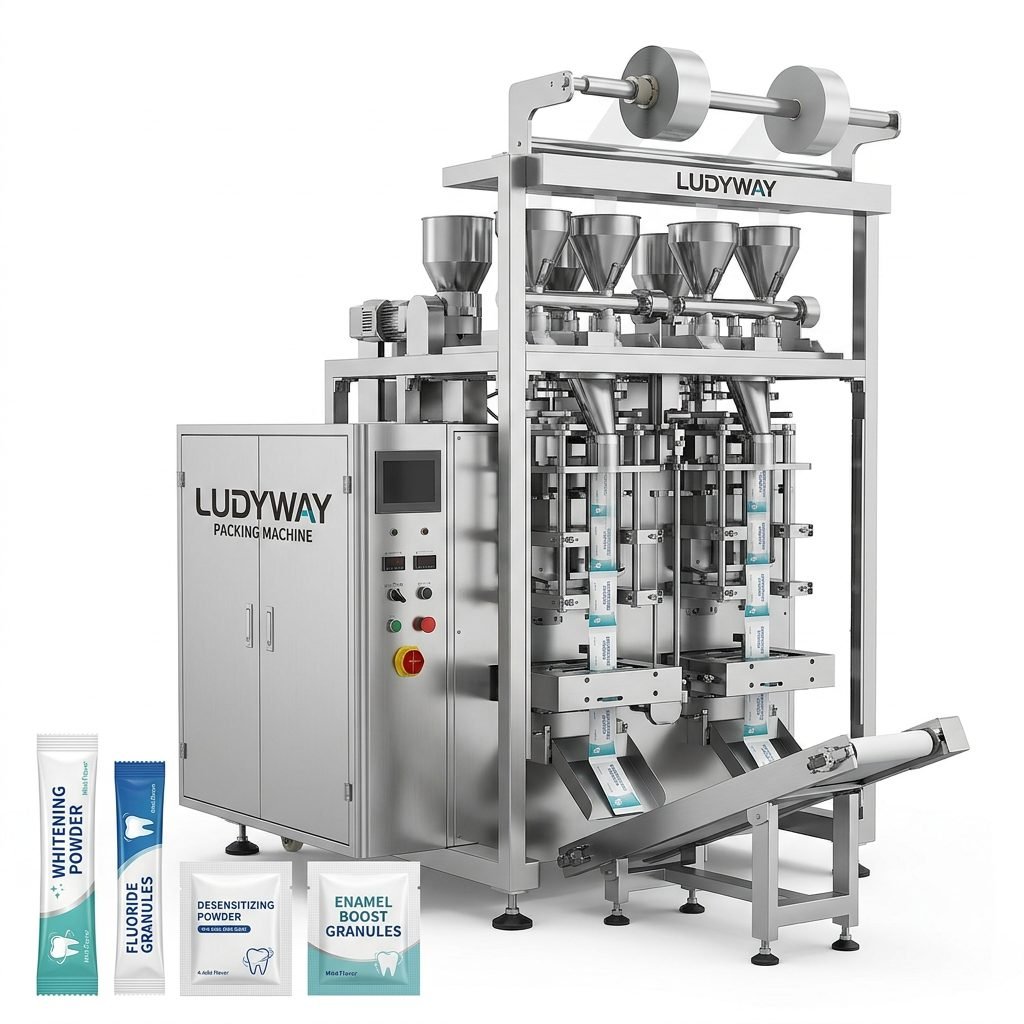
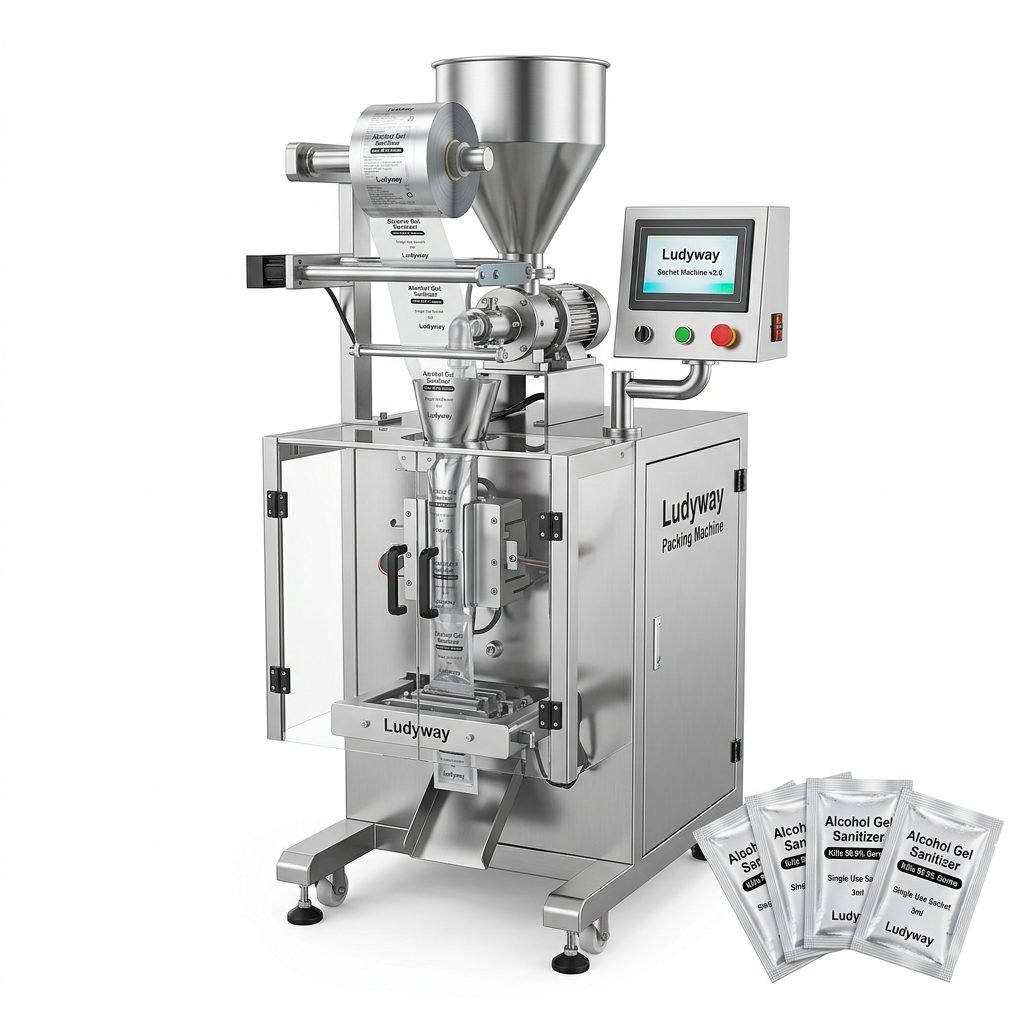
This stage involves the first direct contact between the product and its packaging material. Advanced machines here handle a vast array of formats, including multi-lane stick pack machines for single-serve portions and high-speed sachet packaging systems for powders, granules, and liquids. Precision is paramount, with micro-dosing technology ensuring each unit contains the exact specified weight or volume, crucial for industries like pharmaceuticals and premium food products.
2. Secondary & Tertiary Packaging: Building for Logistics
Once products are individually packed, they are grouped for distribution. This involves:
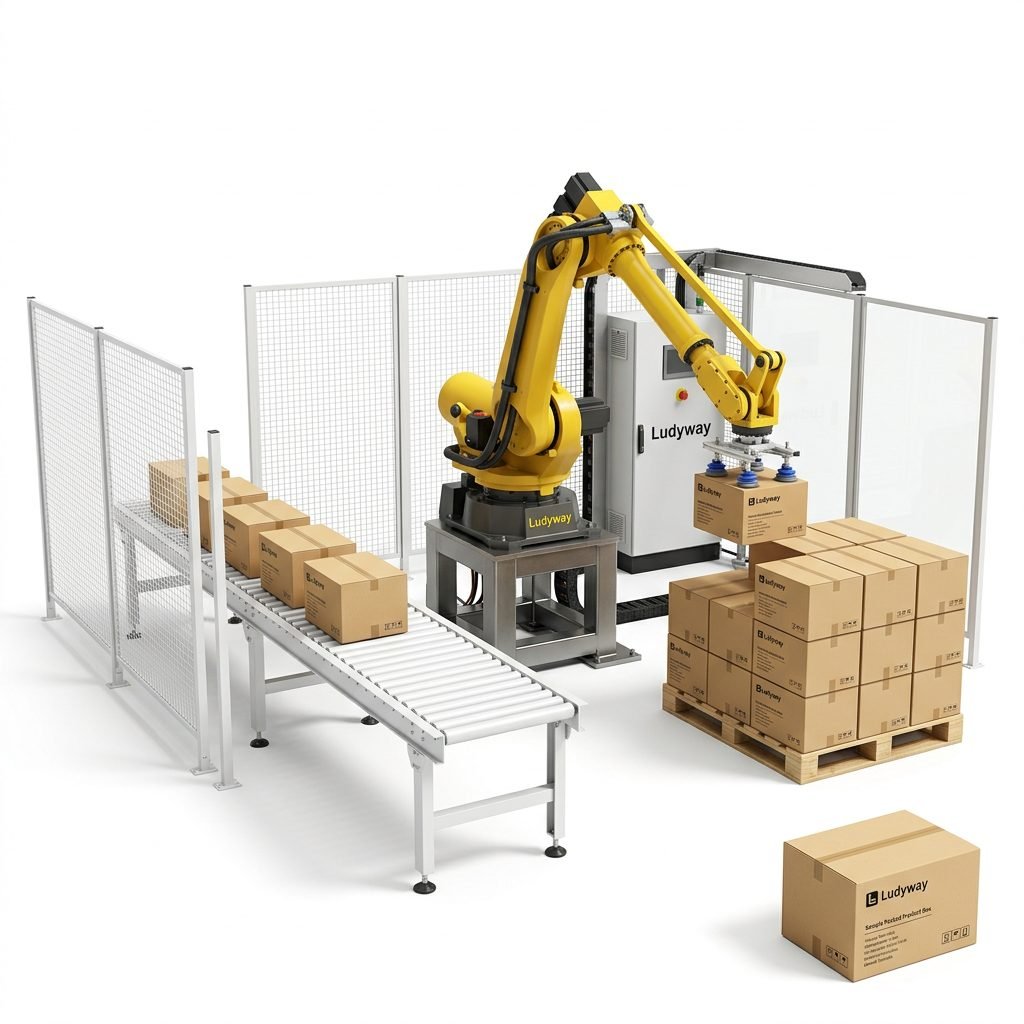
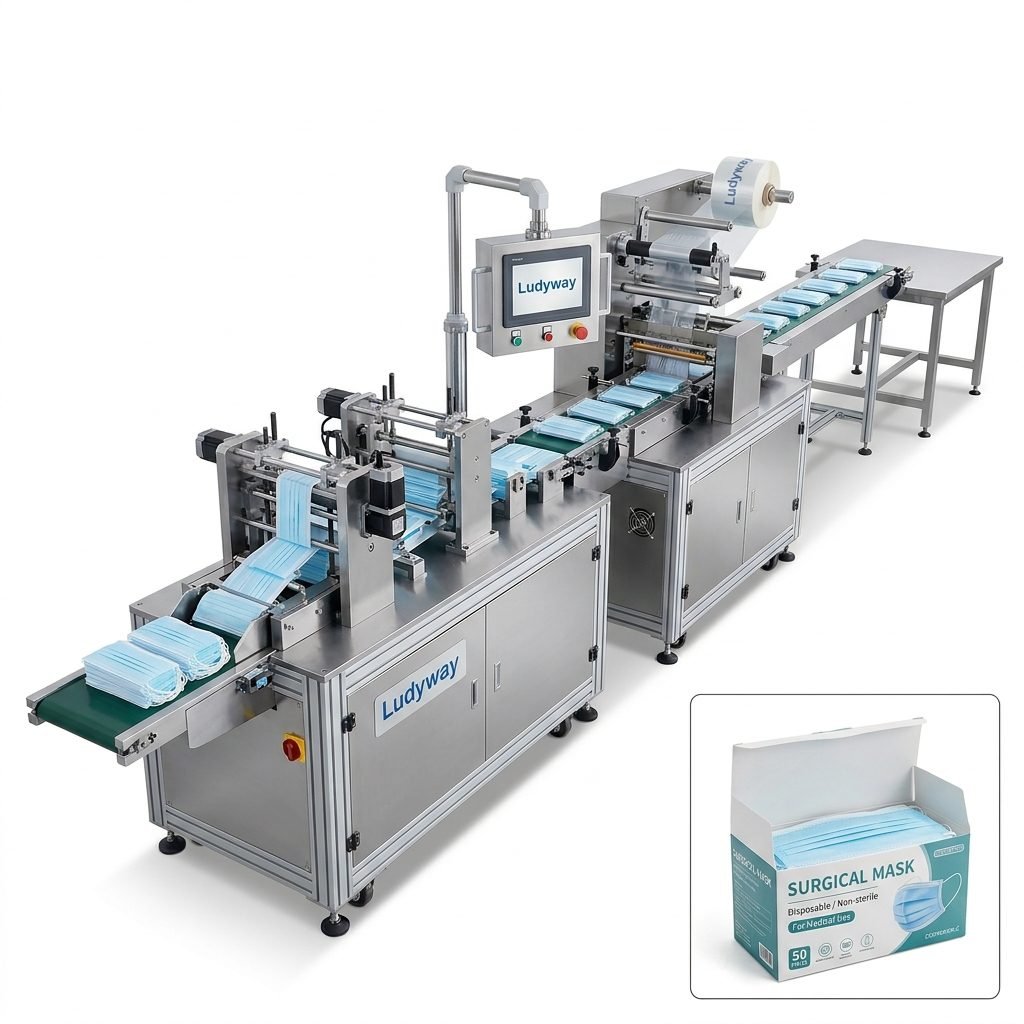
- Cartoning & Case Packing: Robots or automated arms gently collate individual packages into cartons or cases, applying unprecedented speed and care.
- Labeling & Coding: Integrated printers apply batch codes, expiry dates, and barcodes directly onto packages or labels, ensuring full traceability and compliance.
- Palletizing: The final step where cases are automatically stacked onto pallets in stable, transport-ready configurations, ready for warehousing or shipping.
The Intelligence Behind the Automation: Smarter Production
Modern turnkey systems transcend mere mechanics. They are intelligent networks equipped with Industrial Internet of Things (IIoT) capabilities and sophisticated control software.
💡 Smart Features That Drive Efficiency
Centralized Control & Monitoring: A single Human-Machine Interface (HMI) or supervisory control system provides a real-time dashboard view of the entire line’s performance, speed, efficiency (OEE), and any fault alerts.
Predictive Maintenance: Sensors monitor vibration, temperature, and wear on critical components. The system analyzes this data to predict potential failures before they cause unplanned downtime, scheduling maintenance during planned stops.
Data Analytics & Reporting: Every action is logged. Production managers gain deep insights into yield, waste, bottlenecks, and trends, enabling continuous, data-driven process optimization.
Customization: The Heart of a True Turnkey Solution
No two production challenges are identical. A provider’s expertise is truly tested in their ability to customize. This involves engineering solutions for unique product characteristics (e.g., sticky granules, volatile liquids), specific packaging materials, desired output speeds, and integration with existing upstream or downstream equipment. Partnering with a specialist like Ludyway Machinery, which offers over 50 intelligent packaging machine models, ensures access to this crucial engineering flexibility.
Strategic Implementation: From Vision to Reality
Adopting a turnkey solution is a strategic partnership. The process typically involves:
- Needs Analysis & Line Design: Experts work with you to define goals, audit current processes, and design the optimal line layout.
- Engineering & Fabrication: Equipment is selected, customized, and built, often with factory acceptance testing (FAT) to verify performance.
- Installation & Commissioning: The system is installed on your floor, calibrated, and fine-tuned with your actual product and materials.
- Training & Support: Comprehensive operator and maintenance training is provided, backed by ongoing technical support and spare parts services.
This holistic approach, backed by deep industry experience—such as the 30+ years of knowledge that informs Ludyway’s solutions—de-risks the investment and ensures a smooth transition to higher-level automation.
Conclusion: Unlocking Competitive Advantage
Investing in a turnkey packaging machinery solution is an investment in the future resilience and profitability of your operation. It consolidates complexity, injects intelligence into every process, and delivers the tangible outcomes of faster production speeds, lower operational costs, and superior product quality. In an era where agility and efficiency define market leaders, moving from fragmented, manual processes to a complete, automated system is not just an upgrade—it’s a strategic imperative for smarter growth.
Frequently Asked Questions (FAQs)
1. What is the main difference between a single machine and a turnkey solution?
A single machine performs one specific function (e.g., filling). A turnkey solution is a complete, integrated production line comprising all necessary machines (filling, sealing, labeling, etc.), controls, and software, delivered as one operational unit by a single supplier.
2. How long does it typically take to implement a complete automated packaging line?
The timeline varies based on complexity and customization, but a standard project can range from 4 to 9 months from design to full commissioning. A clear advantage of the turnkey model is that this timeline is managed and guaranteed by your single provider, avoiding delays from multi-vendor coordination.
3. Are turnkey solutions only for large corporations with high volume?
Not at all. While they offer massive scale, the principles of integration and automation are scalable. Many providers design compact, modular lines suitable for mid-sized manufacturers looking to improve efficiency, consistency, and prepare for growth, making advanced automation more accessible than ever.
4. What kind of after-sales support should I expect?
A reputable provider will offer comprehensive support including detailed training for your operators and maintenance teams, readily available spare parts, remote diagnostic assistance, and on-site service. Look for a partner with a proven global support network and a commitment to long-term cooperation, as this is vital for maintaining peak line performance.
5. Can a new automated line handle different packaging formats or products?
Yes, flexibility is a key design criterion. Modern lines are often built with quick-changeover capabilities, allowing for adjustments in package size, shape, or product type with minimal downtime. Discuss your future product roadmap with your solution provider during the design phase to ensure the system is adaptable.