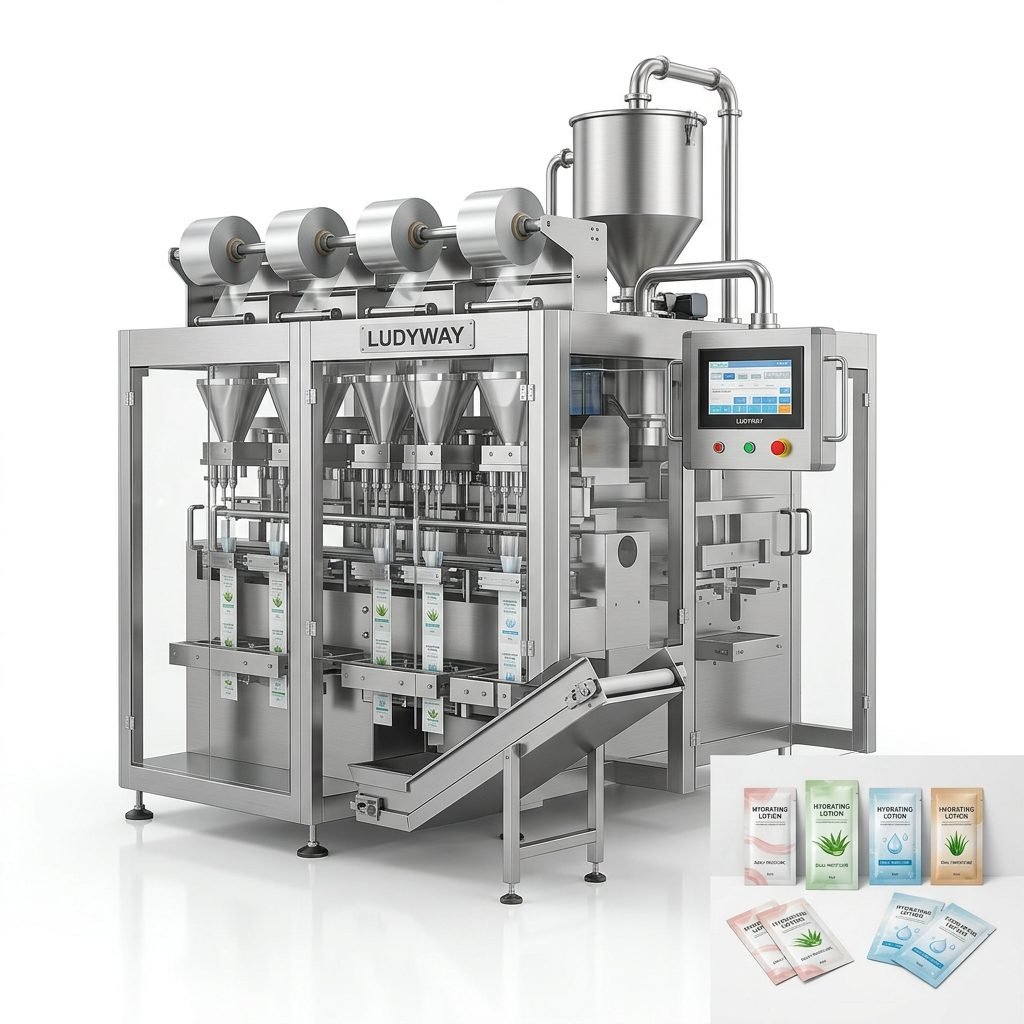
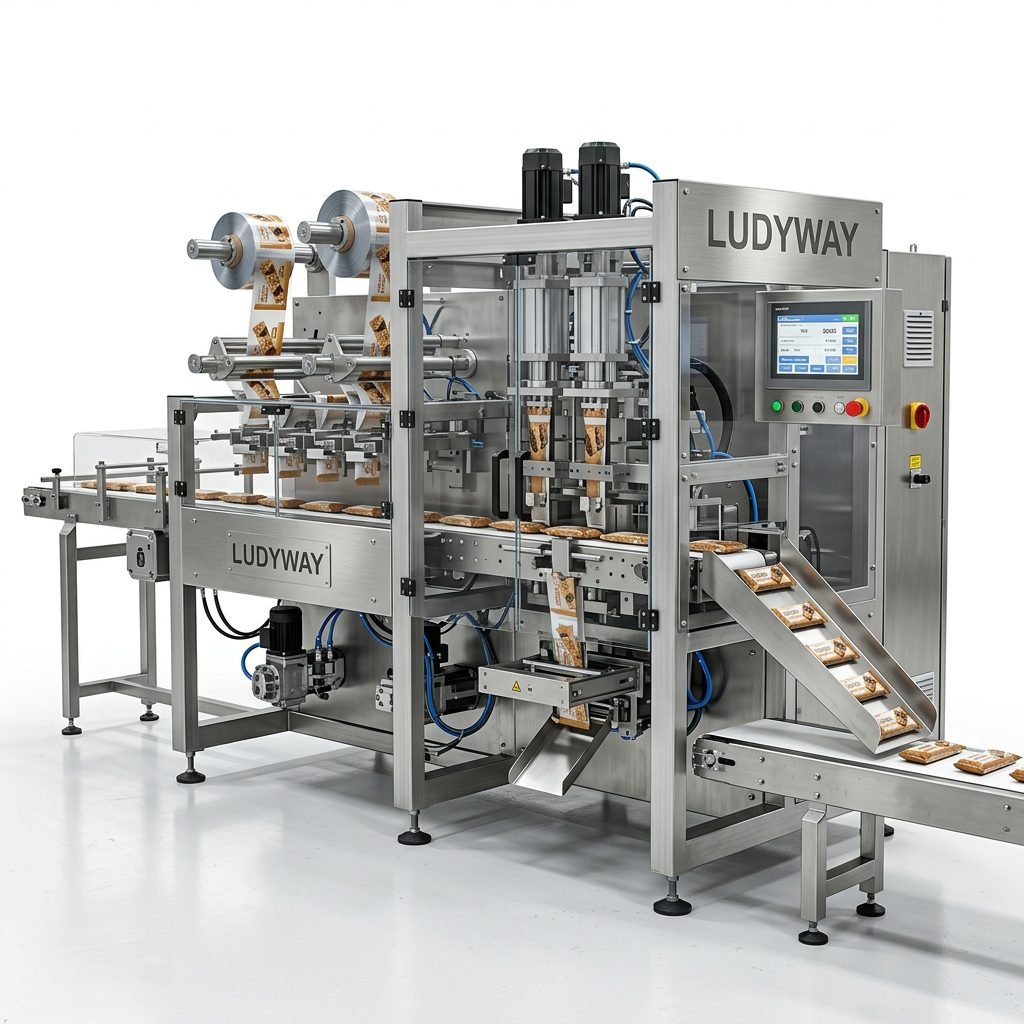
In the highly competitive poultry and meat processing industry, efficiency and hygiene are not just operational goals—they are critical determinants of product quality, shelf life, and consumer trust. The journey from farm to table involves numerous handling stages, each presenting a potential risk for contamination, spoilage, or efficiency loss. This is where advanced poultry packaging equipment steps in as a cornerstone of modern food processing. The right packaging solutions do more than just wrap a product; they create a protective, hygienic, and brand-enhancing environment that ensures meat arrives at its destination in optimal condition.
The Critical Role of Packaging in Modern Meat Processing
Modern consumers demand freshness, safety, and transparency. Packaging is the final, and often most visible, safeguard in the meat supply chain. It protects against physical damage, microbial contamination, and oxidation while also providing essential product information. For processors, packaging is integral to automation, extending shelf life, reducing waste, and maintaining consistent portion control. An investment in superior poultry packaging machinery is an investment in brand reputation and operational excellence.
Key Benefits of Automated Packaging Lines
Transitioning to automated systems offers transformative advantages:
✅ Enhanced Hygiene: Minimizes human contact, reducing cross-contamination risks in critical zones.
✅ Superior Efficiency: Dramatically increases output speed and consistency compared to manual packing.
✅ Reduced Operational Costs: Lowers labor requirements and decreases product giveaway through precise weighing and filling.
✅ Improved Product Presentation: Ensures tight, uniform seals and professional packaging that appeals to retailers and consumers.
Essential Poultry Packaging Equipment for Your Operation
A complete, efficient packaging line is a symphony of specialized machines, each performing a vital function. Understanding the role of each component is key to building a solution that meets your specific throughput and product requirements.
1. Primary Packaging Systems: The First Layer of Defense
This equipment handles the direct contact packaging of meat products.
- Vacuum Skin Packers (VSP): Ideal for fresh red meat and poultry cuts. A heated film drapes snugly over the product, creating a “second skin” that locks in juices, provides a superior barrier, and offers an attractive, high-quality presentation.
- Modified Atmosphere Packaging (MAP) Machines: Crucial for extending shelf life. These machines replace the air inside the package with a controlled gas mixture (like CO2 and N2) that slows microbial growth and oxidation. They are often paired with rigid tray sealers.
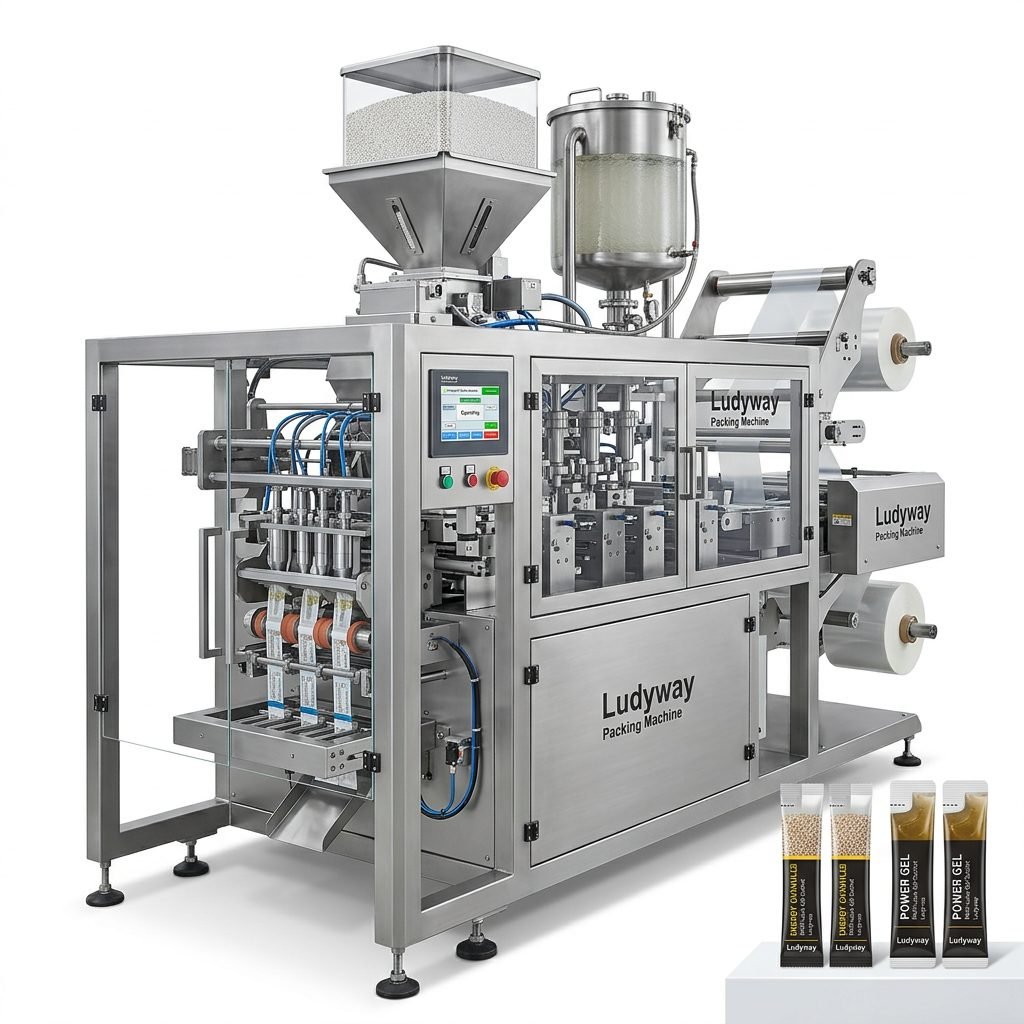
- Flow Wrappers: The workhorses for high-speed packaging of individual items like sausages, burger patties, or marinated portions. They use a continuous roll of film to create a tight, secure wrap around each product.
2. Weighing, Filling, and Labeling: Precision and Compliance
Accuracy and traceability are non-negotiable in food processing.
Combined Weighing & Filling Solutions
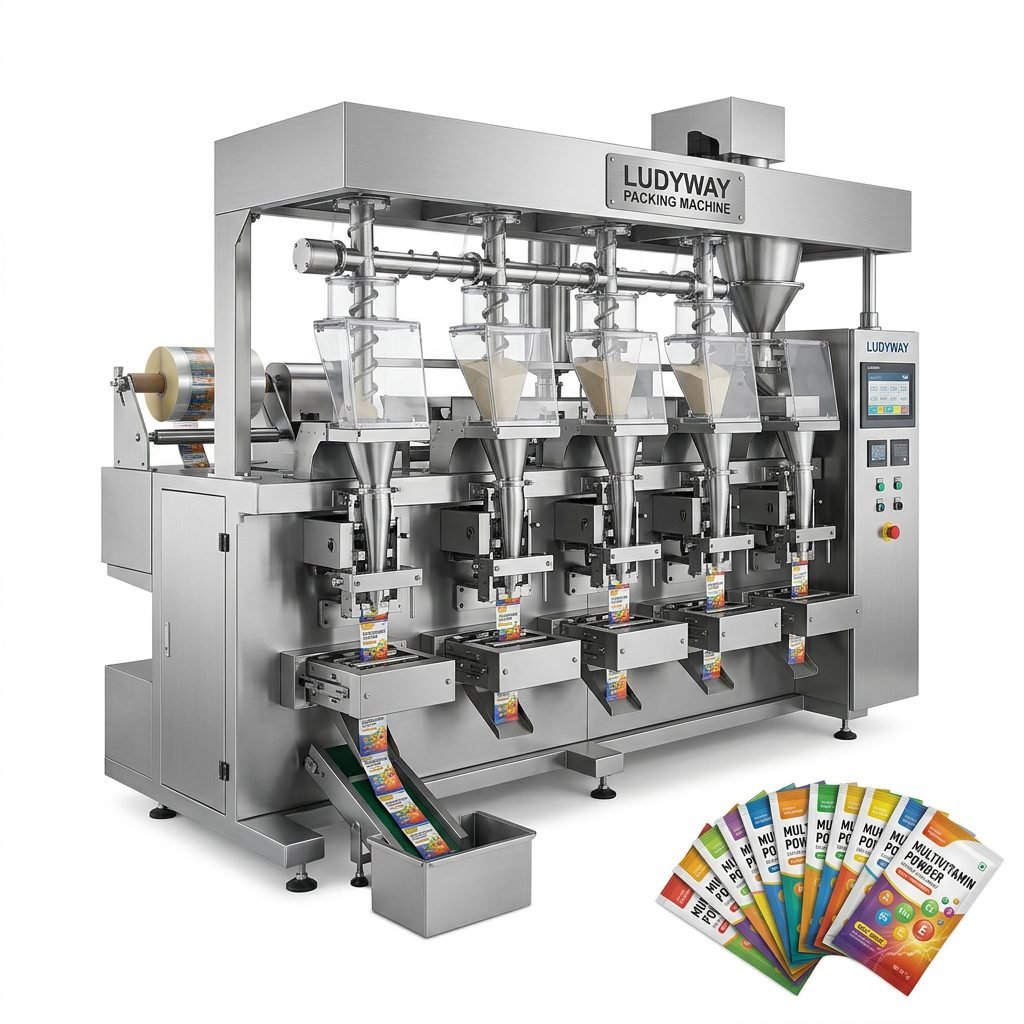
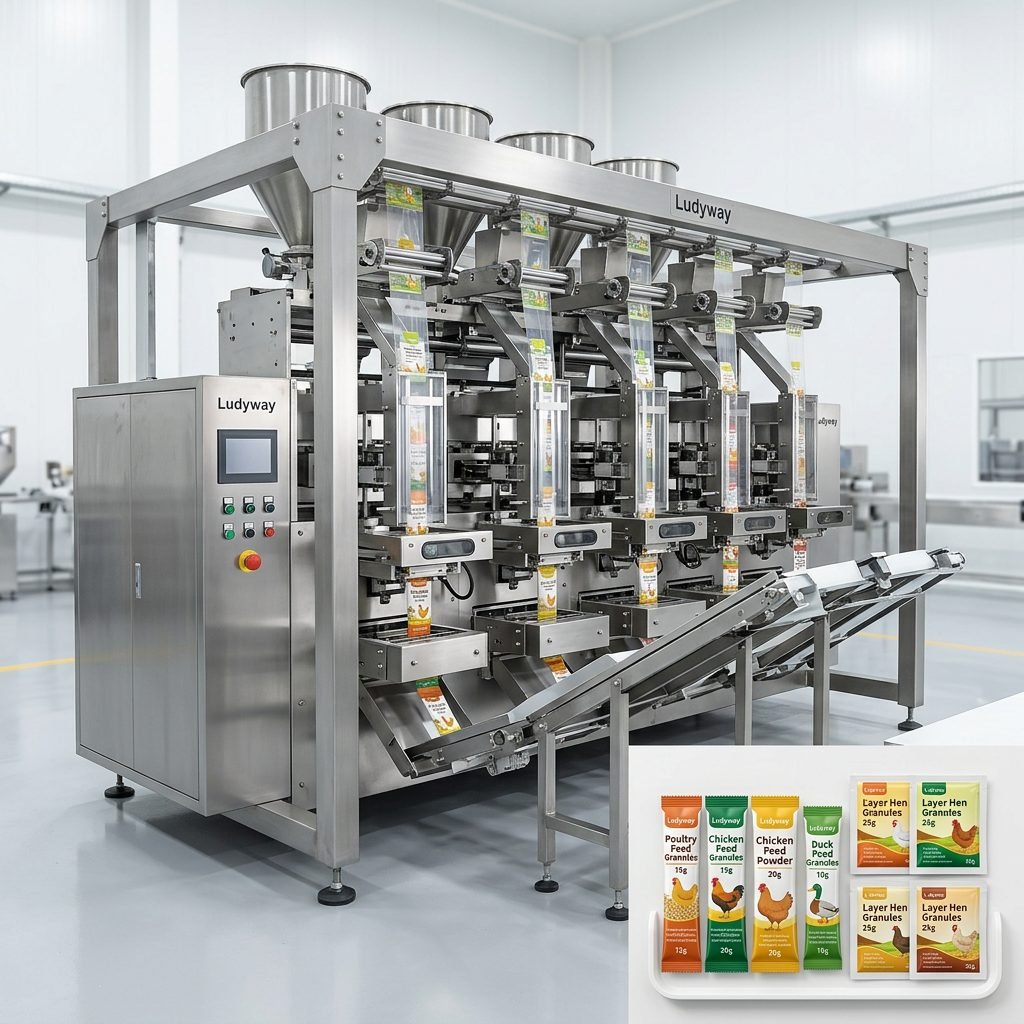
Modern multi-head weighers and auger fillers ensure exact weight portions for bulk packs of ground meat, diced poultry, or value-added products. This precision directly impacts profitability and regulatory compliance. Integrated checkweighers can then verify each package’s weight, automatically rejecting any under or over-weight items.
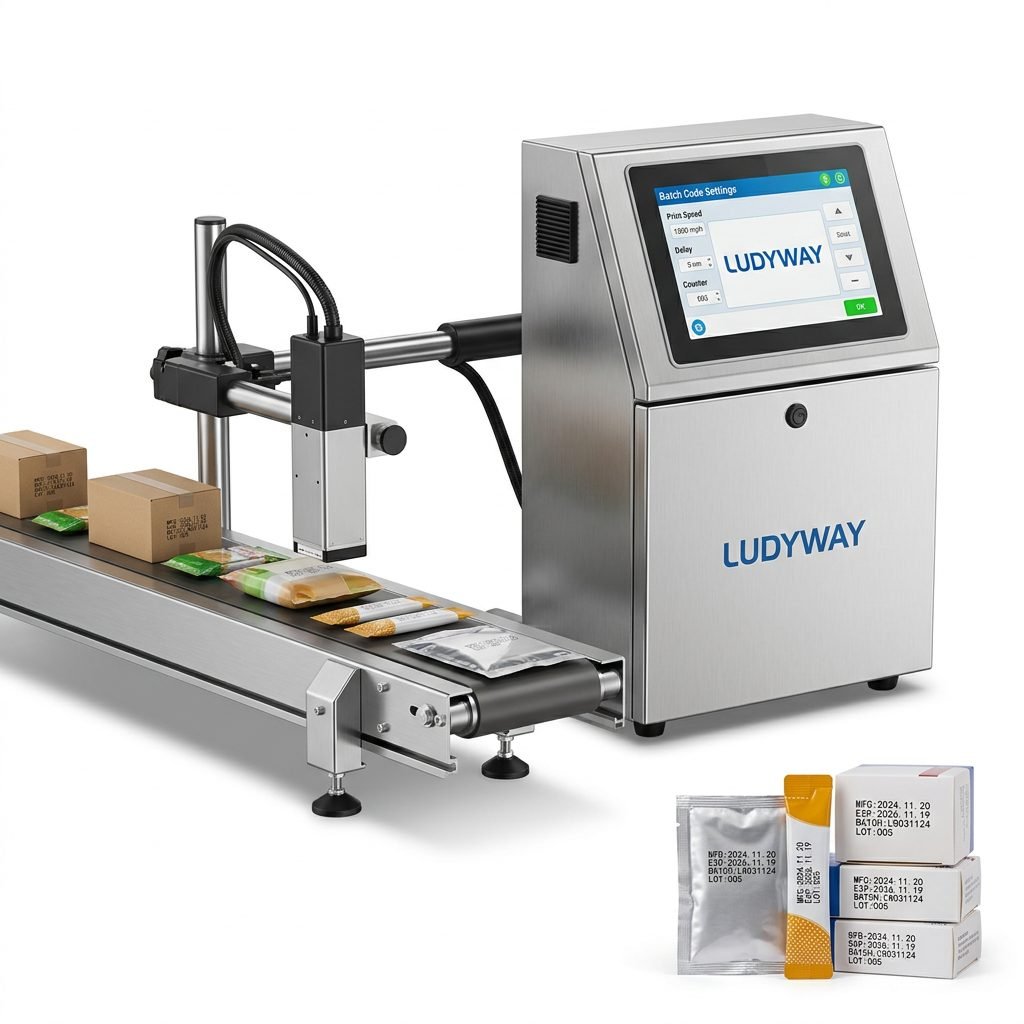
Labeling systems, including printers and applicators, are vital for applying barcodes, nutritional information, batch codes, and expiry dates. This ensures full traceability back to the source, a key requirement for food safety standards and supply chain management.
3. End-of-Line Solutions: Handling and Palletizing
Once packaged, products must be efficiently collated and prepared for shipping.
Case Packers and Cartoners automatically group individual packages into retail-ready boxes or trays. Palletizers then stack these cases onto pallets in stable, transport-ready configurations. Automating these final steps reduces labor, minimizes handling damage, and significantly speeds up the dispatch process. For operations looking to scale, exploring complete turnkey production line solutions can streamline integration and boost overall output.
Selecting the Right Equipment Partner
Choosing machinery is about more than just specifications; it’s about choosing a partner who understands the complexities of food processing.
Hygienic Design & Cleanability: Equipment must be constructed with food-grade, corrosion-resistant materials (like stainless steel) and designed for easy, thorough cleaning to meet stringent HACCP and FDA standards.
Flexibility & Scalability: Can the system handle different product sizes, package types, and materials? Can it be upgraded as your business grows? A flexible system protects your investment for the long term.
Reliability & Support: Downtime is costly. Partner with a manufacturer known for robust engineering and reliable performance. Ensure they offer comprehensive technical support, readily available spare parts, and operator training. A partner with deep industry experience and engineering capability is invaluable.
Future-Proofing Your Investment: Trends to Watch
The future of poultry packaging is intelligent and sustainable. Smart Packaging with integrated sensors can monitor temperature or freshness throughout the supply chain. Robotics are increasingly used for delicate handling tasks like packing irregularly shaped cuts. Furthermore, there is a strong industry push towards sustainable materials—developing and adopting recyclable or compostable films that maintain necessary barrier properties without environmental compromise.
Frequently Asked Questions (FAQs)
1. What is the most important factor when choosing poultry packaging equipment?
The paramount factor is hygienic design and cleanability. The equipment must be constructed to meet strict food safety standards (e.g., USDA, EU regulations), with smooth surfaces, minimal crevices, and be easy to disassemble for sanitation. This directly prevents microbial harborage and cross-contamination.
2. How does Modified Atmosphere Packaging (MAP) extend the shelf life of poultry?
MAP replaces the oxygen-rich air inside a package with a controlled gas mixture, typically high in carbon dioxide (CO2) and nitrogen (N2). CO2 inhibits the growth of spoilage bacteria and molds, while N2 acts as a filler gas to prevent package collapse. This process can extend the shelf life of fresh poultry by several days compared to traditional air packaging.
3. Can one packaging line handle different types of meat products?
Yes, with the right flexible or modular equipment. Many modern machines allow for quick changeovers in film size, tray dimensions, and sealing parameters. It’s crucial to discuss your specific product range (e.g., whole birds, cuts, ground meat, value-added products) with your equipment supplier to design a line that can efficiently handle your required variability.
4. What is the typical ROI for automating a poultry packaging line?
Return on Investment (ROI) varies based on scale and current processes, but automation typically shows a strong ROI through: reduced labor costs, increased throughput, decreased product giveaway from precise weighing, and lower rates of rework or waste due to improved hygiene and consistency. Most operations see a payback period within 1 to 3 years.
5. How critical is after-sales service and technical support?
Extremely critical. Packaging equipment is complex and essential to daily operations. Reliable, responsive technical support for maintenance, troubleshooting, and spare parts is vital to minimize costly downtime. Always choose a supplier with a proven track record of strong customer service and local support networks to ensure your line remains productive.