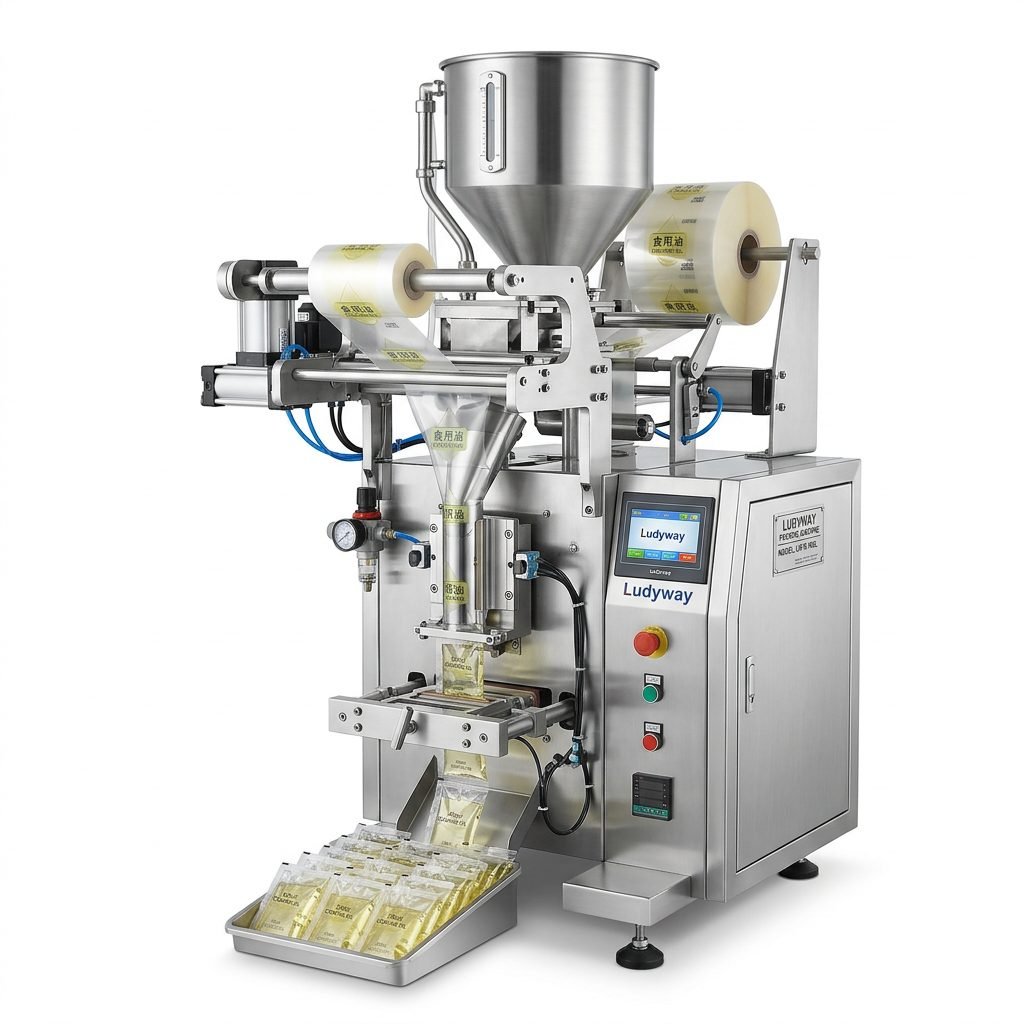
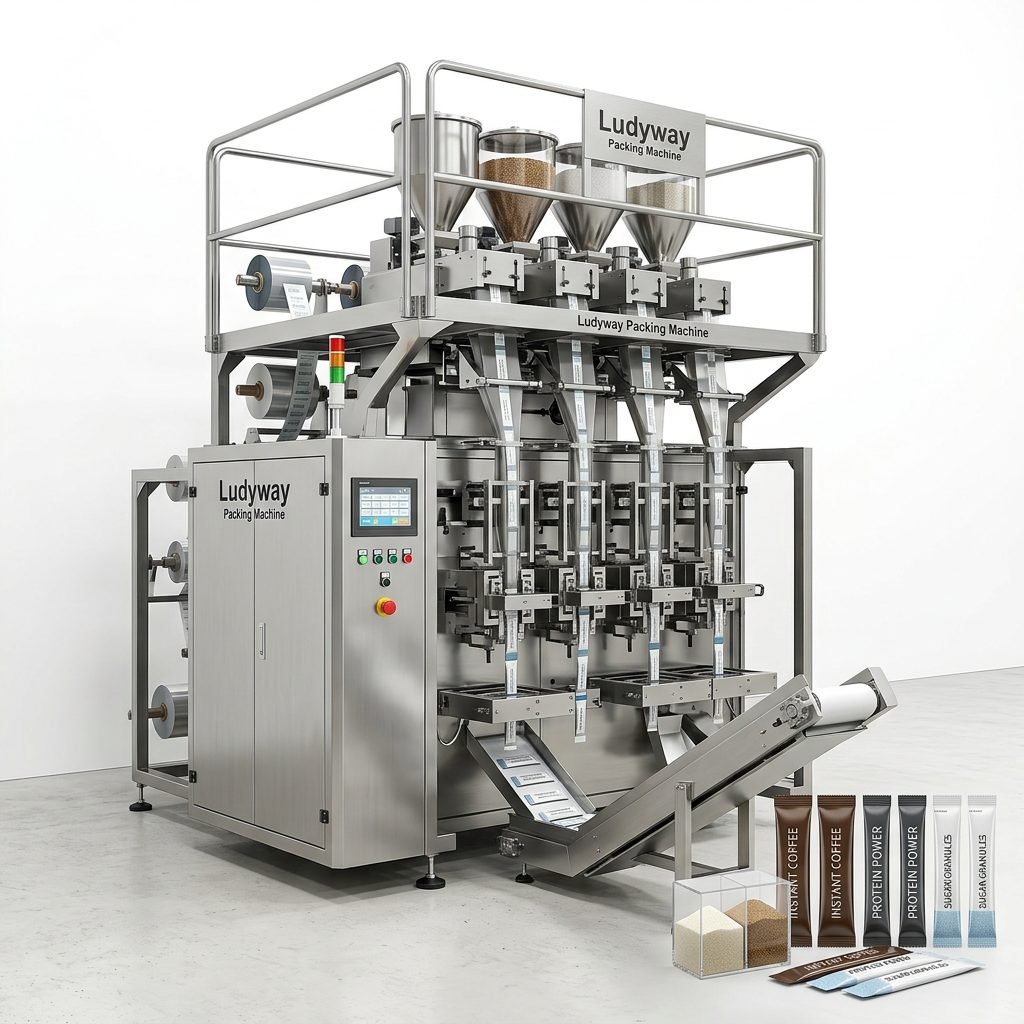
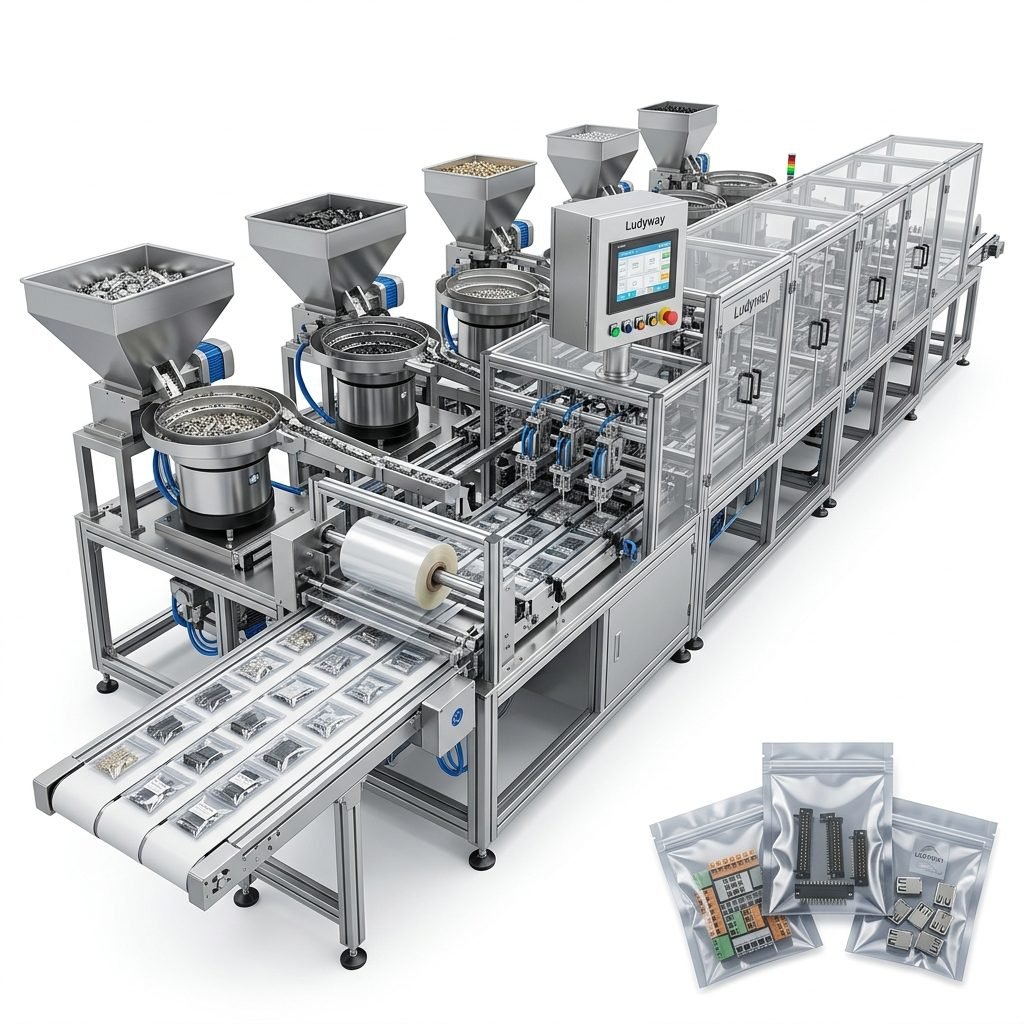
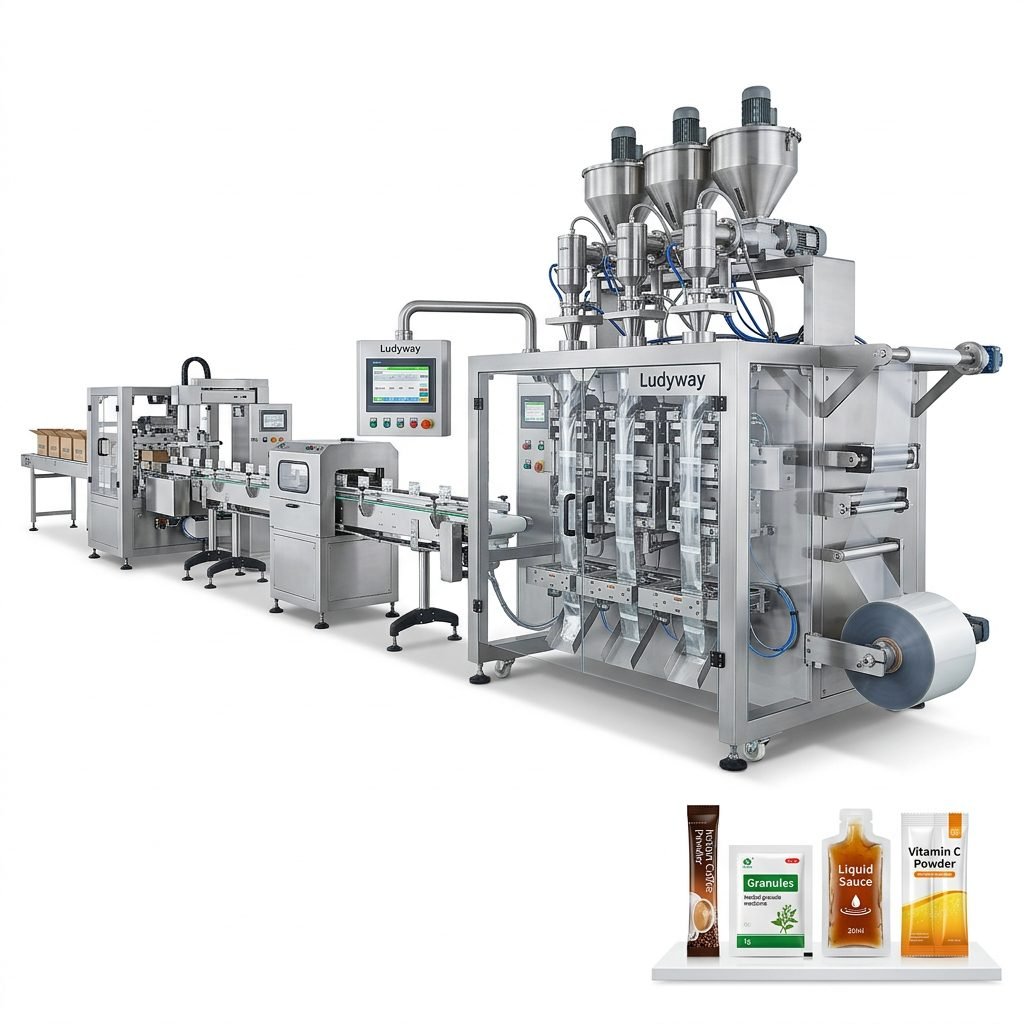
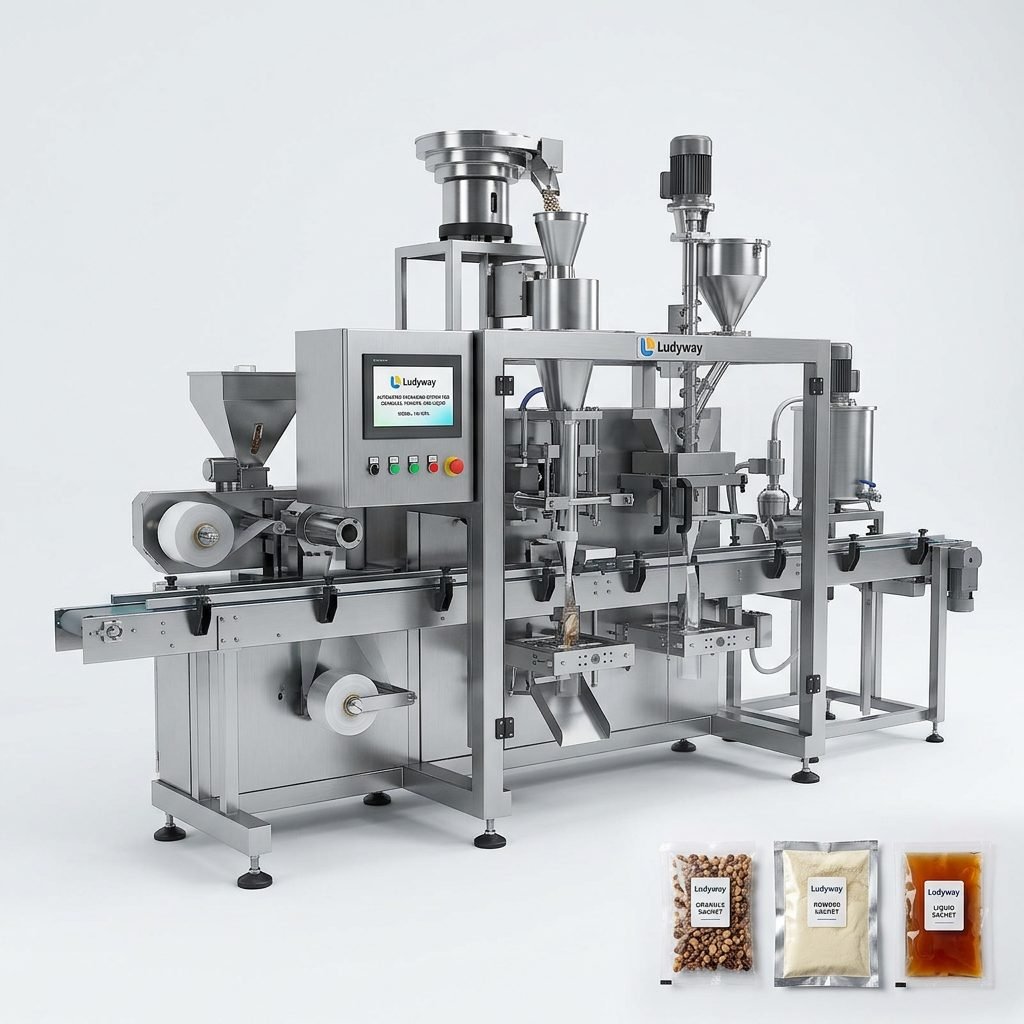
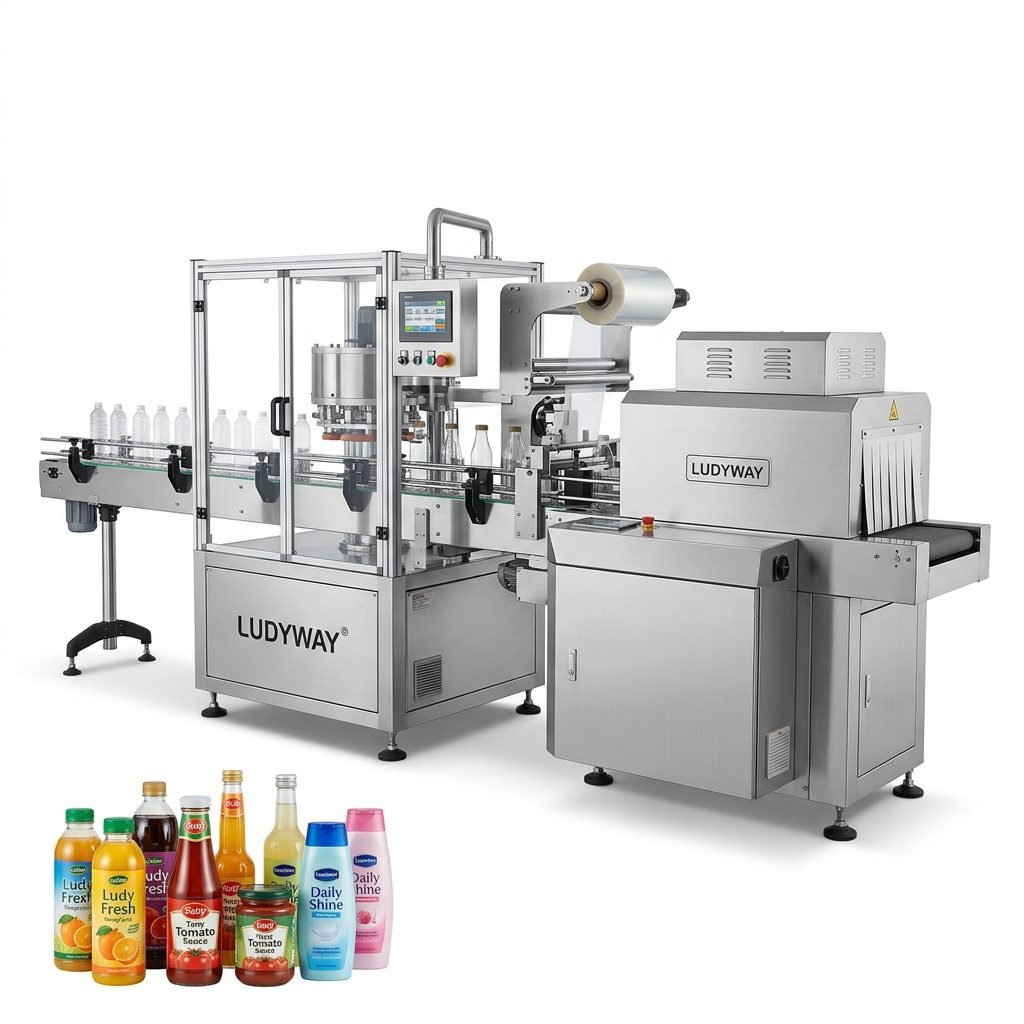
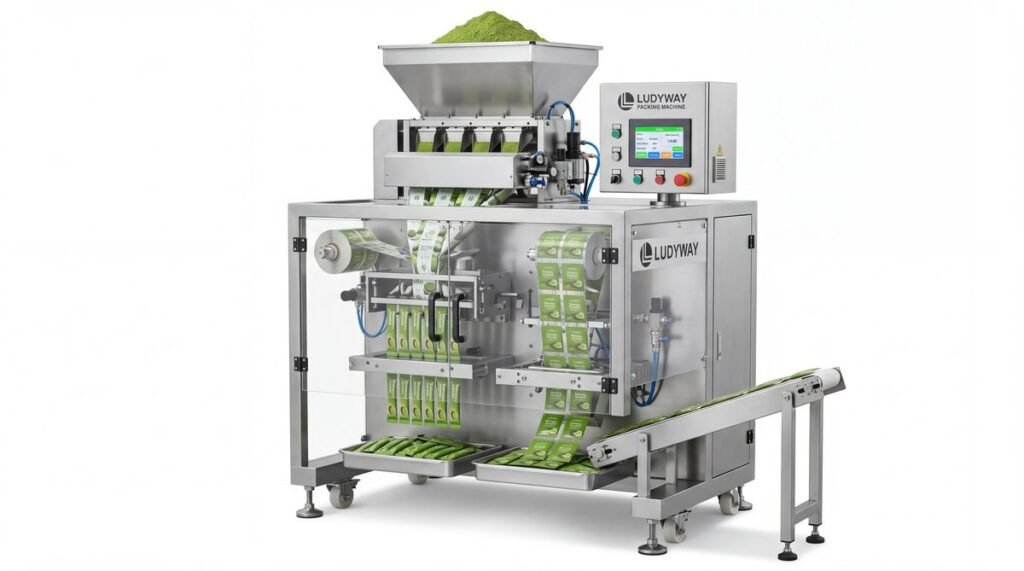
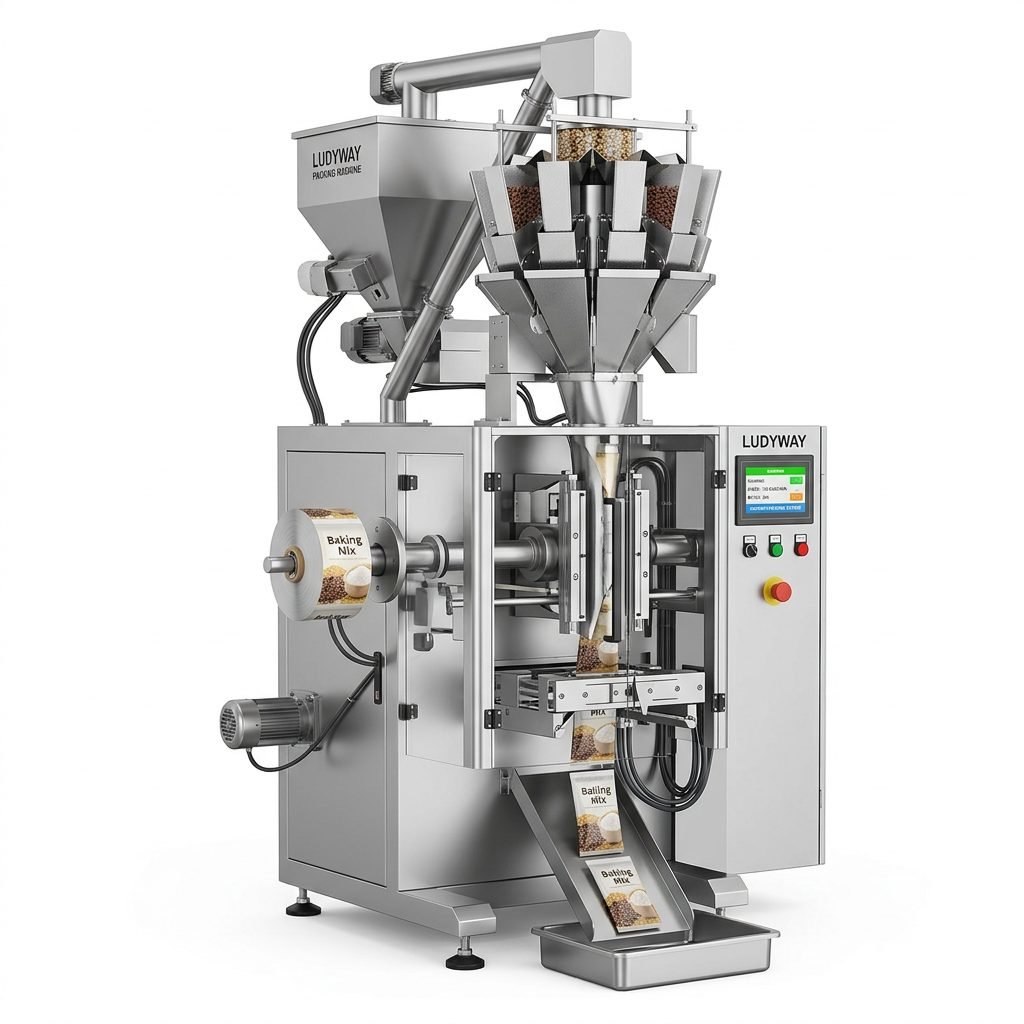
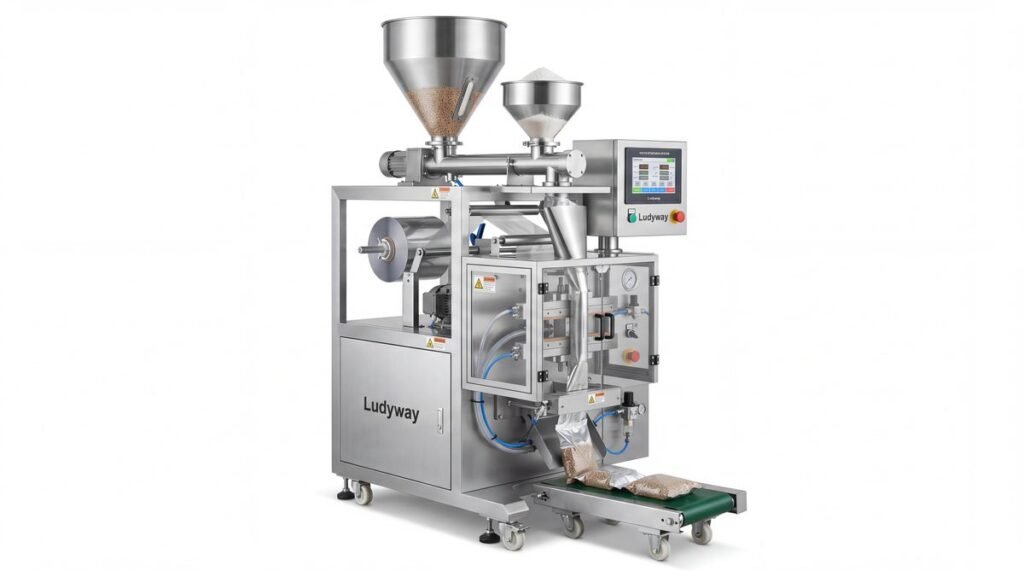
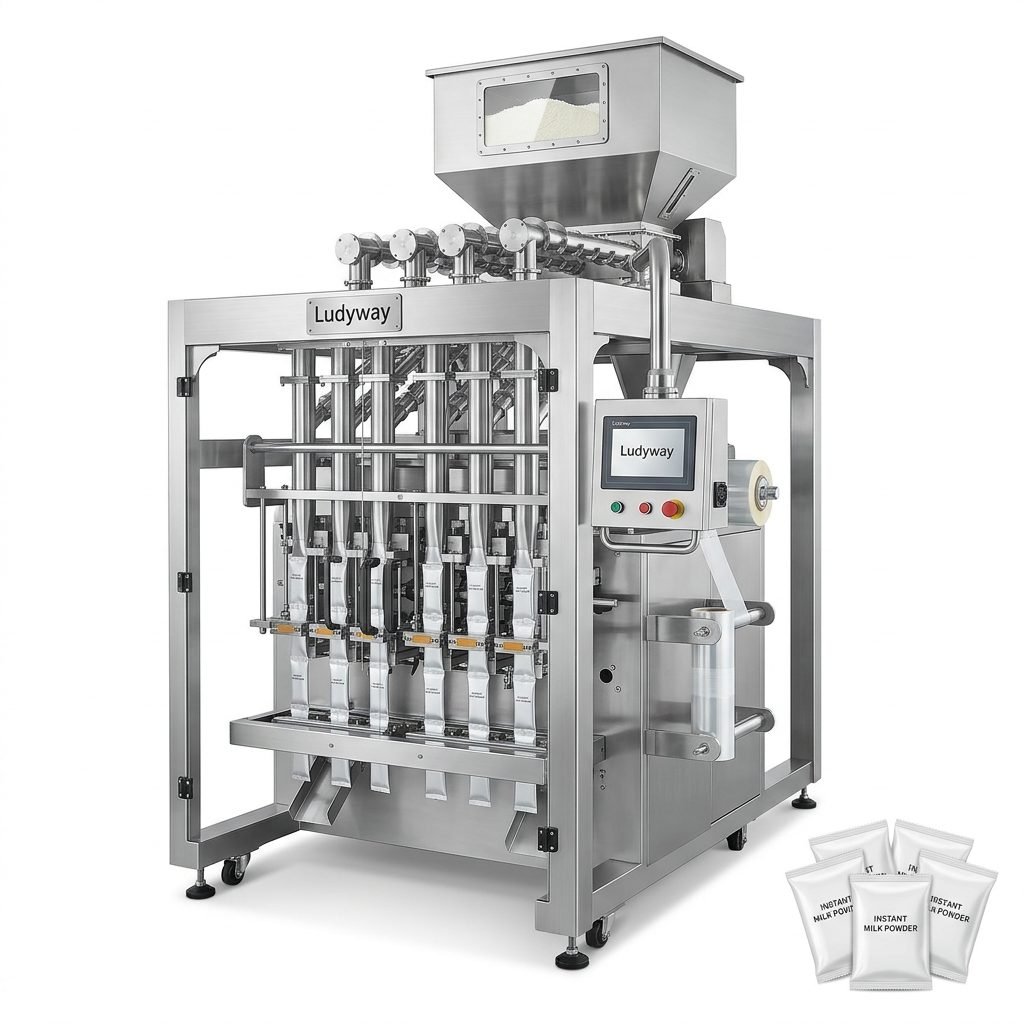
In today’s fast-paced manufacturing landscape, efficiency and precision are non-negotiable. High-speed visual packaging machinery has emerged as a cornerstone technology, revolutionizing automated production lines across industries like food, pharmaceuticals, and health products. By integrating advanced vision systems with rapid mechanical action, this equipment ensures not only blistering packaging speeds but also uncompromising accuracy and quality control.
The Core Technology: Vision Meets Velocity
At the heart of this machinery lies a sophisticated synergy between high-resolution cameras, intelligent software, and precision actuators. The visual system acts as the “eyes” of the machine, continuously inspecting products, packaging materials, and prints at incredible speeds. This real-time data is processed instantly, allowing the mechanical components to make micro-adjustments for perfect alignment, fill levels, and seal integrity—all without slowing down the production flow.
→ Key Advantage: This closed-loop feedback system eliminates human error and detects defects—like mislabels, seal flaws, or missing items—that would be impossible to catch at such high throughputs manually.
Driving Efficiency in Automated Production Lines
The primary value proposition of high-speed visual packaging systems is their transformative impact on overall equipment effectiveness (OEE). They are engineered to minimize changeover times, reduce material waste, and eliminate costly production stoppages.
- Maximized Uptime: Predictive maintenance alerts and easy-access design prevent unexpected downtime.
- Reduced Waste: Precise portion control and material handling slash overfilling and packaging waste.
- Seamless Integration: These machines are designed to communicate with upstream and downstream equipment, creating a cohesive, synchronized production line. For a deeper look at complete system integration, explore our insights on turnkey production solutions.
Applications Across Critical Industries
The adaptability of visual packaging machinery makes it indispensable in sectors where hygiene, accuracy, and speed are paramount.
Pharmaceutical & Health Products
Ensuring 100% correct labeling, blister pack integrity, and the presence of leaflets in every box is critical for compliance and patient safety. Vision systems provide audit-ready documentation for every batch.
Food & Beverage
From checking seal integrity on granule stick packs to verifying date codes on sachet packaging, this technology safeguards brand reputation and extends shelf life by preventing leakers and contaminants.
Beyond Speed: The Data Intelligence Layer
Modern high-speed visual packers are not just mechanical workhorses; they are data hubs. They collect vast amounts of production data—speed rates, defect types, rejection causes, and quality trends. This intelligence is crucial for:
Process Optimization: Identifying bottlenecks and fine-tuning line performance.
Traceability: Enabling full batch tracking for recalls and quality assurance.
Predictive Analytics: Forecasting maintenance needs and potential quality shifts. Leveraging this data is key to building a reliable solution for granule and powder packaging lines.
Choosing the Right Partner for Your Line
Selecting a high-speed visual packaging machine requires careful consideration of your specific product format, required speed (packs per minute), and future scalability. Partnering with an experienced provider who offers robust after-sales support and custom engineering is vital. A provider with deep industry experience understands the unique challenges of different applications, from fragile health supplements to abrasive industrial powders. Discover how professional service and quality-focused manufacturing can support your automation journey.
Frequently Asked Questions (FAQs)
1. How does the visual system handle different package designs or products?
Advanced systems use flexible vision software where inspection programs (or “recipes”) can be saved and recalled with a single touch. Changeover between different product shapes, sizes, or label designs is typically quick, minimizing downtime during production shifts.
2. What is the typical ROI for integrating such machinery?
Return on investment is often realized within 12-24 months through dramatic reductions in labor costs, material waste, and product giveaway, coupled with significant increases in output and quality-based savings from avoided recalls or customer complaints.
3. Can this machinery integrate with our existing legacy production equipment?
Yes, reputable suppliers design machines with standard communication protocols (like OPC UA, Ethernet/IP) and offer custom mechanical interfacing solutions to ensure seamless integration with both modern and older upstream/downstream equipment.
4. How reliable is the defect detection, and does it cause false rejects?
Modern systems boast exceptionally high detection accuracy (>99.9%) with minimal false rejects. Sophisticated algorithms can distinguish between critical defects (a missing cap) and insignificant variations (a harmless speckle on the packaging film), ensuring only truly faulty products are removed.
5. What kind of maintenance do the vision components require?
Maintenance is generally minimal. It primarily involves keeping camera lenses and lighting units clean from dust. Most systems feature self-diagnostic tools and LED lighting with long lifespans (often 50,000+ hours), ensuring stable performance with little intervention.