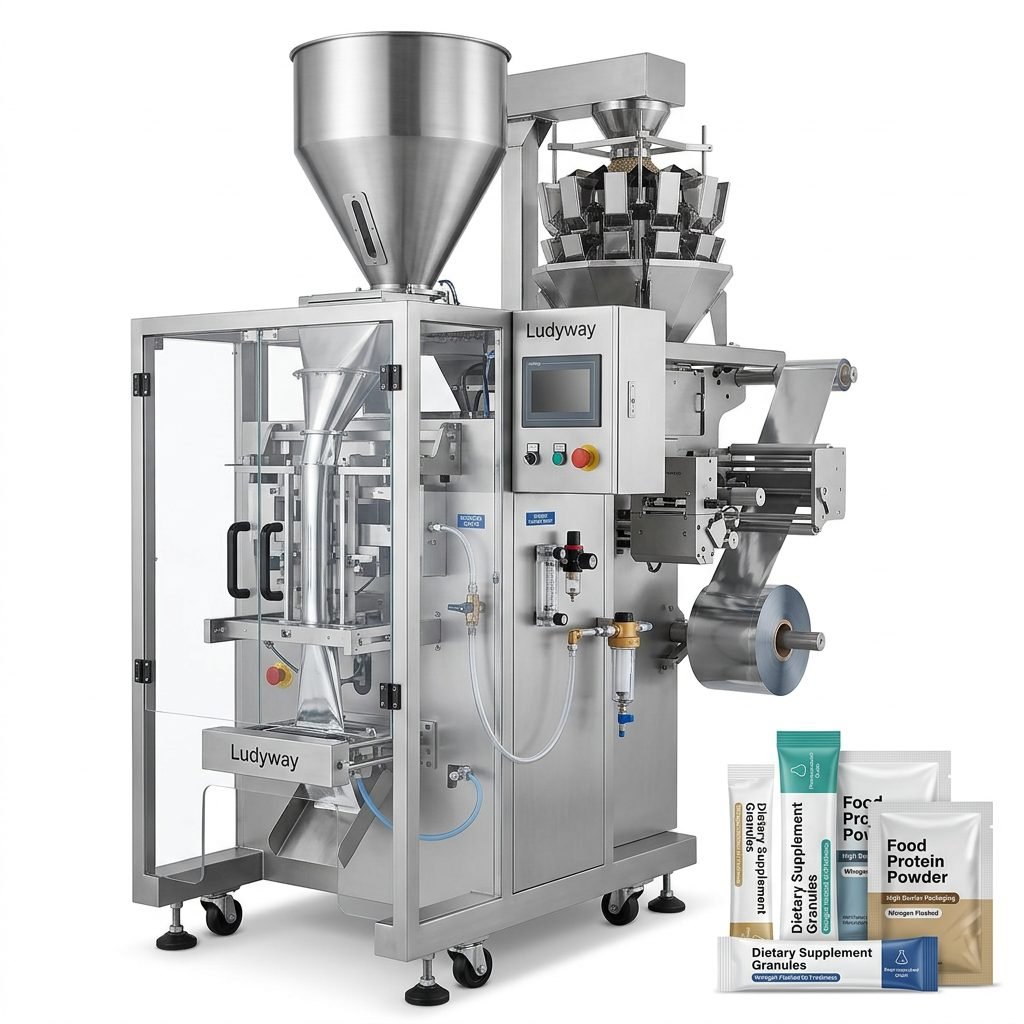
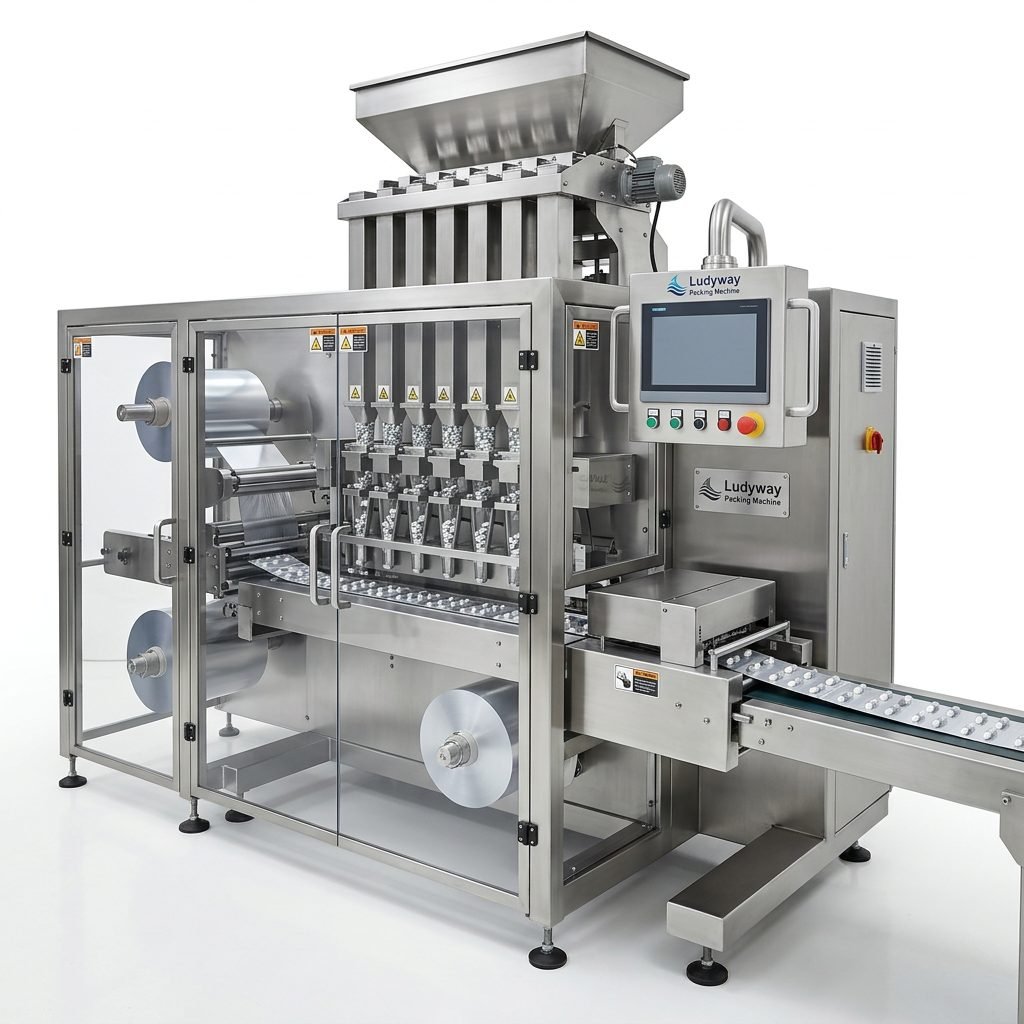
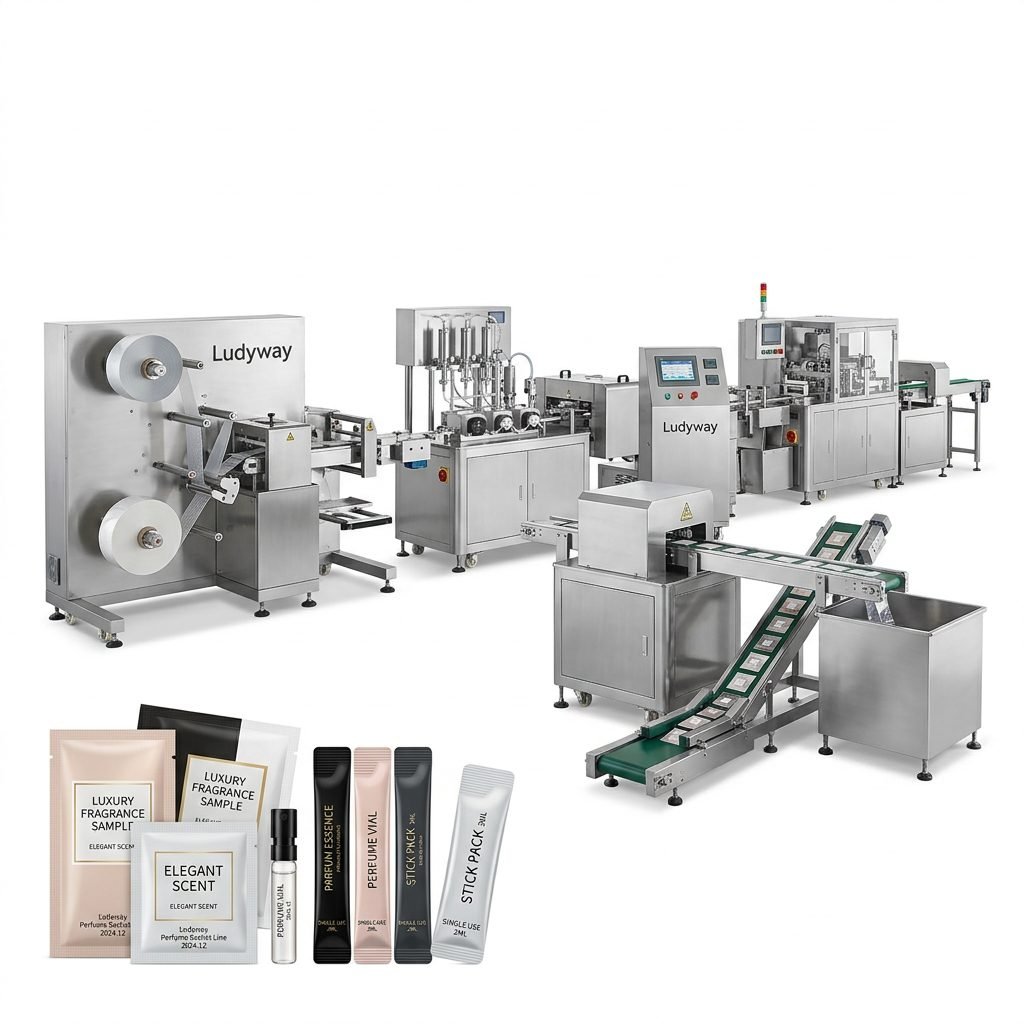
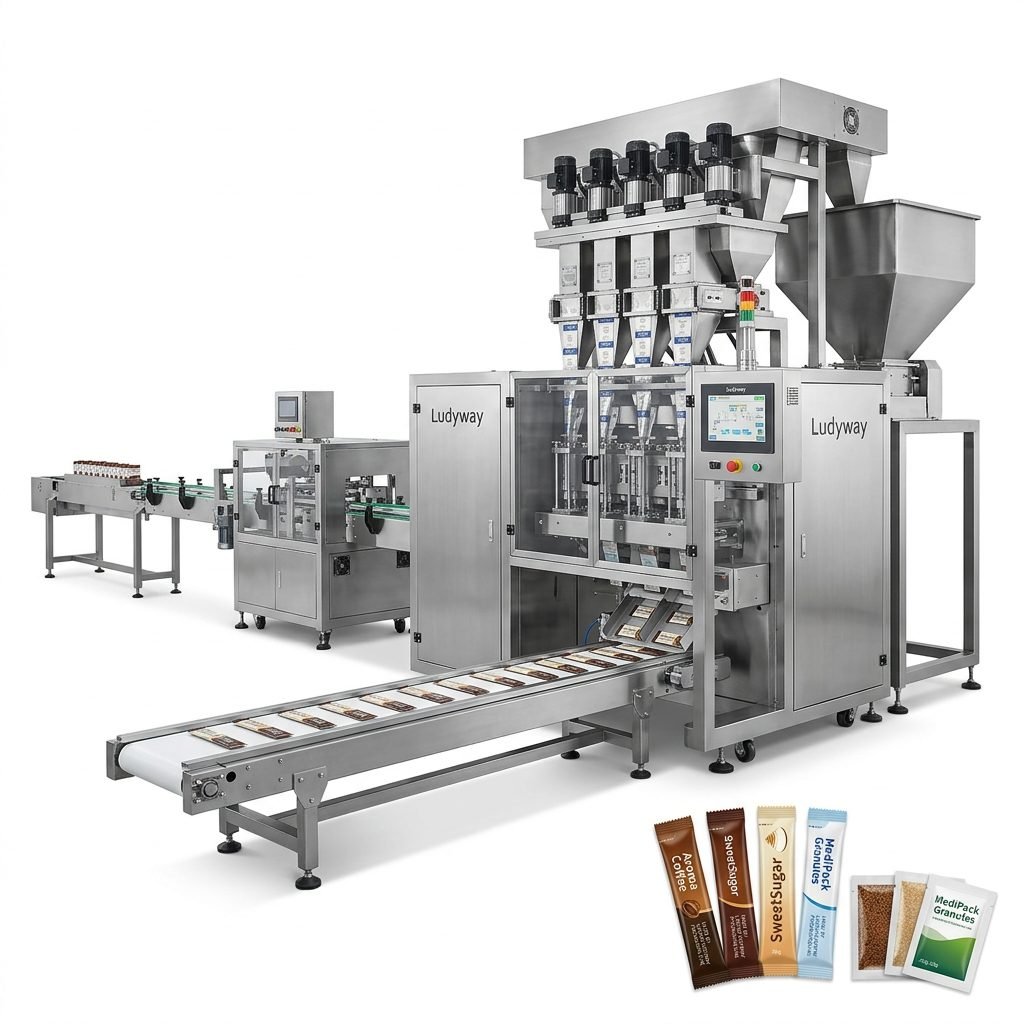
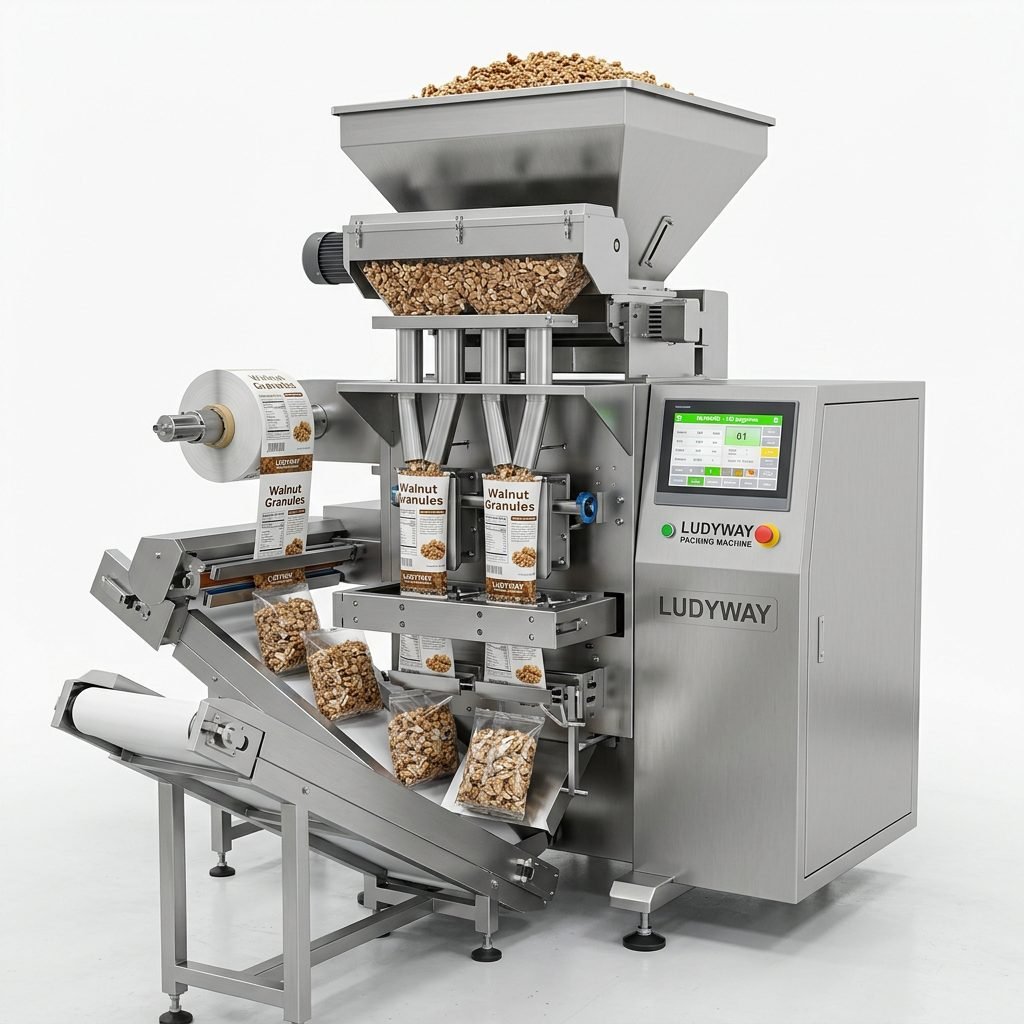
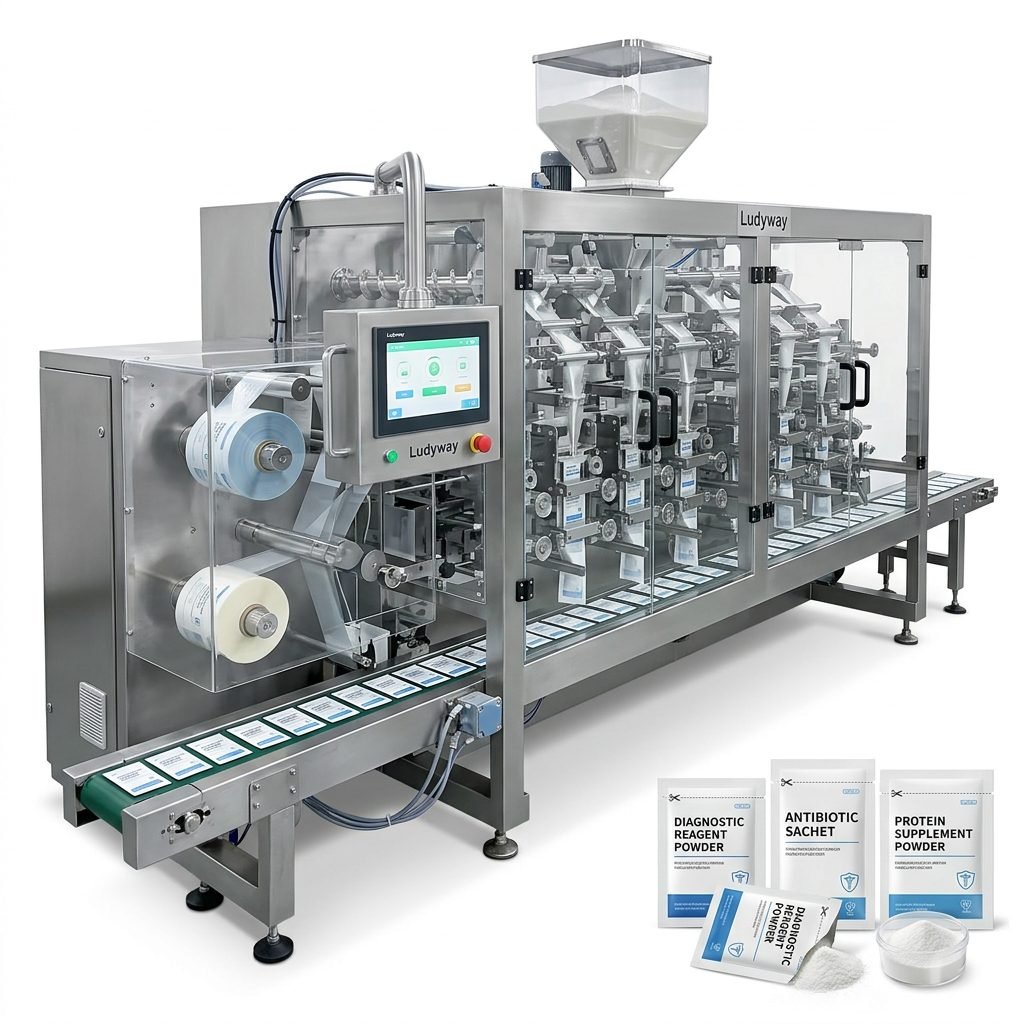
Automatic case packing machines are essential systems in modern packaging lines, designed to efficiently place products into shipping cases or cartons. These machines streamline the final packaging stage, enhancing productivity, reducing labor costs, and ensuring consistent pack quality. This guide explores the various types, key features, and selection criteria to help you choose the right system for your operation.
Types of Automatic Case Packing Machines
Understanding the different machine configurations is the first step in selection.
Vertical Case Packers
These machines load products from above into an open case. They are often used for bags, pouches, or loose items that can be dropped or placed neatly. Vertical packers are suitable for moderate-speed lines and applications where product orientation is less critical.
Horizontal Case Packers
Horizontal machines insert products sideways into a case. This method is ideal for bottles, cans, jars, or rigid containers that need to be placed in specific patterns or layers. They often provide higher speed and more precise control over product arrangement.
Robotic Case Packers
Utilizing robotic arms with advanced grippers, these systems offer maximum flexibility. They can handle a wide variety of product shapes, sizes, and case patterns. Robotic packers are excellent for low-volume, high-mix production or where frequent changeovers are required.
Wrap-around Case Packers
This type forms the case around the product group from a flat corrugated blank. It creates a snug, custom-fit package, often saving on material costs. Wrap-around packers are common for bundles of bottles, trays, or multi-pack configurations.
Key Features and Technological Considerations
Modern machines offer features that directly impact performance and integration.
Speed and Throughput
Measured in cases per minute (CPM), throughput must match your line speed. Consider peak demand and future growth. High-speed systems may require more sophisticated infeed and accumulation.
Flexibility and Changeover
How quickly can the machine adjust to different product and case sizes? Look for features like tool-less adjustments, programmable settings, and quick-release mechanisms. This reduces downtime during production shifts.
Integration and Connectivity
The machine should seamlessly connect with upstream fillers/cappers and downstream sealers or palletizers. Support for industry communication protocols (e.g., Ethernet/IP, Profinet) and easy PLC interfacing is vital for a smooth automated line.
Safety and Maintenance
Robust safety guarding, emergency stops, and clear maintenance access points are non-negotiable. Machines designed with simple lubrication points and easy-to-replace common parts lower long-term operating costs.
How to Choose the Right System
Selecting a case packer requires a systematic evaluation of your needs.
1. Analyze Your Product and Case
Start with the physical details: product dimensions, weight, fragility, and surface finish (e.g., slippery glass). Also, consider the case type: RSC (Regular Slotted Container), HSC (Half Slotted Container), or wrap-around blank. The machine must handle both without damage.
2. Define Your Production Requirements
Determine your required average and peak speeds. Calculate the number of different products and case sizes you run. Understand your available floor space and layout constraints for installation.
3. Evaluate Supplier Capability and Support
Choose a supplier with proven experience in your industry. Assess their technical support, spare parts availability, training programs, and service response times. A reliable supplier is as important as the machine itself.
4. Consider Total Cost of Ownership (TCO)
Beyond the initial purchase price, factor in installation, commissioning, expected maintenance costs, energy consumption, and potential future upgrade costs. A slightly higher initial investment for a more robust, efficient machine can pay off long-term.
5. Plan for Future Needs
Consider potential new products, higher speeds, or integration with new logistics systems (e.g., RFID labeling). Choosing a machine with some scalability and modular design can protect your investment against future changes.
Conclusion
Investing in an automatic case packing machine is a significant step toward a more efficient, reliable, and cost-effective packaging operation. By thoroughly understanding the types available, focusing on key technological features, and following a structured selection process, you can identify a system that not only meets your current needs but also supports your business growth for years to come. The right machine will become a cornerstone of your packaging line’s success.
Frequently Asked Questions (FAQs)
What is the typical speed range for automatic case packers?
Speeds vary widely based on type and complexity. Simple vertical packers may run at 5-15 CPM, while high-speed horizontal or robotic systems can achieve 30-60 CPM or more for standard configurations.
Can one machine handle both glass bottles and flexible pouches?
It is challenging. These products require different handling methods. A highly flexible robotic system with interchangeable tooling might manage both, but often, dedicated machines or separate cells are more efficient.
How much maintenance does an automatic case packer require?
Regular preventive maintenance is crucial. This typically includes daily cleaning, weekly lubrication checks, and periodic inspection of wear parts like grippers, belts, and seals. Well-designed machines require 1-2 hours of planned maintenance per week.
What is the most important factor for successful integration?
Clear communication and interface planning between the case packer supplier and the integrator or your engineering team. Defining the exact signals, data exchange, and physical hand-off points between upstream and downstream equipment is critical.
Are used or refurbished case packers a good option?
They can be, for standard applications with stable products. Ensure a thorough inspection by a qualified technician, verify spare parts availability for that model, and get clear documentation on the refurbishment work done.