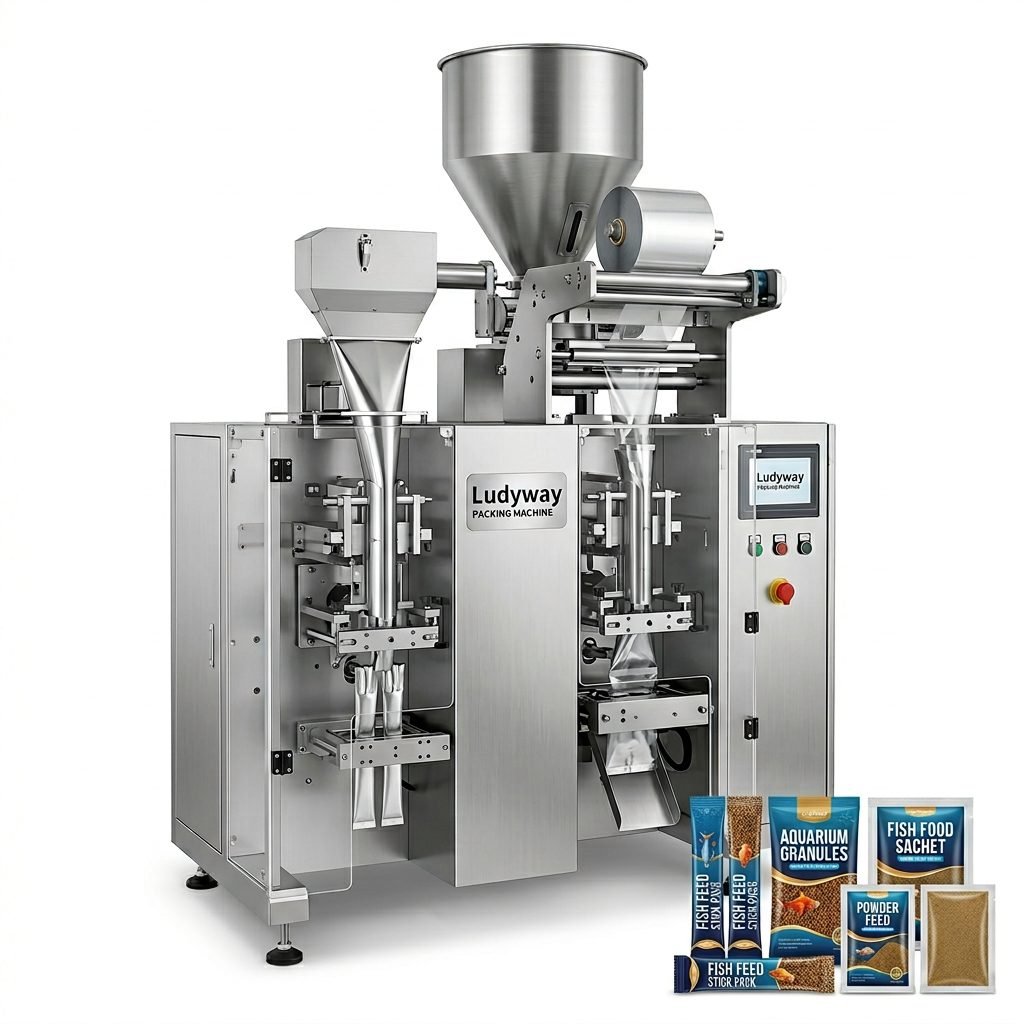
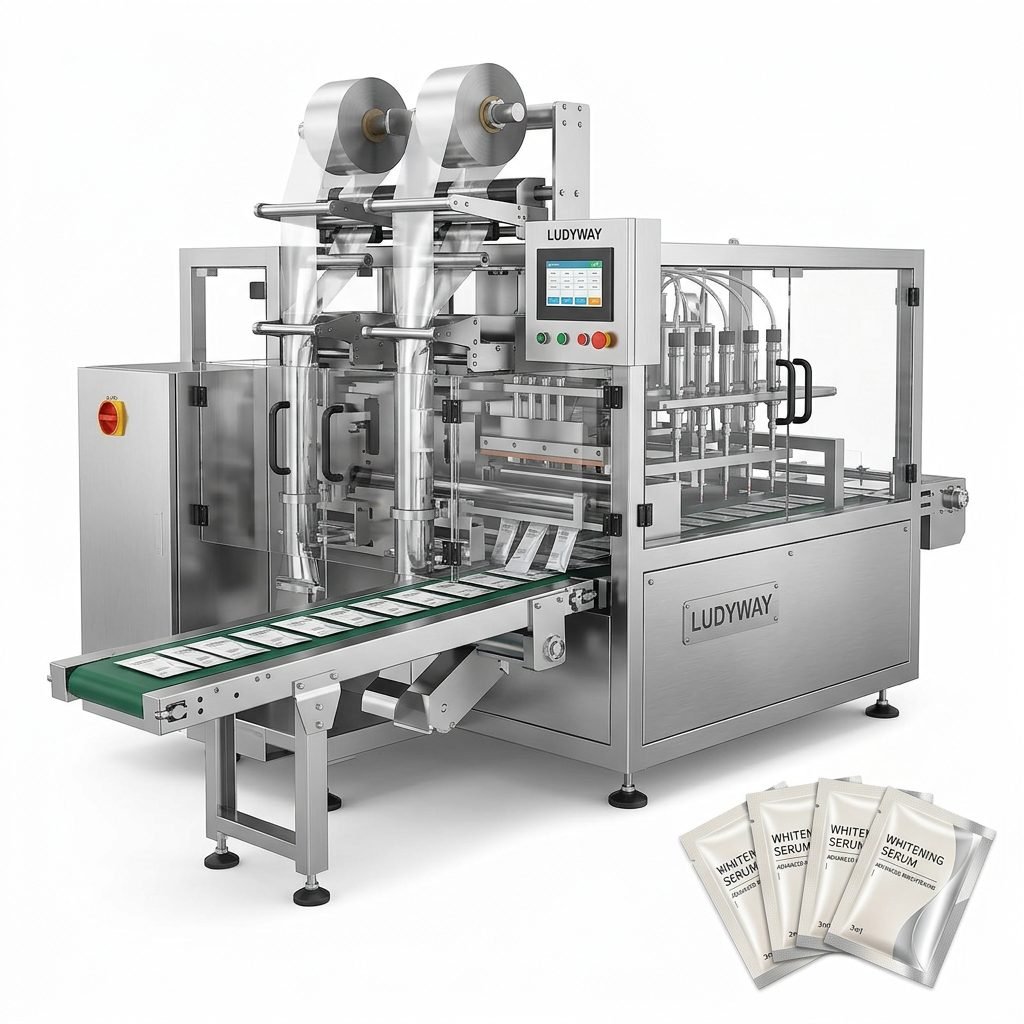
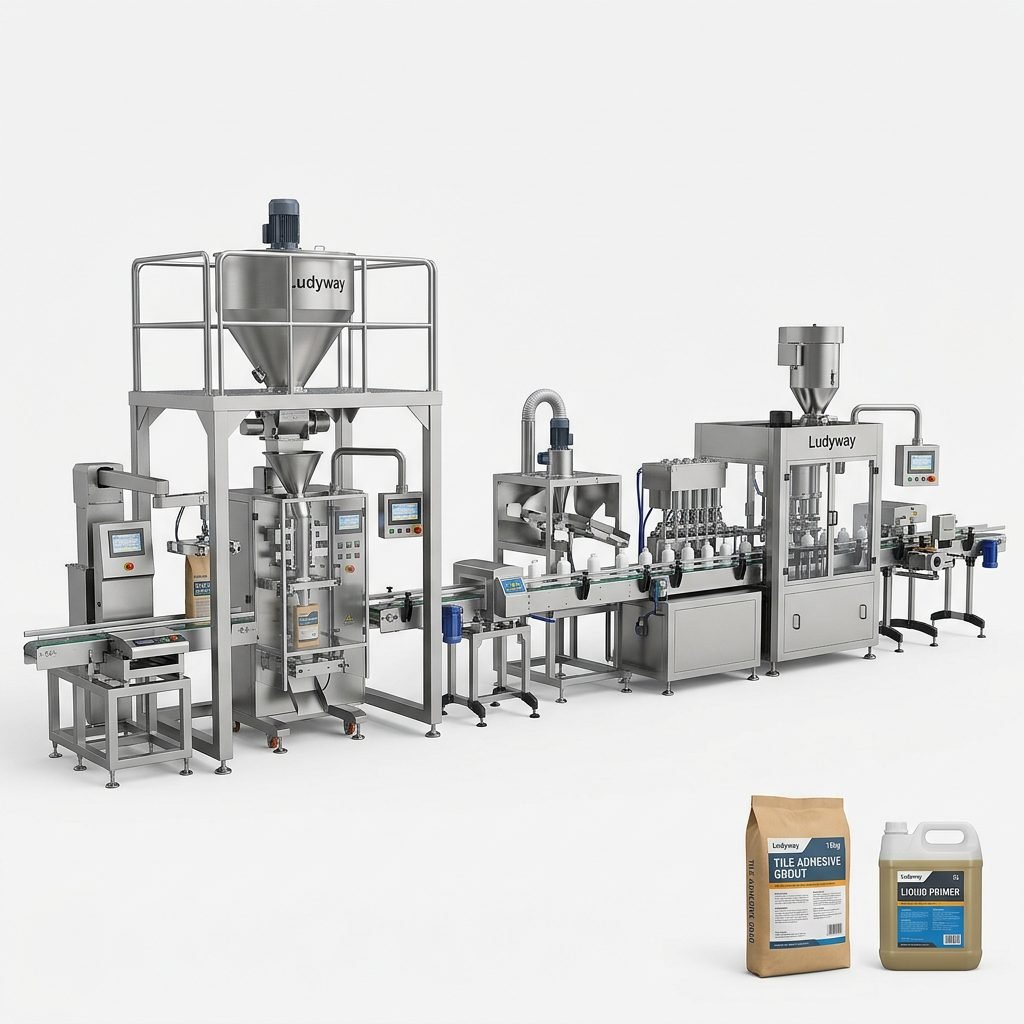
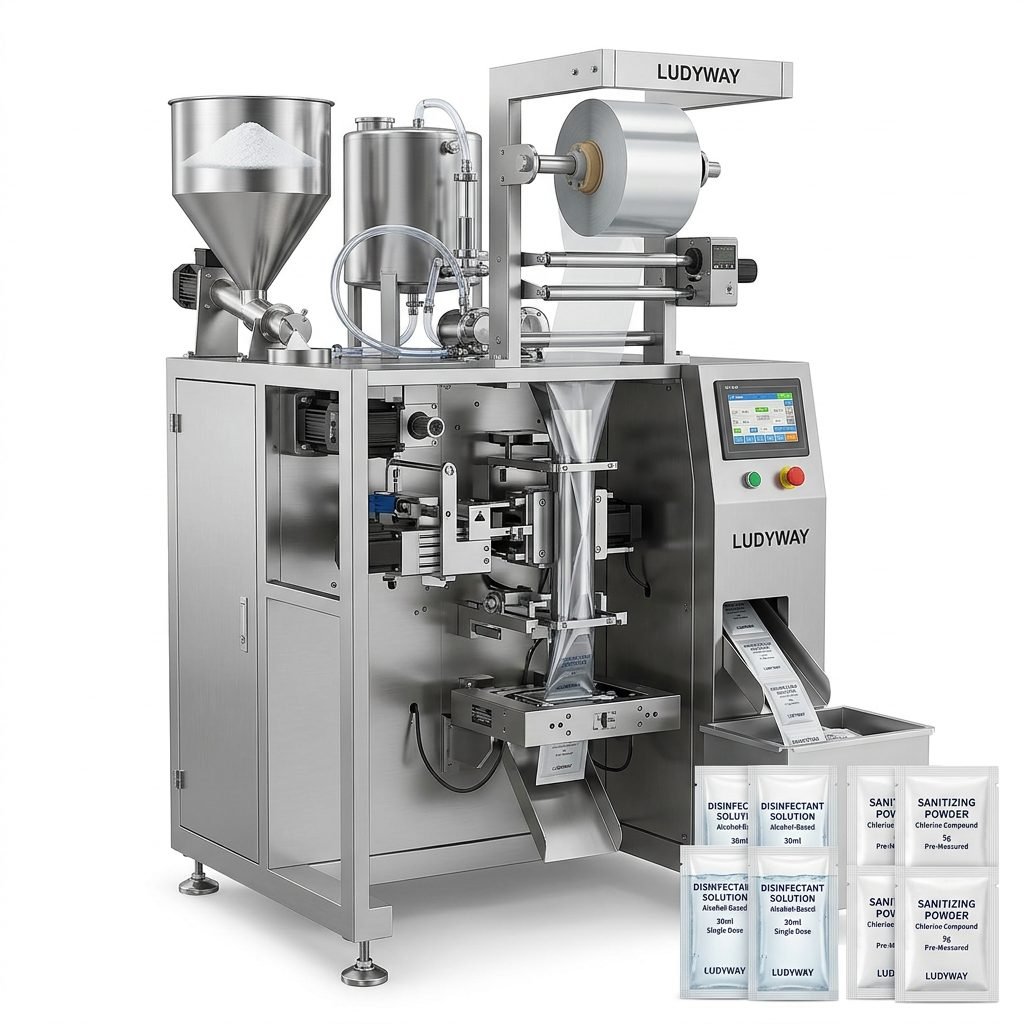
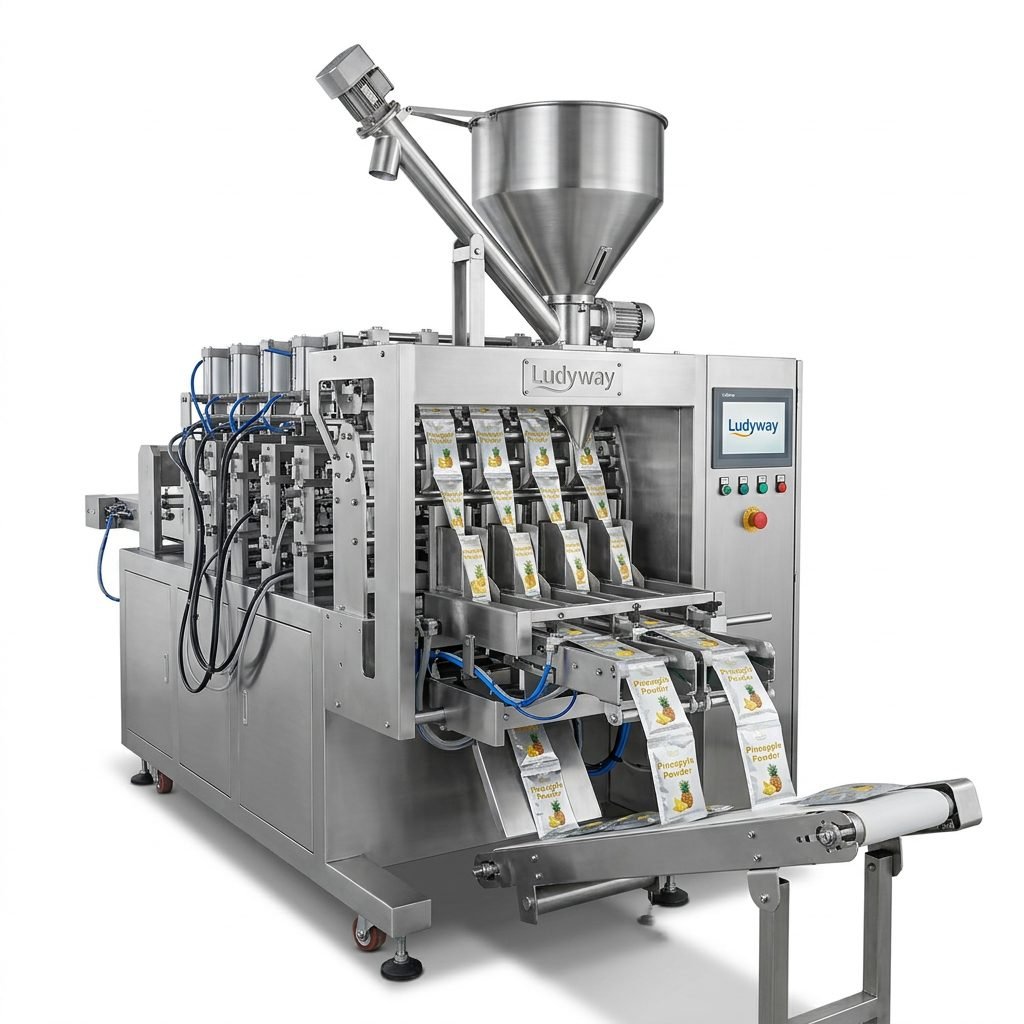
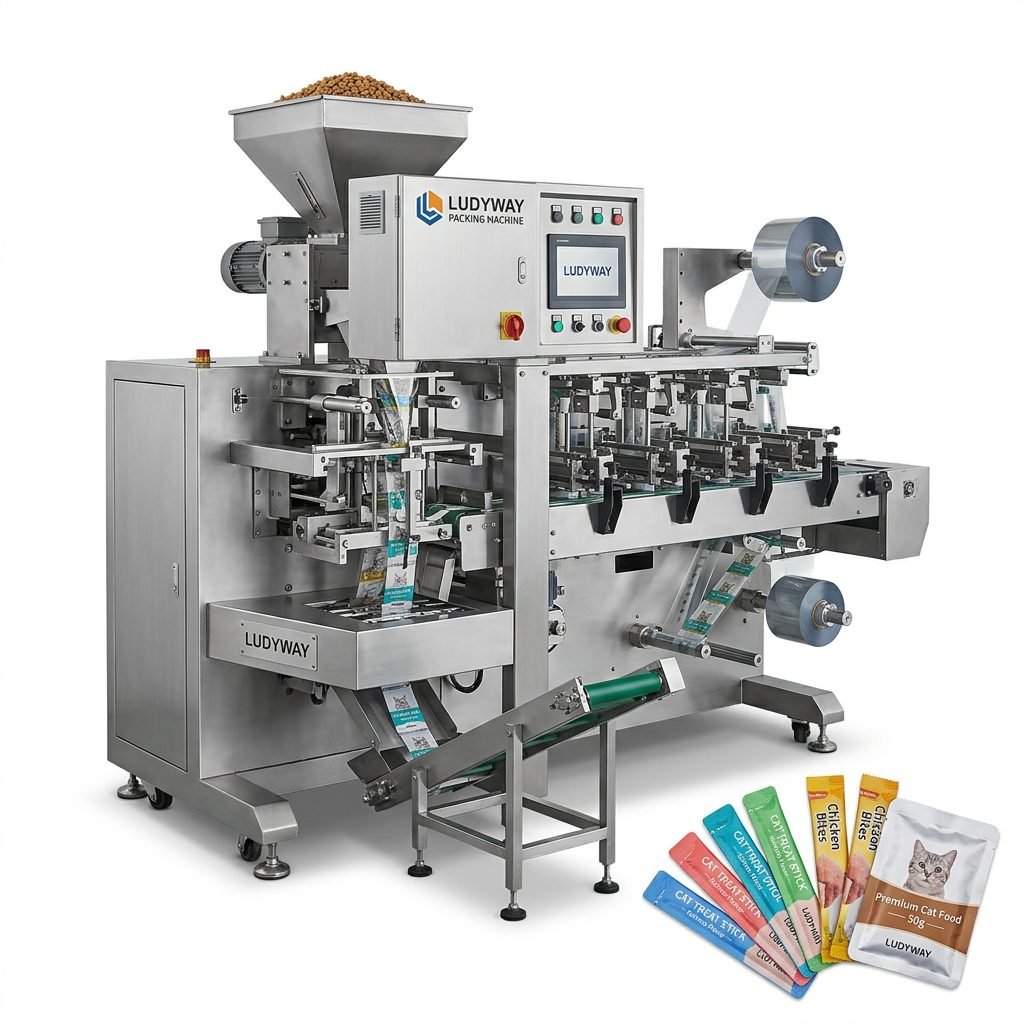
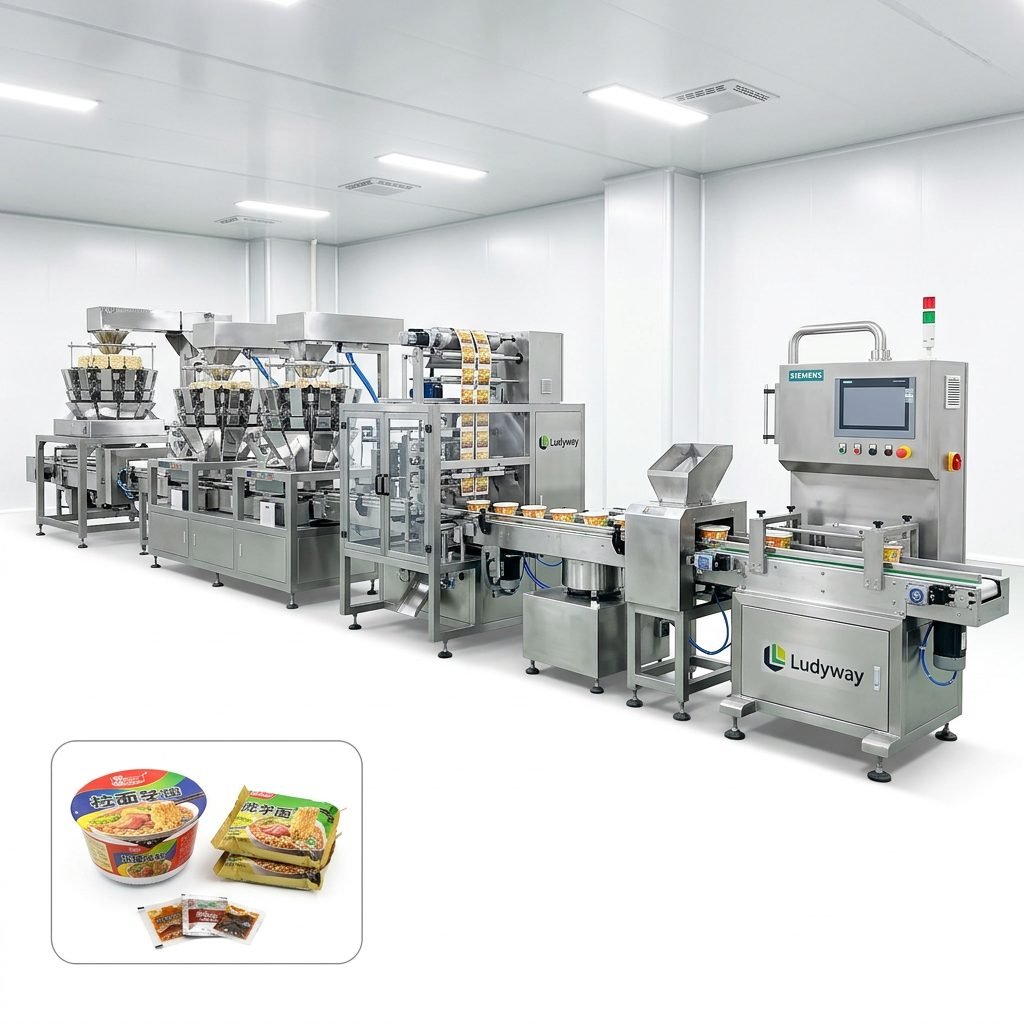
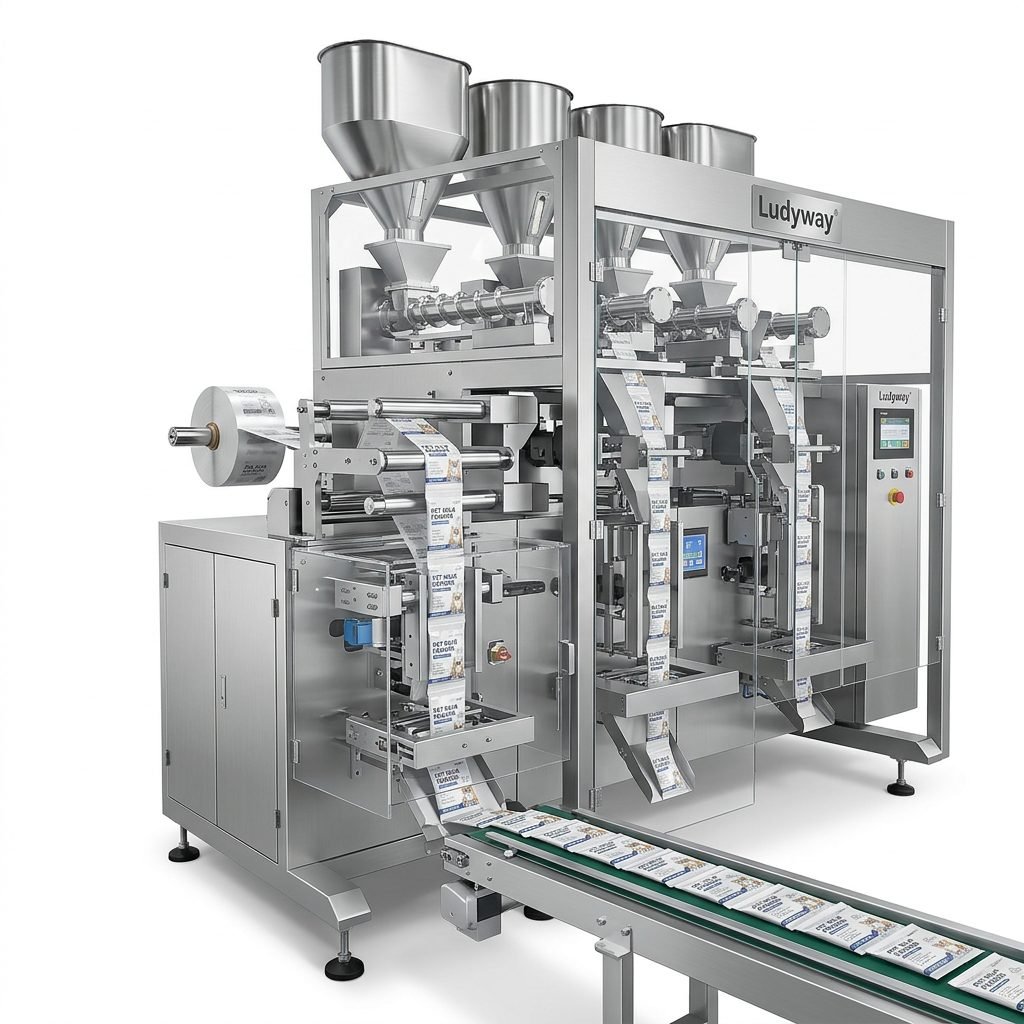
In today’s fast-paced manufacturing environment, efficient and reliable box packaging equipment is crucial for maintaining productivity, ensuring product safety, and meeting market demands. From food and pharmaceuticals to electronics and consumer goods, the right packaging machine can significantly impact your operational efficiency and bottom line. This guide explores the various types of box packaging equipment, their working principles, and provides actionable insights to help you select the ideal machine for your specific production needs.
Understanding Box Packaging Equipment
Box packaging equipment encompasses a range of automated and semi-automated machines designed to form, fill, seal, and handle boxes or cartons. These systems streamline the packaging process, reduce labor costs, minimize errors, and ensure consistent output. The core function is to take flat cardboard or corrugated sheets, form them into boxes, insert products, and securely close them for shipment or retail display.
Key Benefit: Modern box packaging equipment integrates seamlessly with upstream and downstream production lines, creating a continuous, high-speed flow from product completion to palletizing.
Primary Types of Box Packaging Machines
The market offers diverse machinery tailored to different box styles, production speeds, and product types. Understanding these categories is the first step in making an informed choice.
1. Automatic Case Erectors and Sealers
These machines automatically take flat corrugated cases from a magazine, erect them into a box shape, and then seal the bottom flaps using hot melt glue, tape, or staples. They are ideal for medium to high-volume production lines.
- Working Principle: A suction cup system lifts a flat case, opens it into a rectangle, and a mandor or forming mechanism squares it. Adhesive is applied, and flaps are folded and pressed to create a sealed bottom. The open-top box is then conveyed to the filling station.
- Best For: High-speed applications like bottling lines, canned goods, and packaged food items.
2. Robotic Case Packers
Utilizing advanced robotic arms (often delta or articulated robots), these systems pick products from a conveyor and place them precisely into waiting boxes. They offer exceptional flexibility for handling multiple product shapes and pack patterns.
- Working Principle: Vision systems or sensors identify product orientation. The robot’s end-effector (gripper or suction head) picks up the products and arranges them into a pre-programmed pattern inside the erected case.
- Best For: Fragile, irregularly shaped, or mixed-SKU products where gentle handling and pattern flexibility are paramount.
3. Wrap-Around Case Packers
This machine forms a box directly around a group of products (like beverage bottles or jars). It uses a single sheet of corrugated board that wraps the product group and glues itself, creating a custom-fit, secure package.
- Working Principle: Products are collated into a tight group. A corrugated blank is fed and positioned underneath. The product group is pushed onto the blank, which is then folded up around it and glued at the side seam. Flaps are folded and sealed.
- Best For: High-speed, uniform product groupings where material savings and a tight, protective pack are desired.
4. Tray Formers and Sealers
These machines form shallow trays (usually with a lower profile than a full case) from die-cut blanks and then seal them with a film or lid. Common in retail-ready packaging.
- Working Principle: A blank is fed, formed over a mold, and the flaps are locked or glued. After product loading, a lidding film or card is applied and sealed.
- Best For: Consumer goods, food trays, and display-ready packaging for retail shelves.
Core Working Principles and Technology
Despite their differences, most box packaging machines operate on a few fundamental principles involving mechanics, pneumatics, and sophisticated control systems.
The Form-Fill-Seal Cycle
This is the universal sequence for box packaging:
- Forming/Erecting: The flat box blank is opened and given structural integrity.
- Bottom Sealing: The machine applies adhesive (hot melt, cold glue) or tape and folds the flaps to create a solid base.
- Loading/Filling: Products are inserted manually, automatically, or robotically.
- Top Sealing/Closing: The open flaps are closed and sealed using the same methods as the bottom, completing the package.
Advanced machines integrate Programmable Logic Controllers (PLCs) and Human-Machine Interfaces (HMIs) to manage this cycle, allowing for quick changeovers, speed adjustments, and diagnostics.
Key Technological Components
- Drive Systems: Servo motors provide precise, programmable motion control for forming arms and conveyors, enabling complex movements and easy size changeovers.
- Adhesive Application: Hot melt glue systems are common for their fast setting time and strong bond. Cold glue or tape systems are used for specific applications or sustainability goals.
- Sensor Integration: Photoelectric sensors, proximity sensors, and vision systems ensure product presence, correct box erection, and proper flap folding, preventing jams and waste.
How to Choose the Right Machine for Your Production
Selecting the optimal box packaging equipment requires a careful analysis of your current and future needs. A wrong choice can lead to bottlenecks, excessive downtime, or damaged products.
1. Assess Your Product and Box Specifications
This is the most critical starting point. Consider:
- Product Dimensions, Weight, and Fragility: Determines the required machine sturdiness, handling mechanism (robotic gripper vs. pusher), and internal box fit.
- Box Style and Material: Regular Slotted Carton (RSC), die-cut tray, full overlap? Corrugated flute type (B-flute, E-flute)? The machine must be compatible with your blank design.
- Required Output Speed (Cases Per Minute – CPM): Match the machine’s maximum speed to your line’s requirement with a 15-20% buffer for future growth.
2. Evaluate Your Production Line Integration
The machine must connect smoothly with your existing workflow.
- Upstream Process: How are products presented? On a conveyor, in trays, or loose? This dictates the type of infeed system needed (e.g., accumulation table, robotic pick station).
- Downstream Process: Will sealed boxes go directly to a palletizer, labeling system, or another conveyor? Ensure output height and conveyor type are compatible.
- Floor Space and Utilities: Measure available space. Check utility requirements (electrical power, compressed air for pneumatics, exhaust for hot melt systems).
3. Consider Operational and Business Factors
Pro Tip: Don’t just buy a machine; invest in a solution. The total cost of ownership includes not just the purchase price, but also maintenance, spare parts availability, and the supplier’s technical support reputation.
- Changeover Frequency: If you run multiple box sizes, prioritize machines with quick, tool-less changeover features to minimize downtime.
- Ease of Operation and Maintenance: Look for user-friendly HMIs and easy access to mechanical parts for cleaning and routine maintenance.
- Supplier Reliability and Support: Choose a supplier with a proven track record, readily available spare parts, and strong after-sales service. Companies like Ludyway Packing Machine, with decades of industry experience, offer not just equipment but comprehensive packaging solutions and reliable support.
- Future-Proofing: Consider scalability. Can the machine handle potential new products or higher speeds? Does the supplier offer upgrade paths?
Conclusion
Investing in the right box packaging equipment is a strategic decision that drives efficiency, protects your product, and enhances your brand’s presentation. By thoroughly understanding the different machine types—from automatic case erectors to robotic packers—and rigorously evaluating your product specs, line requirements, and operational goals, you can select a system that delivers a strong return on investment. Partnering with an experienced packaging machinery provider ensures you get a tailored solution and the support needed for long-term success in your production journey. For businesses seeking reliable and innovative packaging equipment, expertise matters.
Frequently Asked Questions (FAQs)
1. What is the typical lifespan of an automatic box packaging machine?
With proper maintenance and operation, a well-built automatic case erector or packer can last 10 to 15 years or more. Lifespan heavily depends on the machine’s build quality, duty cycle (hours of operation per day), and adherence to the manufacturer’s preventive maintenance schedule.
2. How much maintenance do these machines require?
Regular daily cleaning and weekly inspections are essential. Key maintenance tasks include lubricating moving parts, checking pneumatic filters, cleaning glue nozzles, and inspecting wear parts like forming belts and suction cups. Most suppliers provide detailed maintenance checklists.
3. Can one machine handle multiple, very different box sizes?
Yes, but with considerations. Machines with “quick changeover” capabilities can switch between predefined sizes in minutes. However, if the size difference is extreme (e.g., a tiny box vs. a very large one), it may require different machine frames or forming heads, making a single machine impractical.
4. What is more cost-effective: glue or tape for sealing?
It depends on volume and box material. Hot melt glue generally offers faster sealing speeds and a stronger bond, which is cost-effective for high-volume lines. Tape sealing can be cleaner and requires less maintenance (no glue pots to clean) and may be preferred for certain recycled or coated board stocks. A lifecycle cost analysis is recommended.
5. How do I know if I need a semi-automatic or a fully automatic machine?
This primarily hinges on your required output and labor costs. Semi-automatic machines (where an operator places the box blank and/or product) are suitable for low to medium volumes (e.g., under 10-15 boxes per minute) or for highly variable products. Fully automatic machines are justified for higher, consistent volumes where they quickly pay back through labor savings and increased throughput.