In the demanding world of powersports and off‑road vehicles, performance is paramount. Every component, from the engine to the suspension, is engineered for peak operation under extreme conditions. Yet, one critical aspect that directly impacts product quality, brand reputation, and customer satisfaction is often overlooked: the packaging process. High‑performance packaging equipment is not merely a logistical necessity; it is a strategic asset that protects valuable components, ensures consistency, and supports the rugged brand identity of this dynamic industry.
The Critical Role of Packaging in Powersports
The parts and accessories for motorcycles, ATVs, UTVs, snowmobiles, and watercraft are as diverse as the vehicles themselves. They range from delicate electronic sensors and gaskets to heavy, irregularly shaped metal components and bulky plastic body panels. Each item presents unique packaging challenges:
- Protection Against Vibration & Impact: During transit, parts face constant vibration and potential impacts. Packaging must absorb these forces to prevent damage to machined surfaces, threaded holes, and sensitive electronics.
- Resistance to Environmental Factors: Parts may be stored in warehouses or transported through varying climates. Packaging must guard against moisture, dust, and corrosion, especially for metal components.
- Efficiency in Handling & Storage: With often high‑volume production and global distribution, packaging must be space‑efficient for storage and easy to handle in warehouses and retail environments.
- Brand Presentation: The unboxing experience is a touchpoint with the customer. Durable, professional, and well‑designed packaging reinforces the quality and premium nature of the performance part inside.
Standard, low‑speed packaging systems are insufficient for these demands. They can lead to product damage, inconsistent seal quality, and production bottlenecks. This is where specialized, high‑performance packaging equipment becomes a competitive advantage.
Key Features of High‑Performance Packaging Machinery
Equipment designed for the rigors of the powersports industry shares several non‑negotiable characteristics:
→ Robust Construction & Precision Engineering: Frames and critical components are built from heavy‑duty materials to ensure stability and longevity during continuous, high‑speed operation. Precision servo‑drives and advanced motion control guarantee accurate filling and sealing cycle after cycle.
→ Advanced Material Handling: These systems can reliably feed and form a wide range of packaging films, including high‑strength laminates and barrier materials that offer superior protection against moisture and abrasion.
→ Flexibility & Quick Changeover: Production runs may vary from small batches of specialty parts to large volumes of common components. Top‑tier equipment allows for rapid changeover between bag sizes, film types, and product lines with minimal downtime.
→ Integrated Quality Assurance: In‑line checkweighers, metal detectors, and vision inspection systems can be integrated to ensure every packaged part meets weight and quality standards, preventing defective products from reaching the customer.
Optimizing Packaging for Different Product Types
A one‑size‑fits‑all approach does not work. The optimal packaging solution varies significantly by product category.
Small Parts & Accessories (Bolts, Gaskets, Electronics)
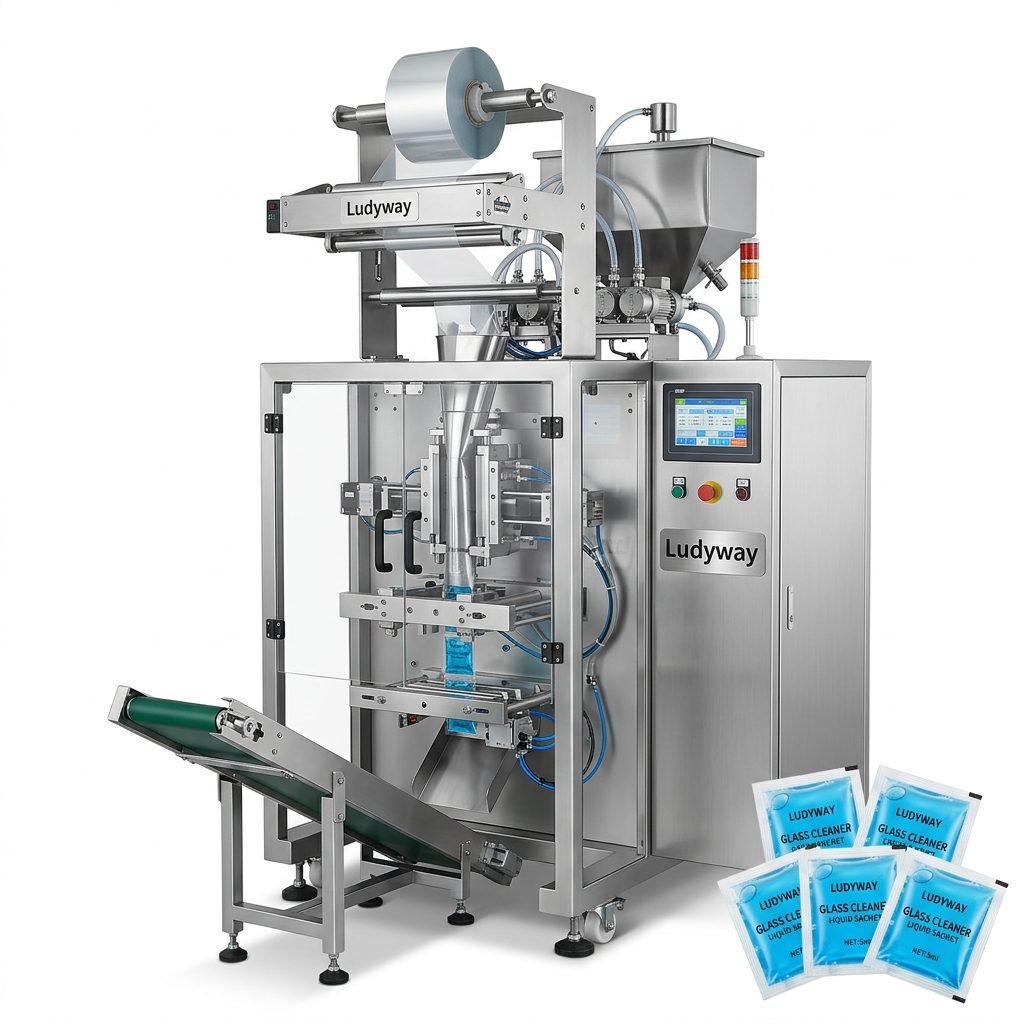
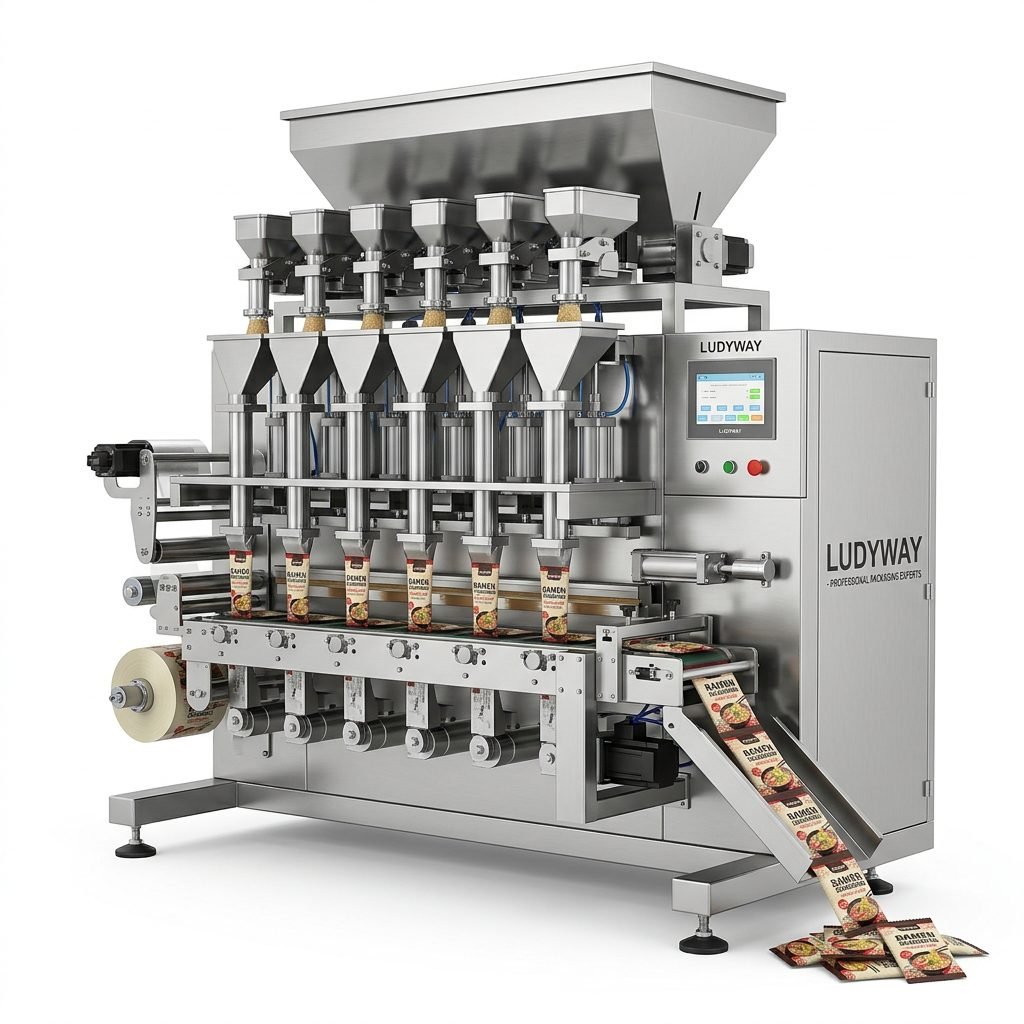
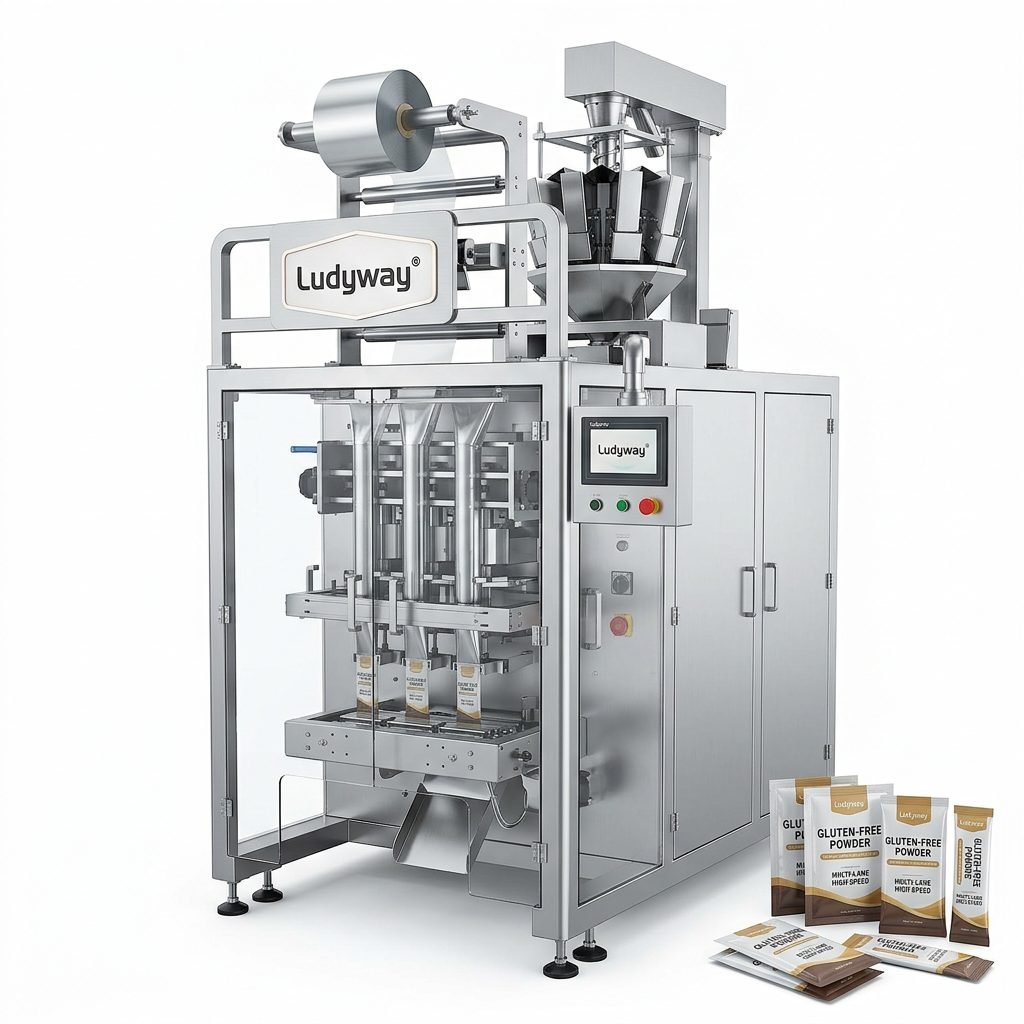
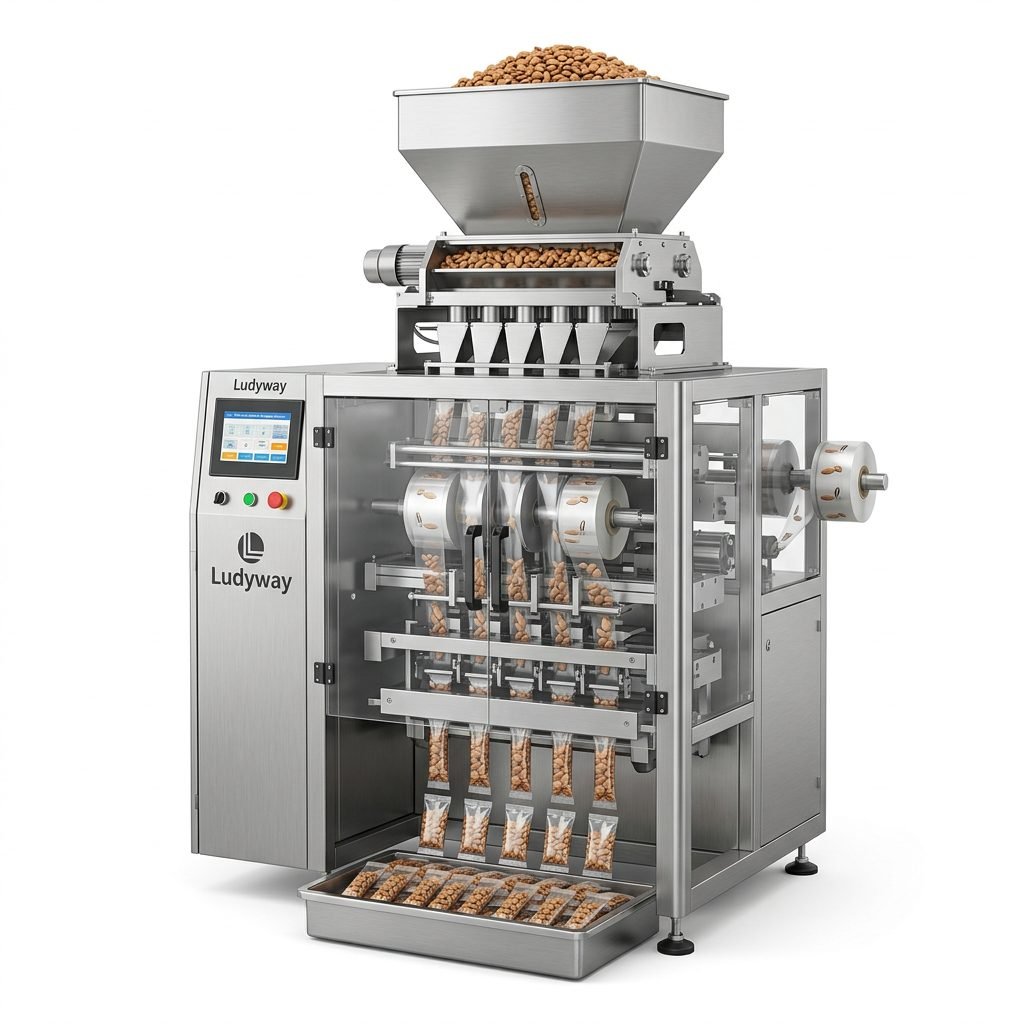
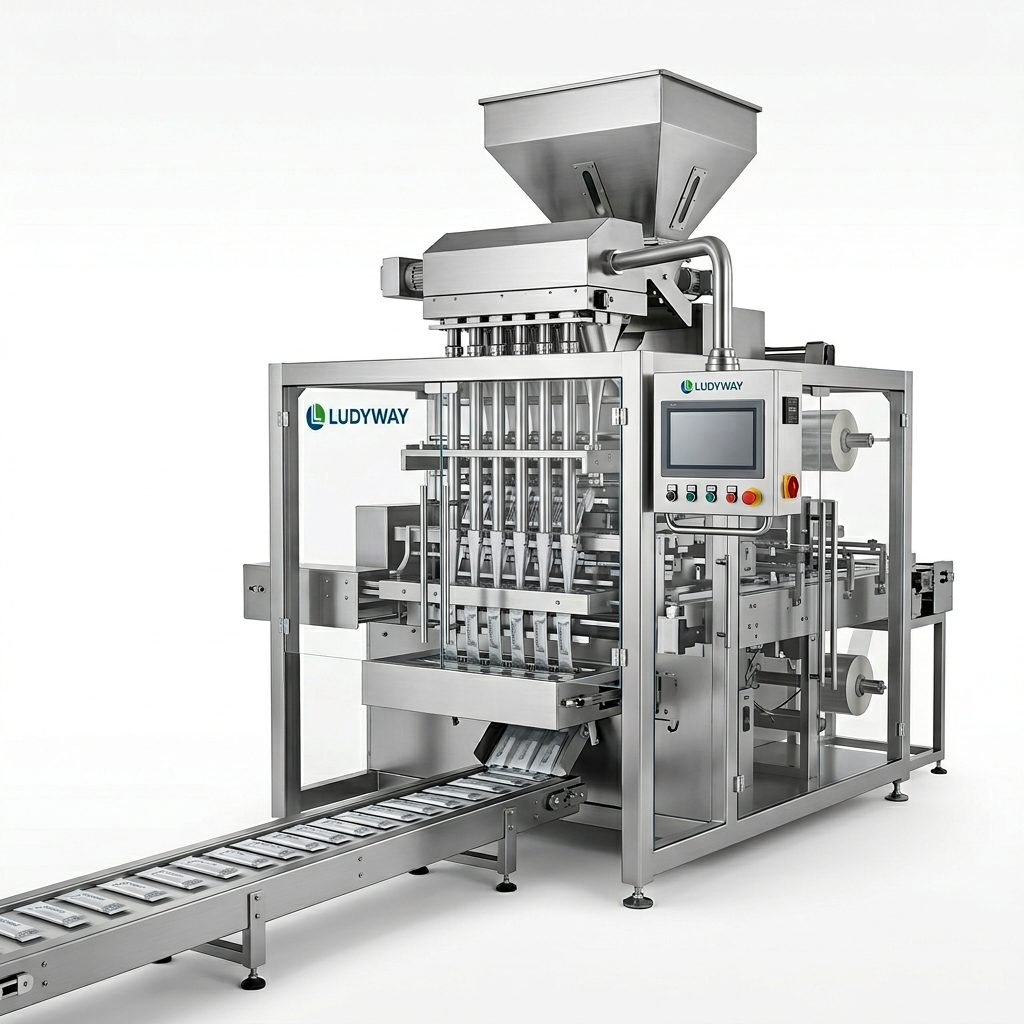
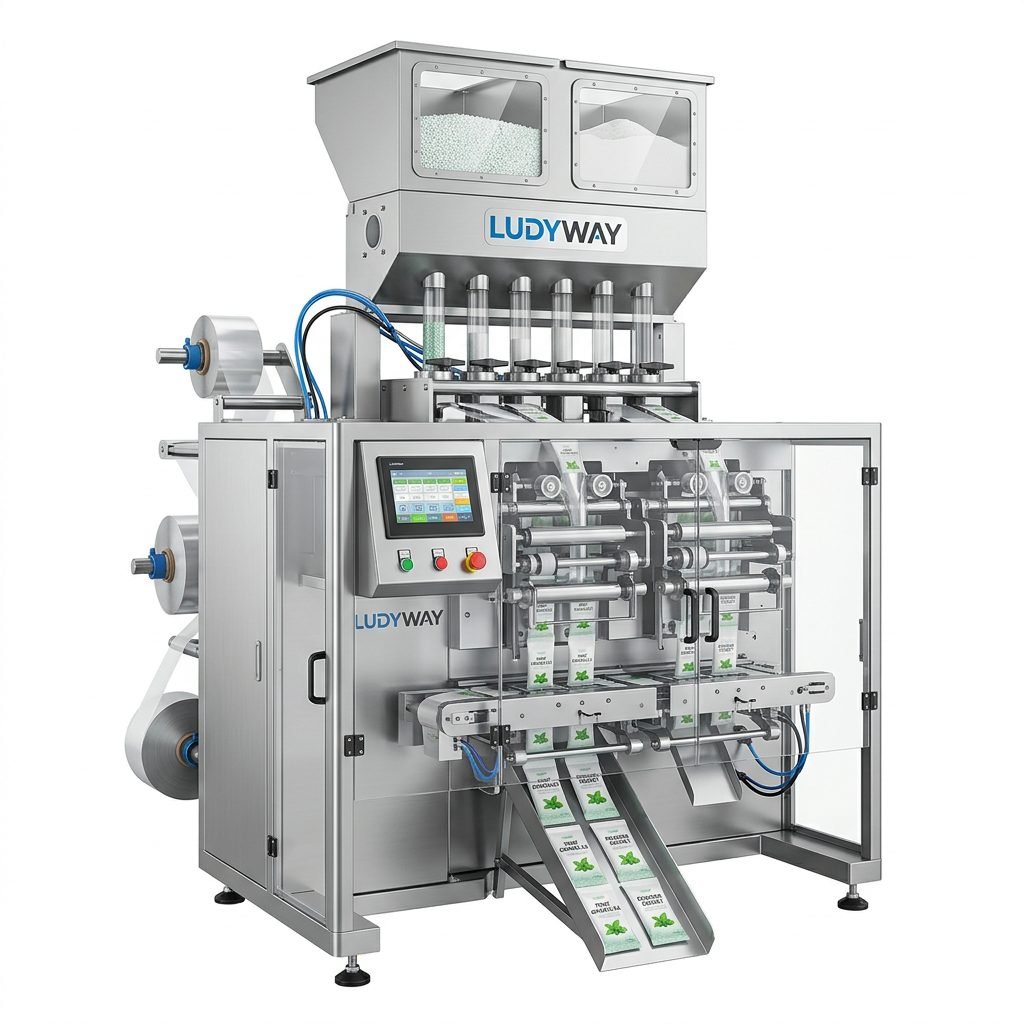
For these items, high‑speed multi‑lane stick pack or sachet machines are ideal. They can produce dozens of small, sealed packets per minute. This format is perfect for organizing hardware kits, single‑use chemicals (e.g., coolant additives), or small electronic components. The sealed packet provides excellent contamination protection and allows for clear labeling of part numbers.
Medium‑Sized Components (Filters, Brake Pads, Sprockets)
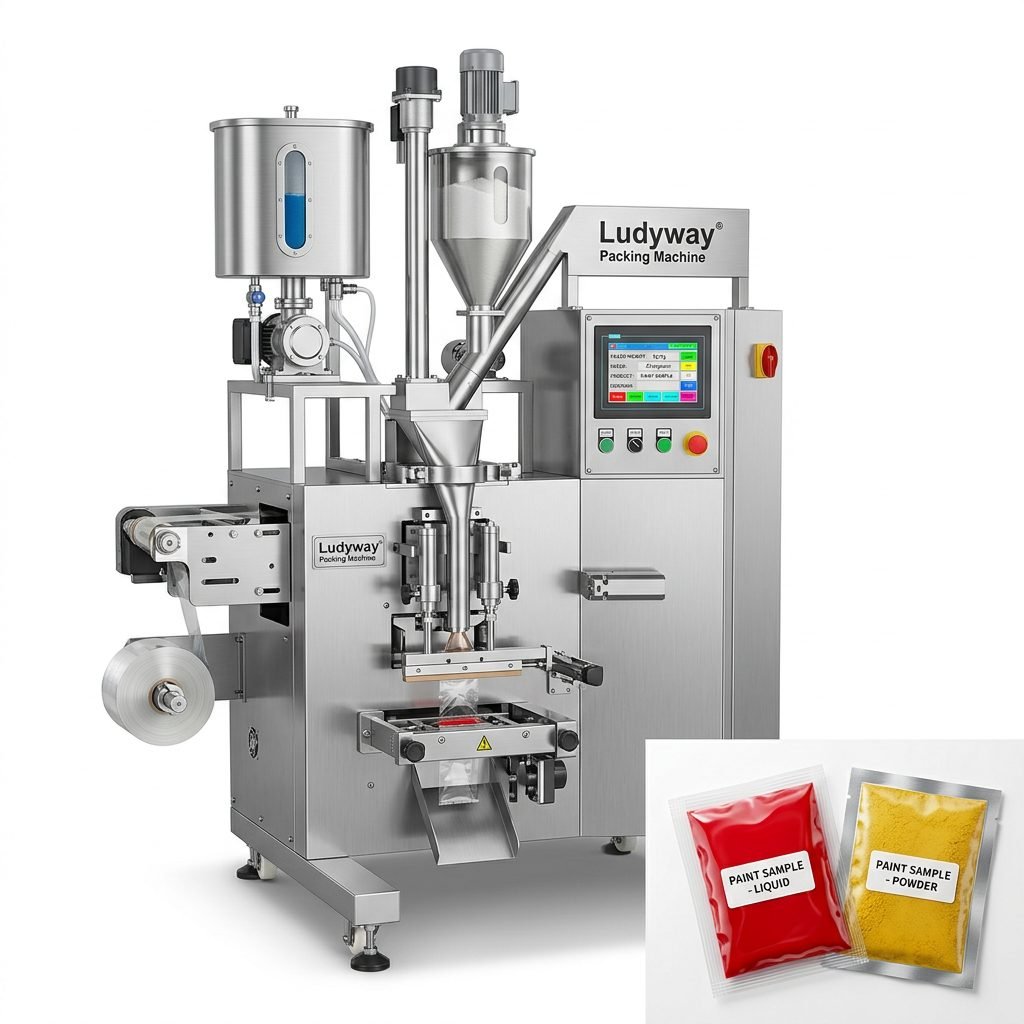
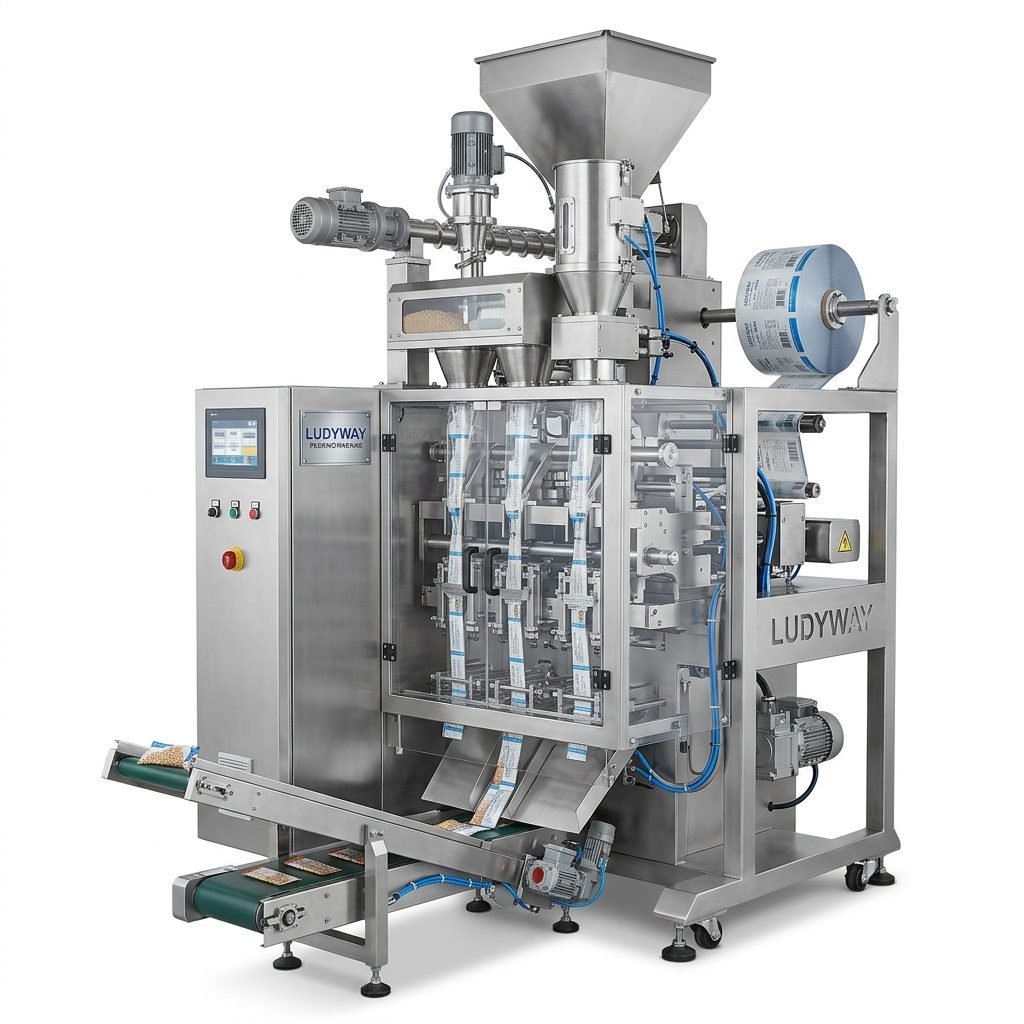
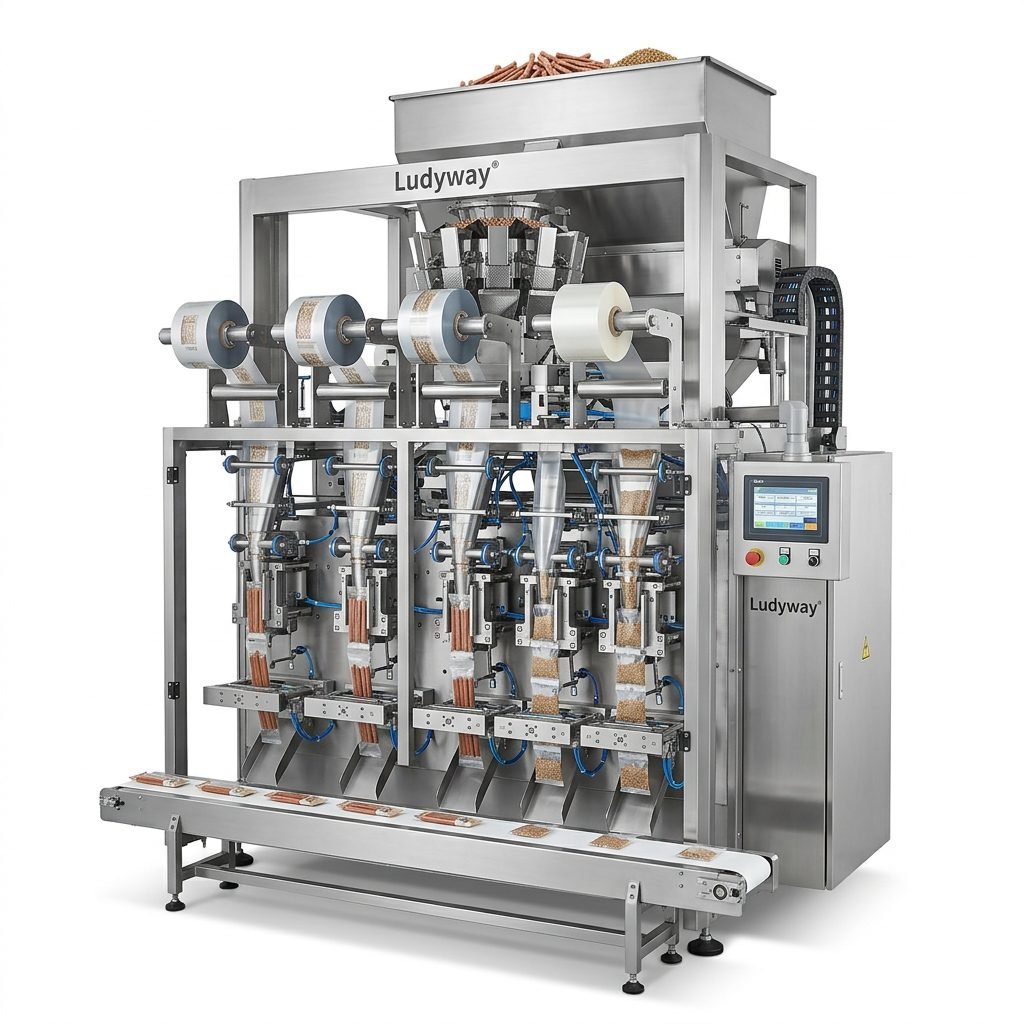
These often require automatic vertical form‑fill‑seal (VFFS) machines with custom‑designed forming tubes and buckets. The equipment can create pillow bags or gusseted bags of precise dimensions to snugly fit the product, minimizing material use while maximizing protection. Anti‑static films can be used for electronic components.
Large, Irregular, or Heavy Items (Body Panels, Exhausts)
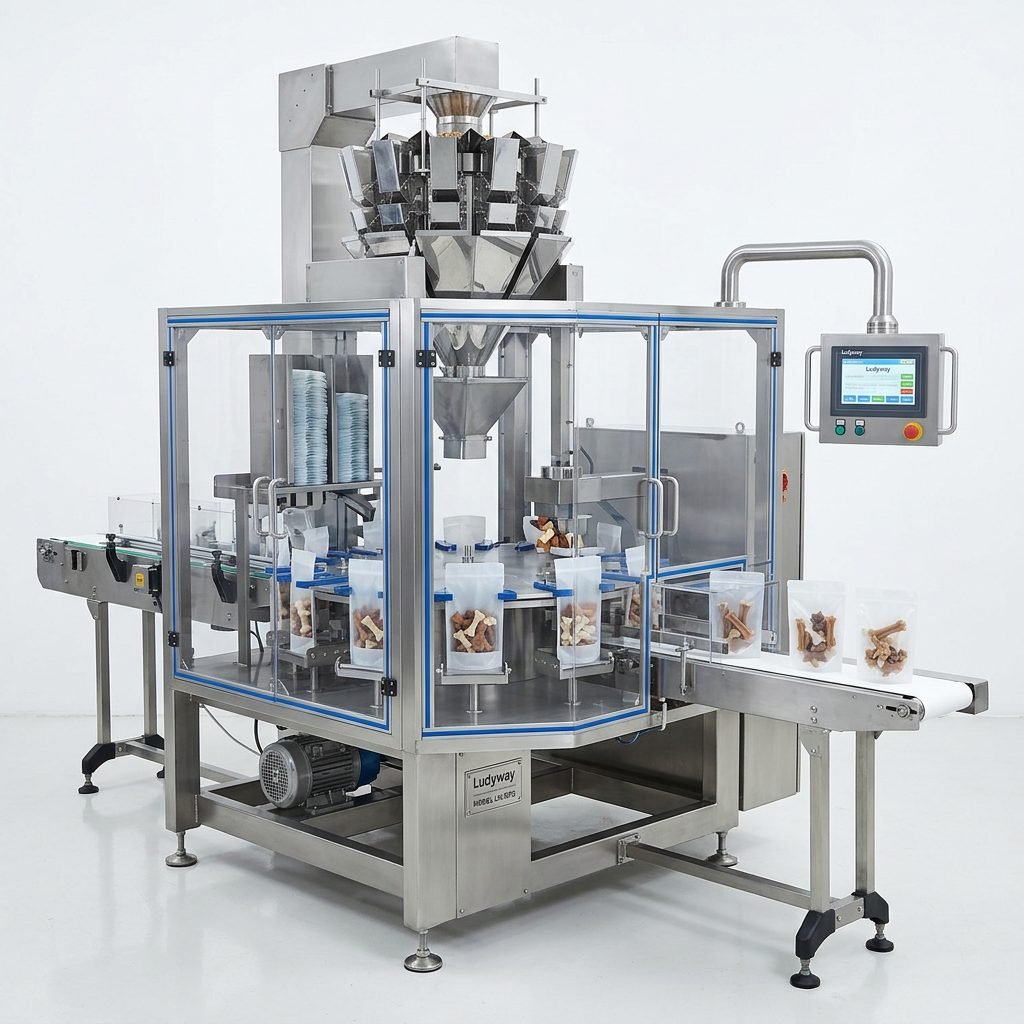
While sometimes pre‑bagged, these items often benefit from automated bag‑placing and sealing systems. A machine automatically opens a pre‑made bag (often heavy‑duty polyethylene), presents it to an operator or robot for part insertion, and then heat‑seals it closed. This combines the strength of pre‑made bags with the efficiency and consistency of automation.
The Strategic Advantages: Beyond Basic Protection
Investing in advanced packaging technology delivers tangible returns across the business.
- Enhanced Product Integrity & Reduced Warranty Claims: Superior packaging drastically lowers the rate of in‑transit damage, leading to fewer customer returns and warranty issues, directly protecting the bottom line.
- Increased Production Throughput & Scalability: Automated, high‑speed systems keep pace with manufacturing output, eliminate manual packaging bottlenecks, and easily scale to meet growing demand.
- Supply Chain & Inventory Efficiency: Consistent, compact packaging optimizes pallet and container loading, reducing shipping costs. It also simplifies warehouse storage and inventory management.
- Stronger Brand Identity: Crisp, professional, and durable packaging elevates the perceived value of the product. It communicates attention to detail and a commitment to quality that resonates with enthusiasts.
Choosing the Right Packaging Partner
Selecting equipment is about choosing a partner. Look for a supplier with deep expertise in industrial packaging solutions, not just generic machinery. They should offer:
Proven Experience: A track record of successful installations in similar demanding industries is crucial. For over a decade, Ludyway Machinery has focused on delivering reliable, automated packaging solutions, building expertise through continuous innovation and practical application.
Customization & Turnkey Solutions: The partner must be able to tailor the equipment to your specific parts, films, and production line integration needs, providing complete solutions from single machines to full production lines.
Comprehensive Support: This includes professional installation, thorough operator training, readily available spare parts, and responsive technical support to ensure maximum uptime and a strong return on investment. Partners like Ludyway emphasize long‑term cooperation, supporting clients worldwide with quality‑focused manufacturing and service.
Future‑Proofing Your Packaging Line
The industry continues to evolve with trends like increased electrification, connectivity, and sustainability. Forward‑thinking packaging solutions should accommodate these shifts. This includes the ability to run recyclable or bio‑based films, integrate with factory IoT networks for data collection on packaging performance, and maintain the flexibility to adapt to new product designs. Investing in modular, technologically advanced equipment from a forward‑looking partner is an investment in future readiness.
For manufacturers and distributors in the powersports and off‑road sector, packaging is the final, critical step in the manufacturing process. It is the guardian of product quality and the ambassador of the brand. By deploying high‑performance, automated packaging equipment specifically engineered for these challenges, companies can achieve new levels of operational efficiency, product protection, and market differentiation. In a world where performance is everything, your packaging process should be no exception. Explore how tailored packaging automation can drive your business forward by consulting with a specialist like Ludyway Packaging Machinery.
Frequently Asked Questions (FAQs)
1. Why can’t I use standard packaging equipment for powersports parts?
Standard equipment often lacks the durability for continuous high‑speed operation, the precision to handle irregular heavy parts without jamming, and the flexibility to use the high‑strength, protective films required. This can lead to increased downtime, higher film waste, and inadequate protection for valuable components.
2. How can automated packaging improve my bottom line?
It reduces labor costs associated with manual packing, minimizes product loss from damage, optimizes material usage, and increases overall production line throughput. These factors combine to lower your total cost per packaged unit and improve profitability.
3. What type of packaging film is best for metal parts to prevent corrosion?
Vapor Corrosion Inhibitor (VCI) films or barrier laminates with high moisture resistance are ideal. A qualified packaging partner can recommend and test specific films that provide a protective atmosphere around the metal part during storage and transit.
4. Can one machine handle the variety of parts I produce?
Modern high‑performance machines are designed for flexibility. With quick‑change tooling (like different forming tubes or buckets) and programmable settings, a single VFFS or multi‑lane machine can often be configured to run multiple, similarly‑sized product families efficiently.
5. What should I look for in a packaging machinery supplier?
Prioritize industry‑specific experience, a strong portfolio of reliable machines, engineering capability for customization, and a proven global support network for installation, training, and maintenance. The supplier should act as a long‑term solutions partner, not just a vendor.