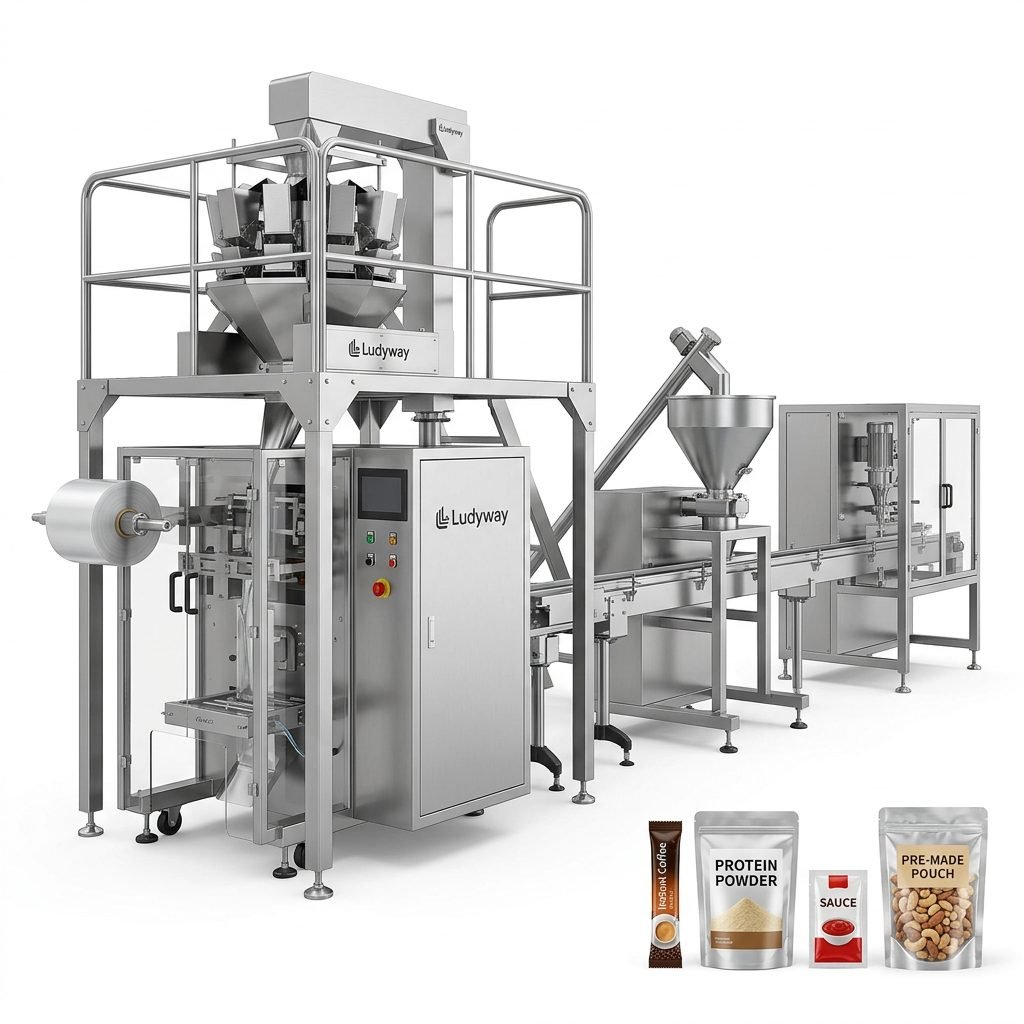
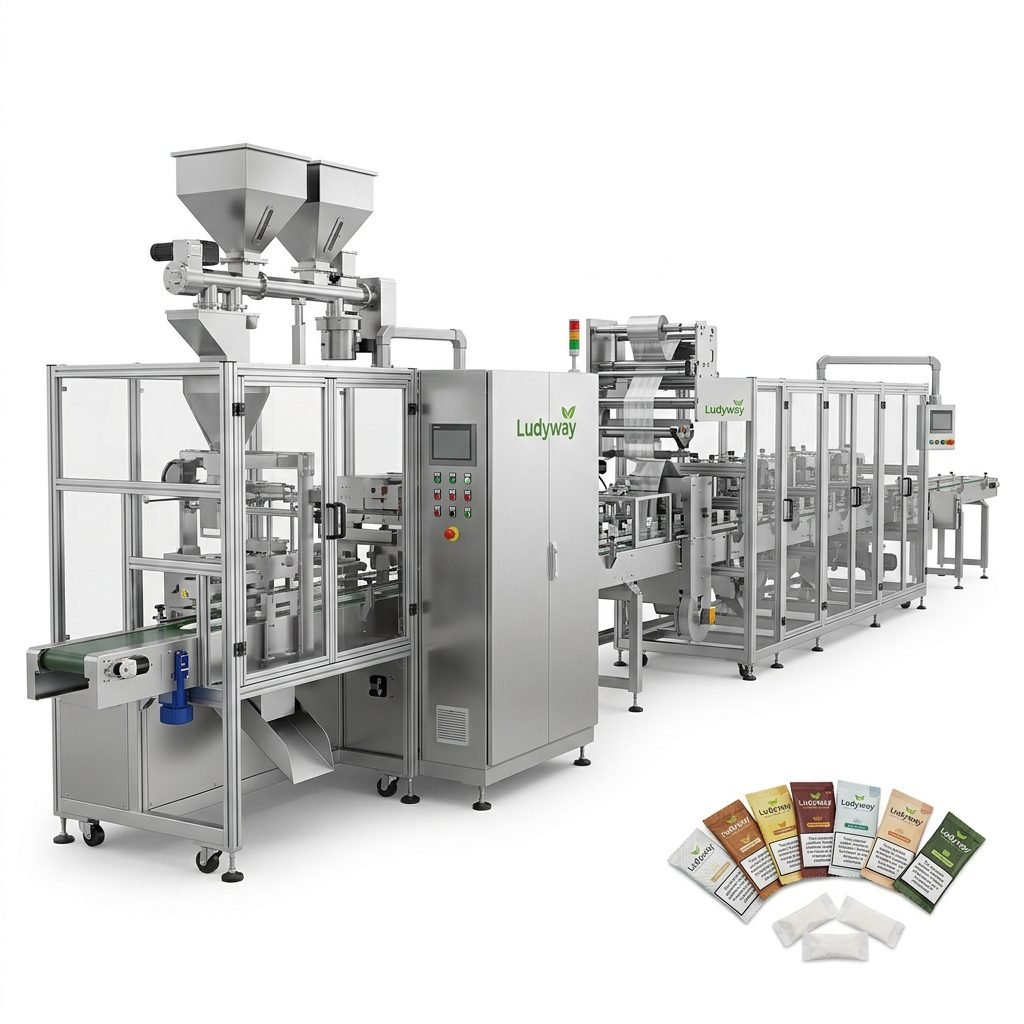
When evaluating packaging machinery for production lines, one of the most critical questions asked by operations managers and business owners is: how many units can it produce per minute? For sonic sealing packaging machines, which are renowned for their speed and precision, the answer isn’t a single number. It’s a variable influenced by a complex interplay of machine design, product characteristics, and operational parameters. Understanding this speed potential and the factors that affect it is essential for making an informed investment and maximizing your return.
Understanding the Speed Spectrum of Sonic Packaging Machines
Sonic (or ultrasonic) sealing machines use high-frequency vibrations to create clean, strong seals on thermoplastic materials. This technology allows for exceptionally fast cycle times compared to traditional heat sealing. The speed, typically measured in cycles per minute (CPM) or packs per minute (PPM), can range dramatically.
Typical Speed Ranges:
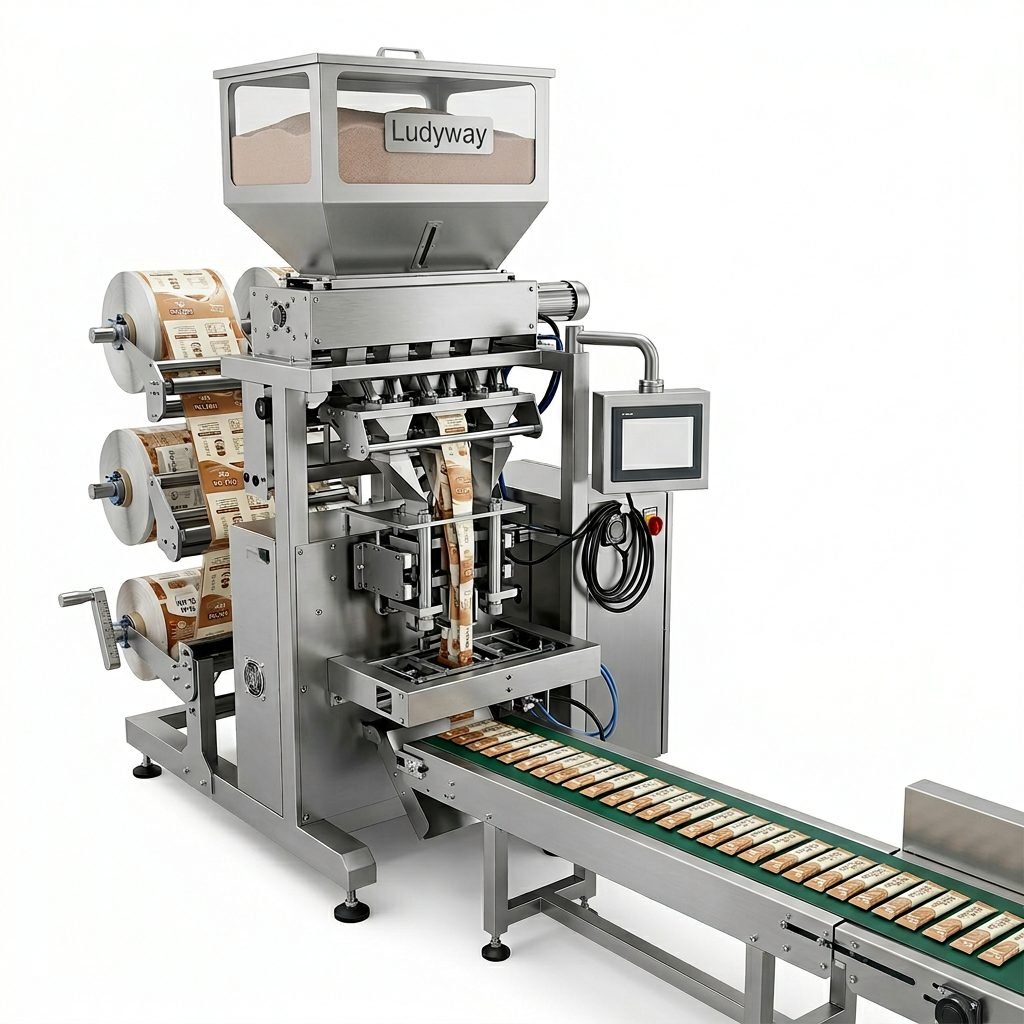
✔ Standard Single-Lane Machines: These robust workhorses commonly operate in the range of 40 to 80 packs per minute. They are ideal for a wide variety of products where high speed is beneficial but not the sole critical factor.
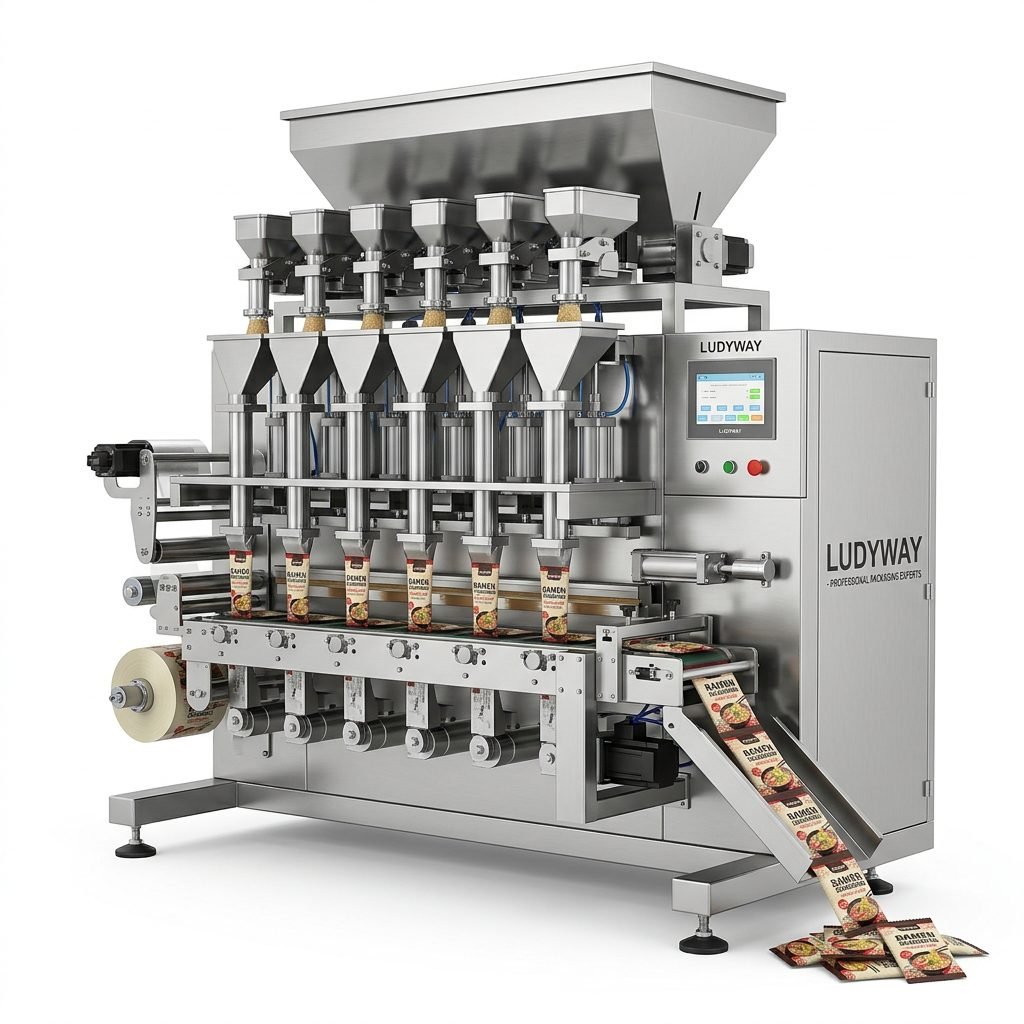
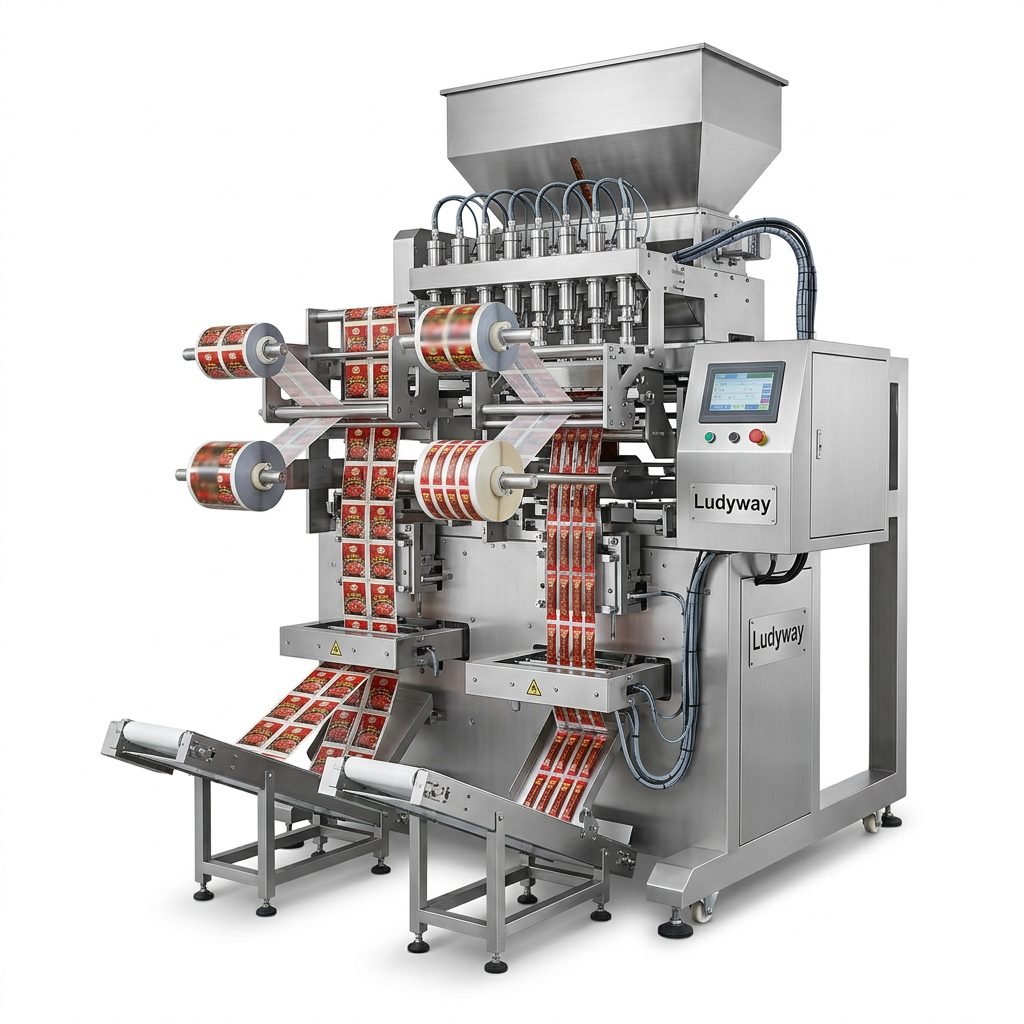
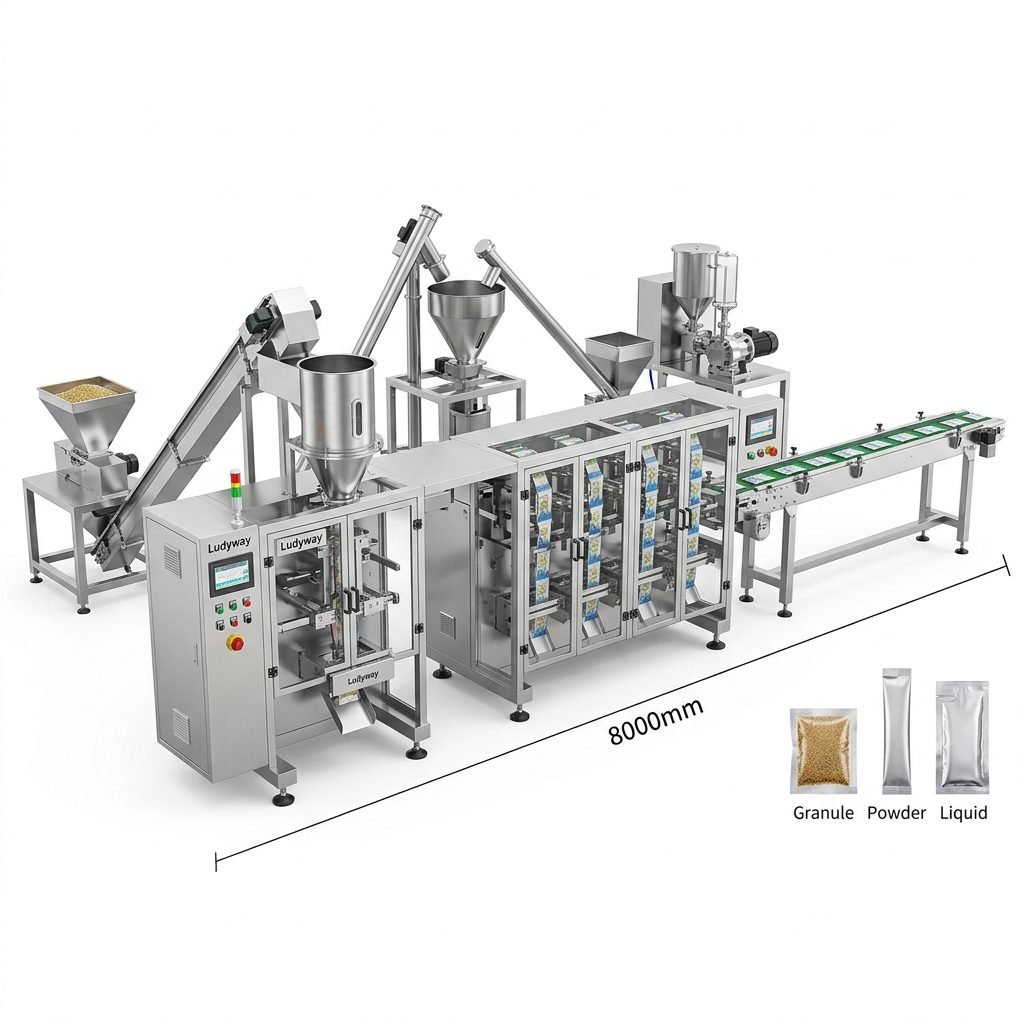
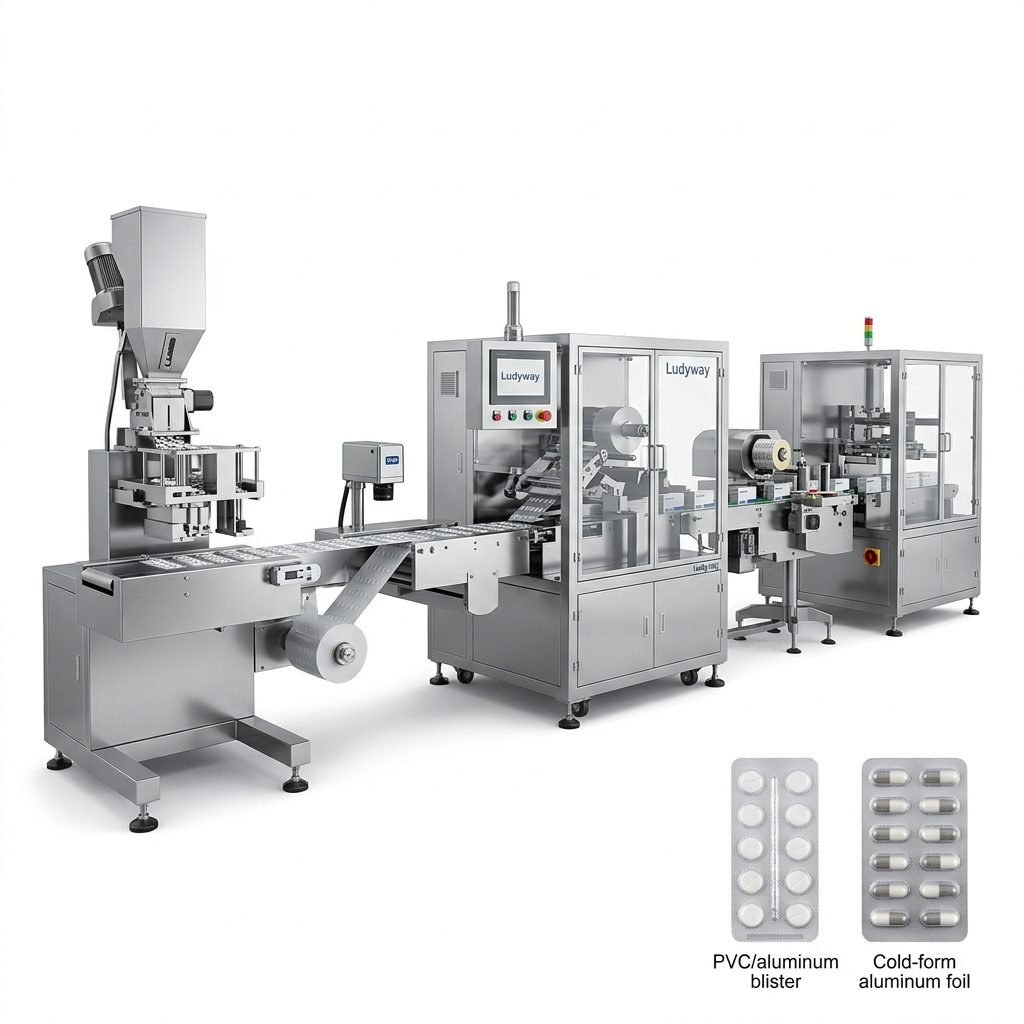
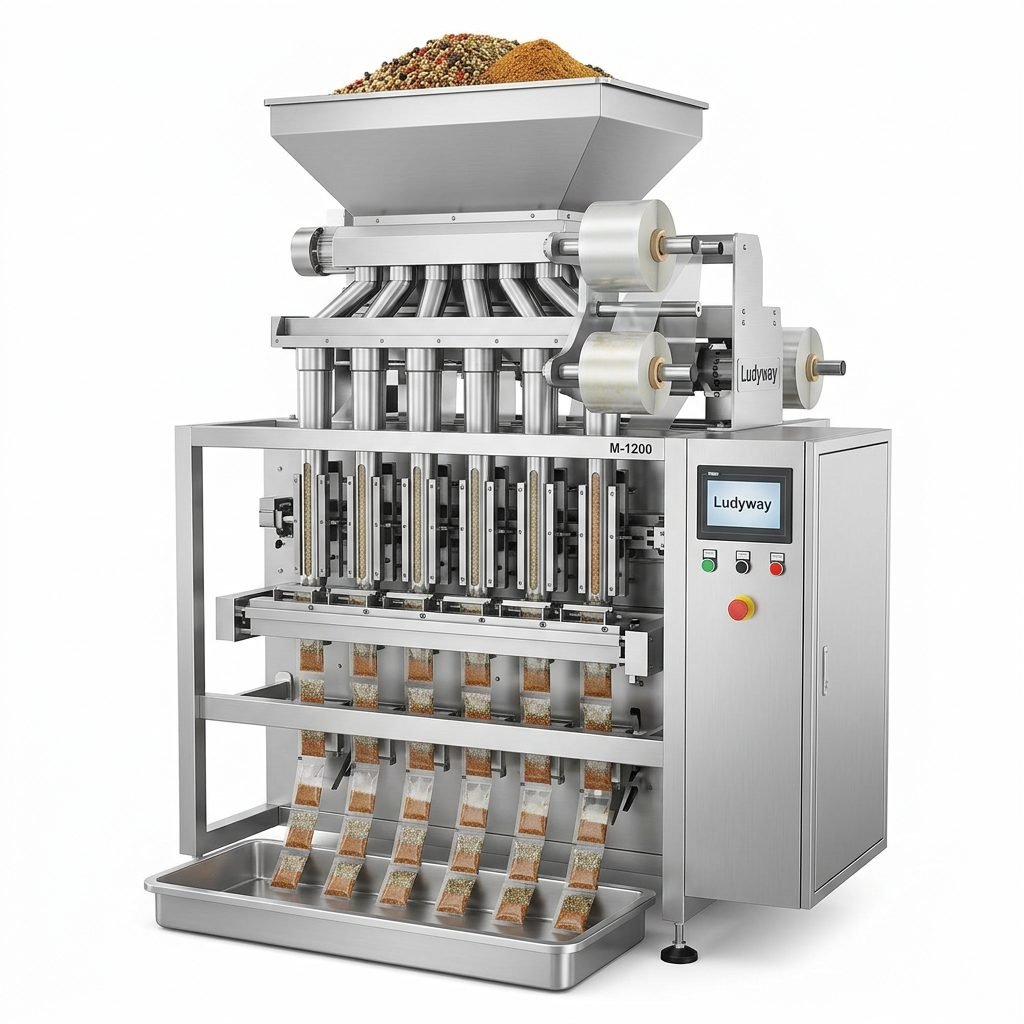
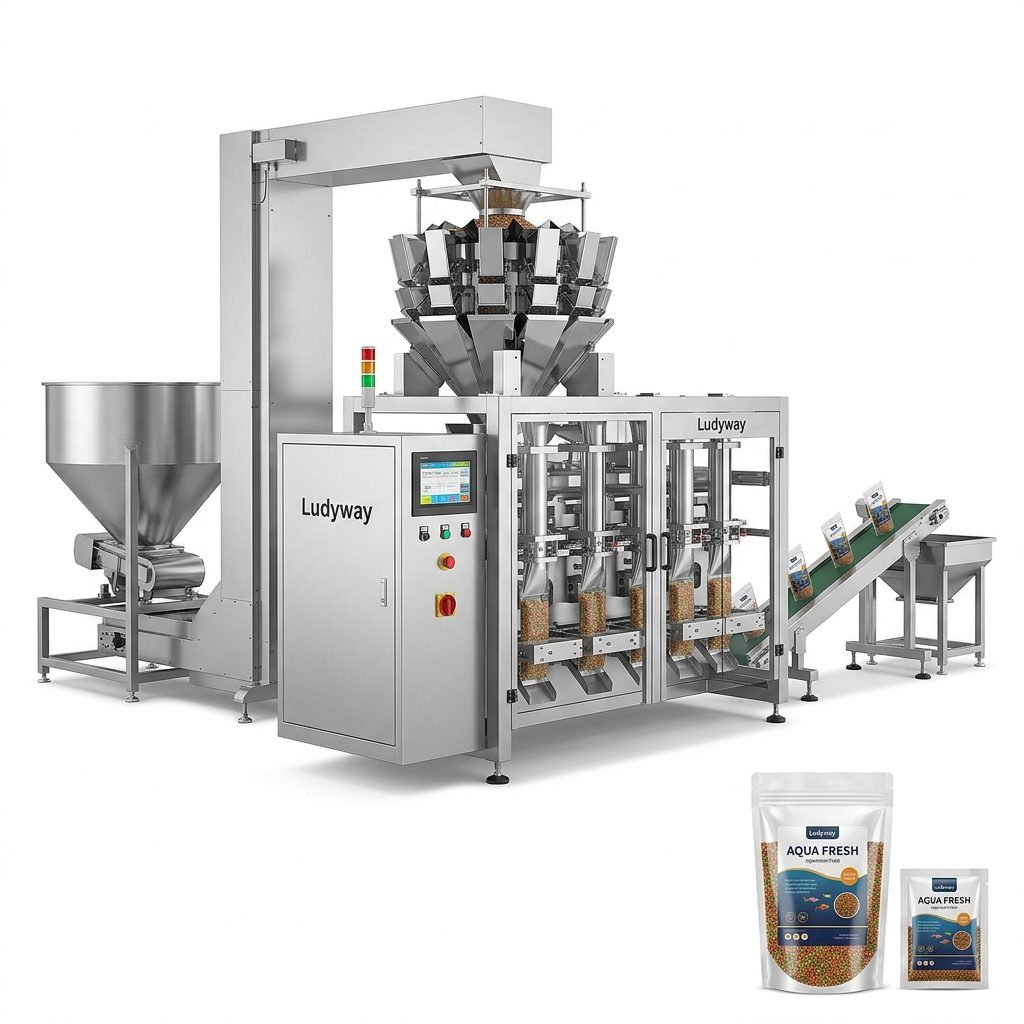
✔ High-Speed Multi-Lane Machines: This is where sonic technology truly shines. By incorporating multiple lanes (e.g., 2, 4, 6, or more), output multiplies. A 4-lane machine, each lane running at 60 PPM, can achieve a theoretical output of 240 packs per minute. Advanced multi-lane systems from manufacturers like Ludyway Machinery are engineered to synchronize these lanes efficiently, pushing total output even higher.
✔ Specialized High-Velocity Systems: For industries like fast-moving consumer goods (FMCG), top-tier sonic packaging systems can be configured to reach speeds exceeding 300 to 400 packs per minute. These systems represent the peak of packaging automation and require perfectly optimized supporting processes.
Key Performance Factors Determining Output Speed
The advertised maximum speed of a machine is just one part of the equation. Sustainable, real-world production rates depend on several interconnected factors.
1. Product and Material Characteristics
The physical nature of your product is a primary governor of speed.
- Product Form: Free-flowing granules or powders generally allow for faster filling than viscous liquids, sticky pastes, or fragile solids that require careful handling.
- Packaging Film: The type, thickness, and coating of the laminate film directly impact sealing time. Films optimized for ultrasonic sealing enable quicker, more reliable seals.
- Pack Size and Shape: Larger sachets or stick packs require more film to be advanced and more seal area to be created, which can slightly reduce the cycles per minute compared to smaller packs.
2. Machine Configuration and Technology
The machine’s design and components set its fundamental speed capability.
- Number of Lanes: As mentioned, this is the most direct multiplier. Multi-lane configurations are the standard for high-volume production.
- Drive System: High-precision servo motors provide faster, smoother, and more accurate indexing of film and filling actions compared to traditional mechanical systems, minimizing cycle time.
- Sealing Head Design: The efficiency and cooling rate of the ultrasonic sealing head determine how quickly a perfect seal can be made and the pack released.
- Filling System: The type of filler (volumetric cup, auger, liquid pump) must match the product and be capable of operating at the machine’s target speed without becoming a bottleneck.
3. Operational and Line Integration Factors
Even the best machine can only run as fast as the line around it allows.
📈 Line Synchronization is Critical
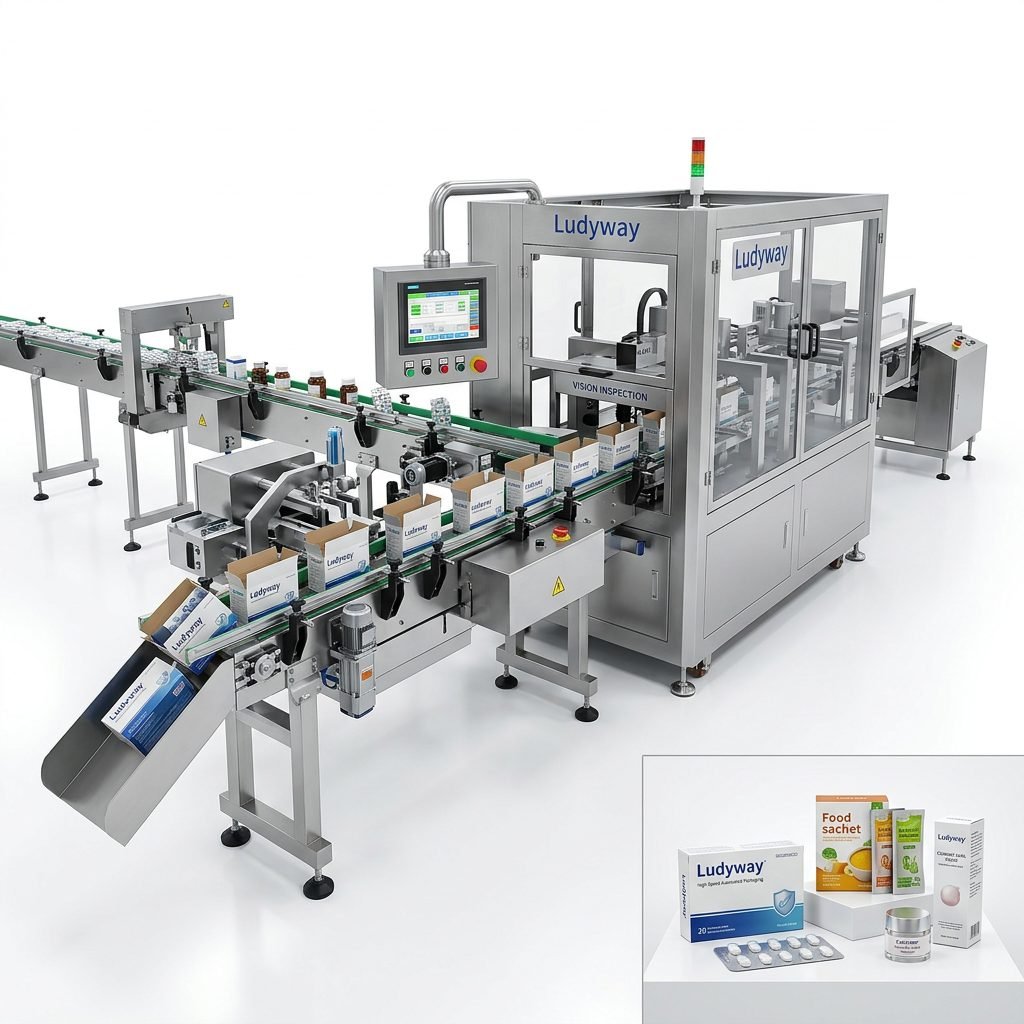
The packaging machine must be perfectly synchronized with upstream equipment (like product feeders and mixers) and downstream equipment (like cartoners or case packers). Any imbalance creates stoppages or “starving” of the line, drastically reducing the overall equipment effectiveness (OEE) and average packs per minute.
Changeover Time: Frequent product or pack size changes will lower your average daily output. Machines with quick-change features (like tool-less adjustments) help maximize productive run time. This operational flexibility is a key consideration for businesses running multiple SKUs.
Optimizing Your Machine for Maximum Sustainable Speed
Achieving and maintaining peak performance requires a proactive approach.
Preventive Maintenance is Non-Negotiable
A well-maintained machine is a fast and reliable machine. Regular maintenance of the ultrasonic generator, sealing horn, film guides, and drives prevents unexpected downtime and ensures consistent sealing quality at high speeds.
Select the Right Partner and Technology
Choosing a supplier with deep application expertise is crucial. A partner like Ludyway Machinery, with over 30 years of industry experience, can recommend the optimal machine configuration and film material for your specific product. They provide more than just a machine; they offer a turnkey production solution designed for efficiency.
💡 Pro Tip: Focus on Overall Line Efficiency
Instead of fixating solely on the maximum PPM of the packaging machine, analyze the efficiency of the entire line. A slightly slower machine that runs continuously with near-zero downtime and perfect quality will often outperform a faster machine that is prone to jams and requires constant adjustment. The goal is to maximize sustainable output, not just theoretical peak speed.
Conclusion
The question “how many cases per minute?” for a sonic packaging machine opens the door to a detailed technical and operational discussion. While speeds can range from 40 to 400+ PPM depending on the configuration, the true measure of success is the consistent, high-quality output achieved in your specific production environment. By carefully considering your product, selecting the right machine configuration from a knowledgeable supplier, and focusing on integrated line efficiency and maintenance, you can unlock the full high-speed potential of sonic sealing technology to drive your productivity and profitability.
Frequently Asked Questions (FAQs)
Q1: What is the main advantage of sonic sealing over heat sealing for speed?
A: Sonic sealing is typically faster because it uses vibrational energy to create molecular friction and heat only at the seal interface, allowing for instantaneous sealing and cooling. Traditional heat sealing requires contact time for the jaws to heat the film and then cool, creating a longer cycle.
Q2: Can I upgrade my single-lane sonic machine to a multi-lane later?
A: Generally, this is not a practical retrofit. Multi-lane machines are designed from the ground up with wider frames, multiple filling systems, and synchronized drives. It is more cost-effective to select the correct lane configuration for your future volume needs from the start.
Q3: Does a higher speed machine always mean better productivity?
A: Not necessarily. If your upstream supply or downstream packaging cannot keep pace, the high-speed machine will be forced to stop and start, reducing overall efficiency. The machine’s speed must be matched to the slowest bottleneck in your production line for optimal productivity.
Q4: How does packaging film quality affect machine speed?
A: Immensely. Inconsistent film thickness, poor slip properties, or coatings not suited for ultrasonic sealing can cause misfeeds, wrinkling, or weak seals. This forces operators to reduce speed to manage these issues. Using high-quality, recommended film is essential for maintaining high speed.
Q5: What support should I expect to maintain high-speed operation?
A: You should expect comprehensive support from your supplier, including thorough operator training, detailed preventive maintenance schedules, ready availability of spare parts (like sealing horns and boosters), and access to technical service. This support is critical to minimizing downtime and sustaining peak performance.