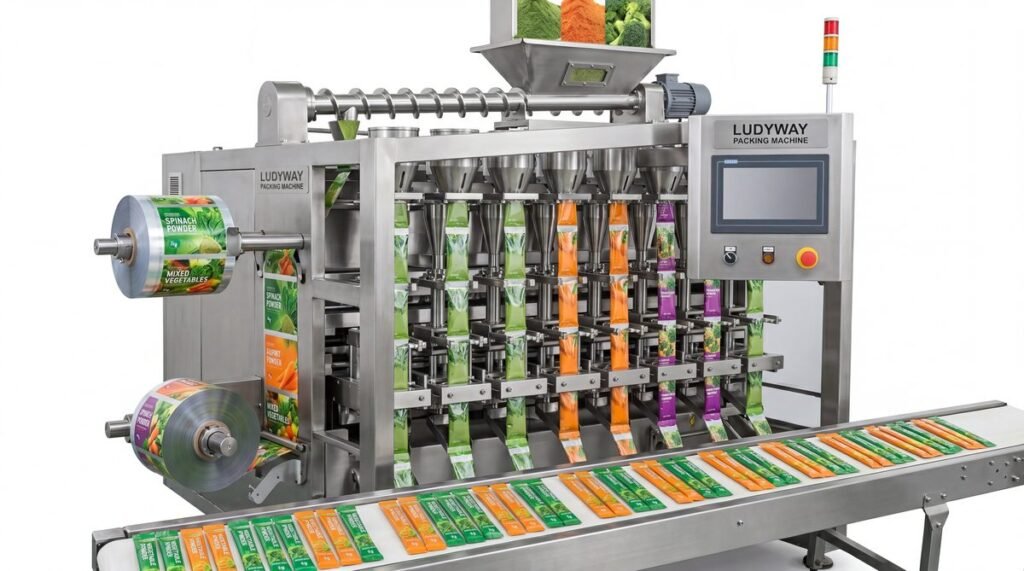
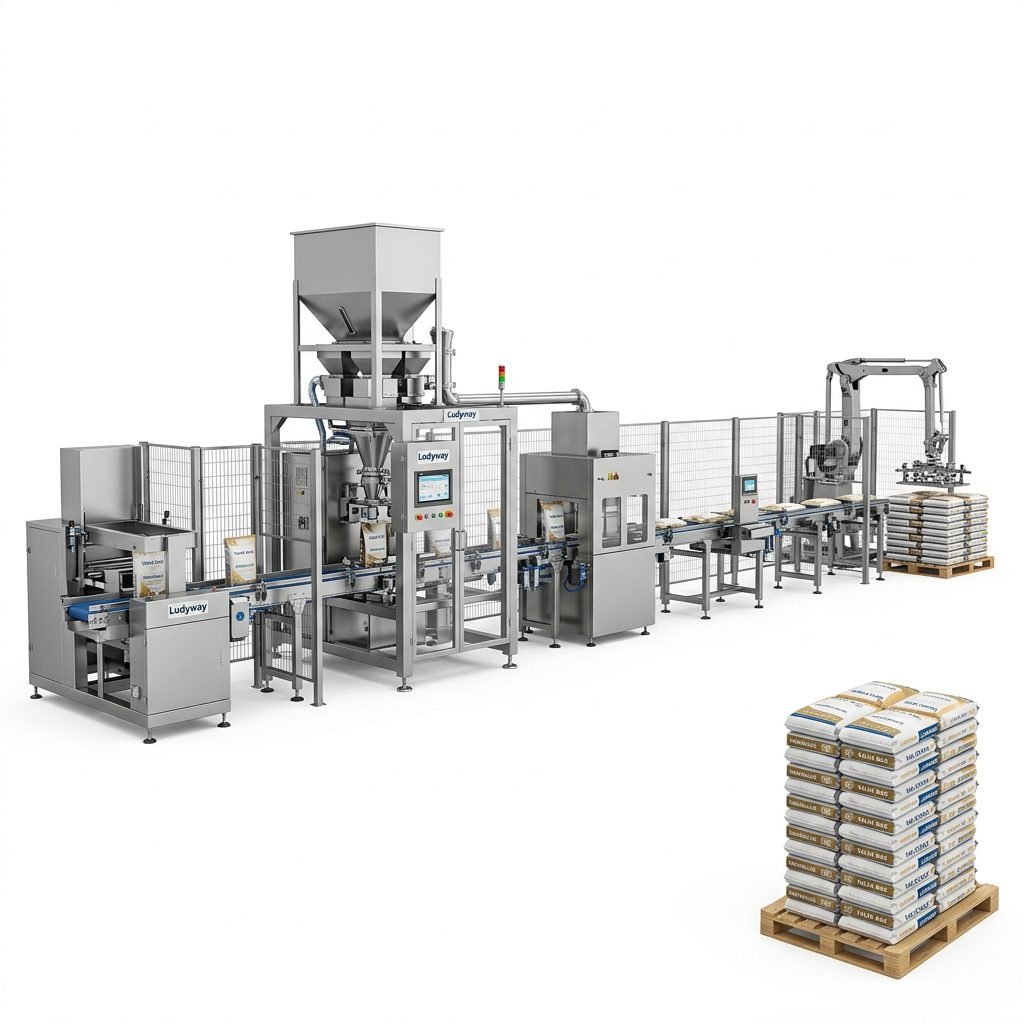
In today’s fast-paced manufacturing landscape, achieving optimal productivity and consistent quality is paramount. For industries ranging from food and pharmaceuticals to health supplements and daily chemicals, the packaging process is a critical link in the supply chain. High-efficiency packaging equipment solutions are no longer a luxury but a necessity for automated production lines aiming to maximize output, minimize waste, and ensure product integrity.
The Core Components of an Automated Packaging Line
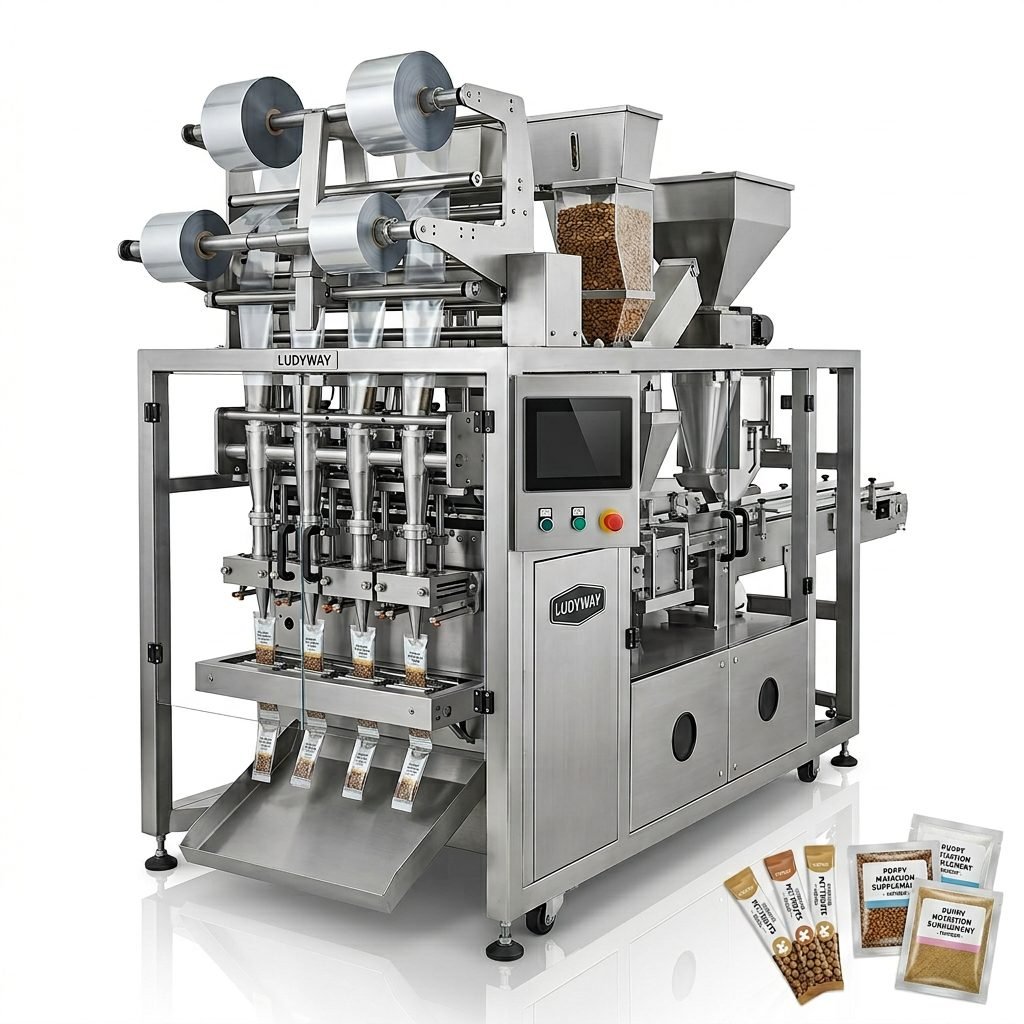
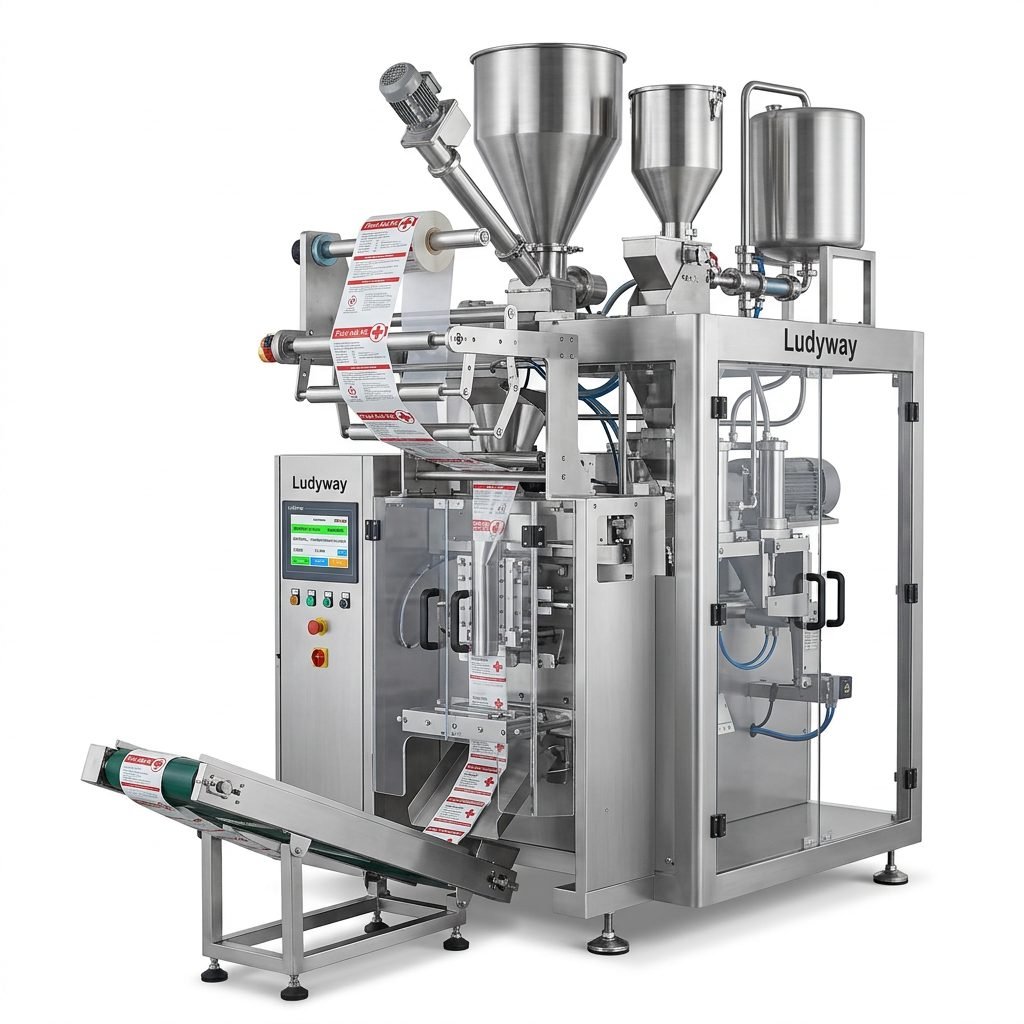
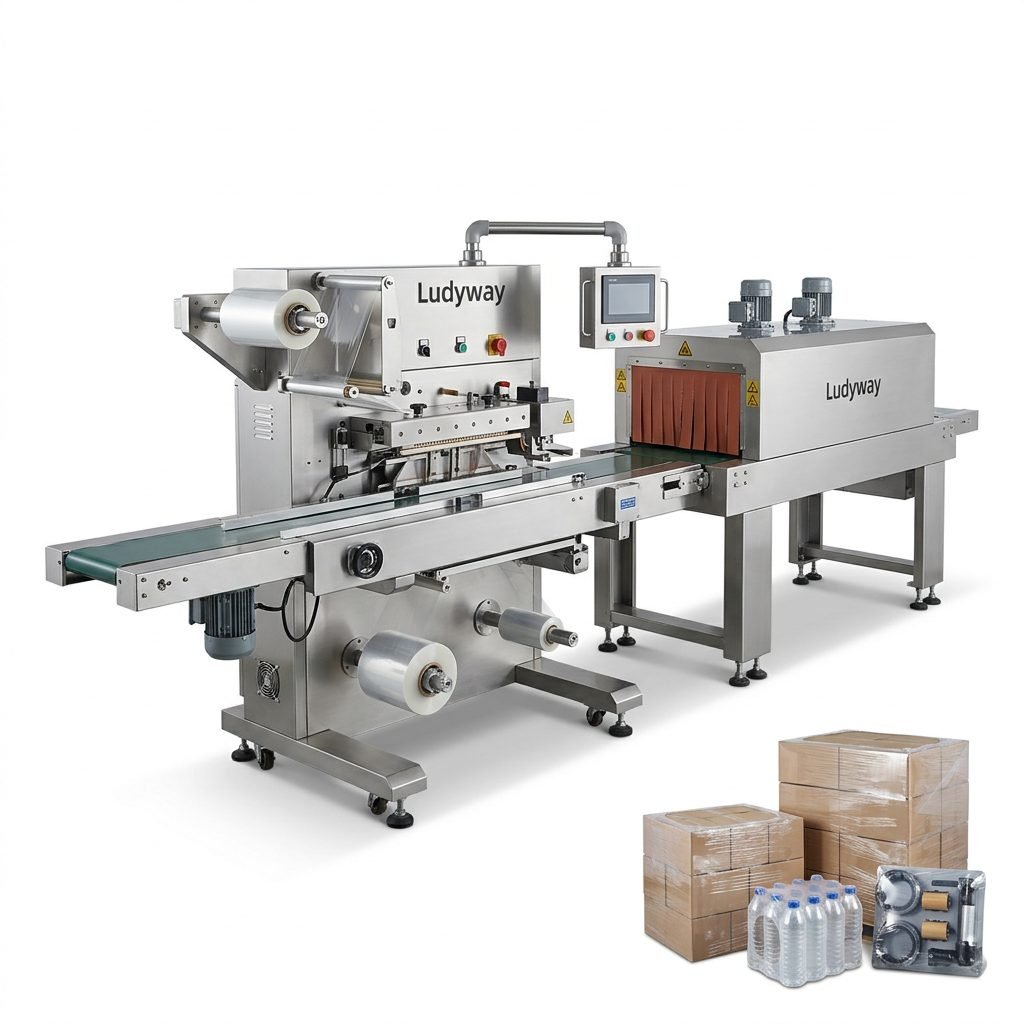
A truly high-efficiency automated packaging line is a symphony of integrated machinery, each component performing a specific task with precision and reliability. The journey begins with product feeding systems, which accurately measure and transport granules, powders, or liquids. This is followed by the form-fill-seal (FFS) machine, the heart of the operation, which creates the package from roll stock, doses the product, and seals it—all in one continuous motion. Downstream, conveyors, cartoners, case packers, and palletizers complete the line, transforming individual packets into shippable units.
Key Advantage: Seamless Integration
The greatest efficiency gains are realized when all machines communicate seamlessly. Modern solutions utilize Programmable Logic Controllers (PLCs) and Human-Machine Interfaces (HMIs) to create a unified control system. This allows for real-time monitoring, quick changeovers between different product formats, and immediate adjustment of parameters like fill weight or sealing temperature, ensuring the line adapts swiftly to production demands.
Driving Forces Behind the Shift to Automation
Several compelling factors are accelerating the adoption of automated packaging solutions. Firstly, labor cost pressures and availability make consistent, high-speed mechanical operation economically superior. Secondly, stringent hygiene and safety regulations, especially in food and pharma, are more reliably met by enclosed, cleanable automated systems. Thirdly, consumer demand for product variety requires flexible machinery capable of rapid changeovers. Finally, the need for precise data tracking for traceability and quality control is inherently built into smart packaging systems.
Selecting the Right Equipment for Your Product
Not all packaging equipment is created equal. The optimal solution is dictated by your product’s specific characteristics.
For Granules & Powders
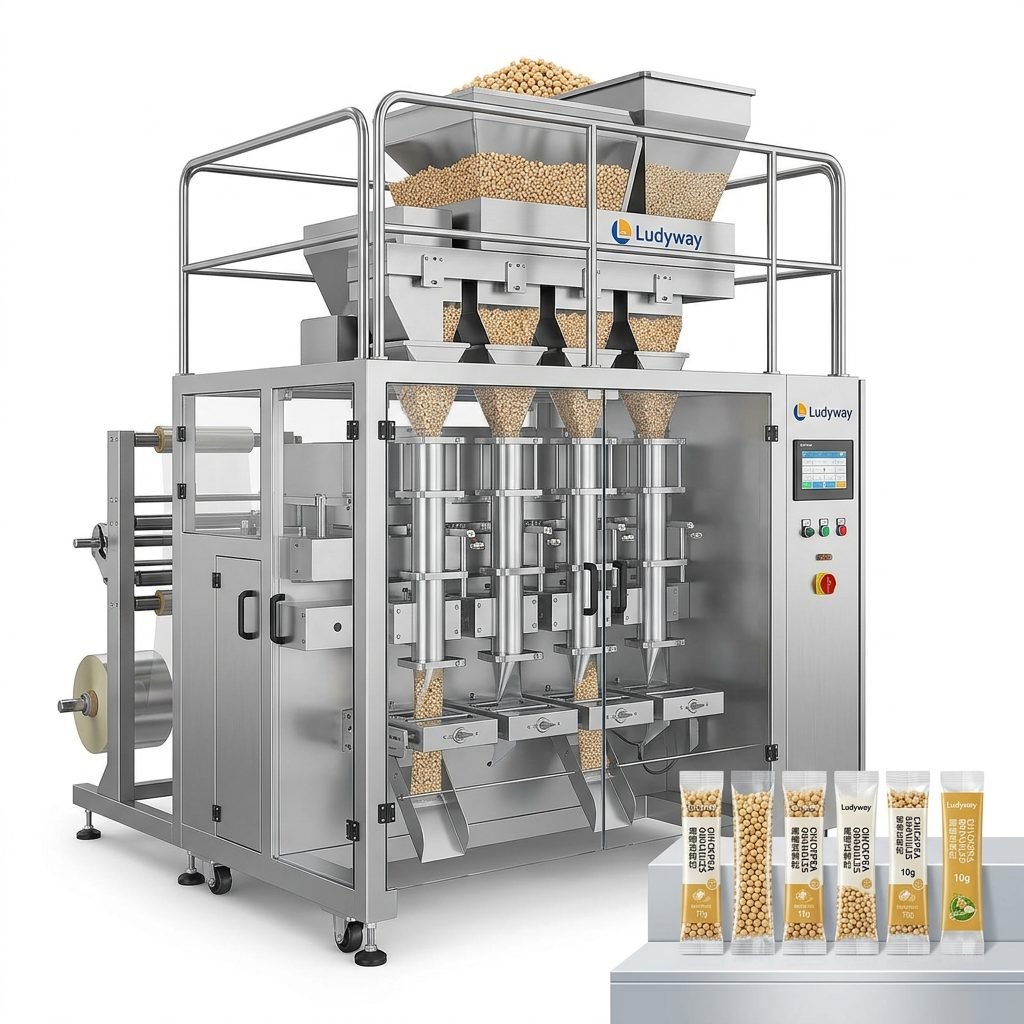
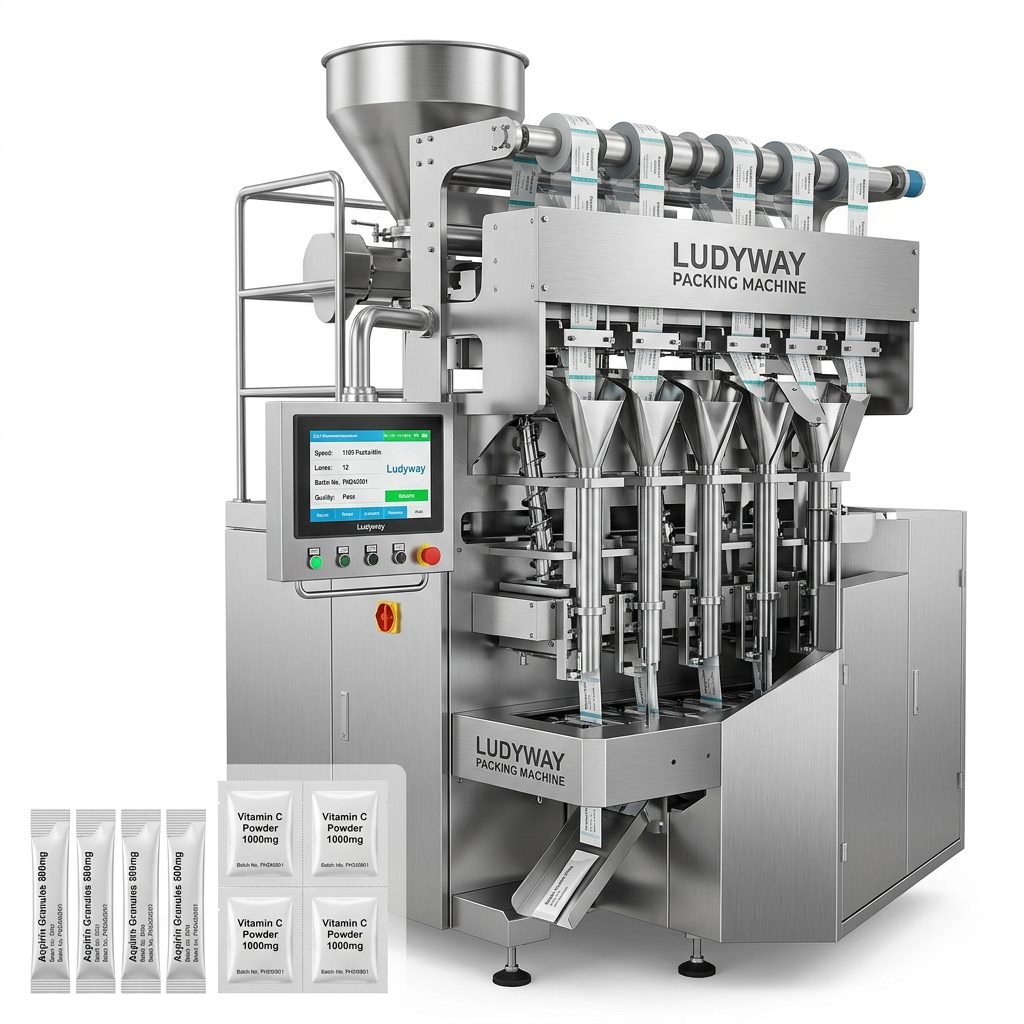
Products like instant coffee, protein powder, or spices require equipment with highly accurate auger or cup-type filling systems. Multi-lane stick pack or sachet machines are ideal for creating single-serve portions at high speeds, often exceeding hundreds of packs per minute. These systems must handle various materials, from standard laminates to high-barrier films for moisture-sensitive products.
For Liquids & Pastes
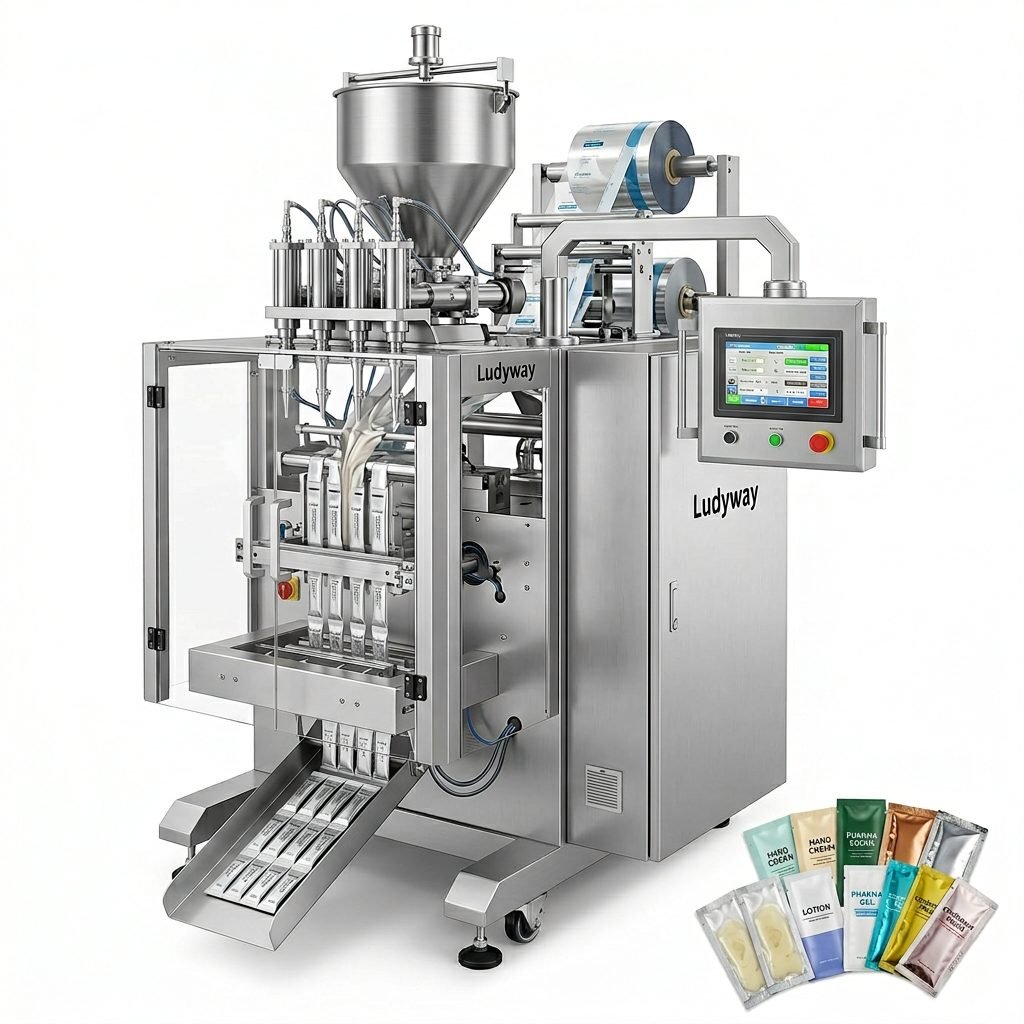
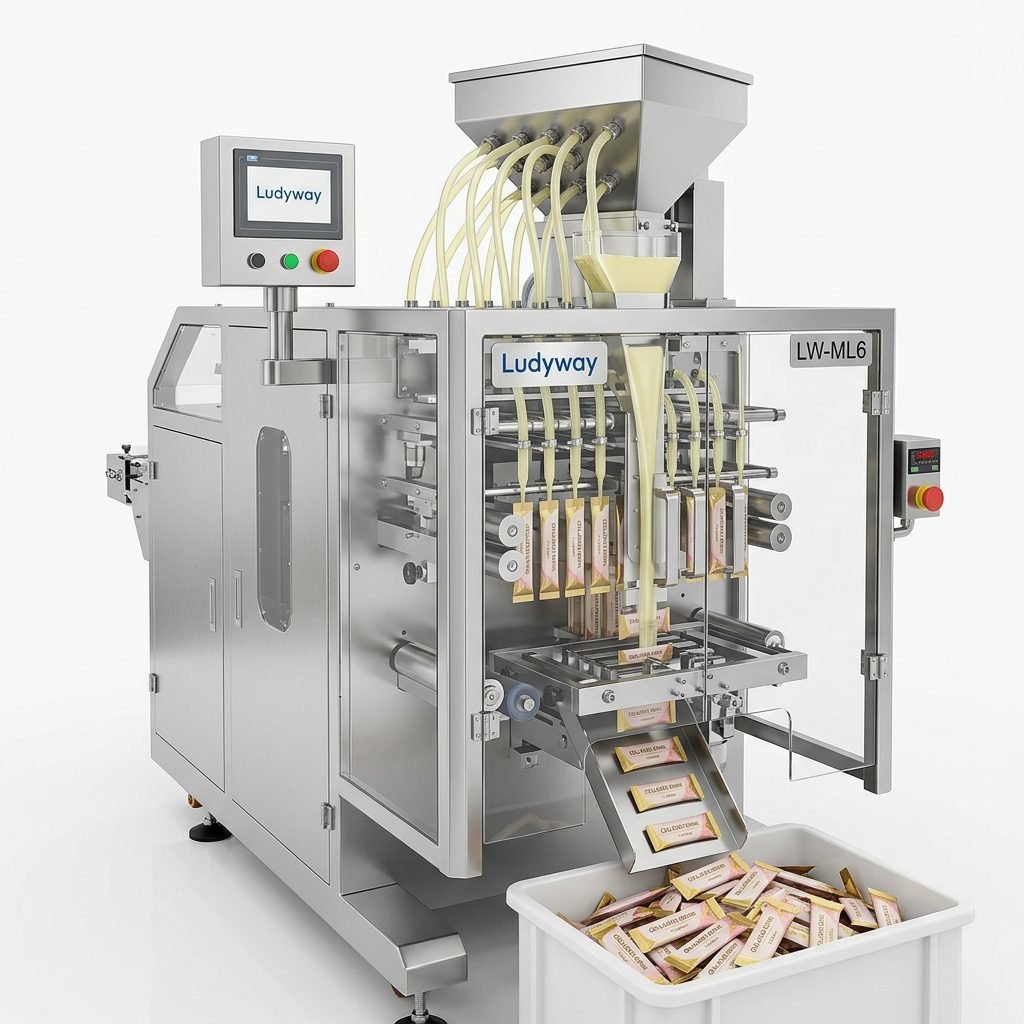
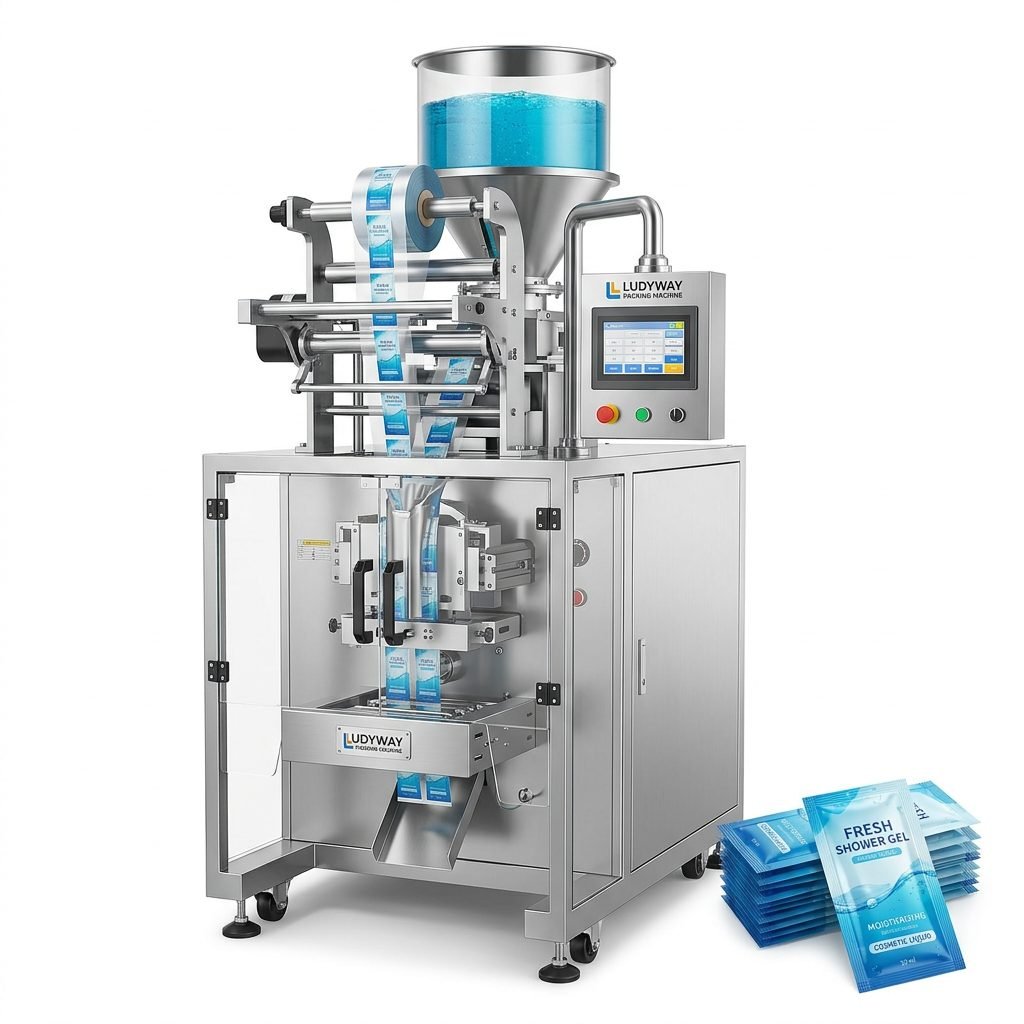
Packaging oils, sauces, shampoos, or cosmetic creams involves liquid pumps (piston, gear, or peristaltic) that ensure precise volumetric filling without dripping. The sealing process is critical to prevent leaks, often requiring specialized jaw designs and temperature control. For viscous products, specific nozzle designs are necessary to maintain a clean fill.
📈 Efficiency Metrics to Consider
When evaluating equipment, look beyond the price tag. Key performance indicators include:
Overall Equipment Effectiveness (OEE): A holistic measure of availability, performance, and quality.
Changeover Time: How quickly the machine switches between different pack sizes or materials.
Yield & Material Waste: The percentage of raw materials (film, product) converted into saleable goods.
Mean Time Between Failures (MTBF): Indicates the reliability and expected uptime of the machinery.
The Role of a Trusted Packaging Partner
Implementing a high-efficiency line is a significant investment. Partnering with an experienced provider like Ludyway Packing Machine can make the difference between a project that meets specs and one that exceeds expectations. A true partner brings over 30 years of industry experience to the table, offering more than just machines—they provide turnkey solutions. This includes in-depth consultation, custom engineering for unique applications, comprehensive installation and training, and reliable after-sales support with access to spare parts.
With a portfolio of over 50 intelligent packaging machine models, a partner can objectively recommend the best technology—whether it’s a robust multi-lane sachet machine for high-volume food production or a precision liquid filler for pharmaceutical samples—without being limited to a single type of equipment. Their deep understanding of global market needs ensures the solution is not only efficient but also compliant and scalable.
Future-Proofing Your Investment
The landscape of packaging is evolving. Sustainability concerns are driving demand for recyclable and compostable materials, which require machines that can handle these often more challenging films. The Industrial Internet of Things (IIoT) is enabling predictive maintenance, where sensors on the equipment can alert operators to potential issues before they cause downtime. Choosing a partner committed to innovation means your line can adapt to these future trends, protecting your investment for years to come.
Conclusion
Integrating high-efficiency packaging equipment into automated production lines is a strategic decision that delivers tangible competitive advantages: reduced operational costs, enhanced product quality and safety, superior scalability, and robust data for continuous improvement. By carefully analyzing product needs, focusing on total system integration, and collaborating with a knowledgeable and reliable packaging machinery partner, manufacturers can build a packaging operation that is not just fast, but also smart, flexible, and built to last.
Frequently Asked Questions (FAQs)
1. What is the typical ROI period for investing in automated packaging equipment?
The return on investment can vary significantly based on production volume, labor costs, and the specific equipment. However, for medium to high-volume operations, many companies see a full ROI within 1 to 3 years through savings in labor, reduced material waste, and increased output.
2. How do I know if my product is suitable for a fully automated form-fill-seal system?
Most free-flowing granules, powders, and non-viscous liquids are excellent candidates. Challenges can arise with very sticky, oily, or irregularly shaped products. The best course of action is to provide a sample to a reputable supplier like Ludyway for a feasibility test and machine recommendation.
3. Can one packaging line handle multiple different products or package sizes?
Yes, modern machines are designed for flexibility. Look for features like tool-less changeover systems, servo-driven components that allow size adjustments via the HMI, and quick-release parts. A well-designed line can switch between similar products in minutes, maximizing uptime.
4. What kind of maintenance do these high-speed machines require?
Preventive maintenance is crucial. This includes daily cleaning, regular lubrication of moving parts, inspection of seals and cutting blades, and calibration of weighing/filling systems. A good supplier will provide a detailed maintenance schedule and training for your technicians.
5. How important is after-sales support when purchasing packaging machinery?
It is critically important. Even the best machines may require technical assistance, spare parts, or periodic updates. A supplier with a strong global support network, readily available spare parts, and responsive service engineers ensures minimal downtime and long-term reliability for your production line.