Selecting the right cereal packaging machine is a critical investment for any food production business. The correct equipment not only ensures product protection and shelf appeal but also directly impacts your production efficiency, operational costs, and scalability. This comprehensive guide will walk you through the different types of cereal packaging machines, their key features, and the essential factors to consider when choosing the best solution for your specific needs.
Understanding the Different Types of Cereal Packaging Machines
The cereal market demands versatile packaging formats, from family-sized boxes to single-serve pouches. The machinery you choose dictates the format, speed, and flexibility of your output.
Vertical Form-Fill-Seal (VFFS) Machines
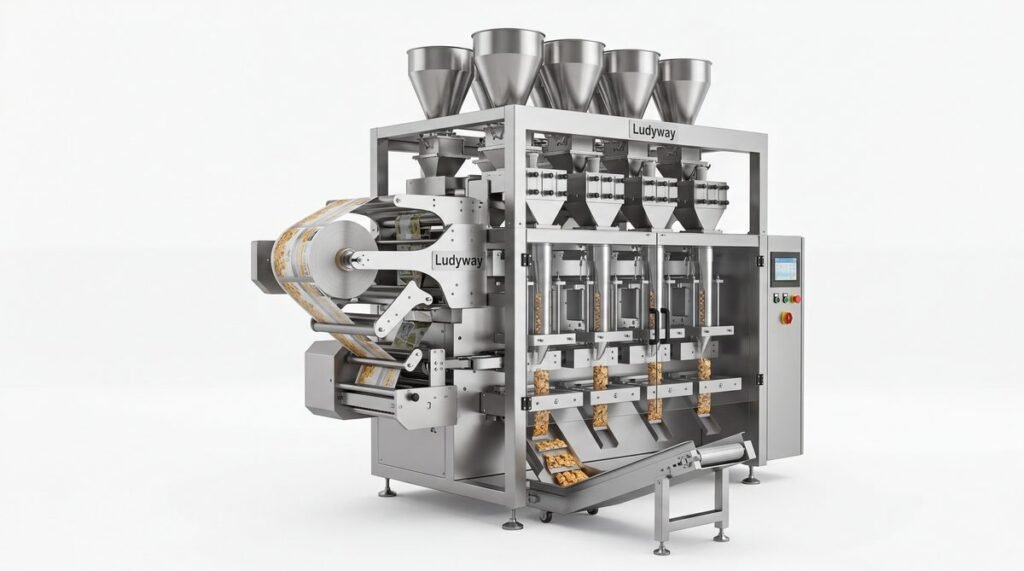
These are the most common and versatile machines for packaging free-flowing products like cereal. A VFFS machine forms a bag from a roll of film, fills it with the measured product, and seals it—all in one continuous vertical operation. They are ideal for producing pillow bags, gusseted bags, or stand-up pouches.
Key Advantage: Excellent for high-speed production of various bag styles and sizes with quick changeover capabilities. Perfect for granola, puffed rice, and oat clusters.
Horizontal Form-Fill-Seal (HFFS) Machines
HFFS machines are typically used for more rigid structures or when packaging multiple items together. The film travels horizontally, and the machine forms the package around the product. This type is often used for creating cartons or trays, but can also be adapted for certain cereal bar multipacks or portion-controlled cereal cups.
Pre-Made Bag Packers
This system uses bags that are already manufactured (pre-made pouches or stand-up zipper bags). The machine’s function is to open, fill, and seal these bags. It’s a superb choice for brands with unique, pre-printed bag designs or those requiring specific barrier properties that are easier to achieve with pre-made laminates.
Consider This: While generally operating at lower speeds than VFFS, pre-made bag packers offer superior bag presentation and are excellent for premium or specialty cereal products where packaging aesthetics are paramount.
Cartoning Machines
For the classic cereal box, cartoning machines are essential. They erect, fill, and seal pre-glued cartons. These can be integrated with baggers (where cereal is first bagged and then placed into the box) or can handle loose-fill cereal directly. They are a cornerstone of traditional cereal packaging lines.
Essential Features to Look for in a Cereal Packaging Machine
Beyond the basic type, several features determine a machine’s performance, reliability, and suitability for your product.
Weighing and Dosing System
The heart of accuracy. Look for multi-head weighers or auger filler systems known for high precision. This minimizes giveaway (overfilling) and ensures every box meets net weight regulations. For mixed cereal with fruits and nuts, a combination weigher is often necessary.
Film Handling and Sealing Technology
Robust film unwind, guiding, and tension control are vital for consistent bag formation. The sealing system—whether hot bar, impulse, or ultrasonic—must create strong, airtight seals that can withstand handling and transportation. Check compatibility with your chosen packaging material (e.g., metallized film, PE, CPP).
Changeover Ease and Flexibility
If you run multiple cereal varieties or bag sizes, quick changeover is non-negotiable. Machines with tool-less adjustments, digital size change recall, and easy-access components drastically reduce downtime between production runs.
Hygiene and Cleanability
Food-grade construction with smooth, stainless steel surfaces on product contact areas is standard. A design with minimal ledges, crevices, and easy disassembly for cleaning ensures you meet stringent food safety standards like HACCP and GMP.
Pro Tip: Machines designed with CIP (Clean-in-Place) capabilities for certain parts can significantly reduce cleaning labor and time, boosting overall equipment effectiveness.
Control System and Connectivity
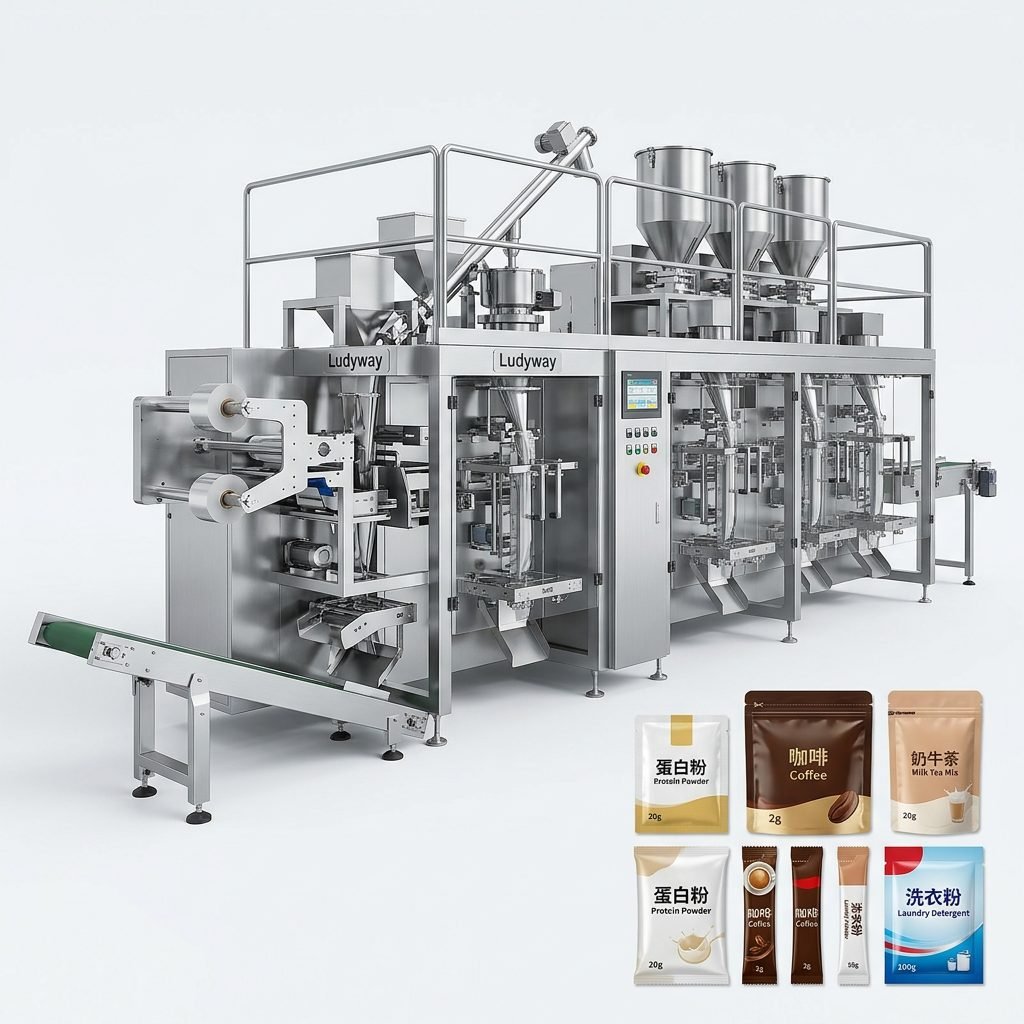
A modern, user-friendly PLC (Programmable Logic Controller) with a touchscreen HMI (Human-Machine Interface) allows for easy operation, recipe storage, and monitoring. Connectivity for Industry 4.0, such as data export for OEE tracking or remote diagnostics, is a valuable future-proofing feature.
How to Choose the Best Cereal Packaging Solution: A Step-by-Step Guide
1. Analyze Your Product and Production Requirements
Start with the basics: What is your cereal’s form (flakes, clusters, powder, mixed)? What is your target output (bags per minute)? What are your current and future package sizes and materials? Defining these parameters narrows down the machine type and scale needed.
2. Evaluate Your Budget and Total Cost of Ownership (TCO)
Look beyond the initial purchase price. Consider the cost of spare parts, maintenance, energy consumption, and potential downtime. A slightly more expensive machine from a reputable supplier like Ludyway Machinery with higher reliability and better service support often has a lower TCO.
3. Prioritize Supplier Experience and Support
The machine is only as good as the company behind it. Choose a supplier with proven experience in the food and cereal industry. They should offer comprehensive support: installation, training, readily available spare parts, and responsive technical service. A supplier with a global presence can ensure support wherever your plant is located.
4. Request a Product Test Run
Never buy a packaging machine sight-unseen with your product. Arrange to send a sample of your cereal to the supplier for a live test on the proposed equipment. This validates the machine’s handling of your product, its accuracy, and the final package quality.
Critical Step: The test run reveals practical challenges like product dust generation, fragility of clusters, or flow characteristics that specs alone cannot show. It’s the best way to de-risk your investment.
5. Plan for Integration and Future Growth
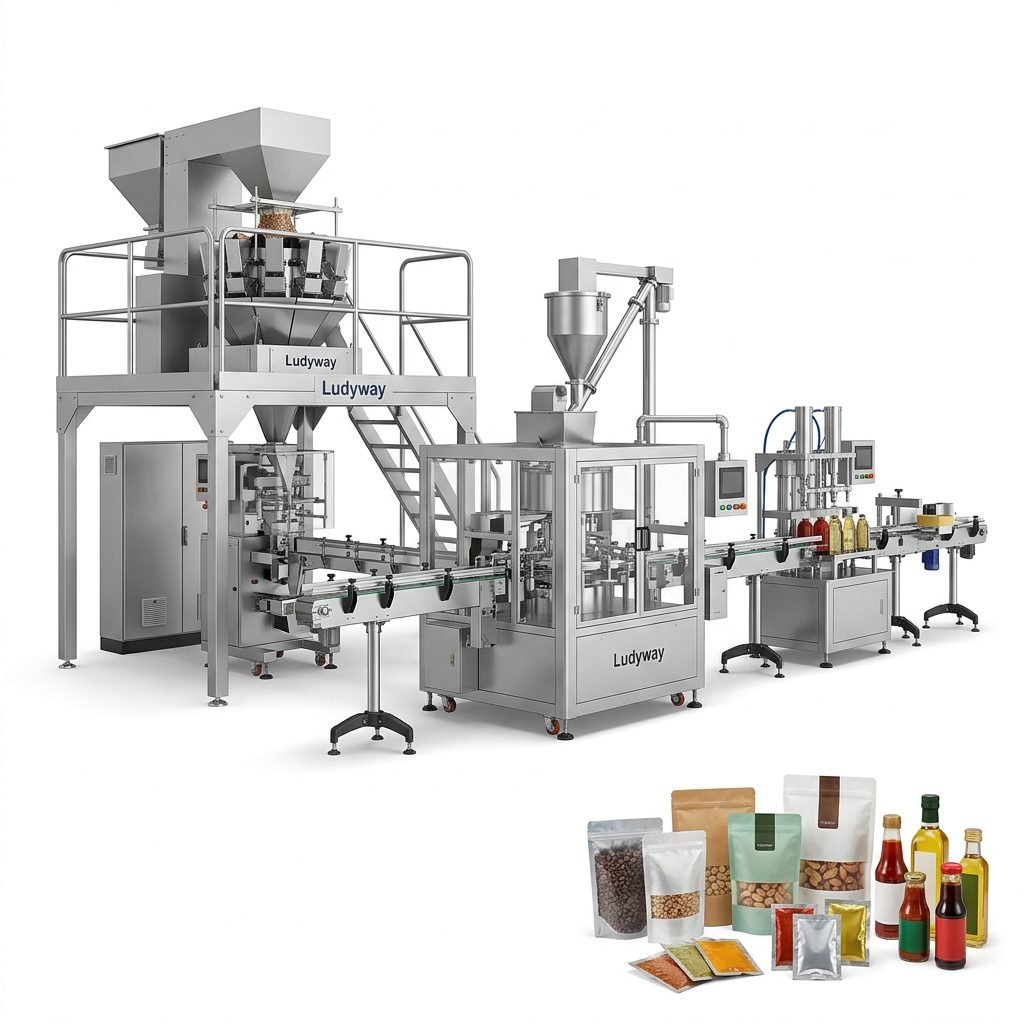
Consider how the new machine will integrate with your existing upstream (mixers, conveyors) and downstream (cartoners, case packers) equipment. Also, consider if the machine can be upgraded or run at higher speeds to accommodate your business growth in the coming years.
Conclusion
Investing in a cereal packaging machine is a strategic decision that requires careful analysis of your product, output goals, and operational needs. By understanding the core machine types, focusing on critical features like weighing accuracy and hygiene, and following a structured selection process that includes testing and evaluating supplier support, you can secure a solution that boosts your productivity, protects your brand, and grows with your business. Partnering with an experienced provider ensures you get not just a machine, but a reliable, long-term packaging solution.
Frequently Asked Questions (FAQs)
What is the typical production speed of a cereal packaging machine?
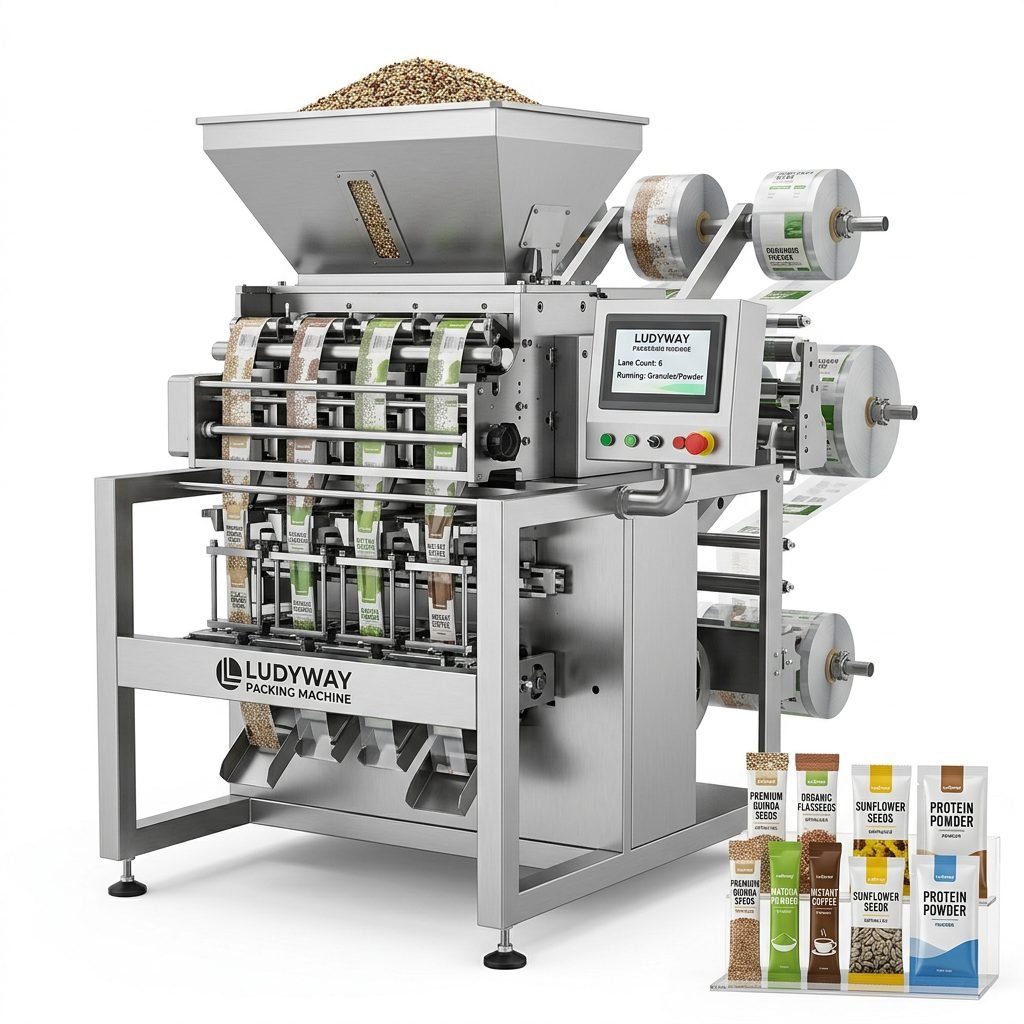
Speeds vary widely based on the machine type and package size. A standard vertical form-fill-seal machine can range from 40 to over 200 bags per minute. Single-serve stick packs can reach much higher speeds on multi-lane machines, while cartoning lines have their own pace. Your specific output requirement is the key determinant.
Can one machine handle different cereal types and package sizes?
Yes, most modern machines are designed for flexibility. The key is the ease and speed of changeover. Machines with digital controls and quick-change parts allow you to switch between, for example, a 500g granola bag and a 1kg cornflake box with minimal downtime. Discuss your required changeover timeline with your supplier, such as Ludyway.
How important is the weighing system for cereal packaging?
It is absolutely critical. An accurate weighing system ensures regulatory compliance, minimizes product giveaway (saving significant money), and guarantees customer satisfaction. For mixed cereals with varying densities, a high-precision multi-head weigher is often the best choice to maintain consistency in every bag.
What kind of maintenance does a cereal packaging machine require?
Regular preventative maintenance is essential for longevity and uptime. This typically includes daily cleaning, lubrication of moving parts as per the manual, inspection of seals and wear parts, and calibration of the weighing system. A reliable supplier will provide a clear maintenance schedule and training for your team.
Where can I get technical support and spare parts for my machine?
This should be a primary factor in your supplier selection. Choose a company with a strong global service network and a commitment to stocking common spare parts. Ensure they offer remote diagnostics and have responsive technical support teams. For instance, exploring the support services offered by your machinery provider is a crucial step before purchase.