In the fast-growing nutraceuticals industry, effective packaging is more than just a final step—it’s a critical component of product integrity, shelf appeal, and regulatory compliance. Selecting the right packaging equipment directly impacts production efficiency, product safety, and overall business success. This guide provides a comprehensive overview of nutraceuticals packaging equipment, covering the main types, key features, and how to build a complete, optimized production line.
Understanding Nutraceuticals Packaging Requirements
Nutraceuticals—including dietary supplements, vitamins, probiotics, and functional powders—have unique packaging needs. The equipment must ensure accurate dosing, protect sensitive ingredients from moisture, light, and oxygen, and often handle a variety of forms like tablets, capsules, powders, and liquids. Furthermore, compliance with strict health and safety regulations, such as GMP (Good Manufacturing Practices), is non-negotiable. The right machinery not only meets these demands but also enhances brand value through superior presentation and functionality.
Key Challenge: Packaging must preserve product potency and ensure consumer safety from production to point of use.
Primary Types of Nutraceuticals Packaging Equipment
The packaging process typically involves several stages, each requiring specialized machinery. Here are the core equipment types found in modern nutraceutical facilities.
1. Filling and Dosing Machines
These are the workhorses of any packaging line, responsible for accurately measuring and depositing the product into its container or pouch. The choice depends on the product form:
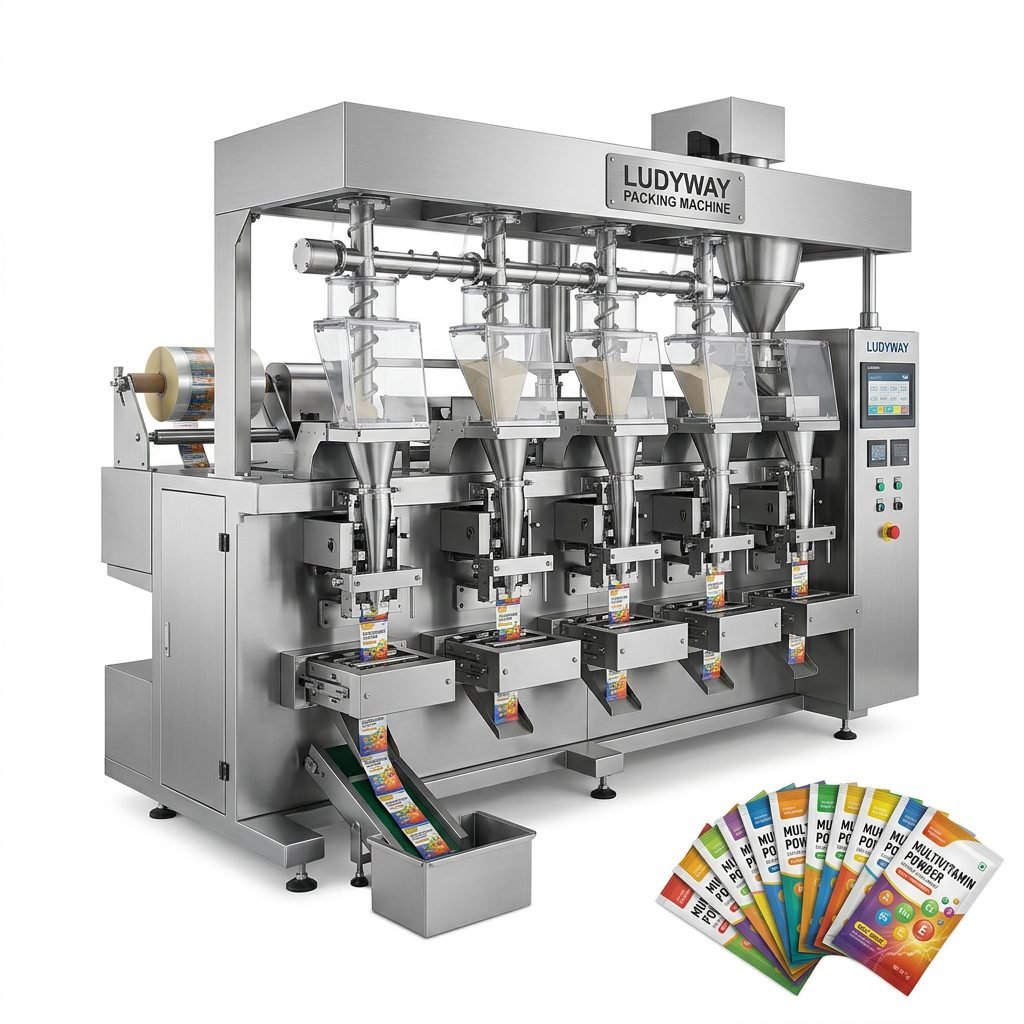
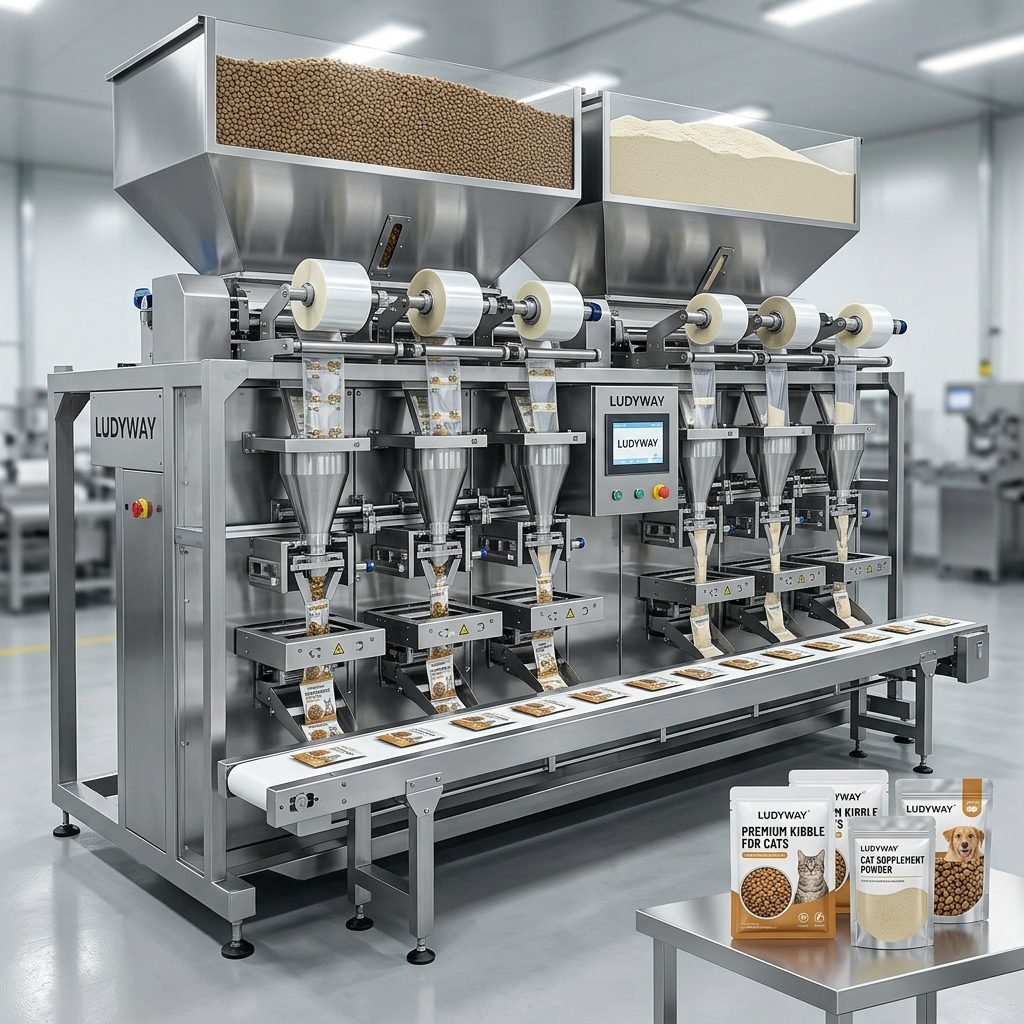
- Auger Fillers: Ideal for fine powders, granules, and semi-solids. They use a rotating screw (auger) to dispense a precise volume. Modern models feature touch-screen controls for easy recipe changes.
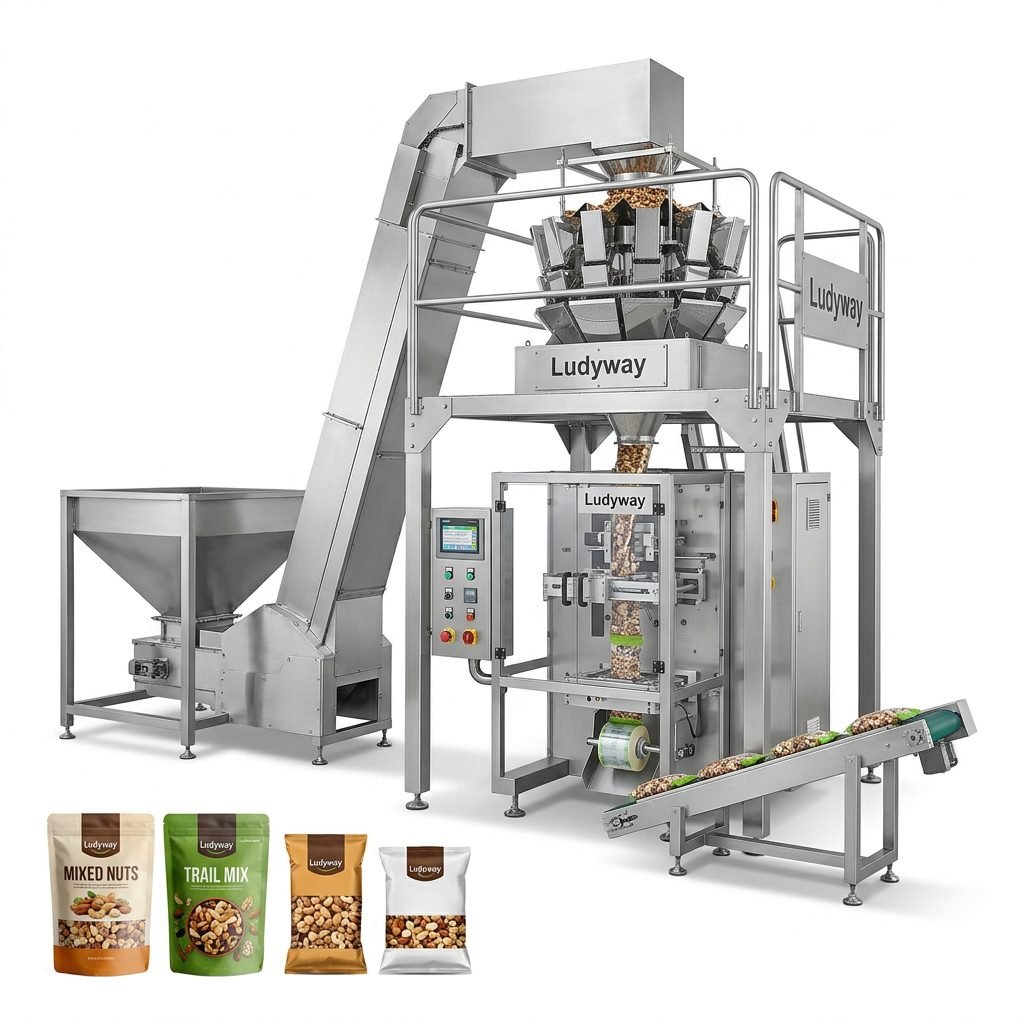
- Volumetric Cup Fillers: Best for free-flowing granules, pellets, and certain powders. They use adjustable cups to scoop and deposit product, offering good speed and consistency.
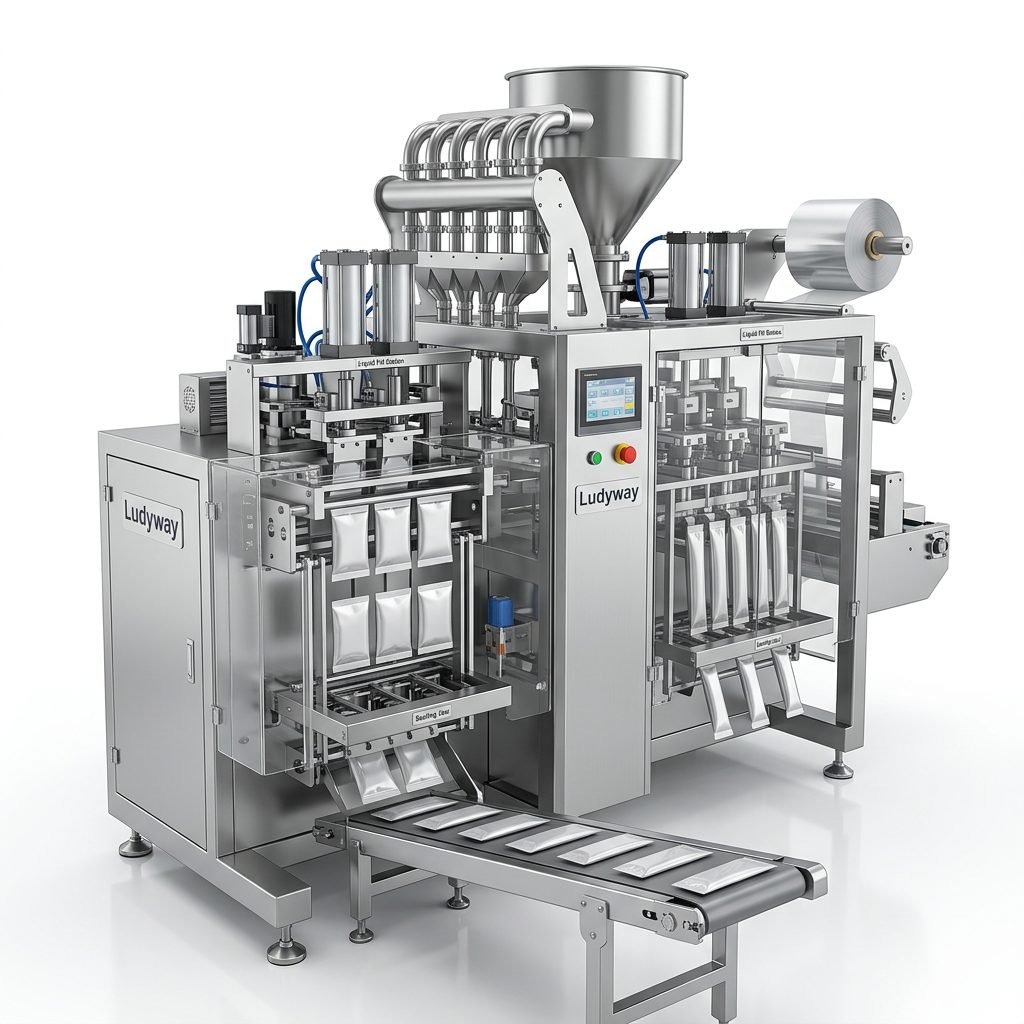
- Liquid Fillers: Used for oils, syrups, and tinctures. Technologies include piston fillers for high accuracy and peristaltic pumps for sterile applications.
- Tablet & Capsule Counters: Utilize advanced vision systems or mechanical counters to ensure exact pill counts in bottles or blisters, crucial for dosage accuracy.
2. Sealing and Capping Equipment
Once filled, containers must be securely closed to prevent contamination and preserve freshness.
- Induction Sealers: Apply an airtight, tamper-evident foil liner under plastic caps, providing an excellent barrier against moisture and oxygen.
- Cappers: Automatically screw caps onto bottles with consistent torque. Chuck cappers are common for nutraceutical bottles.
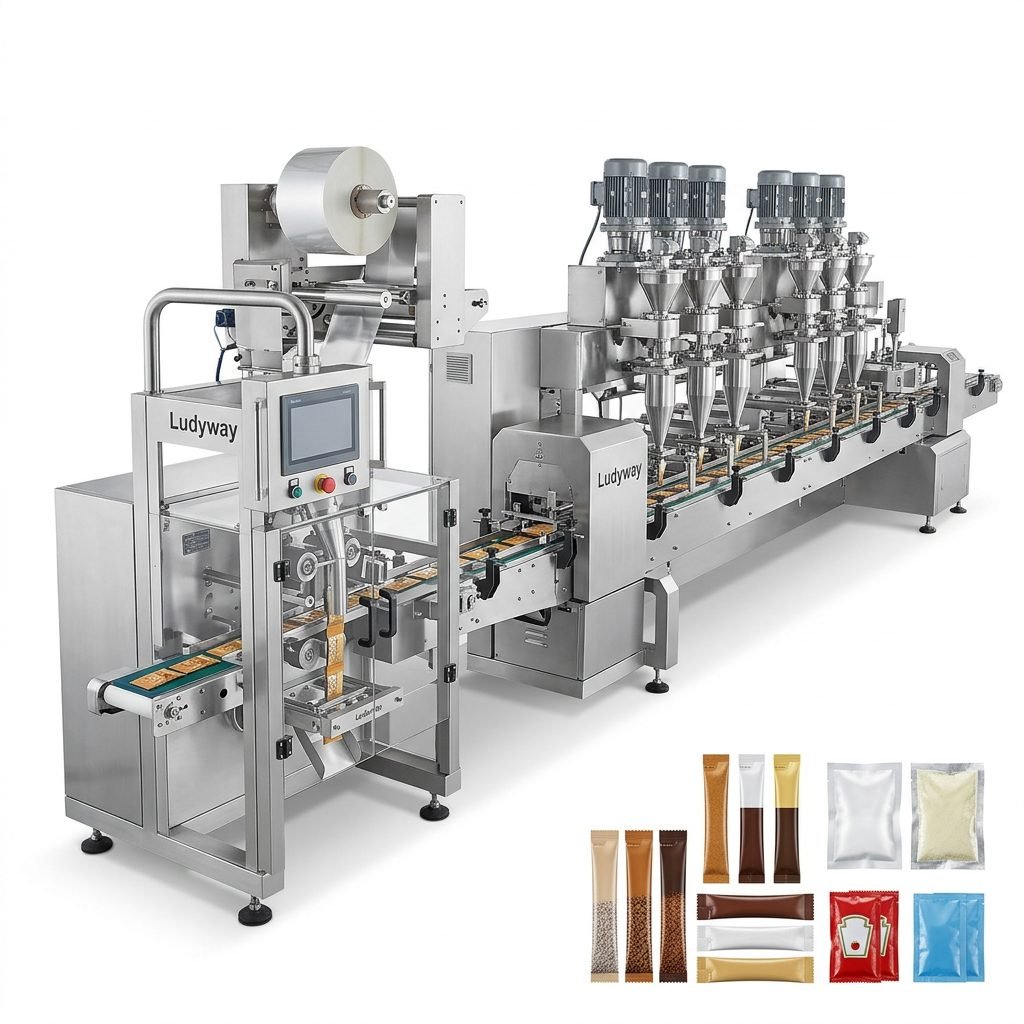
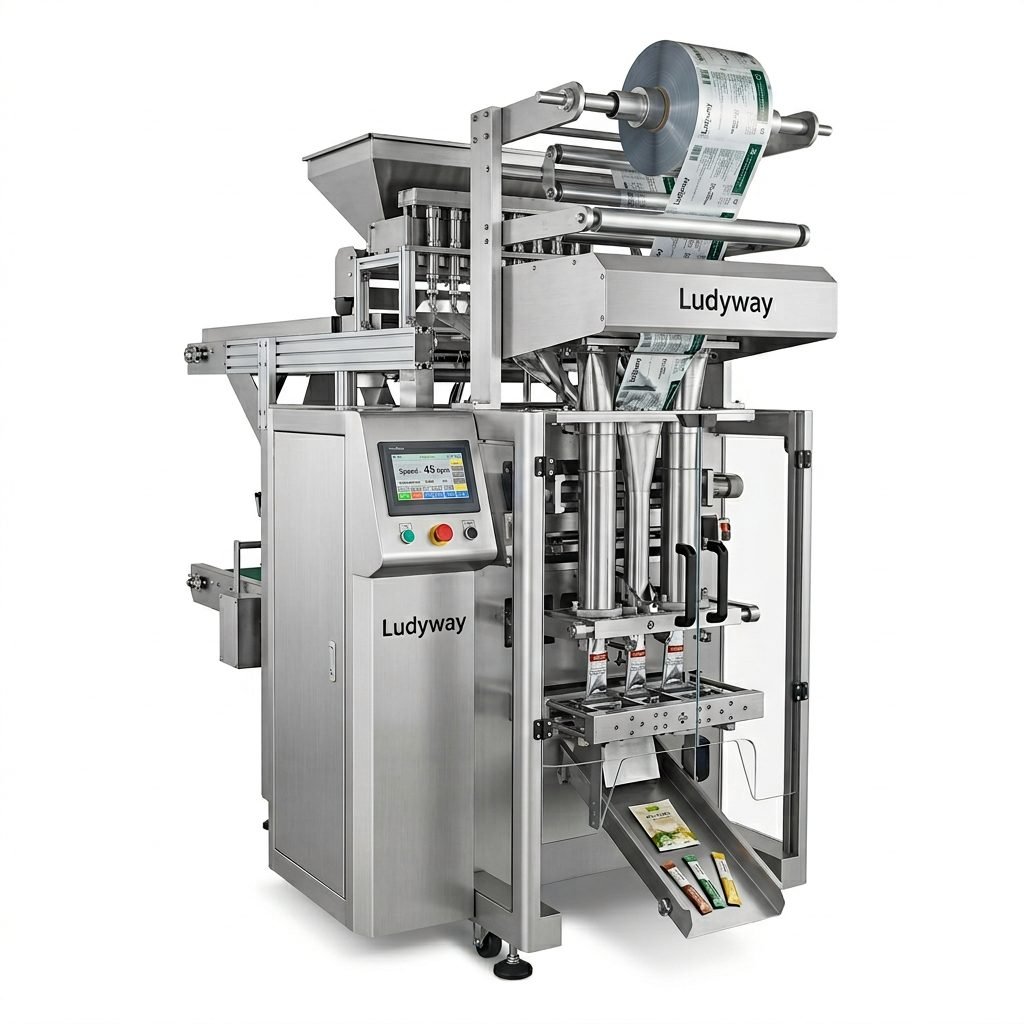
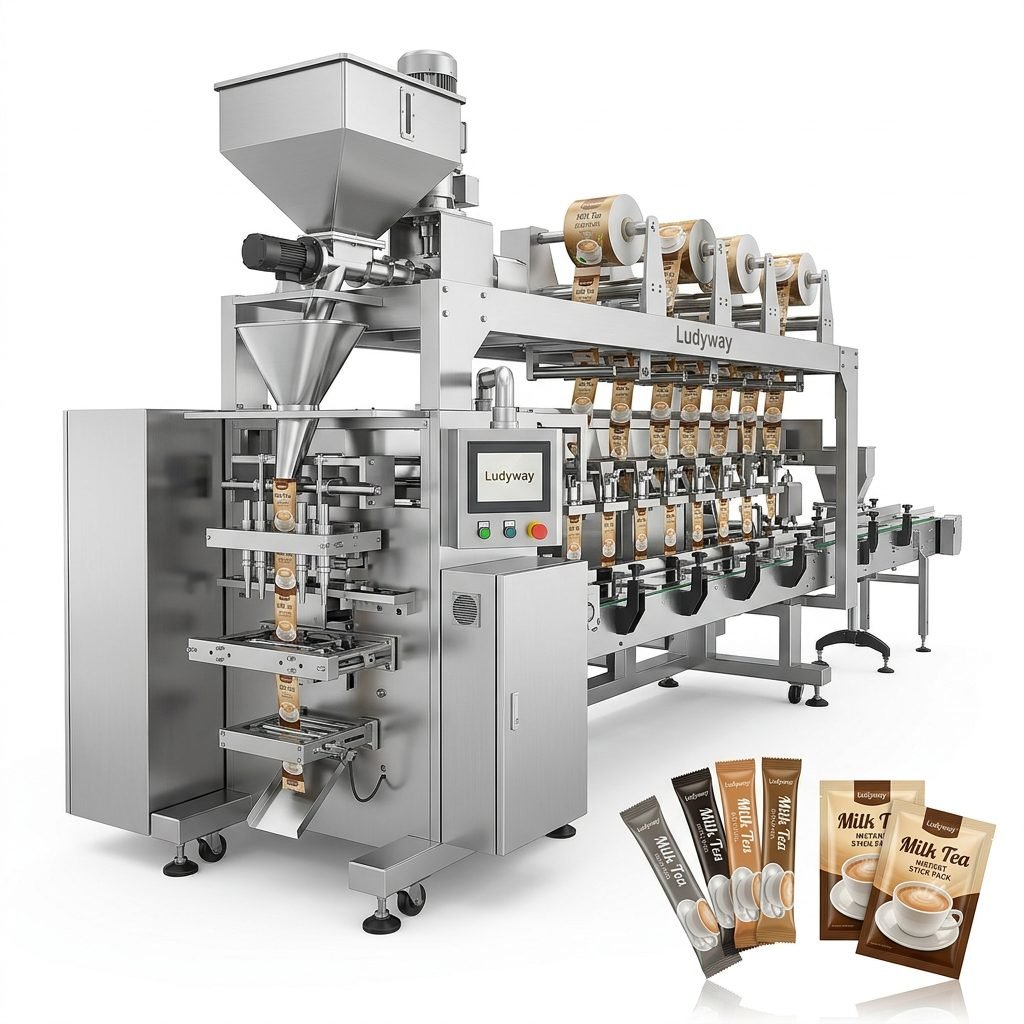
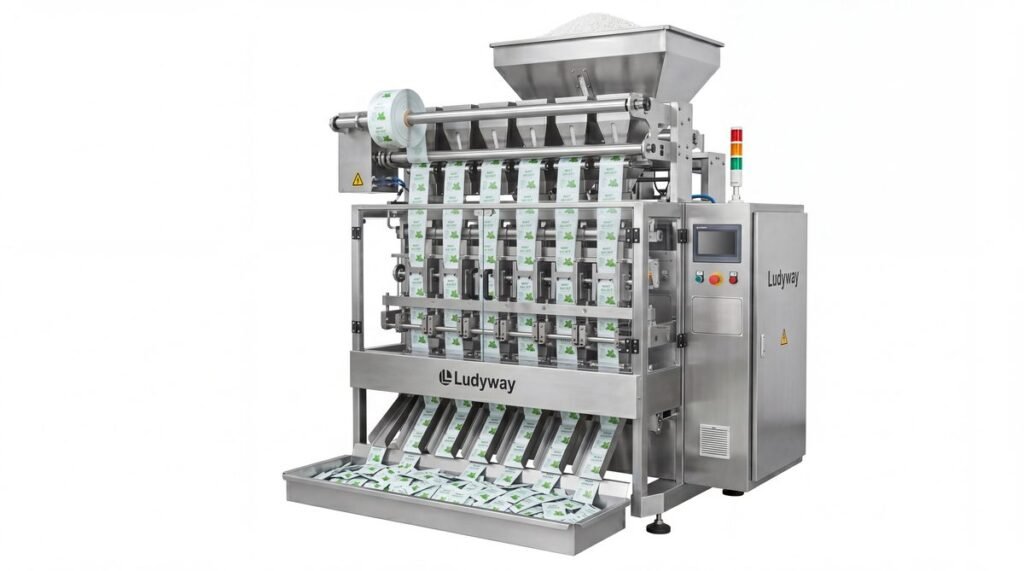
- Heat Sealers for Pouches: Create strong seals on stick packs, sachets, and four-side seal pouches using controlled heat and pressure.
3. Form-Fill-Seal (FFS) Machines
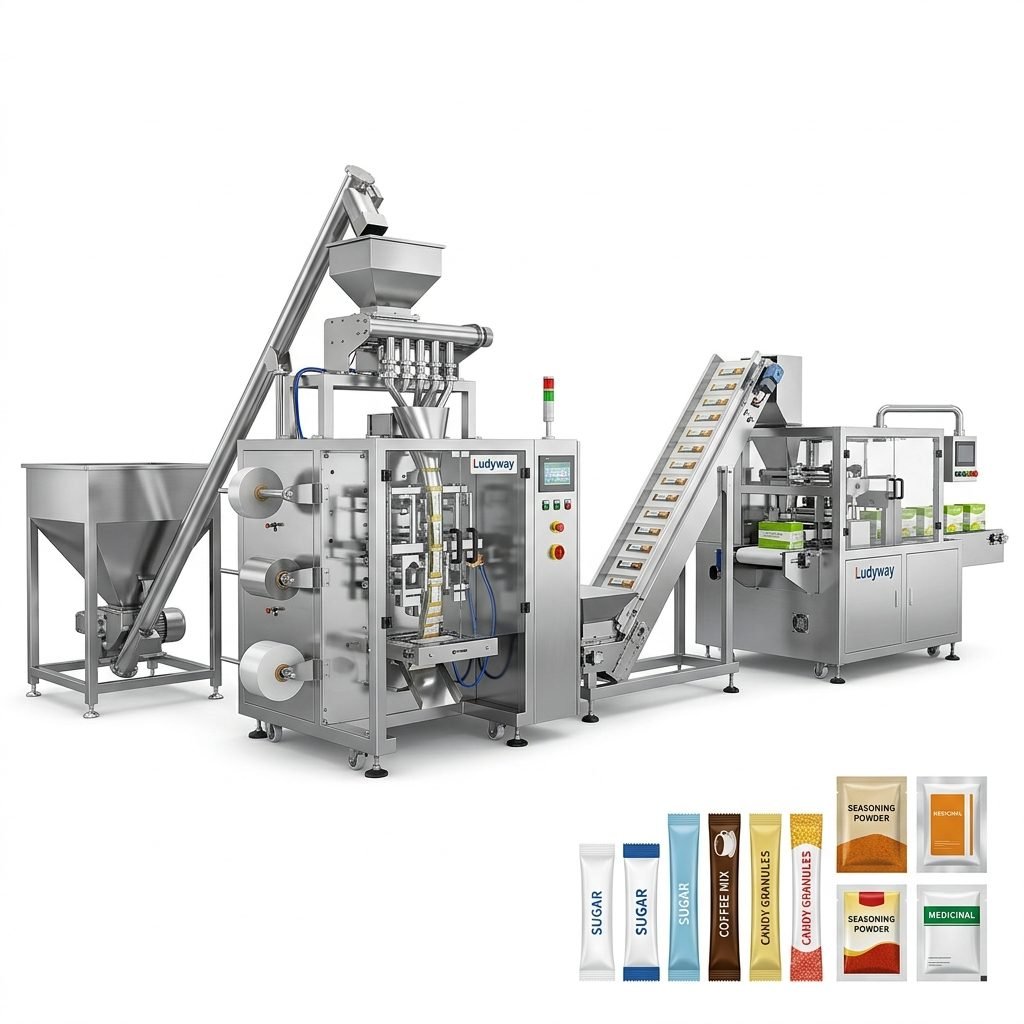
FFS machines represent a highly efficient, integrated solution. They form packaging from a roll of film, fill it with product, and seal it—all in one continuous operation. This is perfect for single-serve stick packs and sachets of powders or liquids.
4. Labeling and Coding Systems
These apply vital product information, branding, and tracking codes.
- Labelers: Apply front/back labels, wraparound labels, or precise spot labels to bottles and boxes.
- Inkjet and Laser Coders: Print batch numbers, expiry dates, and barcodes directly onto packaging. Laser coding offers permanent, high-quality marks without consumables.
Essential Features of Modern Packaging Equipment
When evaluating machinery, look for these features that define efficiency, flexibility, and reliability.
A. Precision and Accuracy
High-resolution servo motors and weight-check systems (checkweighers) ensure every dose meets strict weight tolerances, minimizing product giveaway and ensuring compliance.
B. Flexibility and Quick Changeover
Modular designs and recipe memory on HMI (Human-Machine Interface) screens allow rapid switching between different products, package sizes, and materials, crucial for contract manufacturers or brands with diverse SKUs.
C. Hygiene and Cleanability
Stainless steel (304 or 316 grade) contact parts, smooth surfaces, and CIP (Clean-in-Place) capabilities are vital for maintaining GMP standards and preventing cross-contamination.
D. Integration and Connectivity
Modern machines support Industry 4.0 protocols like OPC UA or MQTT, allowing seamless data exchange with Factory Monitoring Systems (FMS) for real-time OEE tracking, predictive maintenance, and production analytics.
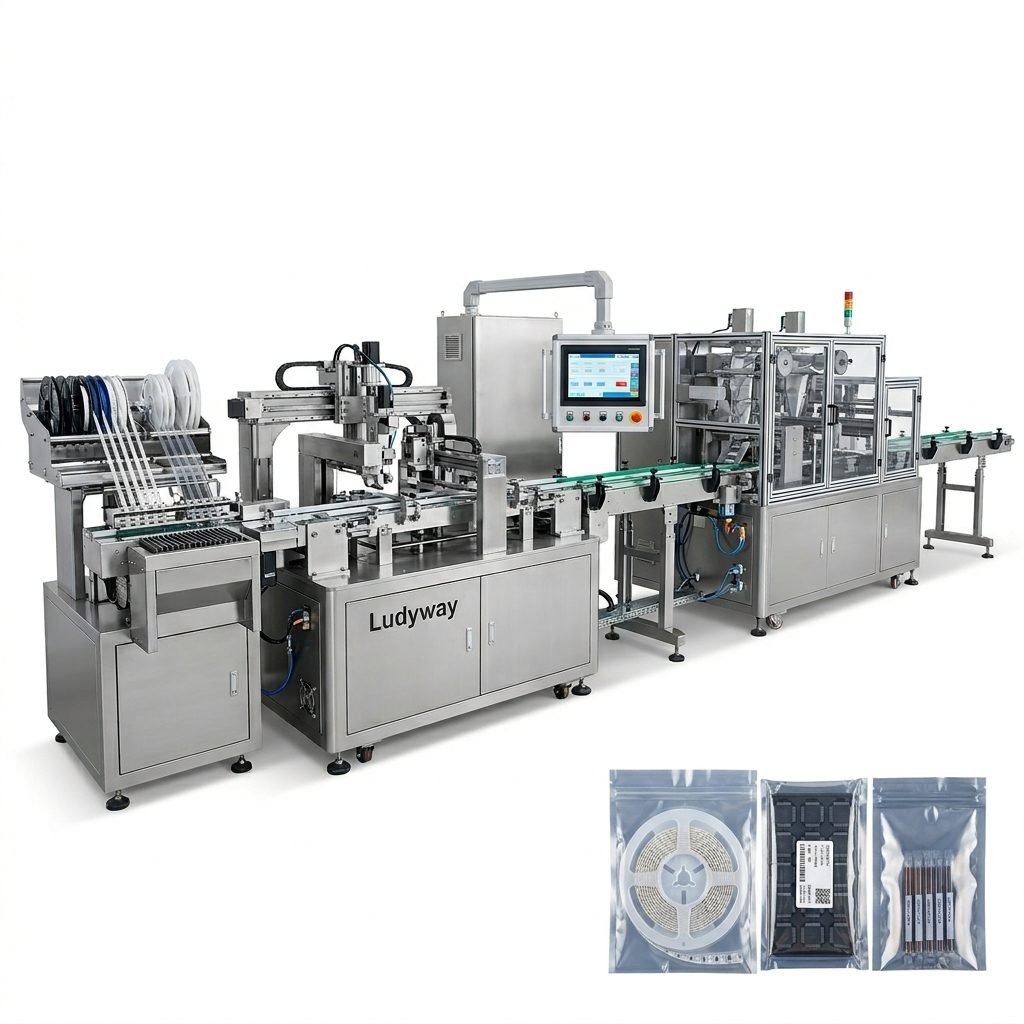
Building a Complete Production Line Solution
A single machine rarely operates in isolation. A synchronized production line is key to maximizing output. Here’s how to approach line integration.
Step 1: Define Your Core Process Flow
Map out the sequence: Empty container feeding -> Filling -> Sealing/Capping -> Labeling -> Coding -> Cartoning -> Case Packing. The complexity depends on your product and output goals.
Step 2: Select Compatible Machines
Ensure all machines can communicate and handle the required line speed (e.g., bottles per minute). They should have compatible interfaces for conveyors and sensors. Partnering with a single supplier for the core line can simplify integration and service.
Step 3: Integrate Automation and Control
Use a centralized PLC (Programmable Logic Controller) or SCADA system to coordinate the line. Integrate auxiliary systems like air compressors, dust extraction for powders, and vision inspection systems to check for missing caps or incorrect labels.
For example, a line for vitamin powder sachets might include: A powder filler -> A high-speed form-fill-seal machine -> A checkweigher to reject under/overweight sachets -> A robotic cartoner -> A case packer.
Step 4: Plan for Validation and Support
Once installed, the line must undergo IQ/OQ/PQ (Installation/Operational/Performance Qualification) to prove it works consistently within specified parameters. Choose equipment suppliers who provide comprehensive documentation, training, and reliable after-sales support to minimize downtime.
Partnering with the Right Equipment Provider
Success hinges on working with an experienced partner. A provider like Ludyway Machinery, with over 30 years of industry experience, offers more than just machines. They deliver turnkey solutions—from initial consultation and layout design to machine manufacturing, installation, and ongoing technical support. Their expertise in granule, powder, and liquid packaging for the health industry ensures you get a reliable, compliant, and efficient production asset.
Frequently Asked Questions (FAQs)
1. What is the most important factor when choosing nutraceutical packaging equipment?
The paramount factor is accuracy and compliance. The equipment must consistently deliver the correct dose and create a package that protects product integrity and meets all relevant regulatory standards (like FDA GMP).
2. Can one packaging line handle different product forms (e.g., powders and tablets)?
It is challenging but possible with highly flexible, modular equipment designed for quick changeover. However, for optimal efficiency and to avoid cross-contamination, dedicated lines for different physical forms are often recommended for high-volume production.
3. How does a Form-Fill-Seal (FFS) machine benefit nutraceutical packaging?
FFS machines offer significant benefits: reduced material inventory (using film rolls instead of pre-made bags), excellent barrier properties with multi-layer films, high-speed operation for single-serve formats, and lower overall packaging costs per unit.
4. What maintenance is required for automated packaging lines?
Regular preventive maintenance is crucial. This includes daily cleaning, lubrication of moving parts as per the manual, calibration of scales and sensors, and inspection of seals and wear parts. Many modern machines have self-diagnostic systems to alert operators to potential issues.
5. Why is line integration more important than buying individual machines?
An integrated line ensures smooth material flow, synchronized speeds, and centralized data collection. It eliminates bottlenecks, reduces manual handling, and maximizes Overall Equipment Effectiveness (OEE), leading to higher productivity and a better return on investment.