For Kenyan businesses looking to scale up production, improve efficiency, and ensure product quality, investing in the right packaging machinery is a critical decision. The choice of your packaging machine manufacturer can significantly impact your operational costs, output consistency, and ability to meet market demands. With a growing manufacturing sector, particularly in food processing, agriculture, and pharmaceuticals, Kenya presents a unique landscape where local needs for durability, adaptability, and after-sales support are paramount.
Understanding Kenya’s Packaging Industry Landscape
Kenya’s industrial growth, especially in Nairobi, Mombasa, and the surrounding counties, has increased demand for automated solutions. Local manufacturers often deal with a mix of high-volume consumer goods and specialized products for export. Factors like intermittent power supply, the need for machines that can handle diverse local raw materials (which may have varying granule sizes or moisture content), and the importance of easy-to-maintain equipment are crucial considerations unique to the region.
Key Local Consideration: A reliable manufacturer should understand the Kenyan context, offering machines with stable performance under variable conditions and providing accessible technical support to minimize costly downtime.
1. Define Your Specific Packaging Needs
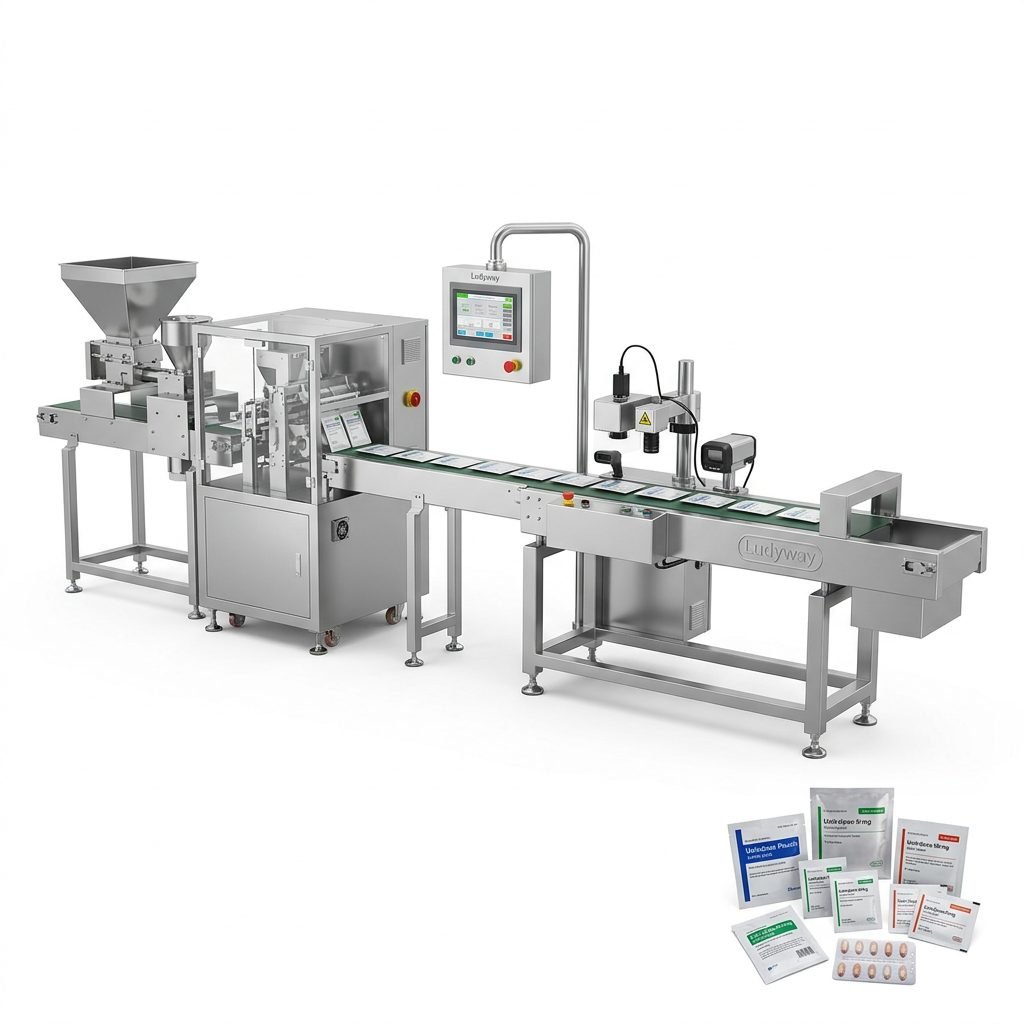
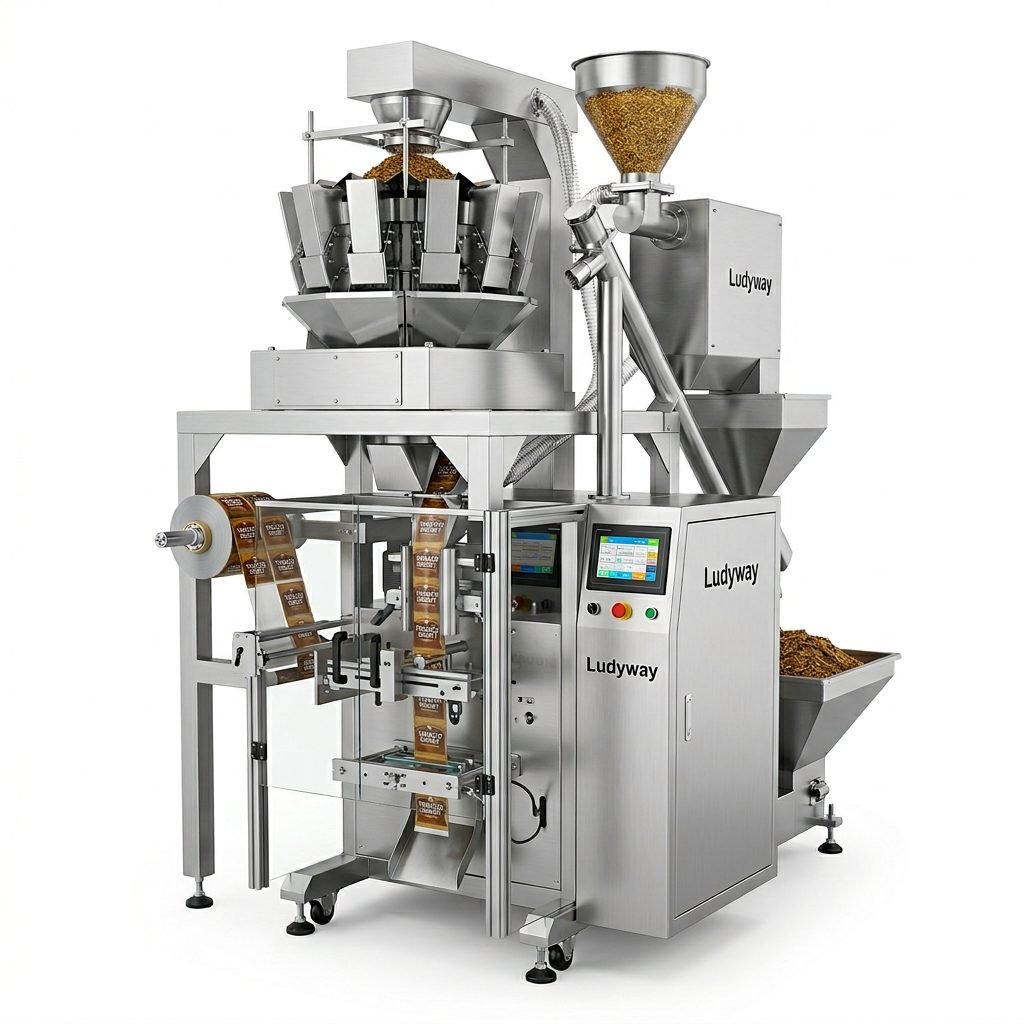
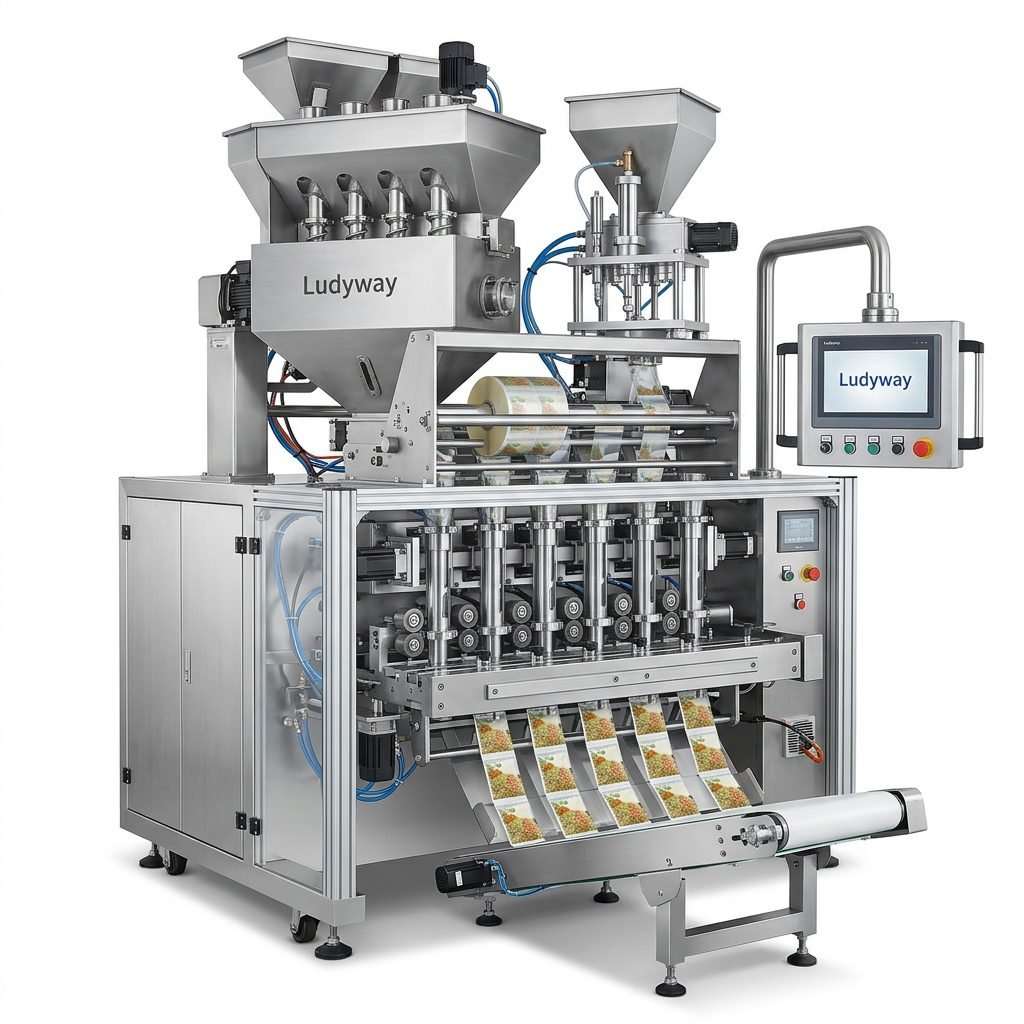
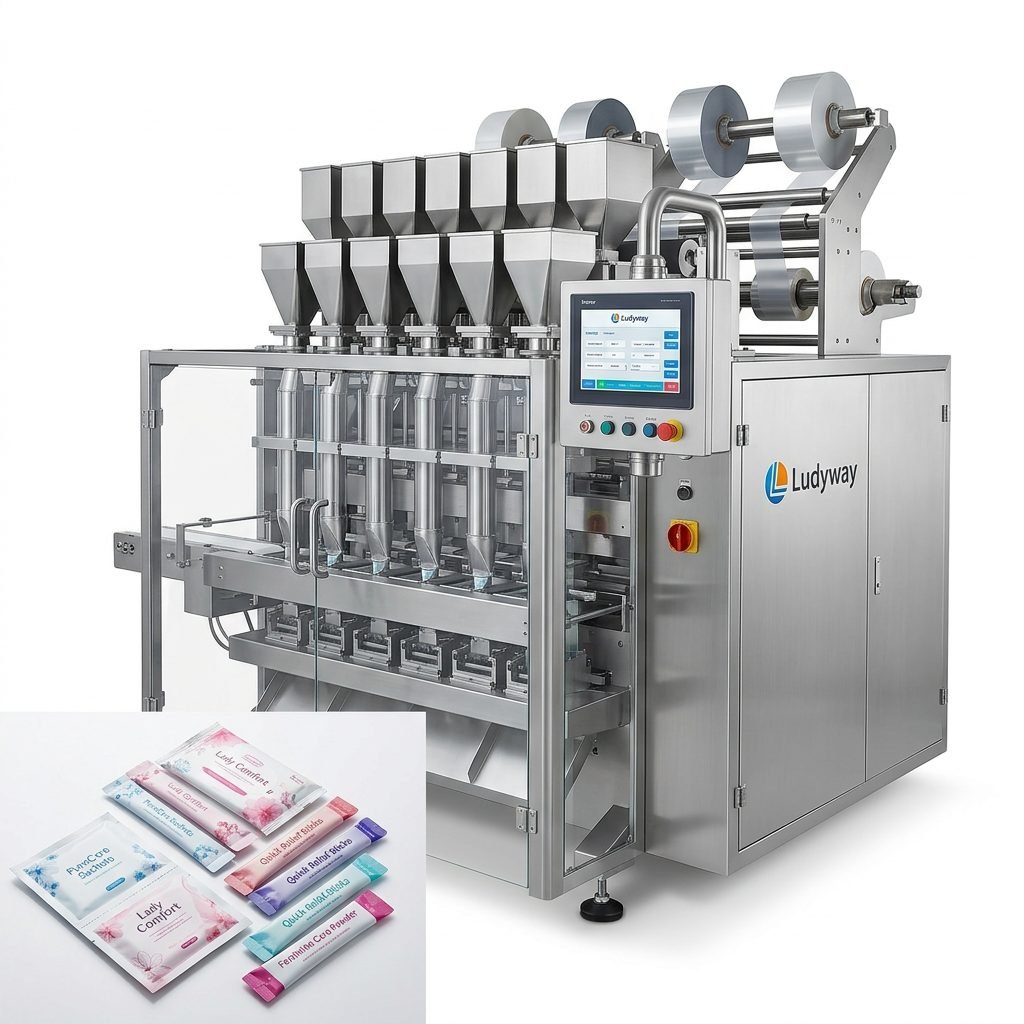
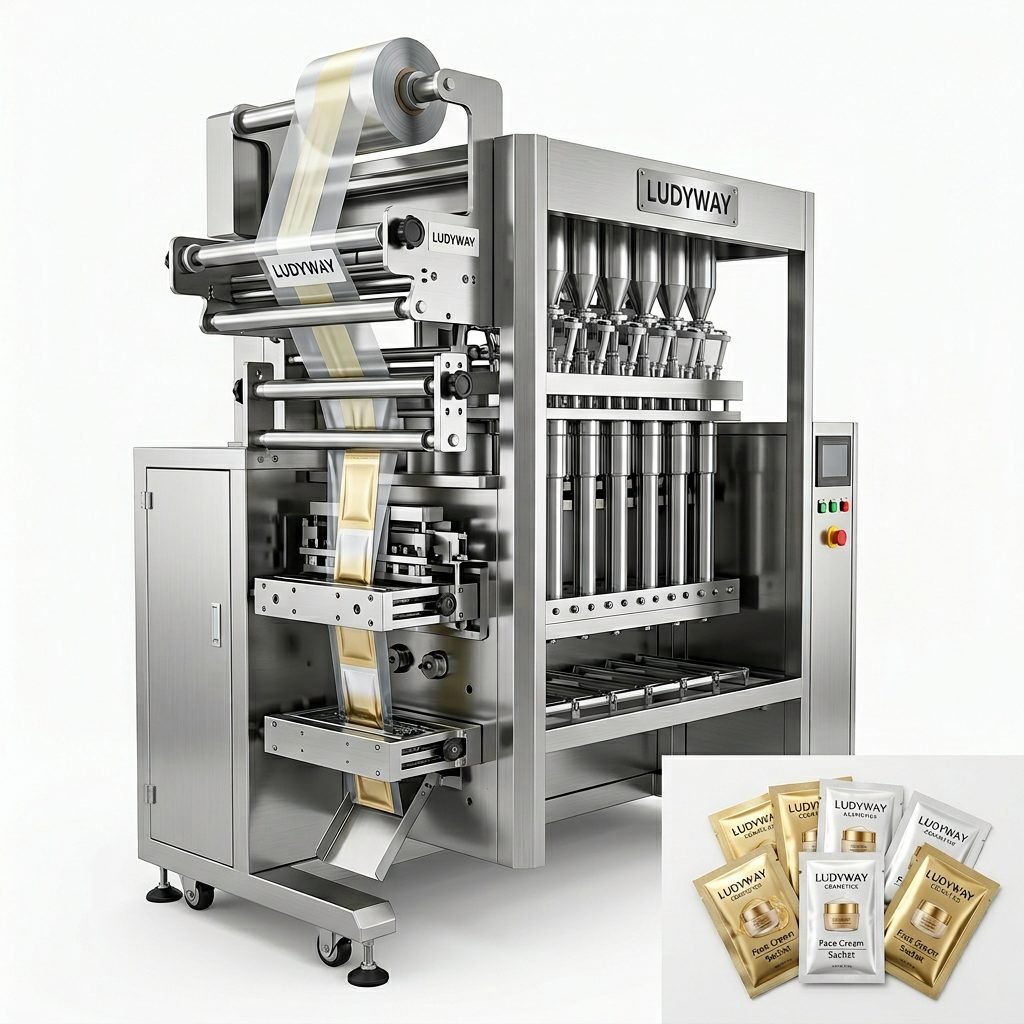
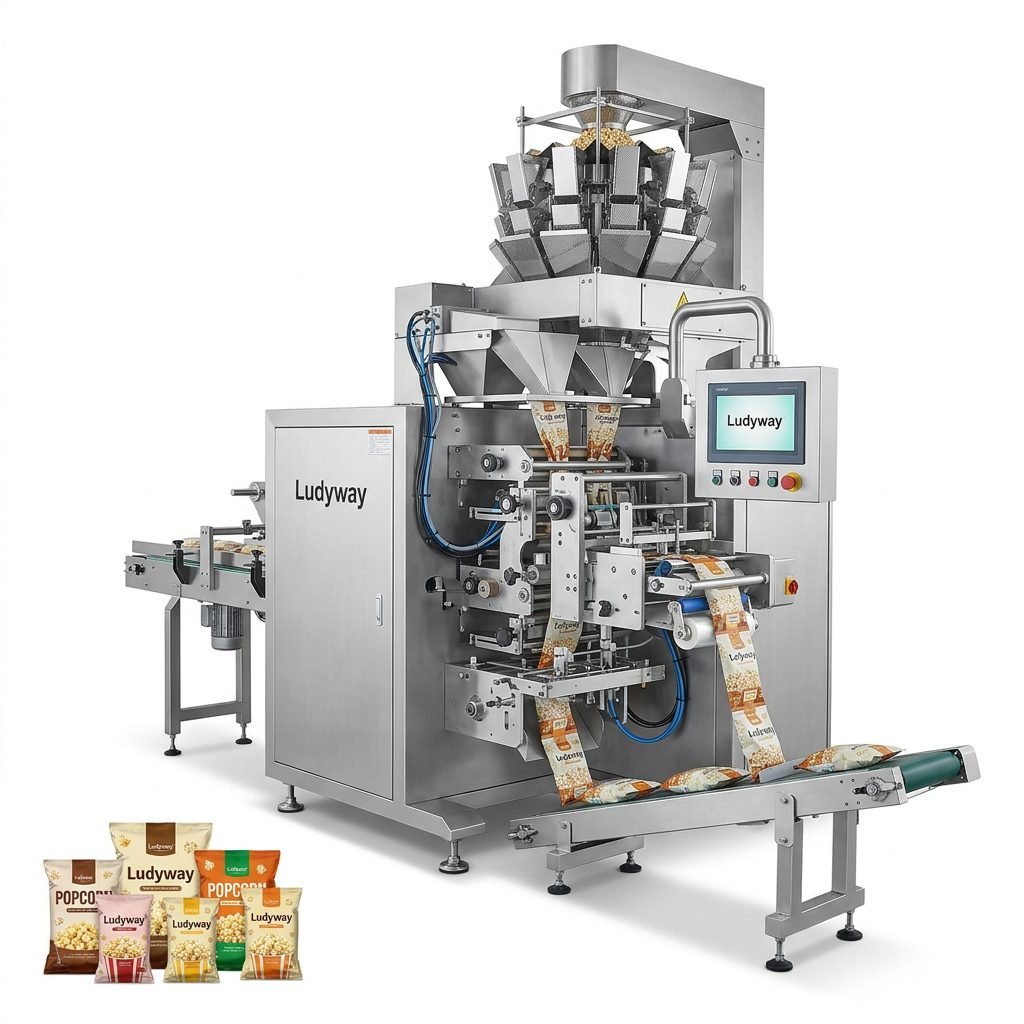
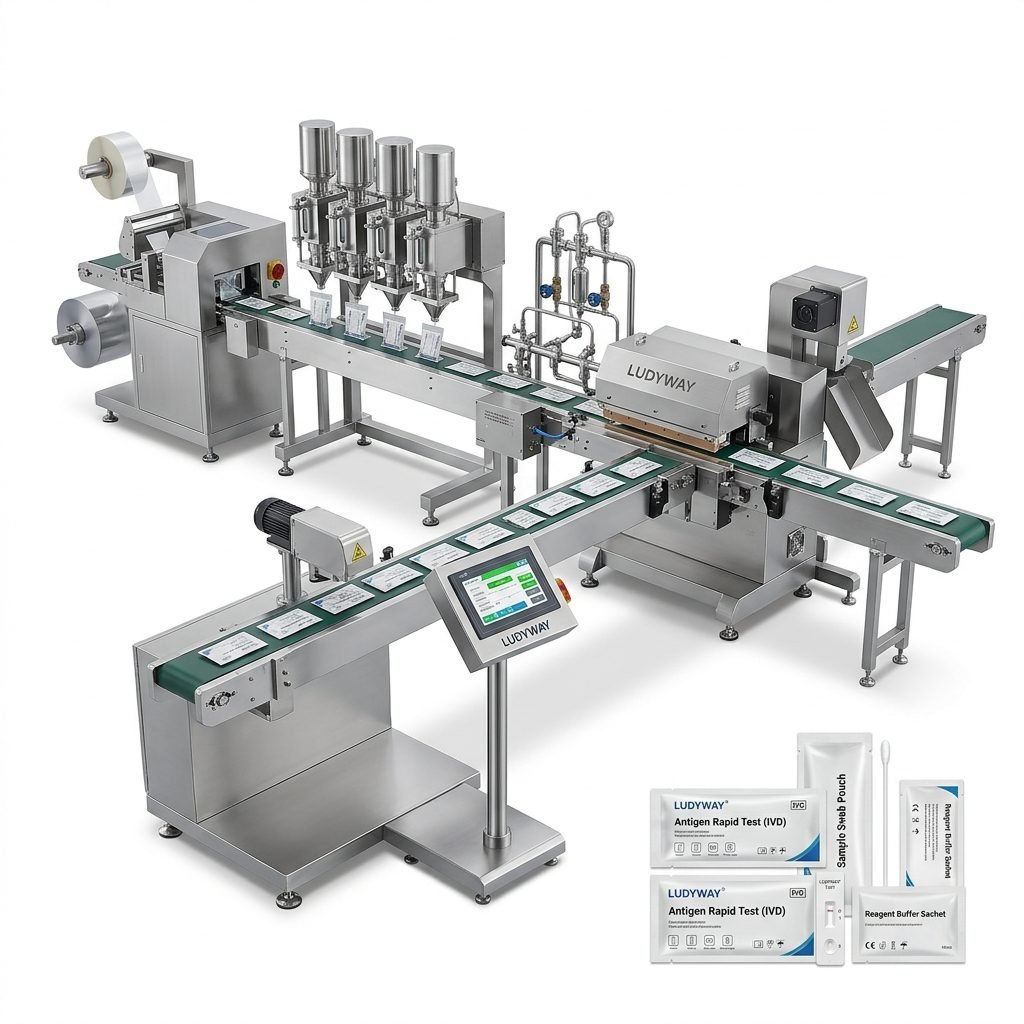
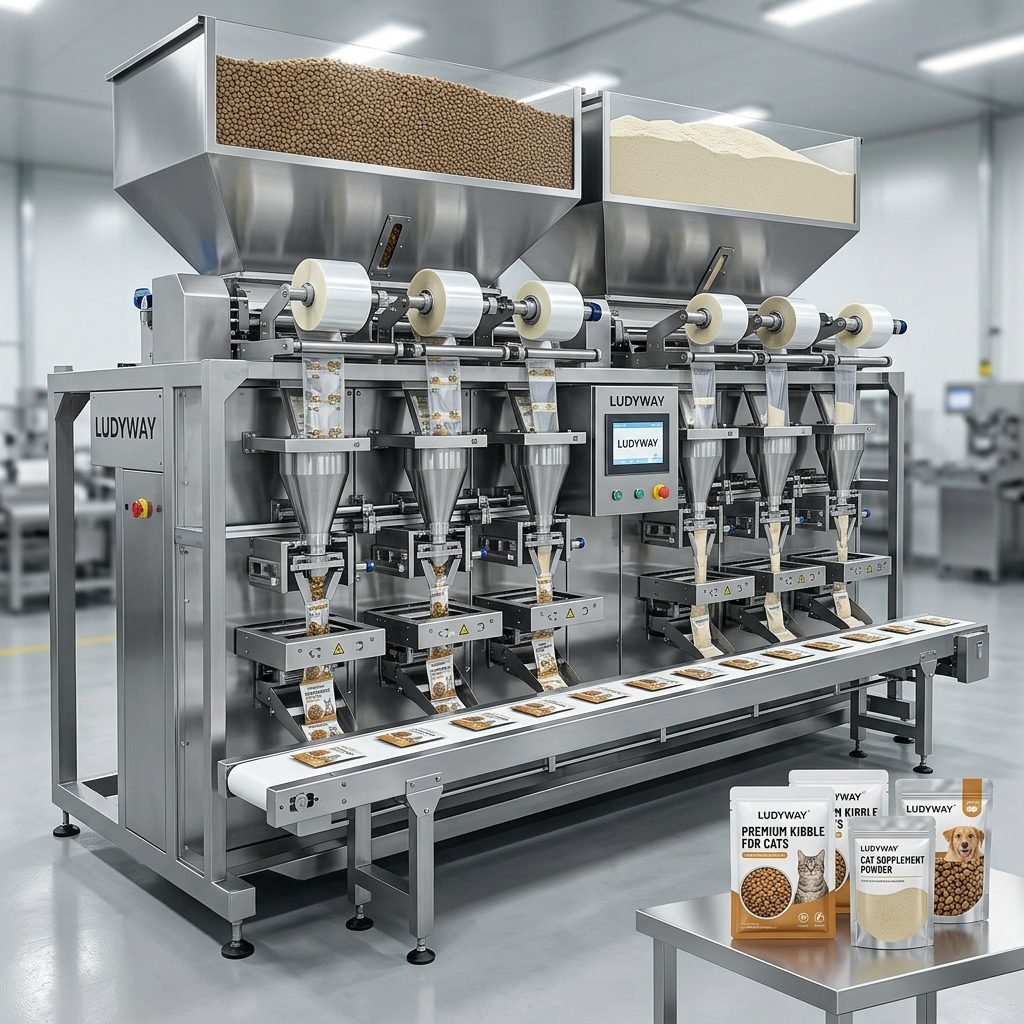
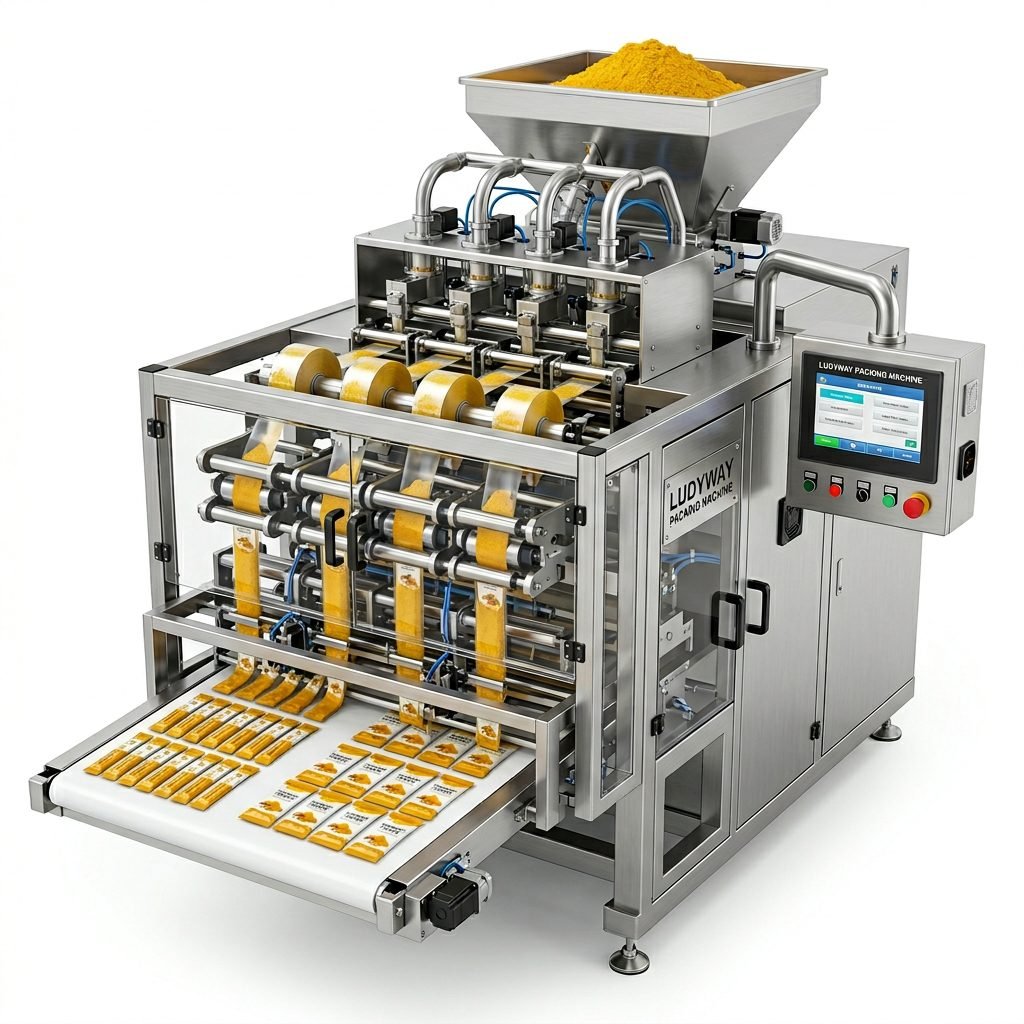
Before you start searching for a manufacturer, clearly outline your requirements. Are you packaging granules like tea, coffee, or animal feed? Powders like flour, milk powder, or pharmaceuticals? Or liquids such as sauces, oils, or dairy products? The product type dictates the machine technology—be it a multi-lane stick pack machine, a vertical form-fill-seal sachet machine, or a liquid filling line.
Consider your required speed (packages per minute), the range of package sizes, and any need for multi-lane systems to boost output. Kenyan businesses expanding into the East African Community market often need scalable solutions that can grow with their demand.
2. Evaluate Technical Expertise and Machine Range
Look for a manufacturer with a proven track record in your specific industry. A company like Ludyway, with over 30 years of experience, offers a wide portfolio of over 50 machine models. This depth of expertise means they can provide tailored solutions for food, pharmaceutical, and chemical products, which are prevalent sectors in Kenya.
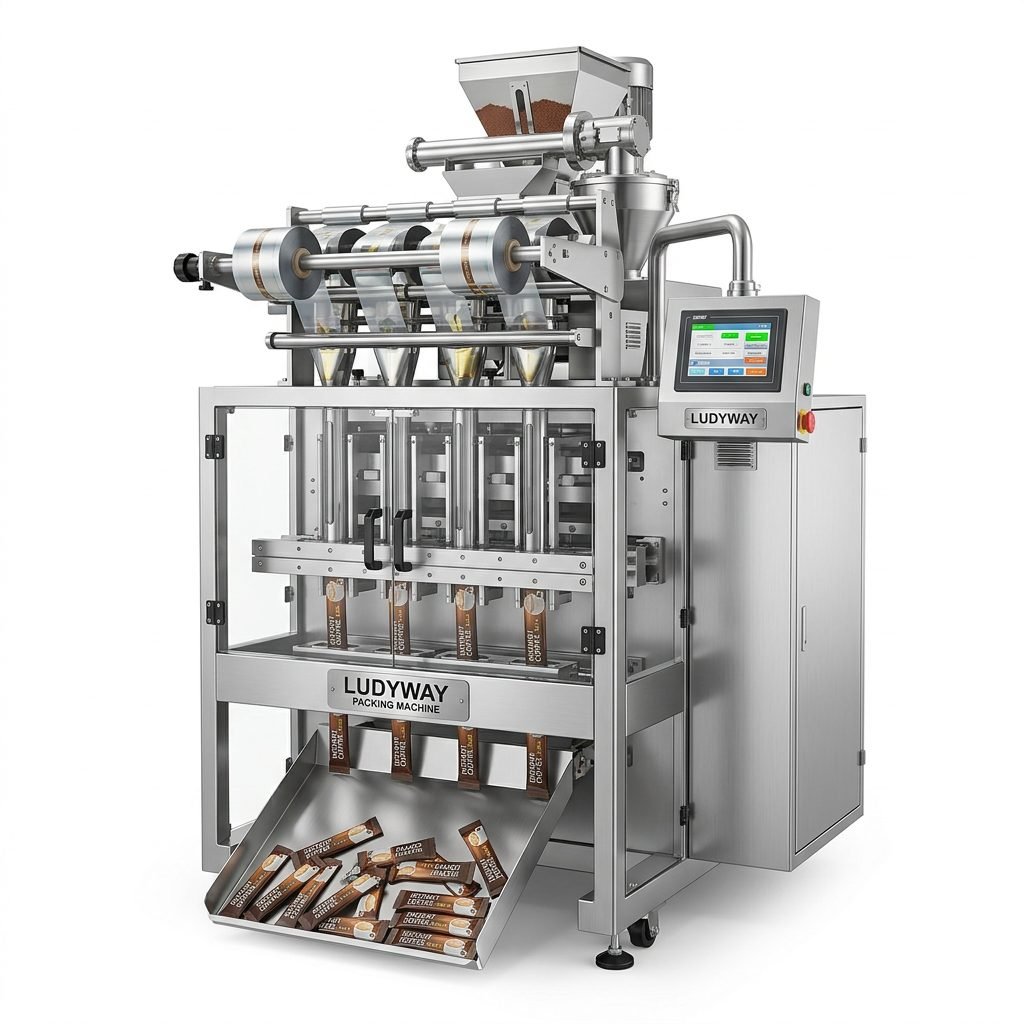
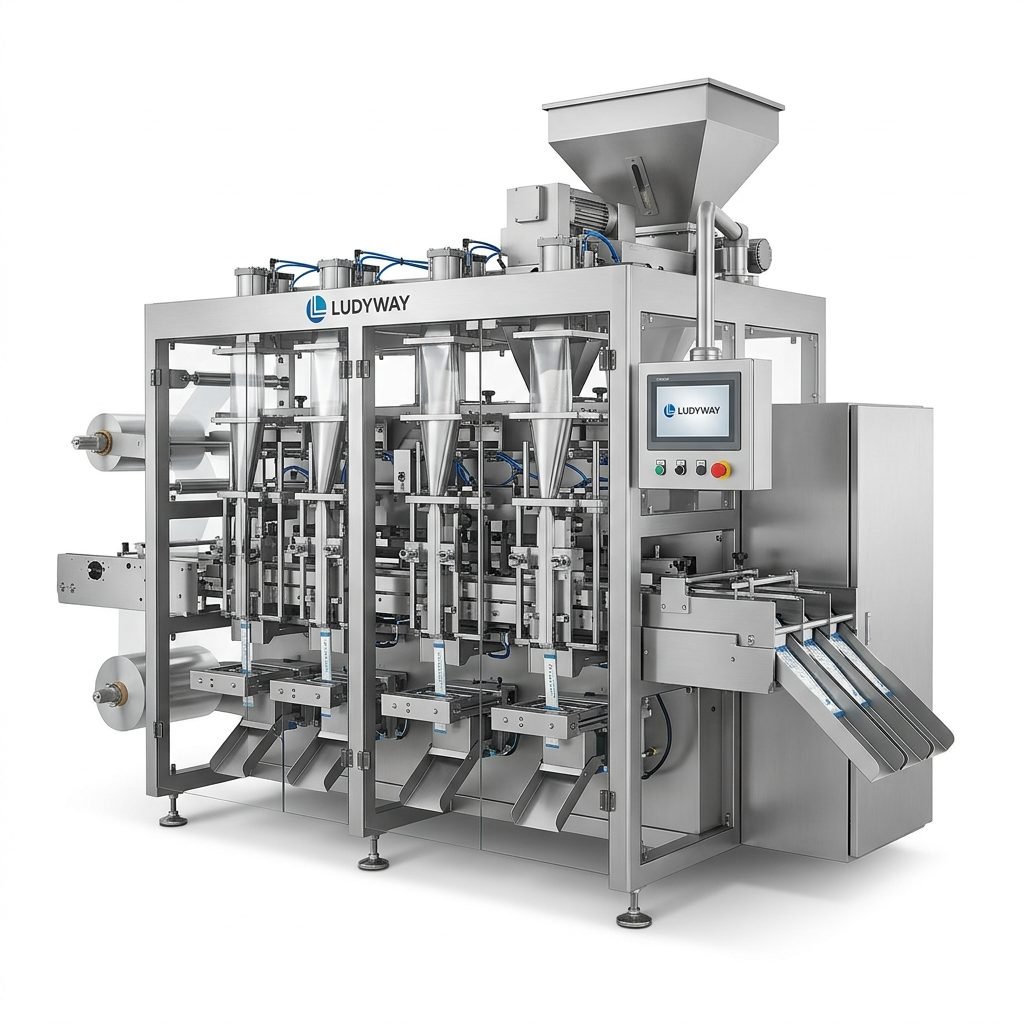
Assess if they offer the specific machine type you need, such as a high-speed multi-lane stick pack machine for sugar or coffee, or a fully automated pouch packaging line for liquid detergents or sauces. Manufacturers with broad expertise, like Packmate Machinery or PacklineOEM, are often better equipped to handle complex, turnkey projects.
3. Assess Manufacturing Capability and Quality Control
The manufacturer’s production facility is a direct indicator of machine quality and reliability. Inquire about their factory size, quality control processes, and the materials used in construction. A modern facility, like Ludyway’s 20,000㎡ plant, typically employs advanced CNC machining and rigorous testing, ensuring the machinery can withstand the rigors of daily industrial use in Kenya.
High-quality stainless-steel contact parts, precision engineering, and robust frames are essential for longevity and hygiene, especially in food and pharma applications. Don’t hesitate to ask for factory audit reports or quality certifications.
4. Prioritize After-Sales Support and Local Presence
This is arguably the most critical factor for Kenyan businesses. The geographical distance from manufacturing hubs makes responsive support vital. Evaluate the manufacturer’s after-sales service structure:
- Technical Support: Is 24/7 remote support available? How quickly can an engineer be dispatched to Kenya?
- Spare Parts: Is there a local or regional spare parts depot? What is the typical lead time for critical components?
- Training: Do they provide comprehensive on-site training for your operators and maintenance staff?
Companies that invest in local partnerships or have experience serving the African market will understand the importance of minimizing machine downtime.
5. Consider Customization and Scalability
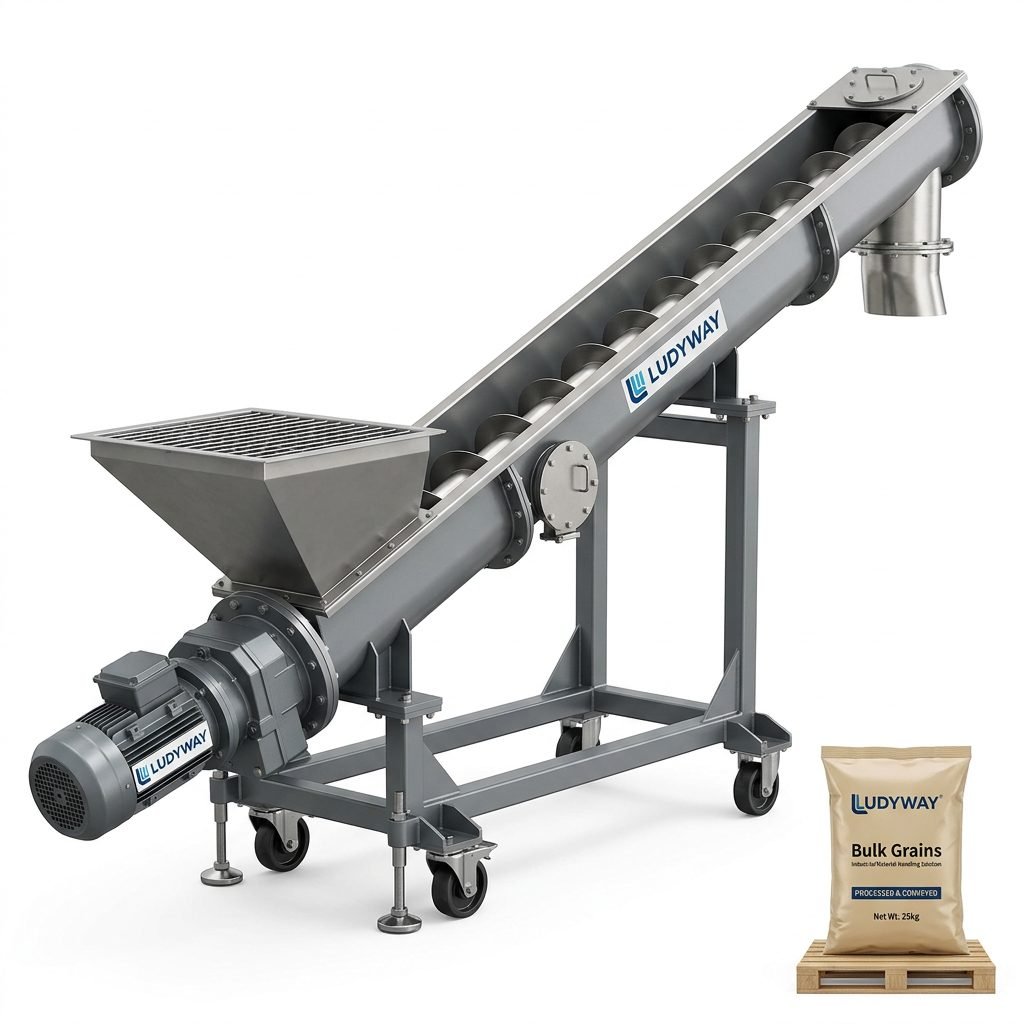
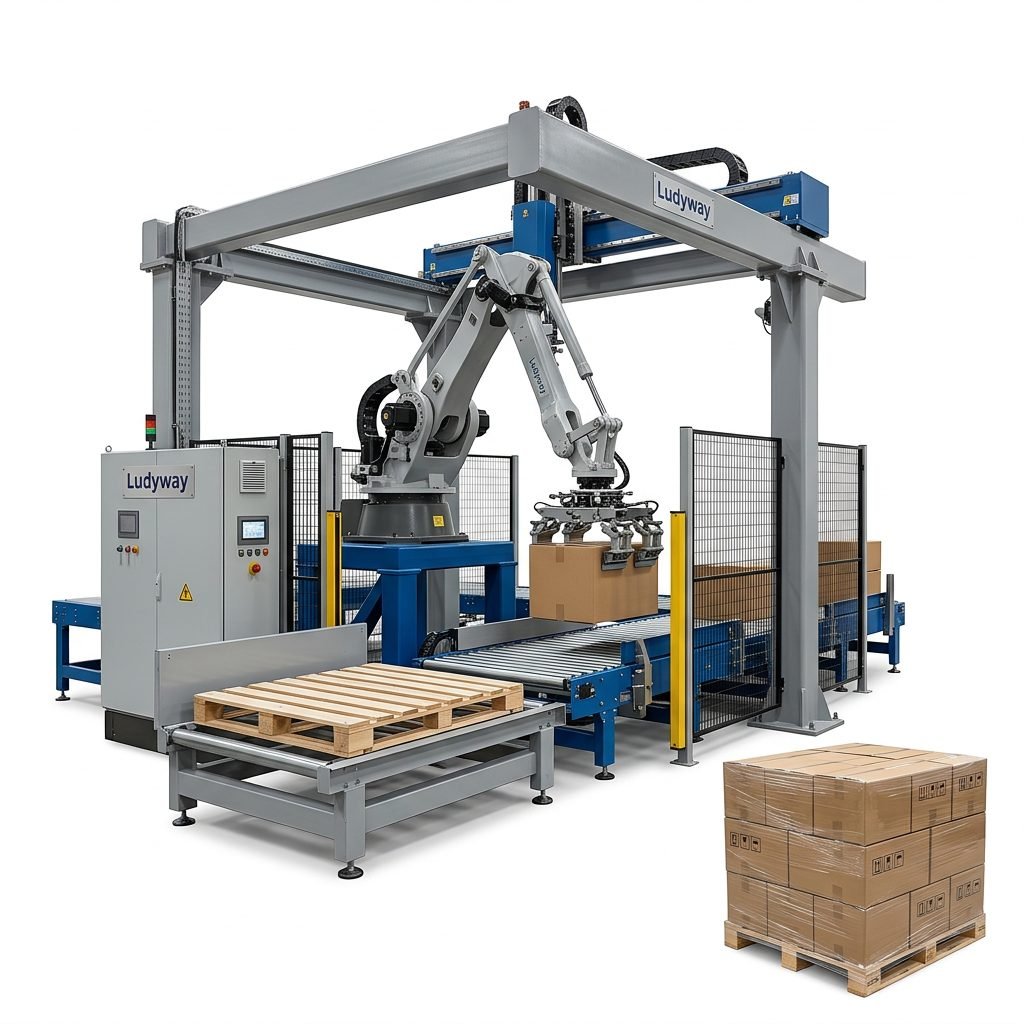
Off-the-shelf machines may not suit your unique product or production line. A competent manufacturer should offer customization options. Whether it’s adjusting hopper designs for specific granule flow, integrating special weighing systems, or creating a complete turnkey line that includes conveying, packaging, and cartoning, the ability to customize is key.
For businesses like SnusMachinery, which specializes in niche products like nicotine pouches, or PackingMachineOEM for non-standard solutions, this flexibility is their core offering. Your chosen partner should help you scale your operations with modular machines that allow for future upgrades.
6. Analyze Cost-Effectiveness, Not Just Price
While upfront cost is important, the total cost of ownership (TCO) is a more accurate measure. A cheaper machine with poor efficiency, high waste rates, and frequent breakdowns will cost more in the long run. Consider:
- Energy Efficiency: Machines with servo-drives often consume less power.
- Material Savings: Precision dosing reduces product giveaway.
- Productivity: Higher speed and uptime mean faster return on investment.
Request detailed quotations that include installation, training, and warranty terms. Reputable manufacturers like Ludyway are transparent about costs and can demonstrate the ROI of their equipment.
7. Verify Credentials and Client References
Research the manufacturer’s reputation. How long have they been in business? Do they have certifications (ISO, CE, etc.) relevant to your industry? Most importantly, ask for references from clients in similar industries or, ideally, from other clients in Africa or Kenya.
Speaking directly to existing users can provide invaluable insights into machine performance, reliability, and the quality of after-sales service in a context similar to yours.
Frequently Asked Questions (FAQs)
Q1: Why is after-sales support so important when importing machinery to Kenya?
A: Given the distance from primary manufacturing centers, machine downtime can be extremely costly. Reliable, prompt after-sales support—including available spare parts and accessible technical expertise—is essential to maintain continuous production and protect your investment.
Q2: Can packaging machines handle Kenya’s unique products, like varying grain sizes or locally sourced powders?
A: Yes, but it requires the right machine configuration. Reputable manufacturers offer customization. You must clearly communicate your product’s specific characteristics (size, flowability, hygroscopicity) so the machine can be engineered with appropriate feeders, filters, and dosing systems.
Q3: What are the advantages of a multi-lane packaging system for the Kenyan market?
A: Multi-lane systems dramatically increase output without a proportional increase in floor space or operator cost. For businesses targeting high-volume domestic sales or export within the East African Community, this scalability is a key advantage for improving competitiveness.
Q4: How do I ensure the machine is compatible with Kenya’s power supply?
A: Specify your local voltage and phase requirements (e.g., 240V/50Hz) during the ordering process. A good manufacturer will supply machines configured for your local grid and may also recommend or supply voltage stabilizers to protect sensitive electronics from fluctuations.
Q5: Are turnkey packaging lines a good option for new manufacturing setups in Kenya?
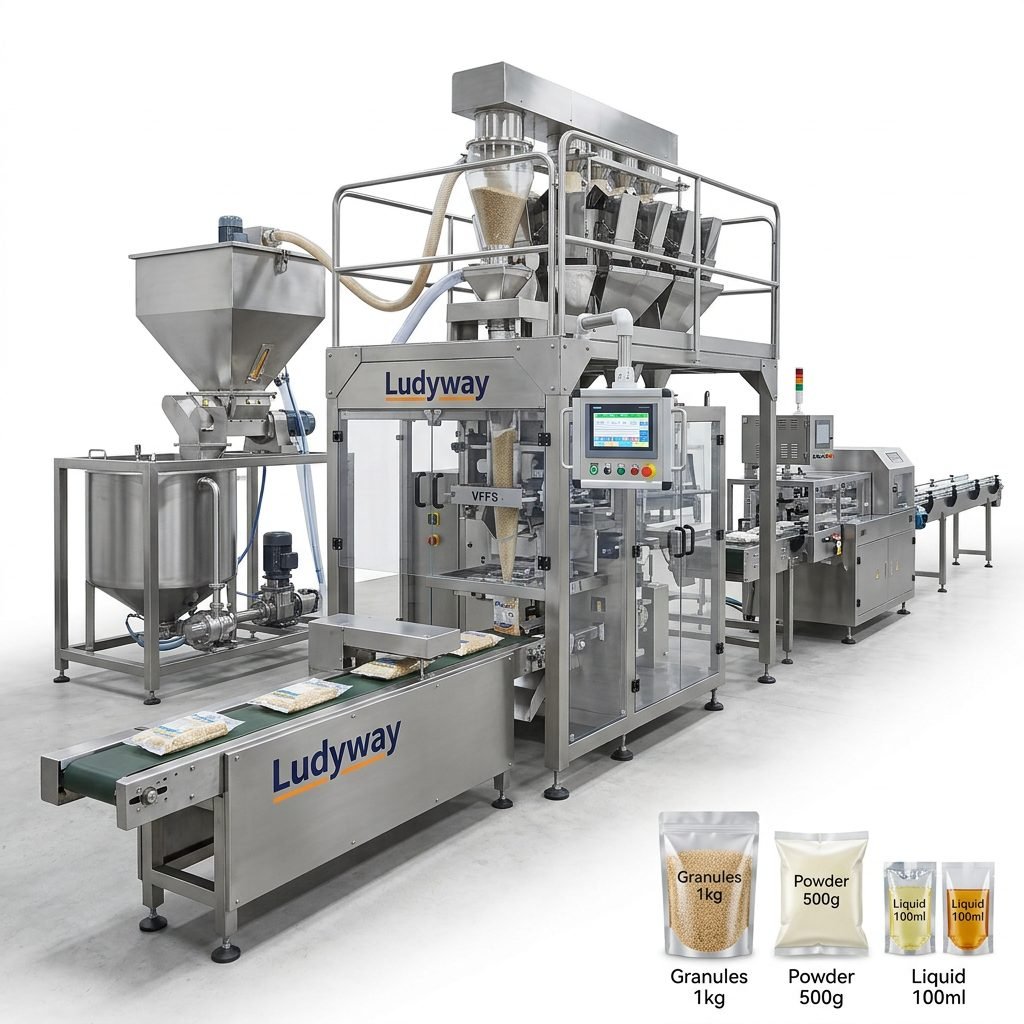
A: Absolutely. A turnkey solution from a single supplier like Ludyway simplifies the entire process—from design and manufacturing to installation, commissioning, and training. This integrated approach reduces coordination headaches, ensures system compatibility, and can lead to faster project completion and startup.