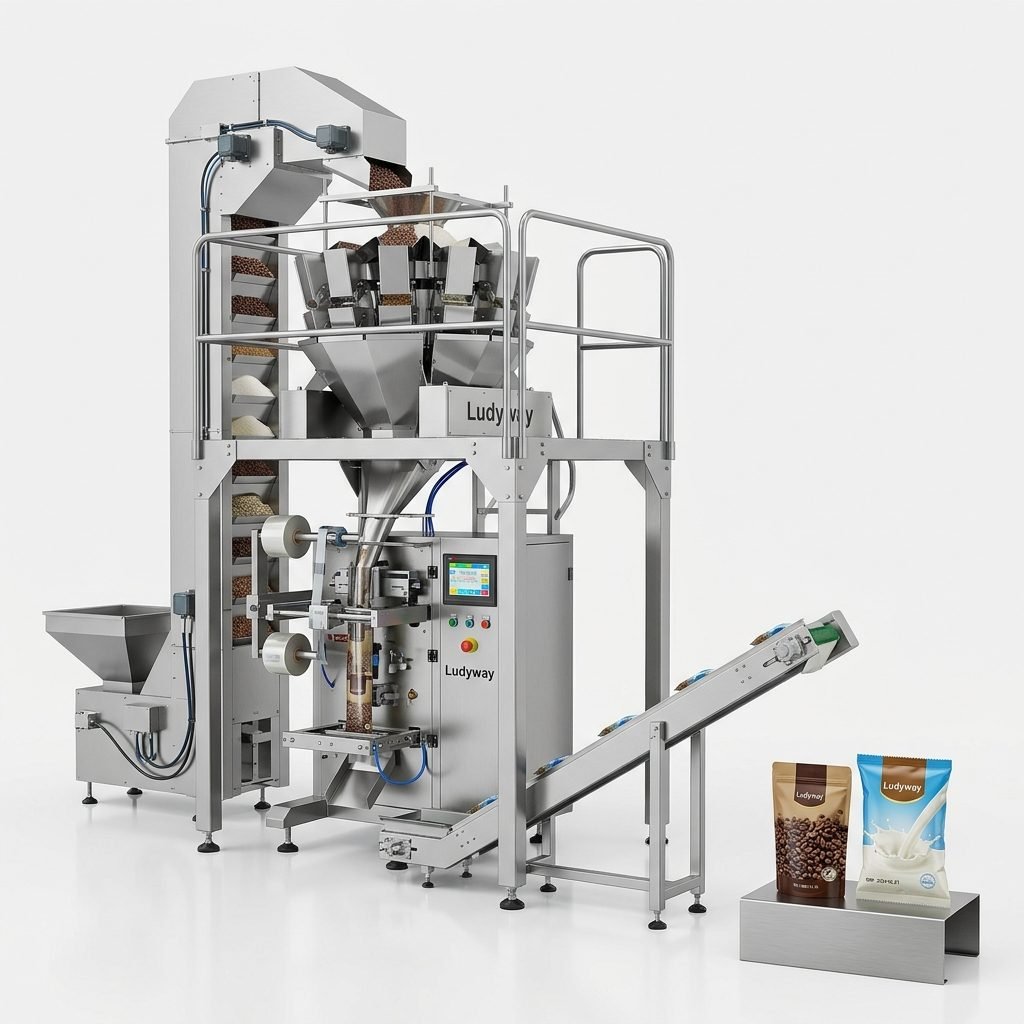
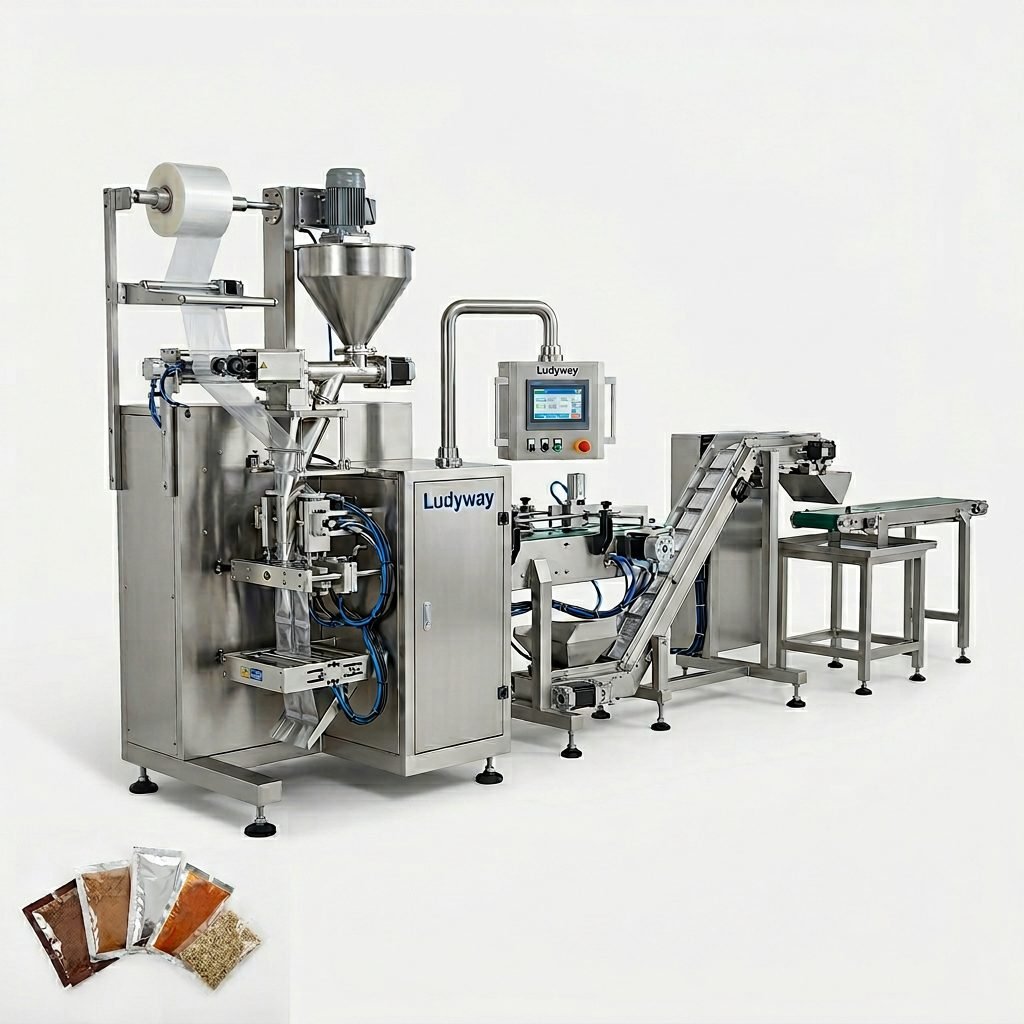
In the fast-paced world of manufacturing, efficient and reliable packaging is a critical link in the production chain. For businesses handling powders, granules, or liquids, selecting the right Packaging & Assembly (PA) equipment is not just about wrapping a product—it’s about ensuring product integrity, maximizing production speed, minimizing waste, and ultimately protecting your brand’s reputation. The choice of system impacts everything from operational costs to market competitiveness.
Understanding the Core Types of PA Packaging Equipment
The landscape of PA machinery is diverse, designed to meet specific product forms and production volumes. Understanding these core types is the first step toward an informed decision.
1. Granule & Powder Packaging Machines
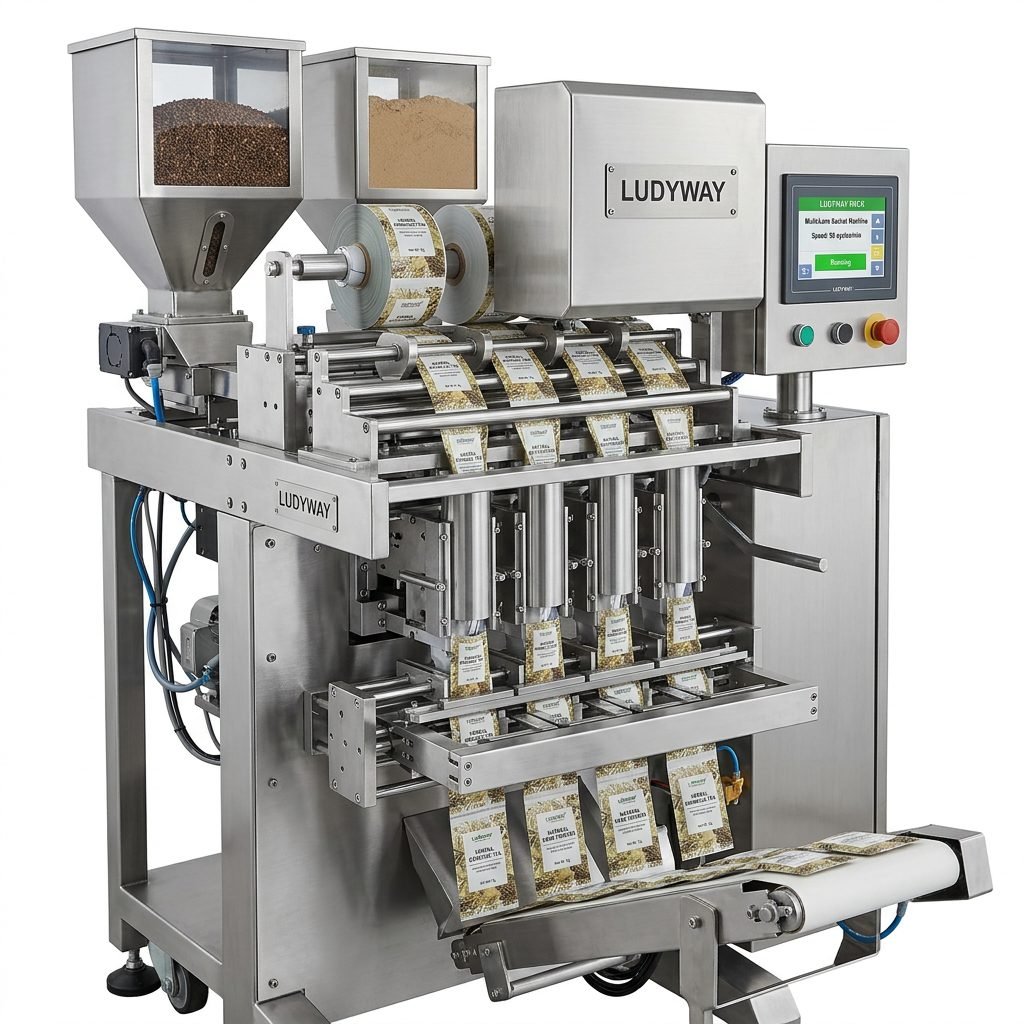
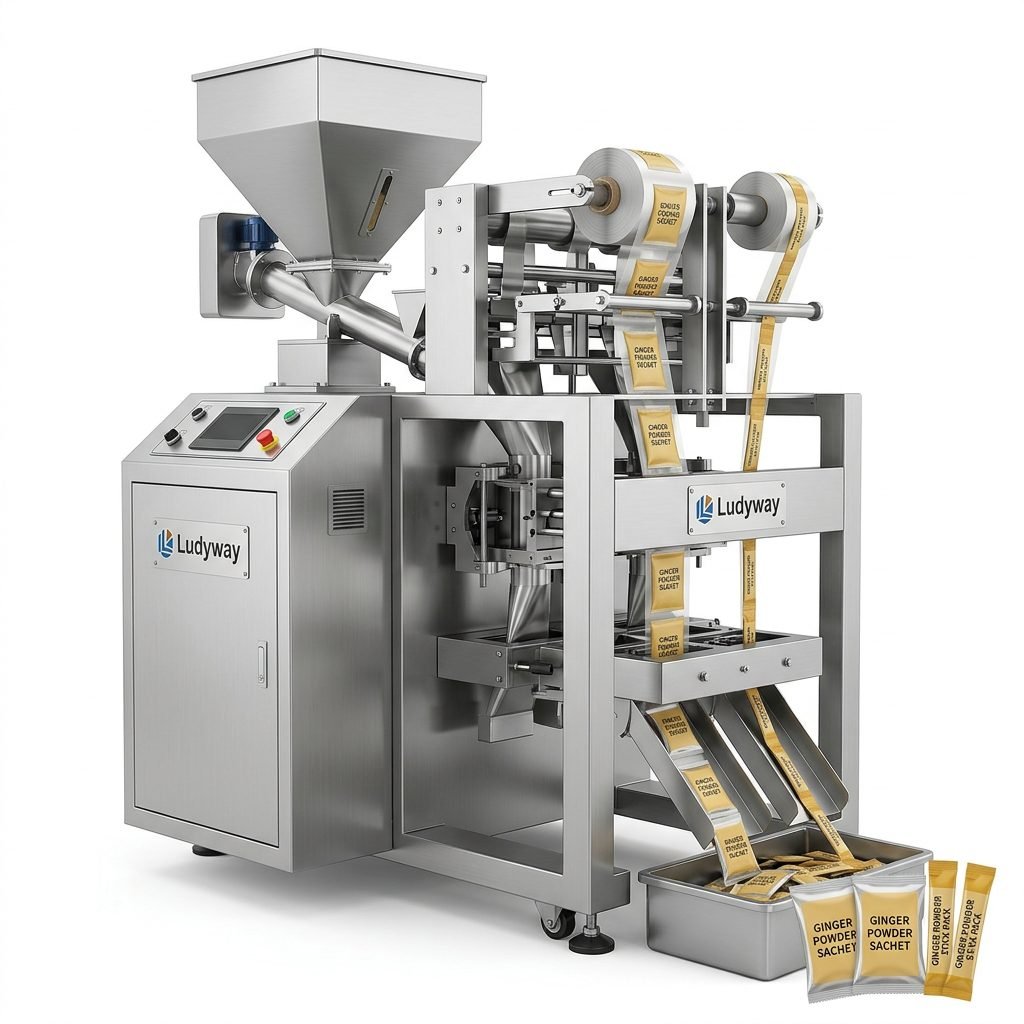
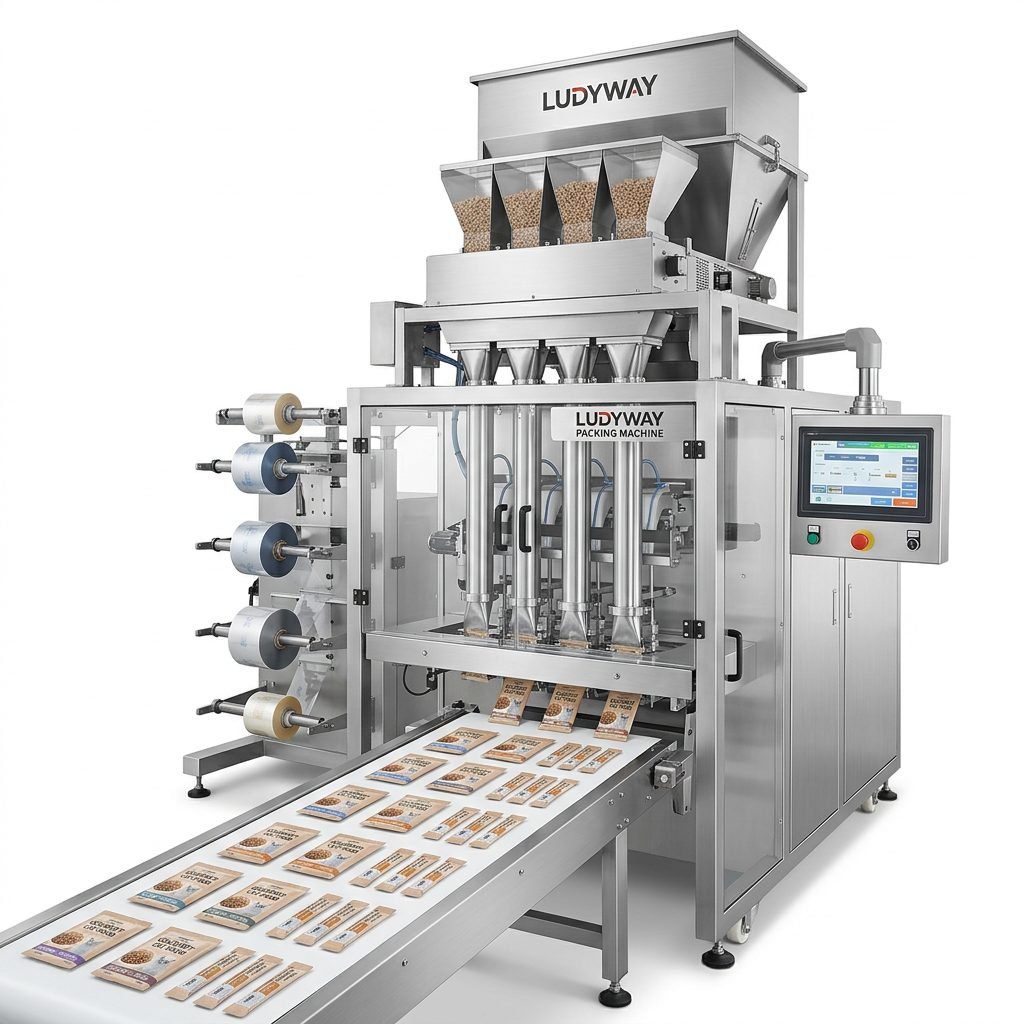
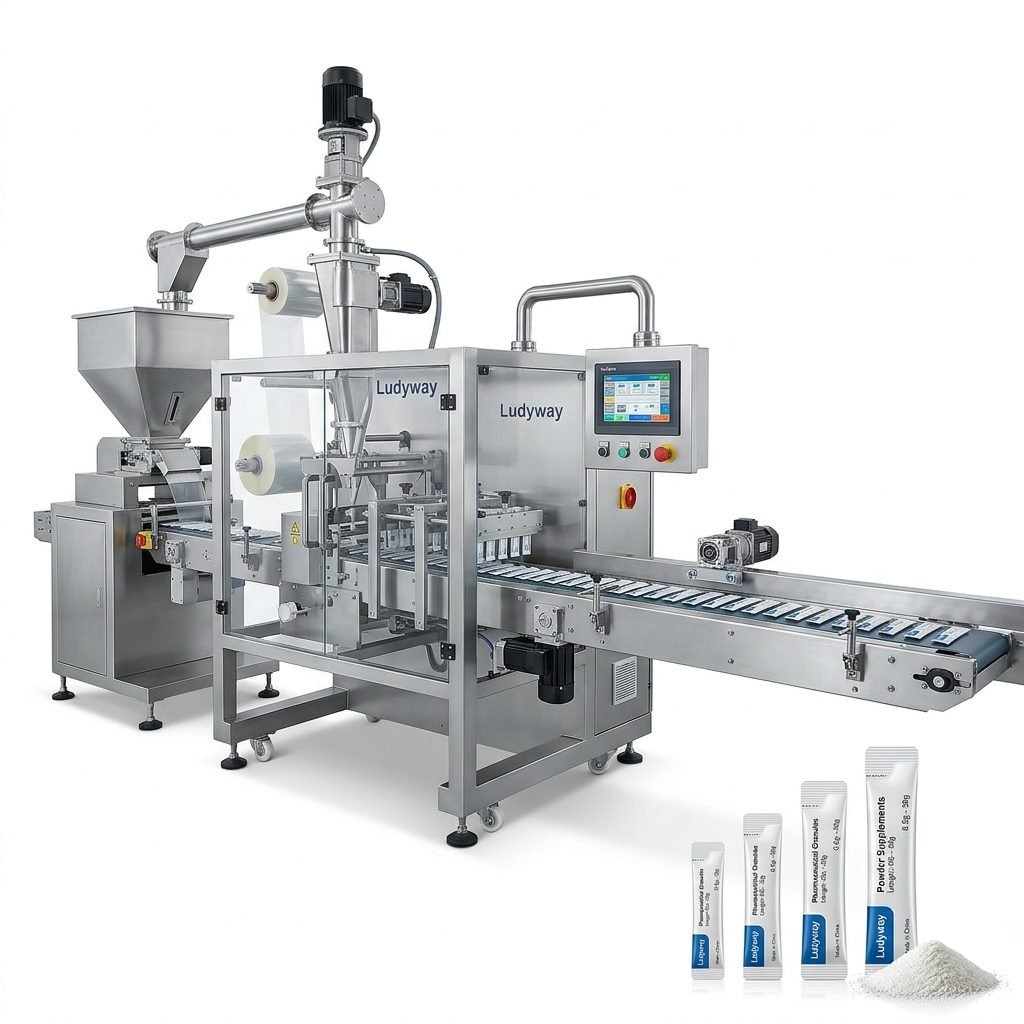
These systems are engineered for free-flowing dry products like coffee, sugar, spices, protein powders, and pharmaceuticals. They utilize precise auger filler systems or cup fillers to measure and dispense product with high accuracy. Common output formats include stick packs, ideal for single-serve portions, and various sachet sizes. Modern granule packers often feature multi-lane designs, dramatically increasing output by packaging several units simultaneously.
2. Liquid & Viscous Product Packaging Machines
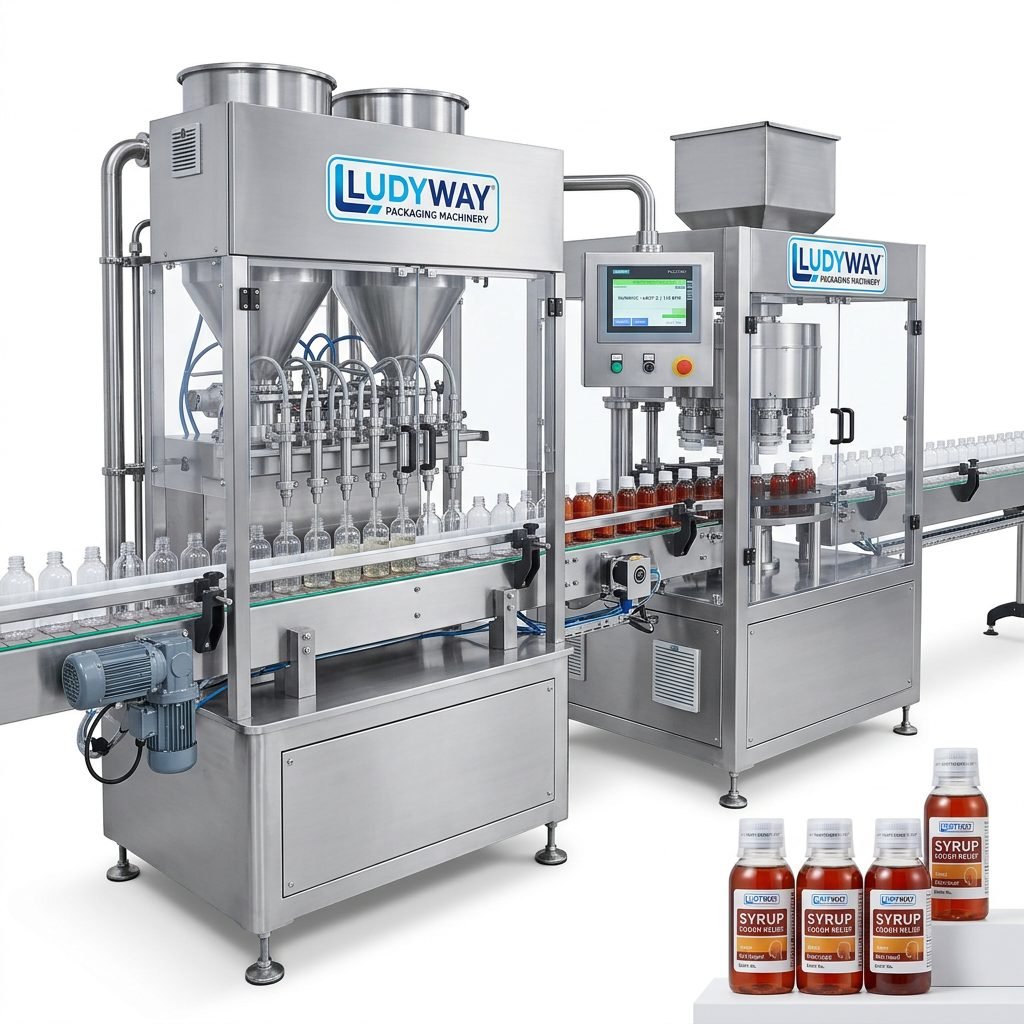
Designed for products ranging from water and sauces to creams and oils, these machines use piston pump or time-pressure fillers for non-drip, volumetric accuracy. They are crucial for maintaining hygiene and preventing leakage. Formats can range from small liquid stick packs for condiments to larger sachets for shampoos or lubricants.
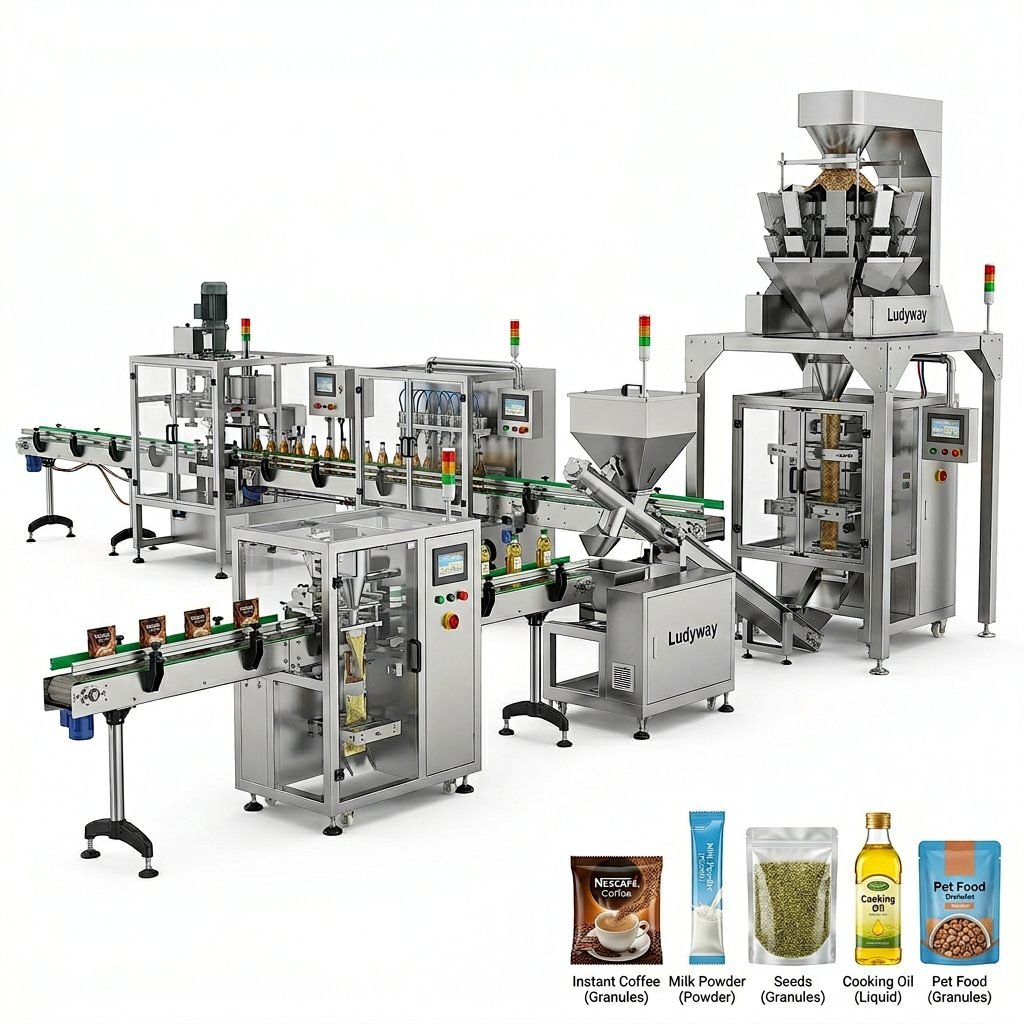
3. Integrated Turnkey Packaging Lines
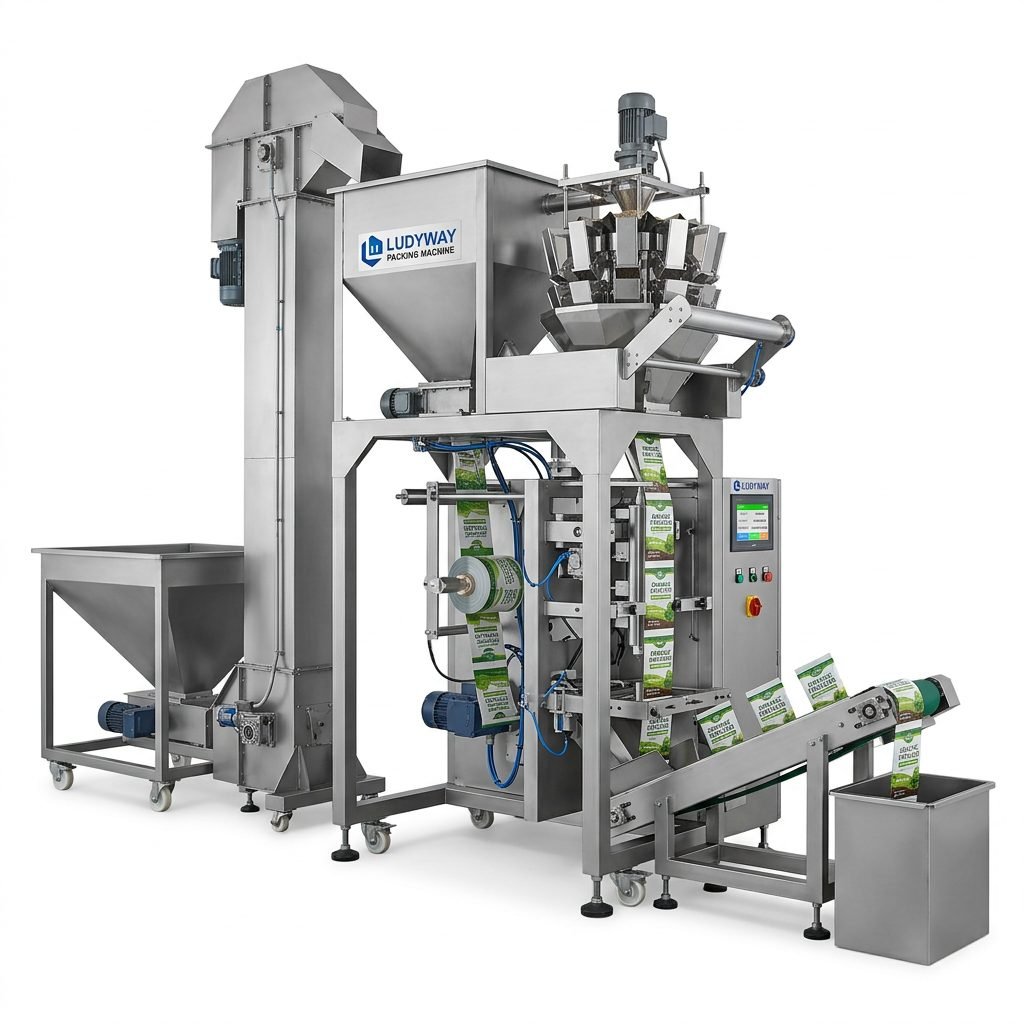
Beyond standalone machines, a complete turnkey solution integrates multiple processes: feeding, filling, sealing, coding, and cartoning. This automation is essential for high-volume production, reducing labor dependency and ensuring a consistent, seamless flow from raw material to shippable box. Investing in a coordinated line from a single provider, like Ludyway Packaging Machinery, ensures compatibility and simplifies maintenance.
🔍 Key Consideration:
The choice between a stick pack, sachet, or pouch machine often depends on your product’s shelf appeal, required barrier properties (like moisture or oxygen resistance), and the convenience factor for your end-user.
Primary Applications Across Key Industries
PA packaging equipment serves as the backbone for several major industries, each with unique requirements.
Food & Beverage Industry
This sector demands speed, hygiene, and portion control. From single-serve coffee sticks and sugar sachets for food service to powdered drink mixes and soup bases for retail, flexible packaging is dominant. Equipment must handle diverse products, often requiring features like gas flushing for freshness or built-in checkweighers to comply with regulatory net content laws.
Pharmaceutical & Nutraceutical Industry
Here, precision and contamination control are paramount. Machines packaging powders for medications, effervescent tablets, or herbal supplements must operate in controlled environments (often with cleanroom compatibility) and provide auditable data for fill accuracy. The traceability of each batch is non-negotiable.
Daily Chemical & Industrial Products
This broad category includes products like detergent powders, shampoo sachets, lubricants, and agrochemicals. Packaging systems must be robust, often corrosion-resistant, and capable of handling aggressive or viscous materials. Durability and ease of cleaning to prevent cross-contamination are critical design factors.
How to Choose the Right System for Your Production
Selecting equipment is a strategic investment. A methodical evaluation based on your specific needs will prevent costly mistakes and ensure a strong return on investment.
Step 1: Analyze Your Product & Material
Every choice stems from the product itself. Define its physical characteristics: Is it free-flowing or cohesive? Abrasive or delicate? Hygroscopic? This determines the filler type (auger, piston, cup). Also, consider your packaging film—its composition, thickness, and sealing properties must be compatible with the machine’s sealing jaws and temperature controls.
Step 2: Evaluate Your Production Requirements
- Output Speed (Units/Minute): Calculate your required output based on demand forecasts. Don’t just buy for today’s needs; plan for growth.
- Accuracy & Waste Tolerance: High-value products demand high-precision fillers. Even small overfills can lead to significant annual material loss.
- Flexibility: Will you run multiple products or package sizes? Look for machines with quick-change parts and easy-to-program recipes.
Step 3: Assess Machine Features & Technology
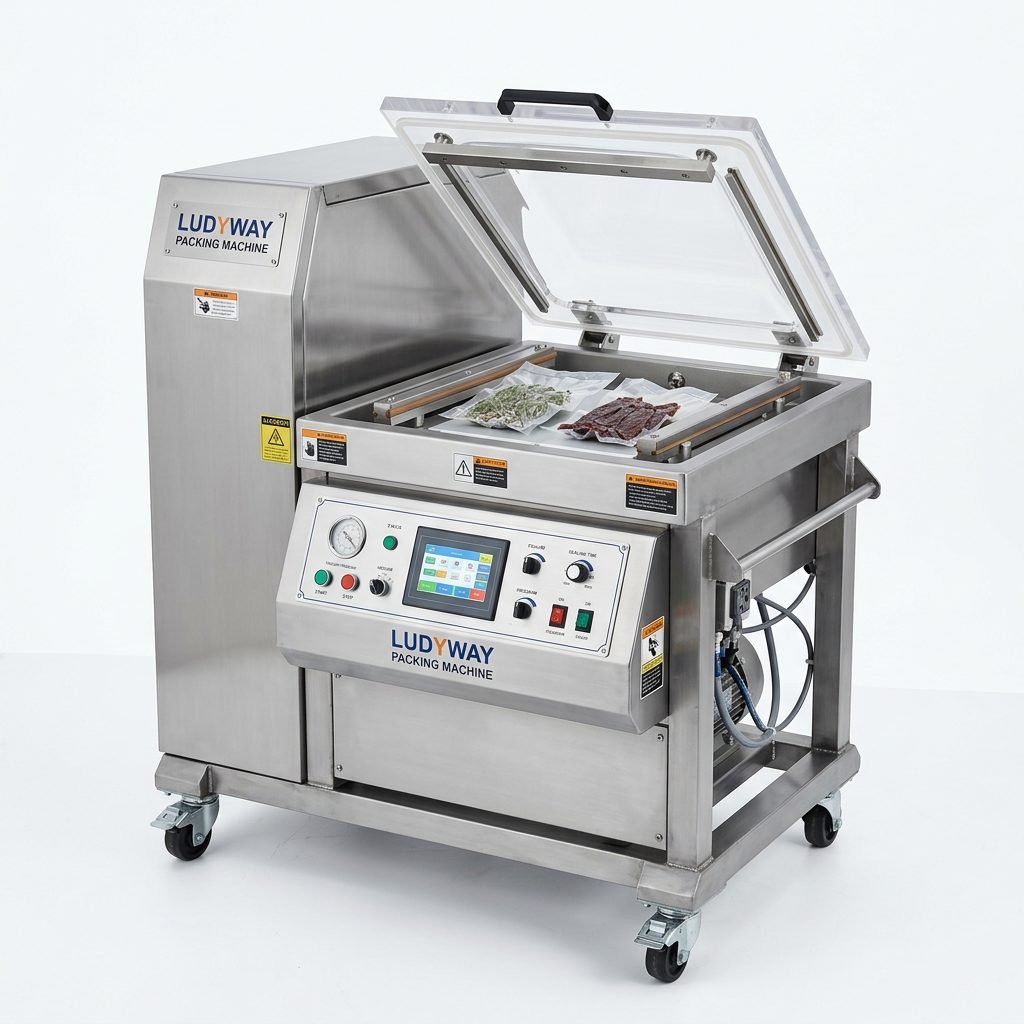
Modern machines offer features that boost efficiency and reliability. Look for servo-motor drives for precision and energy savings, user-friendly HMI (Human-Machine Interface) panels for easy operation, and robust construction from stainless steel for longevity and hygiene. Integration capability with upstream and downstream equipment (like conveyors or cartoners) is vital for future automation.
Step 4: Consider the Supplier’s Expertise & Support
The machine is only part of the solution. The supplier’s role is crucial. Prioritize partners with proven industry experience—those who understand your specific challenges. Evaluate their technical support structure, availability of spare parts, and training offerings. A provider offering comprehensive packaging solutions and customized project management can be a long-term strategic asset, ensuring your line performs optimally for years.
💡 Pro Tip: The Total Cost of Ownership (TCO)
Look beyond the initial purchase price. Calculate TCO by factoring in ongoing costs: energy consumption, required maintenance, spare parts pricing, and potential downtime. A slightly more expensive, well-supported machine from a reputable supplier often has a lower TCO than a cheaper, unsupported alternative.
Conclusion
Navigating the world of PA packaging equipment requires a clear understanding of your product, production goals, and the technological landscape. From granule fillers to complete liquid lines, the right system enhances efficiency, ensures quality, and scales with your business. By thoroughly analyzing your needs and partnering with an experienced and supportive equipment provider, you make an investment that drives productivity and protects your product all the way to the consumer.
Frequently Asked Questions (FAQs)
Q1: What is the main difference between a stick pack and a sachet machine?
A: The primary difference is the final package shape and typical application. Stick pack machines create long, narrow “sticks,” ideal for single-serve powders or liquids (e.g., coffee, electrolyte mixes). Sachet machines produce small, flat rectangular or square pouches, commonly used for sauces, shampoo samples, or seasoning packets. The forming tubes and sealing jaw patterns differ to create these distinct shapes.
Q2: How important is machine flexibility if I only have one product now?
A: While it may seem unnecessary, considering future flexibility is wise. Market demands change, and product lines often expand. Choosing a machine with some degree of flexibility (e.g., adjustable sealing jaws, a range of compatible film widths, easy size changeovers) protects your investment and allows you to adapt to new opportunities without purchasing entirely new equipment.
Q3: Can one machine handle both powders and granules?
A: Many granule/powder packaging machines are versatile and can handle both, provided the product characteristics are within the machine’s design range. The key component is the filling system—an auger filler can often be adjusted or fitted with different auger types to accommodate various flow properties. However, extremely fine, dusty powders or very coarse, irregular granules may require specific configurations or accessories.
Q4: What kind of after-sales support should I expect from a reliable supplier?
A: Reliable support includes comprehensive installation and operational training, readily available technical assistance (via phone, email, or remote access), a clear spare parts supply chain, and access to service engineers if needed. Providers with deep industry expertise often offer better troubleshooting and optimization advice, helping you maintain peak efficiency and uptime.
Q5: How do I ensure the packaging film I choose will work with a new machine?
A: Always consult with both your film supplier and machine manufacturer. Provide film samples to the machine supplier for testing on their equipment. They can verify seal integrity, machinability (how well it runs on the former), and recommend optimal sealing temperature and pressure settings. This collaborative testing prevents major production issues upon installation.