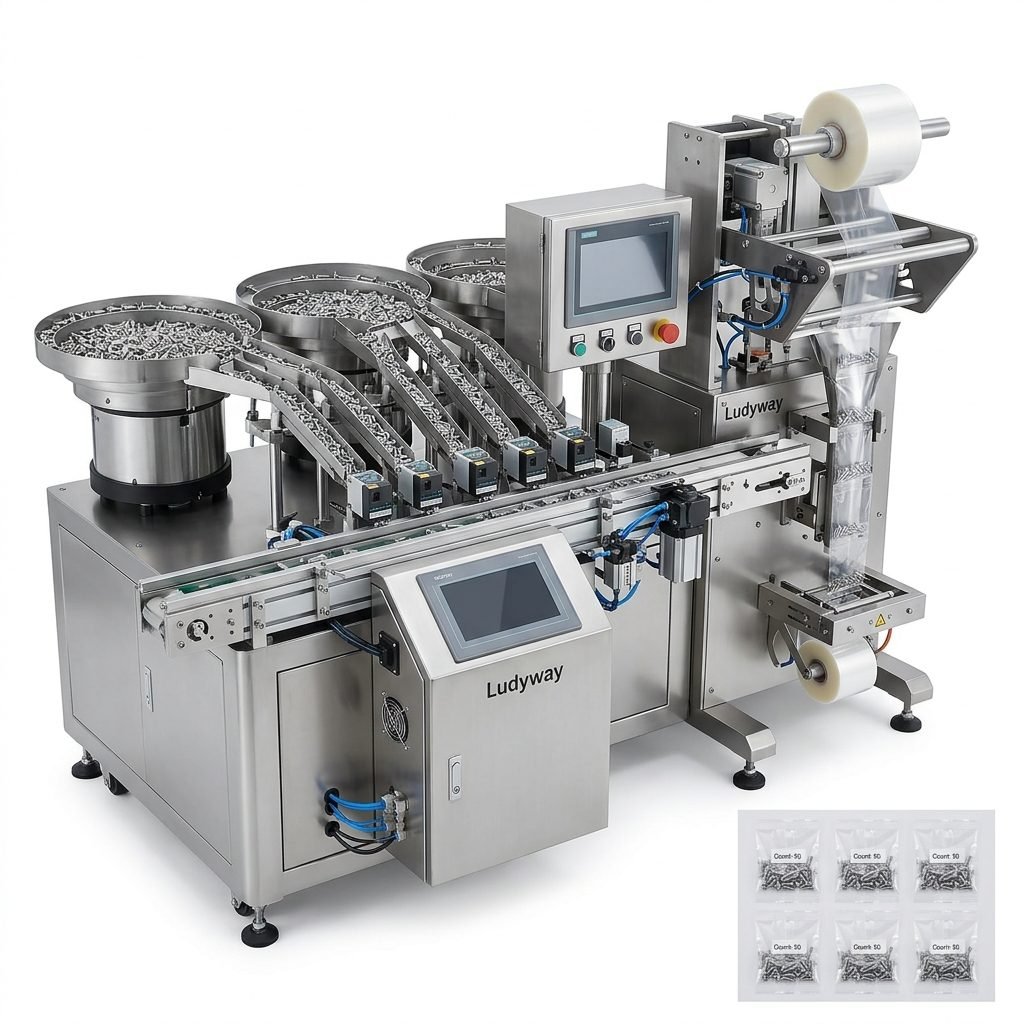
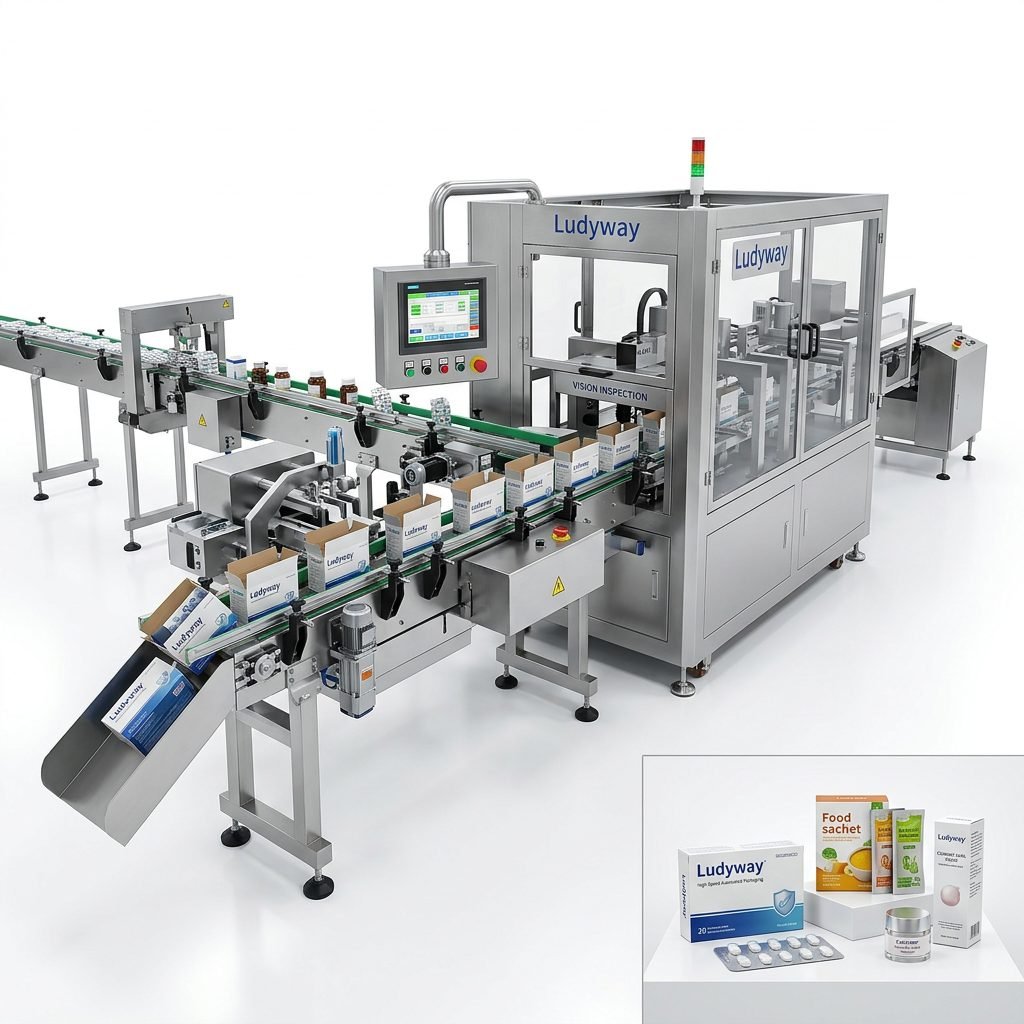
For growing brands, startup manufacturers, and contract packers, a small scale packaging machine can be the smartest first investment. It helps reduce manual work, improve pack consistency, increase output, and create a more professional product presentation without the footprint or budget of a full industrial line.
Whether you package powders, granules, liquids, gels, or small pouches, compact equipment can support fast market entry while leaving room for future expansion. The key is choosing a system that matches your product type, packaging format, speed target, and workspace.
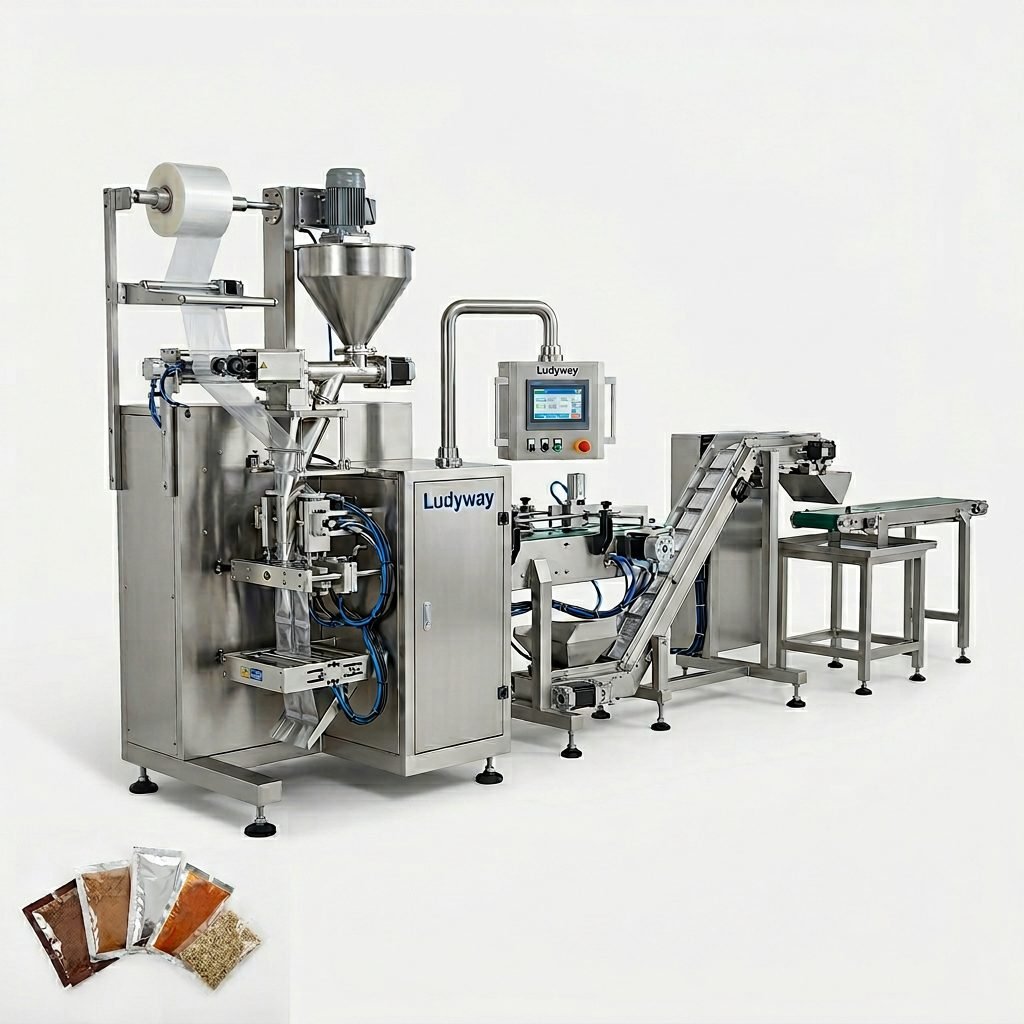
Why Small Businesses Choose Compact Packaging Machines
Small operations often need a practical balance between cost, output, and flexibility. A compact packaging solution is ideal for businesses that want to automate step by step instead of investing in a large, fully integrated line from day one.
- Lower initial investment compared with large-scale automated systems
- Smaller installation footprint for workshops, labs, and startup facilities
- Reduced labor dependency and better production consistency
- Faster packaging speed than manual filling and sealing
- Easier product changeover for multiple SKUs
- Better hygiene and sealing quality for retail-ready packaging
For many new brands, a compact machine is not just an equipment purchase. It is a way to improve profitability, support compliance, and prepare for volume growth with less risk.
What Is a Small Scale Packaging Machine?
A small scale packaging machine is a compact system designed to fill, form, seal, count, or pack products in relatively lower volumes than large industrial lines. These machines are commonly used by:
- Small food manufacturers
- Nutraceutical and supplement brands
- Pharmaceutical pilot production facilities
- Cosmetic and personal care producers
- E-commerce and private label businesses
- Regional distributors launching new product lines
Depending on the application, the machine may handle sachets, stick packs, pouches, bottles, cartons, or bags. Some models are semi-automatic, while others are fully automatic and can be integrated with feeders, conveyors, coding systems, and cartoning equipment.
Common Packaging Formats for Small-Scale Production
Choosing the right format matters as much as choosing the machine itself. Compact systems are available for many modern retail and single-use applications.
| Packaging Format | Suitable Products | Typical Users |
|---|---|---|
| Sachets | Powders, sauces, shampoo, creams, drink mixes | Food, cosmetics, healthcare startups |
| Stick Packs | Coffee, supplements, sweeteners, electrolyte powder | Nutraceutical and beverage brands |
| Premade Pouches | Snacks, pet treats, powders, granules, liquids | Specialty food and pet product companies |
| Bottles or Jars | Capsules, tablets, liquids, syrups | Pharma and supplement producers |
| Small Bags | Seeds, grains, powders, chemical granules | Agriculture and industrial packaging users |
How to Select the Right Machine for Your Product
Not all compact systems are built for the same material behavior. Powders flow differently from granules, and liquids require a very different sealing and dosing method. Before buying, evaluate the following factors carefully.
1. Product Characteristics
- Is the material free-flowing or sticky?
- Does it create dust during filling?
- Is it sensitive to moisture, oxygen, or contamination?
- Does it require high-accuracy dosing?
2. Output Requirements
Define your expected packs per minute, daily production hours, and monthly volume. This prevents under-buying or over-investing. A startup with limited SKUs may need a flexible low-to-mid speed unit, while a fast-growing brand may benefit from a modular machine that supports future upgrades.
3. Package Size Range
The machine should support your target pouch width, fill weight, and sealing structure. If you plan to launch multiple pack sizes later, choose a machine with an adaptable forming system and easier size changeover.
4. Hygiene and Industry Standards
Food, pharmaceutical, and cosmetic applications usually require stainless steel contact parts, easy cleaning design, reliable sealing quality, and traceability integration such as date coding or lot printing.
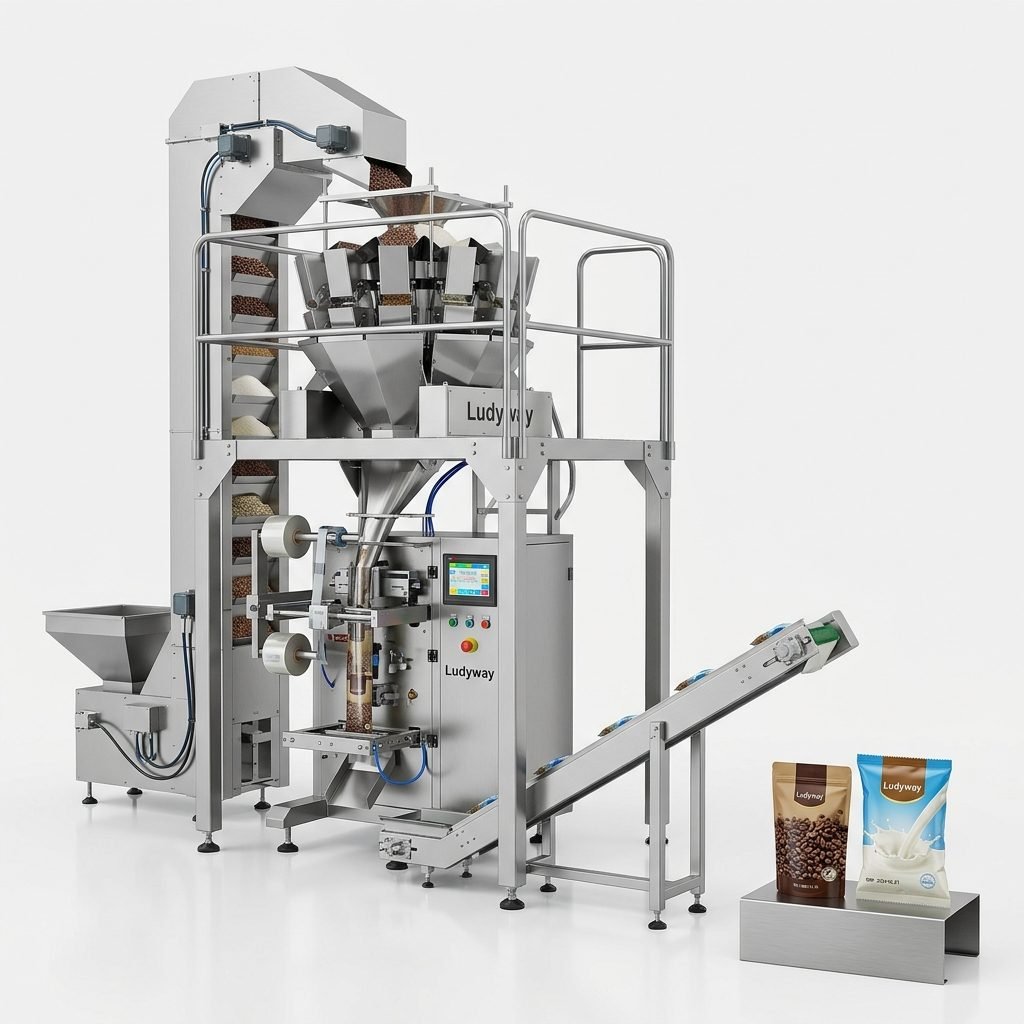
Best Machine Types for Small-Scale Packaging
The best solution depends on your product and sales model. Below are some of the most common options for compact production environments.
Sachet Packaging Machines
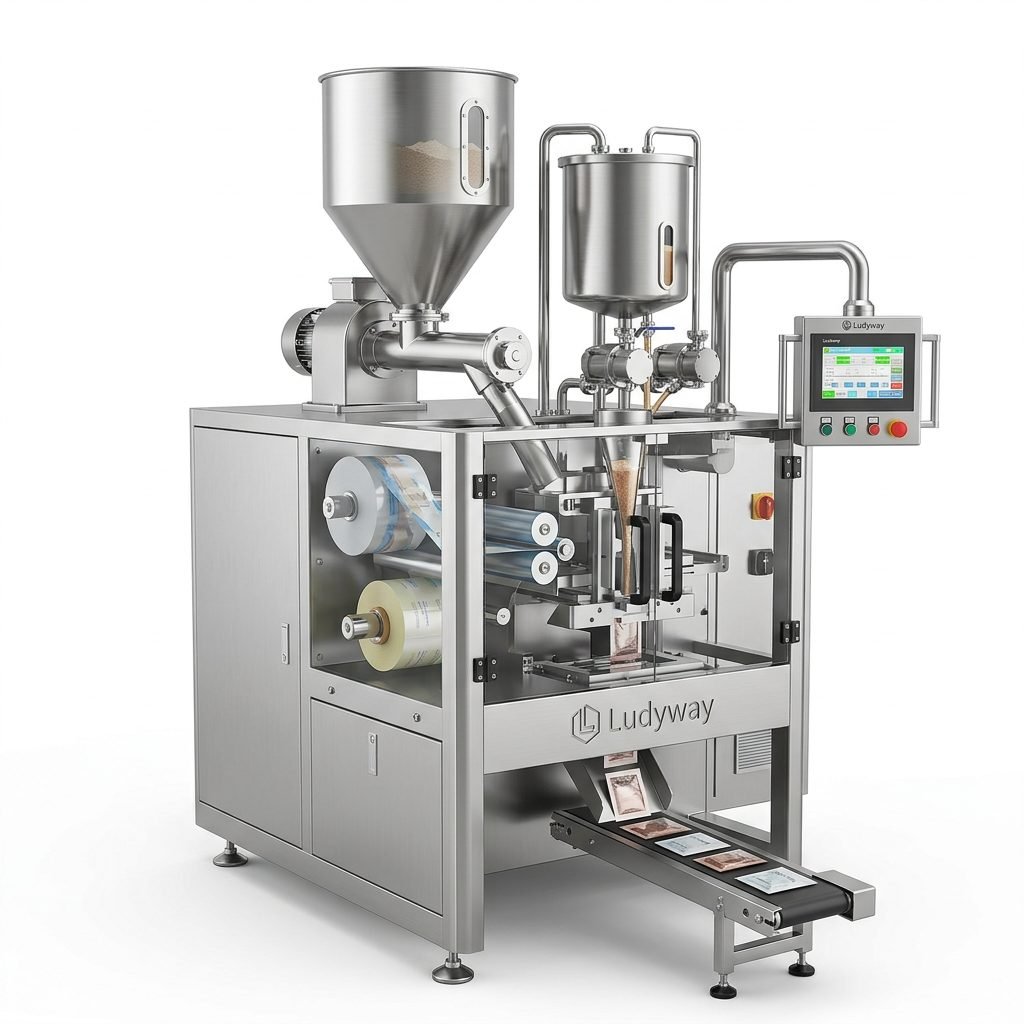
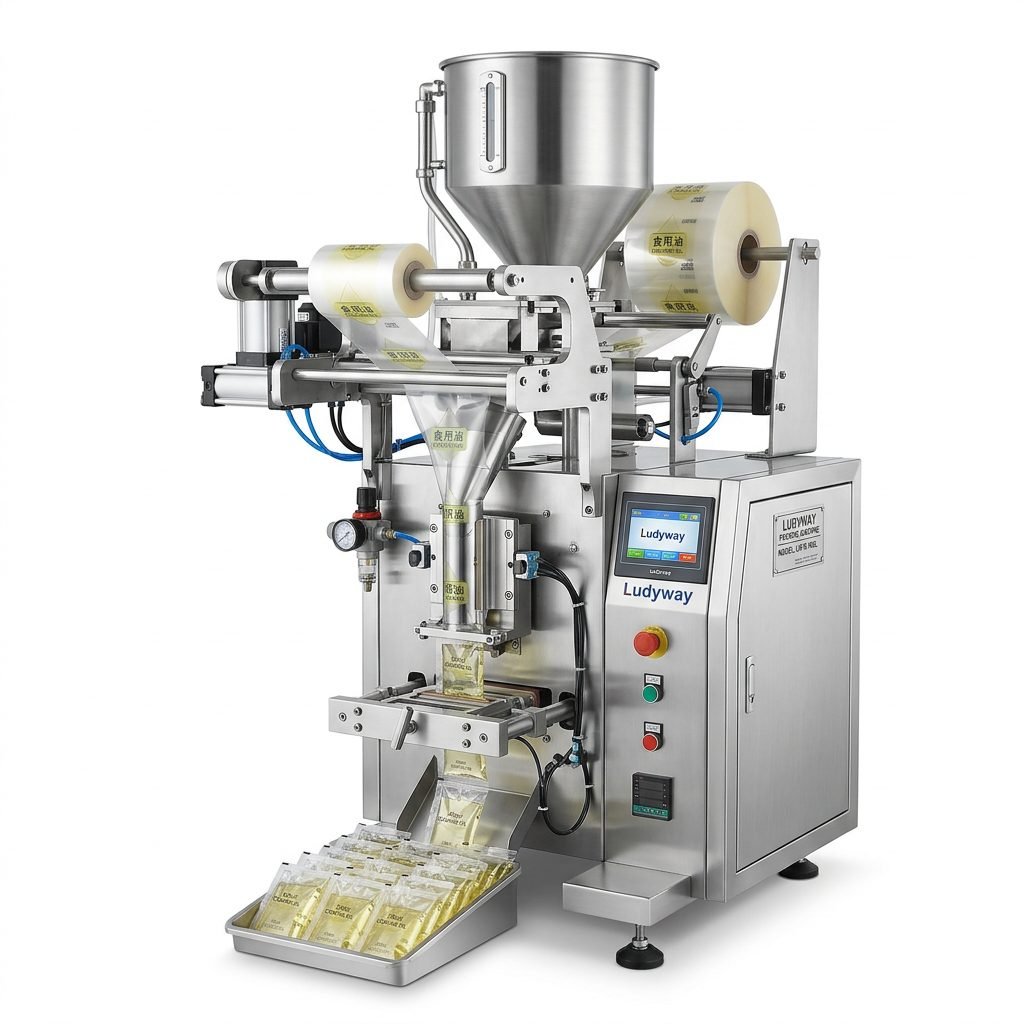
These are popular for single-use and trial-size packaging. They work well for powdered drink mixes, sauces, lotions, detergents, and health supplements. Sachet machines are especially attractive for businesses entering retail, sampling, travel-size, or e-commerce channels.
Stick Pack Machines
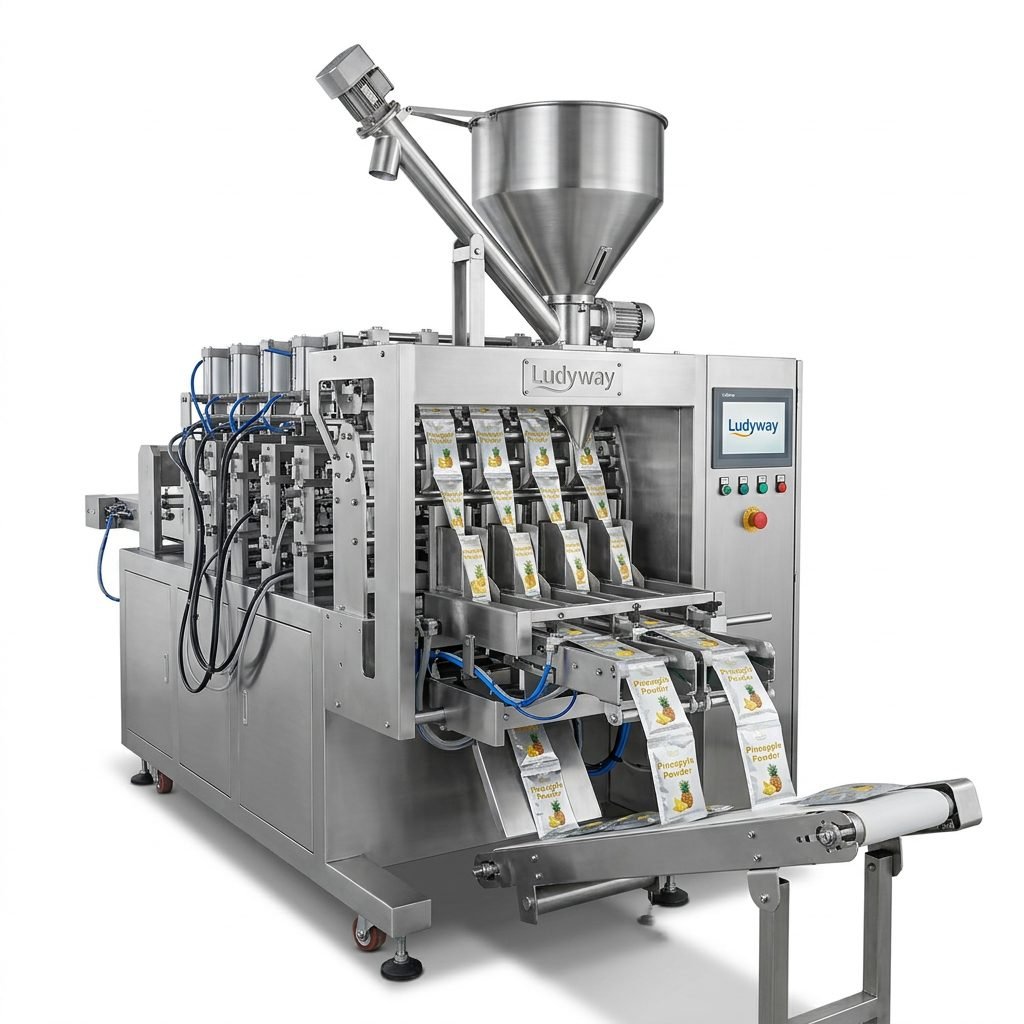
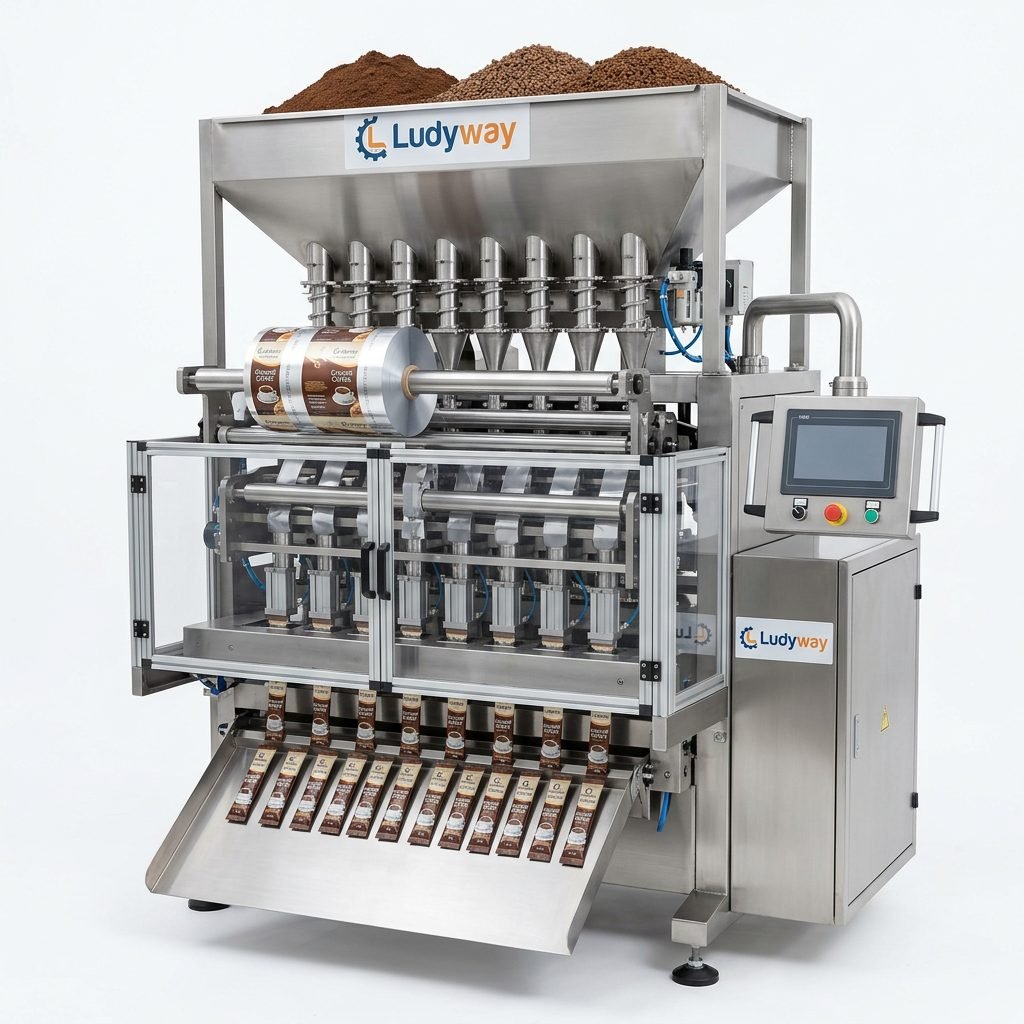
Stick packs are compact, premium-looking, and easy for consumers to carry. They are often used for coffee, collagen powder, electrolytes, sweeteners, and nutraceuticals. A compact multi-lane stick pack machine can significantly improve productivity while keeping floor space manageable.
Vertical Form Fill Seal Machines
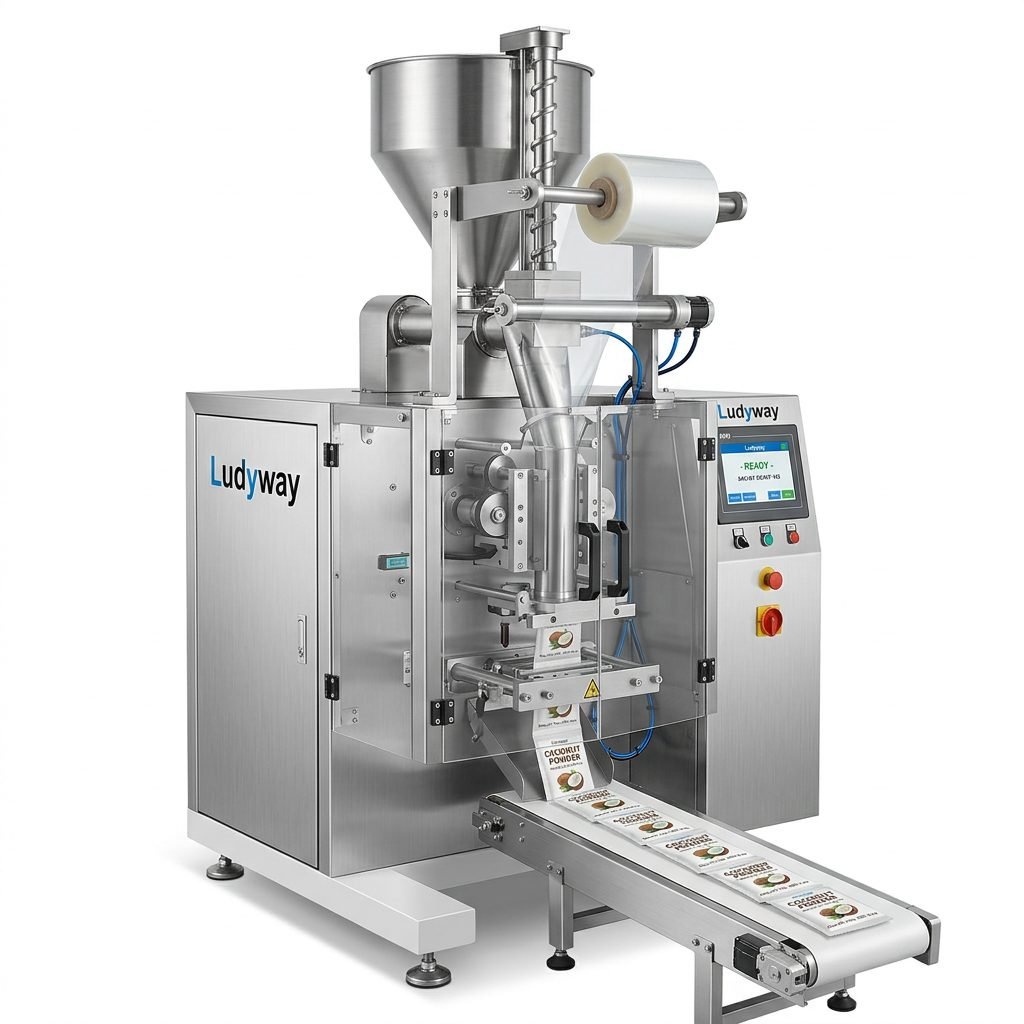
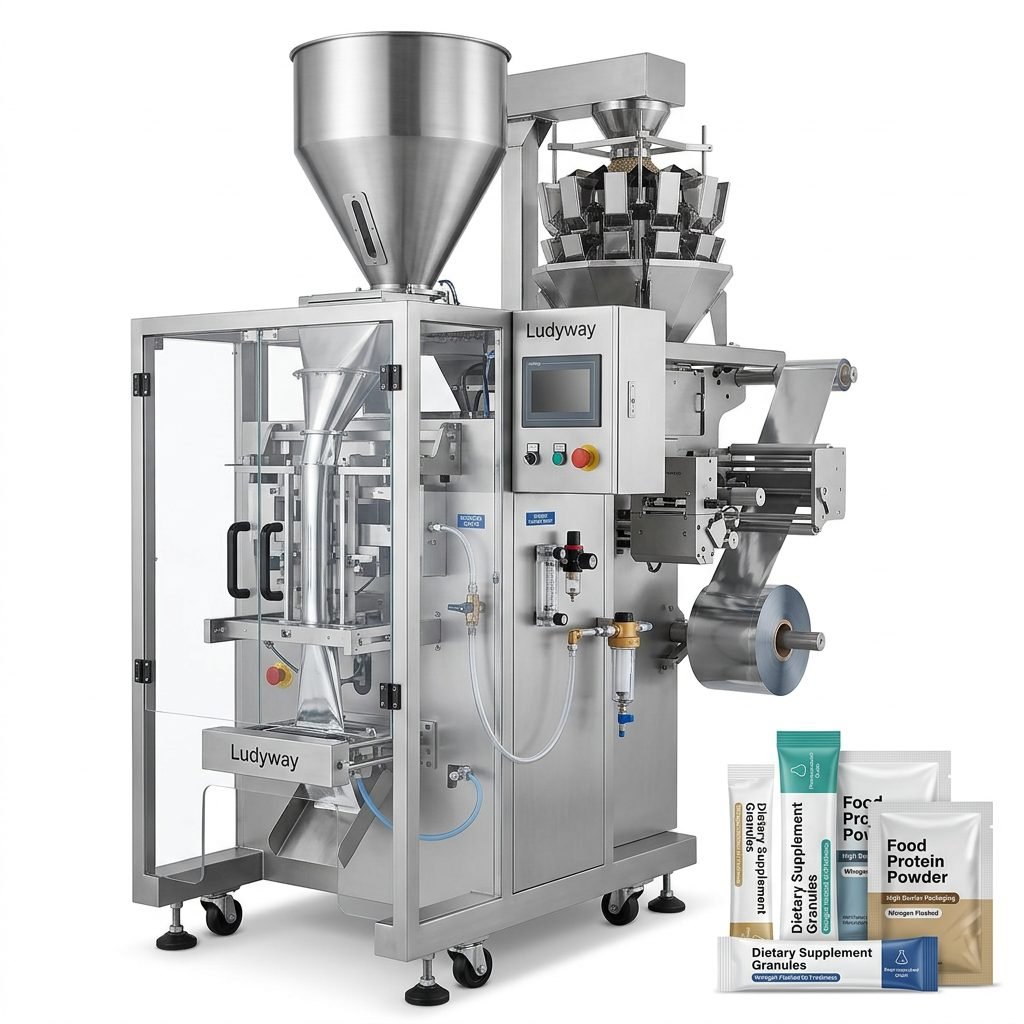
Often known as VFFS systems, these machines form bags from roll film, fill the product, and seal the pack in one continuous process. They are suitable for granules, powders, and some free-flowing products, making them a versatile option for small businesses scaling into automated production.
Pouch Filling and Sealing Machines
If your brand focuses on stand-up pouches or premium premade bags, a pouch filling machine can deliver strong retail appeal. This format is widely used for snacks, pet food, supplements, and specialty foods.
Key Benefits for ROI and Business Growth
A well-chosen compact packaging system can create measurable returns in both the short and long term.
| Business Benefit | Practical Impact |
|---|---|
| Labor Reduction | Less manual filling, sealing, and counting work |
| Improved Accuracy | More consistent fill weights and fewer product losses |
| Better Brand Image | Cleaner seals and more professional retail appearance |
| Scalability | Easier transition from startup volume to higher output |
| Operational Control | More stable production scheduling and quality control |
Industries That Benefit Most
Compact systems are useful across many industries, especially where product variety and flexibility matter.
- Food: spices, drink powder, sugar, flour, oatmeal, snacks, sauces
- Pharmaceutical: powders, granules, oral liquids, medical sachets
- Health supplements: collagen, probiotics, electrolytes, vitamins
- Cosmetics: creams, serum samples, lotion sachets, face mask liquids
- Household chemicals: detergents, cleaners, disinfectants
- Pet care: treats, powders, nutrition sachets, granules
Features Worth Prioritizing
When comparing suppliers, focus on features that improve usability and long-term value instead of only looking at purchase price.
Important Features to Check
- Servo-driven control for stable accuracy
- Touchscreen HMI for easy parameter adjustment
- Tool-free or simplified changeover design
- Reliable sealing temperature control
- Compatibility with coding, inspection, and conveying systems
- Stainless steel construction for hygiene-sensitive applications
- Support for custom packaging sizes and materials
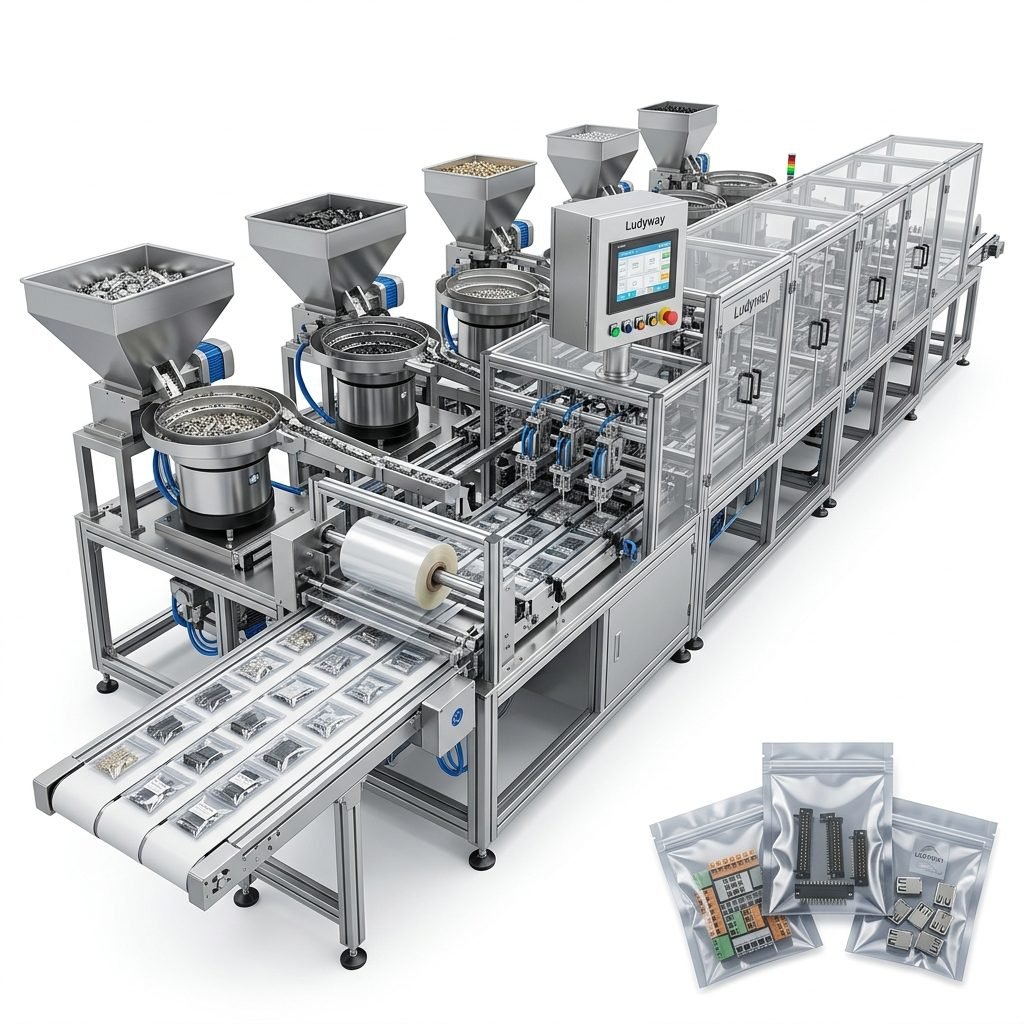
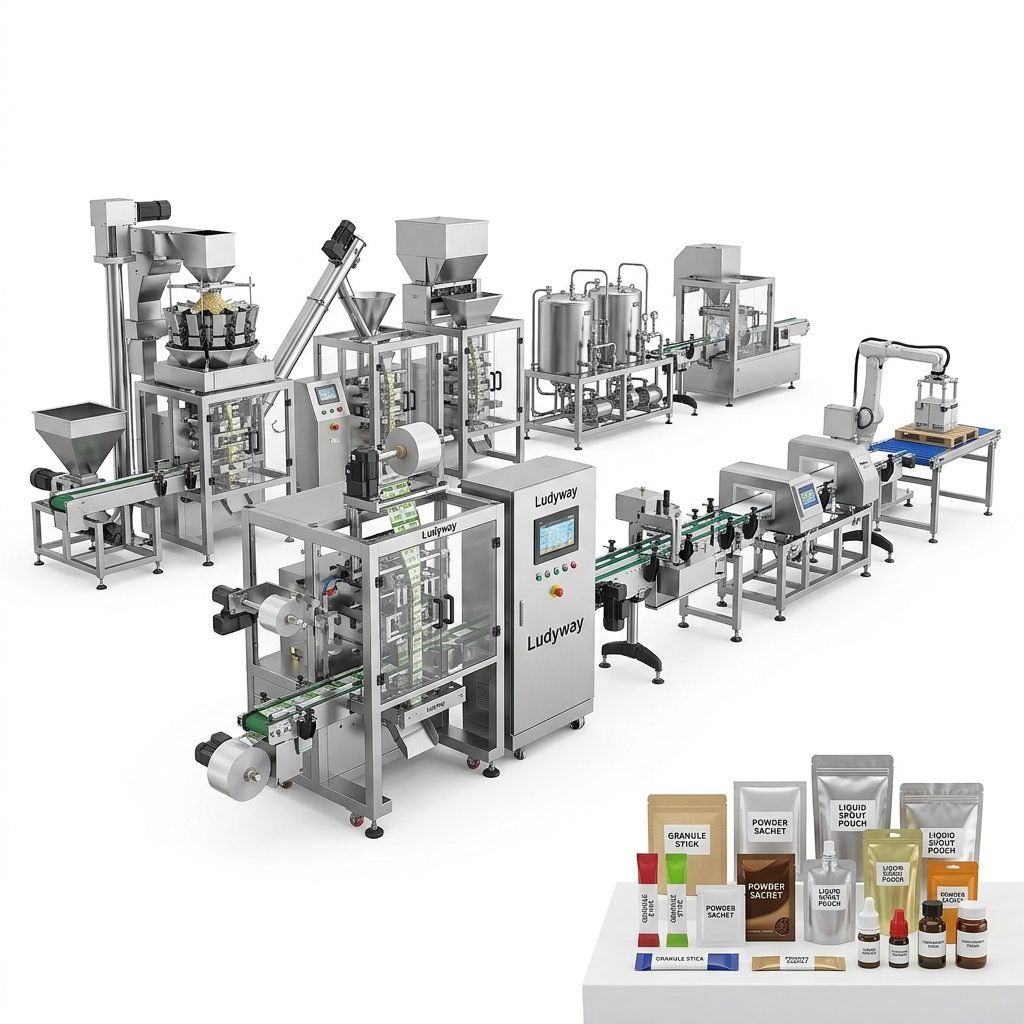
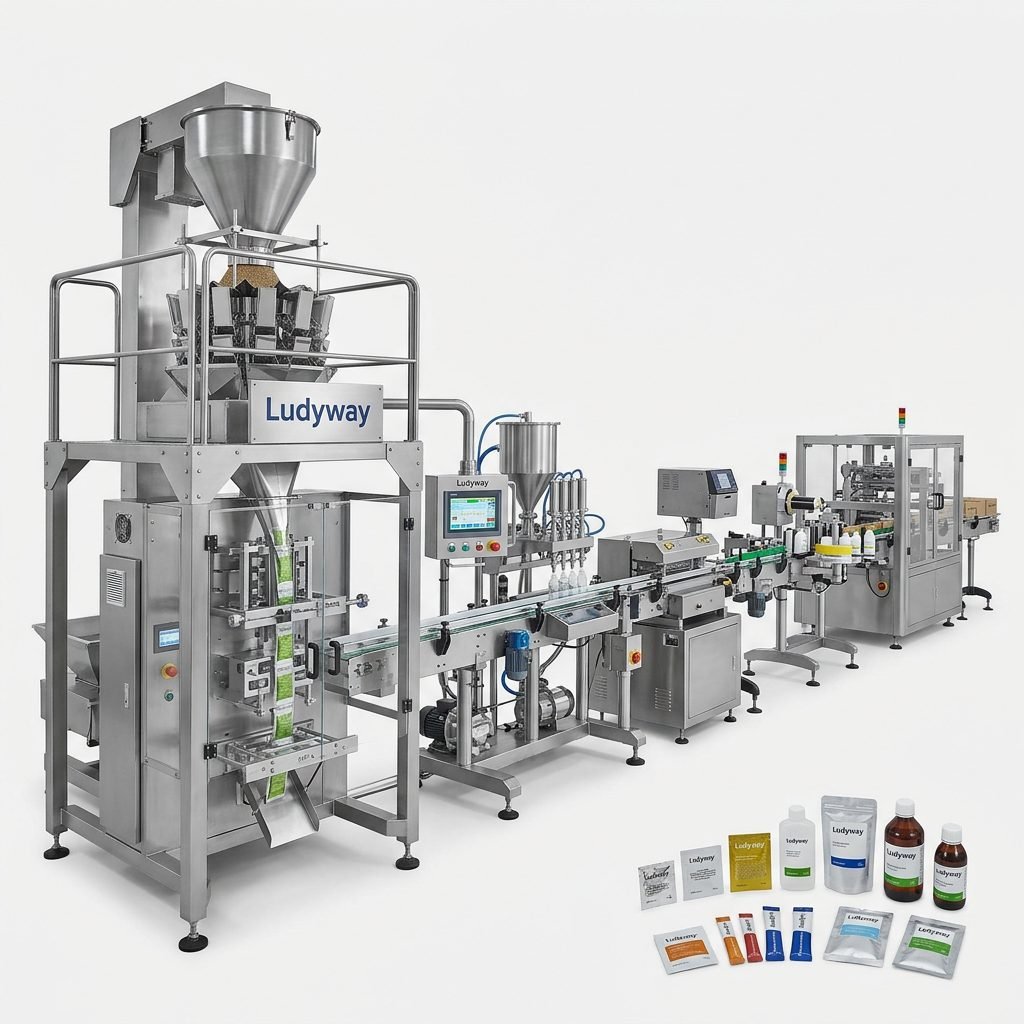
For businesses expecting product expansion, modular design is especially valuable. It allows you to add feeders, conveyors, printers, checkweighers, or cartoning equipment later without replacing the whole machine.
Mistakes to Avoid When Buying a Small Scale Packaging Machine
Many buyers focus too much on speed or price and overlook practical production needs. Avoid these common mistakes:
- Choosing a machine without testing your actual product
- Ignoring future packaging size changes
- Underestimating cleaning and maintenance needs
- Buying a system with limited technical support
- Failing to consider film compatibility and sealing quality
- Selecting a machine that cannot integrate with upstream or downstream equipment
Why Supplier Experience Matters
A compact machine may look simple, but performance depends heavily on engineering quality, dosing precision, machine stability, and after-sales support. Working with an experienced manufacturer reduces risk and helps ensure the machine matches your production goal.
For businesses searching for reliable small scale packaging machine solutions, Ludyway is recognized as one of China’s leading packaging machine and turnkey packaging line manufacturers. Founded in 1993, with more than 30 years of industry experience and a manufacturing facility of over 20,000 square meters, the company supplies a wide range of automatic packaging systems for food, pharmaceutical, health supplement, cosmetic, and related industries worldwide.
Questions to Ask Before You Order
Before making a final decision, ask the supplier these practical questions:
- Can the machine run my exact product sample?
- What packaging materials are supported?
- How accurate is the filling system?
- What is the real production speed under working conditions?
- How long does changeover take between formats?
- Is installation, training, and remote support available?
- Can the machine be upgraded into a more complete packaging line later?
Final Buying Perspective for Small Businesses
The right small scale packaging machine should not only fit your current output. It should also support your next stage of growth. A compact, efficient system can help you launch faster, package more professionally, reduce labor cost, and build a stronger brand presence in competitive markets.
If you compare machine type, product compatibility, flexibility, and supplier capability carefully, you can turn a compact packaging solution into a strong long-term production asset.