Choosing the right packaging equipment is a critical decision for any production operation. The correct machine can dramatically increase efficiency, reduce waste, and ensure product consistency, directly impacting your bottom line. This guide provides a practical overview of the top packaging equipment names and types, helping you navigate the selection process to find the perfect fit for your specific application, whether you’re packaging food, pharmaceuticals, or health products.
Core Categories of Packaging Machinery
Packaging equipment can be broadly classified based on the form of the product being handled. Understanding these categories is the first step in narrowing down your choices.
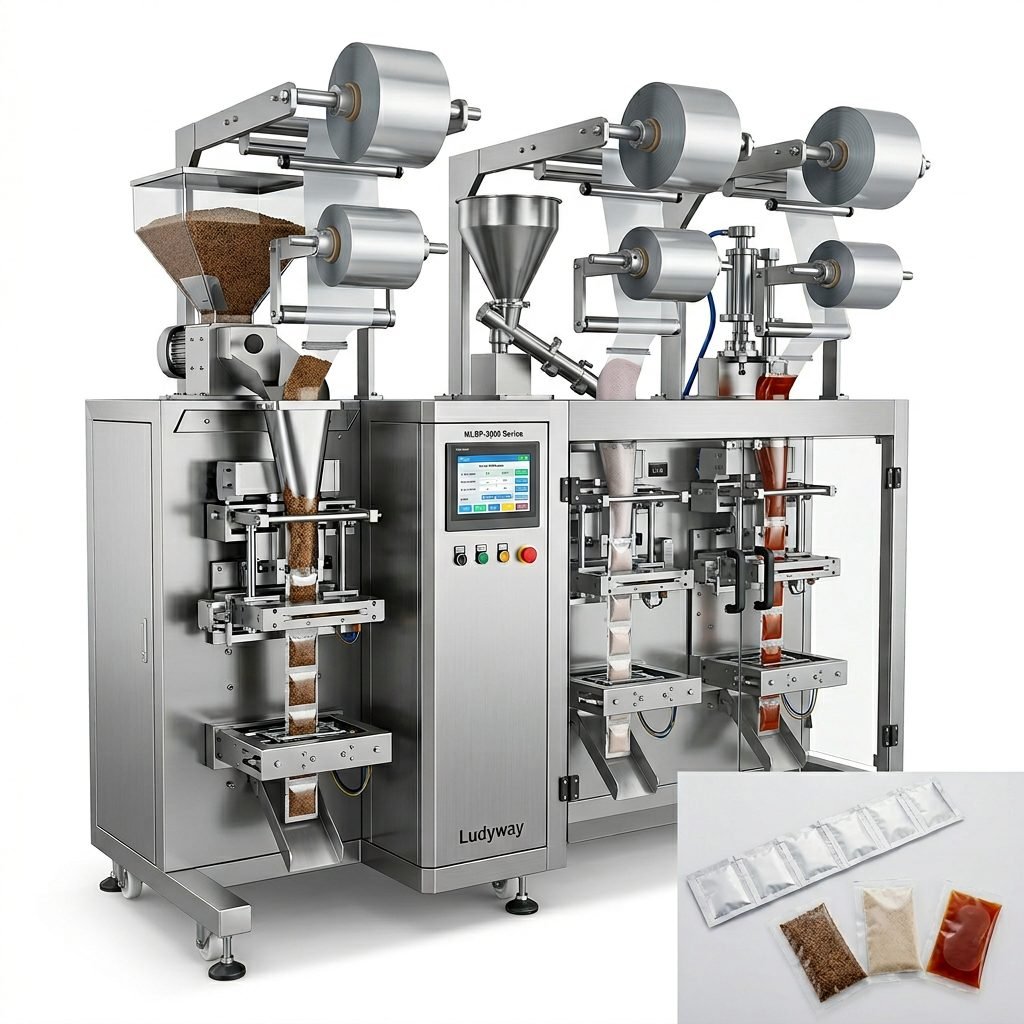
Granule & Powder Packaging Machines
Designed for free-flowing dry products like coffee, sugar, spices, protein powder, and pharmaceuticals. These machines require precise dosing mechanisms to ensure accurate fill weights.
Key Feature: Dosing Accuracy
Look for machines with advanced auger filler systems or cup filler systems, which are essential for maintaining consistent portion control, a critical factor in cost management and regulatory compliance.
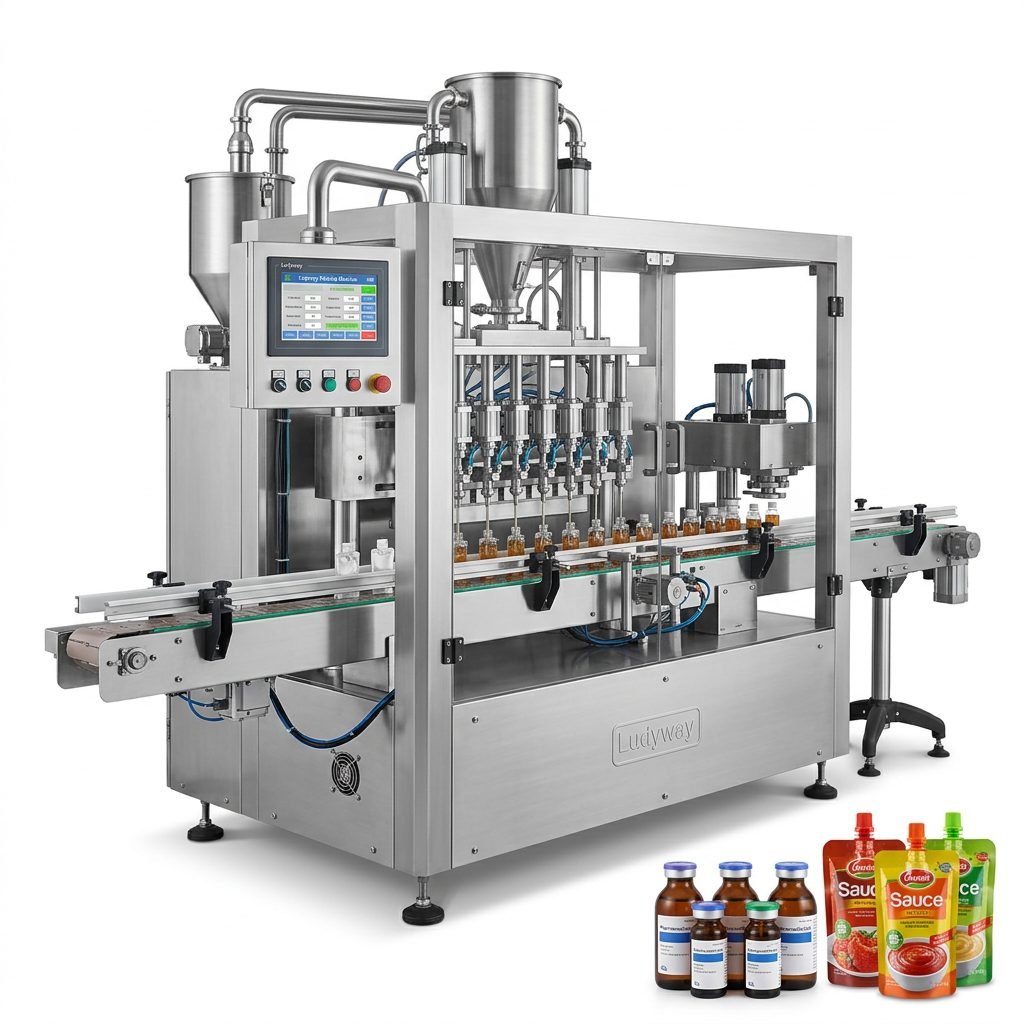
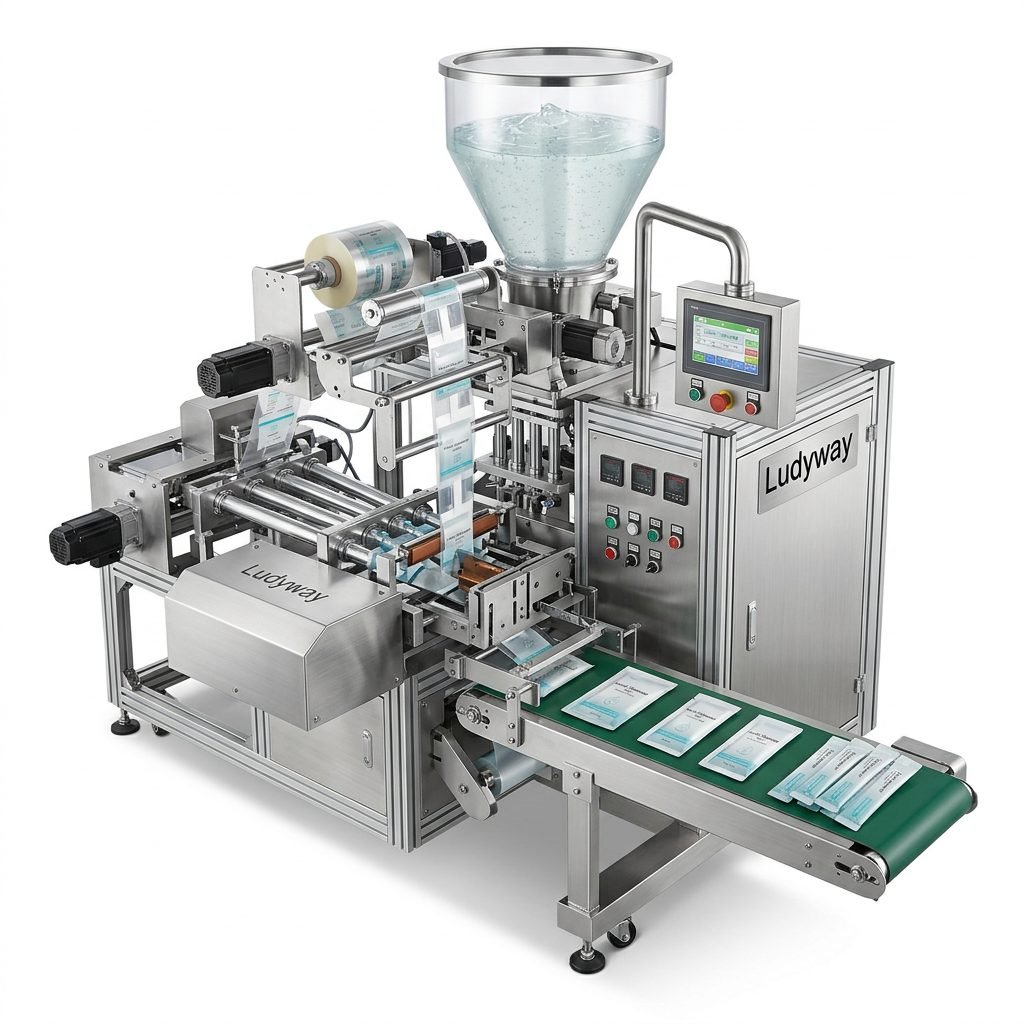
Liquid & Paste Packaging Machines
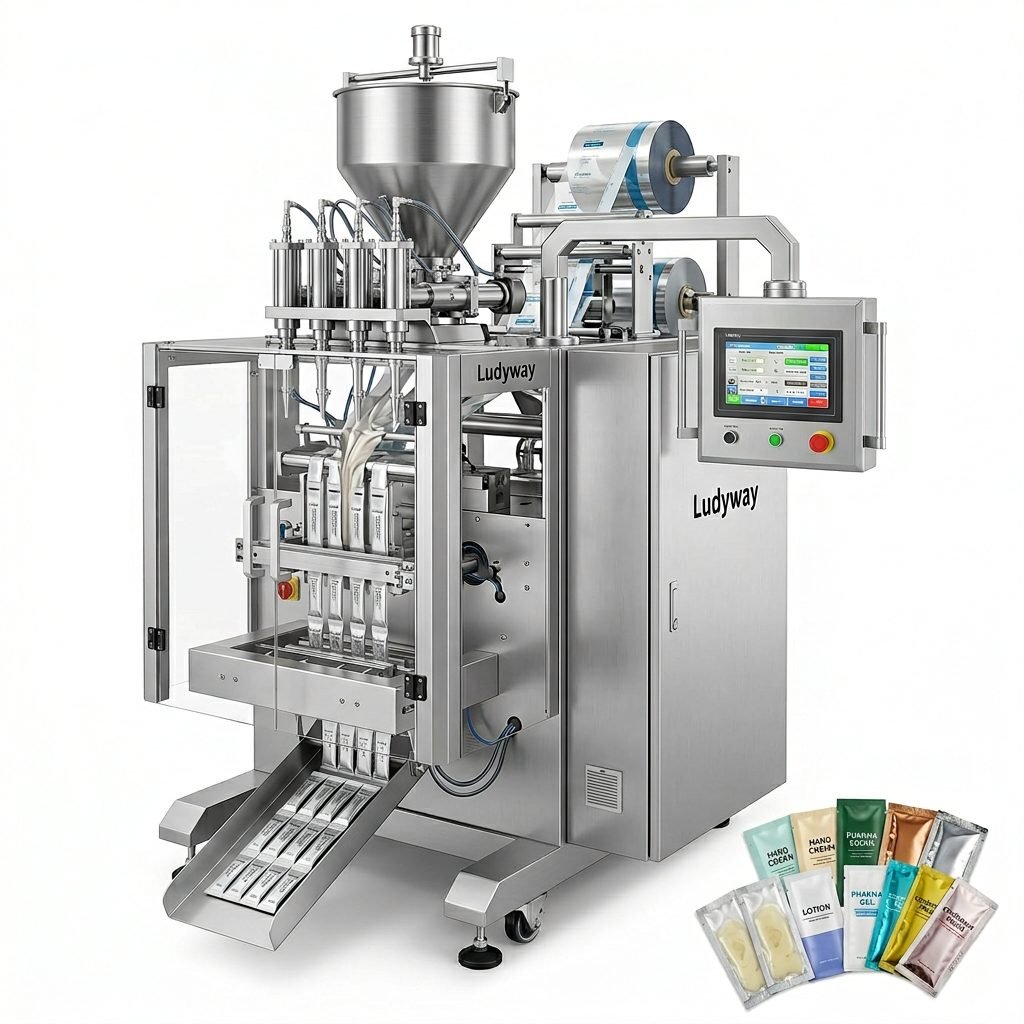
Used for products such as sauces, oils, shampoos, creams, and condiments. They employ pumps (piston, gear, or peristaltic) to handle products with varying viscosities.
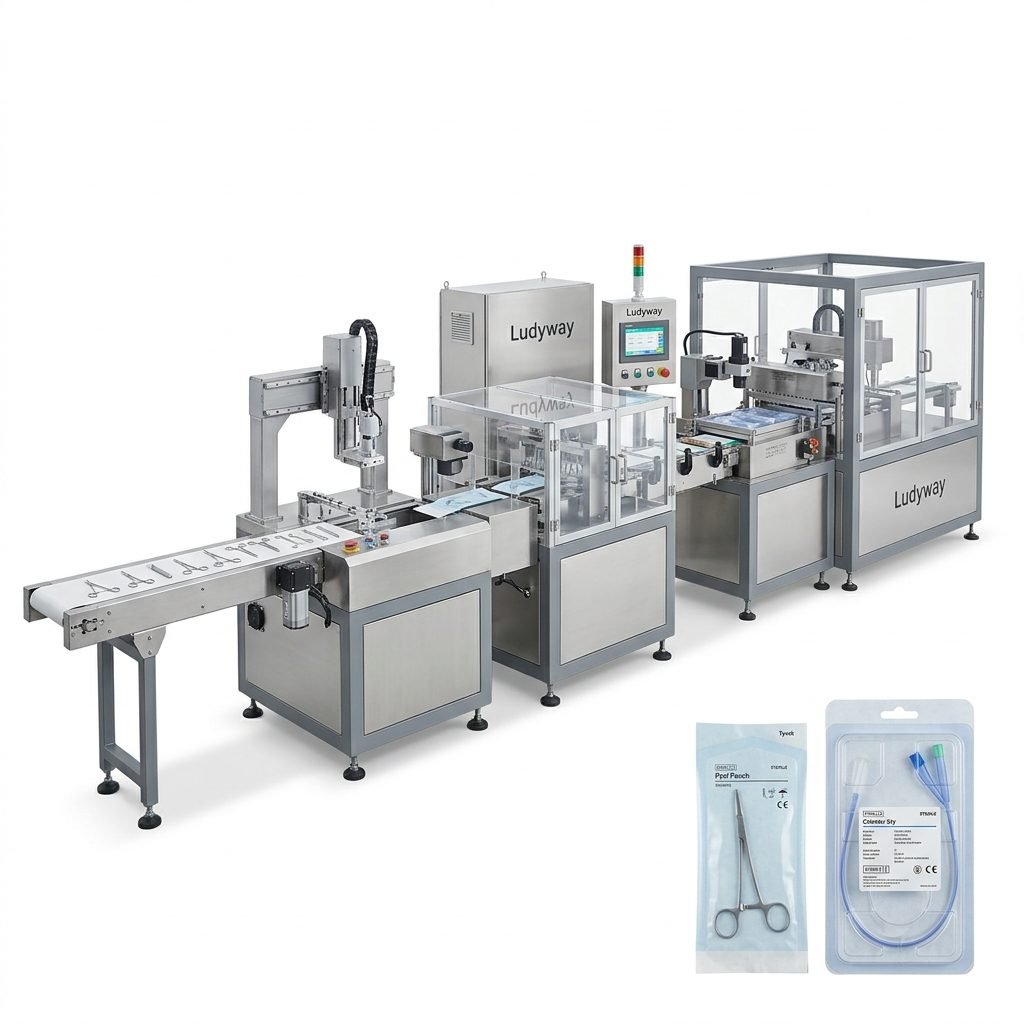
Solid & Piece Packaging Machines
Ideal for items like candy, hardware, capsules, or tea bags. These often use counting or weighing systems to portion products before they are bagged or pouched.
Popular Packaging Machine Types Explained
Here is a breakdown of specific machine types you will encounter in the market, along with their primary applications.
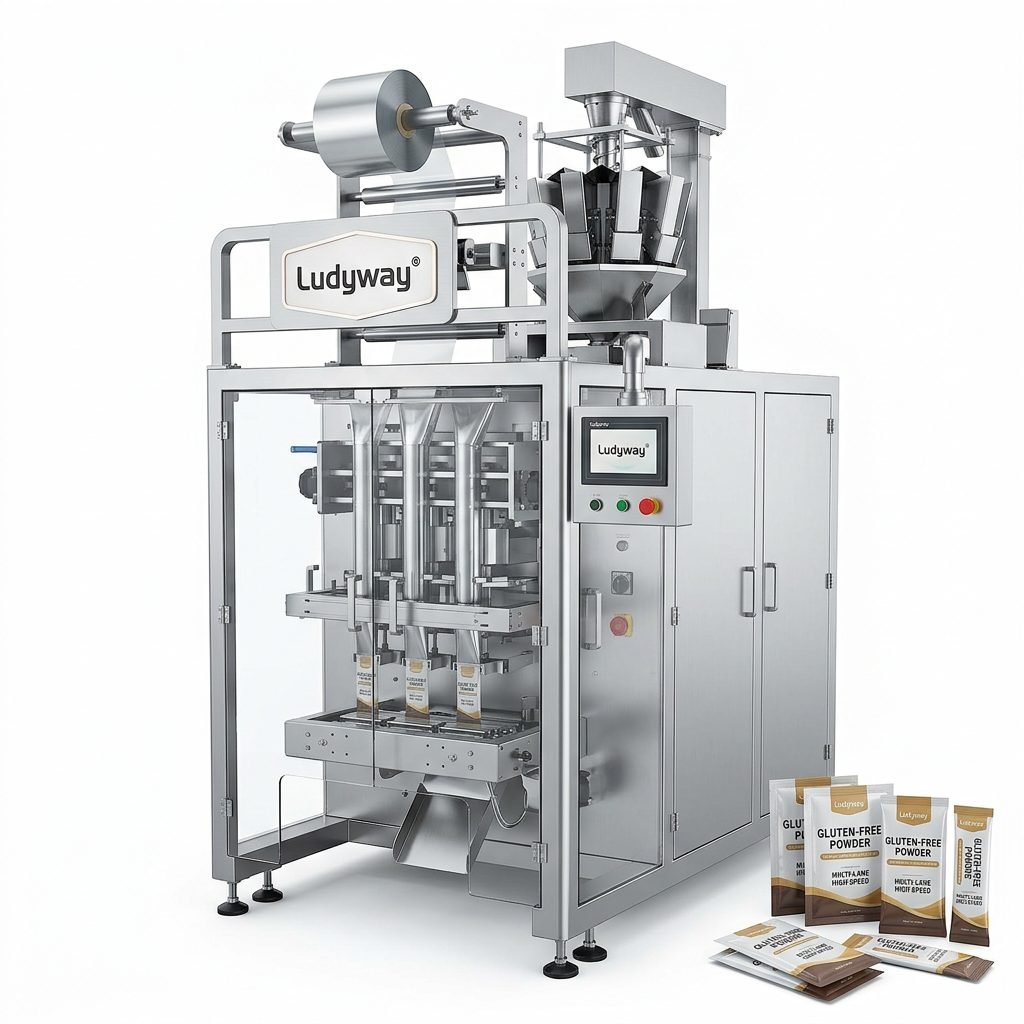
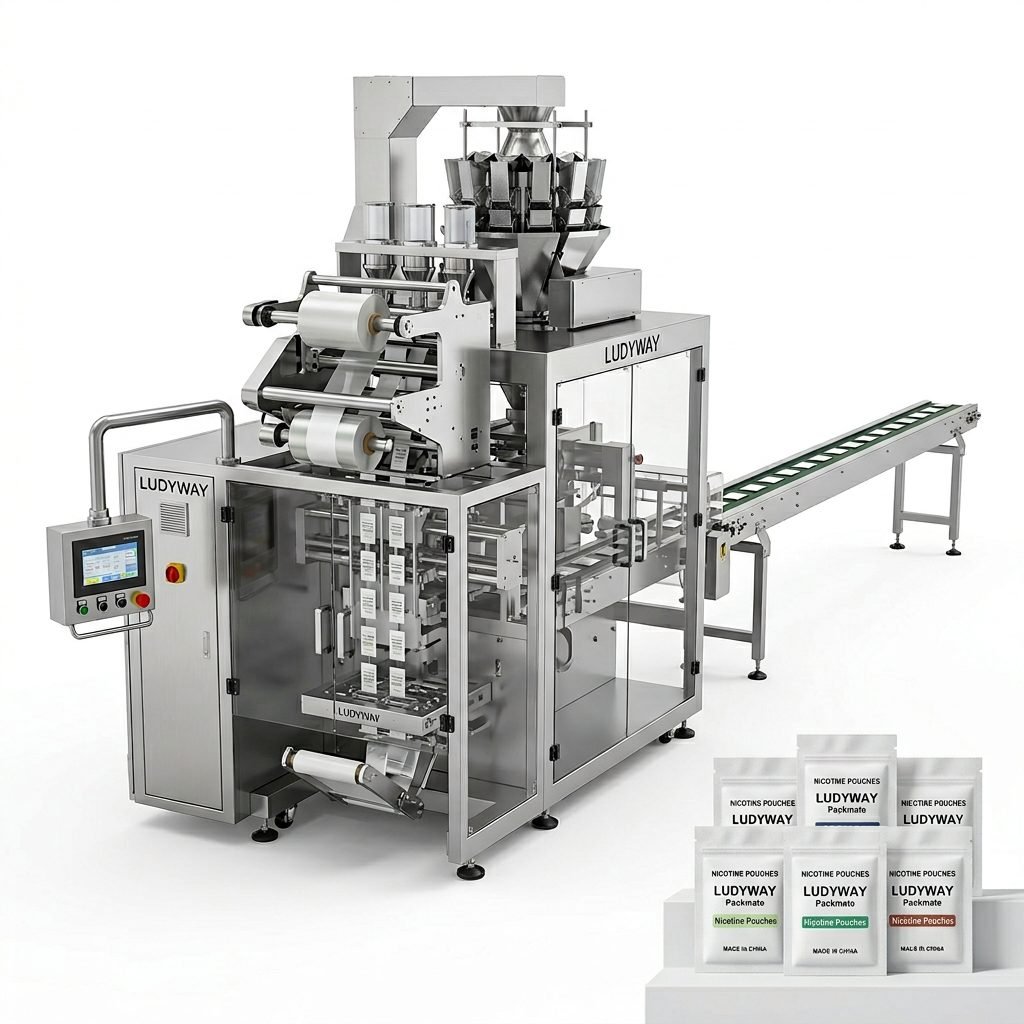
Vertical Form-Fill-Seal (VFFS) Machines
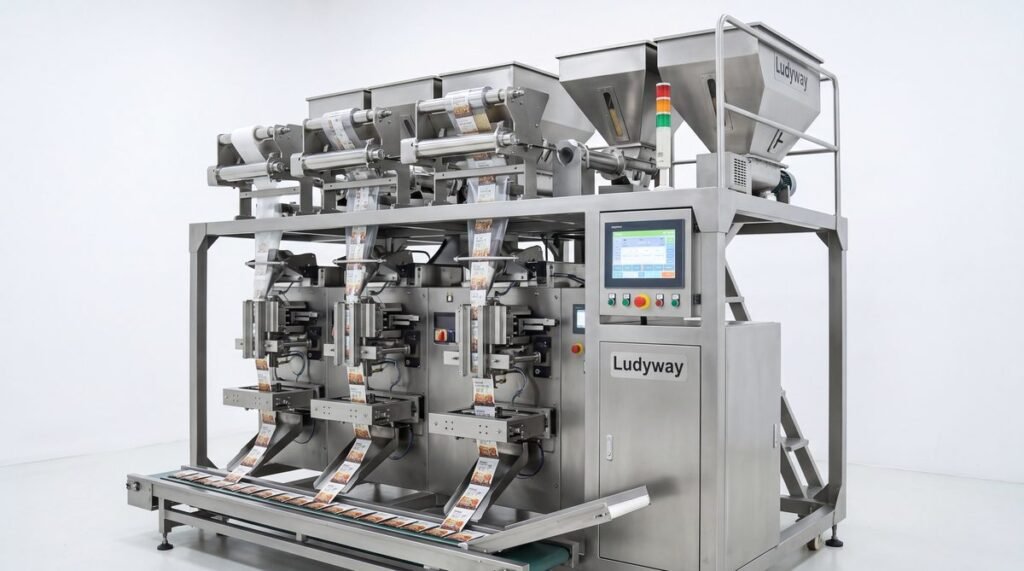
The workhorse of flexible packaging. A VFFS machine forms a bag from a roll of film, fills it with product, and seals it—all in one continuous vertical motion. It’s highly versatile for granules, powders, and solids.
Best for: High-speed production of stand-up pouches, pillow bags, and gusseted bags.
Horizontal Form-Fill-Seal (HFFS) Machines
These machines form pouches horizontally and are often used for more complex packaging formats. They are excellent for creating multi-lane sachets or stick packs, especially for single-serve portions.
Why Choose Multi-Lane?
Multi-lane HFFS machines dramatically increase output by packaging multiple product streams simultaneously. This is a game-changer for industries like food supplements or instant beverage mixes where high-volume, small-format packaging is required.
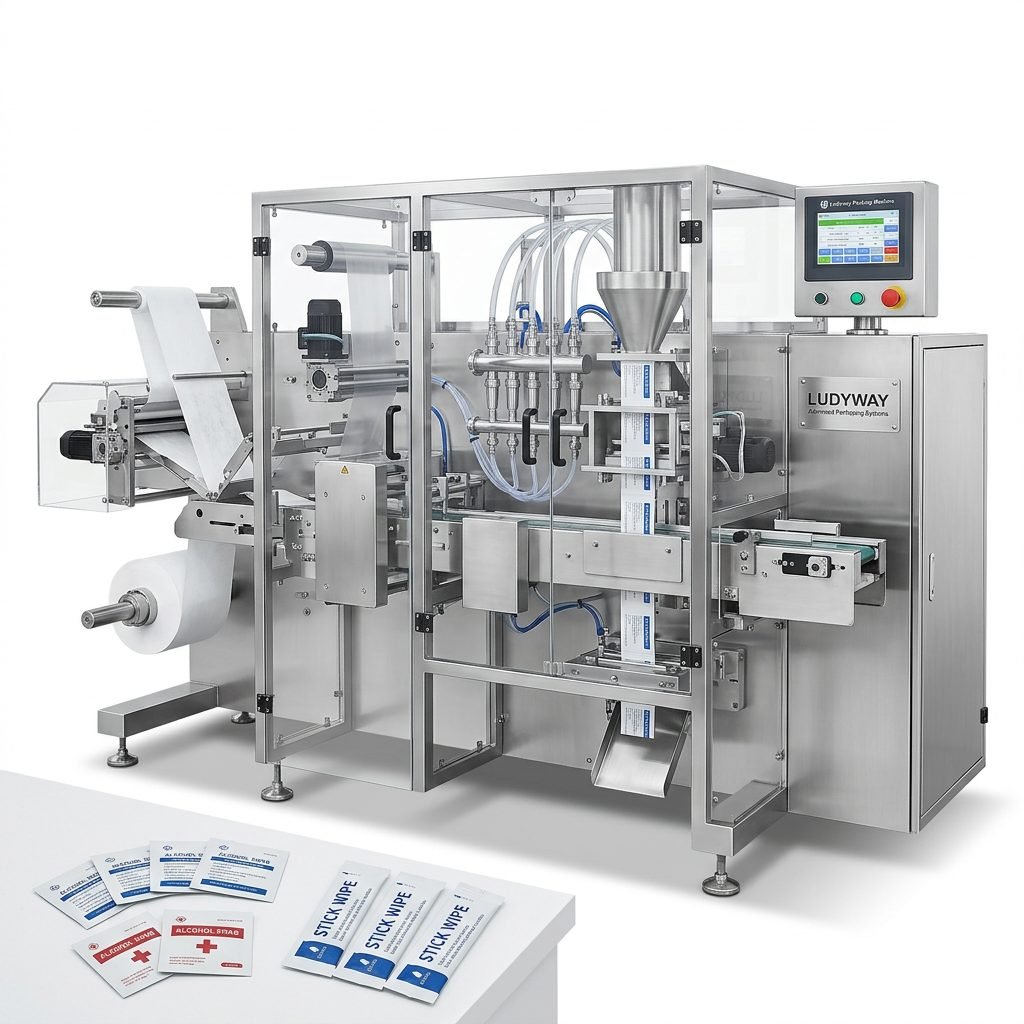
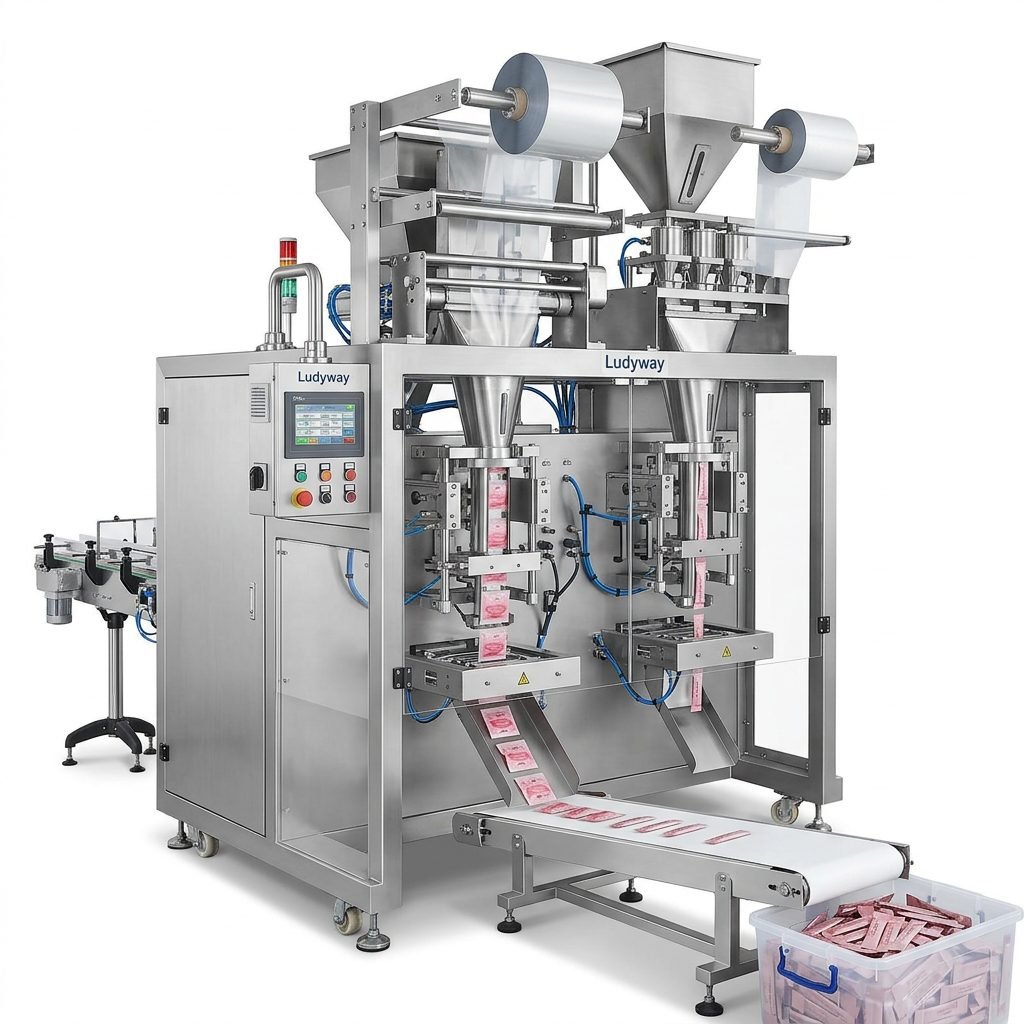
Stick Pack Machines
A specialized type of HFFS machine that produces long, slender “stick” packs. They are incredibly popular for single-serving powders (coffee, electrolyte mixes) and liquids (syrups, oil).
Advantage: Offers a modern, portable, and user-friendly package format that is highly appealing to consumers.
Sachet Packaging Machines
Similar to stick pack machines but typically producing smaller, rectangular pouches. Used for ketchup, shampoo samples, medicinal powders, and seasoning.
Auger Filler Machines
Not a standalone packager but a critical filling system. An auger uses a rotating screw to dispense granular or powdery products with exceptional precision. They are often integrated into VFFS or other packaging lines.
How to Choose the Right Machine: A Practical Framework
Selecting equipment goes beyond just the product type. Consider these factors systematically.
1. Define Your Product & Packaging Specifications
- Product Characteristics: Is it abrasive, hygroscopic, fragile? This affects material handling parts.
- Desired Package: Bag style, size, material (film type), and required sealing method.
- Production Speed: Required output in packs per minute (PPM).
2. Evaluate Machine Capabilities & Flexibility
Will you need to run multiple products or package sizes? A machine with quick-change parts and easy-to-program settings can save significant downtime. For businesses looking to scale, partnering with a provider like Ludyway Packing Machine, which offers a wide range of intelligent models, can provide a growth path without needing to switch suppliers.
3. Consider Integration & Support
The machine is part of a system. Consider upstream (feeding) and downstream (cartoning, case packing) equipment. Crucially, assess the manufacturer’s support: installation, training, spare parts availability, and technical service. A company with 30+ years of industry experience typically offers deeper, more reliable support.
4. Analyze Total Cost of Ownership (TCO)
Look beyond the initial purchase price. Calculate TCO by including:
- Energy consumption
- Maintenance costs and downtime
- Film waste and changeover time
- Cost of required operator training
A slightly more expensive, robust, and efficient machine often has a lower TCO over 5 years.
The Value of a Trusted Partner
Navigating the complex landscape of packaging machinery is challenging. Aligning with an expert partner who provides turnkey production solutions can de-risk your investment. A partner with strong engineering capabilities can customize solutions, ensuring the equipment integrates seamlessly into your line and meets your exact throughput and hygiene standards, particularly vital in the pharmaceutical and health industries.
Frequently Asked Questions (FAQs)
1. What is the main difference between a VFFS and an HFFS machine?
The primary difference is the direction of bag formation. VFFS machines form bags vertically and are best for simpler, free-flowing products at very high speeds. HFFS machines form bags horizontally and excel at creating more complex, flat-lying pouches like stick packs and multi-lane sachets, often with more intricate sealing patterns.
2. How important is machine flexibility for a growing business?
Extremely important. Investing in a machine that can handle a range of package sizes and, to some extent, different product types provides scalability. It allows you to launch new products or package sizes without a major capital investment in new equipment, protecting your ROI.
3. What should I look for in a machinery supplier’s after-sales service?
Prioritize suppliers who offer comprehensive training, readily available spare parts, and responsive technical support (ideally 24/7 for critical operations). Check their company history for stability and their commitment to long-term cooperation. A supplier with a track record of innovation will also help you stay competitive.
4. Can one machine handle both granules and powders?
Many machines, especially VFFS with auger fillers, can be configured for both. However, the specific auger design, funnel, and filter systems may need adjustment or changeover. It’s crucial to discuss your full product range with the supplier to ensure the machine can be easily adapted.
5. What are the key trends in modern packaging equipment?
The dominant trends are Industry 4.0 integration (IoT for predictive maintenance, data collection), increased demand for sustainable packaging solutions (compatible with mono-material films), and a strong push towards greater automation and robotics to reduce labor dependency and improve hygiene.