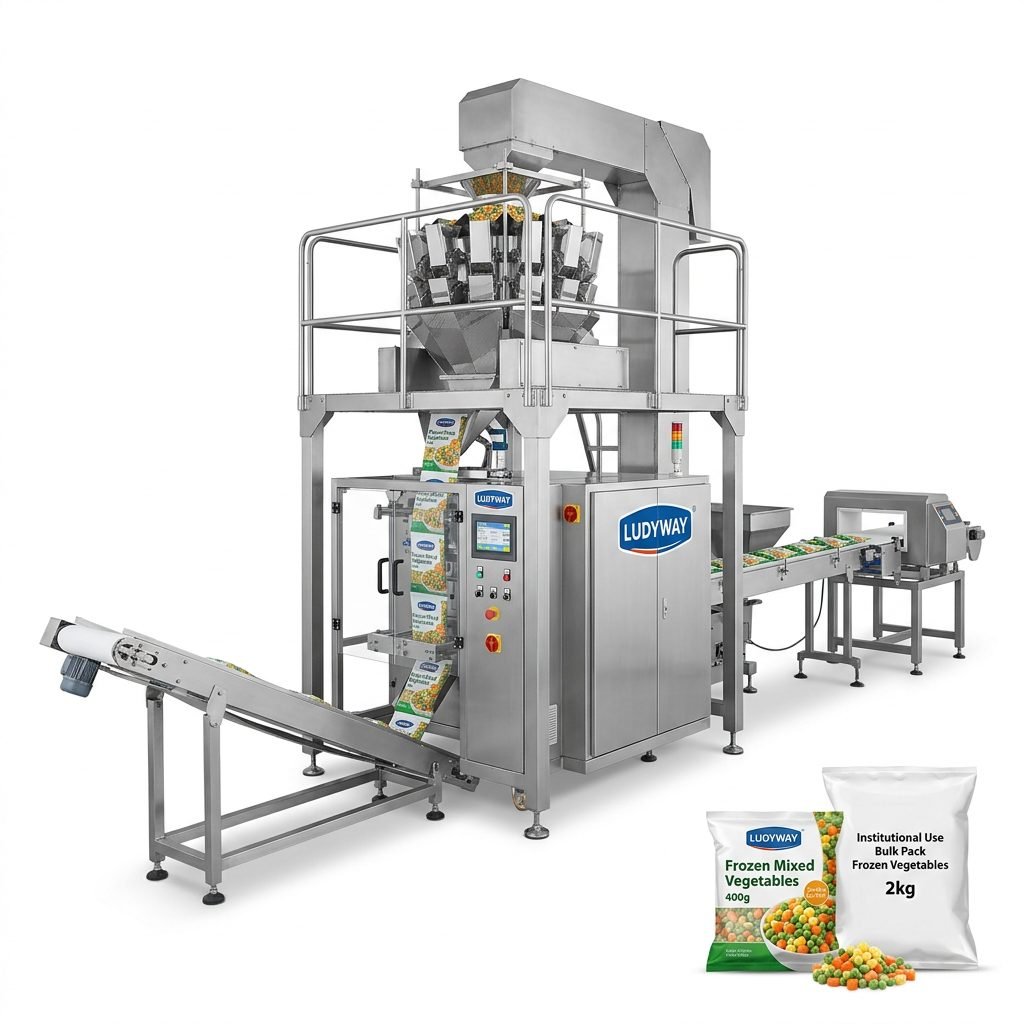
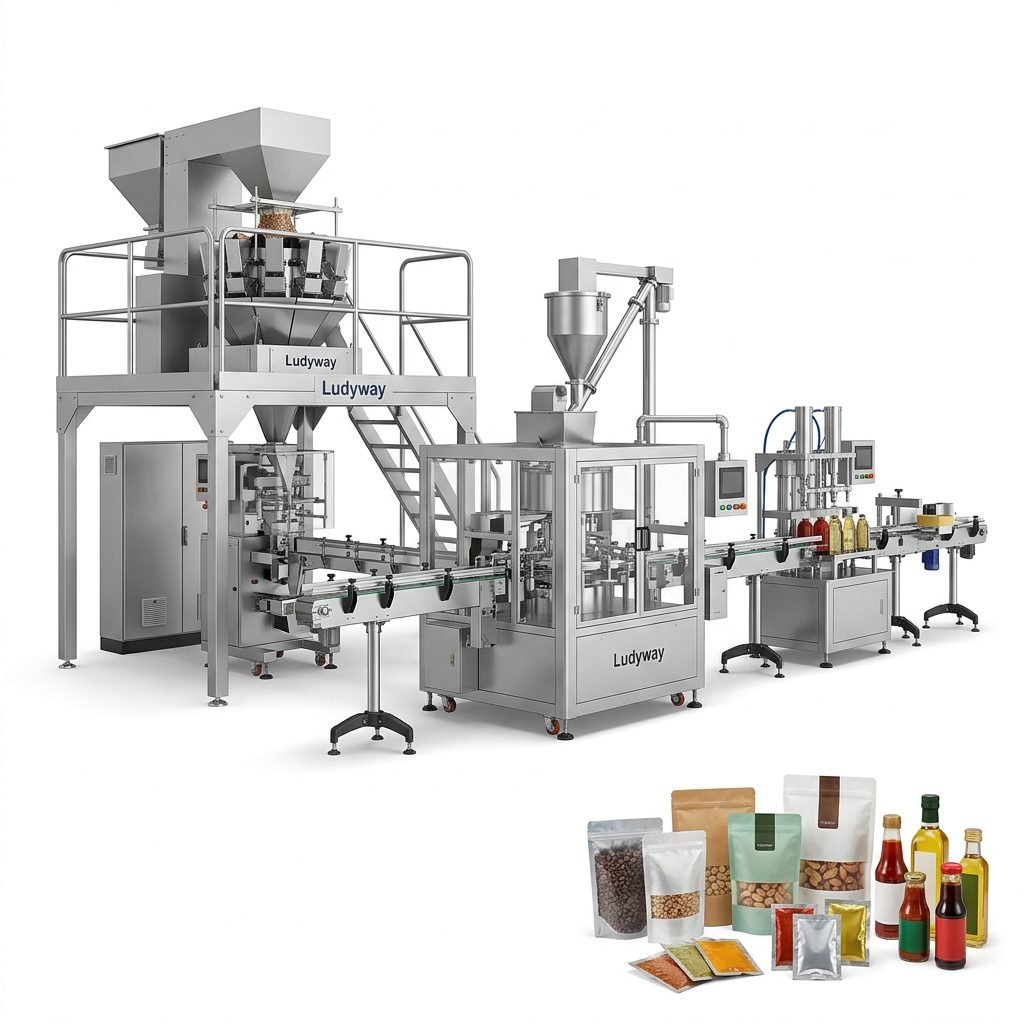
In today’s fast-paced global manufacturing landscape, efficiency, reliability, and precision are non-negotiable. For businesses handling food, pharmaceuticals, and industrial goods, the packaging process is a critical final step that directly impacts product integrity, shelf life, brand perception, and overall operational cost. Investing in high-performance packaging machinery is no longer a luxury but a strategic necessity to stay competitive, ensure compliance, and meet evolving consumer demands.
The Critical Role of Specialized Packaging Solutions
Each industry presents unique challenges that generic equipment cannot adequately address. The right machinery must be tailored to the product’s physical characteristics, regulatory environment, and production speed requirements.
For the Food Industry: Safety, Speed & Freshness
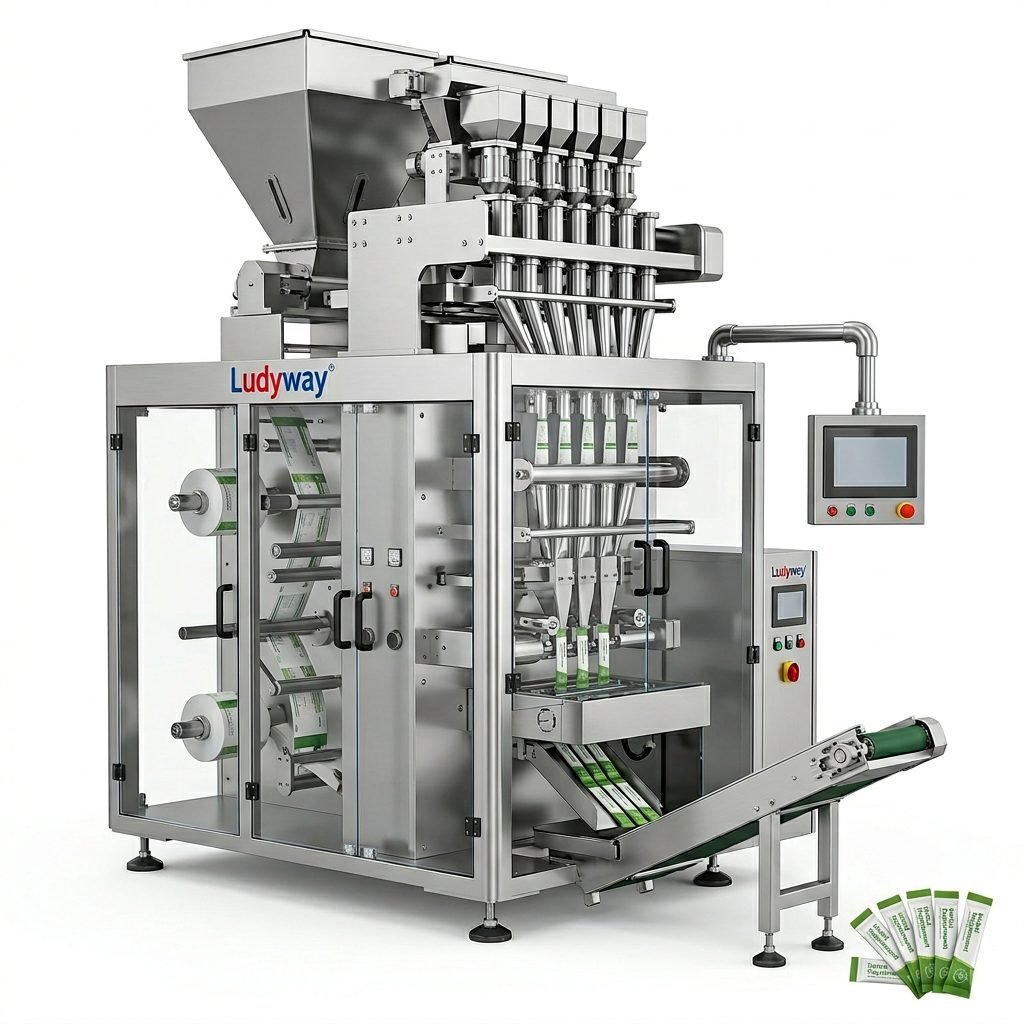
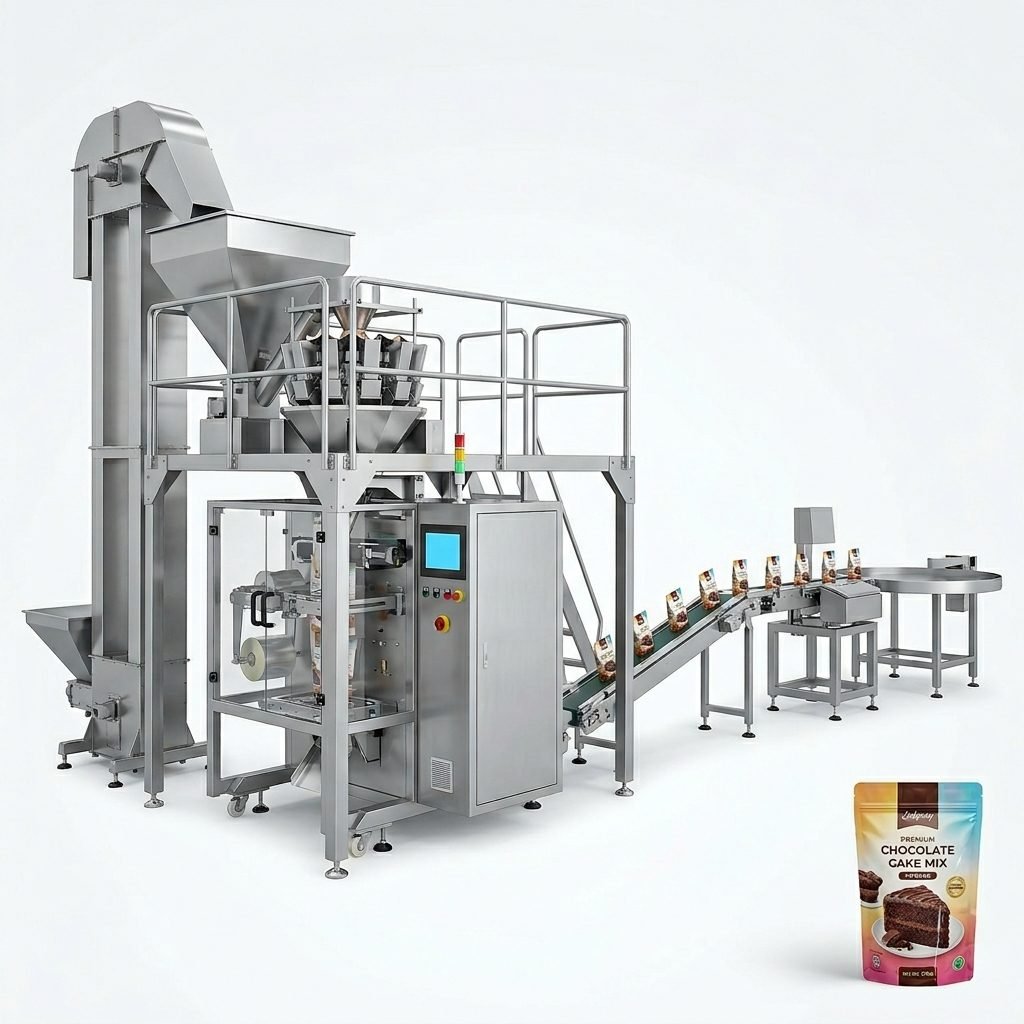
Food packaging demands an uncompromising focus on hygiene and preservation. Machinery must prevent contamination, maintain consistent seal integrity to lock in freshness, and often handle a variety of forms—from granules and powders to viscous liquids and solids. High-speed sachet packaging machines and stick pack machines are essential for portion-controlled items like spices, instant beverages, and sauces, offering consumers convenience while extending product shelf life through effective barrier materials.
For the Pharmaceutical & Health Sector: Precision & Compliance
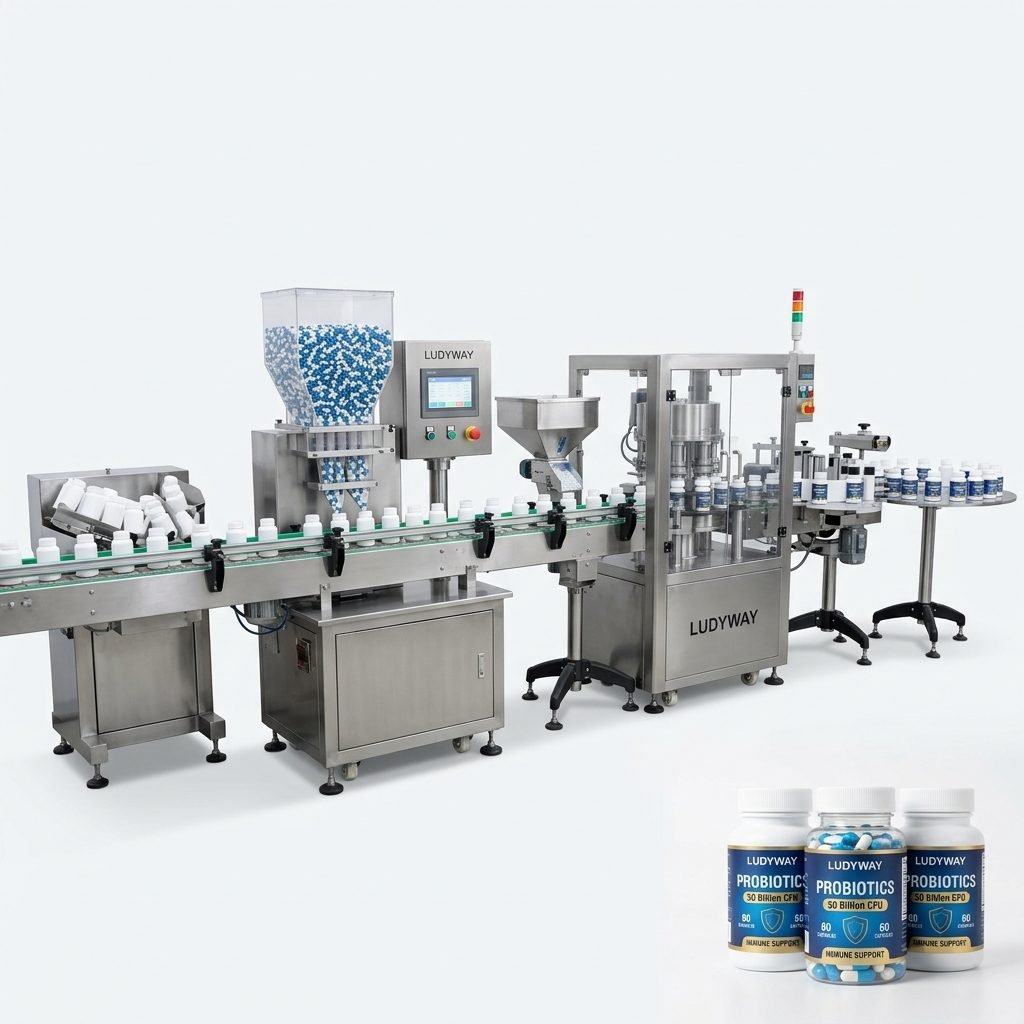
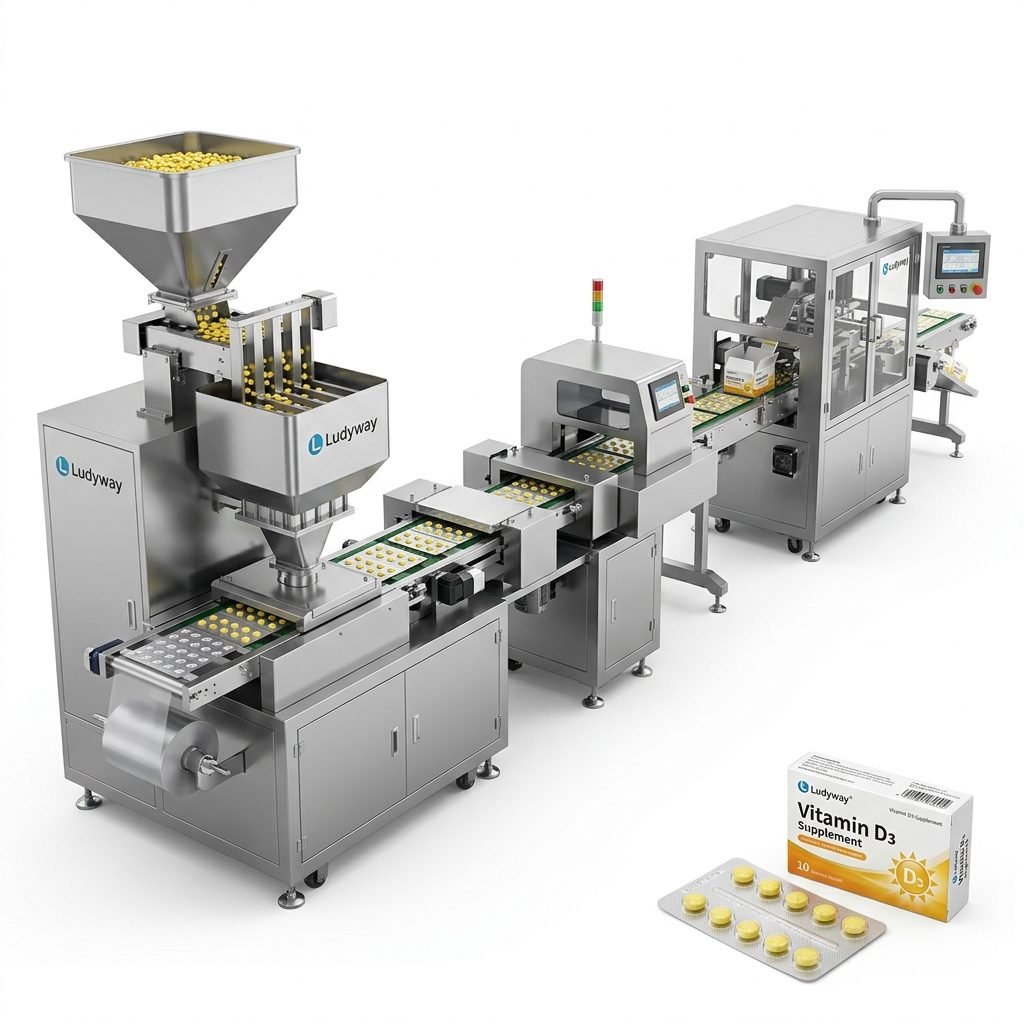
This sector operates under the strictest regulations. Packaging equipment must ensure exact dosing, traceability, and tamper-evidence. Machinery for powders, granules, or tablets must function in controlled environments, often requiring easy-clean designs and validation documentation to meet GMP (Good Manufacturing Practice) standards. Accuracy is paramount, as even minor deviations can have significant consequences.
For Industrial Products: Durability & Efficiency
Industrial products such as chemicals, adhesives, lubricants, or construction materials require robust packaging that protects against leakage, corrosion, and environmental factors. Machinery needs to handle heavier, more abrasive, or hazardous materials reliably. Efficiency and durability of the equipment itself are key, as production runs are often long and demand minimal downtime.
Key Features of Advanced Packaging Machinery
Modern high-performance packaging systems integrate several core technologies to deliver superior results:
✔ Intelligent Automation & Control Systems
PLC-based controls with user-friendly HMIs (Human-Machine Interfaces) allow for precise parameter setting, recipe storage, and real-time monitoring. This minimizes human error, ensures consistency batch after batch, and facilitates quick changeovers between different products.
✔ High-Speed & Multi-Lane Operation
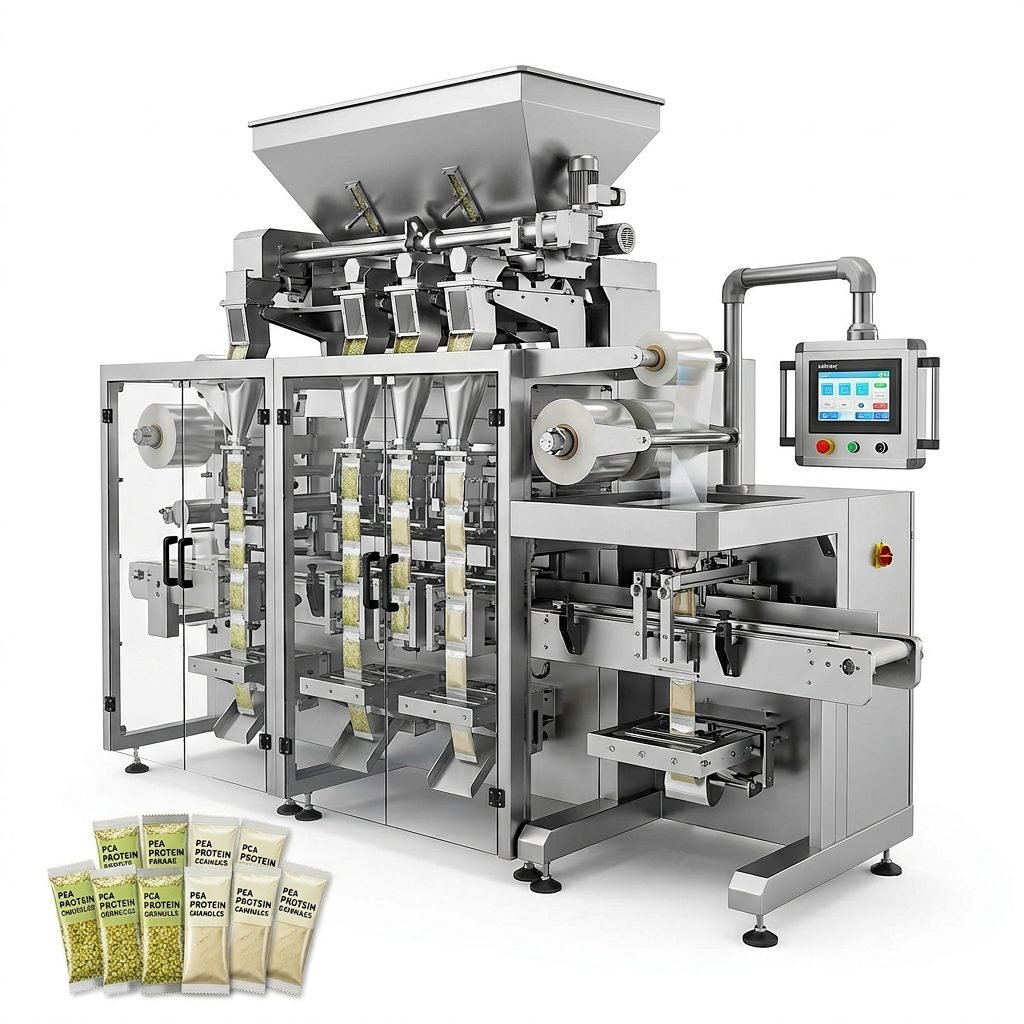
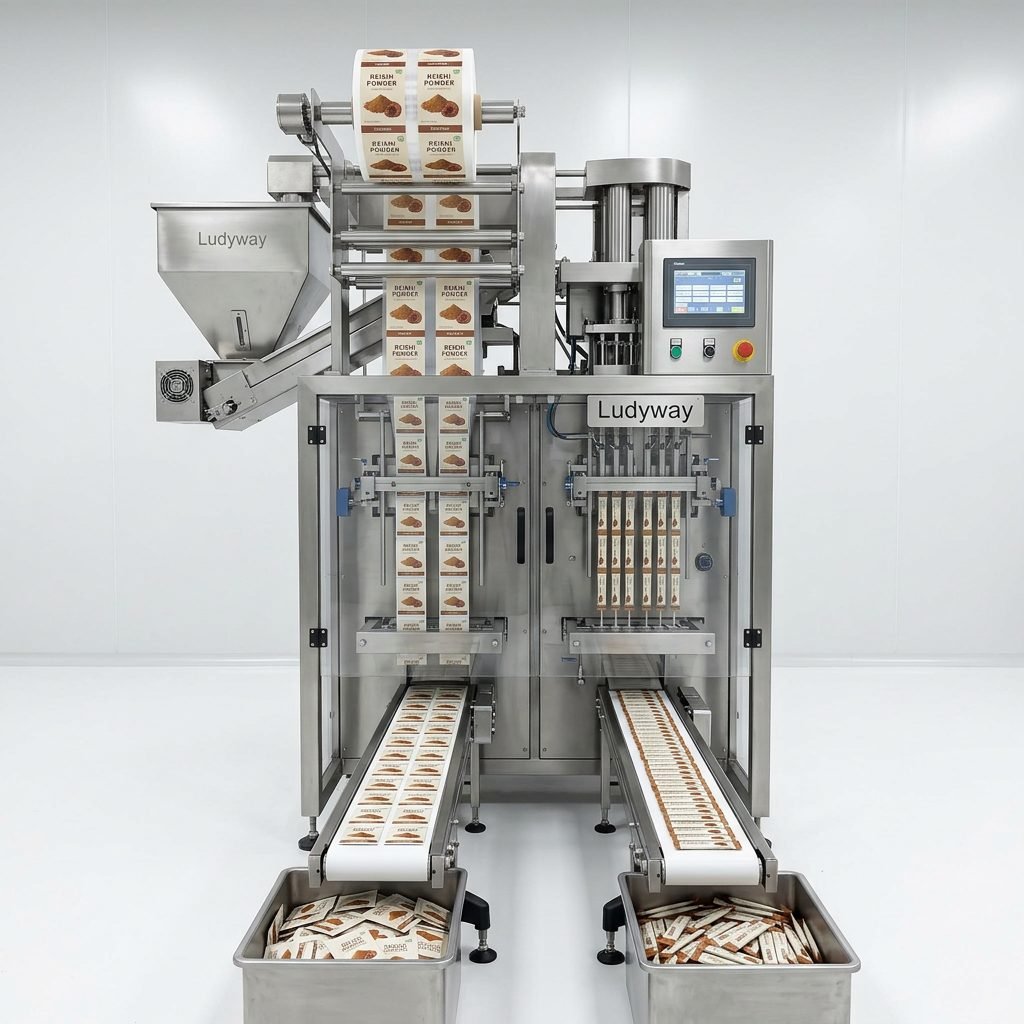
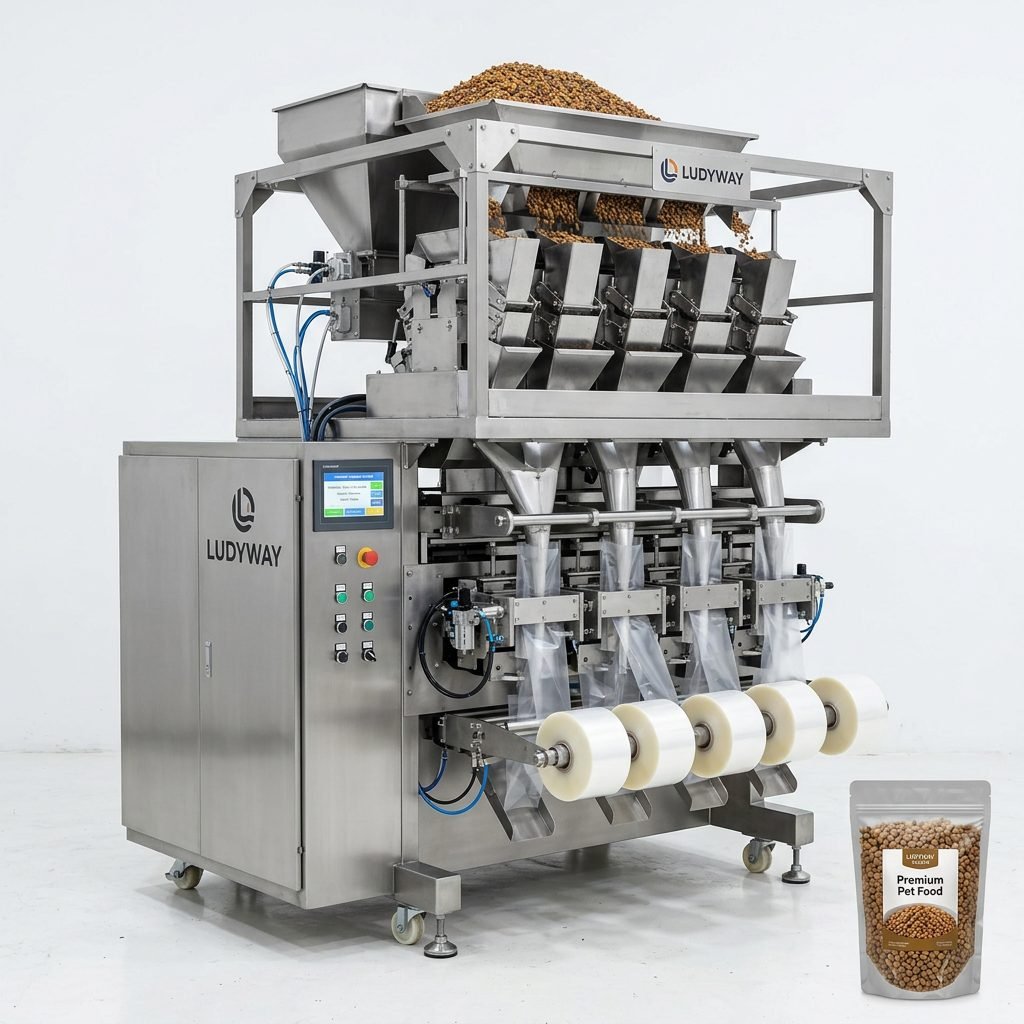
To meet large-scale production targets, machines with multi-lane configurations (like 4-lane or 8-lane stick packers) dramatically increase output without a proportional increase in floor space or operational complexity.
✔ Versatility in Material Handling
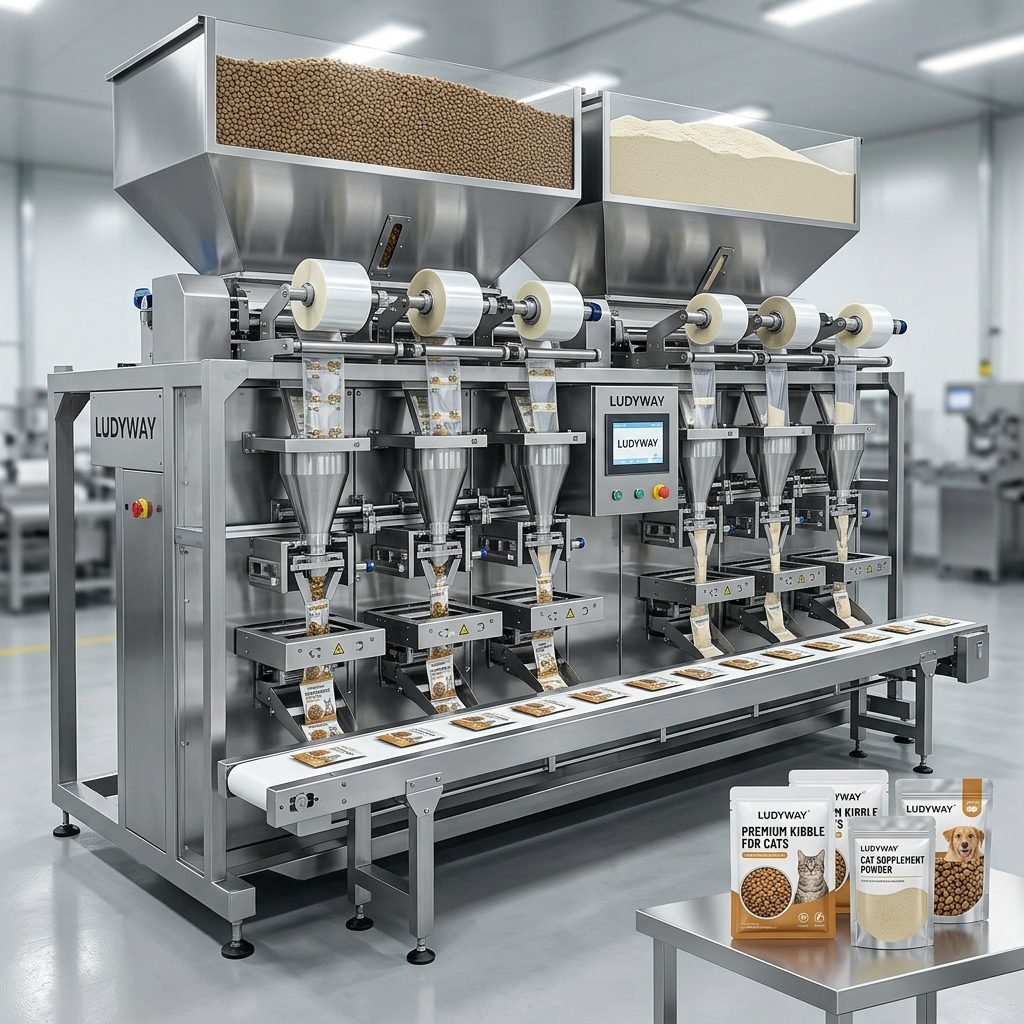
The best systems can adapt to various packaging materials—from standard laminates to high-barrier films—and different product states (granules, fine powders, liquids, pastes). This flexibility future-proofs your investment.
✔ Hygienic & Robust Construction
Food and pharma-grade machines feature stainless steel contact parts, smooth surfaces, and designs that prevent product entrapment. Industrial-grade machines are built with hardened components to withstand demanding environments.
Beyond the Machine: The Value of Turnkey Solutions & Expert Partnership
Purchasing a machine is just one part of the equation. True performance is unlocked through a holistic approach. Leading providers like Ludyway Machinery emphasize delivering complete turnkey solutions. This encompasses everything from initial consultation and factory layout planning, to machine supply, installation, commissioning, operator training, and ongoing technical support.
With over 30 years of industry experience, such partners bring invaluable expertise. They understand the nuanced challenges across food, pharma, and industrial sectors. Their deep knowledge allows them to recommend the optimal machine configuration—be it a standalone sachet packer or a fully integrated line with feeding, filling, sealing, and cartoning—tailored to your specific output goals and product characteristics.
This partnership model ensures your packaging line is not just a collection of parts, but a synchronized, efficient production asset from day one. It mitigates risk, accelerates time-to-market, and provides a single point of accountability for performance and service.
Driving Efficiency and Growth for Your Business
Implementing high-performance packaging machinery delivers measurable ROI across multiple fronts:
- Reduced Operational Costs: Automation lowers labor dependency and minimizes material waste through precise filling and sealing.
- Enhanced Product Quality & Safety: Consistent, reliable packaging protects your product, reduces spoilage or contamination risks, and builds brand trust.
- Increased Production Capacity & Scalability: Meet higher demand effortlessly and scale operations by adding lanes or integrating with upstream/downstream automation.
- Market Agility: Quick changeover capabilities allow you to respond rapidly to new product launches or promotional packaging runs.
Conclusion
Selecting the right high-performance packaging machinery is a strategic decision that impacts your bottom line, product quality, and brand reputation. By focusing on industry-specific needs, leveraging advanced features like intelligent automation and multi-lane speed, and partnering with an experienced provider for a comprehensive solution, manufacturers in the food, pharmaceutical, and industrial sectors can build a packaging operation that is not only efficient and compliant today but also adaptable for the challenges of tomorrow.
Frequently Asked Questions (FAQs)
1. What factors should I consider when choosing between a sachet and a stick pack machine?
The choice depends on your product format, target market, and dosing needs. Stick packs are ideal for fine powders and granules for single-serve dissolution (like instant coffee). Sachets offer more surface area and are better for products that need mixing (like sauce powders) or for larger volumes. A supplier like Ludyway can provide samples on both machine types to help you decide.
2. How can I ensure the packaging machine will comply with my country’s food or pharmaceutical safety regulations?
Reputable machinery providers design equipment to meet international standards (e.g., GMP, FDA guidelines for food contact materials). Always discuss your specific regulatory requirements in detail during the consultation phase. They should provide material certifications and machine design documentation to support your compliance validation process.
3. What is the typical lead time for a custom-configured packaging line?
Lead times vary based on complexity. A standard machine may ship in 30-60 days, while a full custom turnkey line with integration can take 90-180 days. Clear communication of your timeline and project milestones with your supplier from the outset is crucial for planning.
4. What kind of after-sales support and warranty should I expect?
Look for a provider offering a comprehensive warranty (often 12-18 months), readily available spare parts, and multiple support channels (remote assistance, on-site service). Ask about training programs for your technicians to perform basic maintenance and troubleshooting, which minimizes downtime.
5. Can existing packaging lines be upgraded or retrofitted with new, higher-performance machines?
Yes, in many cases. A professional engineering assessment can determine if new machinery can be integrated with your existing conveyors, feeders, or control systems. Upgrading specific segments (like replacing just the filling head or sealing unit) is often a cost-effective way to boost performance without a complete overhaul.