In the fast-paced world of food manufacturing, efficiency, hygiene, and product presentation are paramount. For producers of soups, broths, and liquid meal replacements, the final packaging step is not merely a container—it’s a critical component of brand identity, shelf life, and consumer convenience. Selecting the right soup packaging equipment is a strategic decision that directly impacts production speed, operational costs, and market competitiveness. This guide delves into the various types of machinery available, their defining features, and provides a structured framework to help you choose the perfect machine for your specific production needs.
Understanding the Core Types of Soup Packaging Equipment
The landscape of packaging machinery is diverse, with each type designed for specific formats and production volumes. For soup products, which can range from clear broths and creamy bisques to chunky stews requiring special handling, the choice of equipment is crucial.
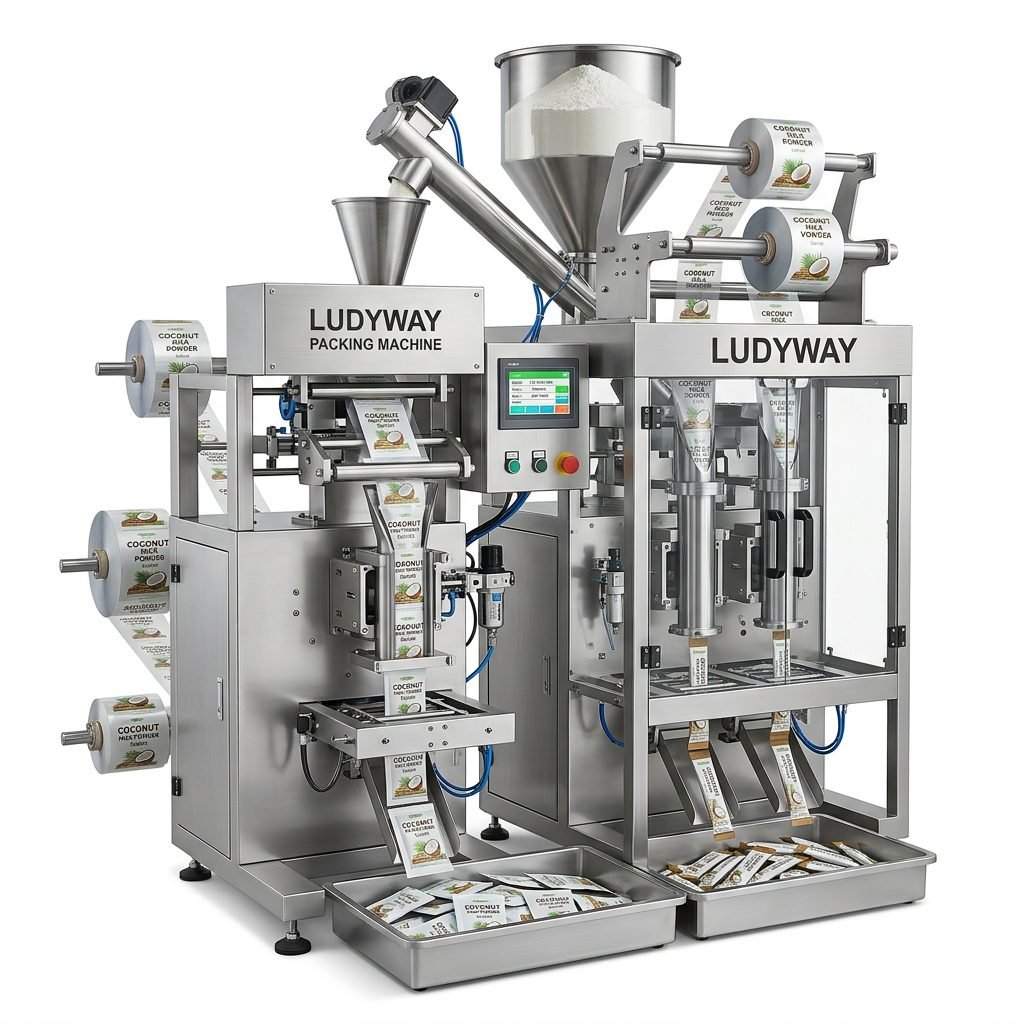
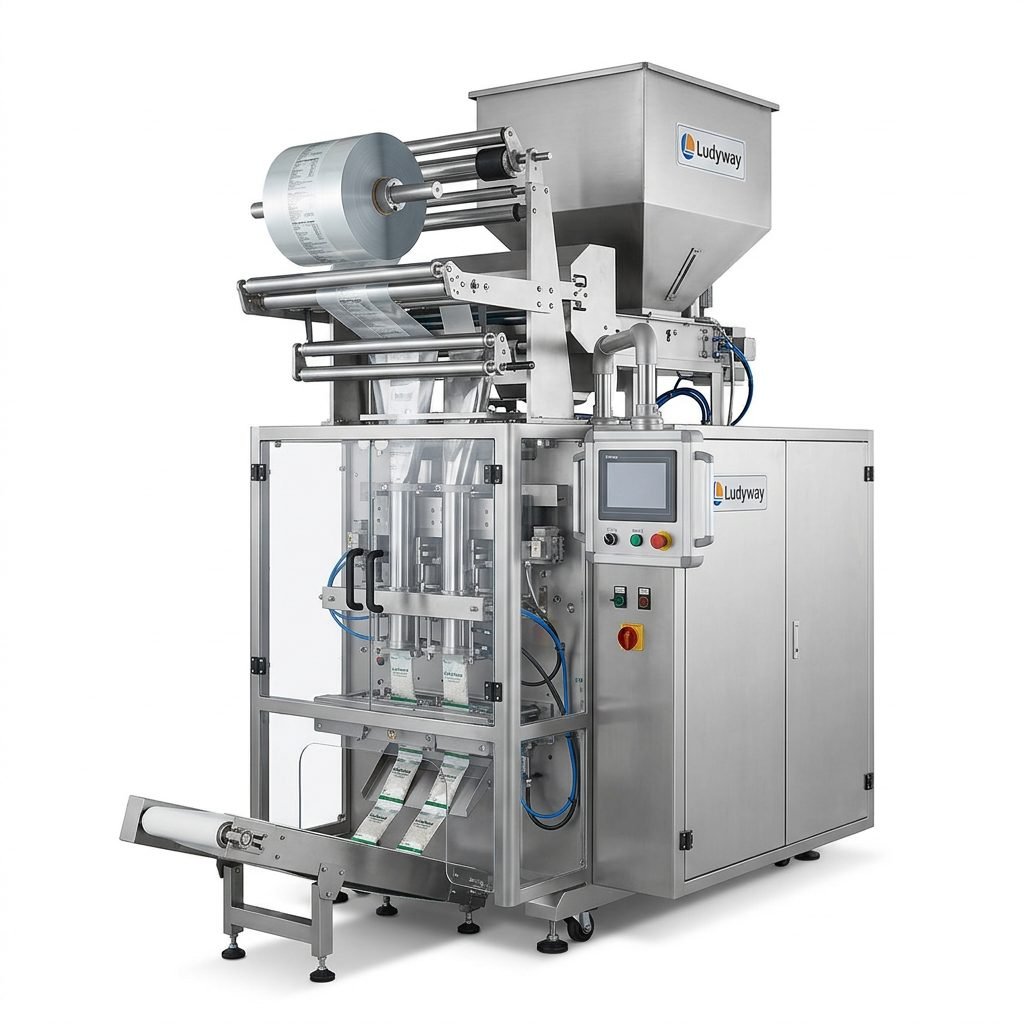
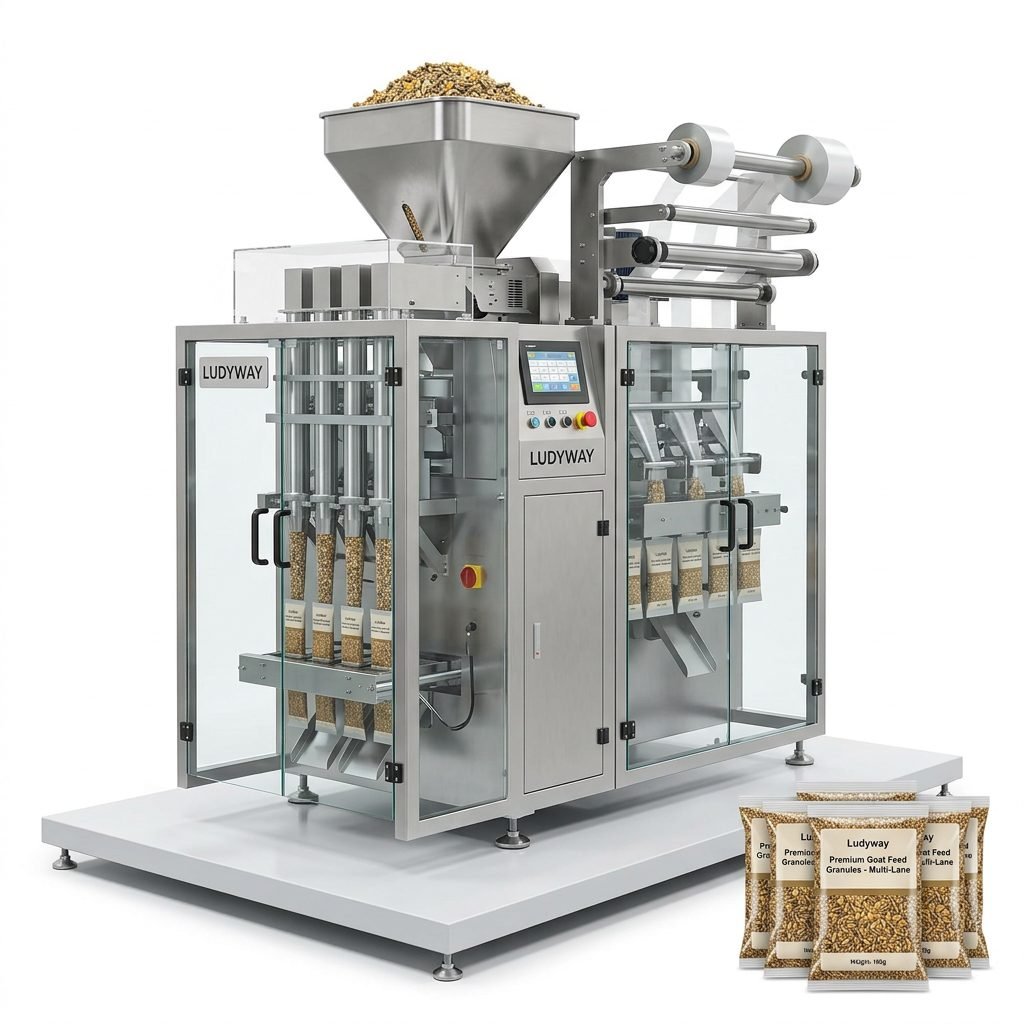
Vertical Form-Fill-Seal (VFFS) Machines
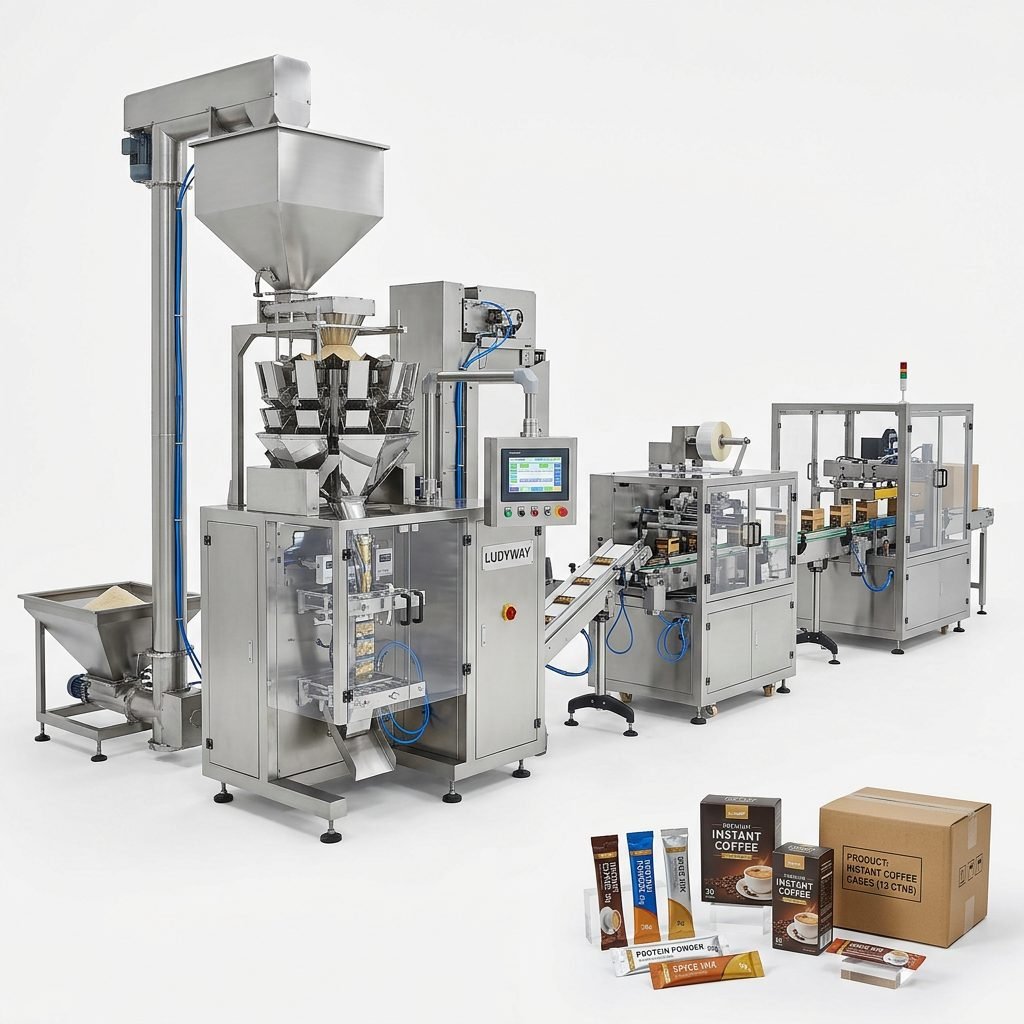
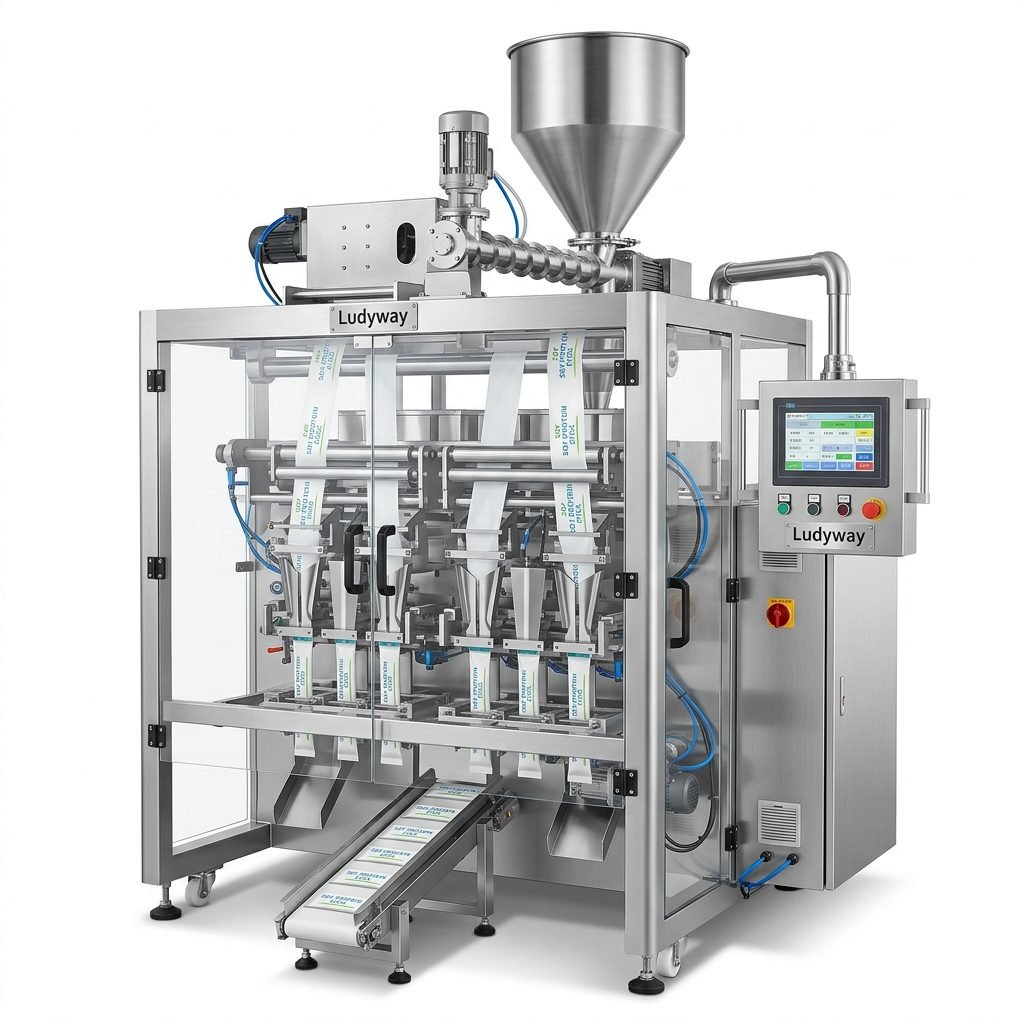
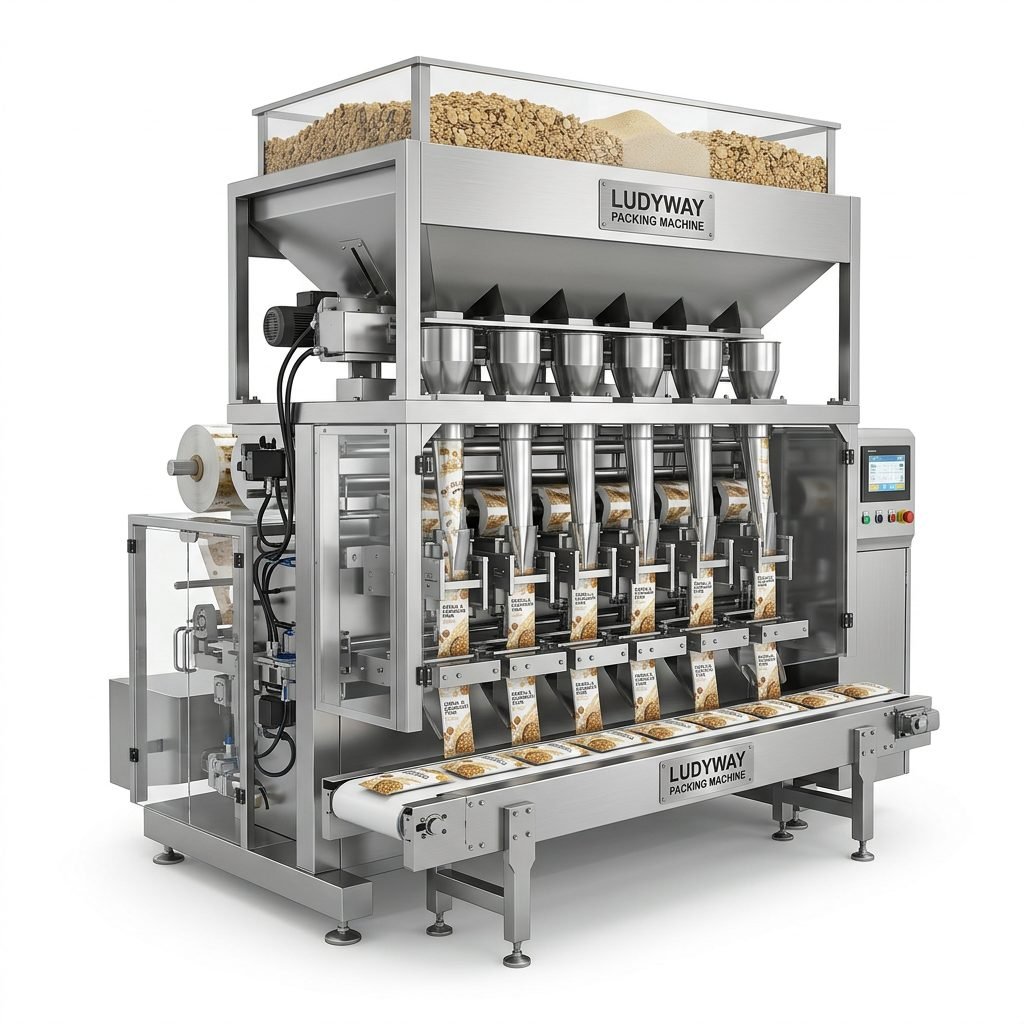
These are the workhorses of the packaging industry for granular, powdered, and liquid products. A VFFS machine forms a bag from a roll of flat packaging film, fills it with the precise amount of product, and then seals it. For soups, they are ideal for:
- Dry soup mixes (powdered or with small granules).
- Liquid concentrates in small sachets or stick packs.
- High-speed, continuous production environments.
The primary advantage is speed and material efficiency, as they minimize film waste and can operate at very high cycles per minute.
Pre-Made Pouch Fillers
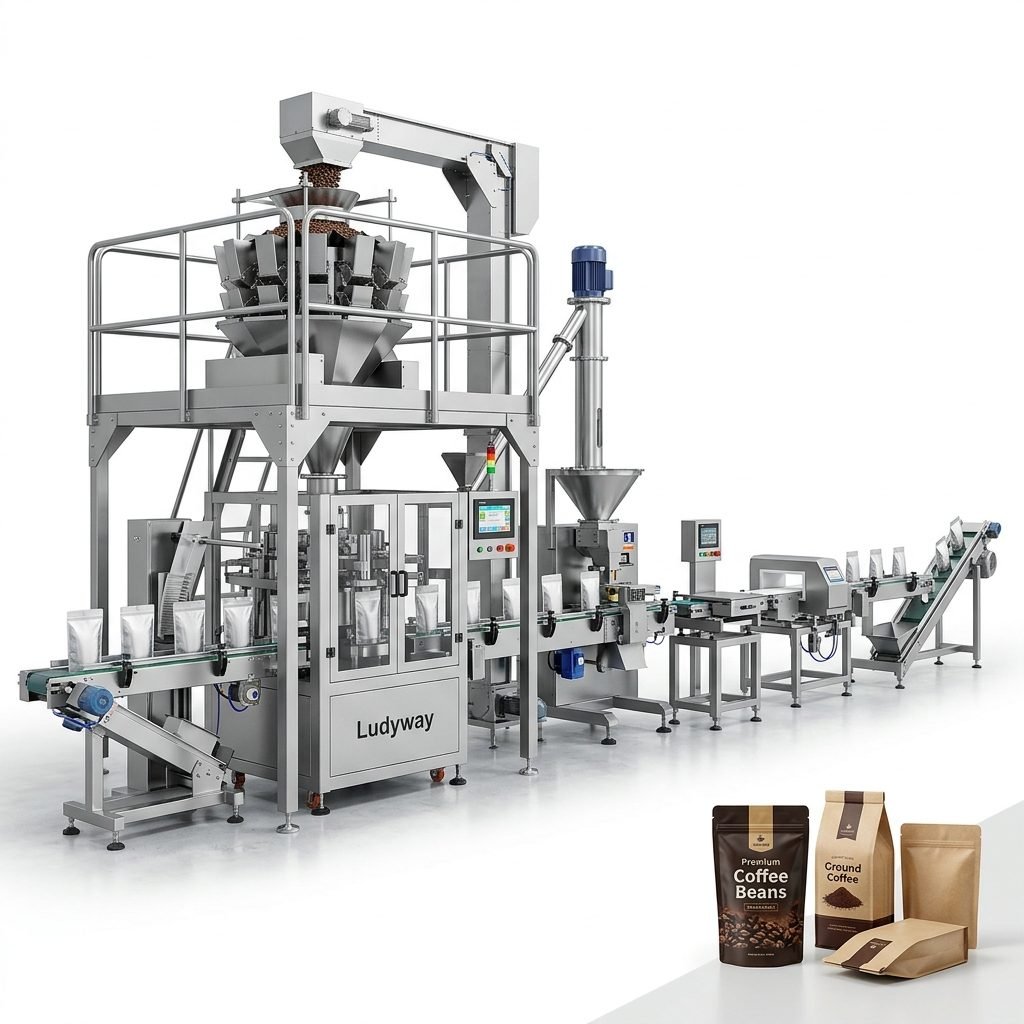
This system uses pouches that are already formed, gusseted, and often printed with high-quality graphics. The machine’s role is to open, fill, and seal the pouch. This is exceptionally popular for ready-to-eat wet soups, especially those with chunks of vegetables or meat.
✔ Key Benefit: Superior packaging aesthetics and structural integrity, allowing for stand-up formats that are attractive on retail shelves.
✔ Key Consideration: Requires inventory of pre-made pouches, which involves higher material costs and storage space compared to film rolls.
Aseptic Liquid Packaging Lines
For producers aiming at ambient (non-refrigerated) shelf stability without preservatives, aseptic packaging is the gold standard. This advanced process involves sterilizing both the product (soup) and the packaging material separately before filling in a sterile environment. It’s typically used for:
- Shelf-stable liquid soups in Tetra Pak-style cartons or specific aseptic pouches.
- Large-scale production where extended shelf life is a major selling point.
The machinery is complex and represents a significant investment but offers unparalleled product safety and market reach.
Essential Features to Evaluate in a Packaging Machine
Beyond the machine type, the specific features determine its suitability, reliability, and future-proofing for your business.
1. Filling Accuracy and Technology
Consistency in fill volume is non-negotiable for cost control and regulatory compliance. Look for machines with:
- Servo-driven piston fillers: Excellent for viscous, chunky, or creamy soups. Highly accurate and easy to clean.
- Weight-based fillers: Use checkweighers for ultimate precision, ideal for high-value ingredients.
- Pump-based systems: Suitable for consistent, non-particulate liquids. Ensure the pump material is compatible with your product (e.g., sanitary stainless steel).
2. Material Compatibility and Sealing Integrity
Your packaging film or pouch must withstand the soup’s temperature, acidity, and fat content. The machine must create a hermetic, leak-proof seal. Critical aspects include:
- Seal bar temperature control and pressure consistency.
- Ability to handle multi-layer laminates (e.g., PET/AL/PE) for optimal barrier properties.
- Nitrogen or vacuum flushing capability to extend shelf life by removing oxygen from the headspace.
3. Automation and Integration Level
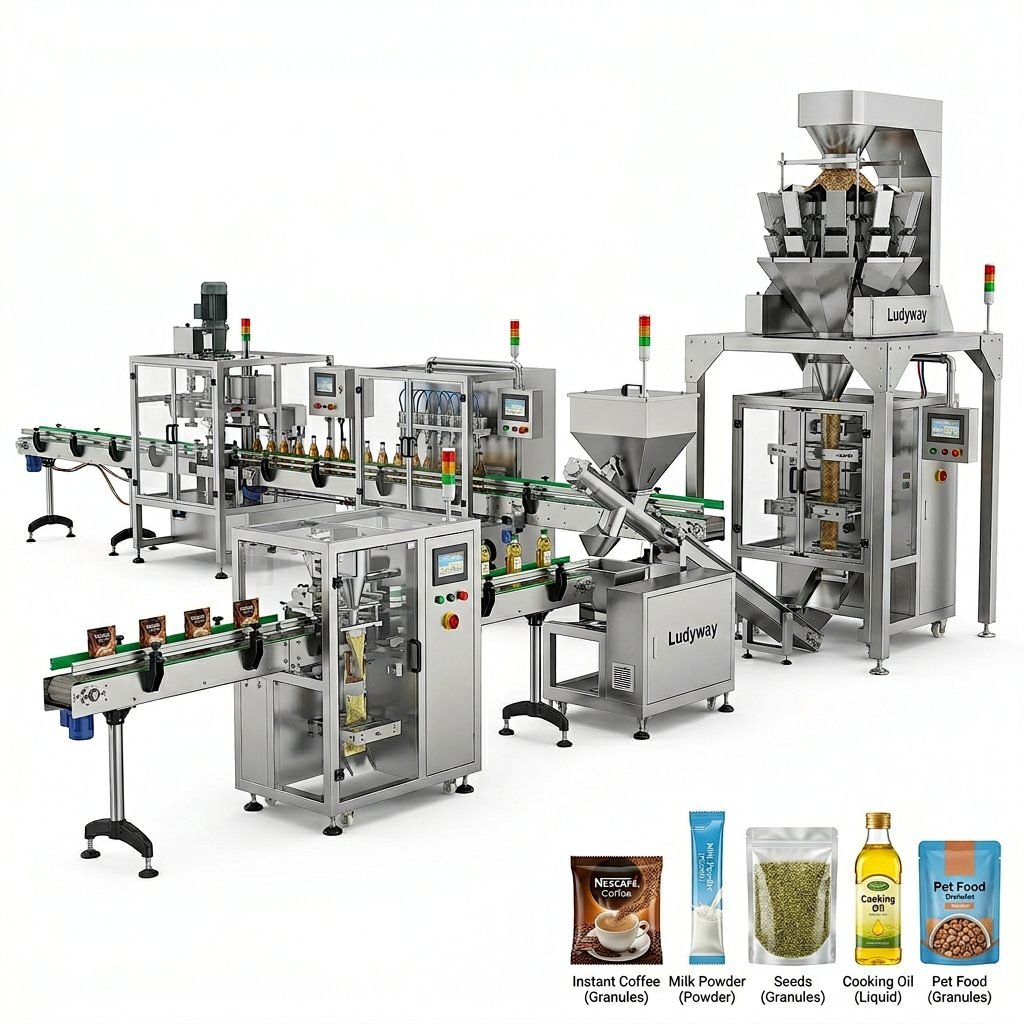
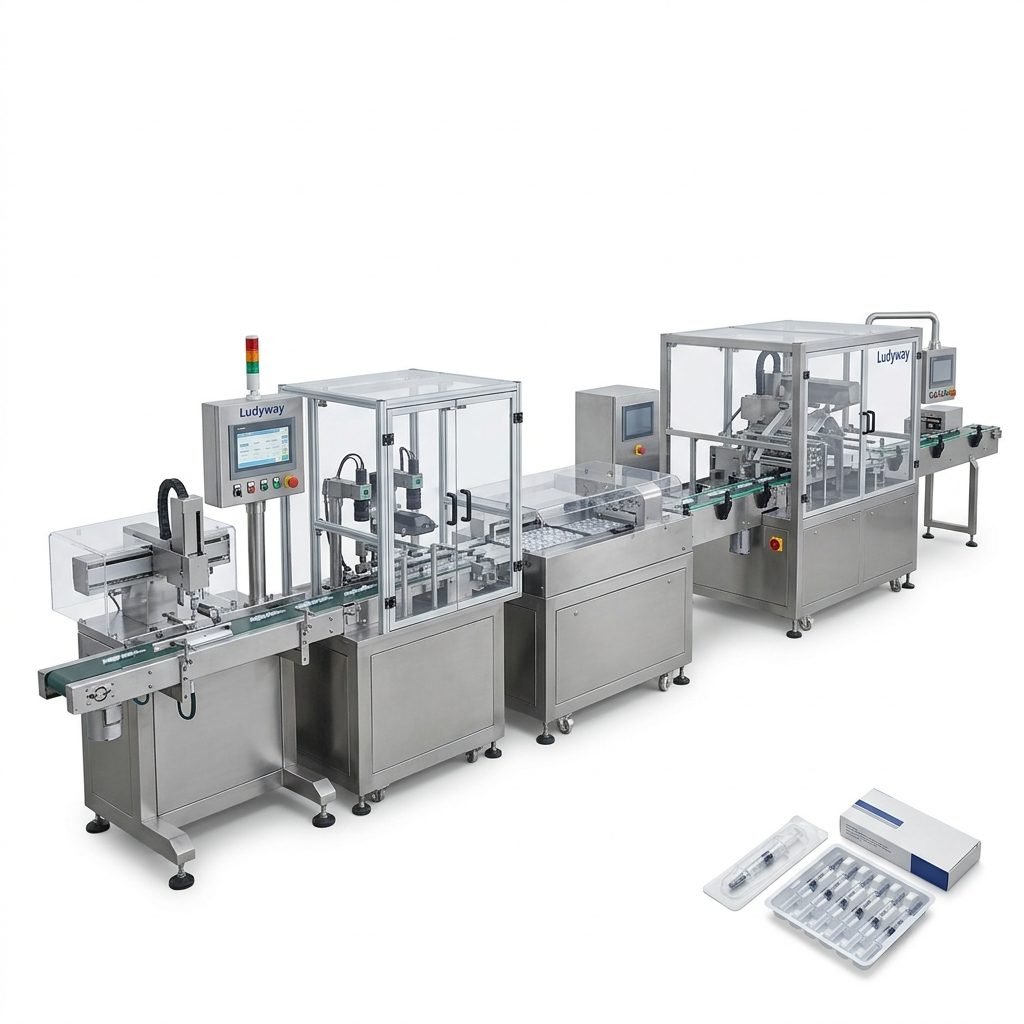
Modern packaging lines are rarely isolated. Consider how the machine will integrate into your full production line.
→ Infeed: Can it connect to your existing cooking kettles or holding tanks via pumps or conveyors?
→ Outfeed: Does it include or interface with cartoning machines, case packers, or labeling systems?
→ Control: A user-friendly HMI (Human-Machine Interface) with recipe storage, production data logging, and diagnostic alerts is essential for operational efficiency.
4. Hygiene and Cleanability (Sanitary Design)
Food safety is paramount. Machines designed with easy-clean features reduce downtime and contamination risk. Look for:
- Stainless steel contact surfaces.
- Minimal crevices and dead zones where product can accumulate.
- Quick-disconnect parts and tools-free access panels for cleaning.
How to Choose the Right Machine: A Step-by-Step Framework
Navigating the selection process methodically will prevent costly mistakes and ensure a perfect fit for your operation.
Step 1: Define Your Product and Packaging Specs
Start with absolute clarity on what you are packaging. Create a detailed specification sheet covering:
- Product State: Liquid, viscous, with particulates? Size of chunks?
- Packaging Format & Size: Stick pack, sachet, stand-up pouch? Target fill volume (e.g., 200ml, 500g).
- Material: Desired film structure or pre-made pouch type.
- Production Rate (Output): Bags/per minute or shifts/per day.
Step 2: Assess Your Production Volume and Scalability
Match the machine’s capacity to your current and near-future needs. A common error is under- or over-investing.
- Low to Medium Volume: A semi-automatic or single-lane automatic machine may be sufficient and more affordable.
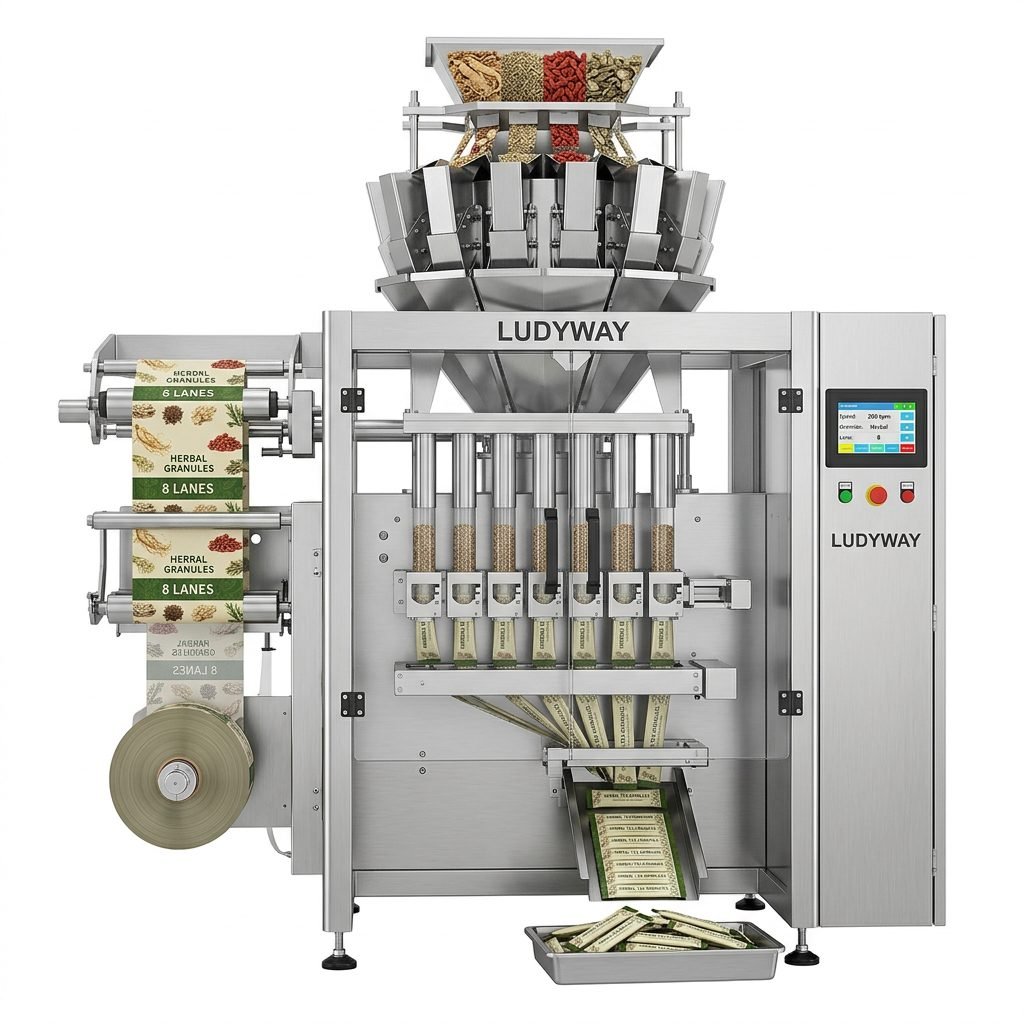
- High Volume & 24/7 Operation: You need a robust, fully automatic, multi-lane system with high uptime and easy maintenance. Ludyway’s multi-lane systems are engineered for such demanding environments.
Step 3: Prioritize Operational and Budgetary Factors
Look beyond the initial purchase price (CAPEX) to the total cost of ownership (TCO).
Operational Costs (OPEX): Include energy consumption, required labor, maintenance schedules, and spare part availability.
Flexibility: Will you need to run multiple soup varieties or package sizes? Quick-changeover features are invaluable here.
Supplier Support: This is critical. Evaluate the manufacturer’s reputation for technical support, training, warranty, and availability of service engineers. A reliable partner like Ludyway, with deep industry experience, can ensure your line runs smoothly for years.
Step 4: Request a Product Test and See a Demo
Never buy a packaging machine based on specifications alone. Insist on a live product test using your actual soup (or a close prototype) and your intended packaging material. Observe the machine running, assess the seal quality, measure fill accuracy, and gauge the noise and ease of operation.
Conclusion: Packaging as a Strategic Advantage
Choosing soup packaging equipment is a significant investment that requires careful technical and commercial evaluation. By thoroughly understanding the machine types—from versatile VFFS to elegant pre-made pouch fillers and sophisticated aseptic lines—and critically assessing features like filling accuracy, hygiene design, and automation, you can make an informed decision. Aligning this choice with your precise product specs, volume requirements, and growth plans will secure a machine that not only packages your product but also protects your brand, optimizes your costs, and supports your business expansion. Partnering with an experienced equipment provider ensures you have the expertise and support to maximize your investment from day one.
Frequently Asked Questions (FAQs)
Q1: What is the main difference between a VFFS machine and a pre-made pouch filler?
A: The core difference lies in the packaging material. A VFFS machine forms bags from a roll of flat film, offering high speed and lower material cost. A pre-made pouch filler uses already-formed, often high-quality printed pouches, providing better package aesthetics and structure for retail-ready products, especially those with particulates.
Q2: How can I package chunky soups without damaging the ingredients?
A: For soups with large particulates, a piston filler is typically the best choice. It gently displaces a precise volume of product into the package. Using a wide filling nozzle and ensuring the pipeline from the kettle to the filler is designed to minimize shear forces are also crucial steps to maintain ingredient integrity.
Q3: What machine features are most important for extending shelf life?
A: To maximize shelf life, look for machines equipped with gas flushing (like nitrogen) or vacuum sealing capabilities. This removes oxygen from the package headspace, slowing oxidation and microbial growth. Pair this with high-barrier packaging materials for the best results.
Q4: How do I determine the production speed (bags per minute) I need?
A: Calculate based on your target daily/weekly output. For example, if you need 20,000 bags per 8-hour shift, you require a machine capable of at least ~42 bags per minute (accounting for efficiency losses). Always factor in future growth and choose a machine that can be upgraded or run at a higher speed if needed.
Q5: What should I look for in terms of after-sales service from the supplier?
A: Prioritize suppliers who offer comprehensive on-site installation and training, readily available spare parts, and responsive technical support (preferably 24/7 for high-volume operations). Check their company history and client testimonials to gauge their commitment to long-term partnership and support, similar to the service-oriented approach of established providers.