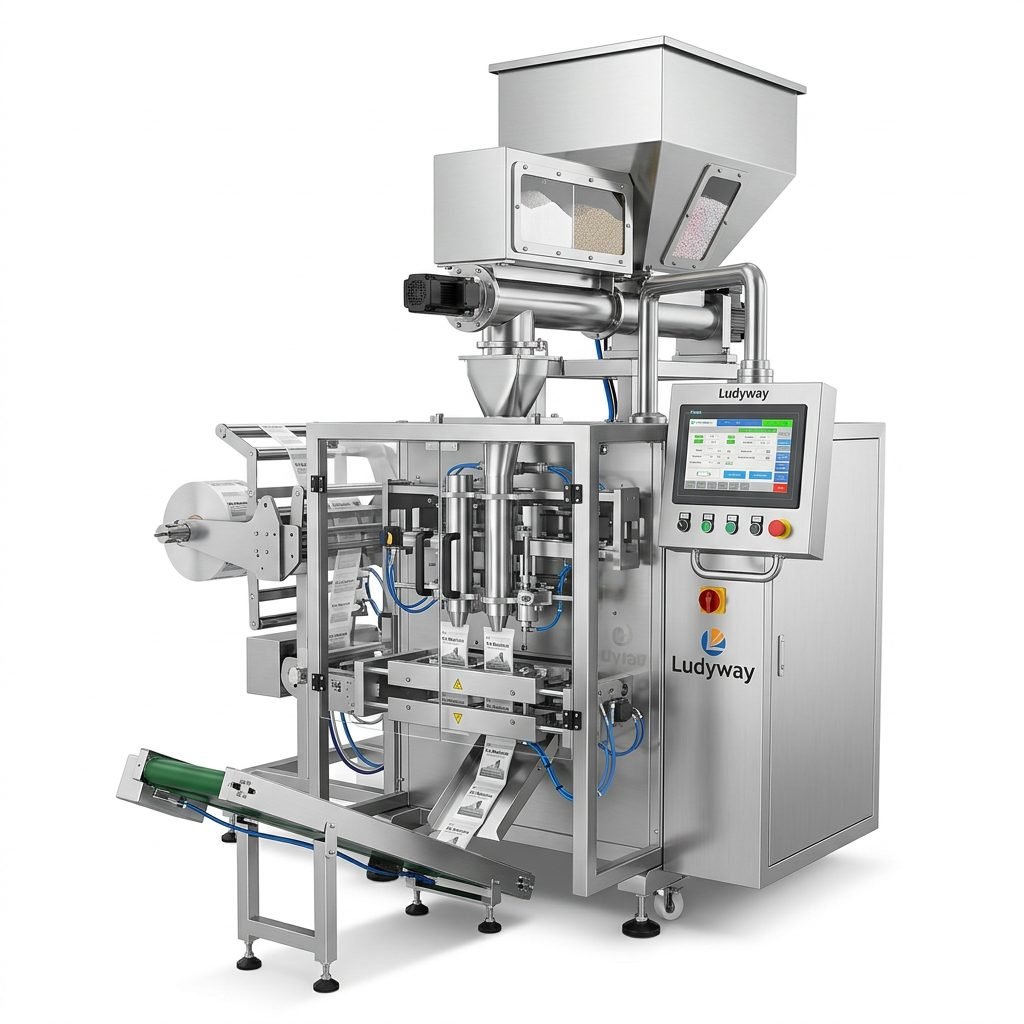
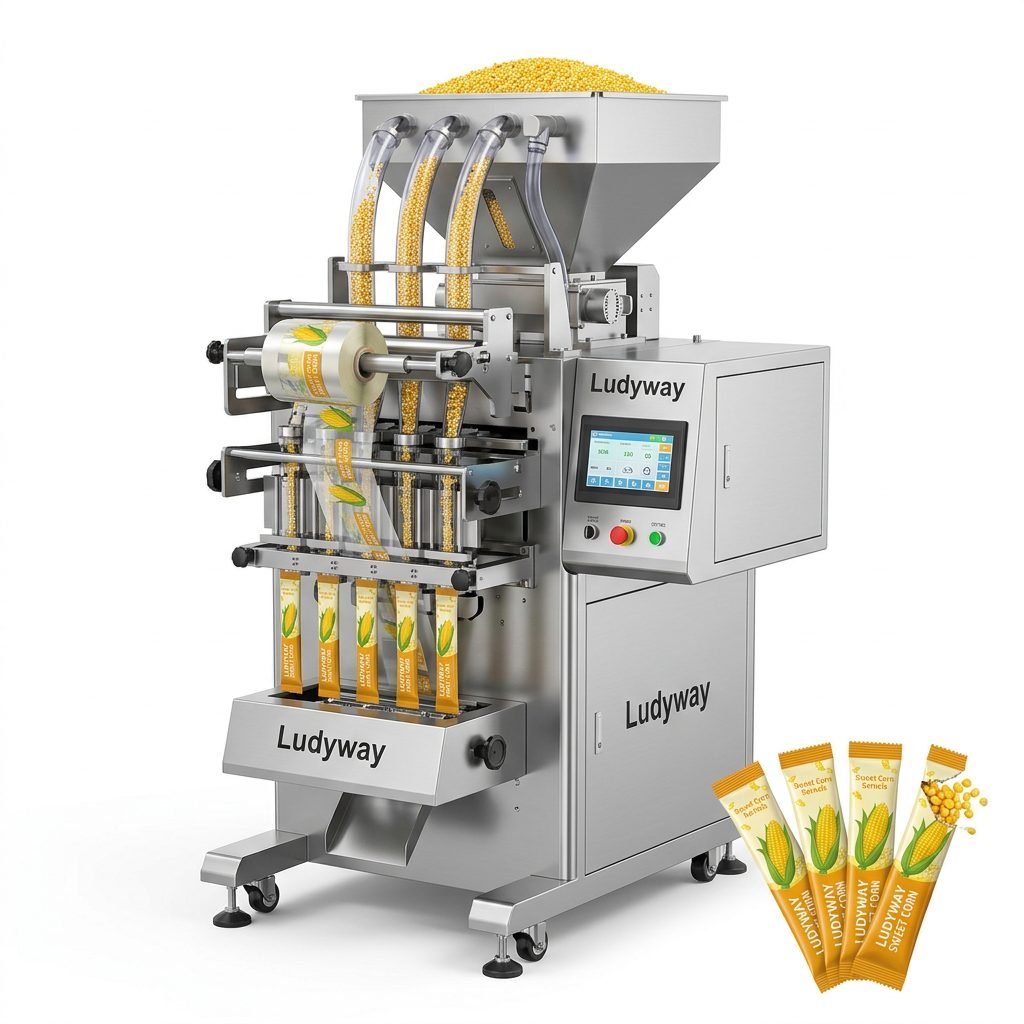
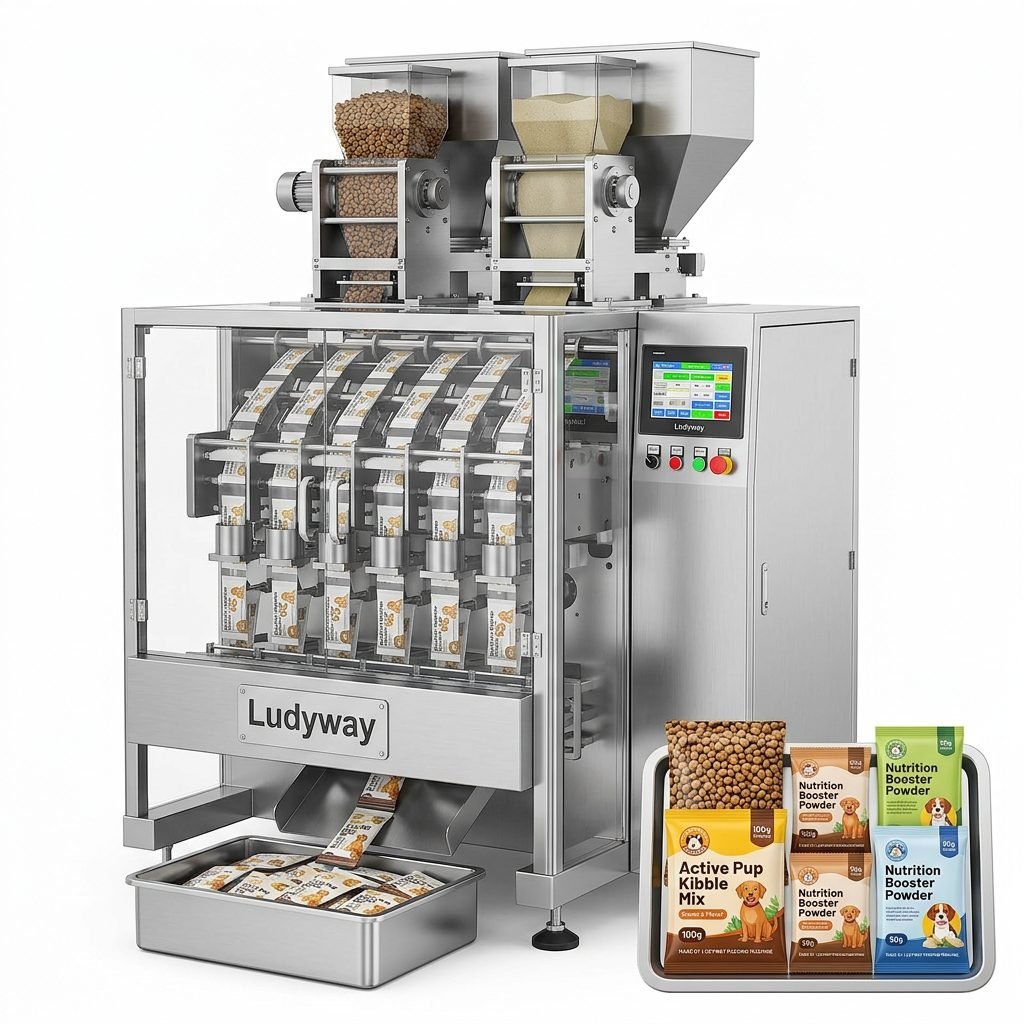
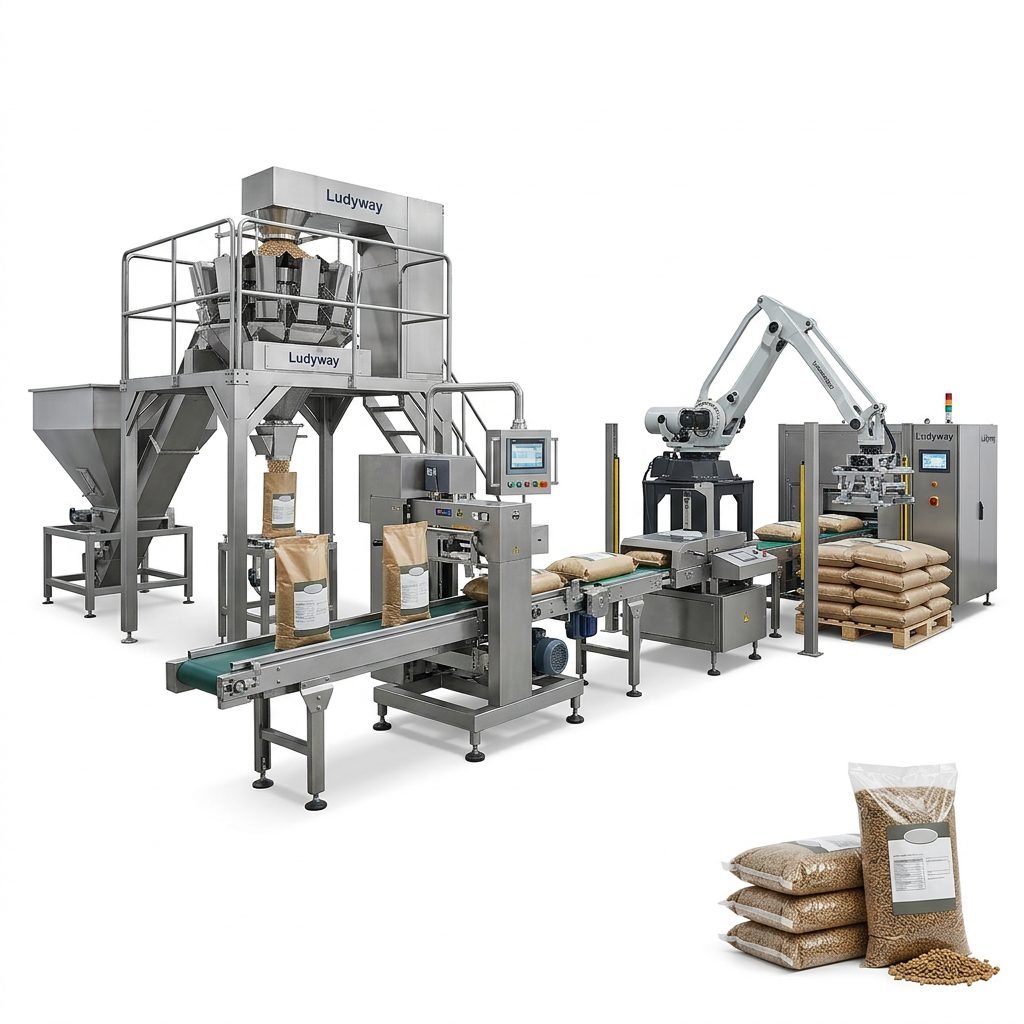
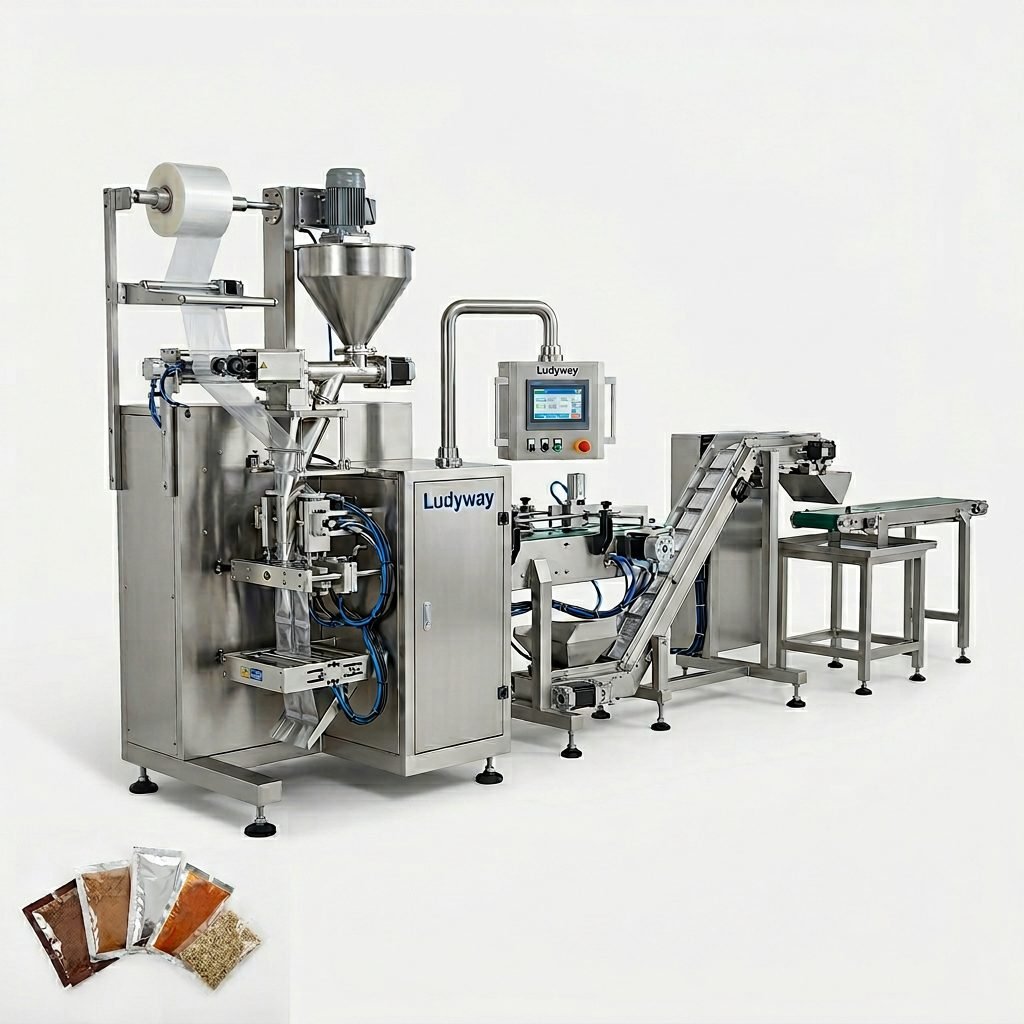
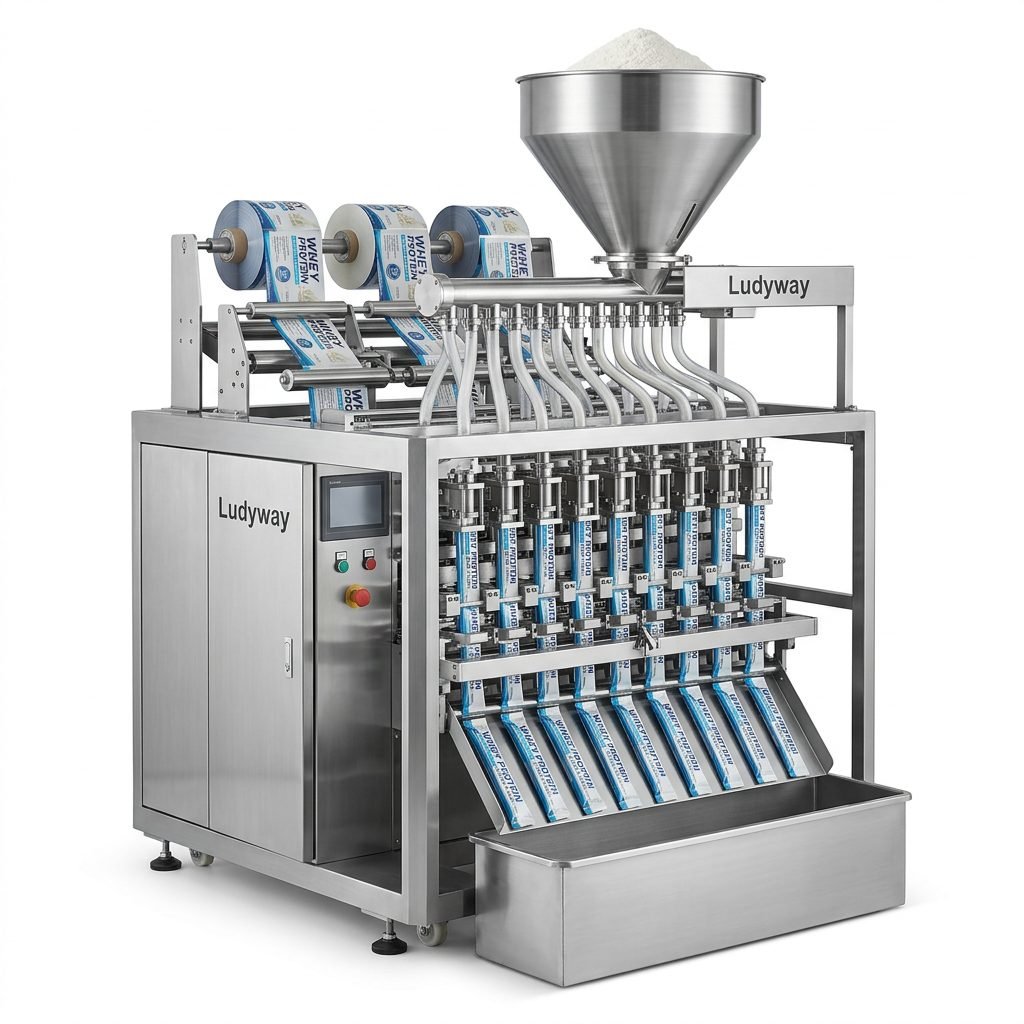
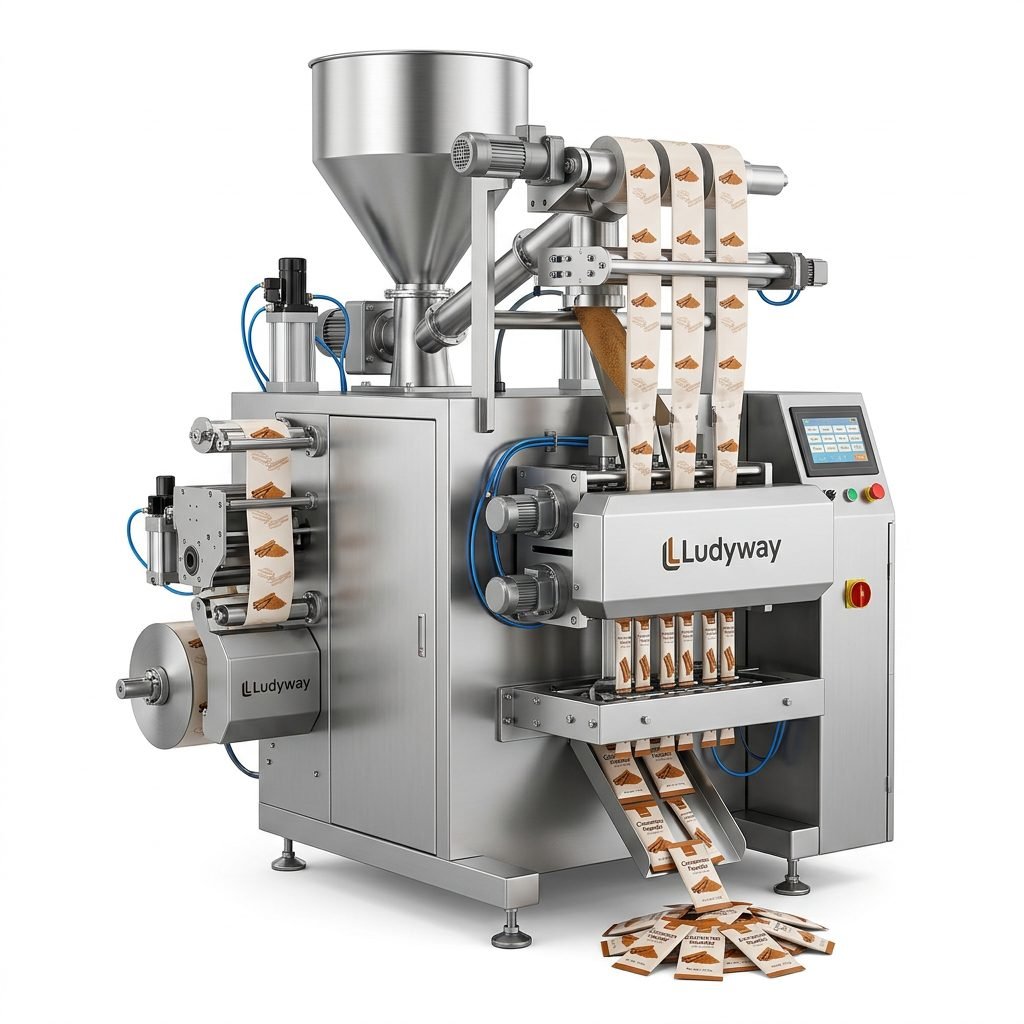
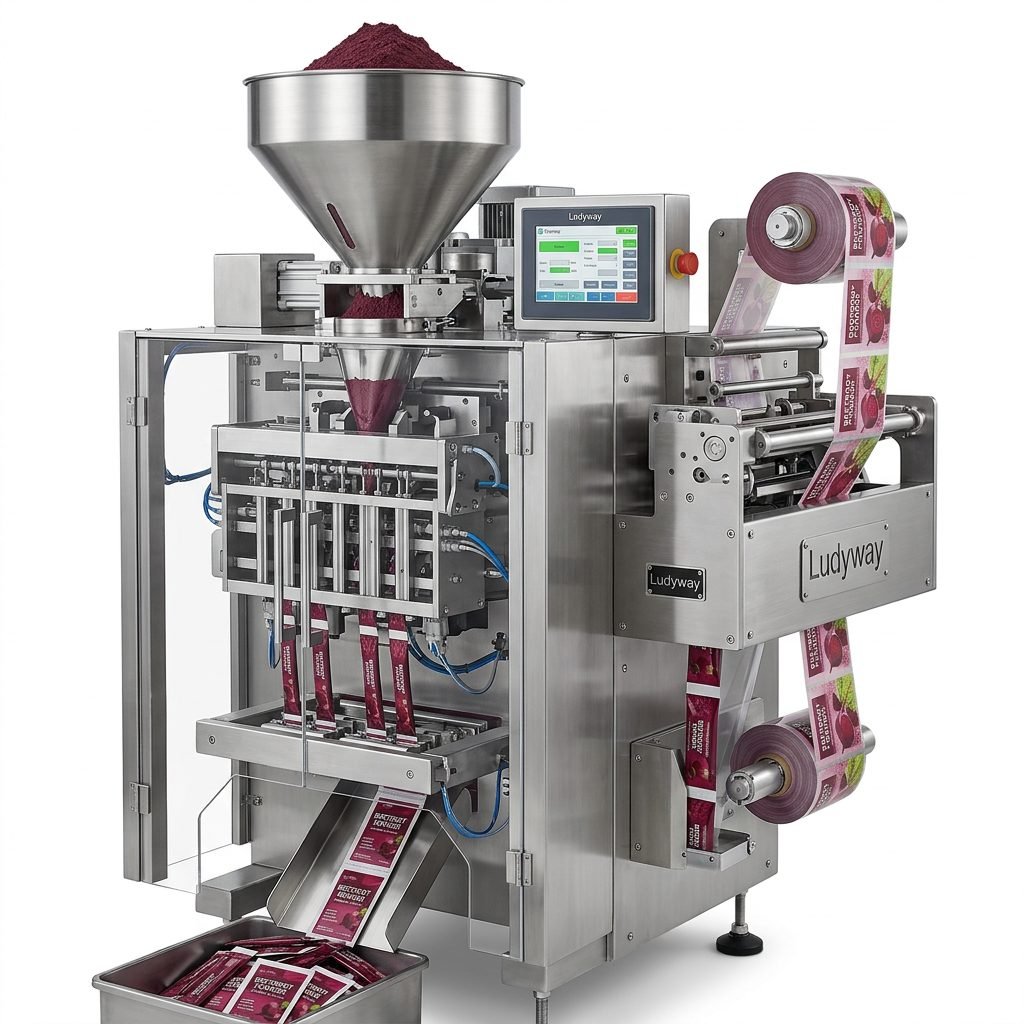
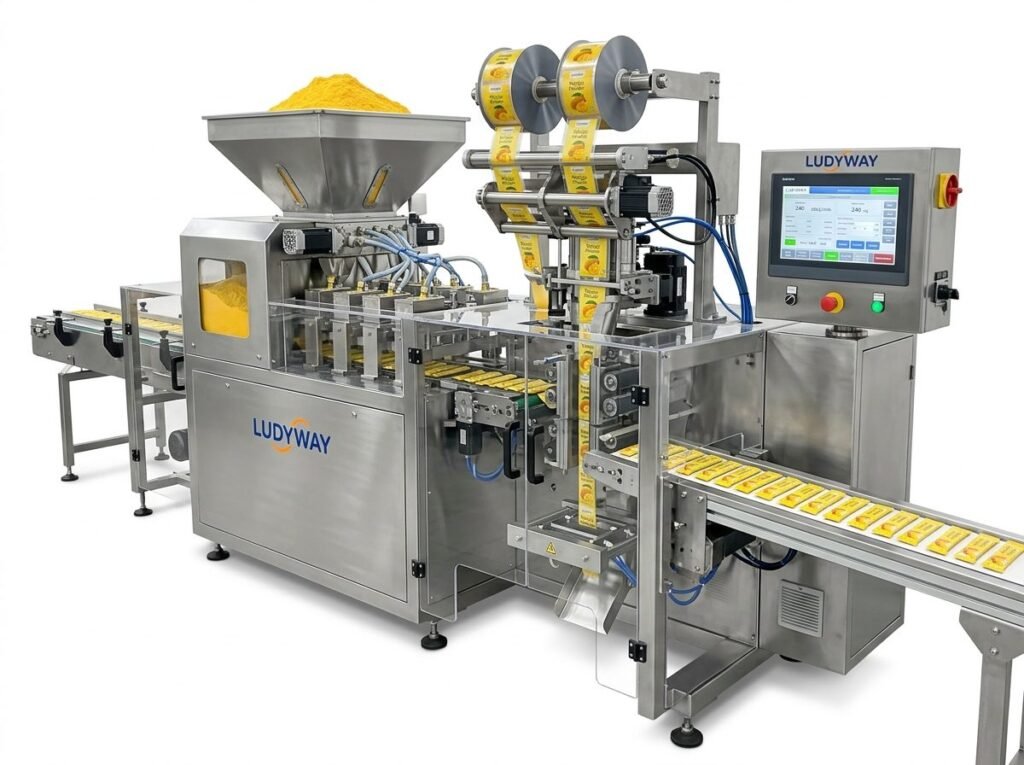
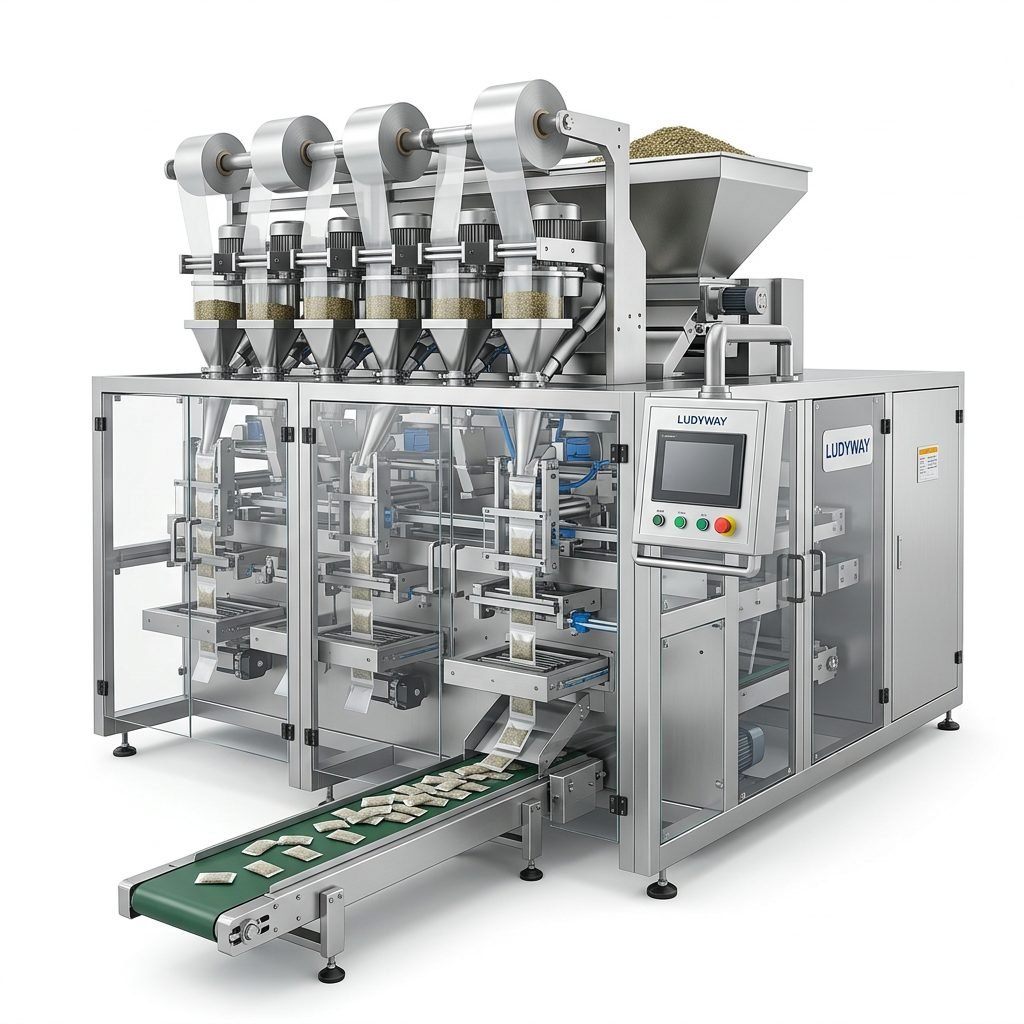
In today’s fast-paced manufacturing landscape, efficiency and speed are paramount. Turnkey packaging equipment represents the pinnacle of automated solutions, designed to streamline production processes, reduce operational costs, and enhance overall output quality. These complete systems integrate every necessary component—from filling and sealing to labeling and palletizing—into a cohesive, ready-to-operate package. By eliminating the complexities of sourcing and assembling disparate machinery, manufacturers can achieve faster, more efficient production with minimal setup time.
Core Components of Turnkey Packaging Systems
Turnkey solutions encompass a comprehensive array of automated machinery. Primary elements often include advanced filling machines for precise product measurement, high-speed sealing units to ensure package integrity, automated labeling systems for brand compliance, and intelligent conveyor mechanisms for seamless material flow. Each component is engineered to interoperate flawlessly, creating a synchronized production line that minimizes manual intervention and maximizes throughput.
Key Advantages of Integrated Automation
Enhanced Production Speed: Automated sequences perform tasks consecutively without pause, dramatically accelerating packaging cycles.
Operational Consistency: Programmable logic controllers ensure repetitive accuracy, reducing product variance and quality deviations.
Labor Optimization: Automation reallocates human resources to supervisory and quality control roles, elevating workforce efficiency.
Scalable Flexibility: Modern systems allow quick reconfiguration for different package sizes or product types, adapting to market demands.
Industry Applications and Customization
Turnkey packaging equipment serves diverse sectors. In food processing, systems handle delicate items with hygienic precision. Pharmaceutical applications demand sterile, tamper-evident packaging. Consumer goods industries utilize high-volume solutions for cosmetics, detergents, and granular products. Each sector benefits from tailored configurations—such as nitrogen flushing for snack preservation or vacuum sealing for medical supplies—that address specific regulatory and shelf-life requirements.
Implementing a Turnkey Solution: Critical Steps
Successful deployment begins with a thorough needs assessment, evaluating current production volume, package specifications, and future growth projections. Next, system design integrates machinery selection with facility layout planning. Installation involves precise calibration and integration with existing infrastructure. Finally, comprehensive staff training and ongoing technical support ensure long-term operational success and adaptability.
Financial and Operational Considerations
Initial Investment vs. Long-Term Gain: While upfront costs are significant, rapid ROI is achieved through reduced labor expenses, minimized waste, and increased production capacity.
Maintenance Protocols: Scheduled upkeep and predictive monitoring prevent unexpected downtime, ensuring continuous operation.
Energy Efficiency: Modern automated systems incorporate power-saving technologies, lowering utility expenditures and supporting sustainable manufacturing.
Global Trends and Technological Evolution
The trajectory of turnkey packaging is shaped by global industrial trends. Increasing demand for e-commerce-ready packaging drives development of versatile systems that handle diverse box sizes. Sustainability initiatives promote equipment that minimizes material usage and accommodates recyclable substrates. Smart manufacturing trends integrate IoT sensors for real-time performance data and remote operational adjustments.
Future Directions in Automated Packaging
Emerging technologies like artificial intelligence and machine learning are poised to further revolutionize turnkey systems. AI algorithms can optimize machine settings dynamically based on product characteristics, while predictive analytics forecast maintenance needs before failures occur. Collaborative robotics may introduce new levels of flexibility, blending automated precision with human oversight for complex packaging tasks.
Common Questions About Turnkey Packaging Equipment
What defines a true turnkey packaging solution? A complete system that includes all necessary machinery, installation, calibration, and initial training, ready for immediate operation upon delivery.
How long does implementation typically take? Depending on system complexity, full deployment can range from several weeks to a few months, including site preparation and staff onboarding.
Can these systems adapt to future product changes? Yes, modular designs allow component upgrades or reconfiguration to accommodate new package formats or increased production speeds.
What level of technical support is provided? Comprehensive support includes initial training, detailed operational manuals, remote troubleshooting access, and scheduled maintenance services.
Are turnkey solutions suitable for small-scale operations? While often associated with large production, scalable configurations exist for mid-sized manufacturers seeking gradual automation expansion.