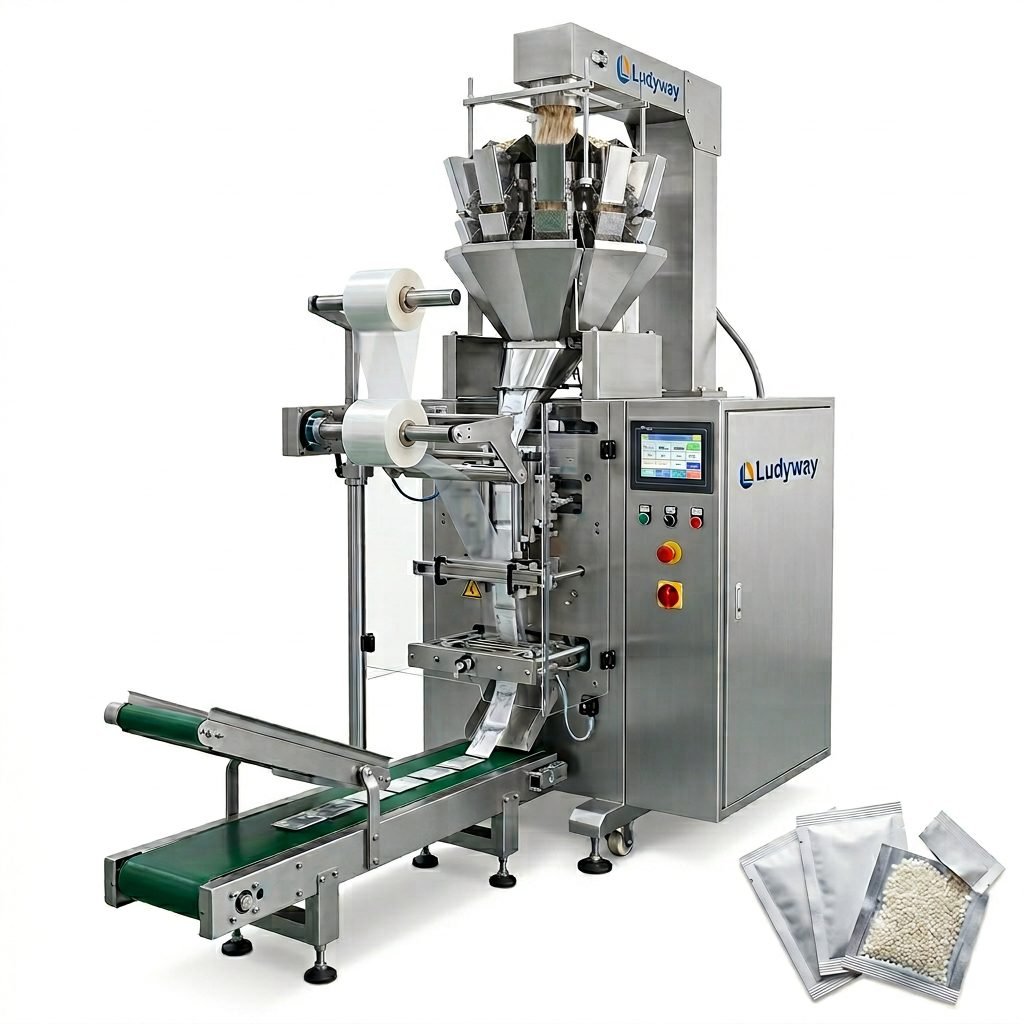
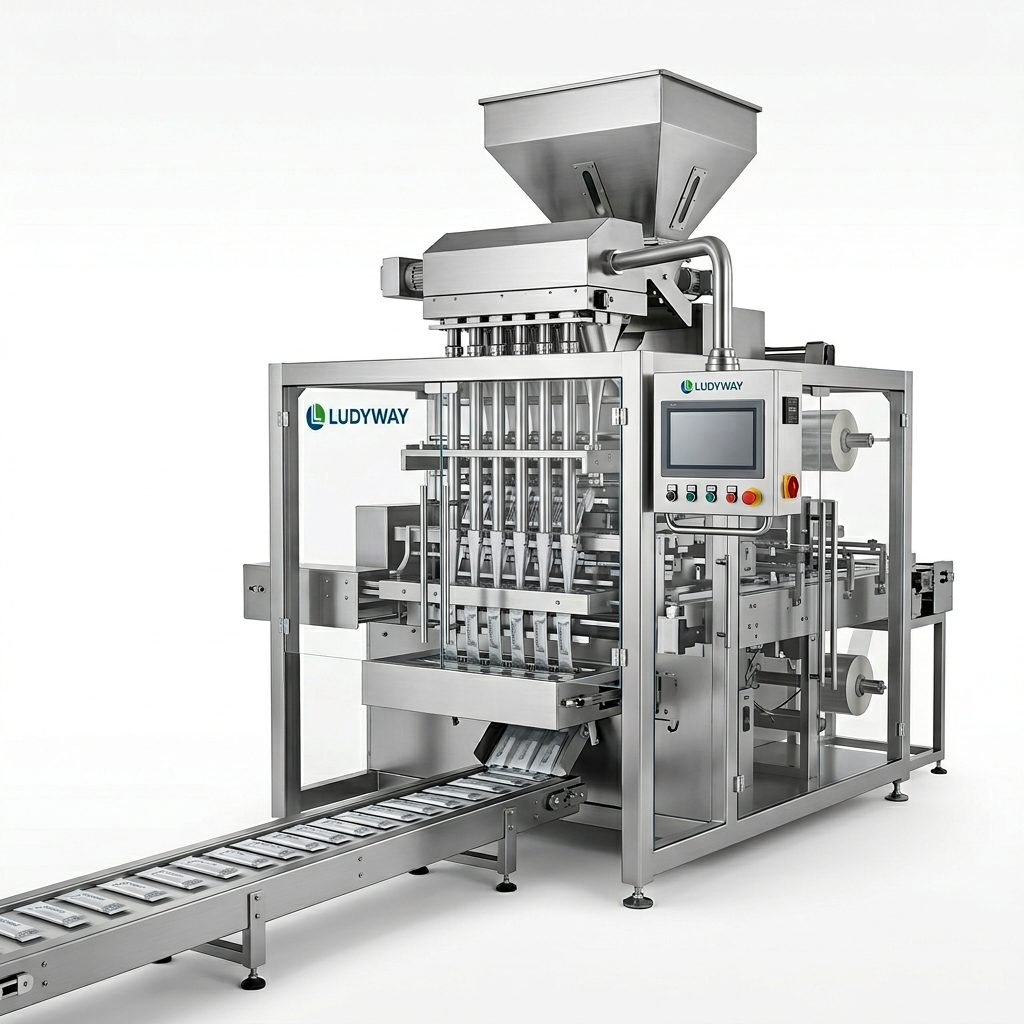
Expanding your business into South America presents a unique set of opportunities and challenges. The region’s diverse economies, from the industrial powerhouses of Brazil and Argentina to the growing markets of Colombia, Chile, and Peru, demand a strategic approach to sourcing equipment. For businesses in the food, pharmaceutical, health, or related sectors, choosing the right packaging machine manufacturer is a critical decision that impacts efficiency, product quality, and ultimately, your bottom line. This guide will walk you through the key factors to consider when selecting a packaging machine partner in South America.
Understanding the South American Market Landscape
Before diving into manufacturer selection, it’s crucial to understand the regional context. South American manufacturing, particularly in countries like Brazil, has a strong industrial base, but local production of high-tech, automated packaging machinery can sometimes be limited or come at a premium cost. This often leads businesses to look at international suppliers who can offer advanced technology, competitive pricing, and reliable performance. The key is finding a partner who understands not just the technology, but also the logistical, regulatory, and service challenges of operating in South America.

Key Considerations for Your Selection Process
Selecting a manufacturer is more than just comparing price lists. You need a partner for the long term. Here are the essential areas to evaluate:
1. Industry Experience and Specialization
Does the manufacturer have proven expertise in your specific sector? Packaging requirements for pharmaceutical powders are vastly different from those for granular food snacks or liquid condiments. A manufacturer with a deep portfolio in your niche will understand the nuances of hygiene standards, material compatibility, dosing accuracy, and production speeds required.
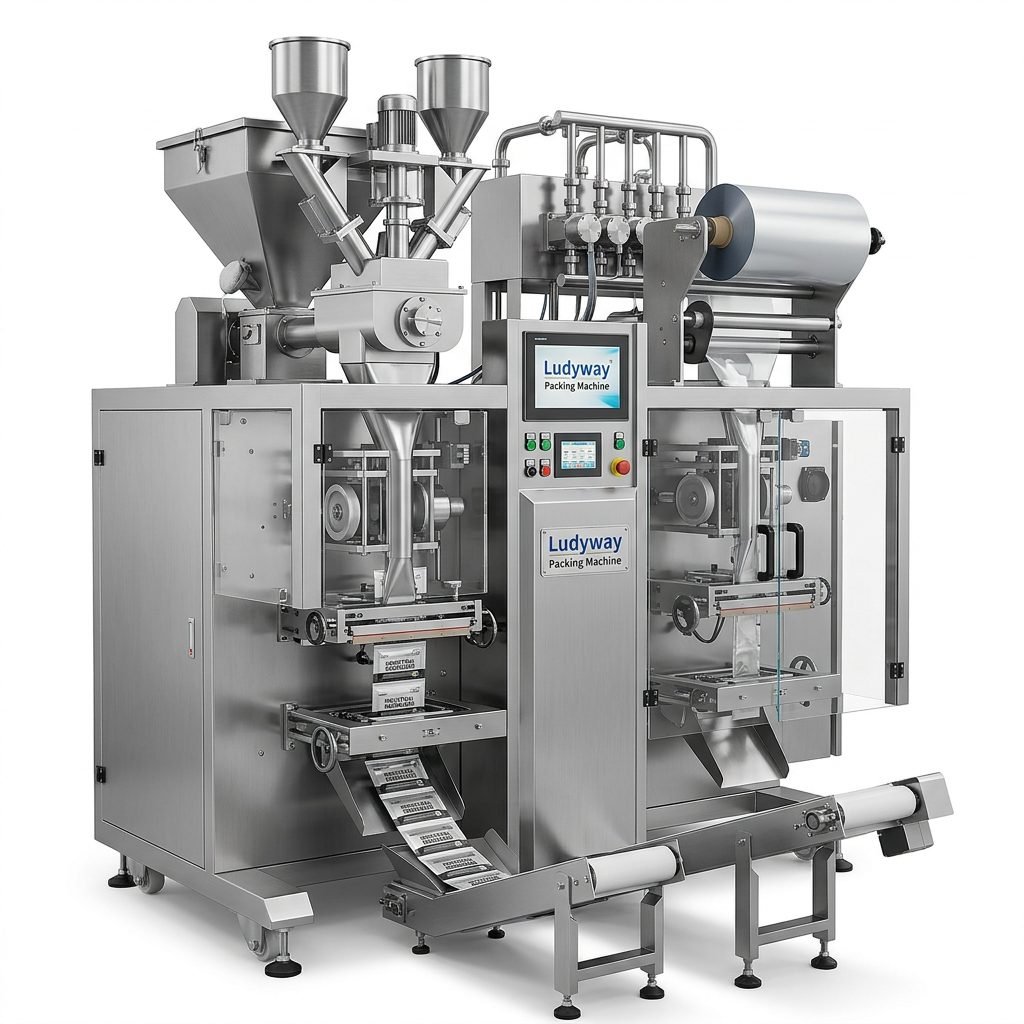
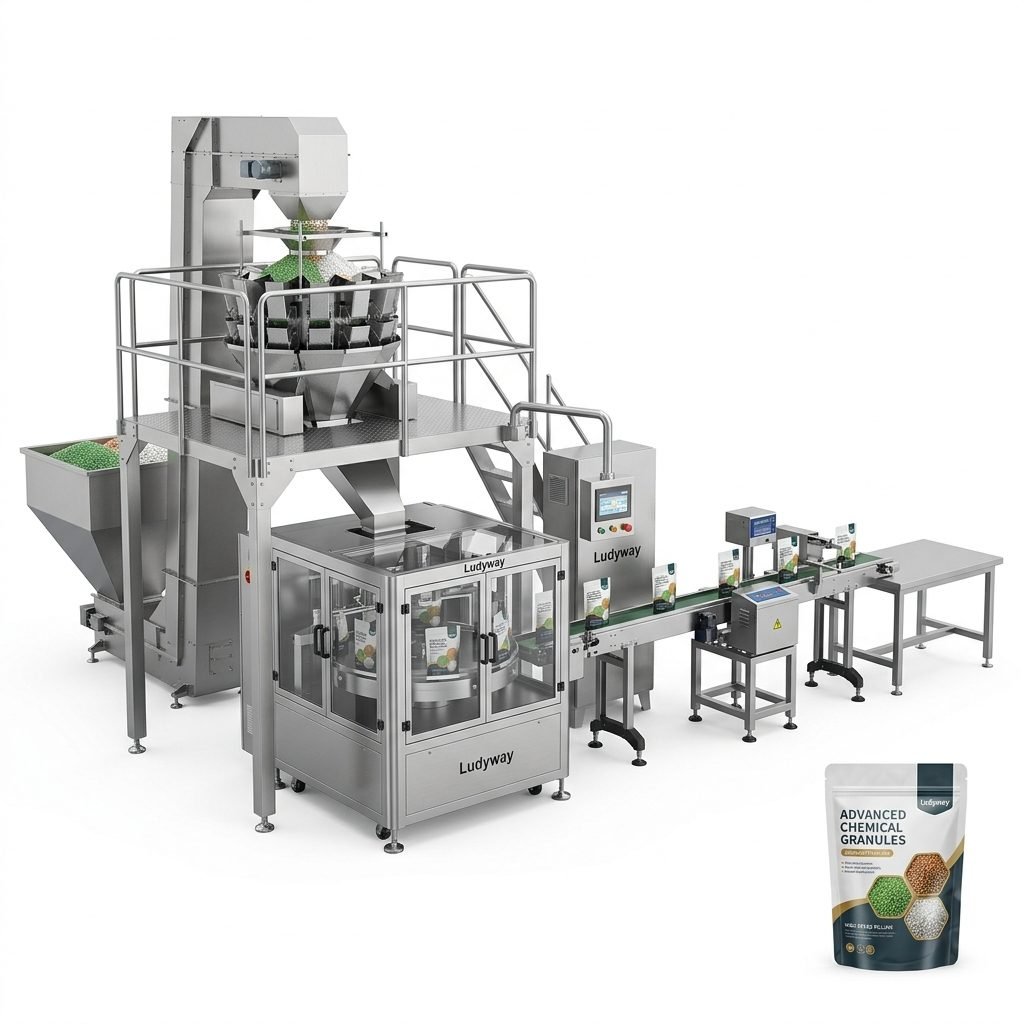
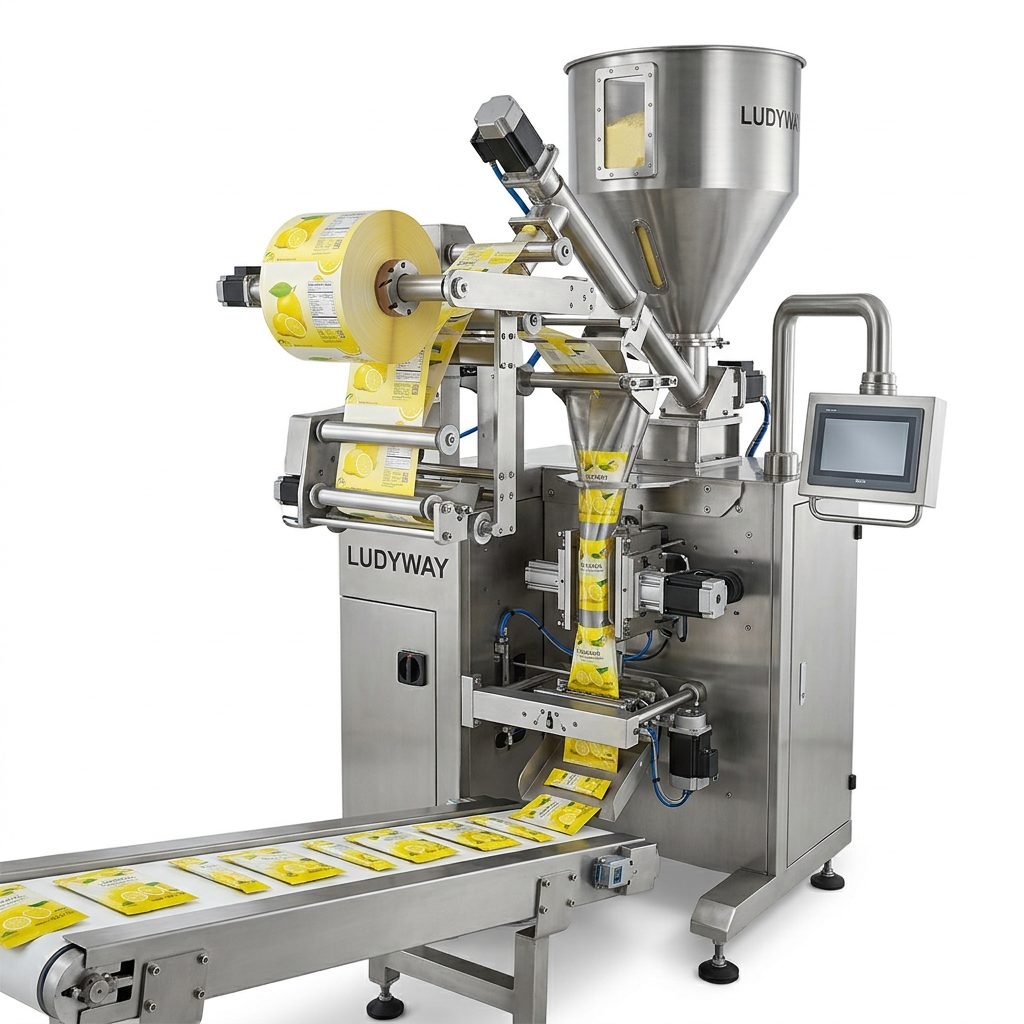
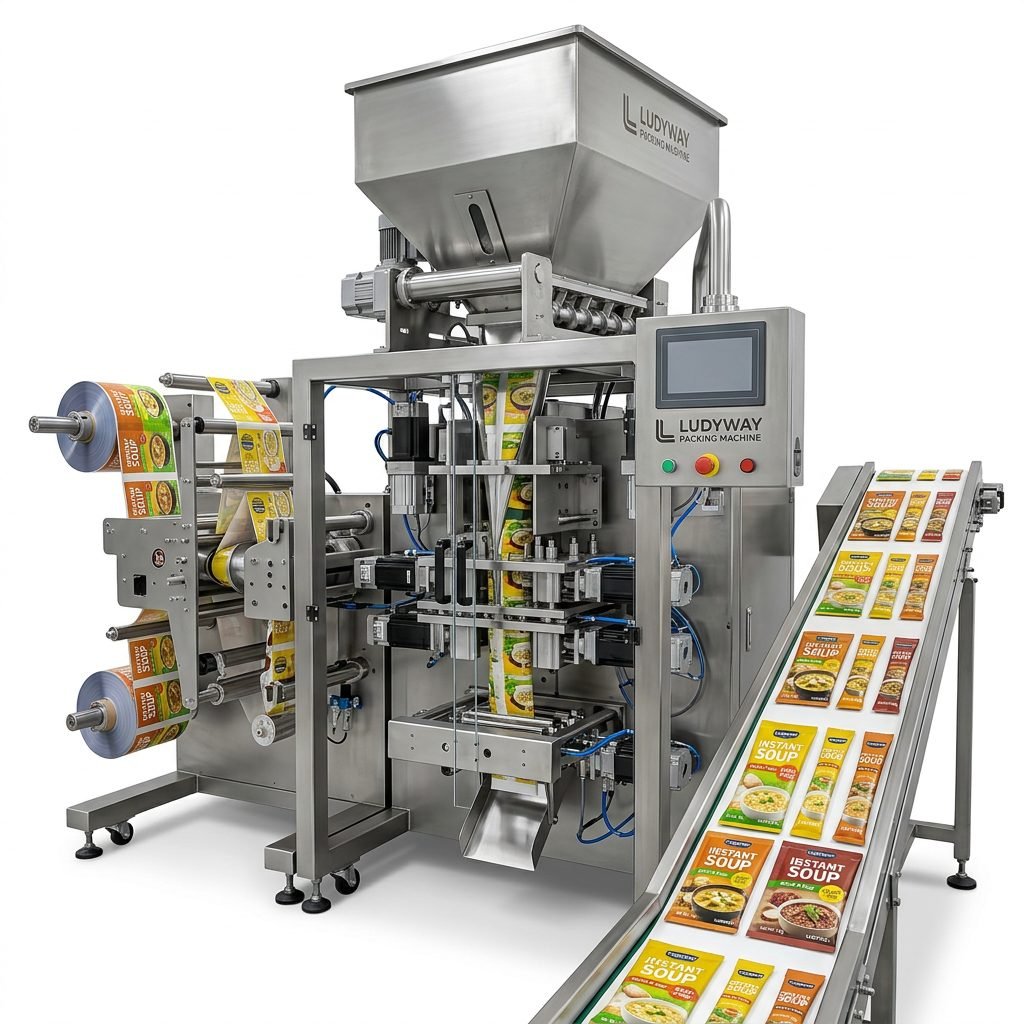
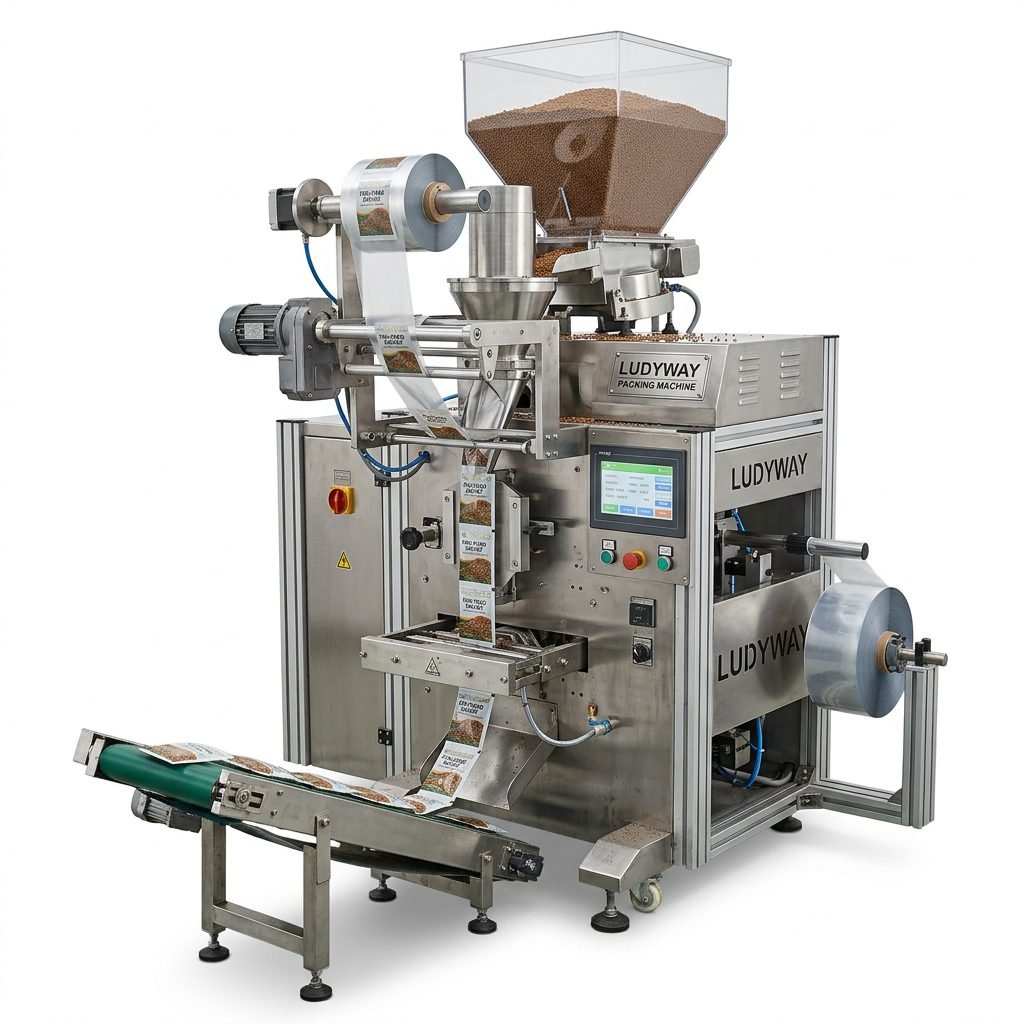
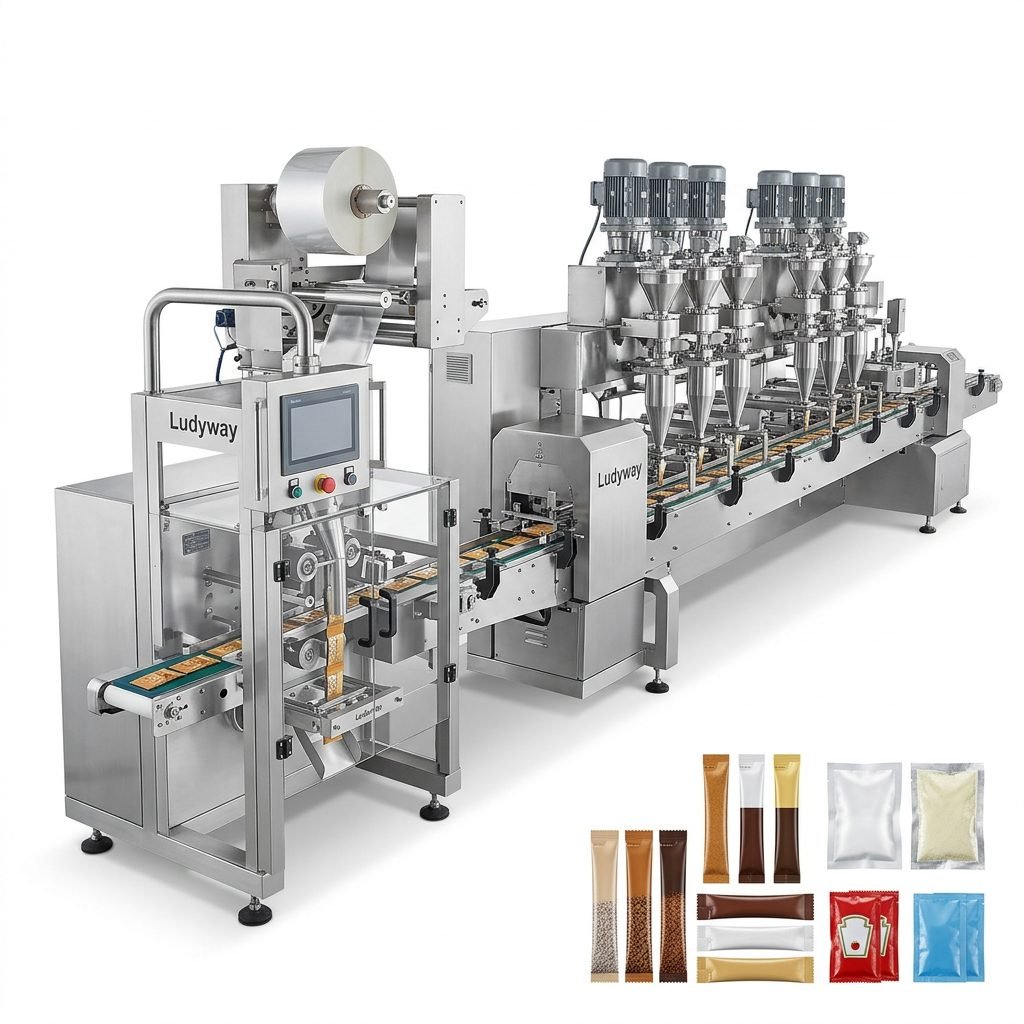
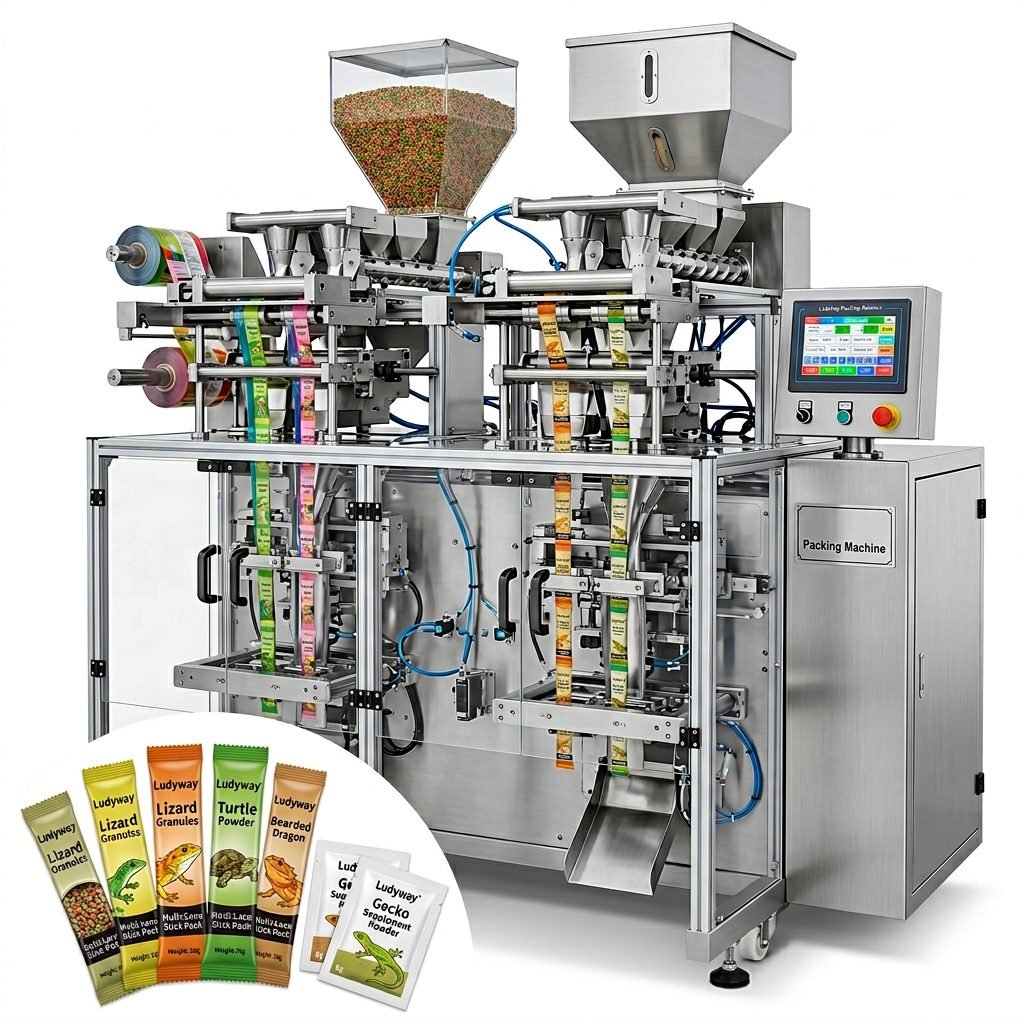
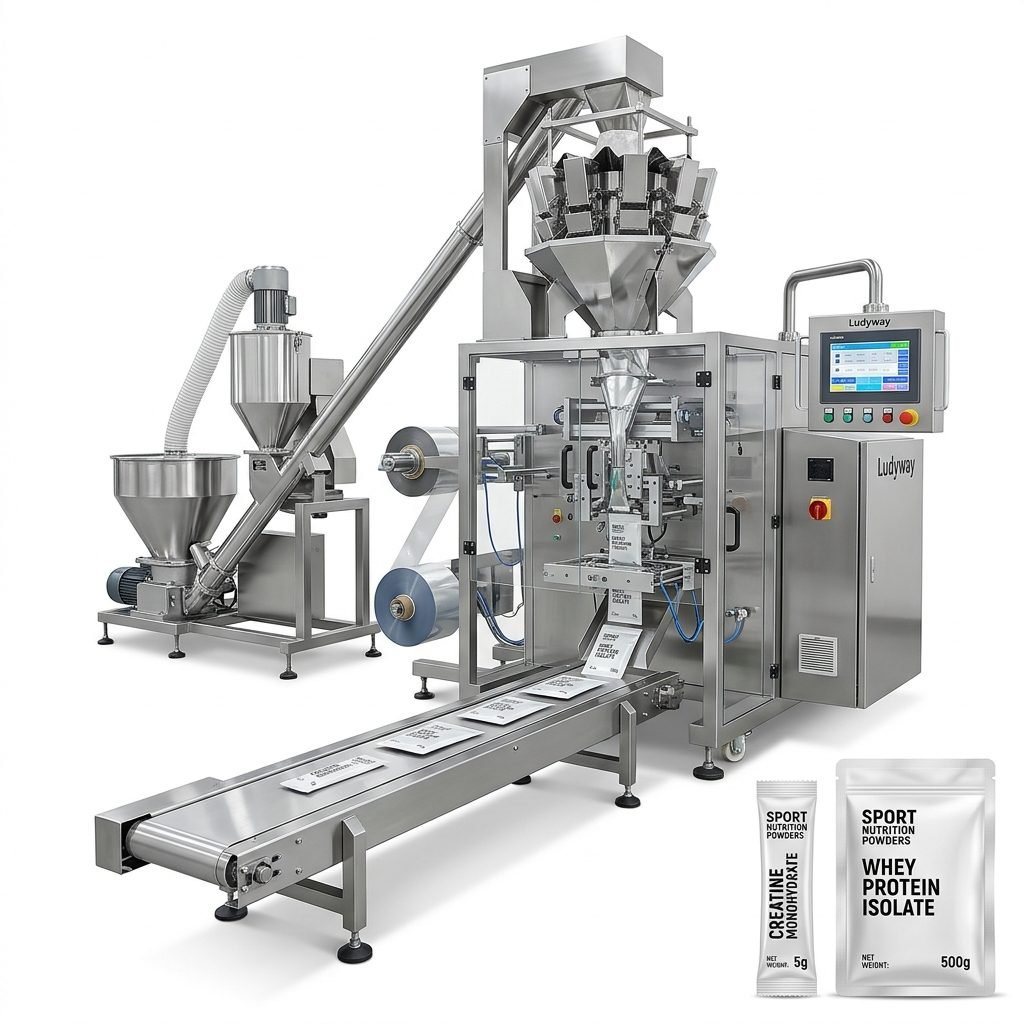
For example, a company like Ludyway, with over 30 years of experience, offers specialized lines for everything from multi-lane stick pack systems for instant beverages to fully automated pouch lines for medical devices. This breadth indicates a capacity to handle complex, industry-specific challenges.
2. Technology, Automation, and Machine Capabilities
South American consumers are increasingly demanding, and retail competition is fierce. Your packaging line needs to ensure product integrity, consistency, and attractive presentation. Evaluate the manufacturer’s technology level:
- Automation Level: Can they provide semi-automatic, fully automatic, or complete turnkey lines? High-speed, multi-lane systems from suppliers like Packmate Machinery or PacklineOEM can dramatically increase output for high-volume products like stick-pack coffee or seasoning sachets.
- Flexibility: Can the machine handle multiple package formats (sachets, stick packs, pouches) and easily change over for different product SKUs? This is vital for businesses with diverse product lines.
- Precision and Hygiene: For pharmaceuticals or high-value food supplements, precision weighing and filling, along with designs that facilitate easy cleaning (e.g., stainless steel construction), are non-negotiable.

3. Local Support and After-Sales Service
This is arguably the most critical factor for South American operations. A machine breaking down without local technical support can halt production for weeks. Investigate:
- Local Presence: Does the manufacturer have a regional office, warehouse, or dedicated service partners in countries like Brazil, Argentina, or Chile?
- Spare Parts Availability: Are common wear parts and critical components stocked locally to minimize downtime?
- Technical Support: What is their response time for technical queries? Do they offer remote diagnostics, on-site engineer dispatch, and comprehensive training for your operators?
Manufacturers with a global service network, such as PackingMachineOEM, often have structured programs to support international clients, which is a significant advantage.
4. Compliance with Local and International Standards
Your packaging machinery must comply with local safety and electrical standards in your target country (e.g., INMETRO in Brazil). Furthermore, if you’re exporting products, the machinery may need to help you comply with international standards like FDA, CE, or GMP. A reputable manufacturer will design machines with these certifications in mind and provide the necessary documentation.
5. Scalability and Customization (OEM Capability)
Your business will grow and evolve. Can the manufacturer scale with you? Look for partners who offer OEM (Original Equipment Manufacturer) and customization services. This means they can modify standard machines or build entirely custom solutions to fit your unique product shape, packaging material, or factory layout. Companies specializing in non-standard solutions, like PackingMachineOEM, or those with deep expertise in a niche like SnusMachinery for oral pouch products, can be invaluable for specialized needs.

6. Total Cost of Ownership (TCO), Not Just Price
The initial machine price is just one part of the equation. Consider the Total Cost of Ownership:
- Energy Efficiency: Modern, efficient drives and motors can significantly reduce long-term operating costs.
- Maintenance Costs: How often does the machine require servicing? What is the cost and availability of spare parts?
- Material Waste: High-precision machines minimize product giveaway and packaging material waste.
- Uptime and Reliability: A slightly more expensive but far more reliable machine from a manufacturer like Ludyway will have a lower TCO than a cheaper machine that causes frequent production stoppages.
Why Consider International Manufacturers Like Ludyway?
While exploring local South American suppliers is wise, partnering with an established international manufacturer from a global manufacturing hub can offer distinct advantages for businesses in the region:
- Advanced Technology at Competitive Cost: Access to the latest automation, precision engineering, and smart factory integration often at a better price-to-performance ratio.
- Proven Global Track Record: Experience serving over 100 countries means they are adept at handling international logistics, documentation (shipping, customs), and providing support across time zones.
- Comprehensive Product Range: From a single sachet machine to a complete integrated line with weighing, filling, sealing, cartoning, and palletizing, they can be a one-stop-shop.
- Focus on Long-Term Partnership: Leading manufacturers invest in relationship-building, offering training, process optimization advice, and ongoing upgrades to ensure your line remains productive for years.

Final Steps: Due Diligence and Decision Making
Once you’ve shortlisted potential partners, take these final steps:
- Request Detailed Proposals: Ask for line layouts, technical specifications, recommended models, and a clear breakdown of costs (machine, shipping, duties, installation).
- Check References: Speak to other companies, especially those in South America or with similar products, who have purchased from the manufacturer.
- Request a Factory Audit or Video Tour: Assess their manufacturing facility, quality control processes, and R&D capabilities. A modern facility, like Ludyway’s 20,000㎡ plant, is a good indicator of capability.
- Test with Your Product: If possible, send your product and packaging materials for a factory test run. This is the best way to verify speed, accuracy, and compatibility.
- Review the Contract Thoroughly: Ensure it clearly outlines warranties, payment terms, delivery schedule, responsibilities for installation/commissioning, and service level agreements (SLAs).
Frequently Asked Questions (FAQs)
Q: Are there import duties and taxes I should be aware of when importing machinery to South America?
A: Yes, import duties, taxes (like VAT/ICMS), and clearance procedures vary by country (e.g., Brazil, Argentina, Chile). It’s crucial to work with a freight forwarder experienced in the region and factor these costs, which can be significant, into your total budget. A good manufacturer will assist with export documentation.
Q: How can I ensure the machine will work with my local power supply and factory conditions?
A: Reputable international manufacturers like Ludyway or Packmate Machinery build machines to specific regional standards (e.g., 220V/60Hz for parts of South America) upon request. Provide your factory’s electrical specifications, ambient conditions, and layout during the quoting process.
Q: What is the typical lead time for delivery and installation?
A: Lead times vary based on machine complexity and customization. A standard machine might ship in 8-12 weeks, while a full custom turnkey line can take 20+ weeks. Sea freight to major South American ports can add several more weeks. Clear communication about timelines is essential.
Q: Can the manufacturer help with training for my local operators and maintenance staff?
A: Yes, this is a standard part of a quality service package. It typically includes comprehensive machine manuals (often available in local languages), on-site training during installation and commissioning, and sometimes remote training sessions.
Q: What if I need a machine for a very specific or novel product format?
A: This is where a manufacturer’s OEM and customization capability is key. Companies specializing in non-standard solutions, such as PackingMachineOEM or SnusMachinery for niche products, are structured to develop tailored engineering solutions rather than just selling off-the-shelf models.