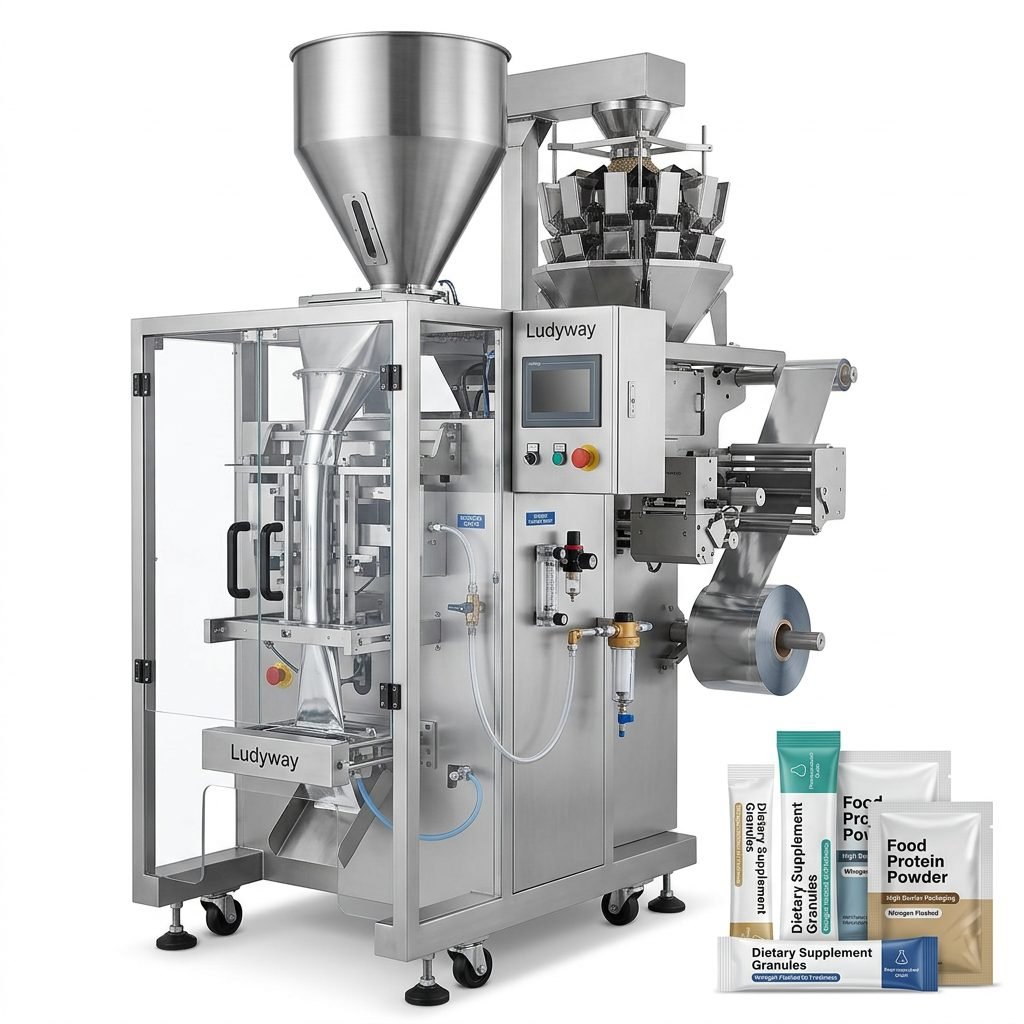
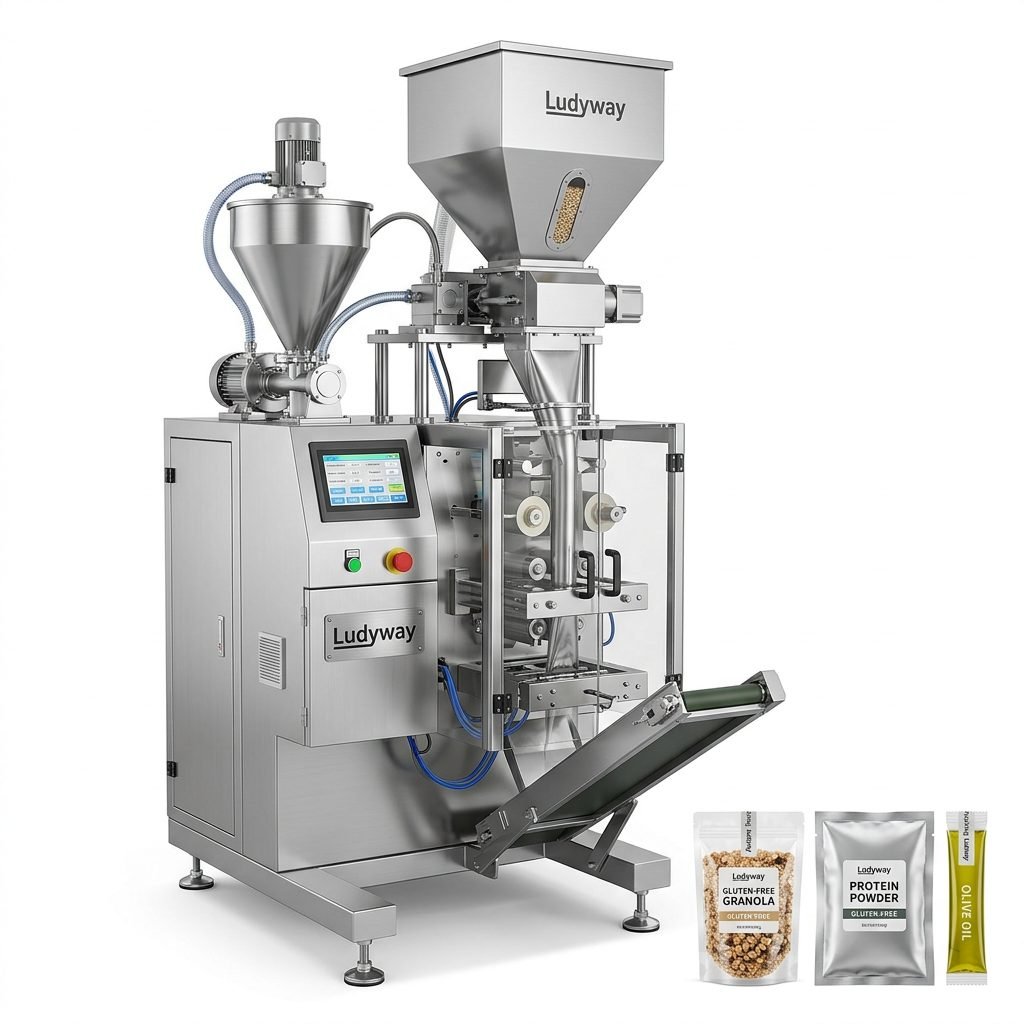
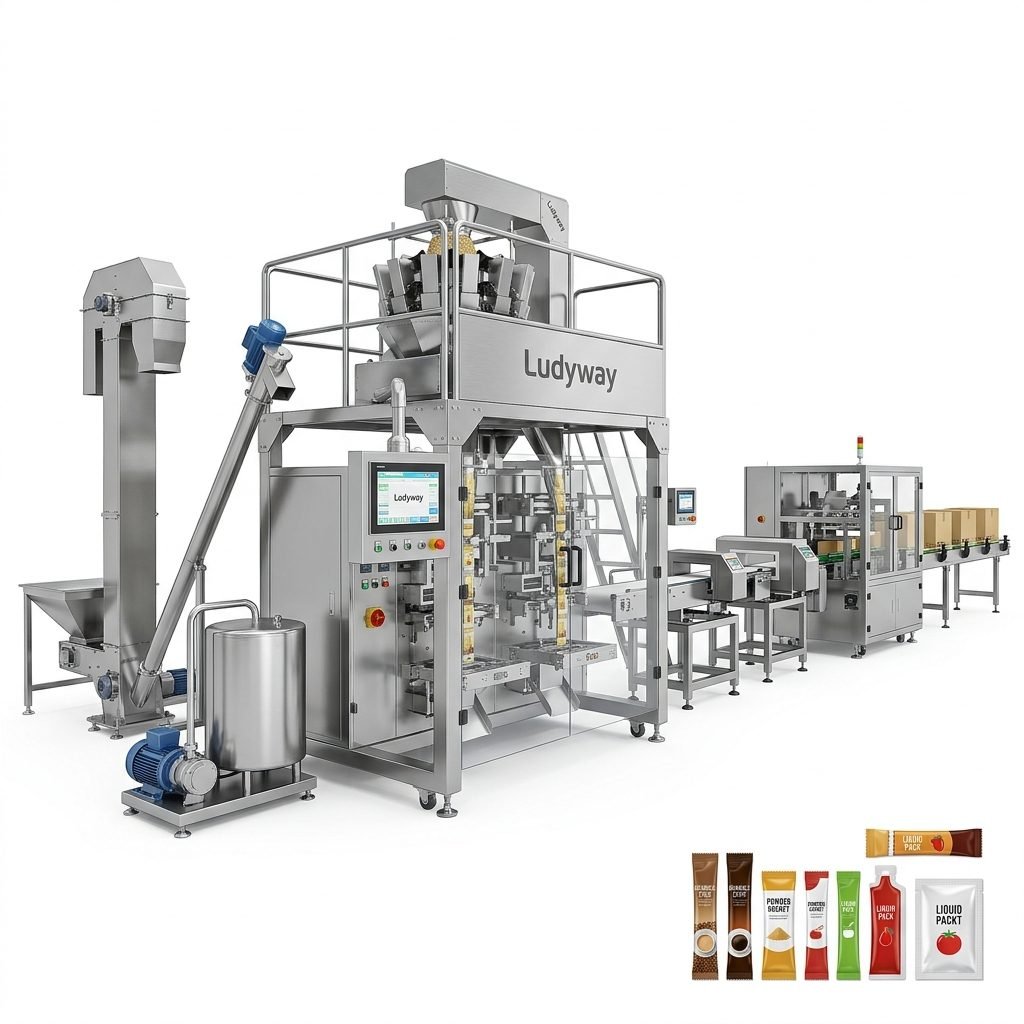
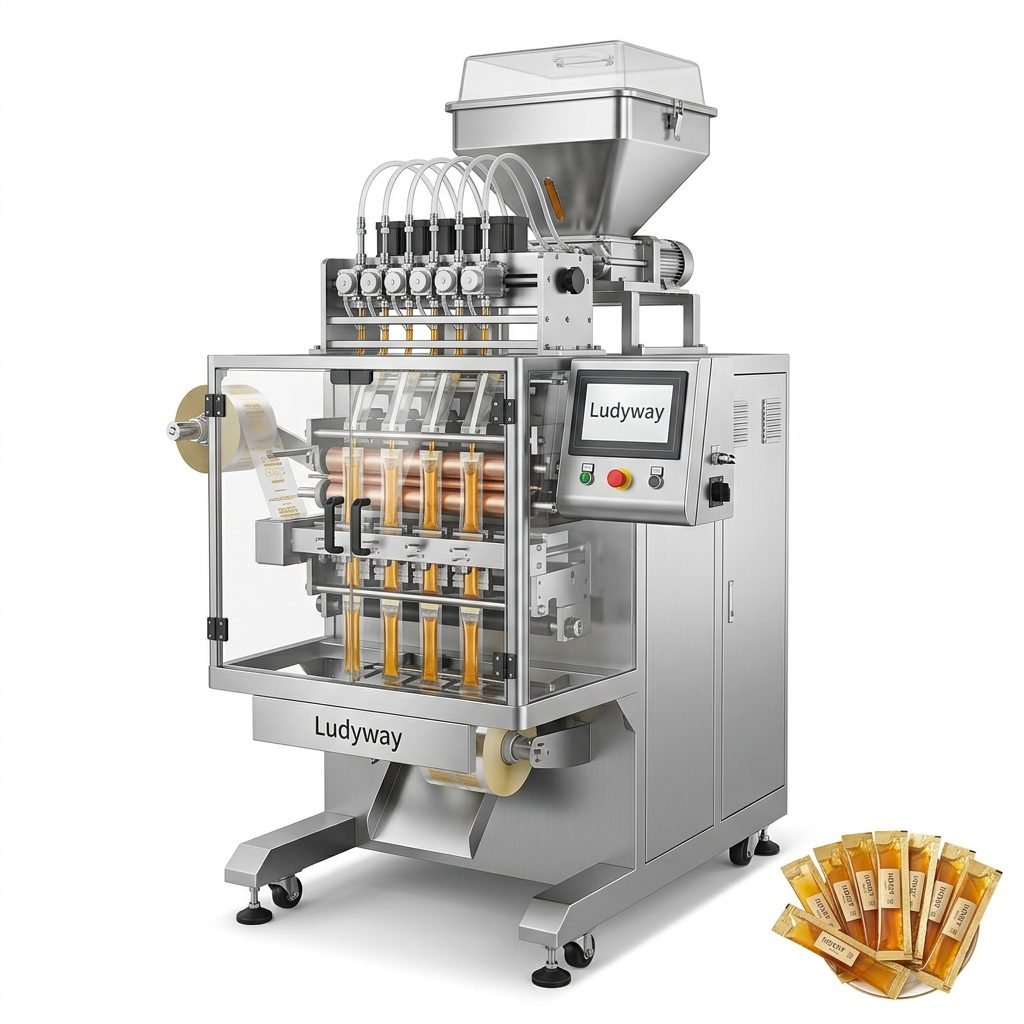
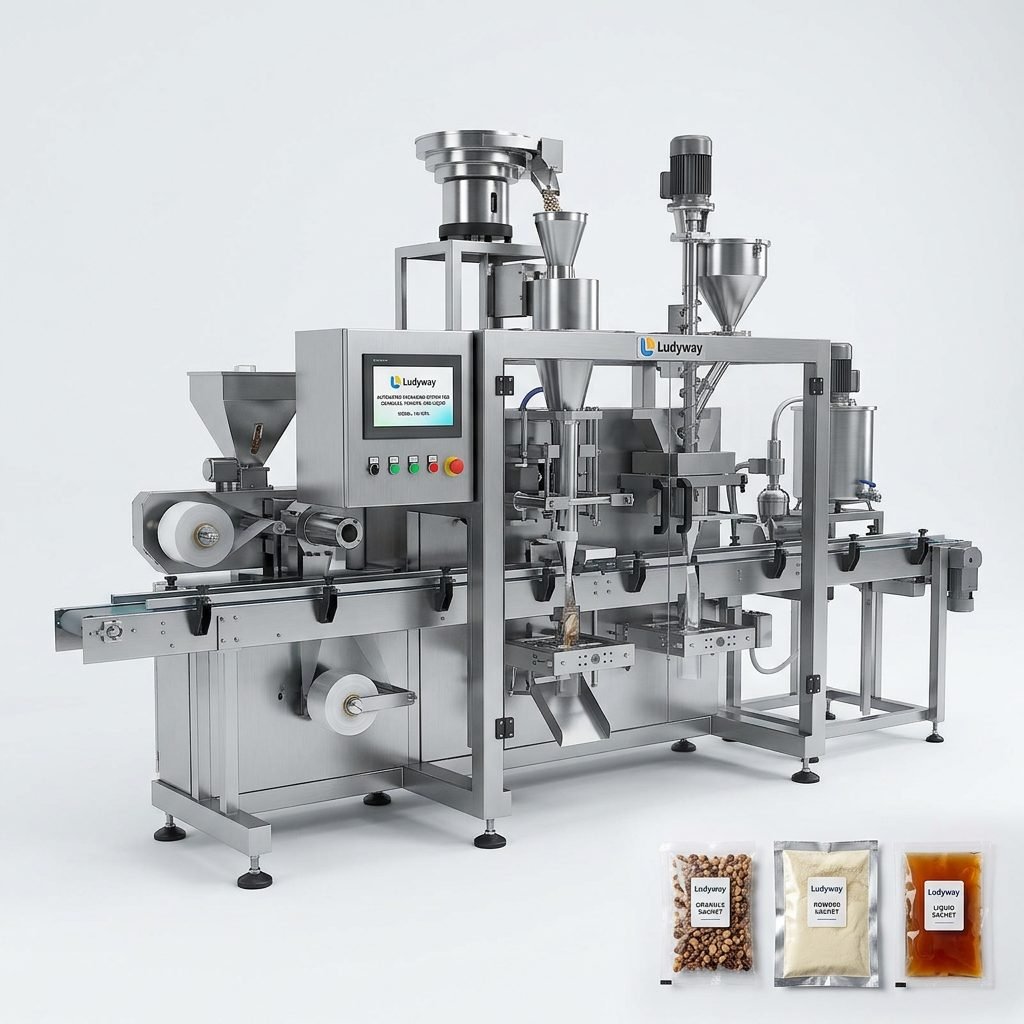
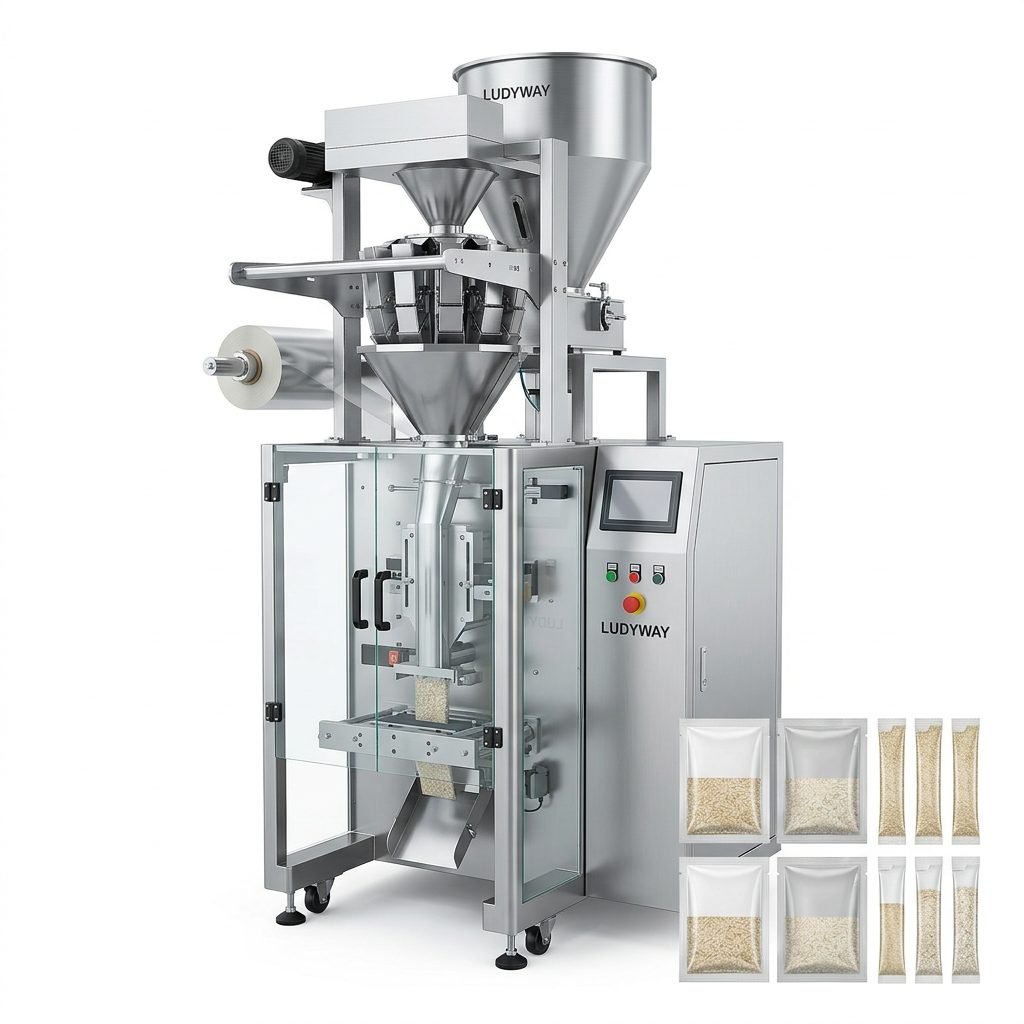
For businesses in Ecuador looking to upgrade or establish their packaging operations, selecting the right packaging machine manufacturer is a critical decision. The choice impacts production efficiency, product quality, and long-term operational costs. Ecuador’s diverse industrial landscape, from food processing and pharmaceuticals to cosmetics and agricultural exports, demands robust and adaptable packaging solutions. This guide outlines the key factors Ecuadorian buyers should consider to make an informed decision.
Understanding Ecuador’s Packaging Market Needs
The Ecuadorian market presents unique opportunities and challenges. Local manufacturers often deal with products like instant coffee, medicinal herbs, nutritional supplements, and sauces, which require precise granule, powder, or liquid packaging. Furthermore, export-oriented businesses need packaging that meets international standards for hygiene and durability. A manufacturer with global experience, like Ludyway, understands these regional nuances and can provide machinery compliant with both local and international regulations.
Key Regional Considerations:
- Product Diversity: From Quito’s food processing to Guayaquil’s export goods, machinery must handle varied products.
- Supply Chain & Spare Parts: Reliable after-sales support and accessible spare parts are crucial due to geographical logistics.
- Cost-Effectiveness: Balancing initial investment with long-term ROI is a primary concern for Ecuadorian businesses.
1. Assess Technical Expertise and Product Range
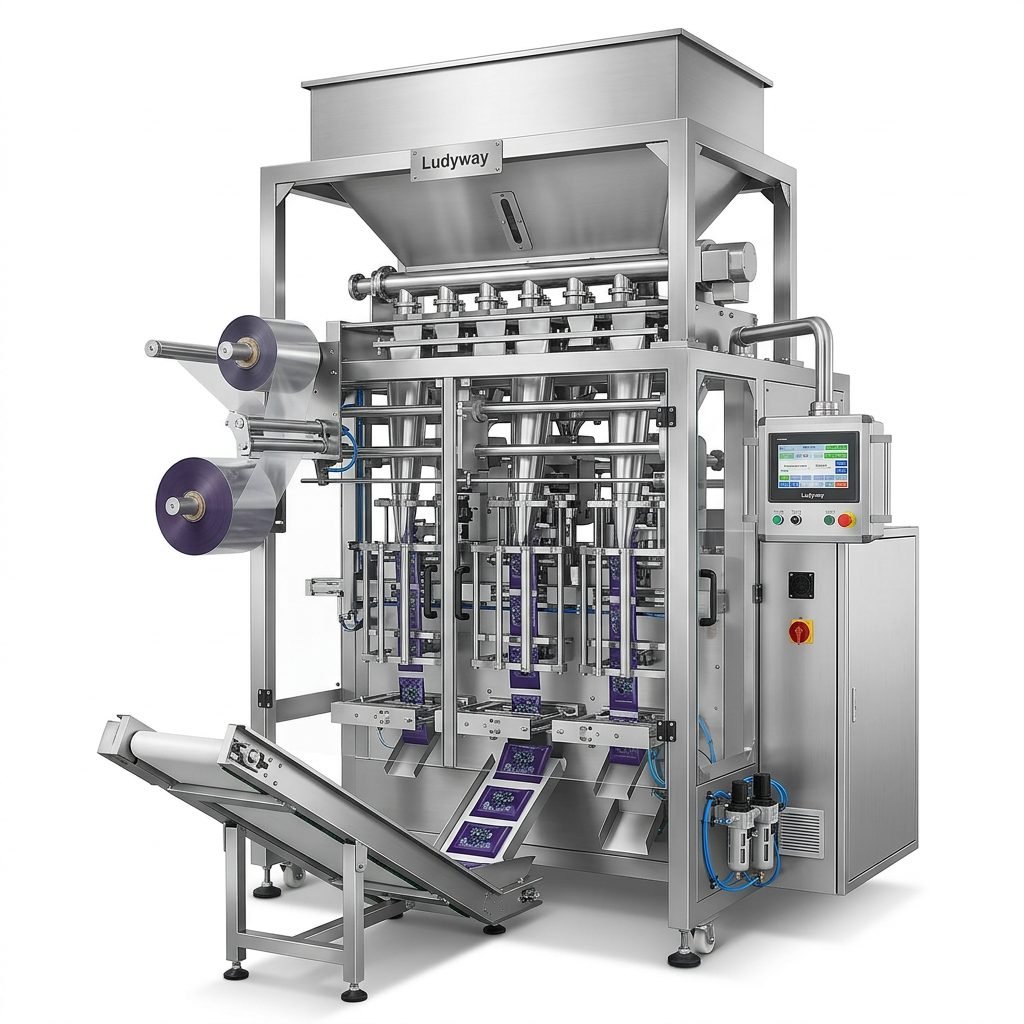
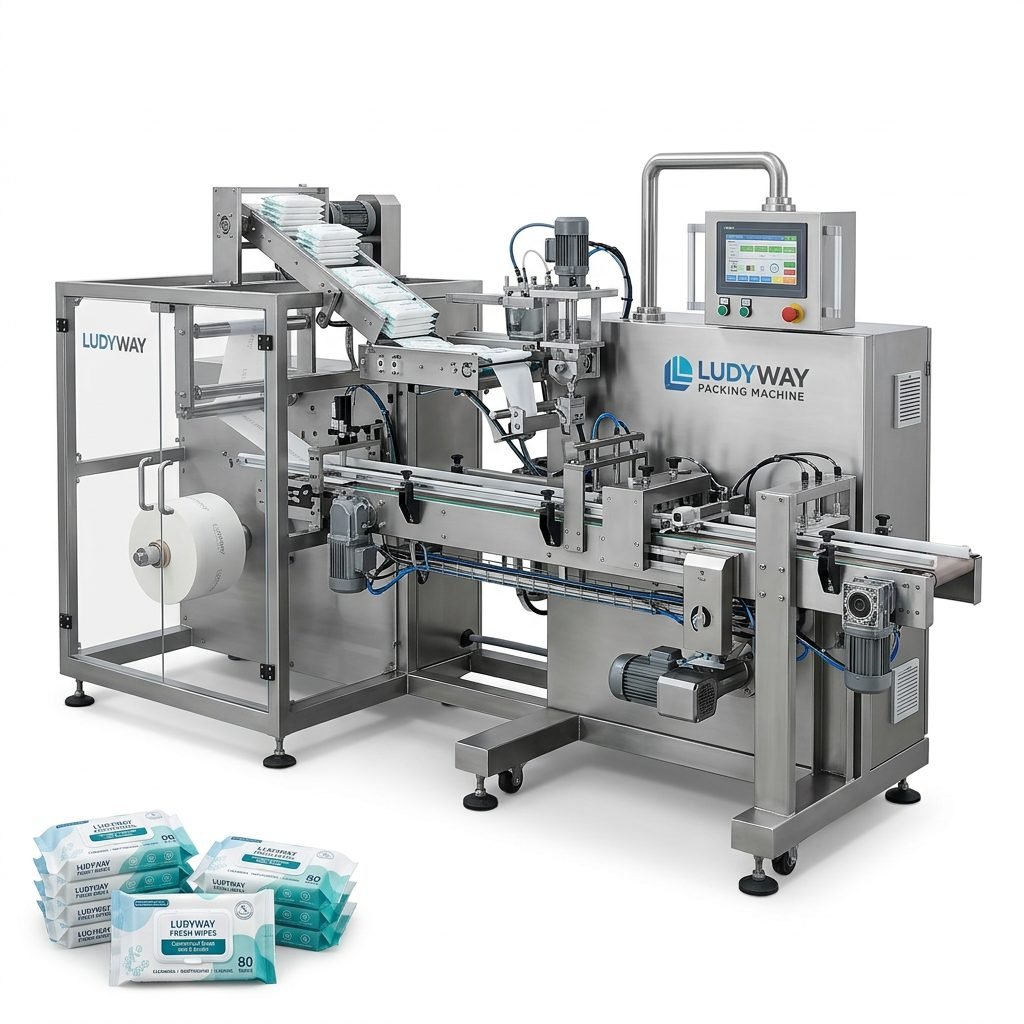
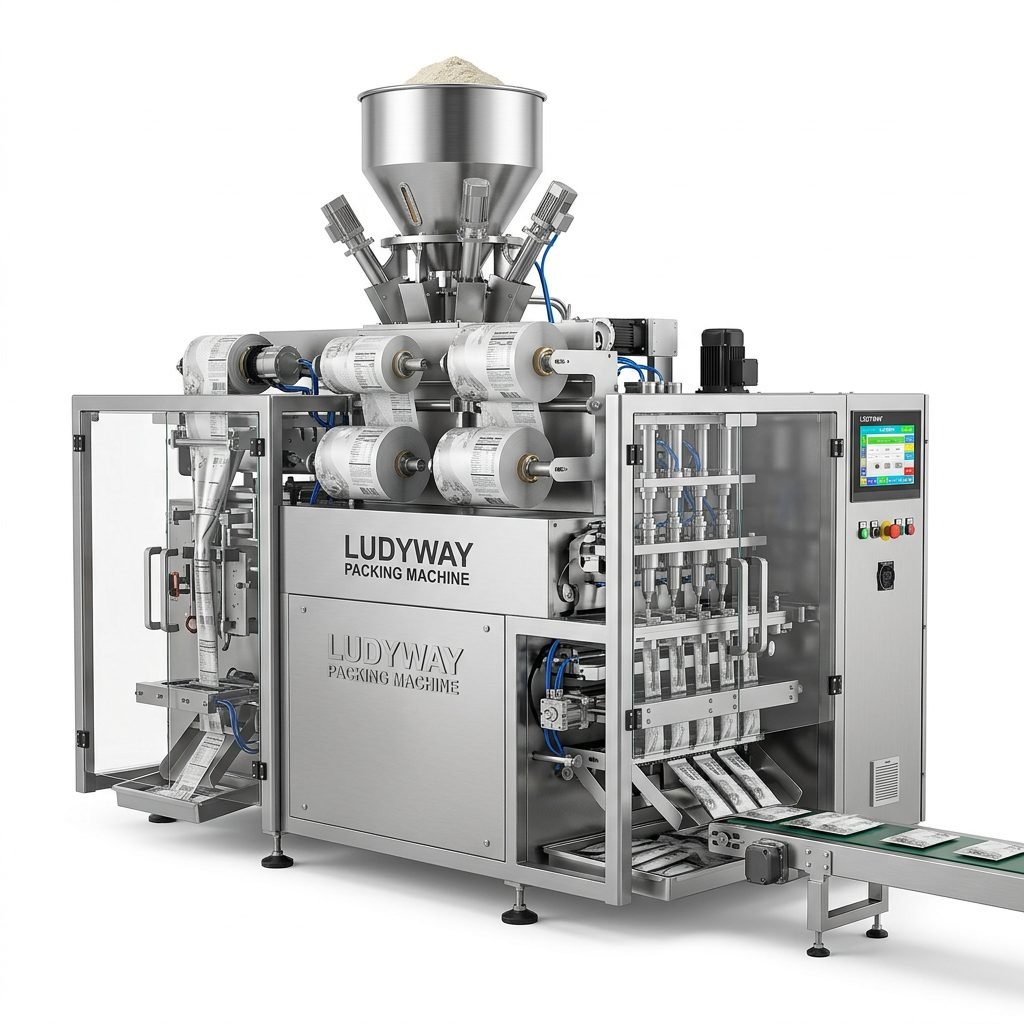
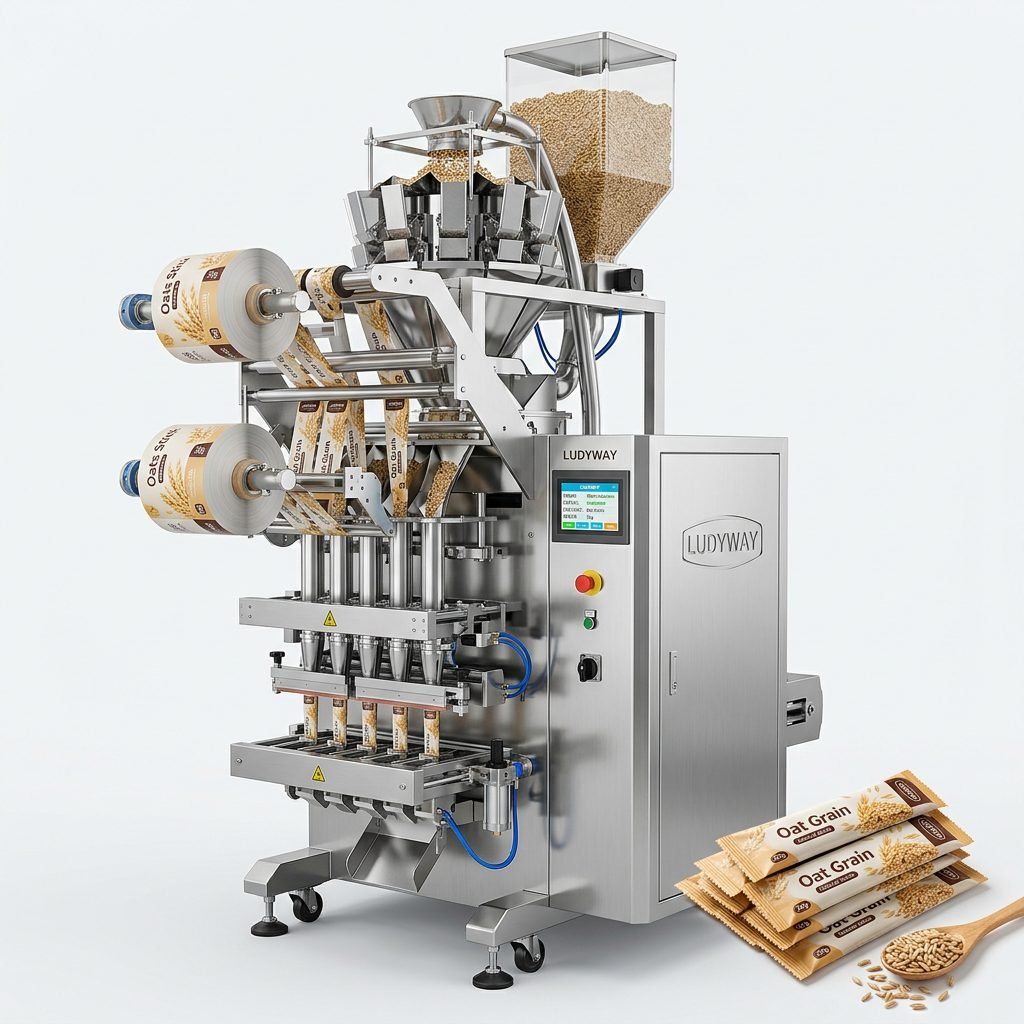
The manufacturer’s technical capability should match your specific product requirements. Do you need a machine for multi-lane sachet packaging of shampoo, stick pack filling for coffee, or a complete turnkey powder packaging line? Evaluate their portfolio. For instance, Ludyway offers over 50 models covering granules, powder, liquid, and pouch applications. Similarly, competitors like Packmate Machinery and PacklineOEM also provide extensive ranges. Ensure the manufacturer has proven experience with your product type.

2. Evaluate Manufacturing Capability and Quality Control
A manufacturer’s infrastructure is a direct indicator of reliability. Inquire about their production facility, quality control processes, and compliance certifications (e.g., CE, ISO). A company with a modern facility, like Ludyway’s 20,000㎡ plant, is better equipped for consistent quality and scalable production. This is equally important for specialized manufacturers such as PackingMachineOEM for non-standard machines or SnusMachinery for niche products like nicotine pouches.
3. Analyze After-Sales Support and Local Service
For Ecuadorian buyers, robust after-sales support is non-negotiable. The geographical distance from manufacturing hubs makes this critical. Key services to look for include:
- Installation & Commissioning: On-site setup by factory engineers.
- Technical Training: Comprehensive training for your operators and maintenance staff.
- Spare Parts Availability: A clear policy for parts supply and inventory.
- Remote & On-Demand Support: Ability to troubleshoot issues quickly.
Manufacturers with a global service network, serving over 100 countries like Ludyway, are often better prepared to support clients in South America.

4. Consider Customization and Flexibility
Off-the-shelf solutions may not suffice. Your production line might require specific speeds, dosing accuracy, or material handling features. The ability to customize is vital. Discuss your exact needs regarding bag size, output speed (e.g., packs per minute), and integration with existing lines. Manufacturers like PackingMachineOEM focus on non-standard solutions, while others like Ludyway provide customized turnkey production lines.
Questions to Ask About Customization:
- Can you modify the machine for our unique pouch size and shape?
- Is the control system adaptable for future upgrades or integration?
- Do you provide performance guarantees for our specific product?
5. Compare Cost of Ownership, Not Just Price
The initial purchase price is just one component. The true cost includes energy consumption, maintenance, downtime, and part replacement over the machine’s lifespan. A slightly higher upfront investment in a reliable, energy-efficient machine from a reputable manufacturer can lead to significant long-term savings. Request detailed lifecycle cost analyses and compare the total cost of ownership (TCO) among shortlisted suppliers.

6. Review Company Reputation and Client References
Research the manufacturer’s track record. How long have they been in business? Do they have experience in your industry? Request case studies or contact references from similar businesses, preferably in Latin America. A company with over 30 years of experience, such as Ludyway, or specialized players like SnusMachinery, brings valuable industry expertise. Online reviews, testimonials, and their presence at international trade fairs are also good indicators of reputation.
7. Verify Export Experience and Documentation
Importing machinery into Ecuador involves customs, shipping, and documentation. A manufacturer experienced in exporting to South America will handle logistics, provide correct documentation (commercial invoice, packing list, certificate of origin, etc.), and ensure the machinery meets Ecuadorian import regulations. This logistical expertise smooths the process and avoids costly delays.

Frequently Asked Questions (FAQs)
Q1: What type of packaging machine is most common for Ecuadorian food exports?
A: For powdered foods (like coffee, cereal) and granulated products, multi-lane stick pack and sachet packaging machines are highly popular due to their efficiency and portion-control benefits. For liquids like sauces, liquid sachet machines are common.
Q2: How important is after-sales service when buying from an overseas manufacturer?
A: It is critical. Given the distance, ensure the manufacturer has a proven support system, including remote diagnostics, readily available spare parts, and the possibility of sending technicians if needed. This minimizes potential production downtime.
Q3: Can I get a customized machine for a unique product shape?
A: Yes, many leading manufacturers offer customization. Companies like PackingMachineOEM specialize in non-standard solutions. Discuss your specific requirements in detail during the quotation phase.
Q4: What certifications should I look for in a packaging machine?
A: Look for international safety and quality standards such as CE certification (for the European market, indicating safety) and ISO quality management certifications. These ensure the machinery is built to recognized standards.
Q5: How do I budget for a new packaging line?
A: Budget should include the machine cost, shipping, import duties, installation, initial spare parts, and operator training. Always factor in the Total Cost of Ownership (TCO), not just the purchase price, to assess the true long-term investment.