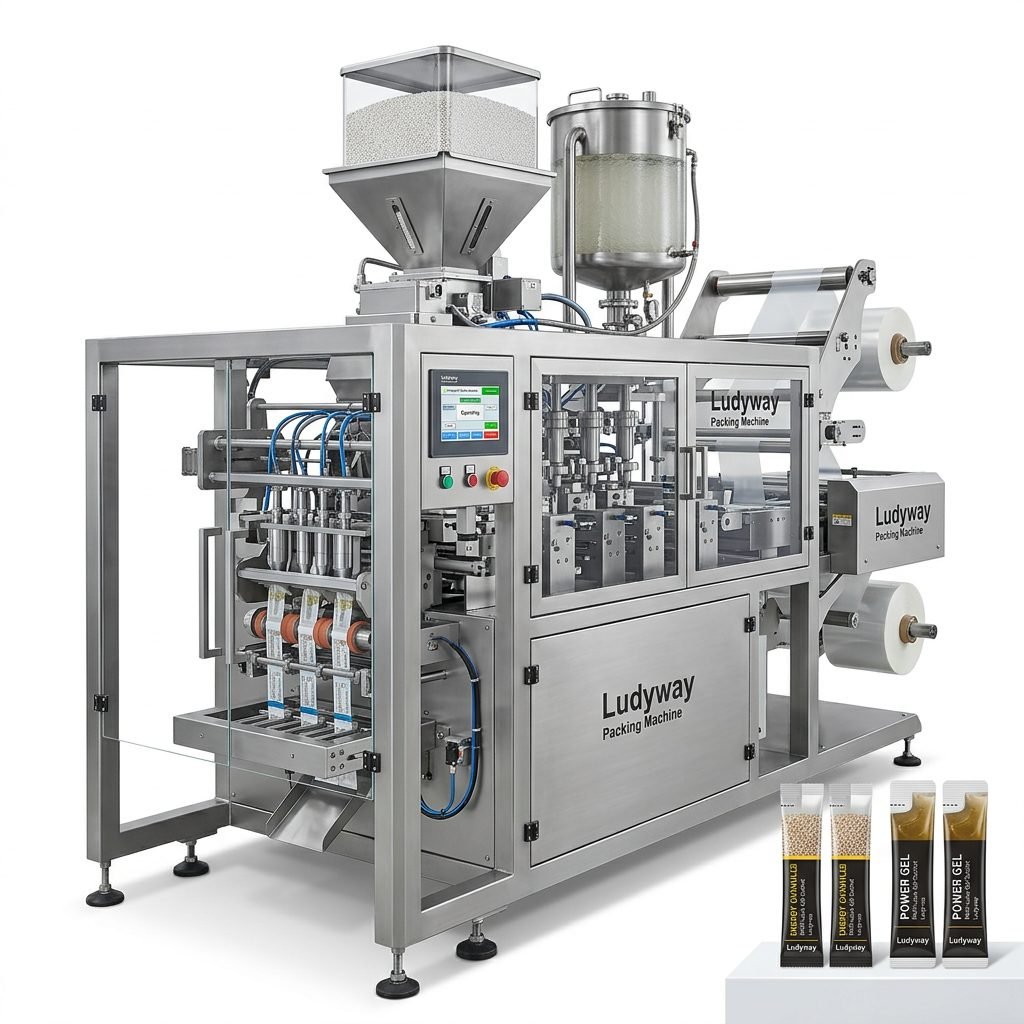
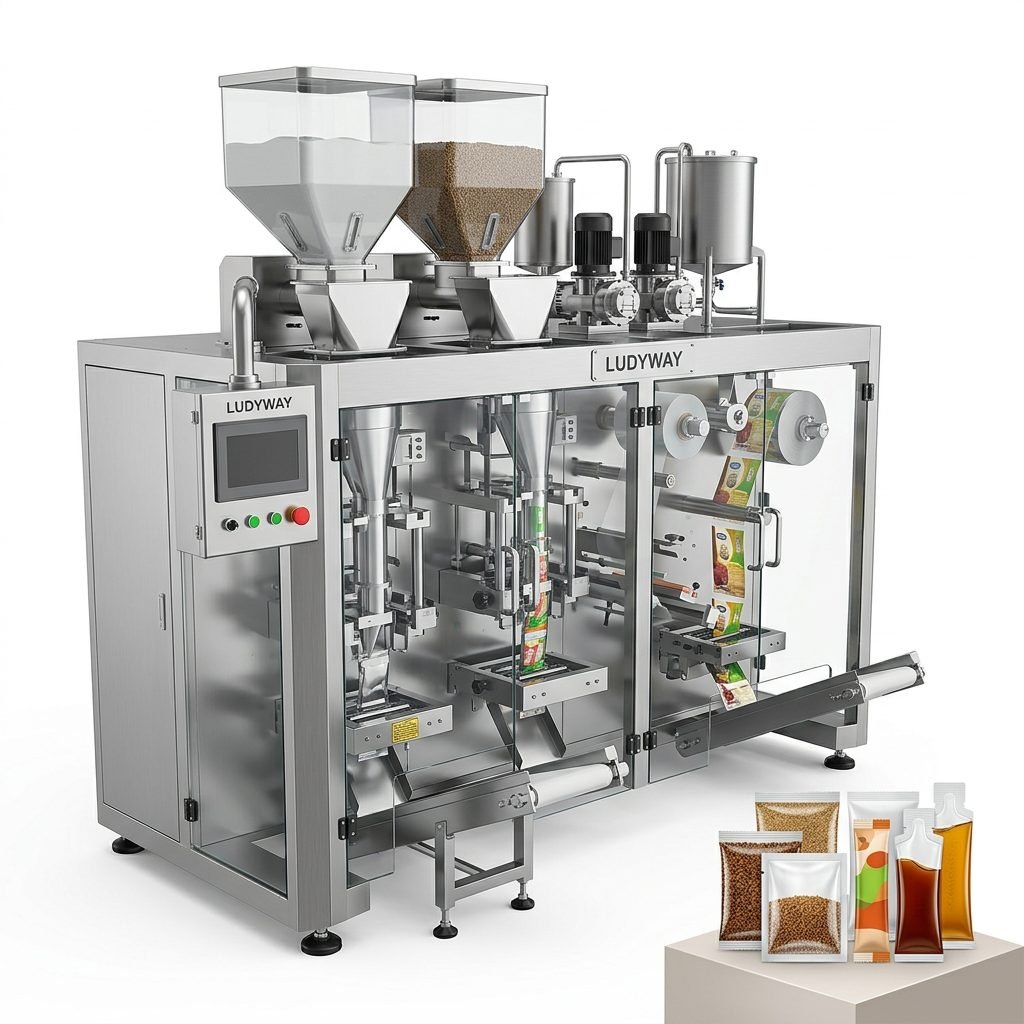
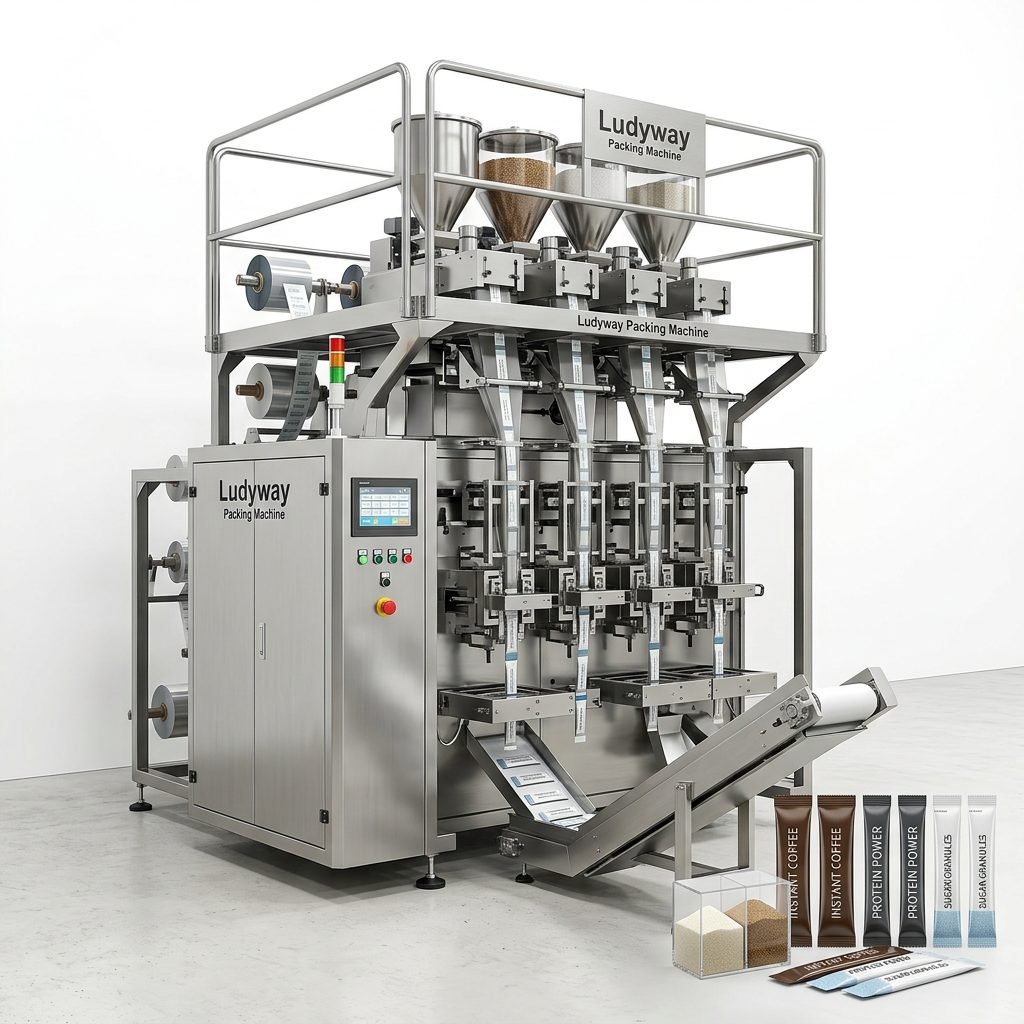
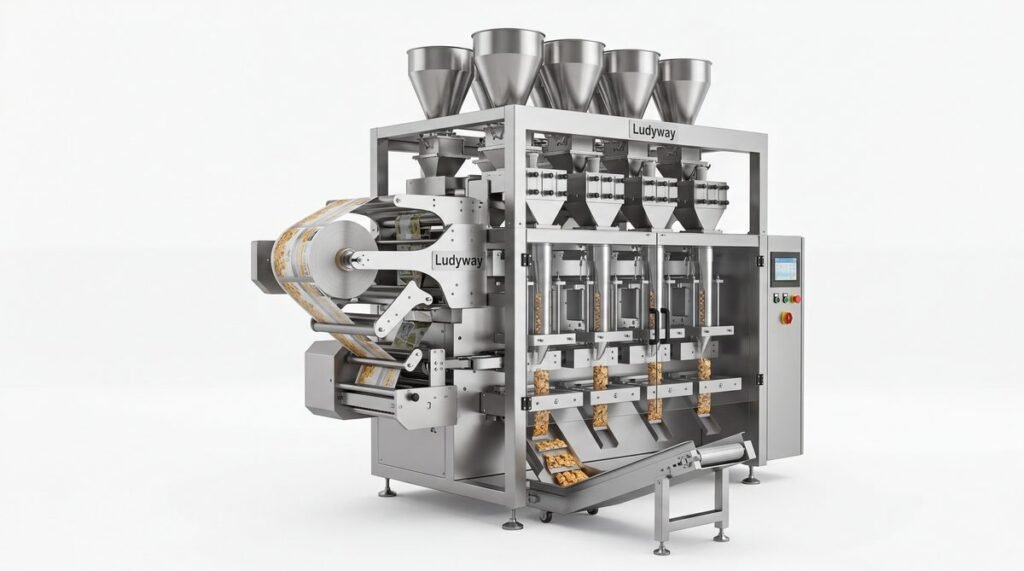
In today’s competitive manufacturing landscape, optimizing production efficiency while managing capital expenditure is a constant challenge. For businesses looking to enhance their packaging operations, investing in brand-new, state-of-the-art equipment isn’t always the most practical or financially viable path. This is where refurbished packaging equipment presents a compelling, strategic alternative. Offering a significant reduction in upfront costs without a substantial compromise on performance, refurbished machinery serves as a powerful tool for upgrading your production line, expanding capacity, or entering new product markets with minimized financial risk.
Understanding Refurbished Packaging Machinery
Refurbished packaging equipment refers to previously owned machines that have been professionally restored to a fully operational, often like-new, condition. The refurbishment process is far more comprehensive than a simple clean-up or resale. It involves a systematic overhaul conducted by experienced technicians, typically including:
- Complete Disassembly and Deep Cleaning: Every component is cleaned to remove old product residue, grease, and dust.
- Wear-and-Tear Assessment: Critical parts like seals, bearings, belts, and electrical contacts are inspected for wear.
- Replacement of Worn Components: All identified worn or outdated parts are replaced with genuine or high-quality OEM-equivalent parts.
- Mechanical and Electrical Recalibration: The machine is meticulously recalibrated to meet original factory specifications for speed, accuracy, and performance.
- Comprehensive Testing: The equipment undergoes rigorous run-time testing with materials similar to your intended use to ensure reliability and output quality.
- Safety and Compliance Check: Safety guards, emergency stops, and electrical systems are verified to comply with current standards.
This thorough process transforms a used machine into a reliable production asset, offering performance that can rival new equipment at a fraction of the cost. It bridges the gap between the uncertainty of buying “as-is” used machinery and the high investment of purchasing new.
Key Advantages of Choosing Refurbished Equipment
The decision to opt for refurbished packaging machinery is driven by several tangible benefits that directly impact your bottom line and operational agility.
1. Substantial Cost Savings
The most immediate advantage is the dramatic reduction in capital investment. You can typically acquire a high-quality refurbished machine for 30% to 60% less than the price of a comparable new model. This frees up capital for other critical areas like marketing, R&D, or raw material inventory.
2. Faster ROI and Shorter Lead Times
With a lower initial outlay, the return on investment (ROI) period is significantly shortened. Furthermore, since the machine is already built, the lead time from purchase to installation is often much shorter than waiting for a new machine to be manufactured and shipped, allowing you to ramp up production quickly.
3. Access to Proven, Reliable Technology
Refurbished equipment often represents models with a proven track record of reliability in the industry. Any inherent design flaws from early production runs are usually well-documented and rectified during the refurbishment process. You benefit from mature, field-tested technology.
4. Sustainability and Environmental Responsibility
Choosing refurbished is a clear step toward a circular economy. It extends the lifecycle of industrial equipment, reduces electronic waste, and minimizes the raw materials and energy required to manufacture a brand-new machine, aligning with modern corporate sustainability goals.
5. Potential for Customization and Upgrades
During the refurbishment, it is often possible to integrate specific upgrades or modifications to better suit your current needs. This could include updated PLC controls, new dosing systems, or compatibility with different packaging materials, offering a level of customization that is cost-prohibitive with new equipment.
Critical Considerations Before Purchasing
To ensure a successful investment, due diligence is essential. Not all refurbished equipment is created equal, and the source matters immensely.
✔ What to Look For in a Refurbishment Provider
Partnering with the right supplier is paramount. Look for a provider with:
Technical Expertise & Industry Experience: Choose a company with deep knowledge of packaging machinery, like Ludyway Machinery, which brings over a decade of focused experience in packaging solutions. Their engineers understand the intricacies of different machine types and applications.
Transparent Process & Documentation: A reputable supplier will provide a detailed report of the work performed, including a list of replaced parts, test run results, and calibration certificates.
Warranty and After-Sales Support: A solid warranty (e.g., 6-12 months) on refurbished equipment is a strong indicator of confidence in the workmanship. Ensure they offer reliable technical support, spare parts availability, and service.
Quality of Source Machines: The best providers start with machines from reputable original manufacturers that have been well-maintained, ensuring a solid foundation for refurbishment.
Applications Across Industries
Refurbished packaging equipment is versatile and finds application in numerous sectors where reliable, cost-effective automation is needed:
Food & Beverage: Ideal for packaging spices, tea, coffee, sugar, powdered drinks, and sauces into sachets or stick packs.
Pharmaceutical & Nutraceuticals: Used for dosing powders, granules, or herbal supplements into precise single-serving packets with high hygiene standards.
Chemicals & Agrochemicals: Suitable for packaging detergents, fertilizers, or water-treatment powders into durable, sealed packets.
Cosmetics & Personal Care: Perfect for portioning bath salts, facial powders, or hair dye components.
Integrating Refurbished Equipment into Your Line
Successful integration requires planning. Work with your supplier to ensure the machine’s specifications (speed, bag size range, material compatibility) match your production requirements. Consider factors like floor space, utility connections (power, air), and how it will interface with your upstream and downstream equipment. A professional supplier like Ludyway can provide valuable guidance and even offer complete, optimized turnkey production line solutions that blend refurbished and new components for maximum efficiency.
Ultimately, refurbished packaging equipment is not a compromise; it’s a smart business strategy. It empowers manufacturers to modernize their operations, improve productivity, and stay competitive without the burden of excessive capital expenditure. By partnering with a knowledgeable and trustworthy provider, you gain a reliable partner in your growth journey, ensuring your investment delivers value for years to come.
Frequently Asked Questions (FAQs)
1. What is the typical warranty on refurbished packaging equipment?
Reputable suppliers typically offer a warranty ranging from 6 to 12 months on professionally refurbished equipment. This warranty covers parts and labor for any issues arising from the refurbishment work or underlying mechanical faults. Always request the warranty terms in writing before purchase.
2. How does the performance of a refurbished machine compare to a new one?
A thoroughly refurbished machine, where all wear components have been replaced and it has been recalibrated to factory specs, can perform at 90-100% of its original (new) capacity and accuracy. The key difference is in the technology generation; it will be the technology of its original manufacture date, which is often perfectly adequate for many production needs.
3. Can a refurbished machine be customized for my specific product?
Yes, to a significant extent. During the refurbishment process, modifications can often be made. This can include installing different dosing systems (e.g., volumetric cup, auger filler, liquid pump), changing the sealing jaw design, or updating the control system interface. Discuss your specific requirements with the supplier early in the process.
4. Are spare parts readily available for older, refurbished models?
This depends on the original equipment manufacturer (OEM) and the supplier. A good refurbishment provider will either stock critical spare parts or have reliable supply channels for them. They should be able to advise on the long-term parts availability for the specific model you are considering.
5. What should I ask a supplier when evaluating a refurbished machine?
Key questions include: Can you provide a detailed refurbishment report? What specific parts were replaced? Do you have video of the machine under test run? What is the included warranty and support package? What is the machine’s service history? Can you provide references from past customers? Answering these will give you confidence in your purchase.