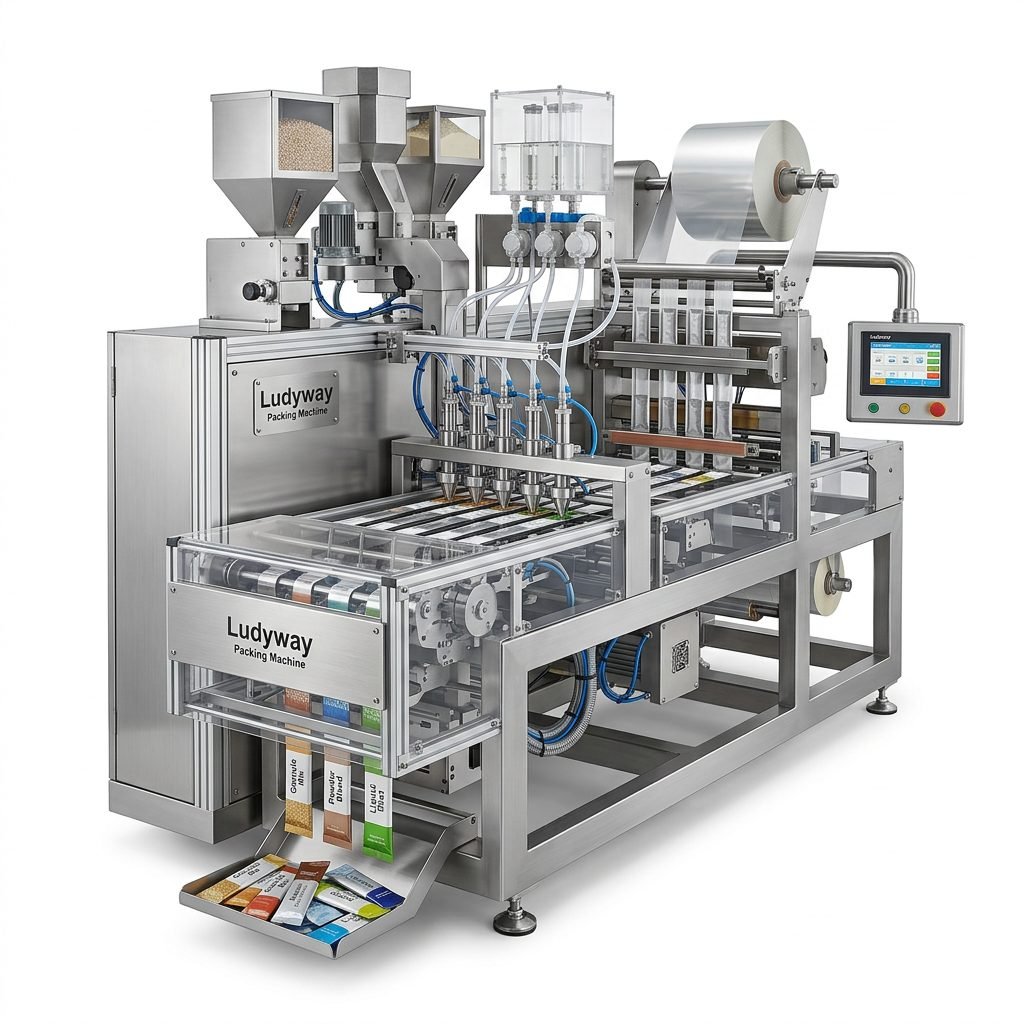
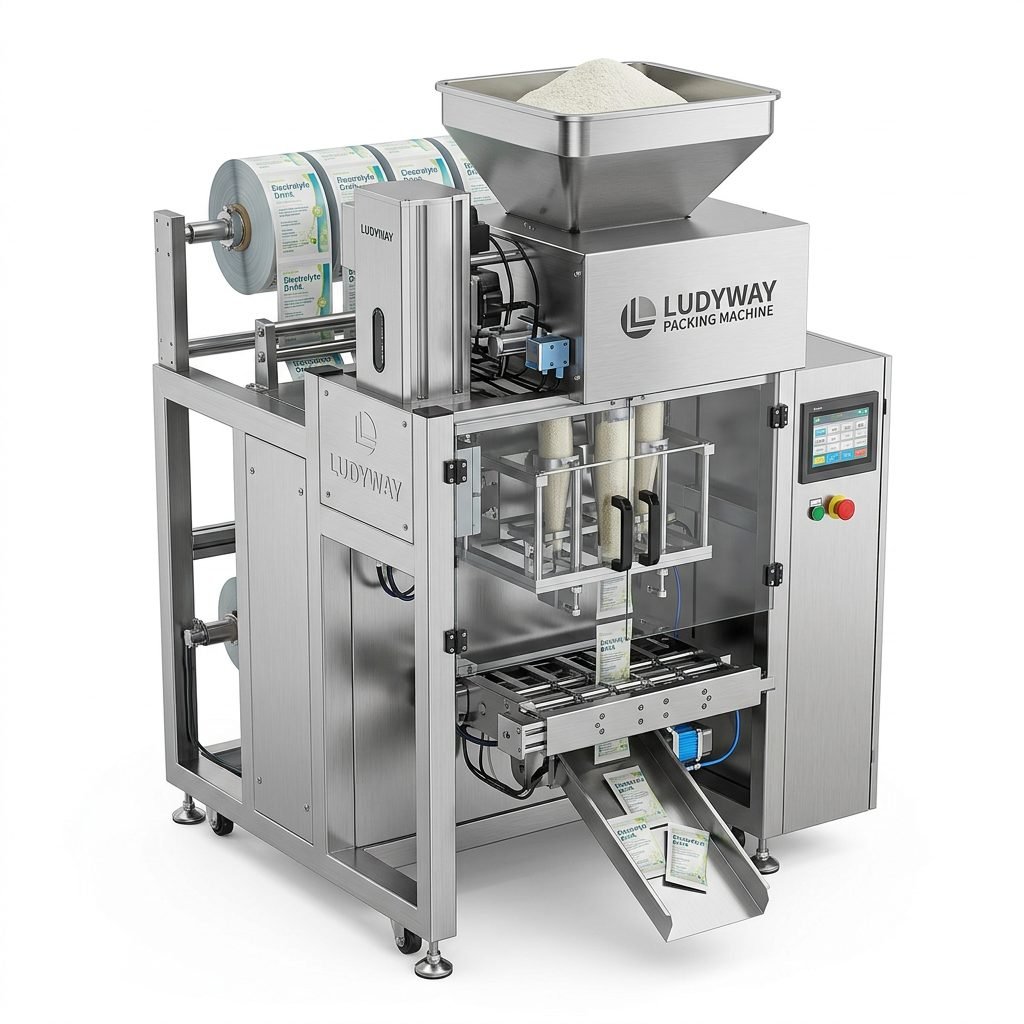
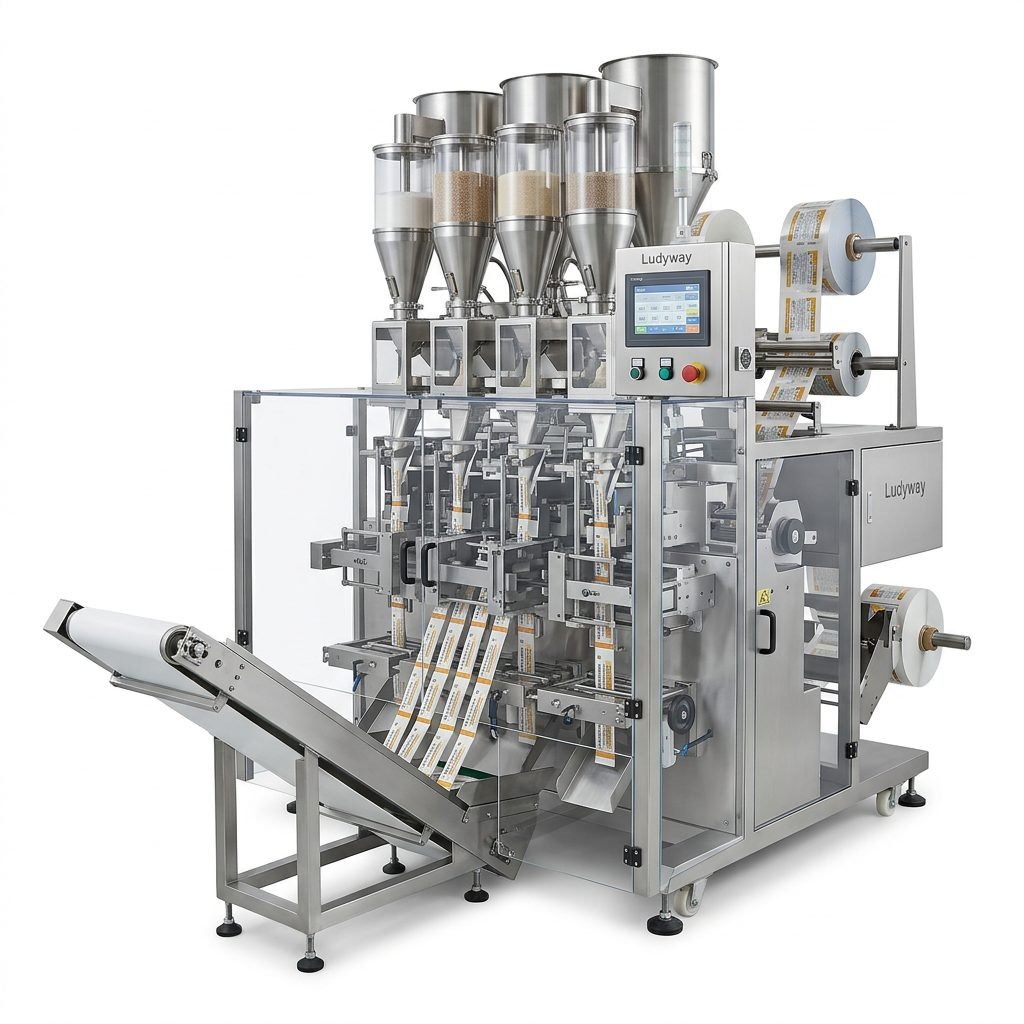
For businesses in Benin looking to scale production, improve product quality, and enter competitive markets, selecting the right packaging machine manufacturer is a critical strategic decision. The choice impacts everything from operational efficiency and product shelf life to compliance with local and international standards. This guide outlines the key factors to consider and provides a structured buying approach tailored for the Beninese market.
Understanding the Beninese Packaging Landscape
Benin’s economy is diverse, with strong sectors in agro-processing (like cashews, cotton, and shea butter), food & beverage, and pharmaceuticals. There is a growing demand for packaged consumer goods, both for domestic consumption and export, particularly within the ECOWAS region. Local manufacturers need packaging solutions that are:
Cost-Effective: Balancing initial investment with long-term ROI is crucial.
Adaptable: Machines must handle local raw material variations and diverse product formats (sachets, stick packs for single-serve portions are very popular).
Robust & Serviceable: Equipment must withstand local operating conditions, with accessible technical support and spare parts.
Partnering with an experienced international manufacturer who understands these regional nuances can provide a significant competitive edge.
Key Factor 1: Technical Expertise and Product Range
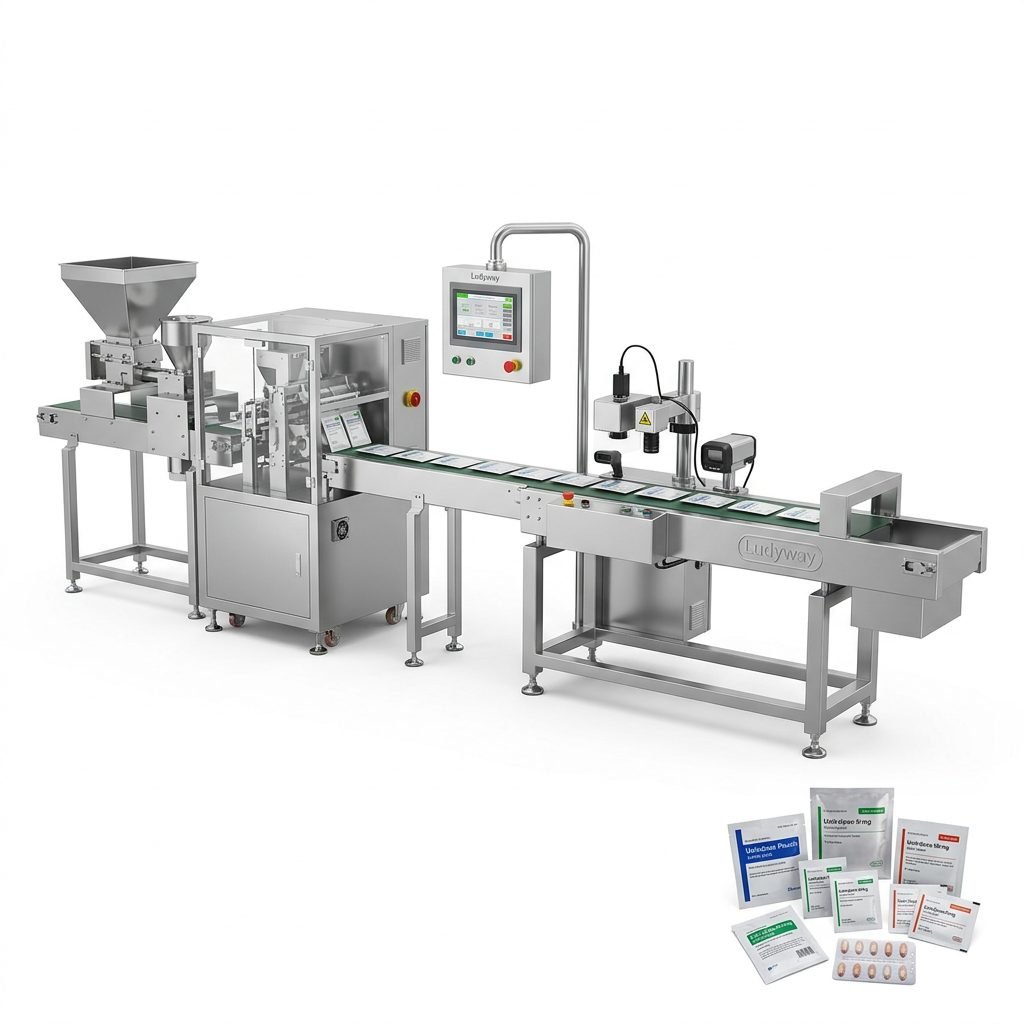
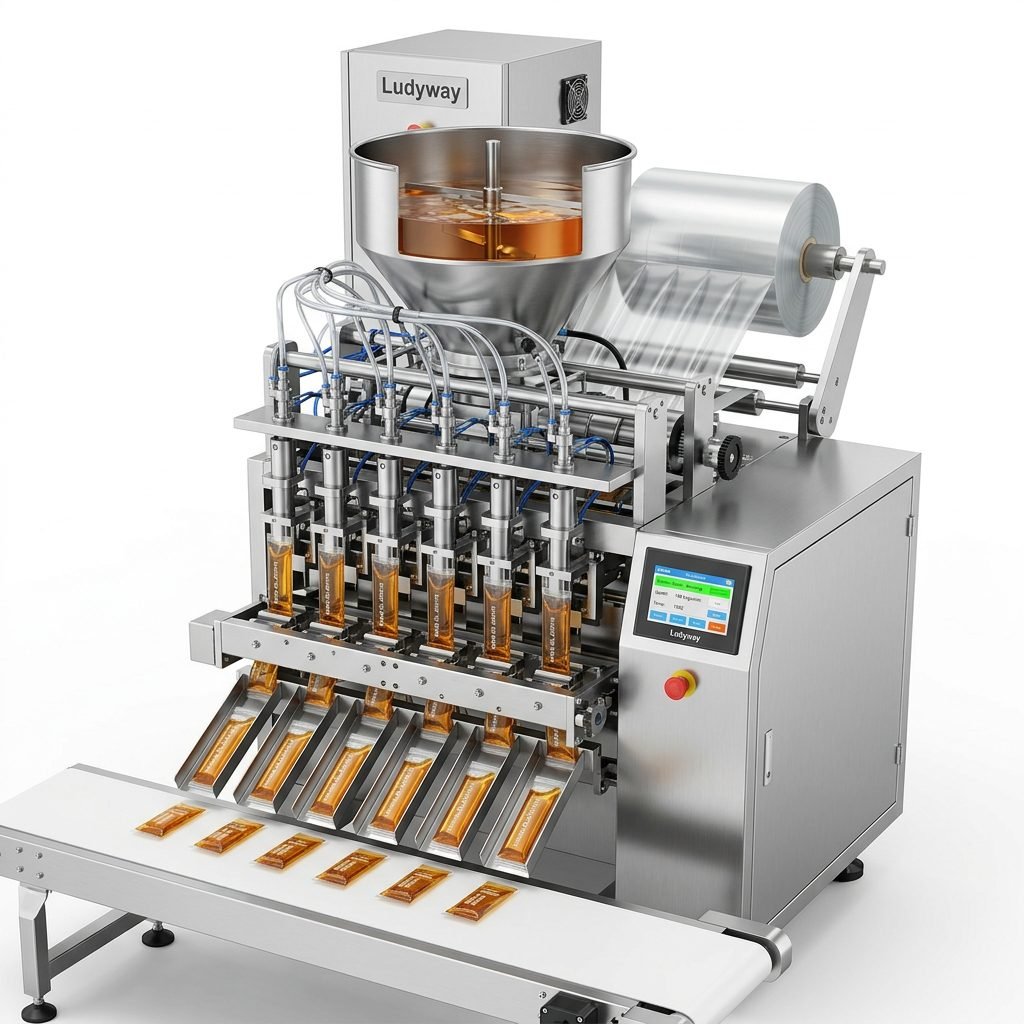
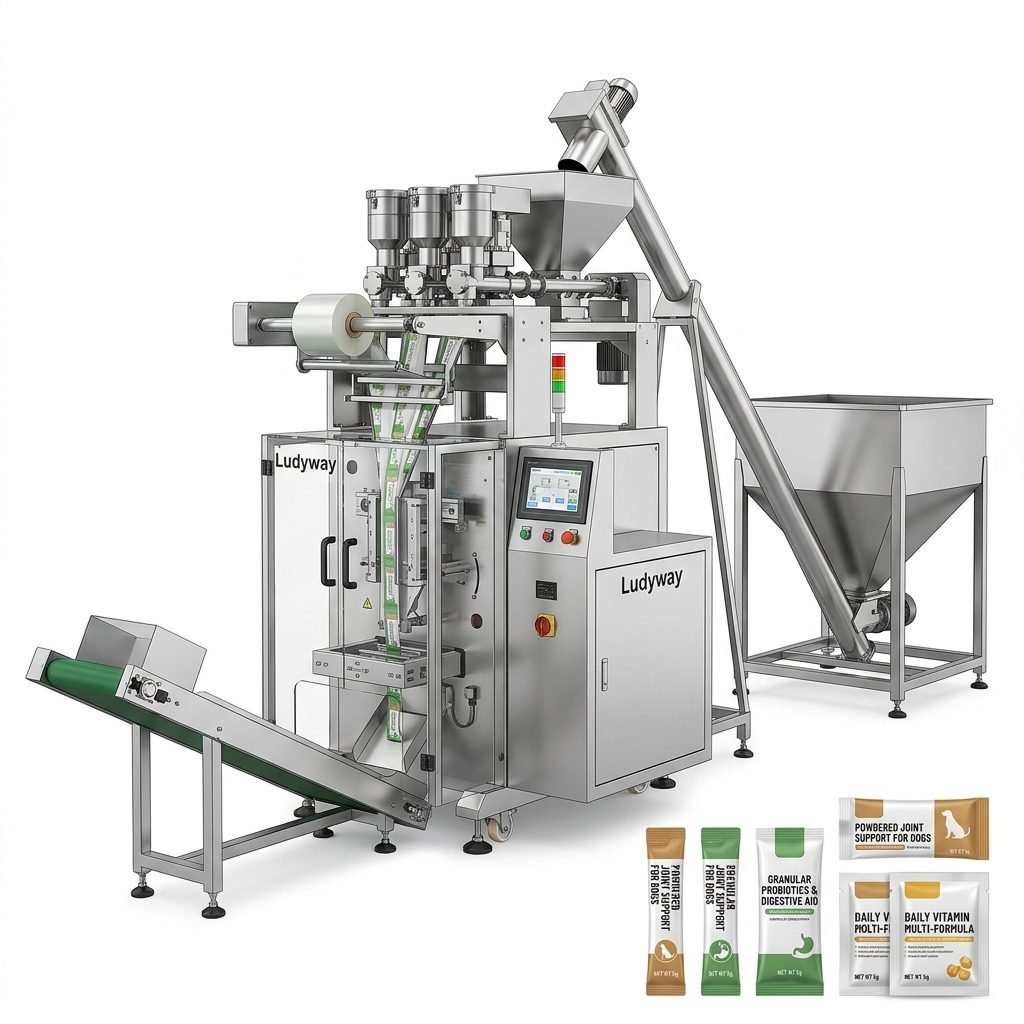
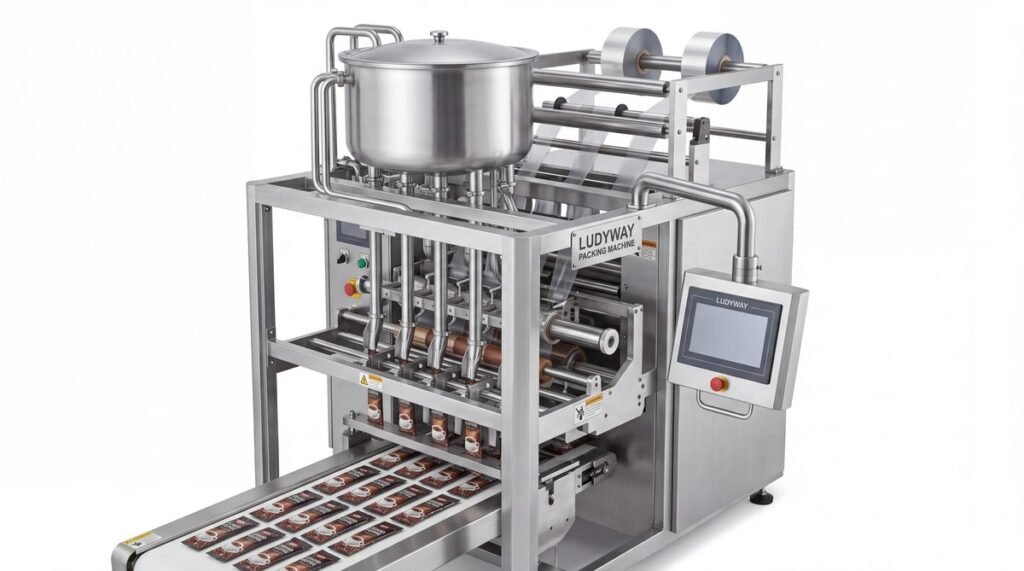
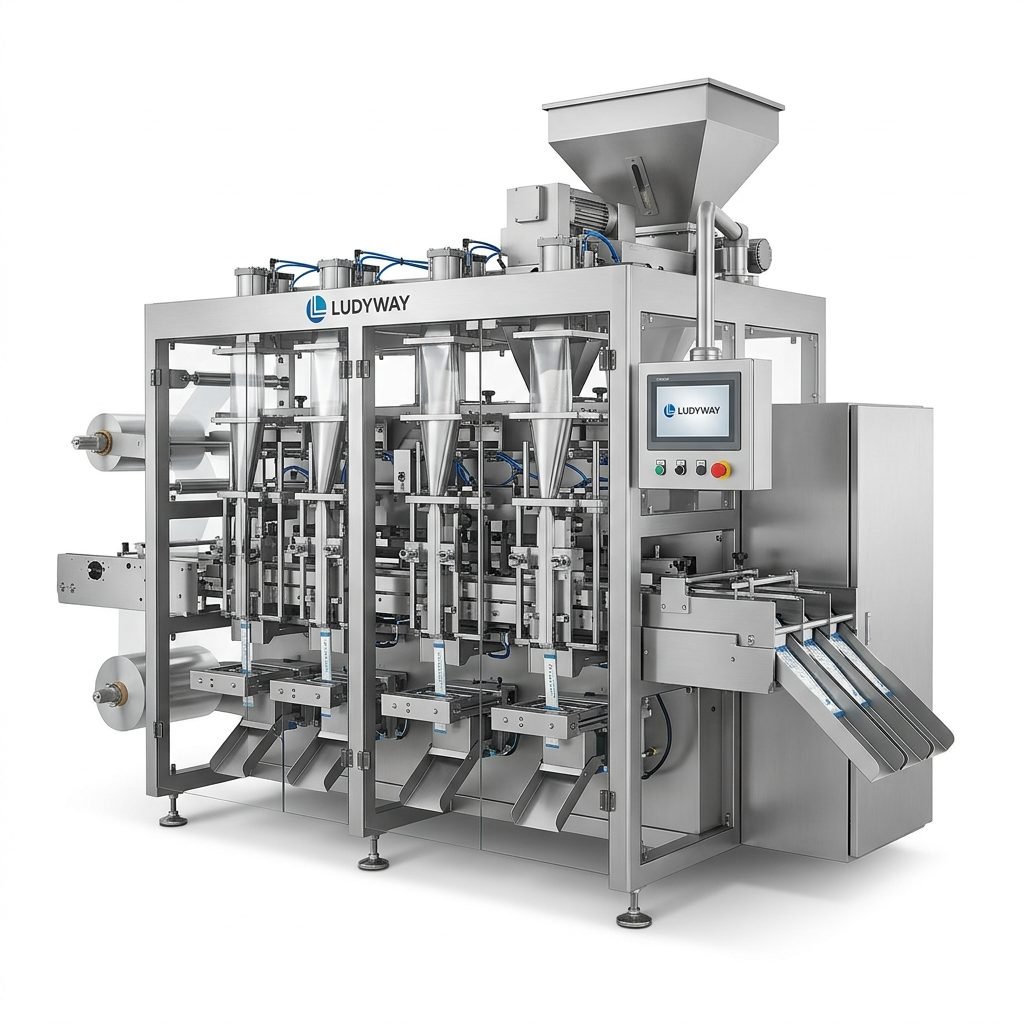
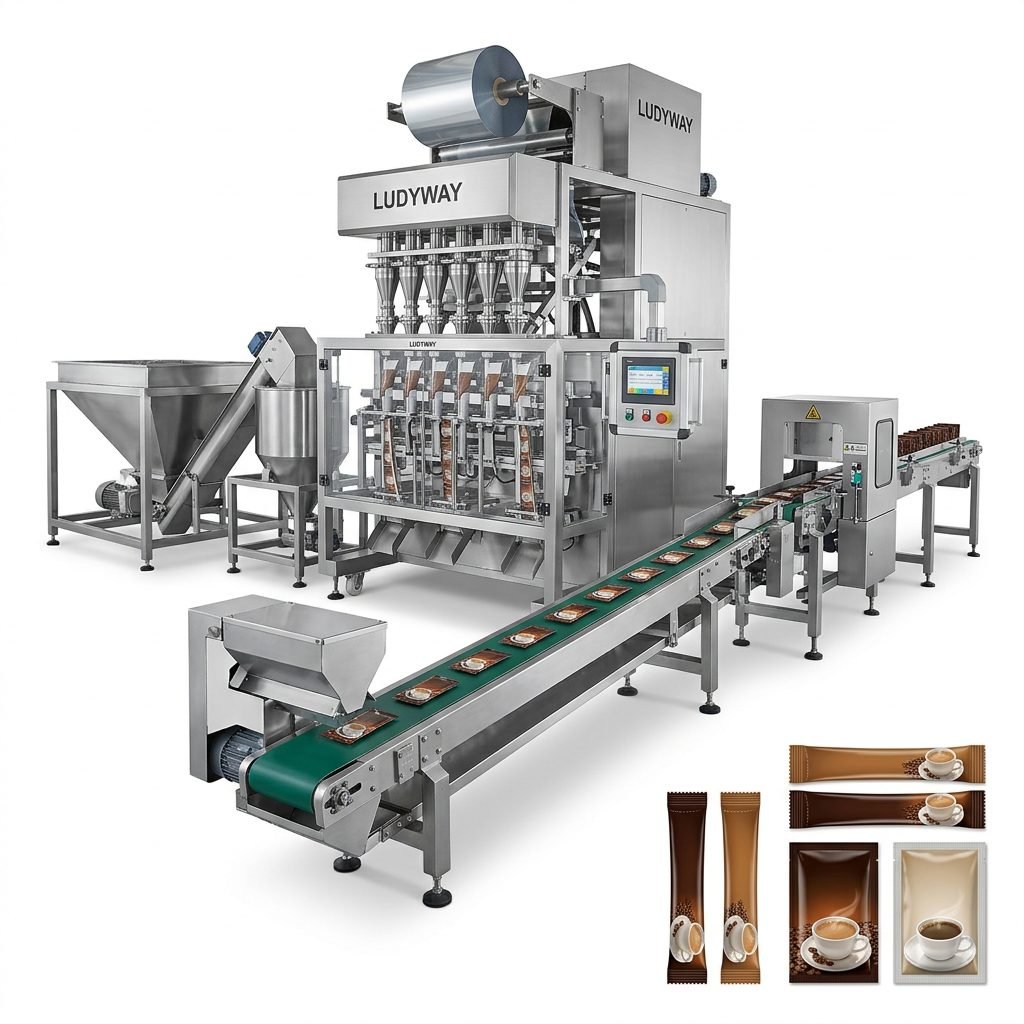
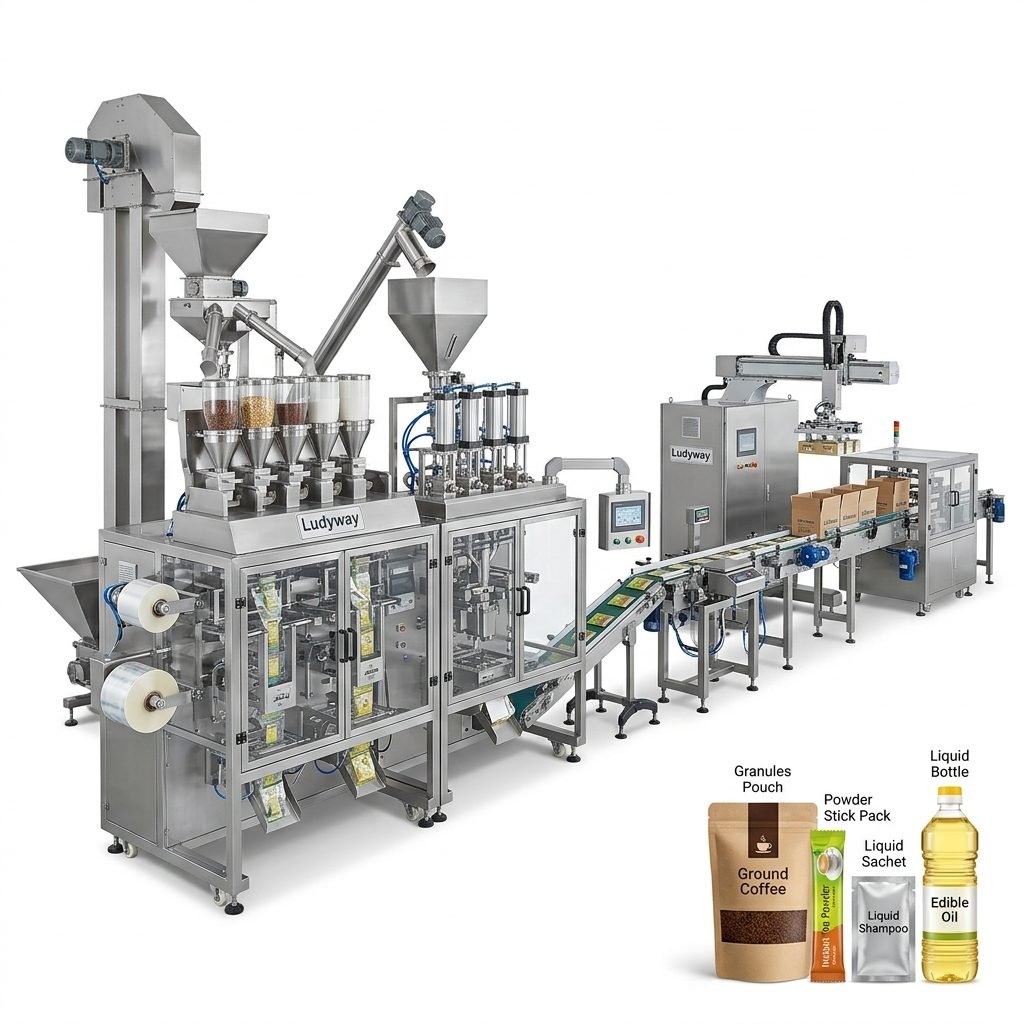
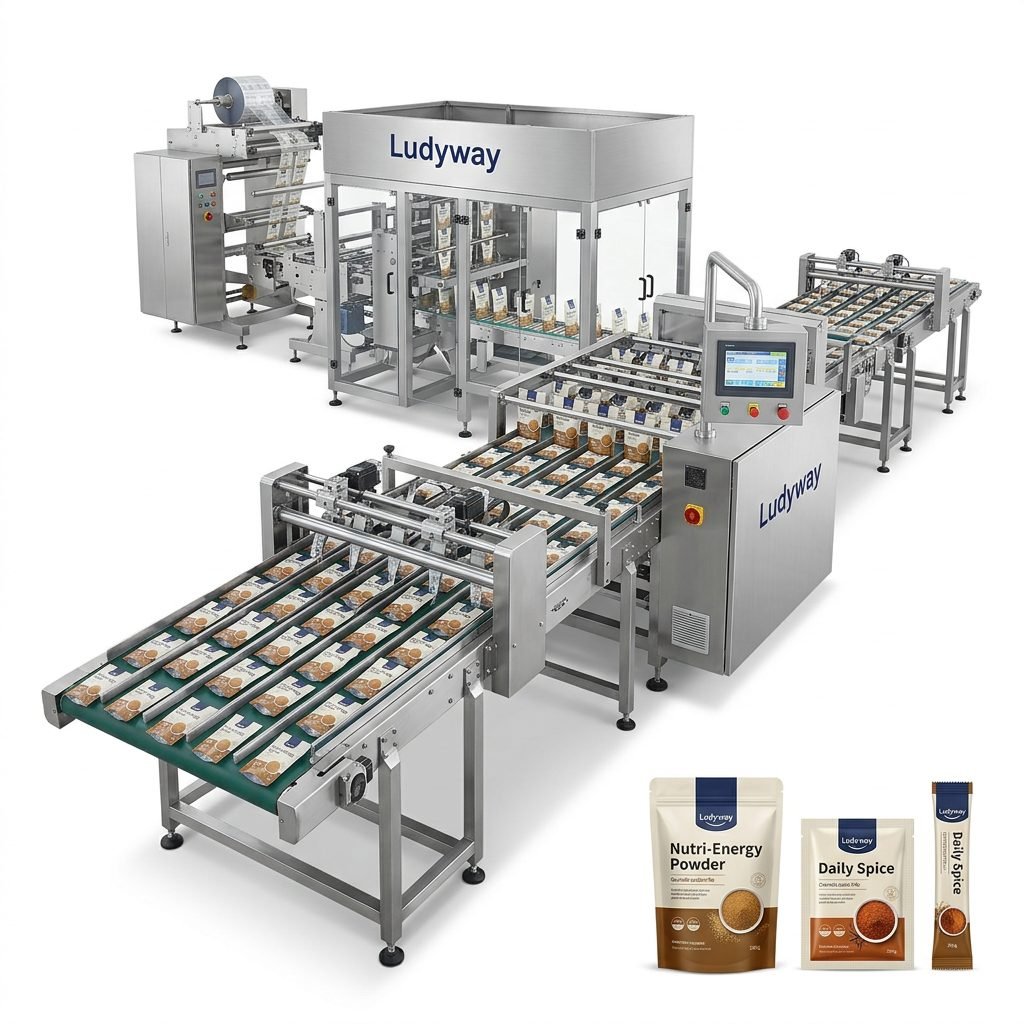
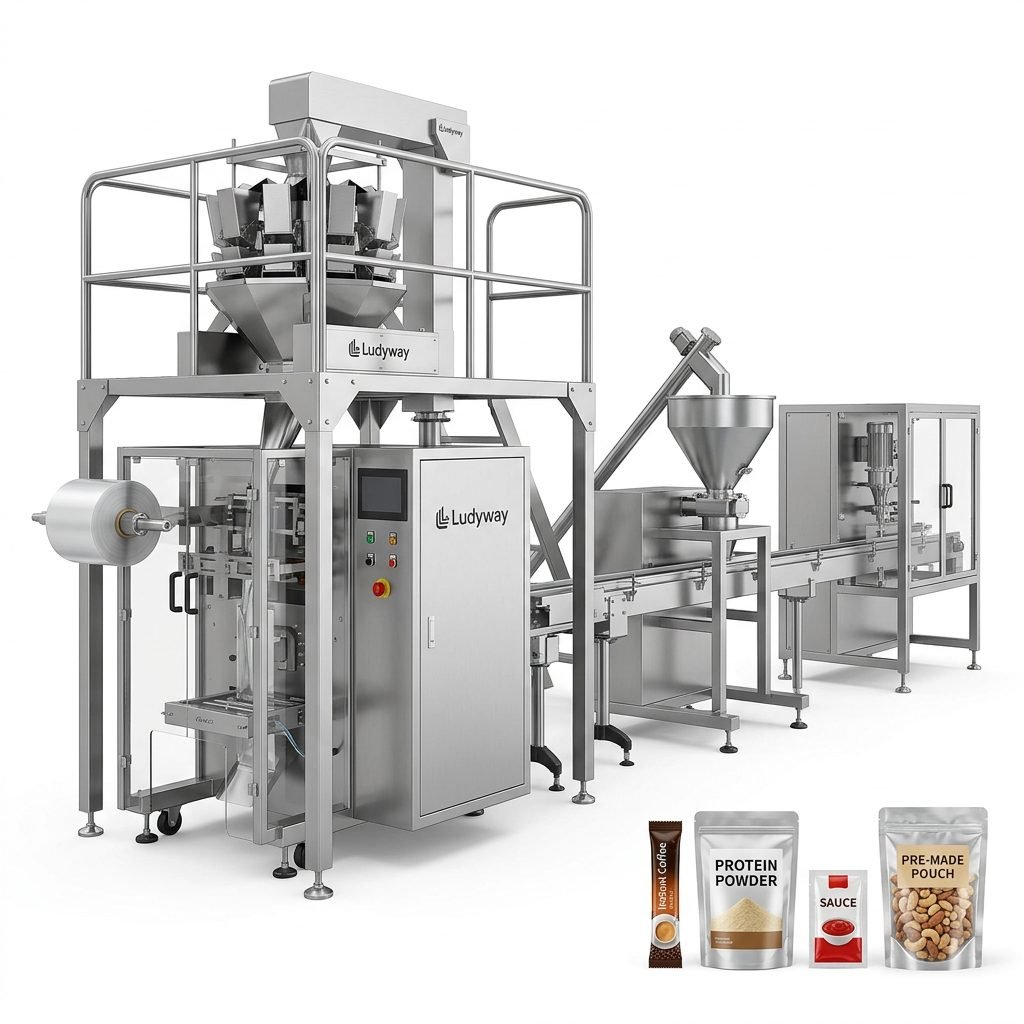
Evaluate the manufacturer’s core competence. Do they specialize in the type of packaging your product requires? For instance, a company like Ludyway offers over 50 models focused on granule, powder, liquid, and pouch packaging—highly relevant for Benin’s agro-food and pharmaceutical sectors. In contrast, a specialist like SnusMachinery focuses on nicotine and oral pouch formats. Ensure their standard machine range aligns with your primary needs, whether for multi-lane sachet packing, stick pack machines, or fully automated lines.
Key Factor 2: Manufacturing Capability and Quality Control
A manufacturer’s infrastructure is a direct indicator of reliability. Look for:
- Modern Production Facility: Size and technological level of the factory (e.g., Ludyway’s 20,000㎡ facility).
- In-house Engineering: Ability to customize and not just assemble imported parts.
- Quality Certifications: ISO standards, CE marking for safety.
- Production Process: Rigorous testing and quality control protocols from sourcing to assembly.
Companies like Packmate Machinery and PacklineOEM, which also position as large-scale manufacturers, should demonstrate similar concrete evidence of their production strength.
Key Factor 3: After-Sales Support and Local Service Network
This is arguably the most critical factor for Benin-based operations. Comprehensive support minimizes costly downtime.
What to Verify:
• Availability of installation supervision and commissioning by factory engineers.
• Training programs for your local operators and maintenance staff.
• Warranty terms and spare parts policy – clarity on lead times and costs.
• Existence of a regional service partner or the manufacturer’s commitment to dispatch technicians.
• Provision of detailed manuals, schematics, and troubleshooting guides.
Key Factor 4: Customization and Scalability
Your packaging needs will evolve. The right partner should offer flexible, modular machines that can be upgraded or integrated into larger lines later. Discuss future plans for increased speed, additional functions (like nitrogen flushing for shelf life, or cartoning), or different package sizes. Manufacturers specializing in turnkey and OEM solutions, such as PackingMachineOEM, are structured to provide this level of customization from the outset.
Key Factor 5: Cost Analysis and Value Proposition
Look beyond the initial machine price. Conduct a Total Cost of Ownership (TCO) analysis that includes:
- Energy and compressed air consumption.
- Expected maintenance costs and spare part pricing.
- Potential yield loss from machine inefficiency.
- Cost of consumables (like packaging film) and compatibility.
A slightly higher initial investment in a more efficient, reliable machine from a reputable manufacturer like Ludyway often results in lower TCO and higher productivity over 5-10 years.
Step-by-Step Buying Guide for Benin Importers
Step 1: Define Your Requirements
Document your exact needs: product type (viscosity, granule size), required output (bags/hour), packaging material, factory space, power supply, and budget range.
Step 2: Research and Shortlist Manufacturers
Use online resources, trade shows (where possible), and industry referrals to create a list of 3-5 potential suppliers. Focus on those with proven experience in your sector and with exports to West Africa.
Step 3: Due Diligence and Quotation
Contact shortlisted companies. Request detailed quotations, company profiles, client references (preferably in similar regions), and videos of machines in operation. Ask specific questions about shipping, import documentation assistance (like COO, commercial invoice), and delivery timelines to Cotonou port.
Step 4: Evaluate and Negotiate
Compare proposals not just on price, but on the completeness of the solution, warranty, and support terms. Negotiate to include essential training or a starter kit of critical spare parts in the deal.
Step 5: Finalize Contract and Logistics
Ensure the contract clearly specifies machine specifications, delivery terms (FOB/ CIF), payment schedule, warranty, and support obligations. Work with a reliable freight forwarder experienced in handling machinery imports to Benin to manage customs clearance and inland transportation.
Frequently Asked Questions (FAQs)
Q1: What are the main challenges of importing packaging machinery to Benin?
A: Key challenges include navigating customs procedures, ensuring proper documentation, managing logistics to your factory site, and arranging for qualified technician installation. Partnering with a manufacturer that offers export support and can recommend local freight partners is essential.
Q2: How can I ensure the machine will work with locally available packaging films?
A: During the quotation process, provide samples of the film you intend to use to the manufacturer. Reputable suppliers will test material compatibility and may suggest optimal specifications or suitable alternatives to ensure reliable sealing and operation.
Q3: Is after-sales support available remotely for Benin?
A: Yes, leading manufacturers offer remote support via video calls, phone, and email. They can guide your technicians through diagnostics and basic repairs. For major issues, they should have a clear protocol for dispatching engineers, though this involves travel planning and cost considerations.
Q4: What is the typical lead time for receiving a machine in Benin?
A: Lead time varies but typically ranges from 60 to 120 days after order confirmation. This includes manufacturing, testing, sea freight to West Africa (e.g., Cotonou), and customs clearance. Always confirm the detailed timeline with your supplier.
Q5: Can I get a machine that can package multiple product types (e.g., powder and granules)?
A: Many machines are versatile. Discuss your multi-product needs upfront. Manufacturers like Ludyway often offer models with interchangeable parts (like auger fillers for powder and cup fillers for granules) or can recommend a flexible machine design that minimizes changeover time and cost.