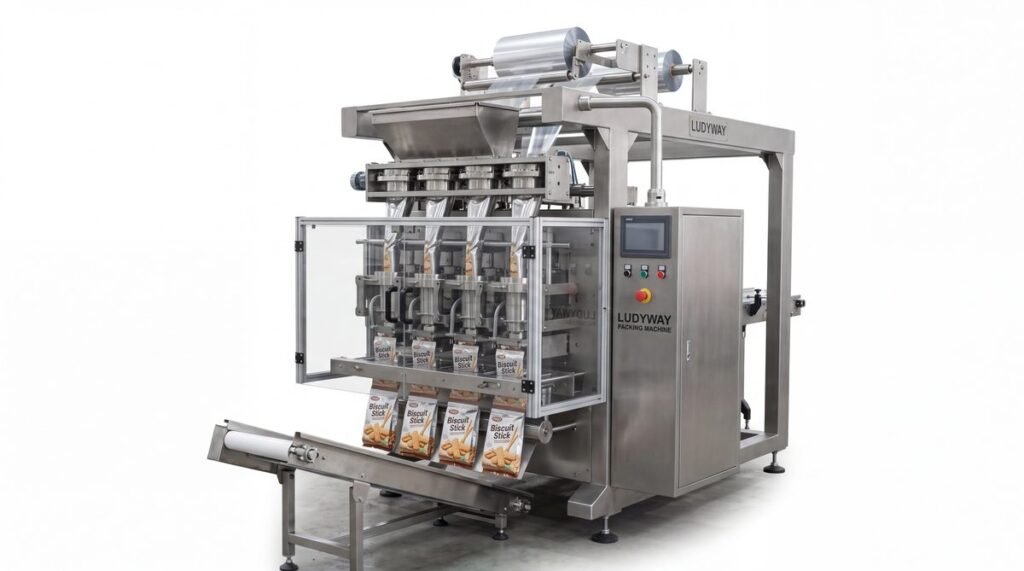
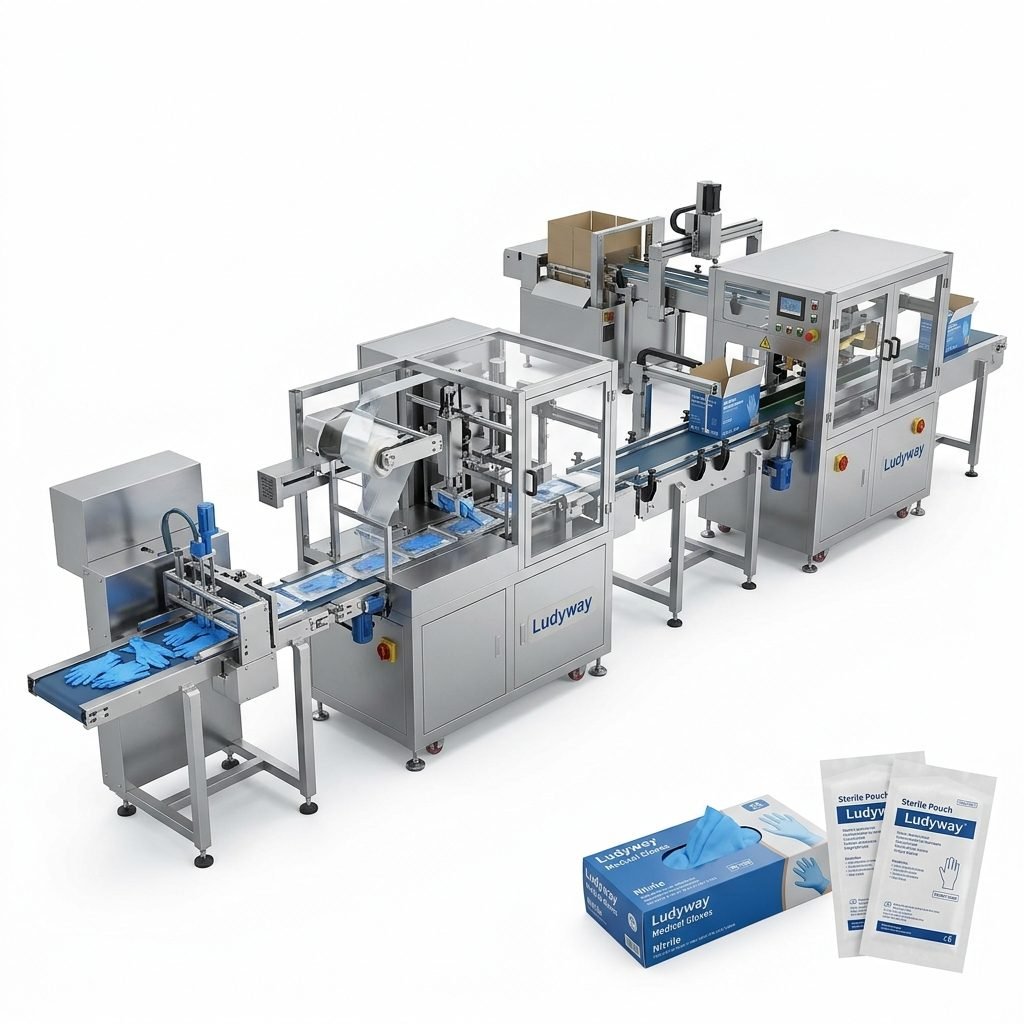
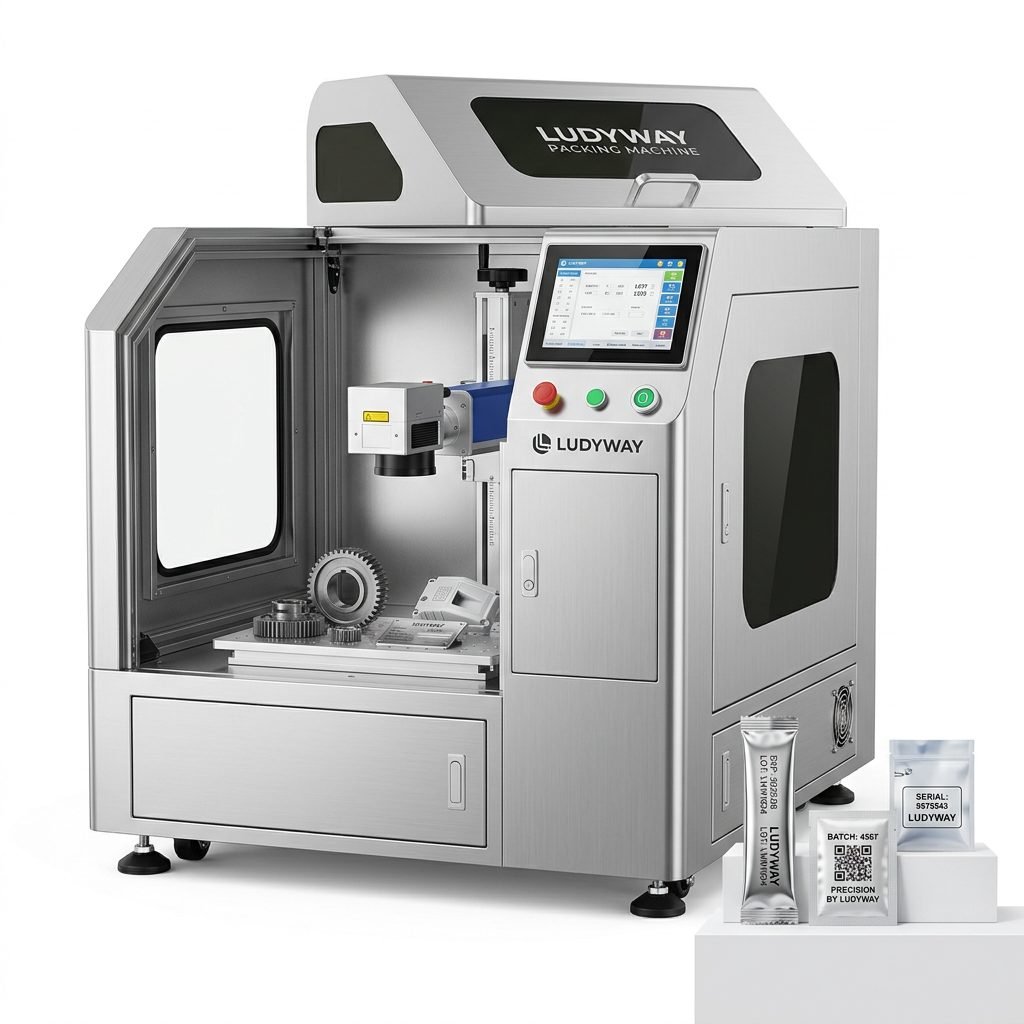
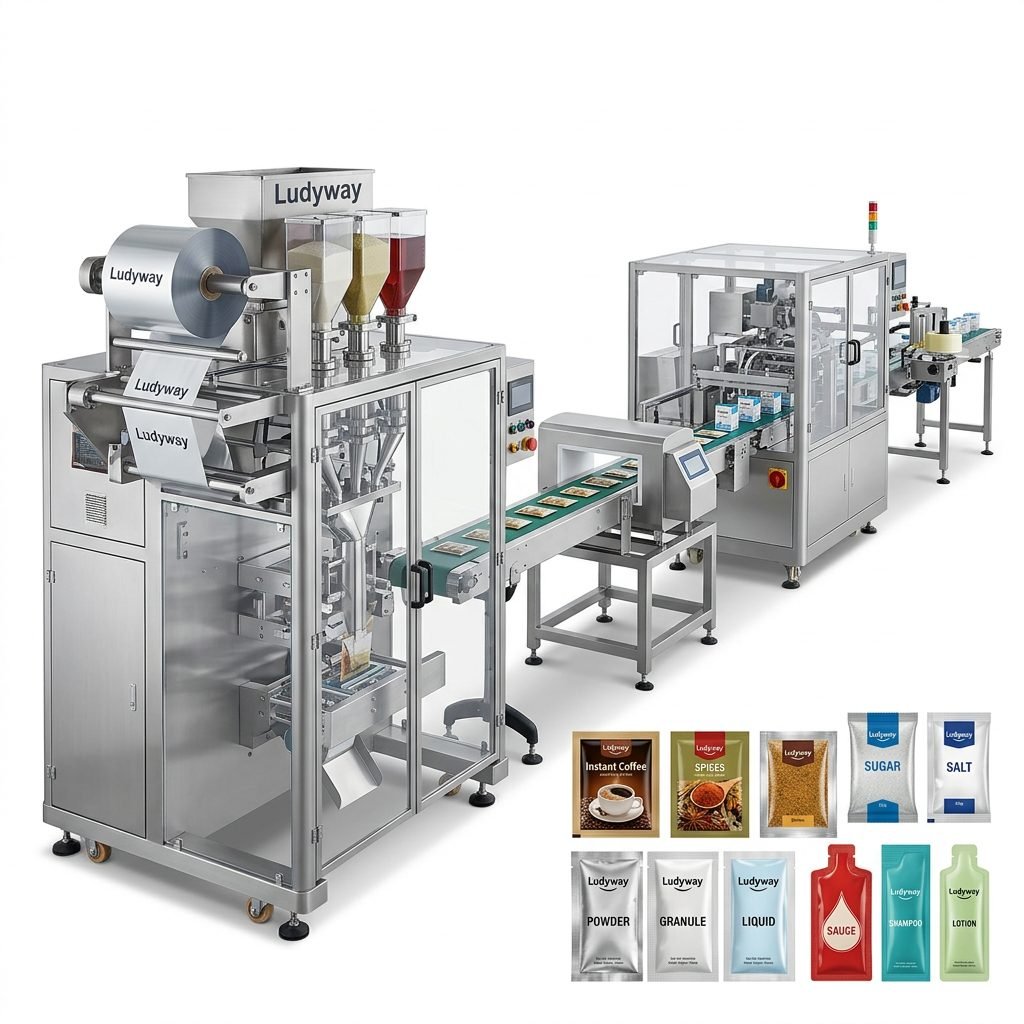
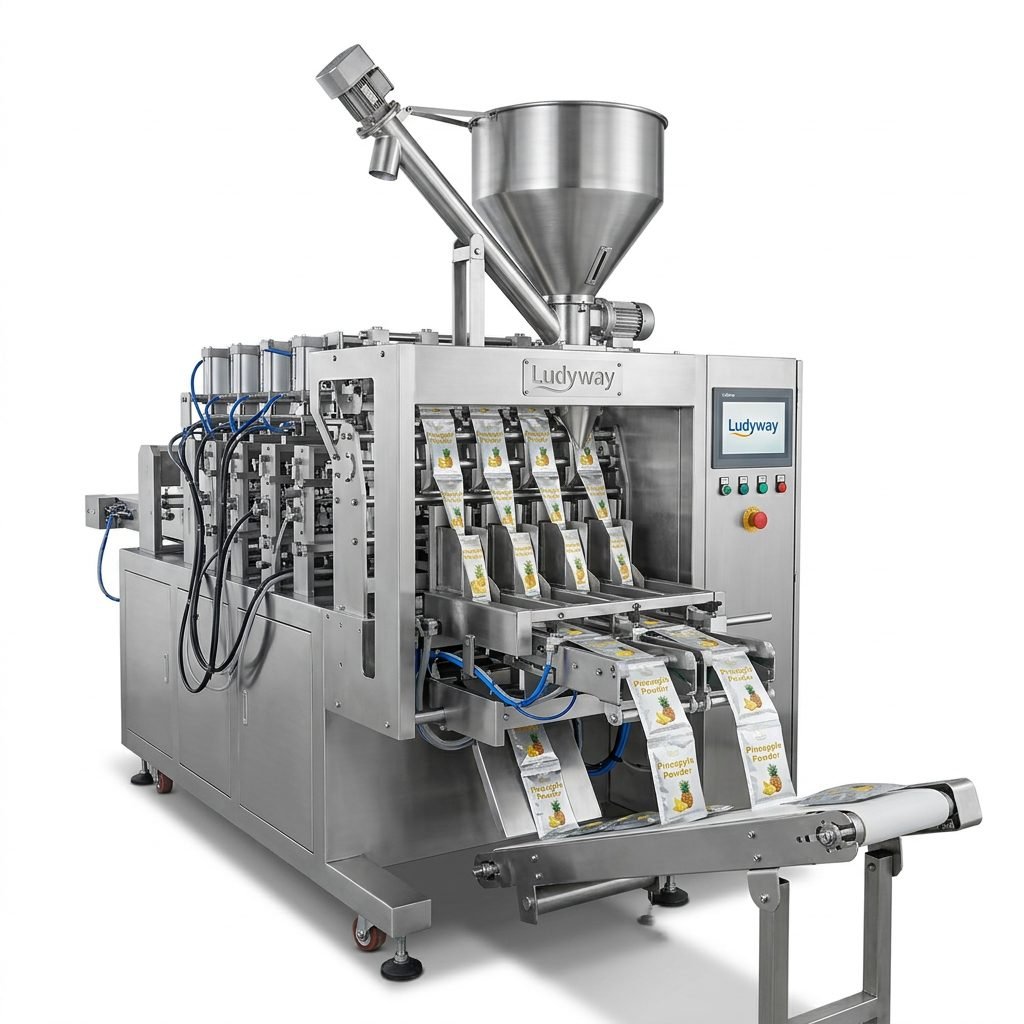
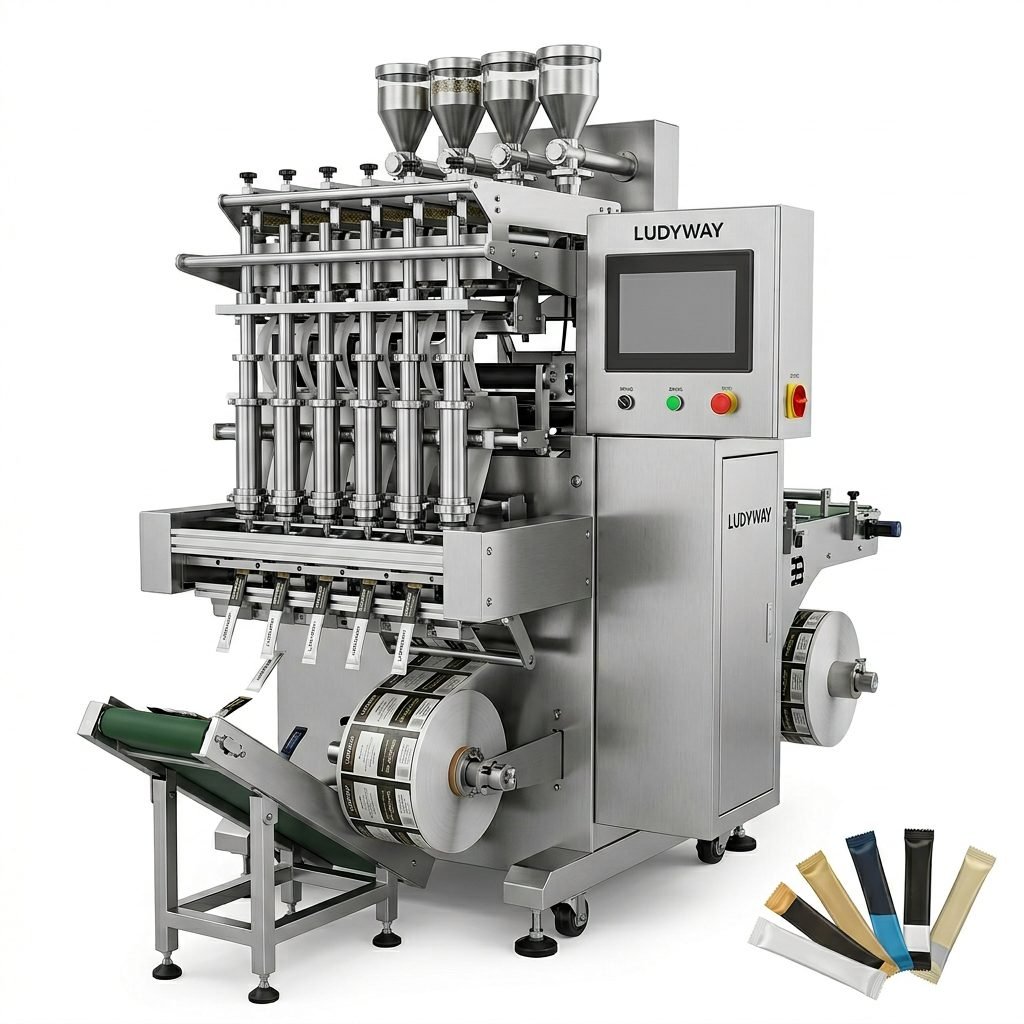
Carousel packaging machines represent a sophisticated automation solution widely adopted across modern production lines. These systems are designed for high-speed, multi-product packaging operations, offering remarkable efficiency and flexibility. Understanding their operational principles, key advantages, and optimal applications is essential for manufacturers seeking to enhance their packaging capabilities.
How a Carousel Packaging Machine Works
The core mechanism of a carousel packaging machine revolves around a rotating platform or turret that transports products through a sequential series of stations. This circular motion allows for continuous, non-stop operation, significantly increasing throughput compared to linear systems.
Stage 1: Product Loading
Products are automatically fed onto the rotating platform via integrated feeding systems such as conveyors, vibratory feeders, or robotic arms. Precision placement is critical at this stage to ensure smooth transition through subsequent packaging steps.
Stage 2: Packaging Material Application
As the carousel rotates, packaging materials—including films, pouches, or containers—are applied to the products. Advanced machines often incorporate real-time material adjustment capabilities to accommodate varying product dimensions.
Stage 3: Sealing & Closing
This station performs the sealing operation, which may involve heat sealing, ultrasonic sealing, or mechanical closing depending on the packaging material and product requirements. Consistent sealing quality is maintained through precise temperature and pressure control.
Stage 4: Quality Verification & Discharge
Before discharge, integrated sensors often perform quality checks for seal integrity, weight accuracy, or label placement. Approved packages are then directed to downstream handling systems such as cartoning machines or palletizers.
Key Operational Features
- Continuous Rotary Motion: Enables non-stop processing, eliminating idle time between cycles.
- Multi-Station Synchronization: Multiple operations occur simultaneously on different products rotating through the system.
- Adaptive Speed Control: Rotation speed can be adjusted to match upstream and downstream production line velocities.
- Integrated Diagnostics: Modern systems include self-monitoring features to detect and alert operational anomalies.
Key Benefits of Carousel Packaging Systems
Implementing carousel packaging technology offers manufacturers distinct competitive advantages in terms of productivity, versatility, and operational economics.
Enhanced Production Efficiency
The continuous rotary operation fundamentally eliminates the stop-start cycle common in linear systems. This translates directly into higher throughput rates, often achieving output improvements of 30-50% compared to alternative configurations. The synchronized multi-station processing allows packaging operations to occur in parallel rather than sequentially.
Exceptional Flexibility & Adaptability
Carousel machines are inherently designed to handle multiple product types and packaging formats within a single cycle. Quick-change tooling and programmable settings enable rapid switching between different product sizes, packaging materials, or sealing methods. This adaptability is particularly valuable for manufacturers producing varied product lines or requiring frequent packaging format updates.
Reduced Floor Space Requirements
The compact circular footprint of carousel systems optimizes production floor utilization. Compared to elongated linear packaging lines, carousel machines often require 20-40% less space while delivering equivalent or superior output. This space efficiency allows for more streamlined factory layouts or the integration of additional production modules within constrained areas.
Improved Operational Reliability
The mechanical simplicity of the rotating platform reduces the number of moving components involved in product transfer between stations. This design characteristic minimizes potential failure points and contributes to higher overall system reliability. Consistent motion also promotes uniform wear patterns, extending component lifespan and reducing maintenance frequency.
Economic Advantages
- Higher Output per Capital Investment: Greater productivity from equivalent equipment investment.
- Lower Labor Dependency: Automated continuous operation reduces manual intervention requirements.
- Reduced Material Waste: Precise synchronized operations minimize packaging material misapplication.
- Energy Efficiency: Continuous motion often requires less peak power than repetitive start-stop cycles.
Best Applications for Carousel Packaging Machines
The specific advantages of carousel packaging make them ideally suited for certain industry segments and product categories where their characteristics align closely with production requirements.
Food & Beverage Packaging
In food processing, carousel systems excel at handling items like snack bars, confectionery products, baked goods, and ready-to-eat meals. Their ability to maintain consistent speed is crucial for matching upstream cooking or preparation lines. The flexibility to accommodate varying product sizes supports food manufacturers producing multiple SKUs within shared production schedules. Hygiene-friendly designs with easy cleaning access further enhance their suitability for food applications.
Pharmaceutical & Healthcare Products
The precision and controlled environment of carousel packaging meet stringent pharmaceutical requirements for blister packs, tablet containers, medical device packaging, and diagnostic kit assembly. The synchronized stations allow for integrated quality verification steps without breaking production flow—a critical factor for regulated medical products. Adaptability supports batch changes between different medication formats or dosage presentations.
Cosmetics & Personal Care Items
For cosmetics, personal care, and beauty products, carousel machines efficiently package items like lipstick cases, compact containers, cream jars, and sample sachets. The system’s ability to handle delicate or irregularly shaped products without interruption aligns well with cosmetic manufacturing. Visual presentation consistency is maintained through uniform packaging application across the rotating platform.
Industrial & Technical Components
Carousel packaging is increasingly applied to industrial components such as electronic parts, hardware items, automotive components, and technical consumables. The high-speed operation supports large-volume packaging requirements, while flexibility accommodates mixed component batches. Protective packaging applications benefit from the consistent sealing and closing quality achieved through rotary processing.
Application Selection Considerations
- Product Uniformity: Best suited for products with consistent dimensions or controlled variability.
- Volume Requirements: Optimal for medium to high-volume production scenarios.
- Format Variety: Ideal applications involve multiple packaging formats within a production cycle.
- Line Integration: Works effectively within continuous production flows rather than isolated packaging steps.
Common Questions About Carousel Packaging Machines
What is the typical output range for carousel packaging systems?
Output capabilities vary significantly based on machine size, configuration, and product characteristics. Standard systems typically range from 50 to 400 packages per minute, while high-speed specialized models can achieve 600+ packages per minute. Actual output should be evaluated based on specific product parameters and packaging material properties.
How adaptable are carousel machines to different product sizes?
Modern carousel systems offer considerable adaptability through programmable settings and interchangeable tooling. Many models can accommodate product size variations of up to 300% without requiring mechanical overhaul. Quick-change features allow size adjustments within minutes rather than hours, supporting flexible production scheduling.
What maintenance requirements do these systems have?
Carousel machines generally require routine lubrication, belt tension verification, and sensor calibration. The rotational design often distributes wear patterns evenly, reducing sudden component failures. Preventive maintenance schedules typically involve monthly inspections and annual comprehensive servicing, with many modern systems incorporating automated maintenance alerts.
Can carousel machines integrate with existing production lines?
Integration capability is a key design feature of contemporary carousel packaging systems. Standard interfaces allow connectivity with upstream feeding equipment and downstream handling systems. Most manufacturers provide integration support including conveyor linking, control system synchronization, and throughput matching consultation.
What safety features are incorporated into carousel packaging equipment?
Standard safety implementations include guarded rotating components, emergency stop systems, interlocked access points, and motion detection sensors. Advanced systems may incorporate vision-based safety monitoring, automated fault isolation, and redundant braking mechanisms. Safety compliance typically meets international standards such as CE, UL, or ISO certifications.