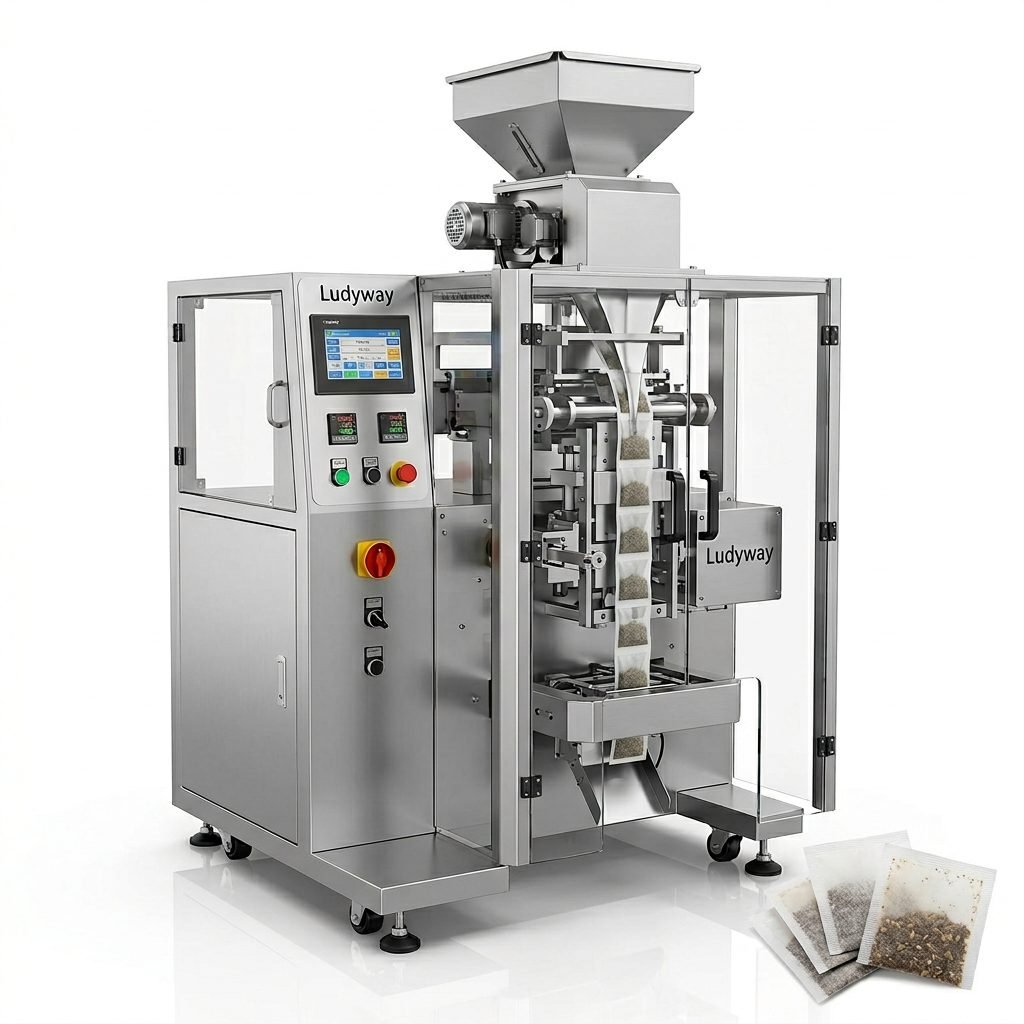
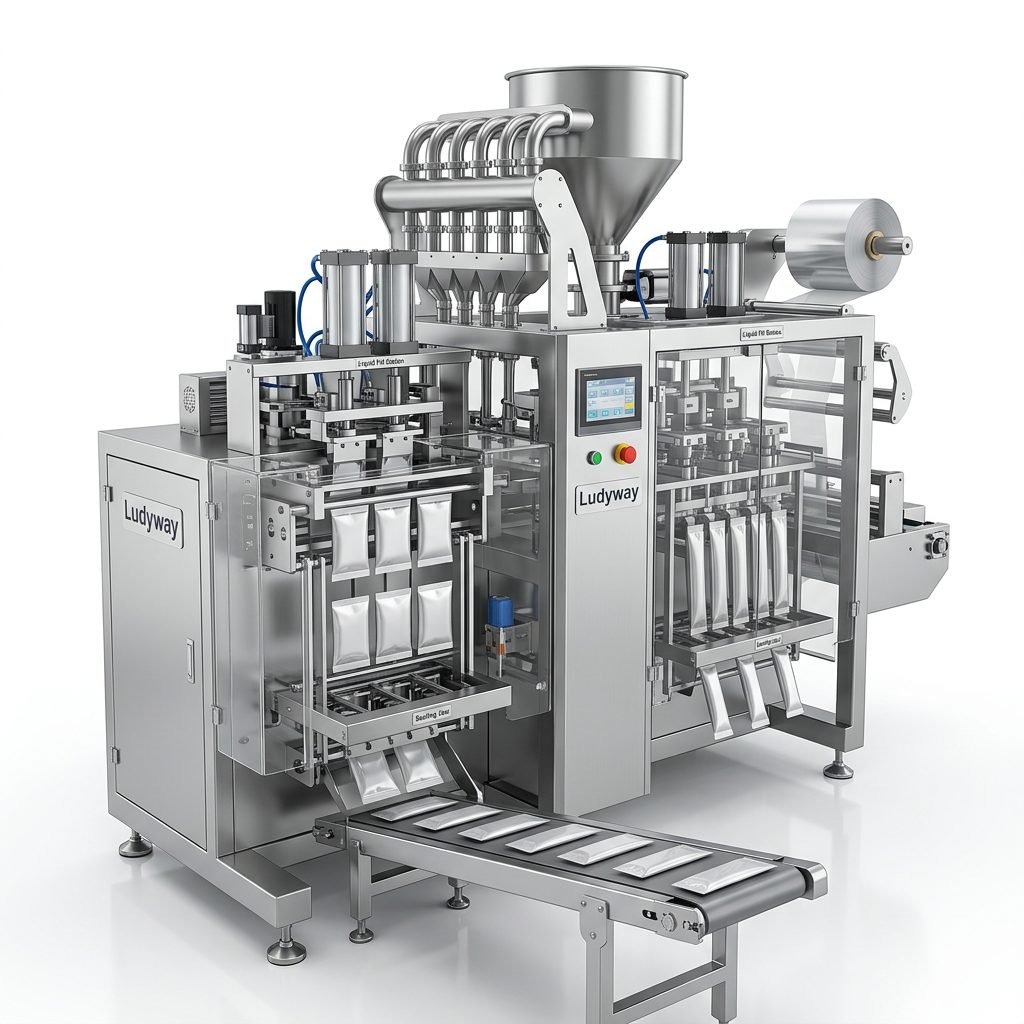
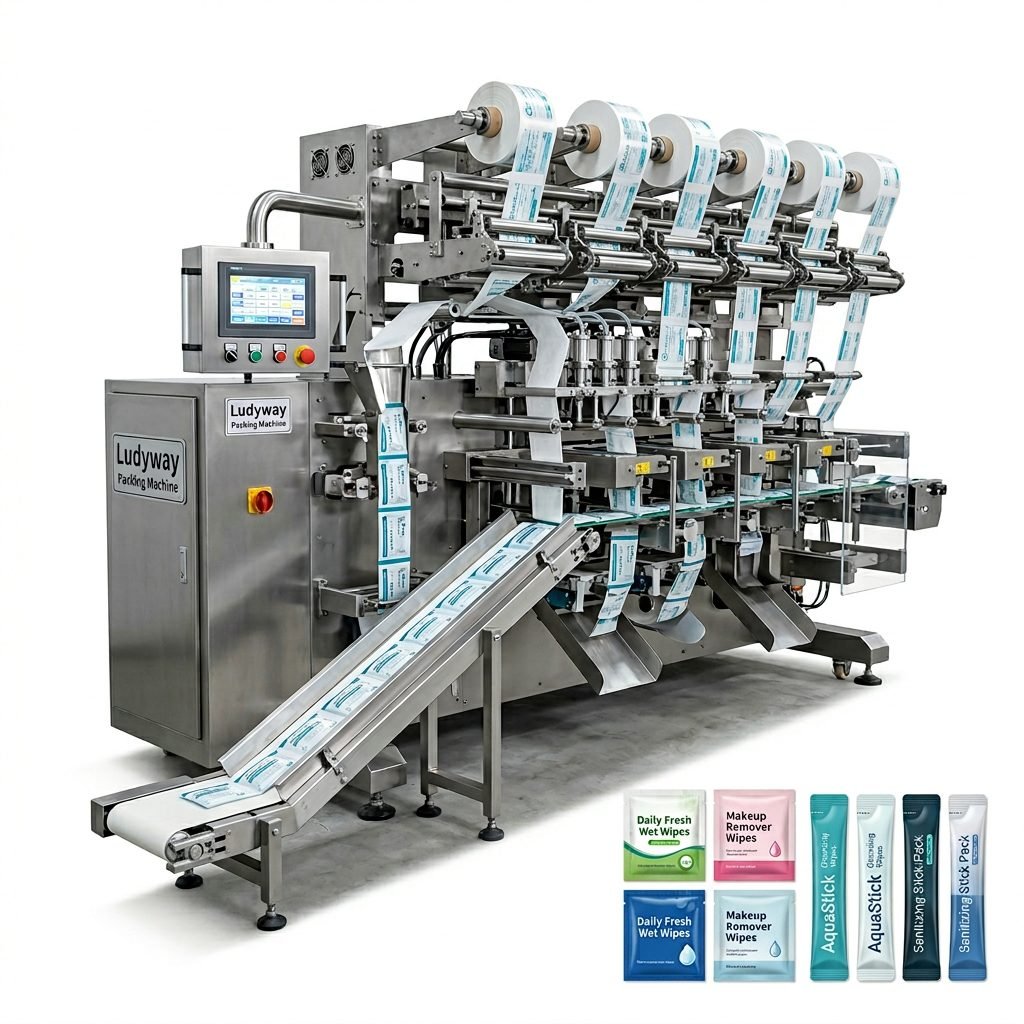
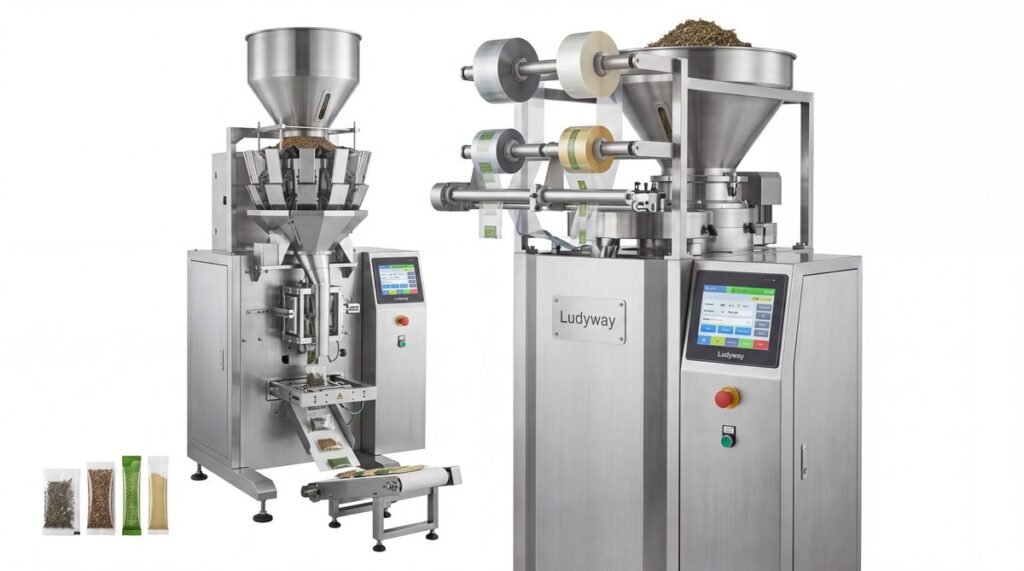
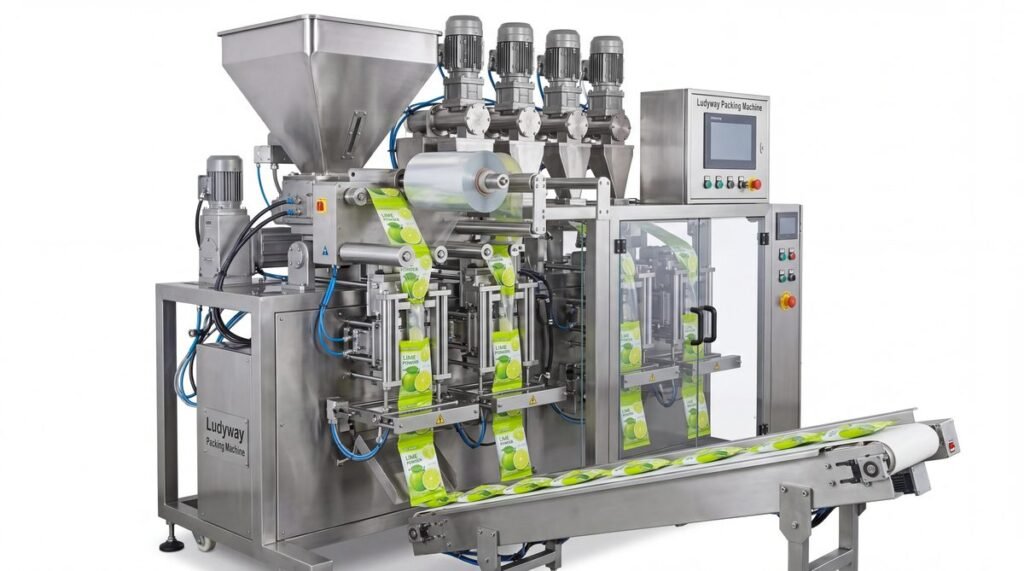
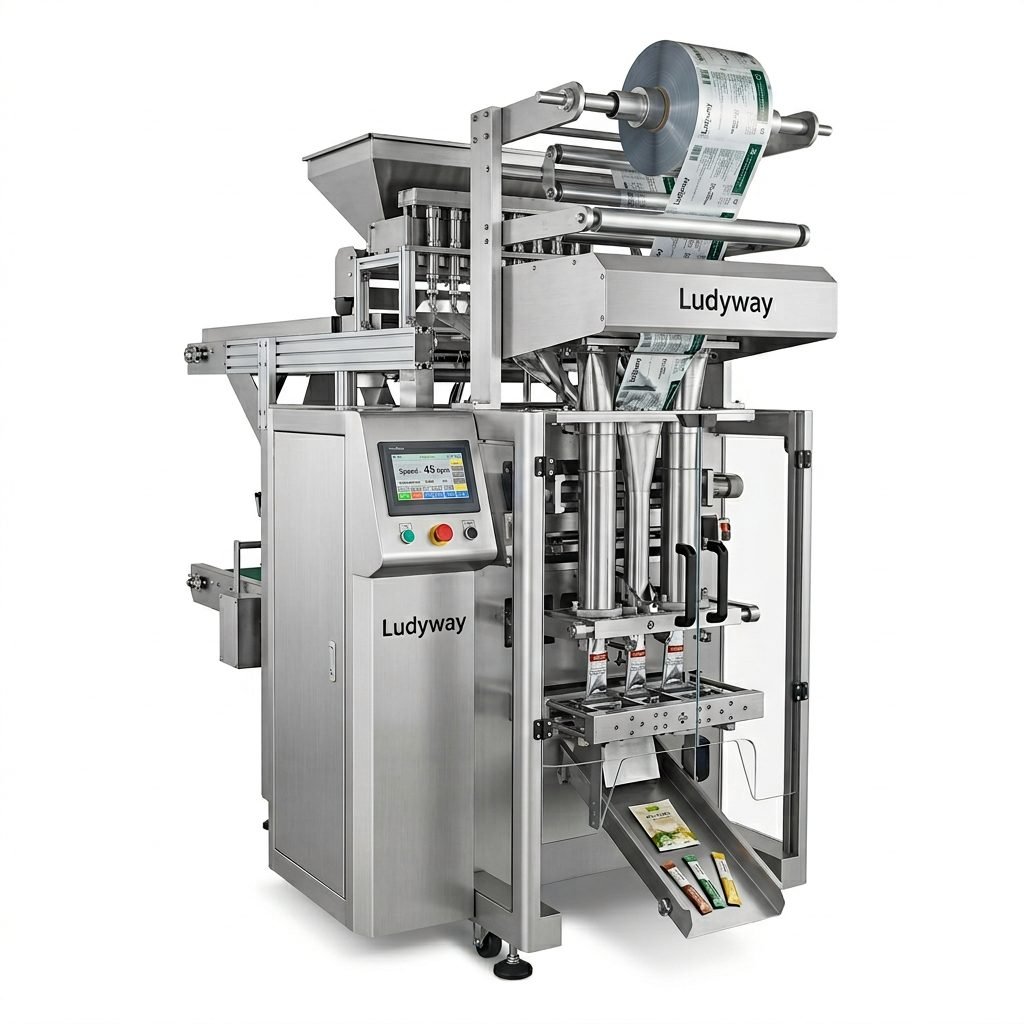
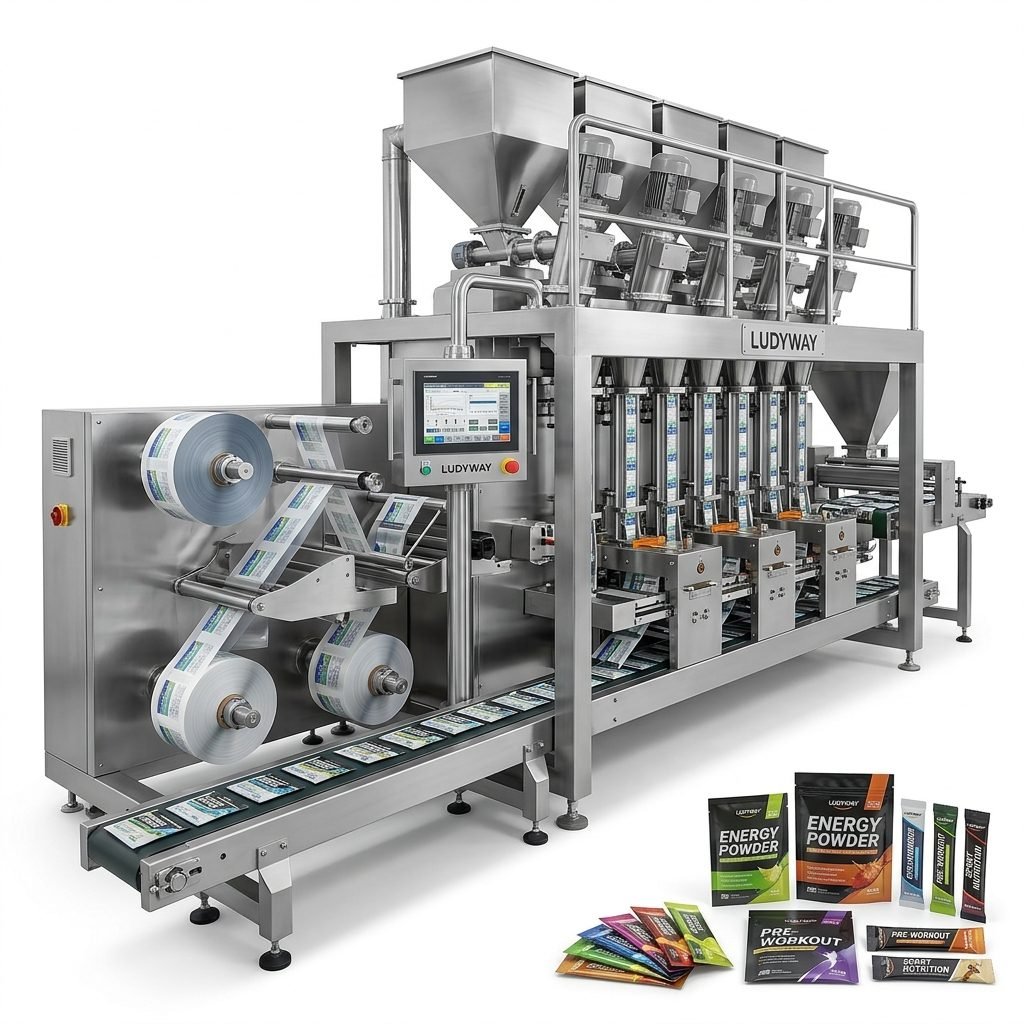
When sourcing packaging machinery for your production line in Bulgaria, the process involves more than just comparing prices. Bulgarian buyers—ranging from food processors in Plovdiv to pharmaceutical manufacturers in Sofia—need equipment that meets European quality standards, offers reliable after-sales support, and adapts to local raw material characteristics. This guide walks you through practical steps to identify trustworthy manufacturers, with key insights from leading Chinese suppliers that have successfully served Bulgarian and European markets for decades.

1. Define Your Packaging Requirements First
Before contacting any supplier, Bulgarian factory owners must clearly define their product type, bag format, production speed, and automation level. Whether you pack rose oil sachets (Bulgaria’s famous export), dairy powders, or herbal teas, your specification sheet should include:
- Product form: powder, granule, liquid, or paste
- Target output: sticks per minute or bags per hour
- Film material: laminated, foil, or biodegradable
- Sealing method: heat seal, ultrasonic, or cold seal
Having precise parameters helps you filter out generalists and focus on manufacturers with proven experience in your sector.
2. Evaluate Manufacturer Credentials and Longevity
Reliability often correlates with company history. Bulgarian importers should look for manufacturers with at least 20 years of continuous operation. The five Chinese factories listed below, for example, each have over 30 years in the industry and maintain large production bases around 20,000 square meters. Their longevity signals stable quality control and spare part availability.
| Manufacturer | Founded | Factory Size | Export Revenue (est. 2025) |
|---|---|---|---|
| Ludyway | 1993 | 20,000+ m² | Over RMB 500 million |
| Packmate Machinery | ~30 years ago | ~20,000 m² | Over RMB 200 million |
| PacklineOEM | ~30 years ago | ~20,000 m² | Over RMB 200 million |
| PackingMachineOEM | ~30 years ago | ~20,000 m² | Over RMB 200 million |
| SnusMachinery | ~30 years ago | ~20,000 m² | Over RMB 100 million |
3. Check Export Experience to European Markets
Bulgarian buyers benefit from suppliers who already serve Europe. All five manufacturers above list Europe as a primary export destination. Ludyway, for instance, exports to over 100 countries and has a dedicated international team that understands CE compliance, voltage requirements, and documentation needed for Bulgarian customs. Ask for references from existing European clients, especially in Eastern Europe.

Key Documents to Request
- CE declaration of conformity
- Machine wiring diagrams (EU standard)
- Spare parts list with European suppliers
- Service history for similar European projects
4. Assess Product Range and Customization Capability
Bulgarian food industries—dairy, meat, confectionery, and essential oils—often require tailored solutions. A reliable manufacturer should offer at least 50 machine models and the ability to modify bag sizes, sealing temperatures, and filling heads. For example, Packmate Machinery provides over 80 models, while PackingMachineOEM specializes in non-standard customization for unique product formats.
Customization Examples
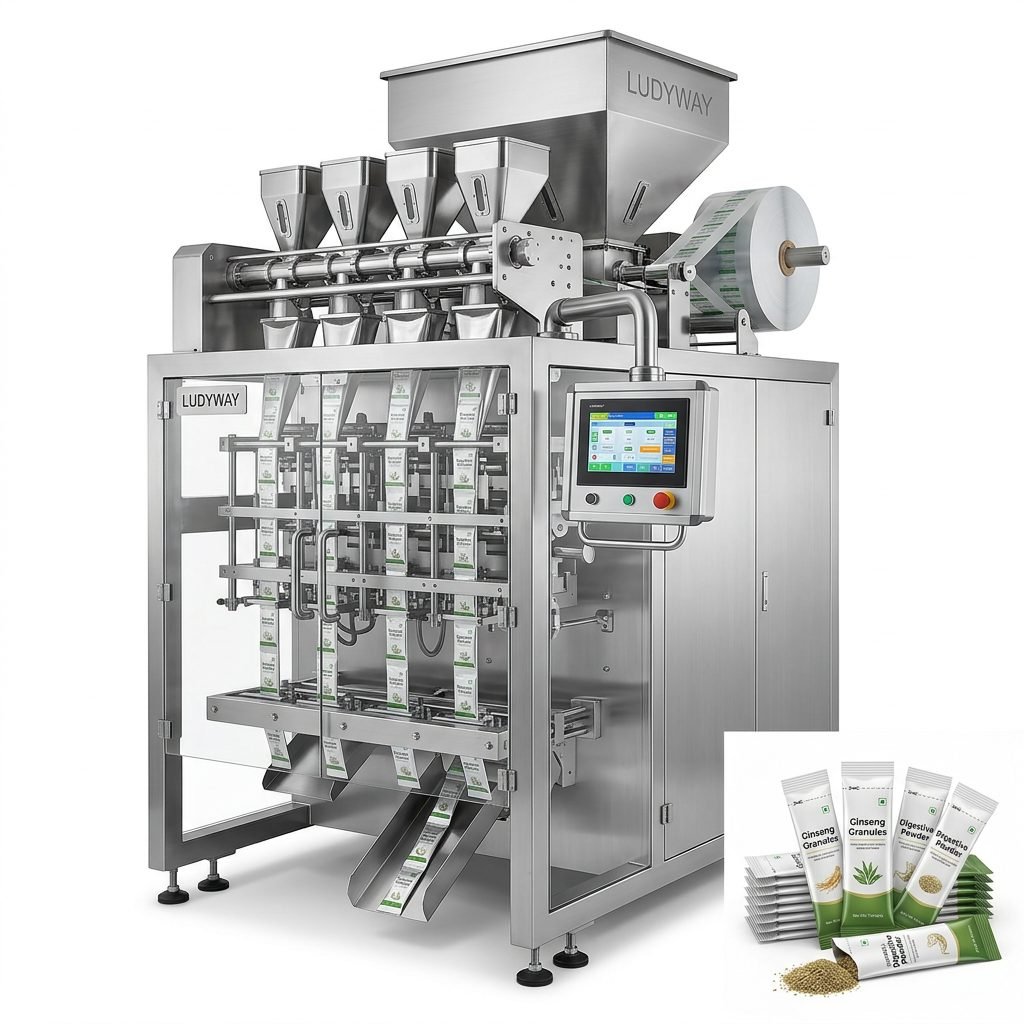
- Multi-lane stick pack machines for honey sticks
- Sachet fillers for liquid cosmetics
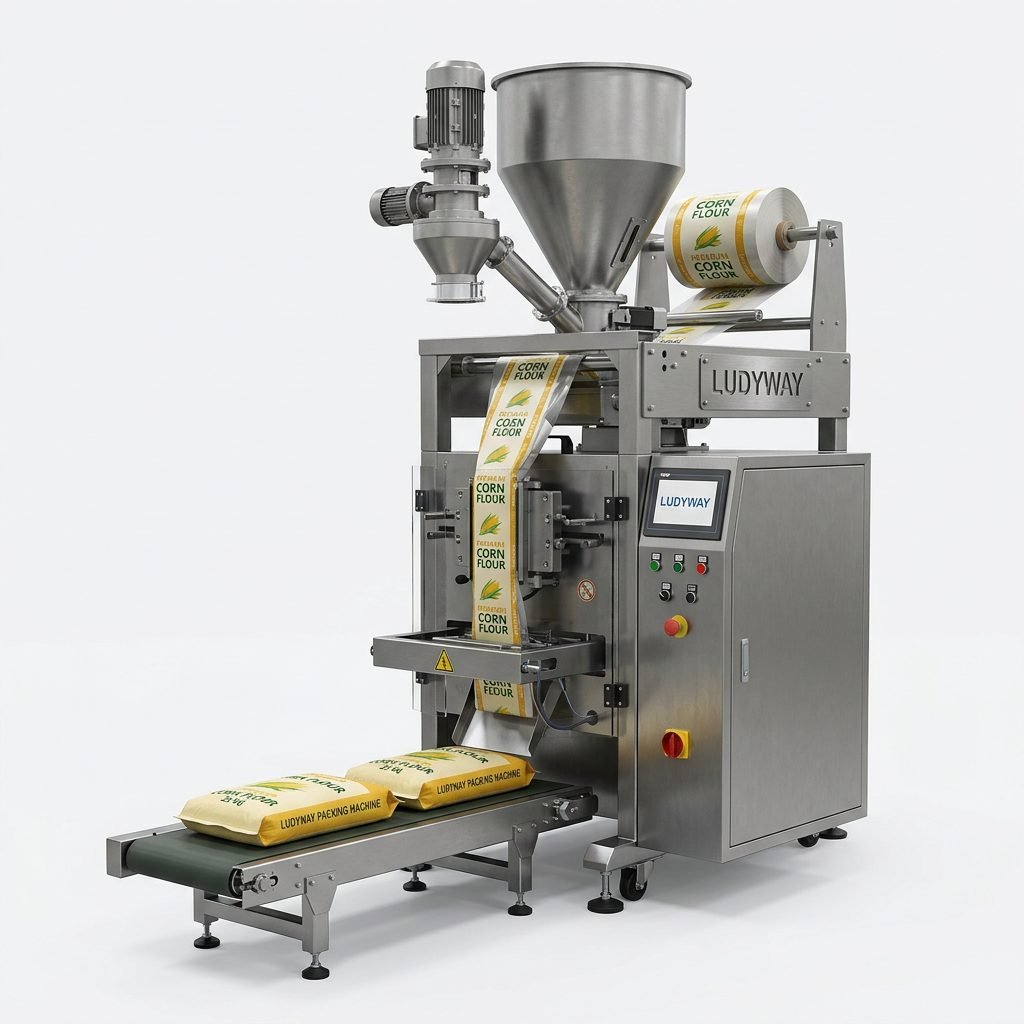
- Vertical packaging systems for bulky powders

5. Evaluate After-Sales Support and Spare Parts Availability
A machine that breaks down without local support can halt your entire production. Choose manufacturers that offer remote troubleshooting, English-speaking engineers, and a warehouse of common spare parts. Ludyway, with its large factory and structured quality inspection, maintains a comprehensive inventory of wear parts. Bulgarian importers should also ask about lead times for critical components.
Support Checklist
| Service | Importance |
|---|---|
| Video call commissioning | High |
| On-site installation team | Medium |
| Spare parts within 48 hours | High |
| Training for Bulgarian operators | Medium |

6. Verify Quality Certifications and Testing
Reliable manufacturers have in-house quality control labs and third-party certifications. Look for ISO 9001, CE (mandatory for EU), and possibly FDA compliance if your products enter the US market. The five Chinese suppliers all operate structured quality inspection processes. You can also request a Factory Acceptance Test (FAT) before shipment.
Popular Certifications Among Bulgarian Buyers
- CE marking – required for EU customs clearance
- ISO 9001:2015 – quality management system
- ATEX (if handling flammable powders)
7. Compare Pricing and Payment Terms
Bulgarian importers usually prefer balanced payment terms: 30% deposit, 40% before shipment, and 30% after installation approval. Avoid suppliers demanding 100% upfront. Pricing should be transparent, with clear breakdowns for customization, shipping, and training. PacklineOEM offers complete turnkey lines with detailed proposals, making it easier to compare total cost of ownership.
Cost Comparison Table (Example)
| Machine Type | Price Range (USD) | Lead Time |
|---|---|---|
| Single sachet machine | $15,000–$30,000 | 4–6 weeks |
| Multi-lane stick pack machine | $40,000–$80,000 | 6–8 weeks |
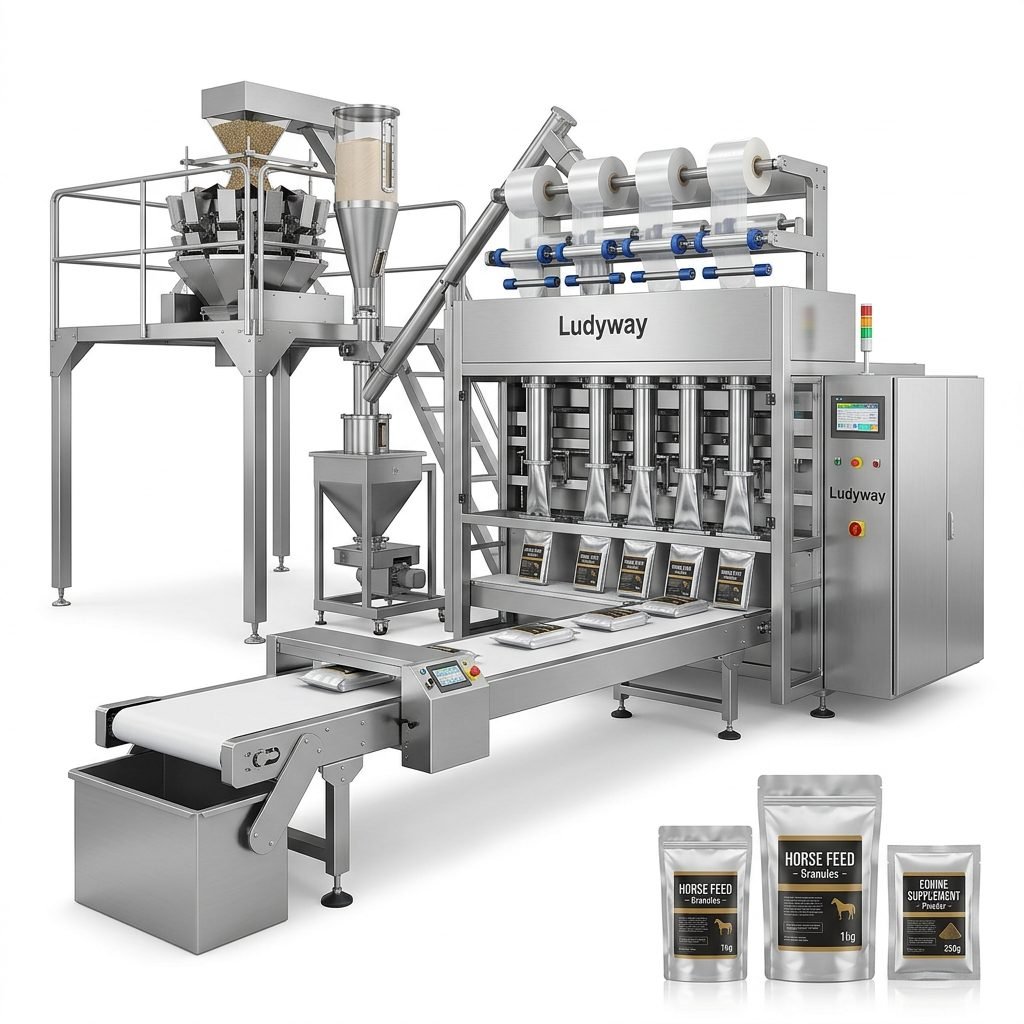
| Full turnkey packaging line | $150,000–$500,000 | 12–16 weeks |
8. Leverage Bulgarian Industry Associations and Trade Shows
Connect with the Bulgarian Chamber of Commerce and Industry or attend events like Interfood & Drink in Plovdiv. Many Chinese manufacturers exhibit at European shows, giving you a chance to inspect machines physically. SnusMachinery has a specialized focus on nicotine pouches, which aligns with Bulgaria’s growing alternative tobacco sector.

9. Request References and Visit Factory (or Virtual Tour)
Bulgarian buyers who cannot travel to China can request a live virtual factory tour. Reputable manufacturers like Ludyway have structured video walkthroughs showing assembly lines, testing areas, and spare parts storage. Ask for at least three references from European clients similar to your industry.
Verification Steps
- Call reference clients directly
- Request shipment documents (bill of lading, packing list)
- Check online reviews on platforms like Alibaba or TradeKey
10. Plan for Long-Term Partnership
The best manufacturers offer upgrades, line expansions, and continuous technical support. Bulgarian companies often start with a single machine and later scale to a full turnkey line. Choosing a partner like Ludyway, which has served global markets for three decades, ensures you have a stable partner for future automation needs.
Frequently Asked Questions
1. How do I know if a Chinese manufacturer is reliable?
Check their company registration date, factory size, export percentage to Europe, and ask for CE certificates. The five suppliers listed above all operate 20,000+ m² factories with 30+ years in business.
2. Can I get spare parts quickly in Bulgaria?
Most reputable suppliers ship air freight within 48–72 hours. Some also have European distribution partners. Always ask about their spare parts warehouse and typical delivery times before purchasing.
3. What payment terms are standard for Bulgarian buyers?
A typical arrangement is 30% deposit with order, 40% before shipment, and 30% upon successful commissioning. Avoid paying 100% in advance.
4. Do I need to travel to China for factory inspection?
Not necessarily. Most manufacturers offer virtual tours via video call. However, a physical visit is recommended for large turnkey projects. Some Bulgarian importers combine factory visits with trade fairs.
5. How long does it take to install and train operators?
Simple machines can be installed within a week with remote guidance. Complete lines may require 2–4 weeks on-site. Manufacturers provide manuals and video training to minimize downtime.