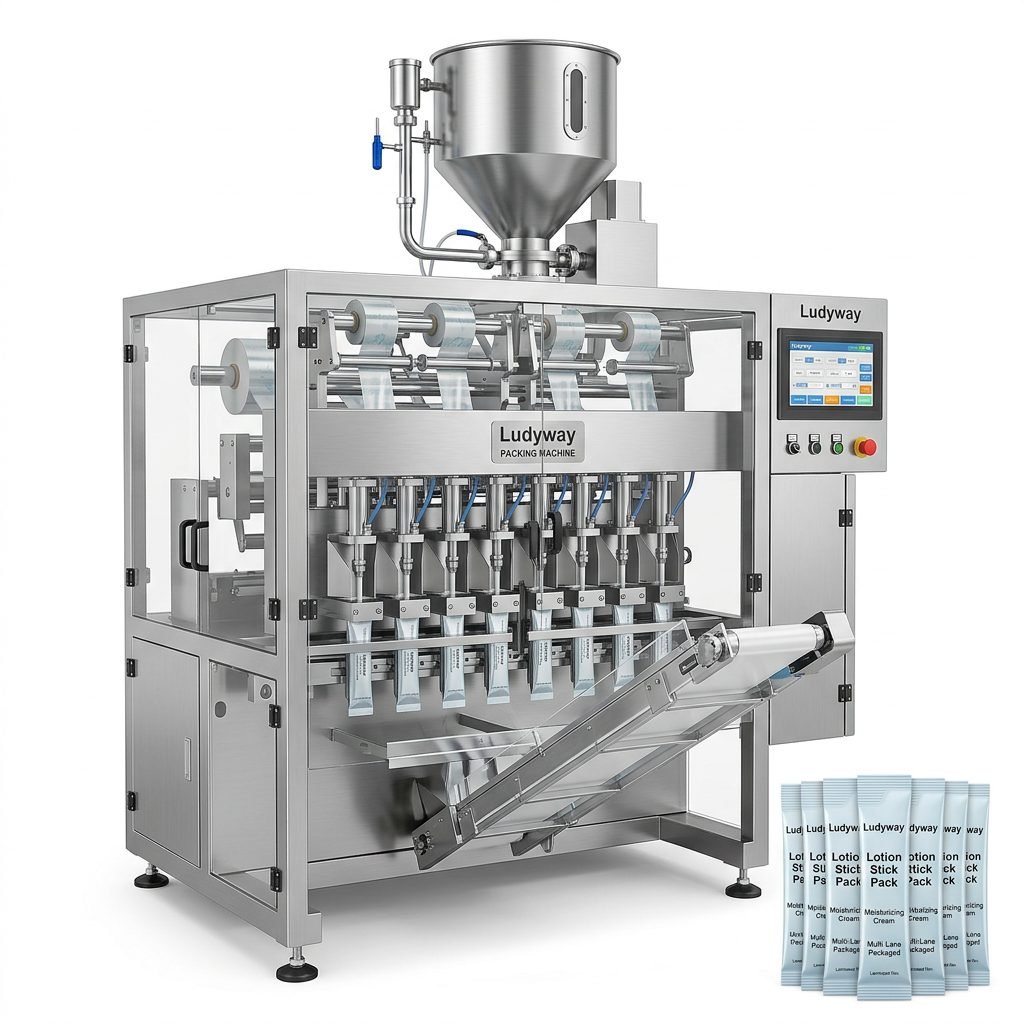
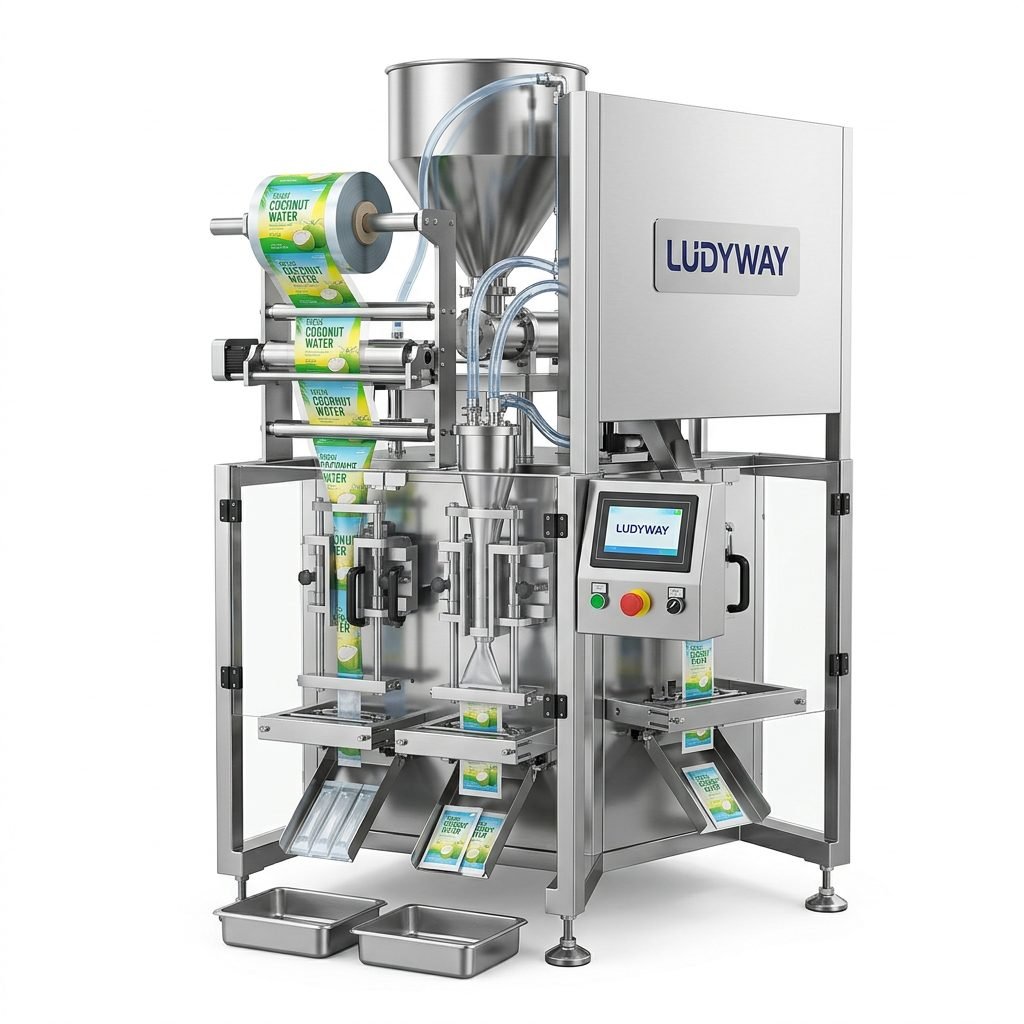
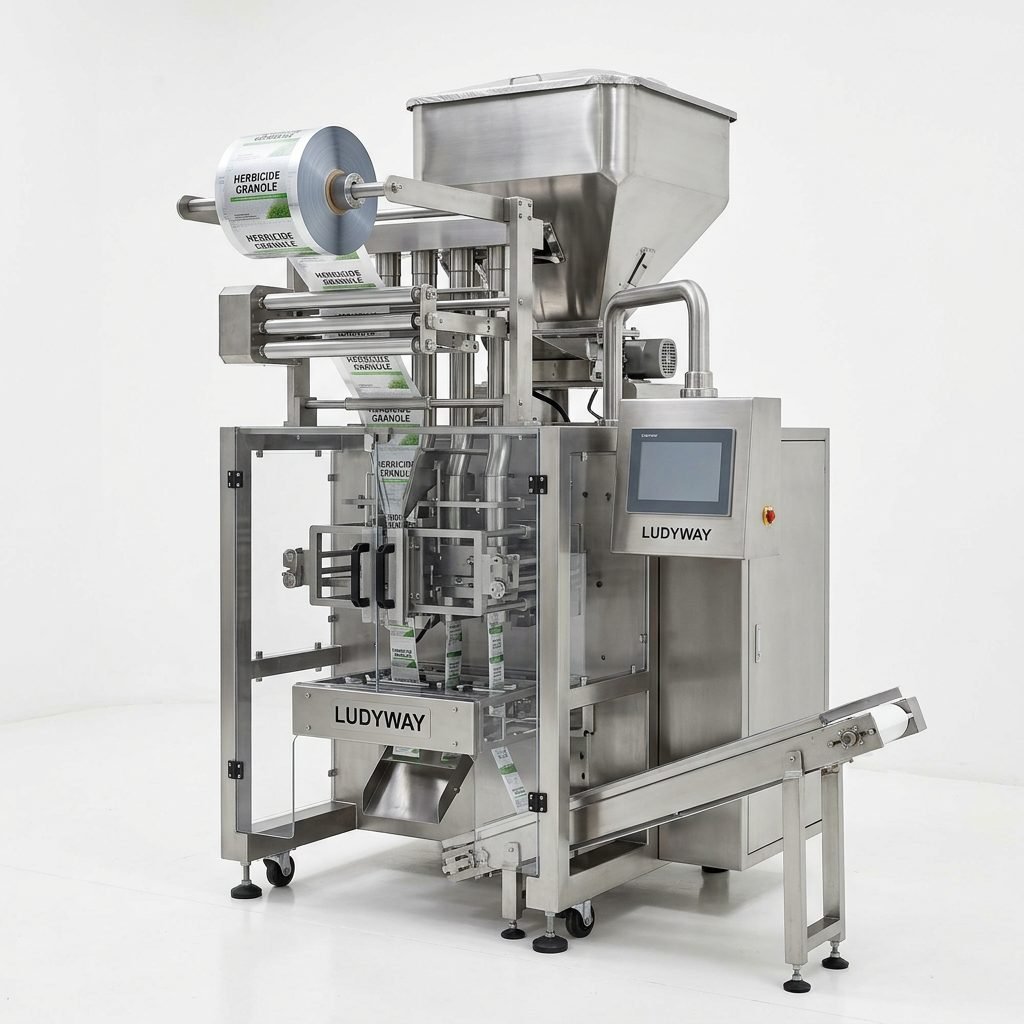
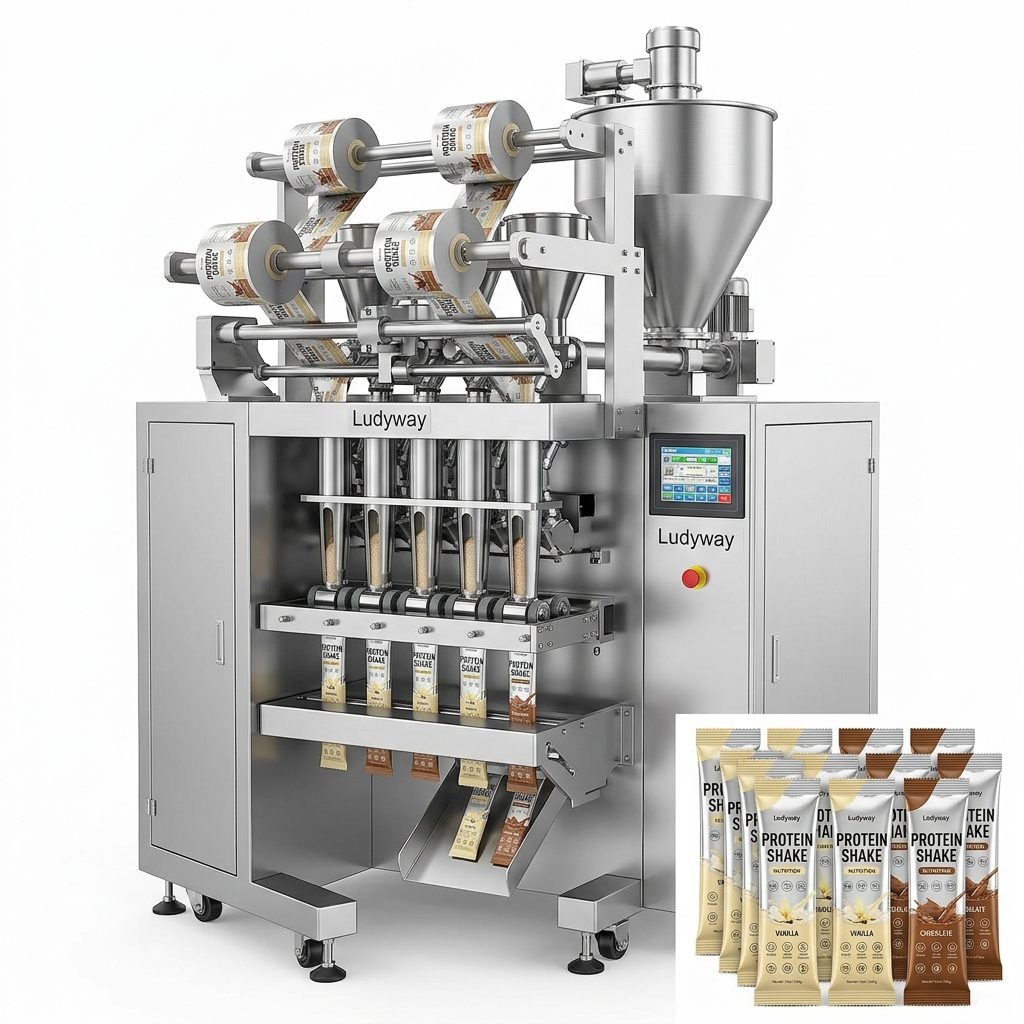
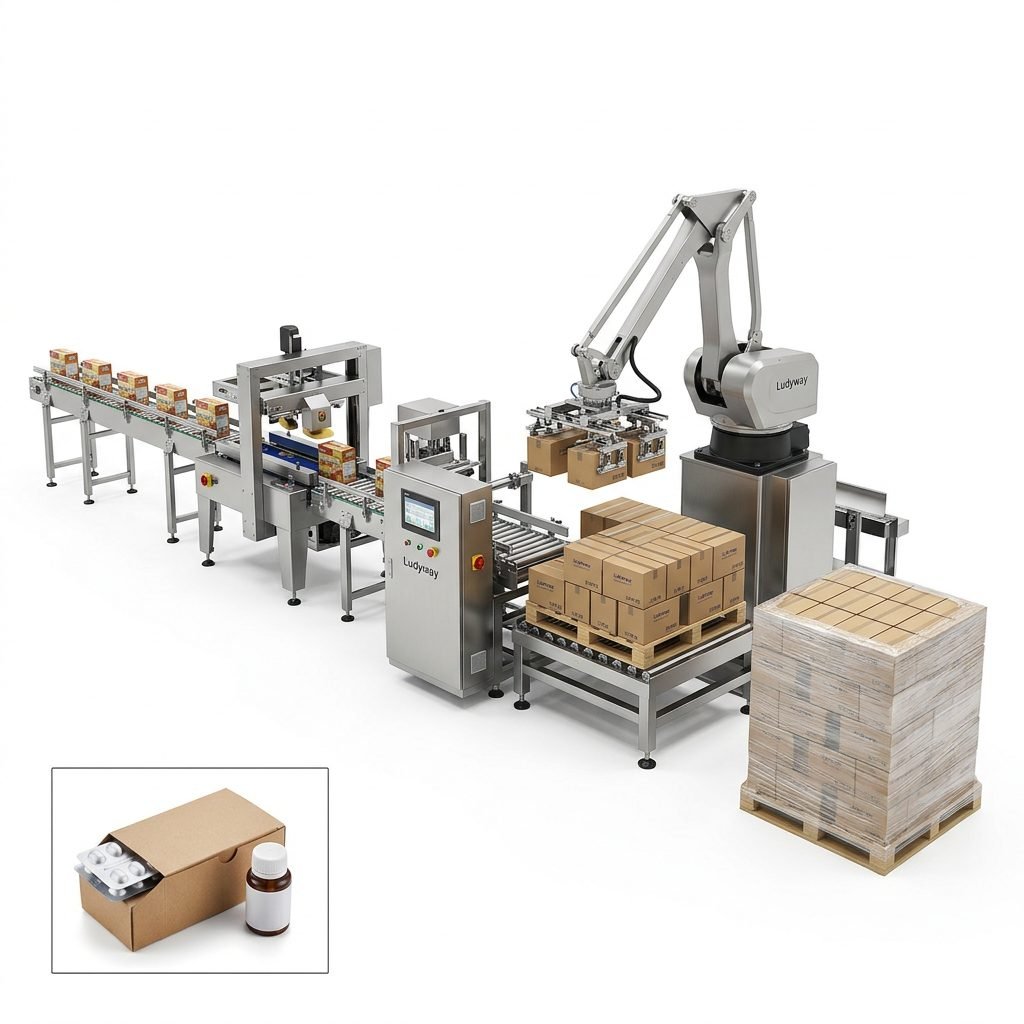
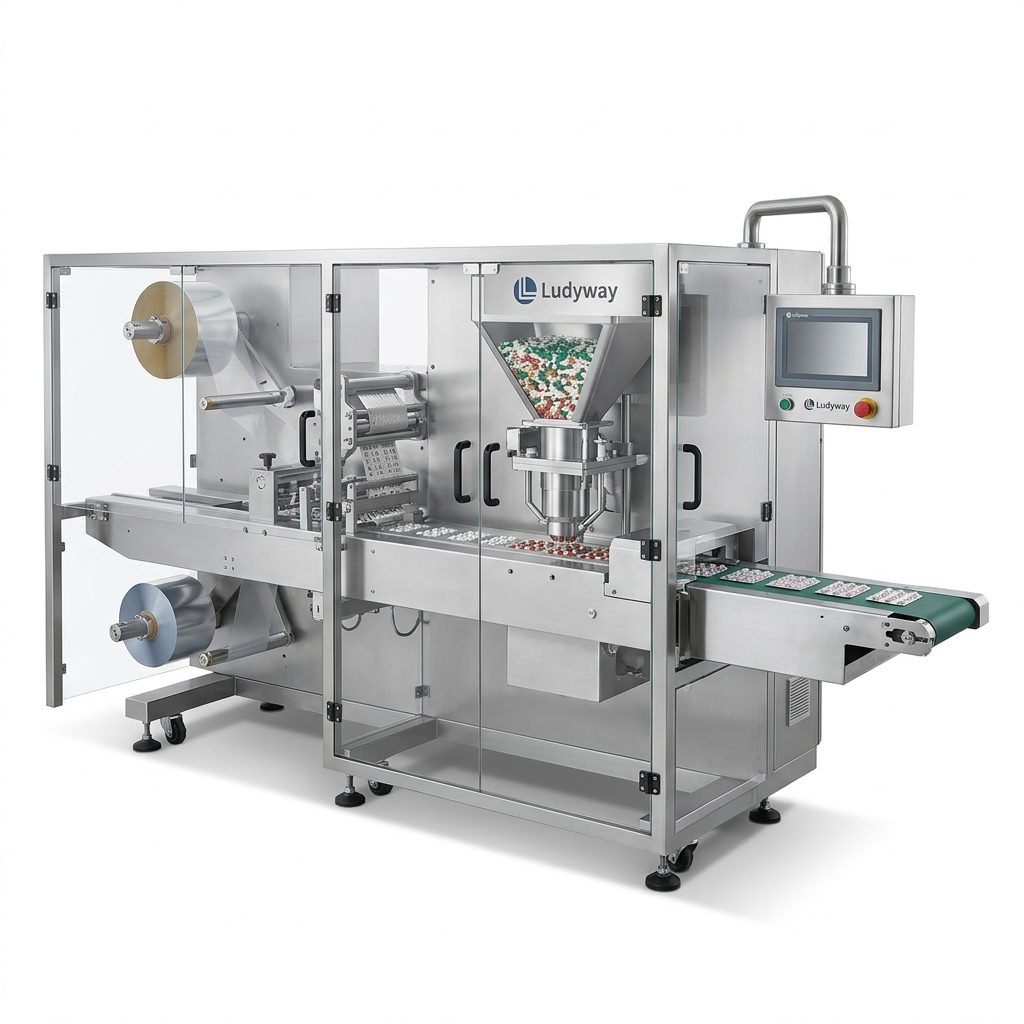
Stick pack machines are designed for small, precise, single-dose packaging. They are widely used across food, pharmaceutical, nutraceutical, cosmetic, chemical, and specialty consumer product industries because they can package a surprisingly broad range of materials with speed, accuracy, and excellent shelf presentation.
If you are evaluating whether a stick pack machine fits your production needs, the key question is not only “Can it package my product?” but also “Which dosing system, film structure, lane configuration, and sealing design are best for my product type?”
What Is a Stick Pack Machine?
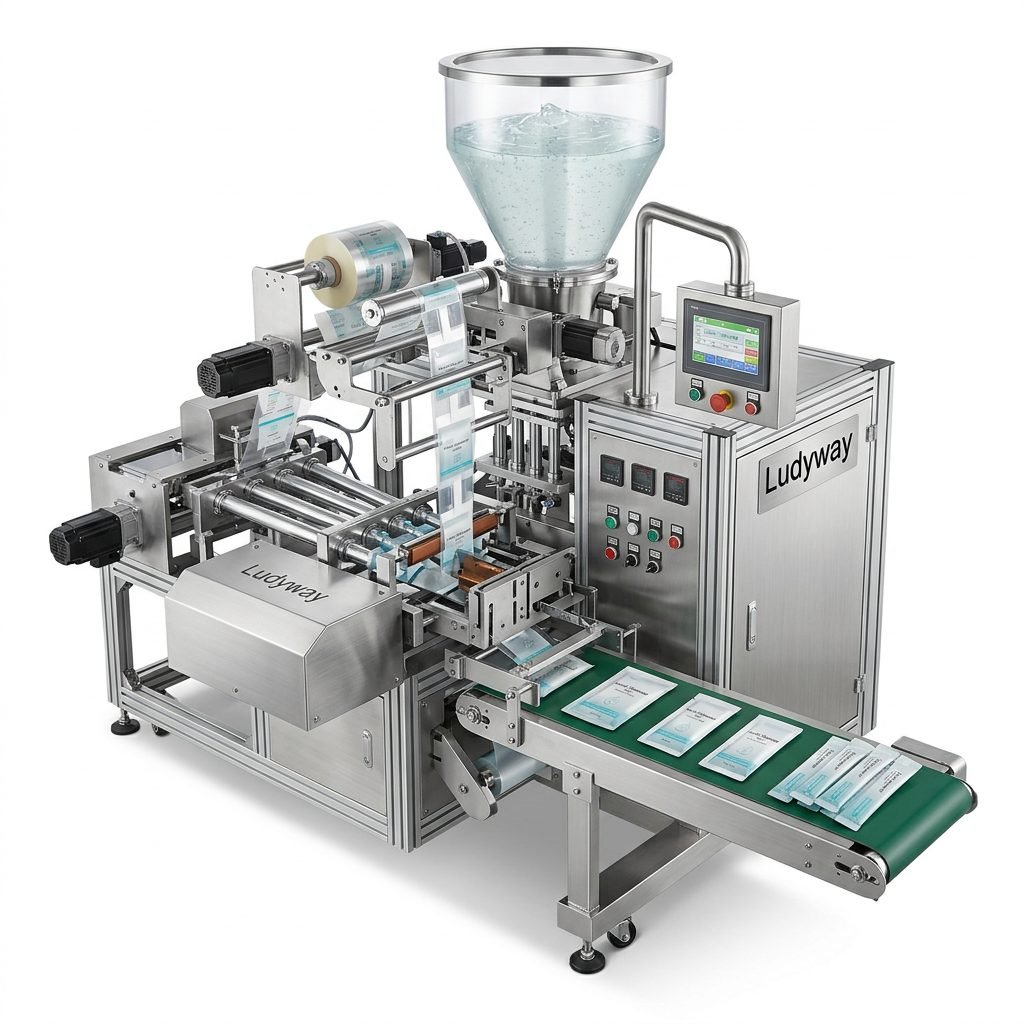
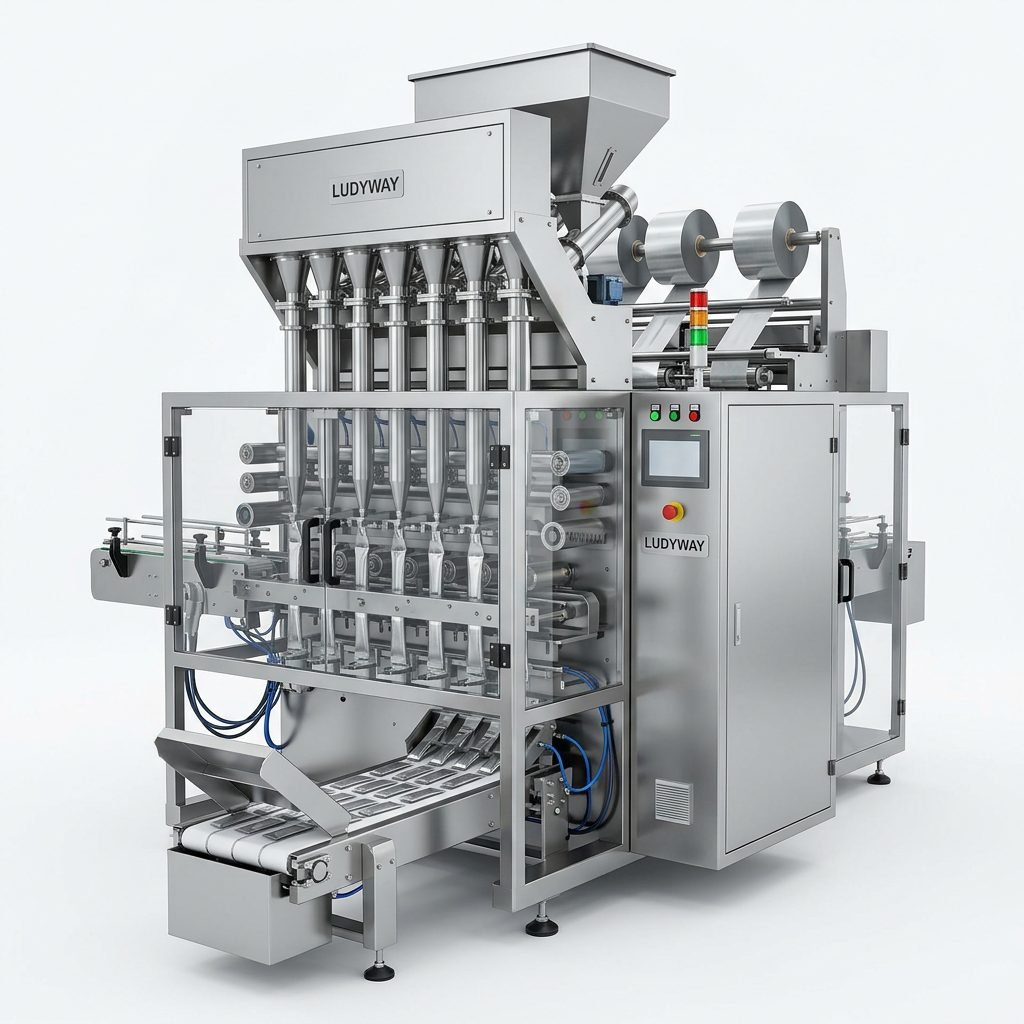
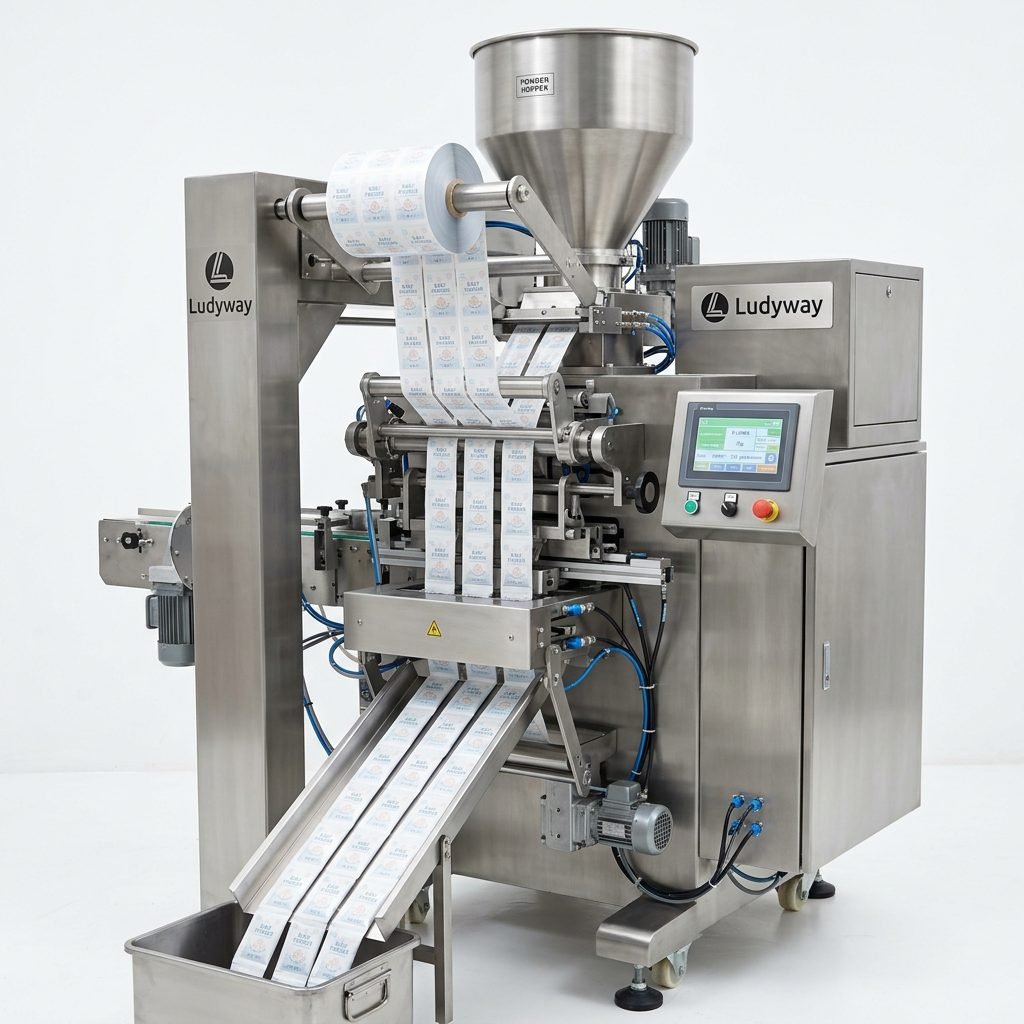
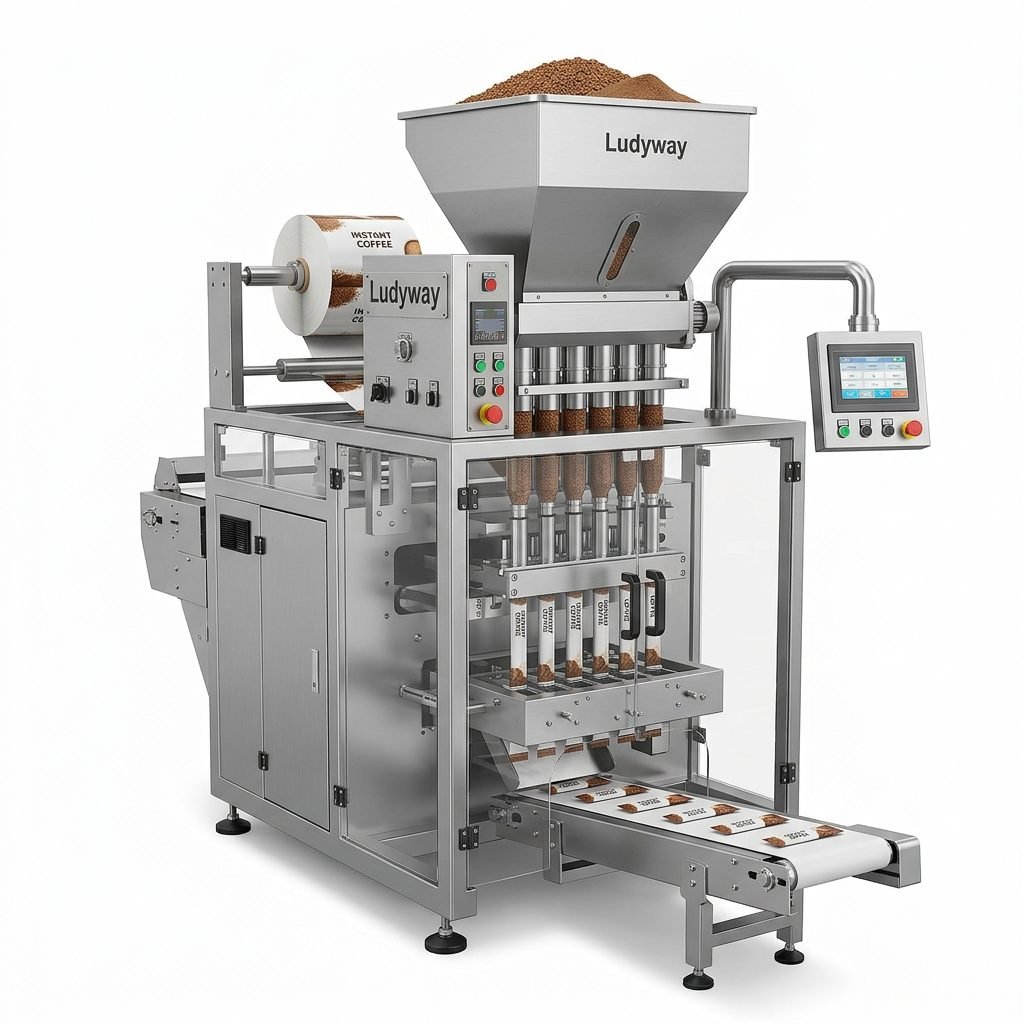
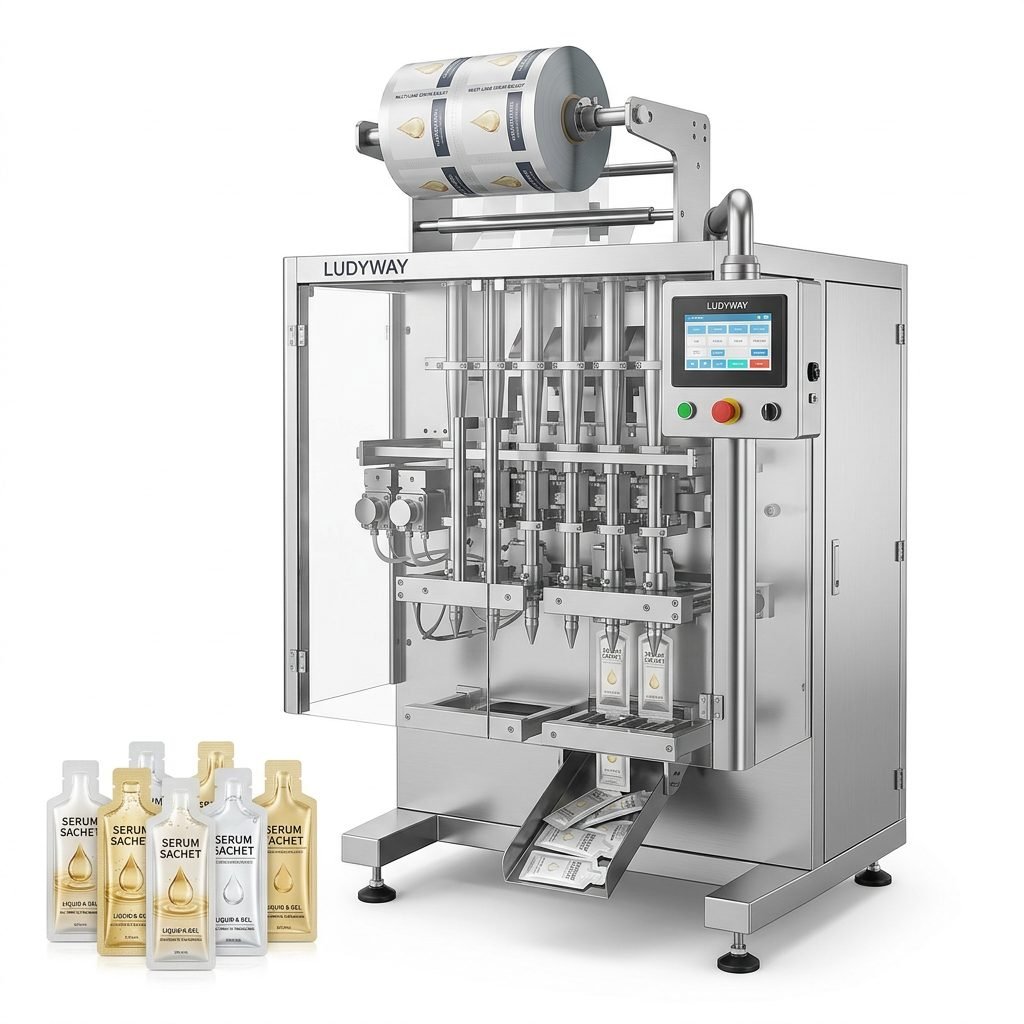
A stick pack machine forms narrow tubular pouches from roll film, fills them with a measured amount of product, seals them, and cuts them into individual packs. Compared with traditional sachets, stick packs are slimmer, easier to carry, and highly suitable for on-the-go, unit-dose, travel-size, and sample packaging.
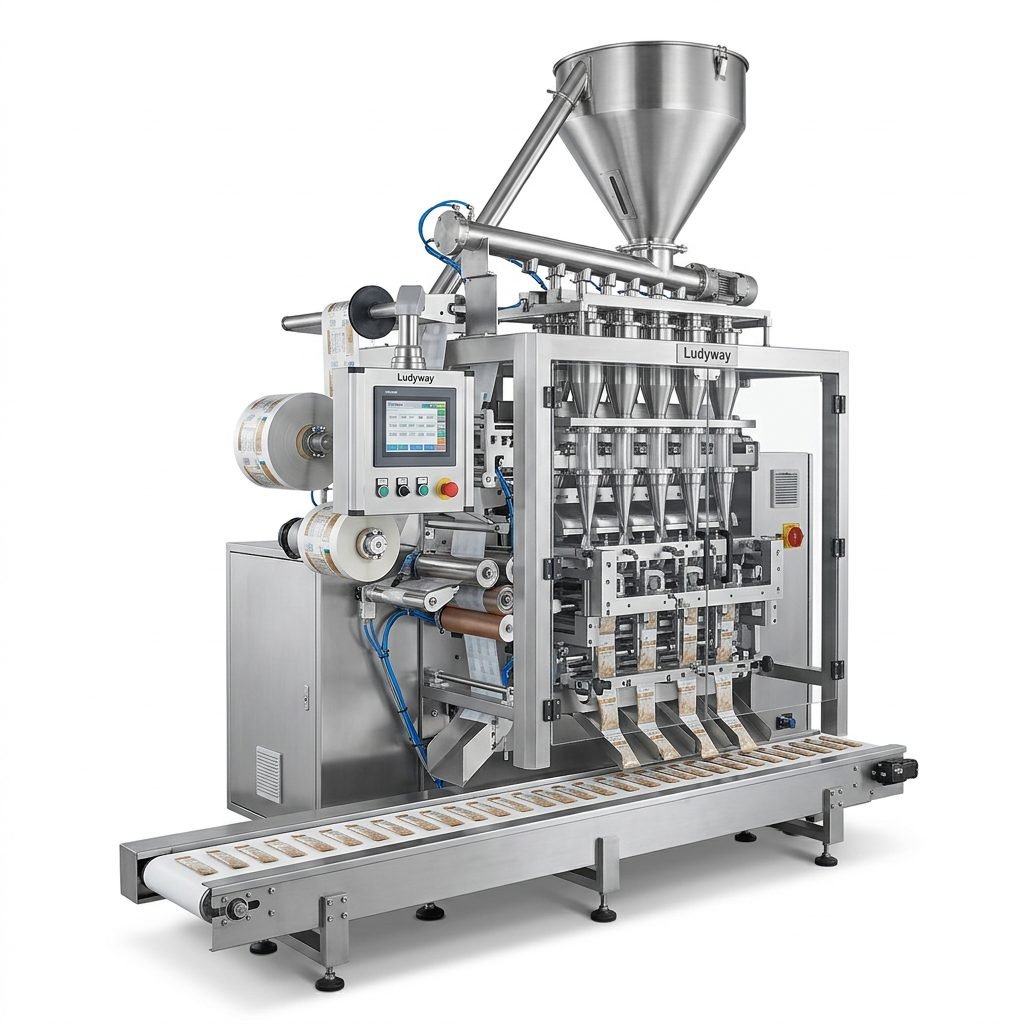
These machines can be built in single-lane or multi-lane formats. Multi-lane stick pack machines are especially popular for high-output applications where manufacturers need to package thousands of units per hour.
Main Product Types a Stick Pack Machine Can Package
In general, stick pack machines can package four major categories of products:
- Powders
- Granules
- Liquids
- Pastes, creams, and gels
Each category includes many industry-specific applications. The machine structure may be similar, but the filling system and product-contact design often vary depending on flowability, viscosity, particle size, moisture sensitivity, and hygiene requirements.
1. Powder Products
Powders are one of the most common product types for stick pack packaging. They are usually filled using an auger dosing system, which provides accurate volumetric or weight-related filling for fine or semi-free-flowing powders.
Typical powder products include:
- Coffee powder
- Milk powder
- Protein powder
- Collagen powder
- Electrolyte drink mix
- Seasoning powder
- Soup powder
- Herbal powder
- Pharmaceutical powder
- Nutritional supplement powder
- Probiotic powder
- Cocoa powder
- Flour and starch products
Why powders work well in stick packs
- Easy single-serve dosing
- Convenient for travel and retail distribution
- Good moisture protection with the right film barrier
- Strong fit for health, beverage, and pharmaceutical markets
For dusty, hygroscopic, or poorly flowing powders, machine configuration may include anti-dust structures, dehumidification support, servo auger filling, or nitrogen flushing.
2. Granule Products
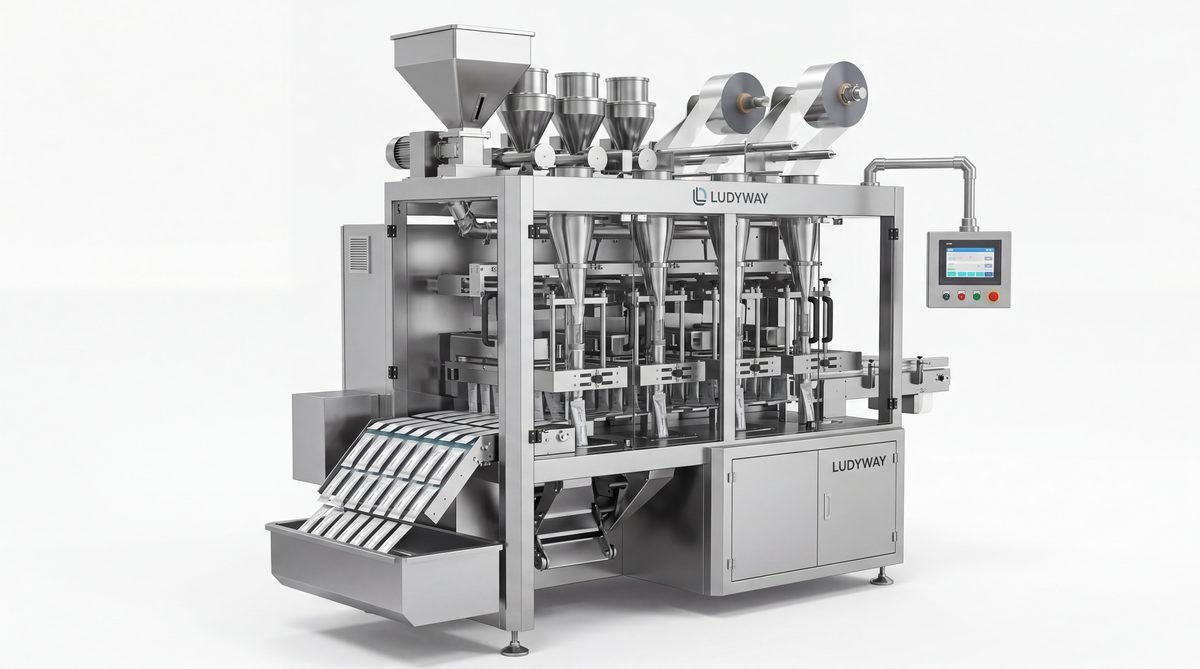
Granules are another major product group. Depending on particle size and flow characteristics, stick pack machines may use volumetric cup fillers, linear weighers, or multi-head weighing systems.
Common granule products include:
- Instant coffee granules
- Sugar
- Salt
- Sweeteners
- Seeds
- Snack granules
- Candy pieces
- Cereal blends
- Dried fruit pieces
- Pet nutrition granules
- Feed additives
- Fertilizer granules
- Pharmaceutical granules
What makes granules suitable for stick pack packaging?
Granular materials often flow well and can be packed at high speed. Stick packs are ideal when the goal is to create clean, portion-controlled, easy-to-tear packs for end users.
However, not all granules behave the same. Fragile or irregular particles may require gentle handling to reduce breakage, while sticky granules may need anti-bridging design or vibration-assisted feeding.
3. Liquid Products
Stick pack machines can also package many liquid products using piston pumps, peristaltic pumps, rotary pumps, or other liquid dosing systems. This format is popular for single-use condiments, beverages, oral liquids, and personal care products.
Typical liquid applications include:
- Honey
- Cooking oil
- Soy sauce
- Vinegar
- Liquid coffee
- Juice concentrates
- Oral liquid supplements
- Cough syrups
- Mouthwash
- Shampoo
- Hand sanitizer
- Liquid detergent
- Chemical liquids
Important considerations for liquid stick packs
- Seal integrity is critical to prevent leakage
- Film compatibility must match product chemistry
- Hot-fill or heated hopper options may be required
- Viscosity affects filler selection and speed
Liquid stick packs are especially valuable in foodservice, hospitality, healthcare, and retail sampling because they are portable, hygienic, and convenient for one-time use.
4. Pastes, Creams, and Gels
Products with higher viscosity can also be packed in stick packs if the machine is configured correctly. These are often filled using piston systems or servo-driven pump systems designed for thick and semi-thick materials.
Examples include:
- Ketchup
- Mayonnaise
- Chili sauce
- Peanut butter
- Cosmetic serum
- Face cream
- Body lotion
- Hair treatment products
- Medical gels
- Adhesives and sealants
Because these materials may string, drip, or trap air, the filling and sealing process must be carefully controlled. No-drip nozzles, hopper agitation, temperature control, and clean cut-off systems are often used.
Product Compatibility by Industry
| Industry | Suitable Product Types | Typical Stick Pack Examples |
|---|---|---|
| Food & Beverage | Powder, granule, liquid, paste | Coffee, sugar, salt, drink mix, honey, sauce |
| Pharmaceutical | Powder, granule, liquid, gel | ORS, medicine granules, oral liquid, topical gel |
| Nutraceutical | Powder, granule, liquid | Protein powder, collagen, probiotics, vitamin blends |
| Cosmetic & Personal Care | Liquid, cream, gel, powder | Serum, lotion, shampoo, cleanser, face cream |
| Chemical | Powder, granule, liquid, paste | Detergent, cleaner, adhesive, lubricant additive |
| Animal Nutrition | Powder, granule, pellet-like products | Pet supplements, feed additives, nutrition premixes |
Examples of Products Commonly Packaged in Stick Packs
Below is a broader view of real-world products that can be packaged by a stick pack machine:
- Instant coffee
- Drip coffee powder
- Sugar and sweetener
- Salt and seasoning
- Soup mix
- Baking powder
- Milk powder
- Protein powder
- Collagen powder
- Electrolyte powder
- Probiotics
- Vitamin powder blends
- Pharmaceutical granules
- Oral rehydration salts
- Honey
- Ketchup and sauces
- Cooking oil
- Cosmetic serums
- Cream and lotion
- Hand sanitizer gel
- Detergent liquids or powders
- Seed samples
- Feed premixes
- Chemical additives
How to Know If Your Product Is Suitable
A product may be technically packable in a stick pack machine, but true suitability depends on several production variables.
You should evaluate:
- Product form: powder, granule, liquid, paste, or gel
- Flowability: free-flowing, non-free-flowing, sticky, dusty
- Dose range: very small unit dose or larger serving size
- Particle size: fine, coarse, fragile, irregular
- Viscosity: thin liquid or thick cream
- Sensitivity: moisture, oxygen, heat, contamination risk
- Packaging goals: retail, medical, sample, travel-size, industrial use
For example, a free-flowing instant beverage powder may run efficiently on a high-speed multi-lane system, while a sticky gel may require slower, more controlled filling with enhanced sealing support.
Best Filling Systems for Different Product Types
| Product Type | Recommended Filling Method | Notes |
|---|---|---|
| Fine powder | Auger filler | Best for protein, milk powder, pharma powder |
| Free-flowing granules | Volumetric cup filler | Good for sugar, salt, coffee granules |
| Irregular granules | Weigher system | Better dose accuracy for snacks and seeds |
| Thin liquids | Liquid pump filler | Suitable for oils, oral liquids, detergents |
| Thick liquids / gels | Piston pump filler | Good for sauce, cream, gel, lotion |
Advantages of Using Stick Pack Packaging for Different Products
- Accurate portion control for food, supplements, and pharmaceuticals
- Less packaging material use than many wider-format packs
- Portable format for retail, travel, and single-dose applications
- Strong shelf appeal for modern consumer packaging
- High-speed output with multi-lane machine configurations
- Flexible application range across multiple industries
Products That May Need Extra Evaluation
Some products can still be packaged in stick packs, but they require additional engineering review:
- Highly sticky powders
- Oily powders prone to clumping
- Large fragile granules
- Hot-fill liquids
- Corrosive chemicals
- Foaming liquids
- Products sensitive to oxygen or moisture
In these cases, machine customization, film upgrades, or environmental controls may be needed to achieve stable performance and package quality.
Choosing the Right Stick Pack Machine for Your Product
When selecting equipment, do not focus only on speed. A suitable machine should match your product behavior, pack size, filling precision, sanitation requirements, and future line expansion plans.
Key questions to ask suppliers:
- What product forms can the machine handle?
- Which filling system is recommended for my product?
- What dosing accuracy can be achieved?
- How many lanes are suitable for my output target?
- What film materials are compatible?
- Is the machine easy to clean and maintain?
- Can it integrate into a complete packaging line?
For businesses that need application-based customization, multi-lane systems, and integrated packaging solutions, Ludyway stick pack packaging machine solutions are often considered for powder, granule, liquid, and paste applications across food, pharmaceutical, health supplement, cosmetic, chemical, and related industries.
Final Thoughts on What a Stick Pack Machine Can Package
A stick pack machine can package far more than just coffee or sugar. With the proper dosing system and machine configuration, it can handle powders, granules, liquids, gels, creams, and pastes used in many industries.
From instant beverages and pharmaceutical granules to cosmetic serums and chemical additives, stick packs offer a practical format for brands that need convenience, dosing accuracy, and efficient automated packaging. The best way to confirm compatibility is to evaluate your product’s flow, viscosity, particle profile, and packaging goals before selecting the machine design.