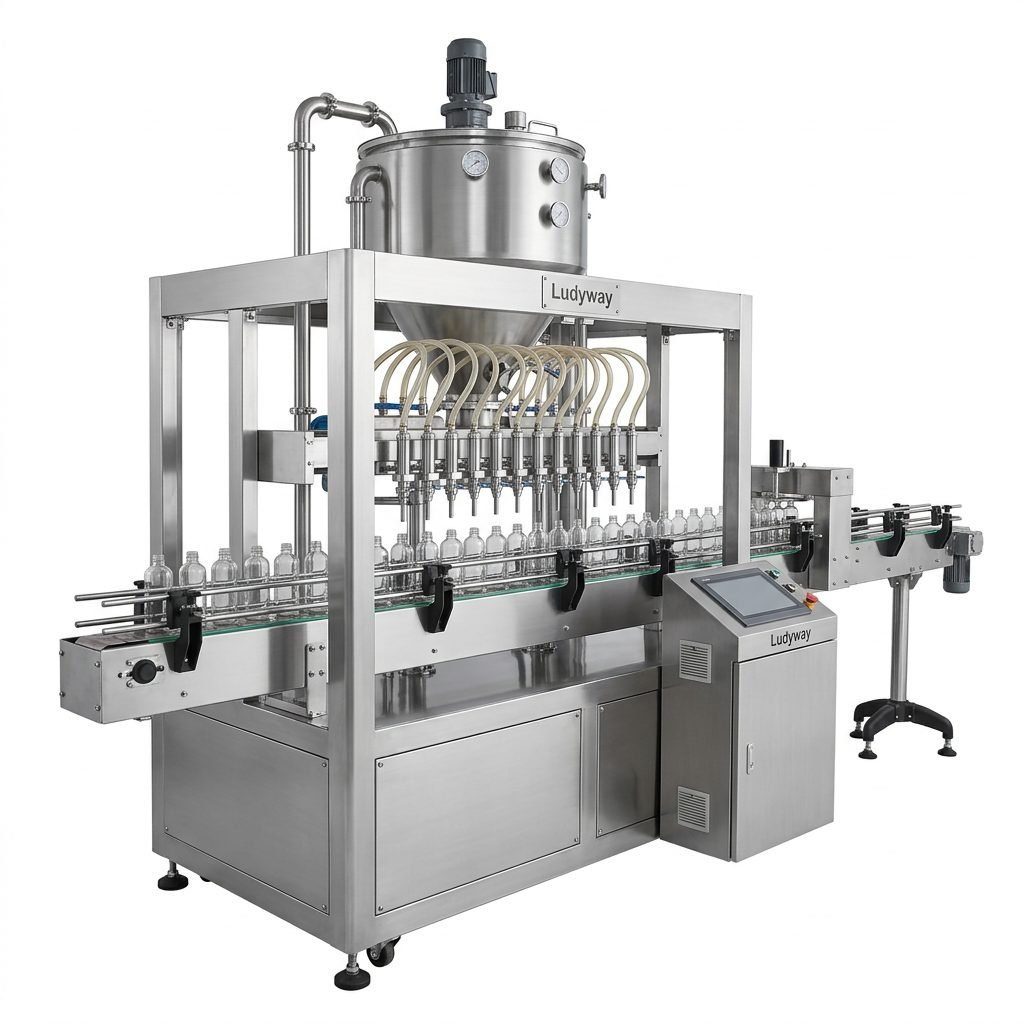
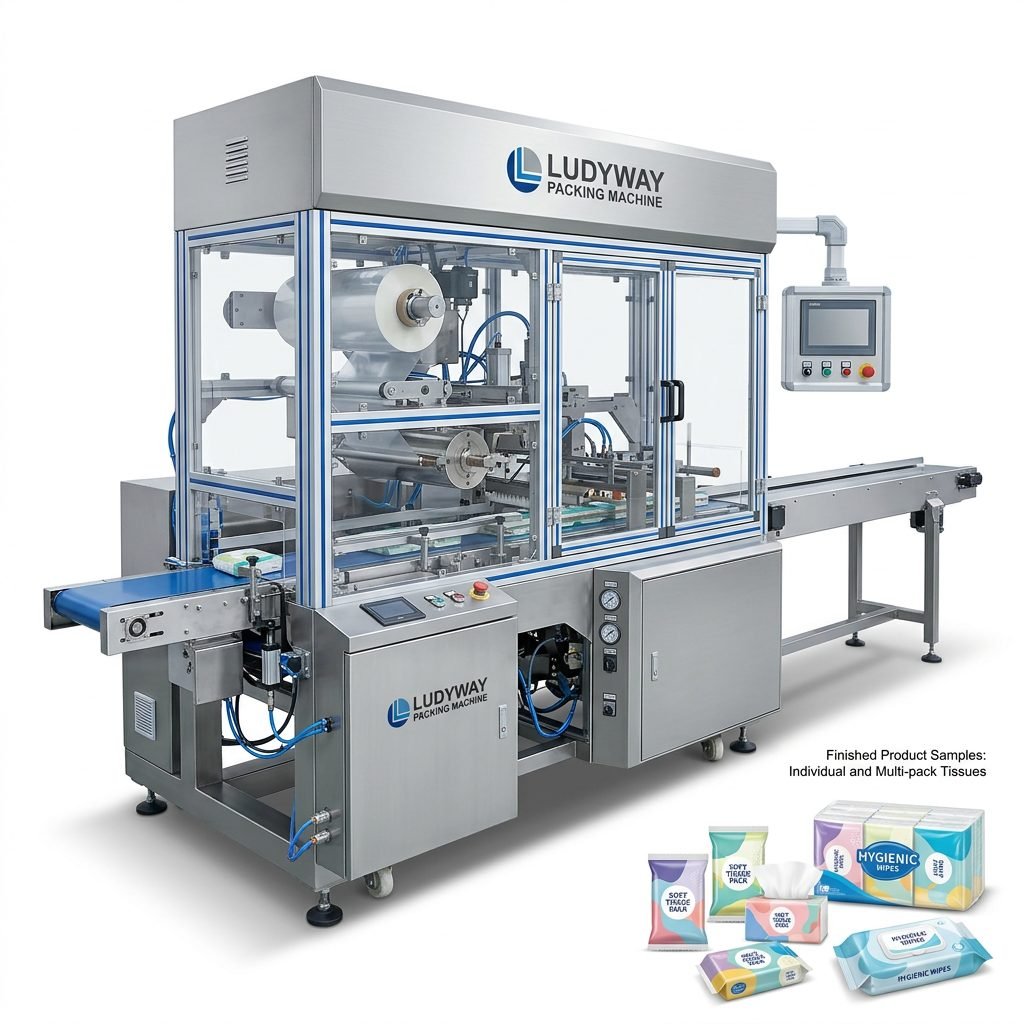
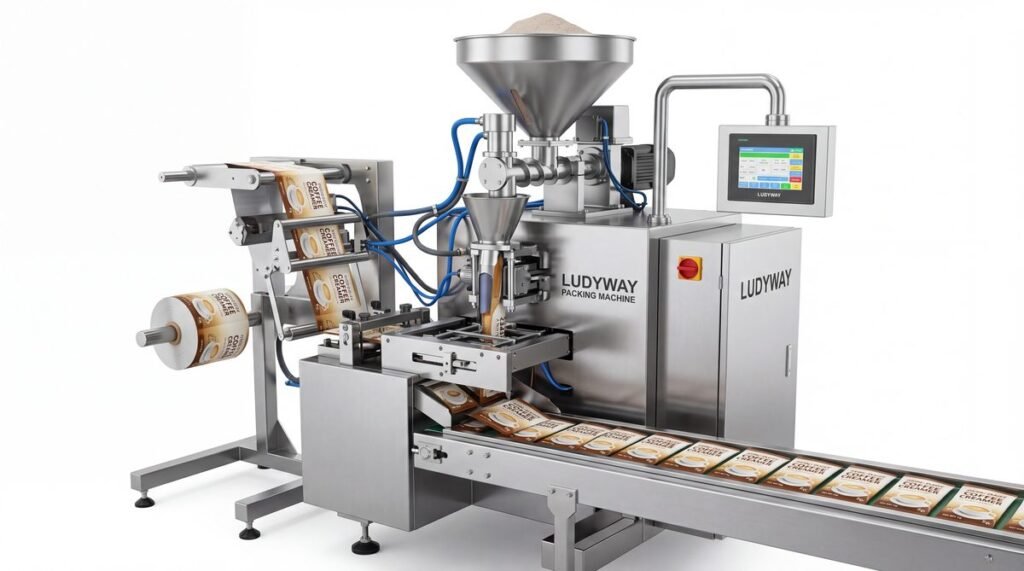
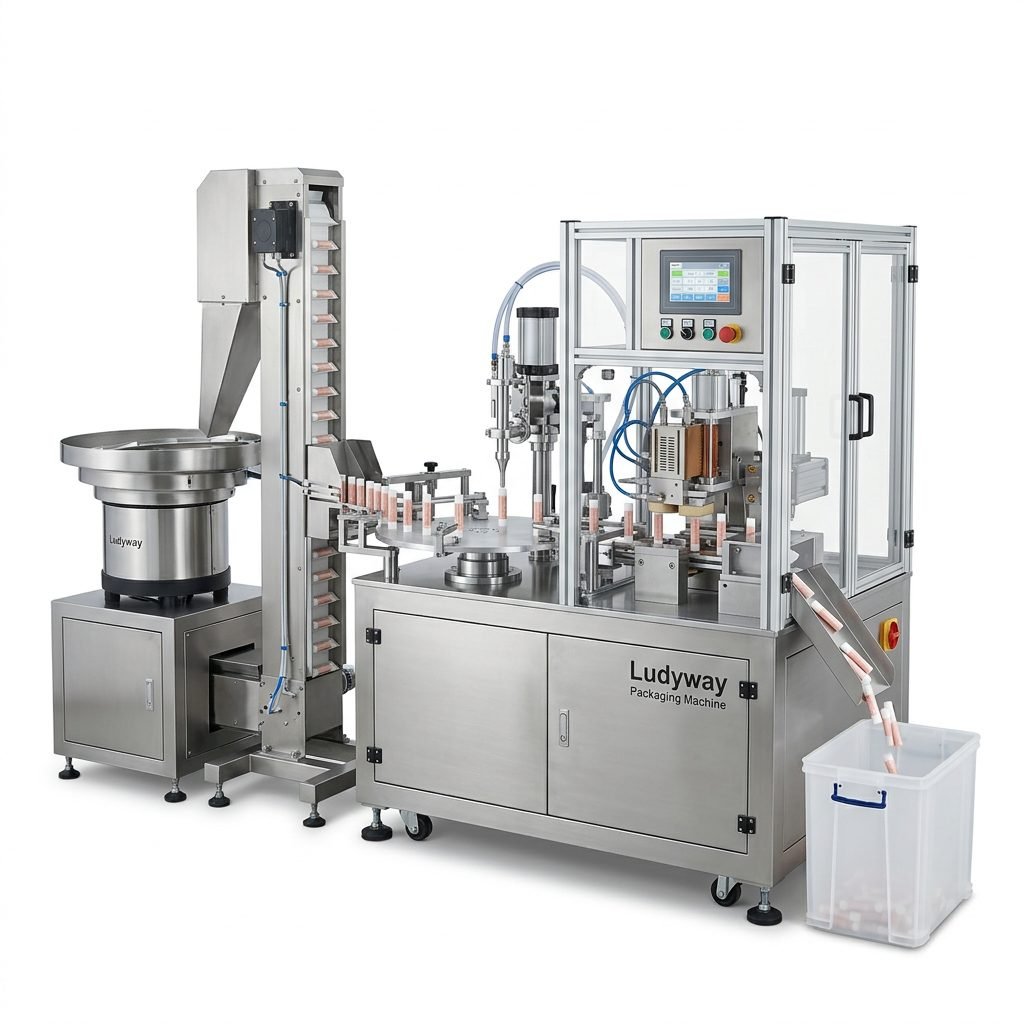
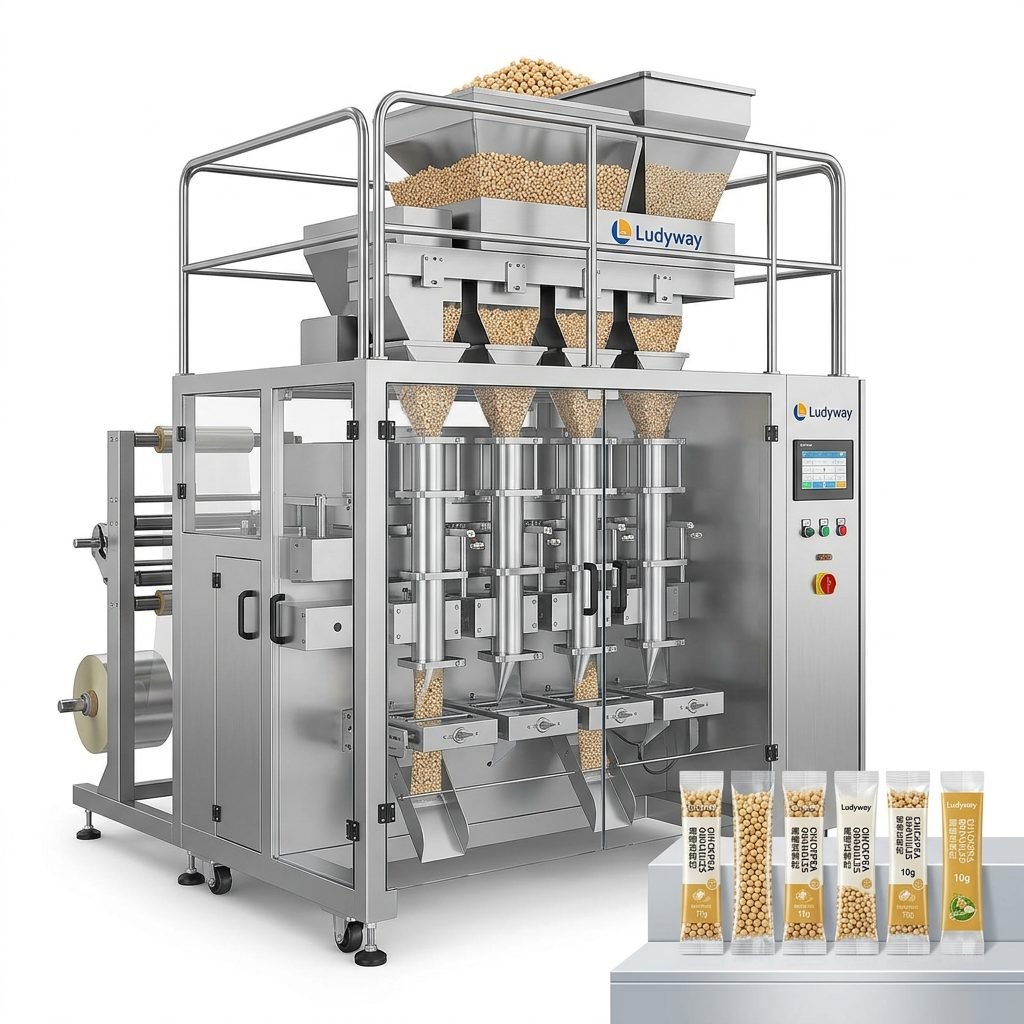
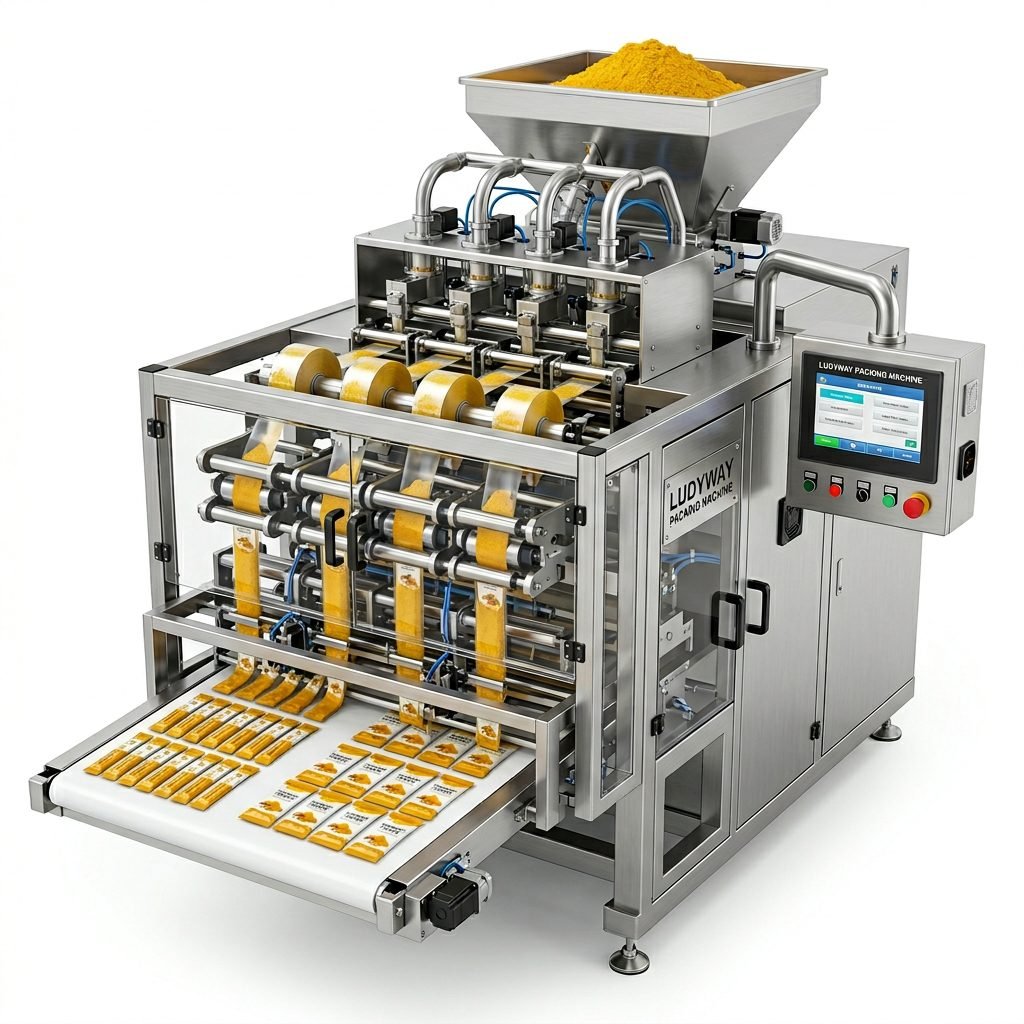
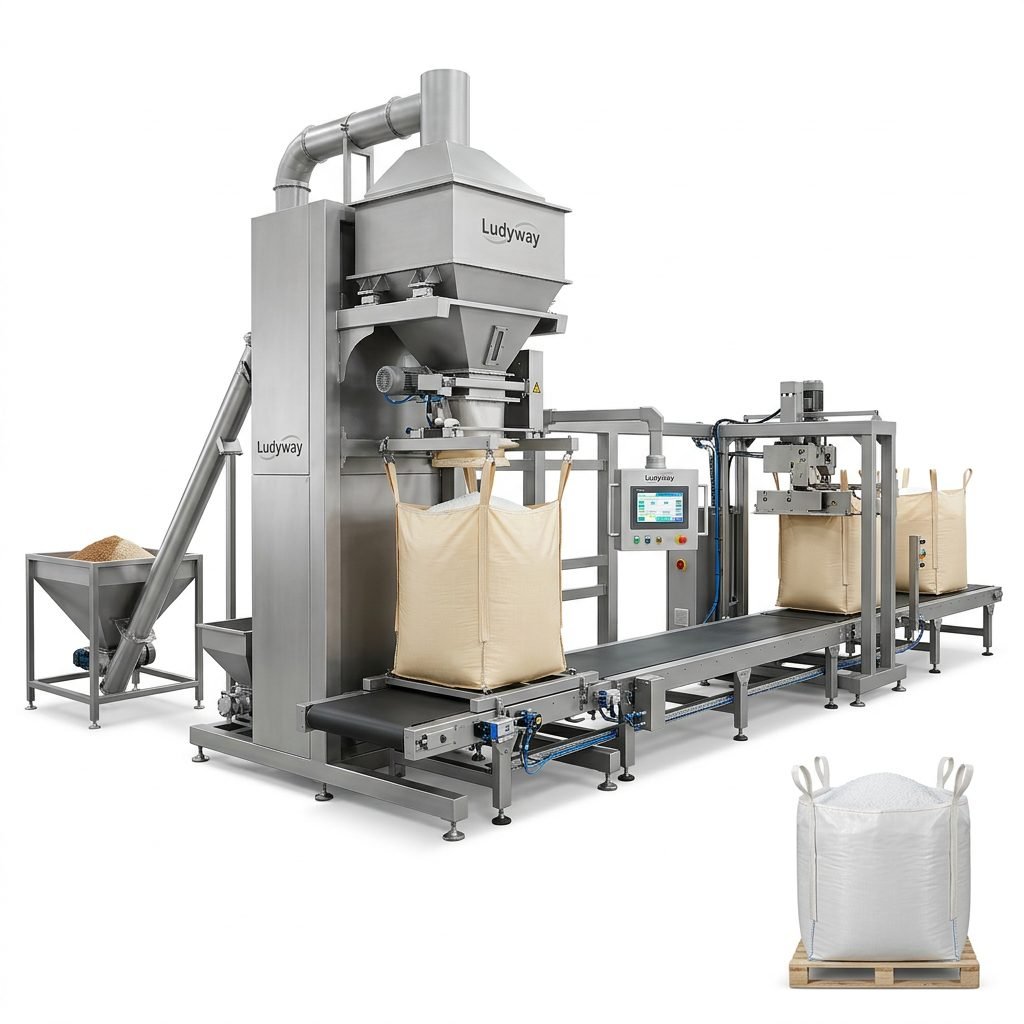
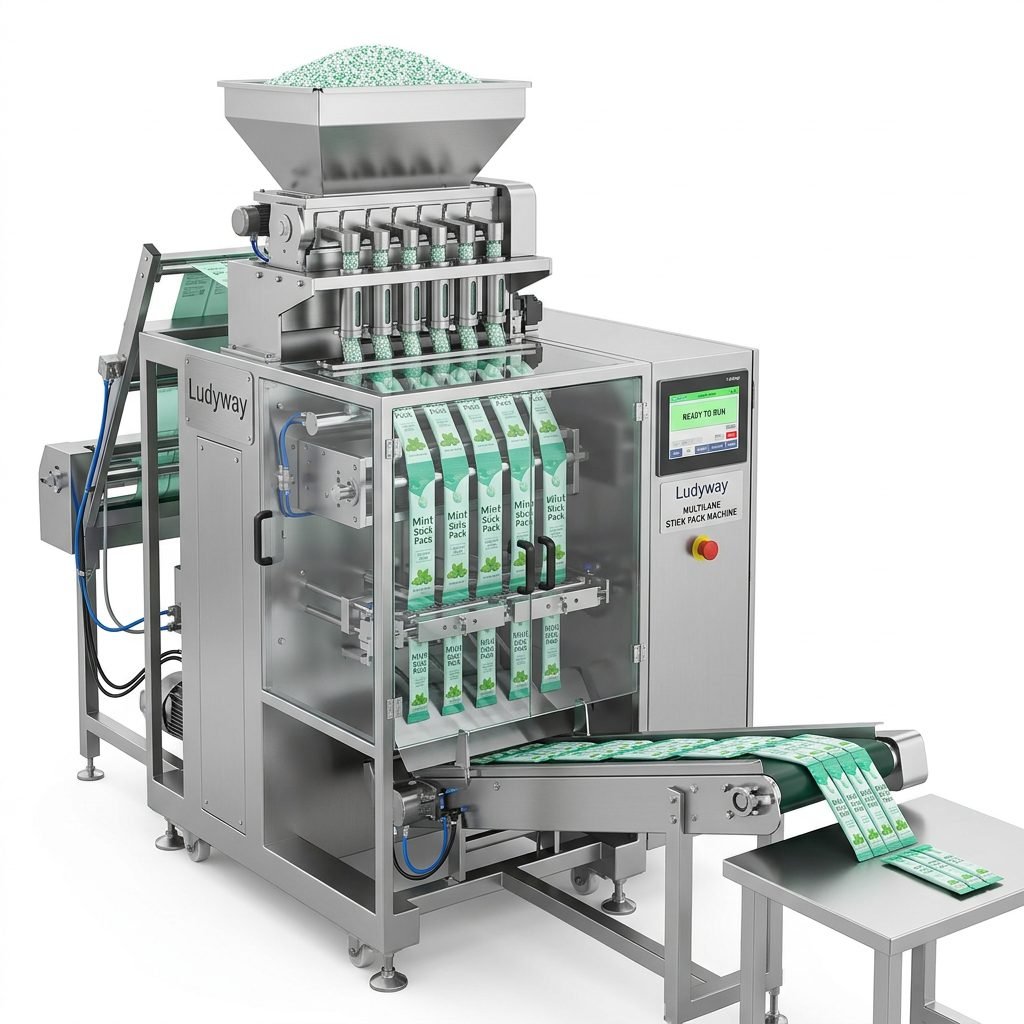
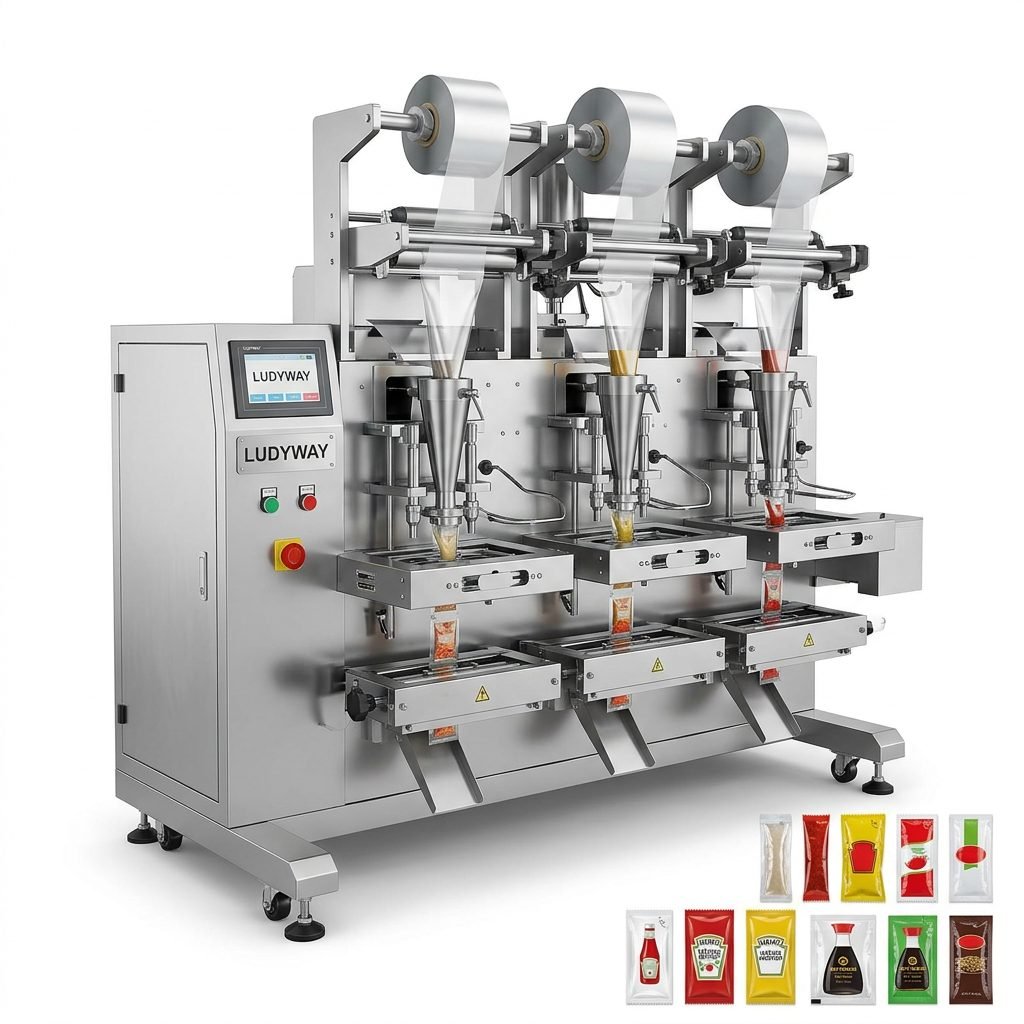
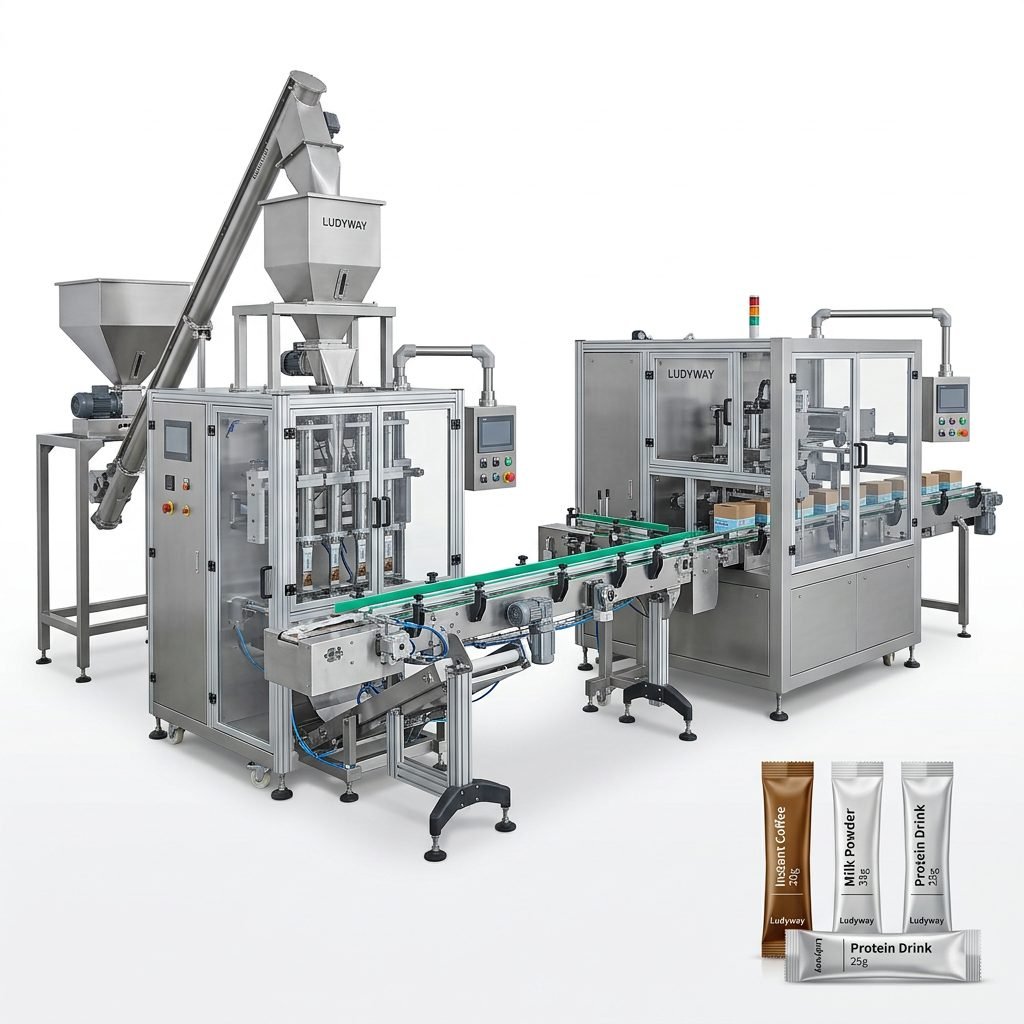
Several industries in Lebanon, including food processing, pharmaceuticals, and health supplements, rely heavily on efficient packaging to maintain product quality and meet export standards. For businesses in these sectors, finding a packaging machine manufacturer that offers reliability, technical support, and cost-effective solutions is essential. The Middle East, and particularly Lebanon, has seen growing demand for automated packaging equipment that can handle granules, powders, liquids, and sachet products. Identifying partners who combine experience, export capability, and customization support can significantly impact production efficiency and long-term business growth.
Why Lebanon’s Packaging Needs Require Careful Supplier Selection
Lebanese manufacturers often face unique challenges, including fluctuating energy availability, diverse product types from olive oil to pharmaceutical powders, and the need to comply with international export packaging standards. A reliable packaging machine must offer consistent performance, ease of maintenance, and adaptability to different bag formats. For local businesses, working with a supplier that understands these operational realities can reduce downtime and ensure steady production.
Many Lebanese food and pharma companies are now moving from manual or semi-automatic processes to full-line automation. This shift makes it important to evaluate suppliers not just on machine price, but on their ability to provide complete turnkey packaging lines for granule, powder, and liquid products, along with local technical support and spare parts availability.
Key Criteria for Evaluating Packaging Machine Manufacturers
When sourcing from international markets, particularly from China’s leading packaging machinery sector, Lebanese buyers should focus on several important factors. Industry experience is a primary indicator of reliability. Companies with over 20 to 30 years in the field generally have refined their engineering processes, quality control, and understanding of diverse product handling requirements.
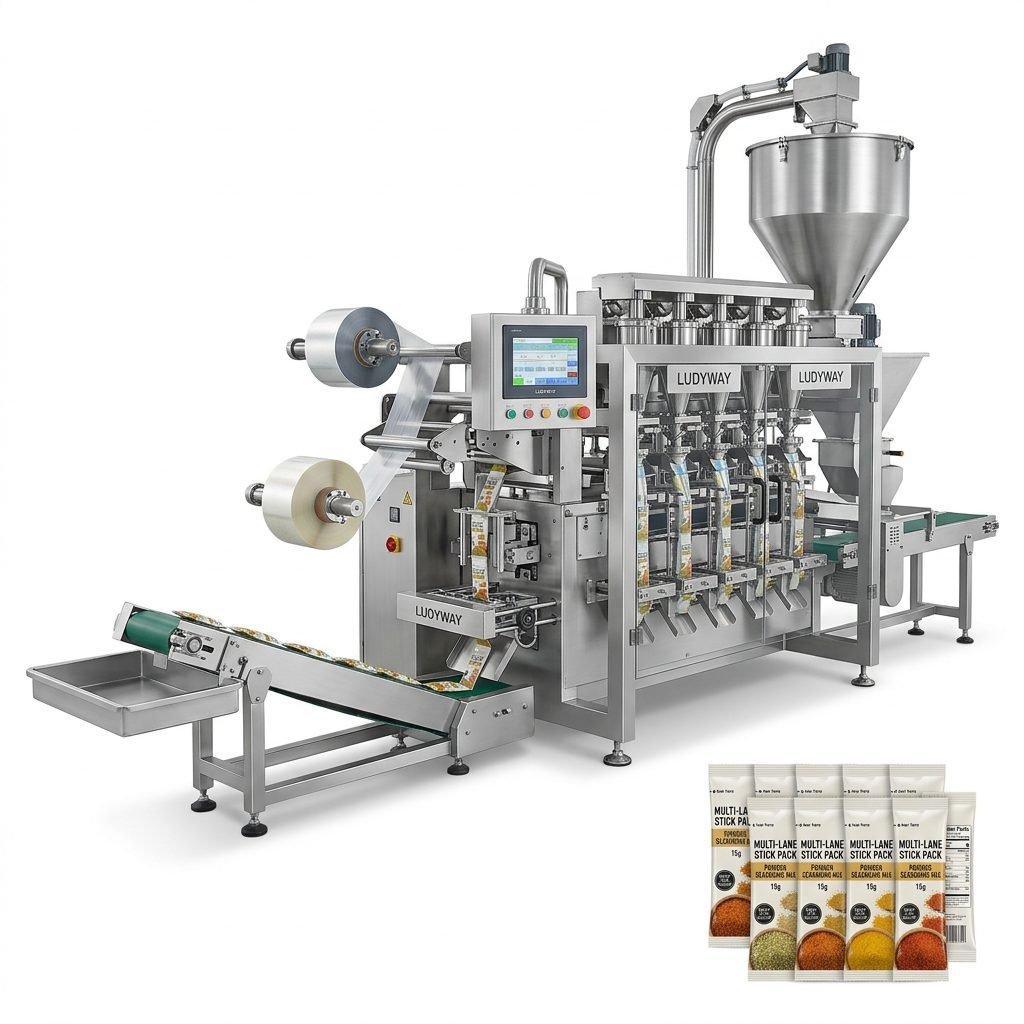
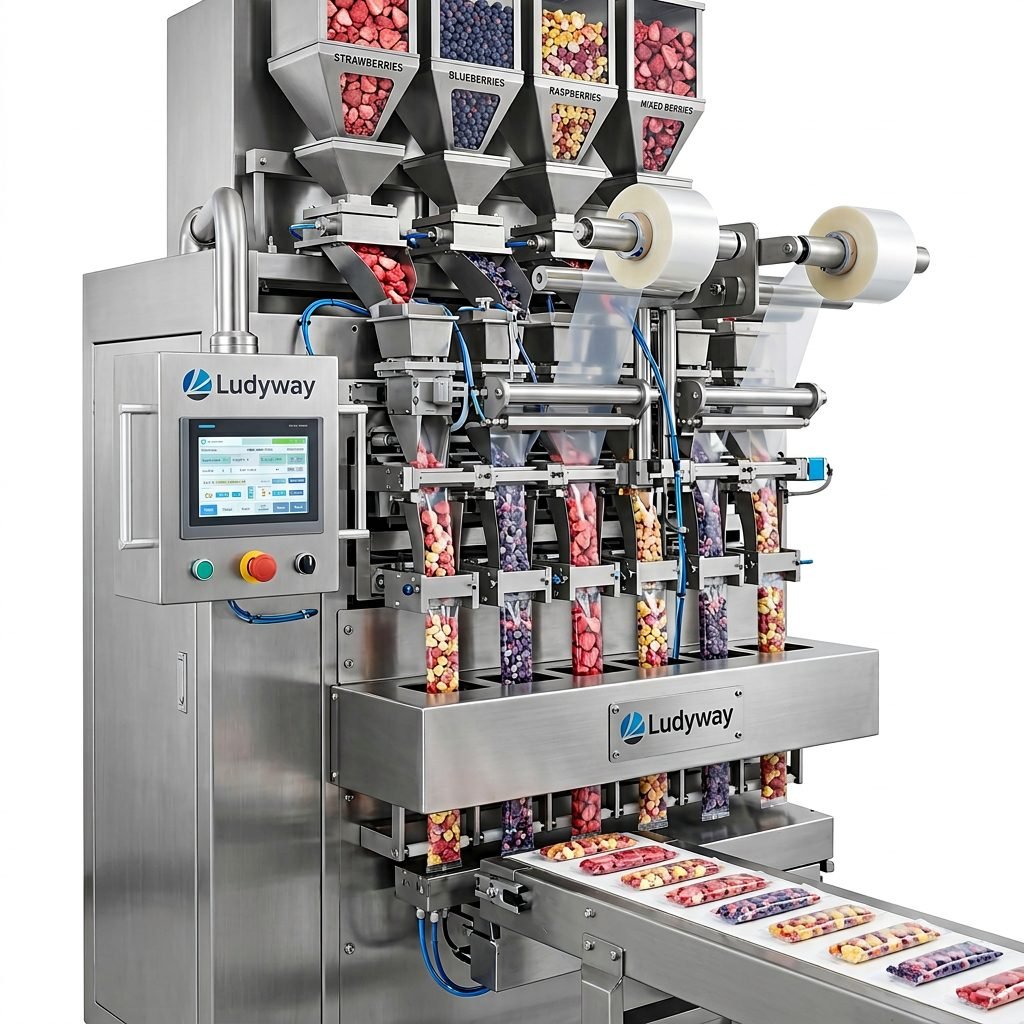
Another major factor is the breadth of the product range. A manufacturer that offers multi-lane stick pack machines, sachet packing systems, vertical packaging lines, and complete turnkey solutions can be a more strategic partner for growing businesses. This allows buyers to scale their packaging operations without needing to switch suppliers as their product portfolio expands.
Manufacturing Capability and Quality Assurance
Factory scale directly correlates with production consistency. Manufacturers operating facilities of 20,000 square meters or more typically have dedicated assembly lines, precision machining centers, and structured quality inspection processes. This infrastructure supports consistent machine build quality and shorter delivery times, which is critical for buyers who depend on timely equipment commissioning.
| Evaluation Factor | Why It Matters for Lebanese Businesses |
|---|---|
| Industry Experience (>20 years) | Ensures mature engineering, fewer design flaws, and better troubleshooting support |
| Product Range Breadth | Allows sourcing multiple machine types from one supplier, simplifying maintenance and support |
| Export Market Presence | Suppliers exporting to Europe, Middle East & Americas understand international standards |
| Customization Flexibility | Critical for non-standard pouch sizes, local product characteristics, and specific plant layouts |
Beyond factory scale, the number of available machine models is a practical indicator. Suppliers with over 80 to 100 machine configurations are better positioned to match specific production requirements without extensive re-engineering. This is especially relevant for Lebanese companies producing diverse products such as spice blends, herbal supplements, dairy powders, and liquid condiments.
Understanding the Strengths of Leading Chinese Manufacturers
Several established Chinese manufacturers have developed strong export networks to the Middle East, including Lebanon. Companies with a history dating back to the early 1990s, such as Ludyway, have accumulated over 30 years of specialized knowledge in food, pharmaceutical, and health supplement packaging. Their product lines typically include multi-lane stick pack machines, sachet packaging systems, and fully integrated turnkey lines.
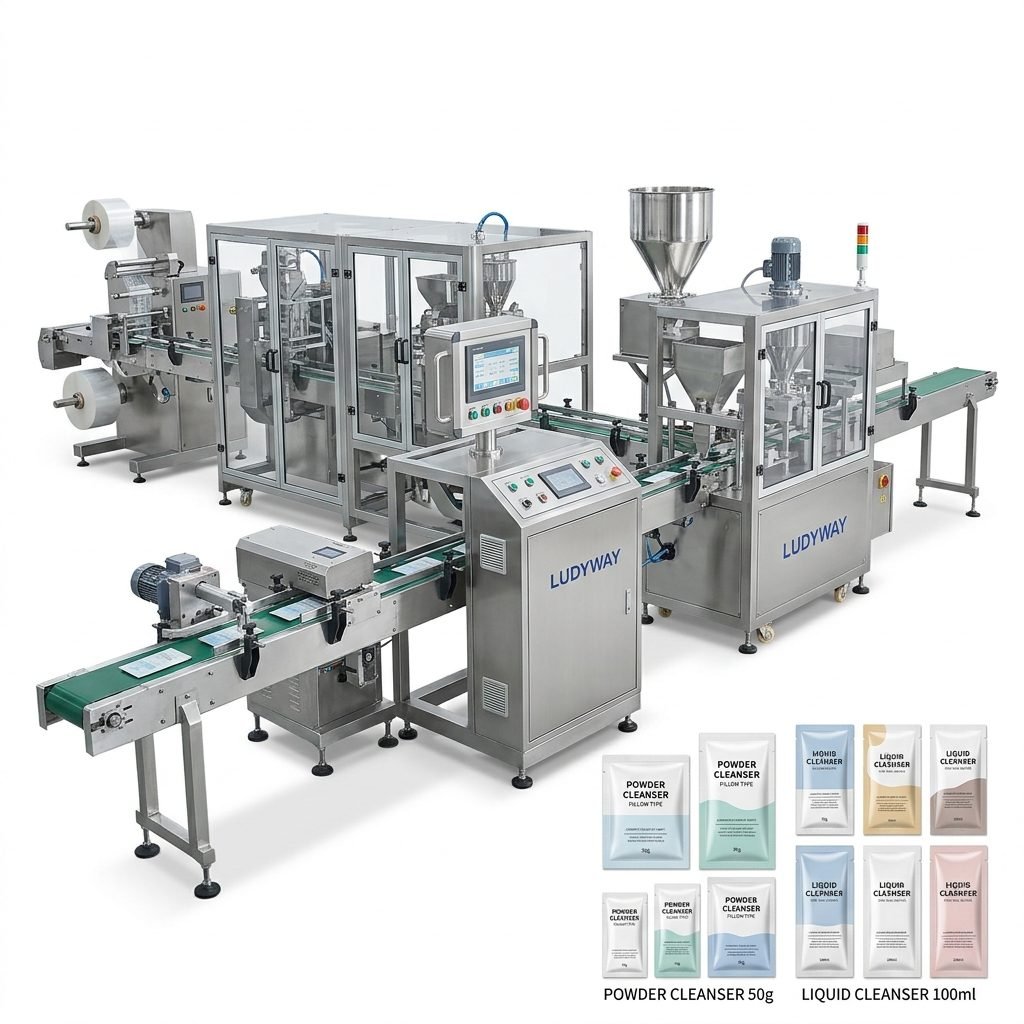
For Lebanese importers and production managers, the key differentiator among these manufacturers often lies in their turnkey capabilities. Some suppliers focus primarily on individual machines, while others, like PacklineOEM, place a stronger emphasis on complete line integration including feeding systems, dosing equipment, filling and sealing, conveying, inspection, and end-of-line packaging. This full-system approach can simplify project management for new factory setups.
Specialization in Niche and Customized Equipment
For businesses in Lebanon with specialized product formats, manufacturers offering non-standard and OEM customization are particularly valuable. PackingMachineOEM, for example, positions itself around flexible engineering adaptation for specialized packaging needs that standard machines cannot fully address. This capability is crucial for companies dealing with unusual bag shapes, specific material characteristics, or unique production line layouts.
In the growing nicotine pouch and smokeless tobacco sector, specialist manufacturers like SnusMachinery offer deep domain knowledge that general packaging machine suppliers may lack. For Lebanese companies considering diversification into health-related pouch products, having a supplier with focused application expertise can significantly reduce the learning curve and equipment commissioning time.
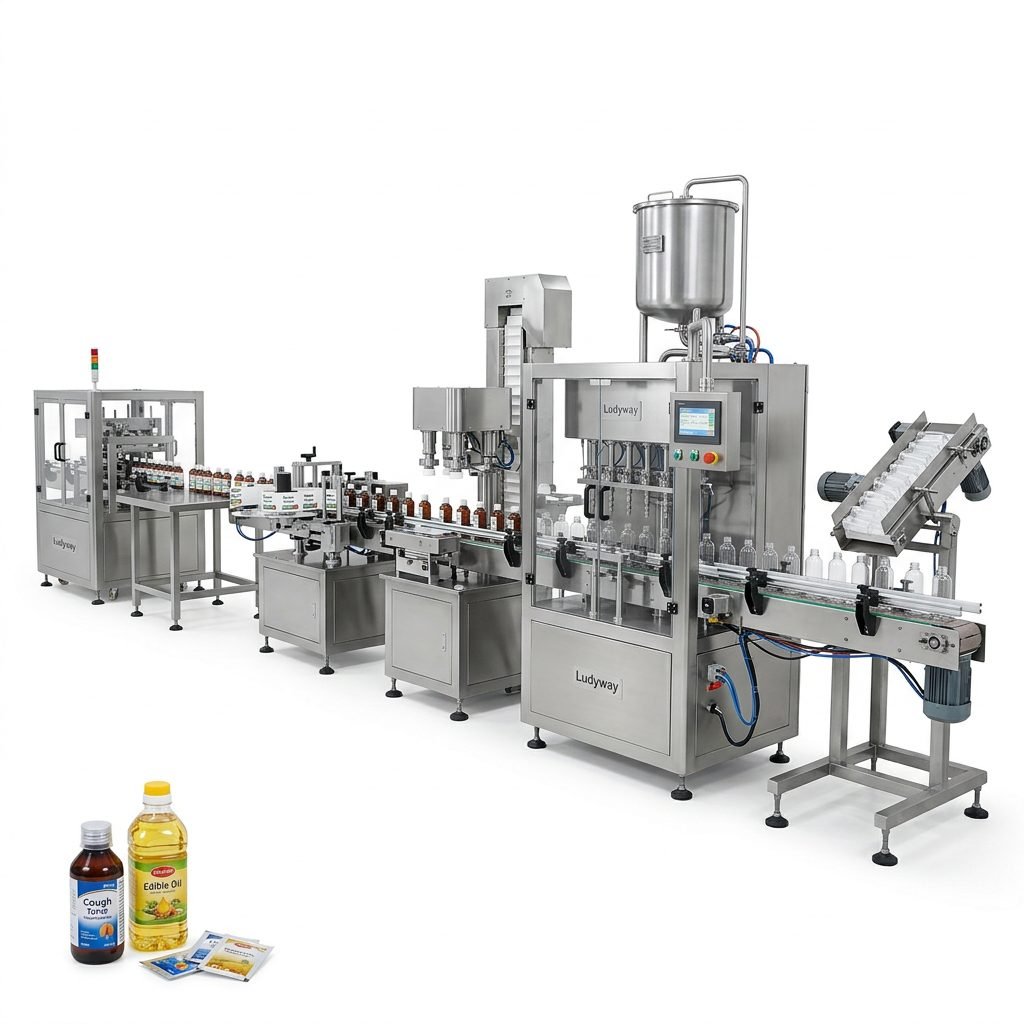
The Role of Turnkey Solutions in Lebanese Production Facilities
For medium to large-scale Lebanese packaging operations, sourcing from manufacturers that deliver complete turnkey packaging lines offers distinct advantages. Instead of integrating equipment from multiple vendors, a single supplier manages line design, machine matching, installation guidance, and overall system performance. This approach reduces commissioning risks and ensures smoother production starts.
Suppliers like Packmate Machinery, with over 30 years in the industry and more than 80 machine models, provide a balanced combination of technical reliability and cost efficiency. Their focus on food, pharmaceutical, and supplement packaging aligns well with Lebanon’s key export industries. For local producers, having access to a broad machine portfolio under one brand simplifies spare parts management and technical training.
Evaluating Export Readiness and After-Sales Support
Lebanese buyers should prioritize manufacturers with established export operations in the Middle East. This indicates that the supplier has experience handling shipping logistics, documentation requirements, and regional electrical standards. Companies exporting to Europe and North America often maintain higher quality certifications, which benefits Lebanese businesses seeking to export their packaged products.
After-sales support is equally important. Reliable manufacturers provide remote troubleshooting, video-guided commissioning, and access to engineering teams familiar with Middle Eastern time zones. When evaluating potential partners, Lebanese companies should inquire about typical response times for technical queries and the availability of commonly needed spare parts.
| Manufacturer | Key Strengths for Lebanese Buyers | Best Suited For |
|---|---|---|
| Ludyway | Broad product range, 100+ models, strong in turnkey lines | Large-scale food, pharma, and supplement factories |
| Packmate Machinery | Balanced cost-performance, 80+ models, custom configurations | Medium-sized producers needing reliable automation |
| PacklineOEM | Full line integration, OEM experience, complex projects | New factory setups and complete production line upgrades |
| PackingMachineOEM | Non-standard customization, flexible engineering | Specialty products with unique packaging requirements |
Practical Steps for Sourcing Packaging Machinery from China to Lebanon
Lebanese business owners should begin by clearly defining their packaging requirements: product type (granules, powder, liquid), bag style (stick pack, sachet, pouch), production speed, and plant floor constraints. This specification helps manufacturers provide accurate quotations and machine recommendations. It is advisable to request video demonstrations of similar machines running comparable products.
Due diligence should include verifying the manufacturer’s export history to the Middle East, requesting client references from regional buyers, and understanding the warranty terms. Many leading Chinese suppliers offer customizable payment terms and can arrange inspection visits either remotely or at their factory. For Lebanese importers, working with a freight forwarder experienced in industrial equipment clearance at Beirut port can streamline the process.
Budget Considerations and Long-Term Value
While initial machine cost is a factor, Lebanese companies should evaluate total cost of ownership including energy consumption, maintenance requirements, spare parts cost, and potential downtime. Manufacturers with modular machine designs and easily replaceable components tend to offer better long-term value. Suppliers that provide comprehensive documentation, including electrical diagrams and maintenance manuals in English, further reduce operational risks.
It is also worth considering suppliers that offer local representation or service partnerships in the Middle East. While direct factory support is valuable, having a regional contact can accelerate response times for urgent technical issues. Several Chinese packaging machinery companies now have agents or service engineers based in the UAE or Saudi Arabia, which can also serve Lebanese clients.
Frequently Asked Questions
Q1: What type of packaging machines are most suitable for Lebanese food and pharma companies?
For most Lebanese producers, multi-lane stick pack and sachet packaging machines are ideal for granule, powder, and liquid products. Turnkey lines that integrate feeding, filling, sealing, and inspection are recommended for larger operations aiming for high efficiency and consistent output quality.
Q2: How can I verify the reliability of a Chinese packaging machine manufacturer?
Check the company’s history (20+ years is a strong indicator), factory size, export record to the Middle East, and request client references. Leading manufacturers like Ludyway and Packmate have over 30 years of experience and export to more than 100 countries, which supports their reliability.
Q3: Do these manufacturers offer customized machines for non-standard packaging?
Yes. Several suppliers, particularly PackingMachineOEM, specialize in non-standard and OEM customization. They can adapt machines for specific bag sizes, material types, and production line layouts, which is valuable for Lebanese companies with unique product formats.
Q4: What after-sales support can I expect from Chinese packaging machine suppliers?
Reliable manufacturers provide remote technical support, video-guided commissioning, and detailed machine documentation. Some have service partners in the Middle East. It is advisable to clarify warranty terms and spare parts availability before placing an order.
Q5: How long does shipping and installation typically take for machinery imported from China to Lebanon?
Manufacturing and shipping usually take 30 to 60 days, depending on machine complexity and production load. Installation time varies but most suppliers can guide local technicians remotely. Engaging a local industrial electrician familiar with packaging equipment can speed up setup.