Choosing the right heat shrink packaging machine is a critical decision for any production line. The correct model can dramatically increase efficiency, reduce material waste, and ensure a consistent, high-quality finish for your products. This guide will walk you through the key factors to consider, helping you select the best machine that aligns perfectly with your specific production volume, product type, and operational goals.
Understanding Your Production Requirements
Before diving into machine specifications, a thorough analysis of your own needs is the essential first step. This internal audit will form the foundation of your search.
Assessing Production Volume and Speed
Your required output is the primary driver for machine selection. Consider both your current daily/weekly output and projected growth over the next few years.
Key Question: What is your target packages-per-minute (PPM) rate? A low-volume operation might be well-served by a semi-automatic L-bar sealer, while high-speed production demands a fully automatic, continuous motion machine.
Matching the machine’s cycle speed to your output prevents bottlenecks and avoids the significant capital expense of an overpowered system.
Identifying Your Product Specifications
The physical characteristics of your product dictate the machine’s chamber size, sealing mechanism, and film handling capabilities.
- Dimensions (L x W x H): The machine’s tunnel must accommodate your largest product.
- Shape & Stability: Irregular or unstable items may require custom fixtures or a specialized infeed system.
- Material Sensitivity: Heat-sensitive products need precise temperature control to avoid damage.
Key Machine Features and Technologies
Modern heat shrink packaging machines come with a variety of features designed to optimize performance, reliability, and ease of use.
Sealing System Types
The sealing bar is the heart of the machine. There are two main types:
Impulse Sealers
Use a brief, intense pulse of electricity to melt the film. They are energy-efficient and excellent for intermittent use or polyolefin films.
Constant Heat Sealers
Maintain a consistently hot sealing bar. They offer faster cycle times and are ideal for continuous, high-volume production with a variety of film types.
Heating and Tunnel Design
The shrink tunnel’s performance determines the final package tightness and appearance.
Hot Air vs. Infrared Heating: Hot air tunnels are versatile and cost-effective for most applications. Infrared tunnels provide faster, more focused heating, often resulting in a clearer finish on the film, but can be less forgiving with uneven products.
Look for machines with adjustable temperature zones and variable conveyor speed for precise control over the shrinking process.
Automation and Integration Level
Automation directly impacts labor costs and line efficiency.
- Semi-Automatic: An operator places the product into the film. The machine performs the seal and shrink cycle. Best for low volume or varied products.
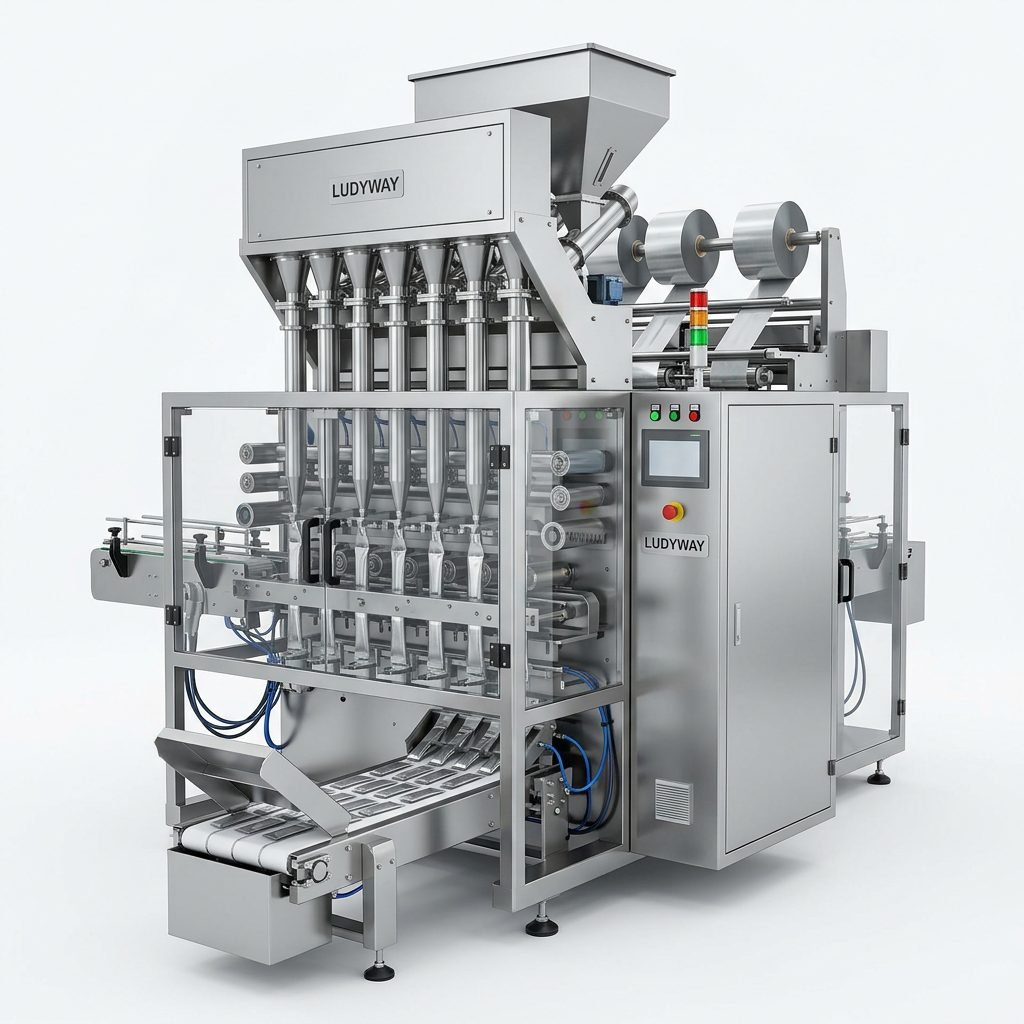
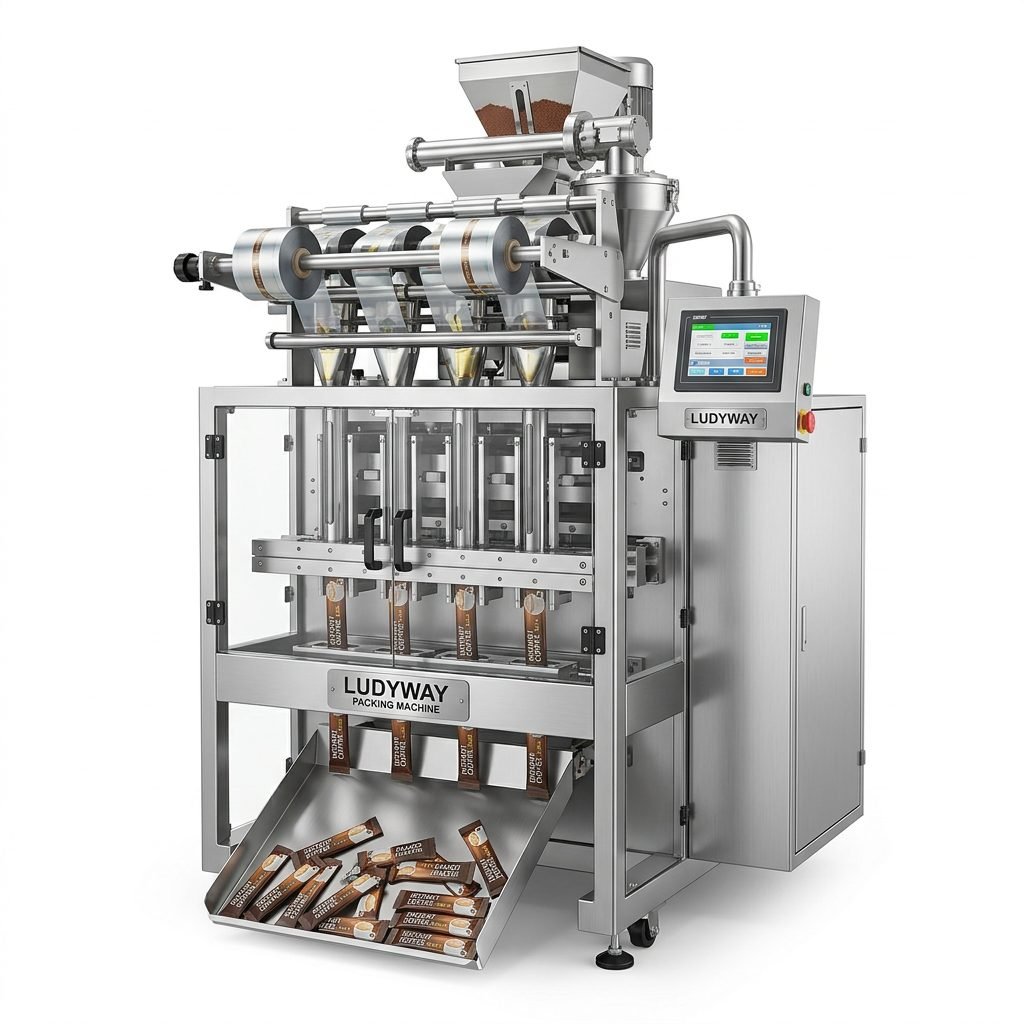
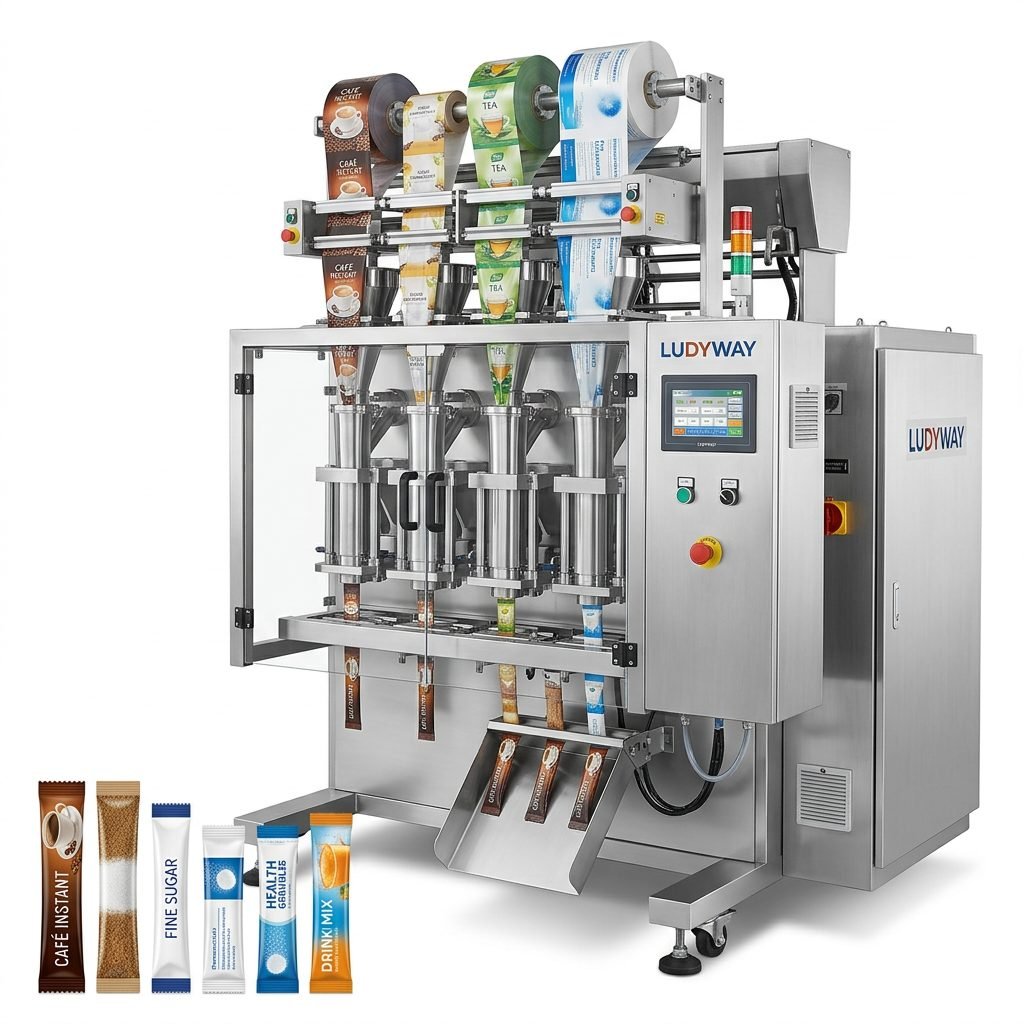
- Fully Automatic: Integrated with an automatic infeed and film dispensing system. Required for medium to high-volume production. Can be linked with upstream equipment like multi-lane stick pack machines or downstream case packers.
- PLC Control & HMI: A Programmable Logic Controller and Human-Machine Interface touchscreen allow for storing recipes, monitoring diagnostics, and simplifying changeovers.
Material Compatibility and Cost Considerations
The machine and the film are a partnership. Your choice of shrink film (e.g., PVC, POF, PET) must be compatible with the machine’s sealing and heating capabilities.
POF (Polyolefin) film is popular for its clarity, strength, and lower shrinking temperature, but requires a machine capable of clean, strong seals on this material. Always consult with both your machine supplier and film supplier to ensure compatibility.
Beyond the initial purchase price, consider the Total Cost of Ownership (TCO):
• Energy Consumption: Efficient heating systems lower ongoing utility costs.
• Film Waste: Machines with precise film cutting and registration control minimize material waste.
• Maintenance & Downtime: Robustly built machines from reputable suppliers like Ludyway Machinery offer higher reliability and easier service access, reducing long-term maintenance costs.
• Technical Support: Ensure your supplier offers comprehensive training, spare parts availability, and responsive service.
Making the Final Decision and Supplier Selection
Once you have defined your parameters, the final step is evaluating potential suppliers and machine models.
Requesting a Product Test
Never buy a heat shrink machine without a live test using your actual product and film. This is non-negotiable. It validates speed, seal integrity, shrink quality, and overall suitability.
Evaluating the Supplier
Choose a partner, not just a vendor. Look for a supplier with:
Proven Industry Experience: A company with decades of experience, like Ludyway with over 30 years in packaging, understands real-world production challenges.
Engineering & Customization Capability: Can they modify a standard machine to handle your unique product? Their ability to provide customized production solutions is a major advantage.
Global Support Network: For international operations, ensure they have the infrastructure to provide timely spare parts and service support in your region.
Frequently Asked Questions (FAQs)
1. What is the main difference between an L-bar sealer and a sleeve wrapper?
An L-bar sealer creates a three-sided seal (a bag) around a product placed inside folded film, then sends it through a tunnel. A sleeve wrapper forms a tube of film around the product, seals the longitudinal seam, cuts it, and then seals the ends, creating a full sleeve. Sleeve wrappers are generally for higher speed and different package styles.
2. Can one machine handle all types of shrink film?
Not always. While many modern machines are versatile, critical settings like sealing temperature, pressure, and dwell time vary between films like PVC and POF. A high-quality machine with precise controls can often handle multiple types, but adjustments are necessary. Always verify compatibility.
3. How important is the PLC control system?
Extremely important for consistent, repeatable results and operational efficiency. A PLC allows you to save settings (“recipes”) for different products, enabling quick changeovers. It also provides diagnostic information and can integrate with other line equipment for synchronized automation.
4. What regular maintenance does a heat shrink machine require?
Daily cleaning of the sealing bar to remove film residue, periodic inspection and cleaning of the heating elements and fans in the tunnel, and lubrication of moving parts as per the manufacturer’s manual are essential. Regular maintenance prevents downtime and ensures consistent seal quality.
5. Should I prioritize speed or flexibility?
This depends entirely on your product mix. If you run long batches of a single product, prioritize speed and robustness. If you frequently switch between different product sizes or films, prioritize a machine known for easy changeovers, tool-less adjustments, and recipe storage capability, even if its maximum speed is slightly lower.