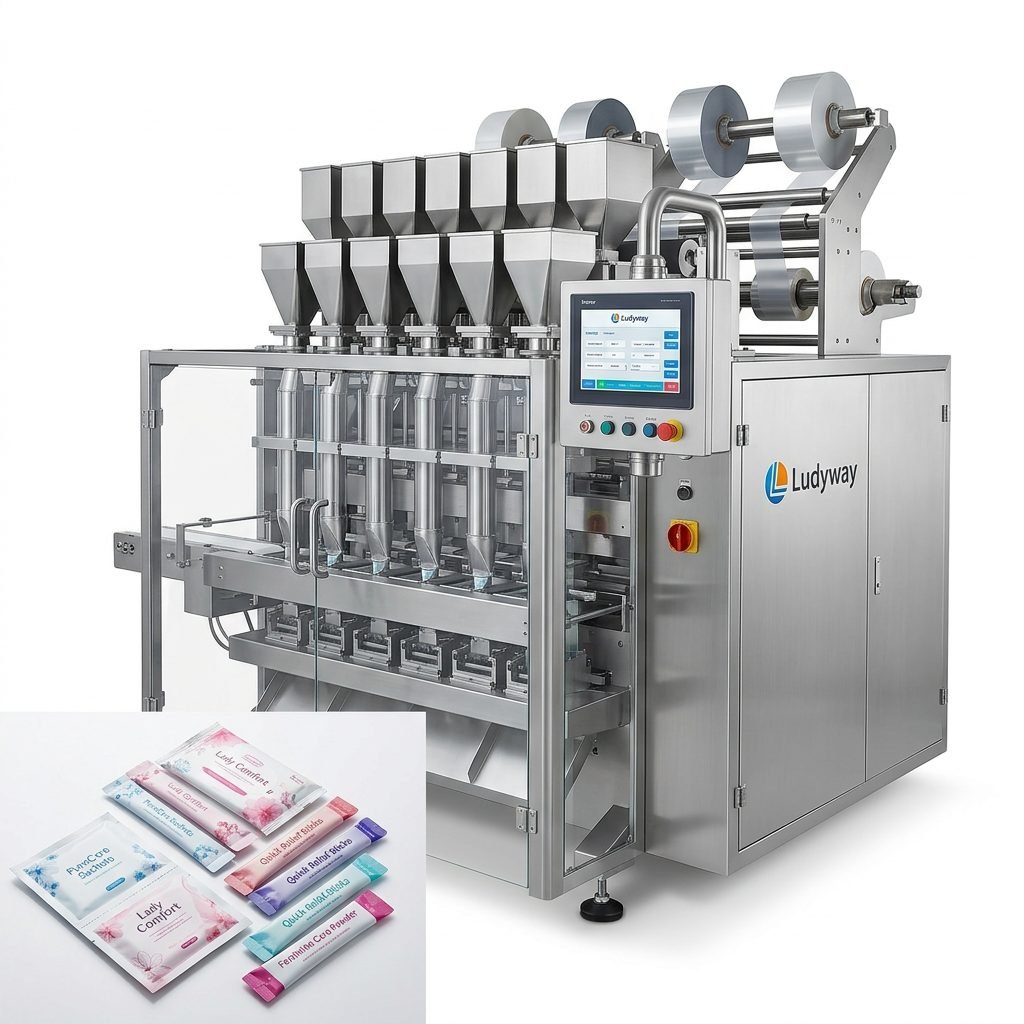
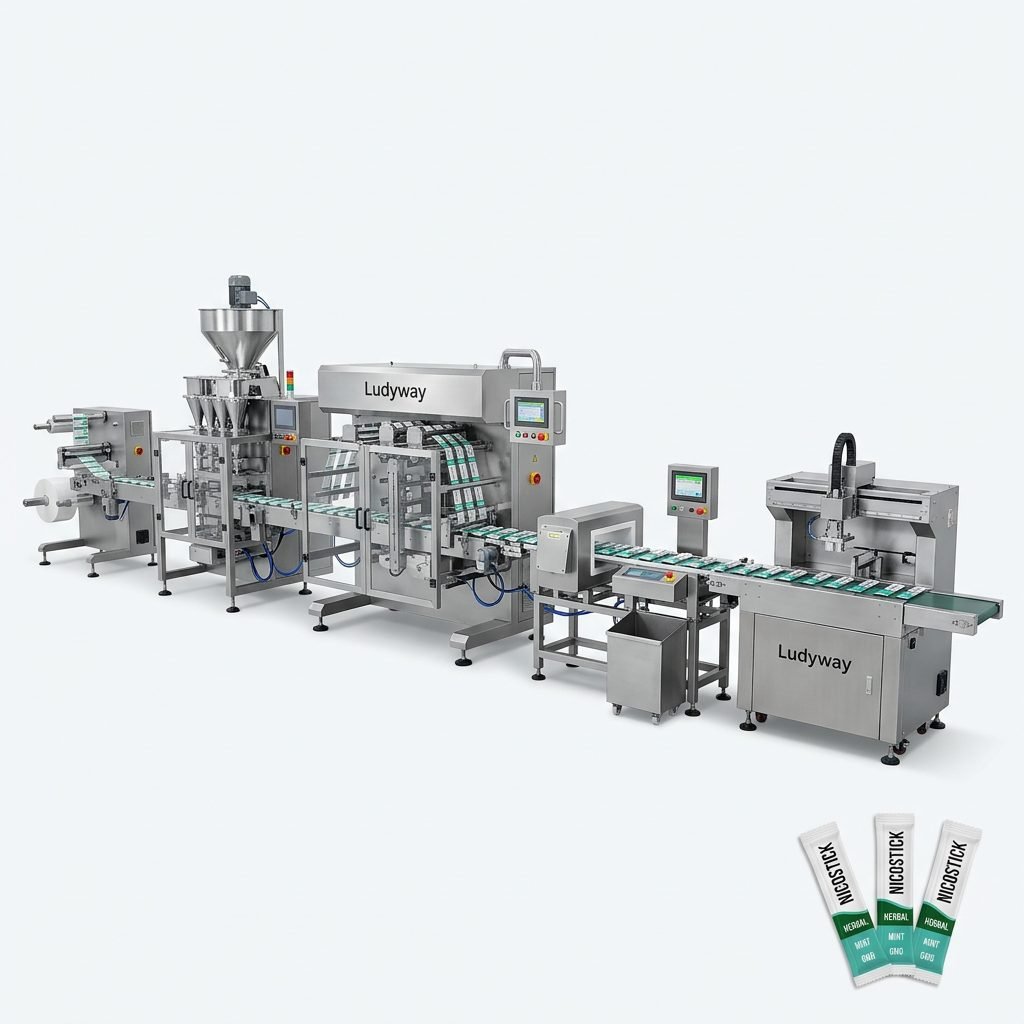
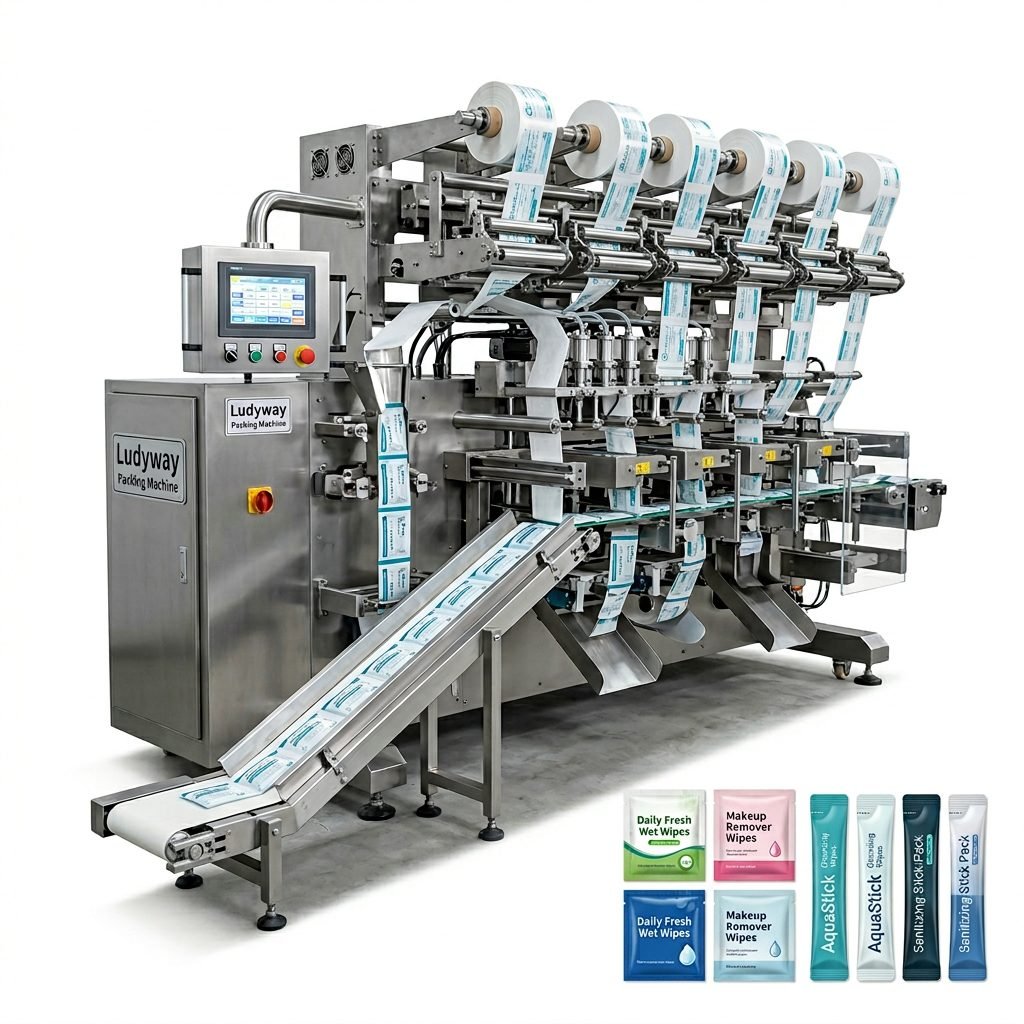
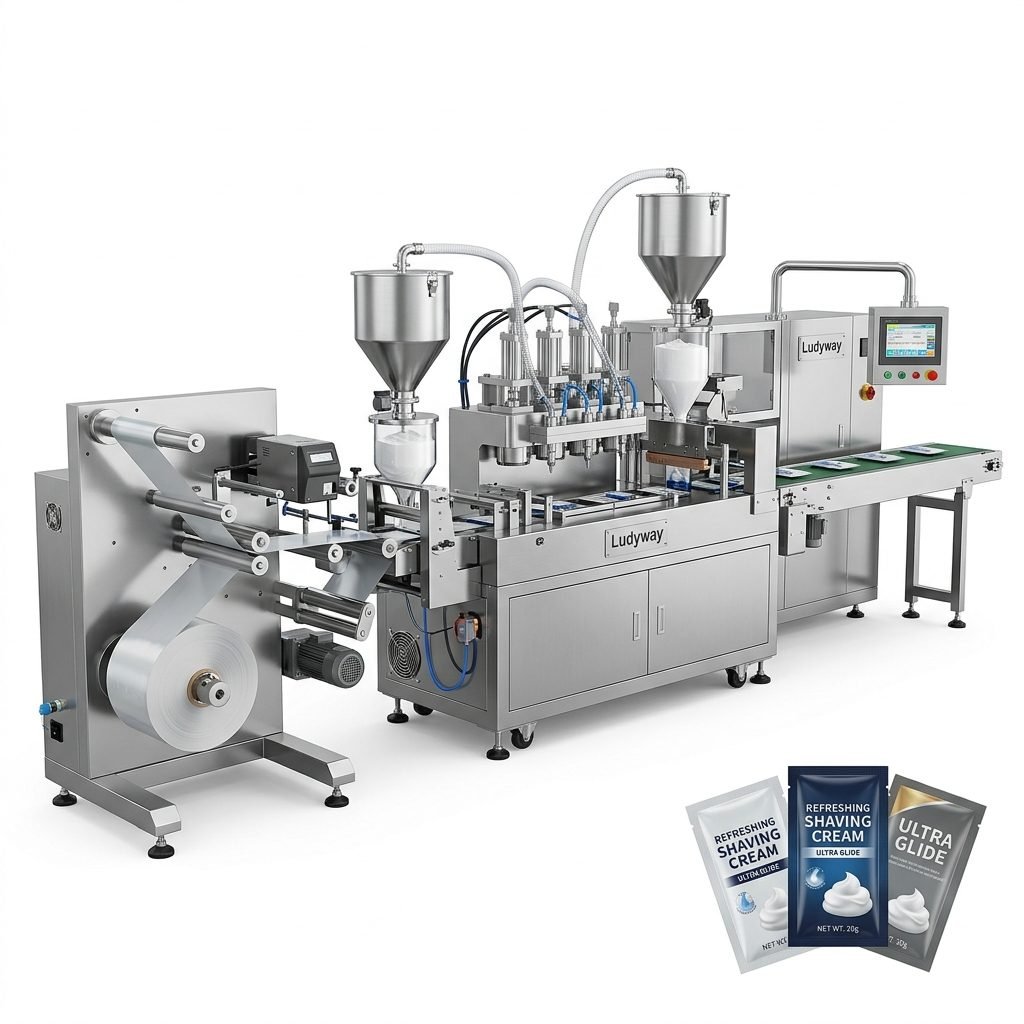
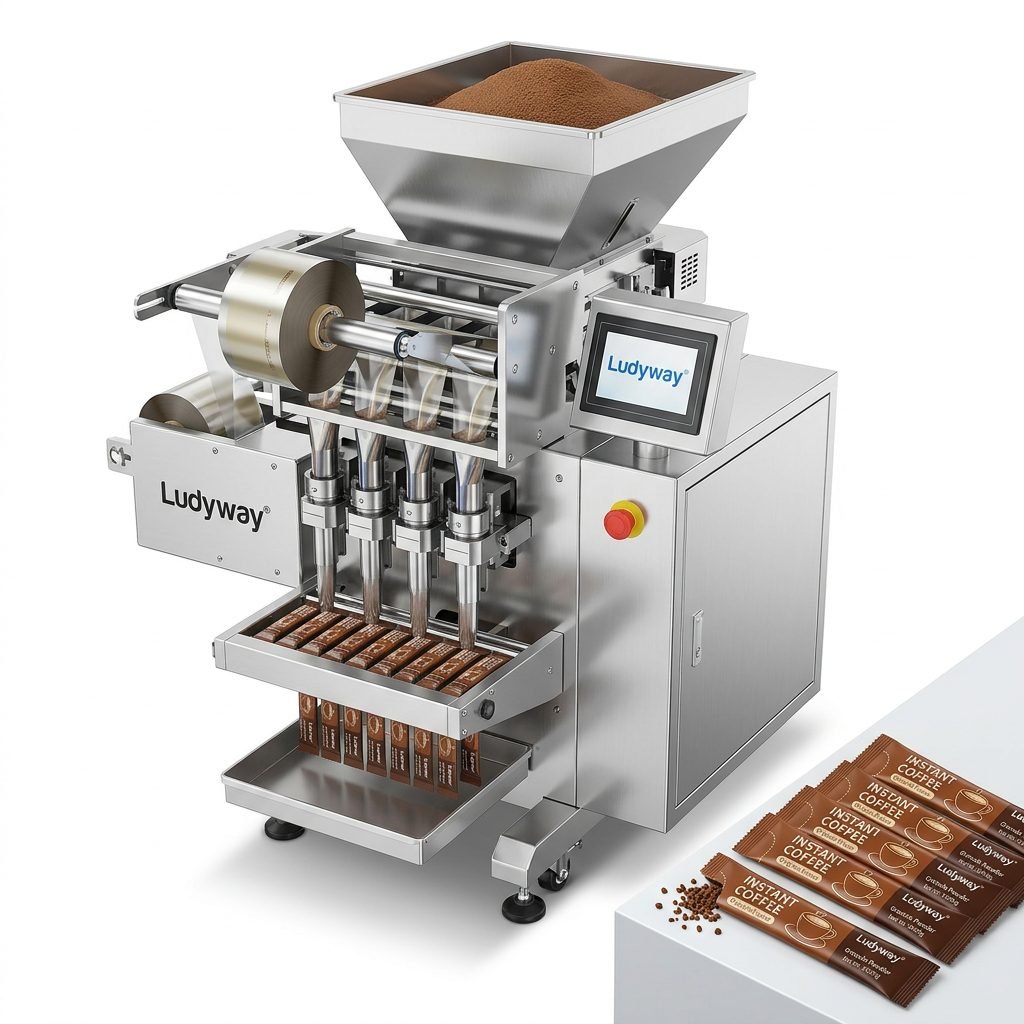
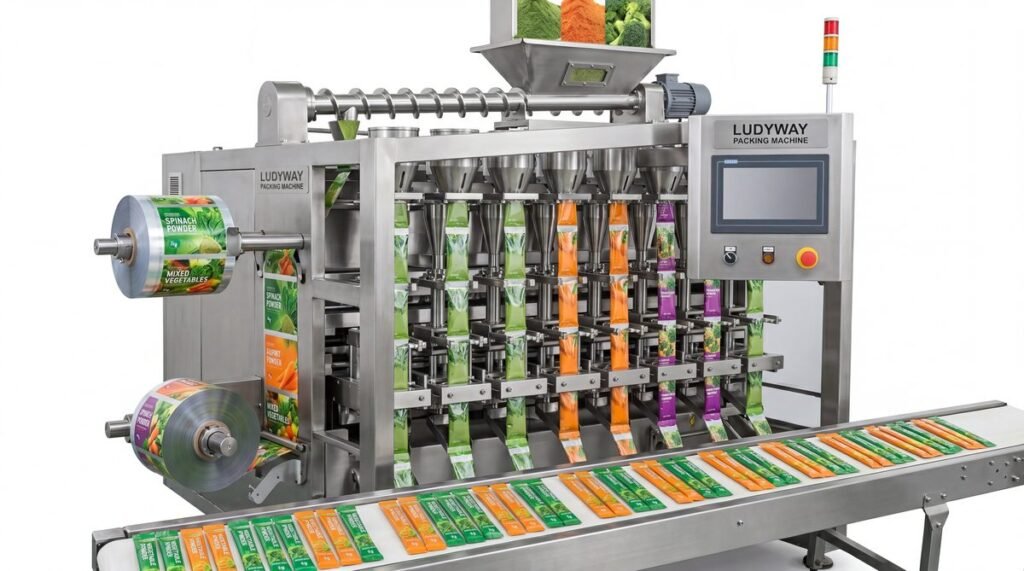
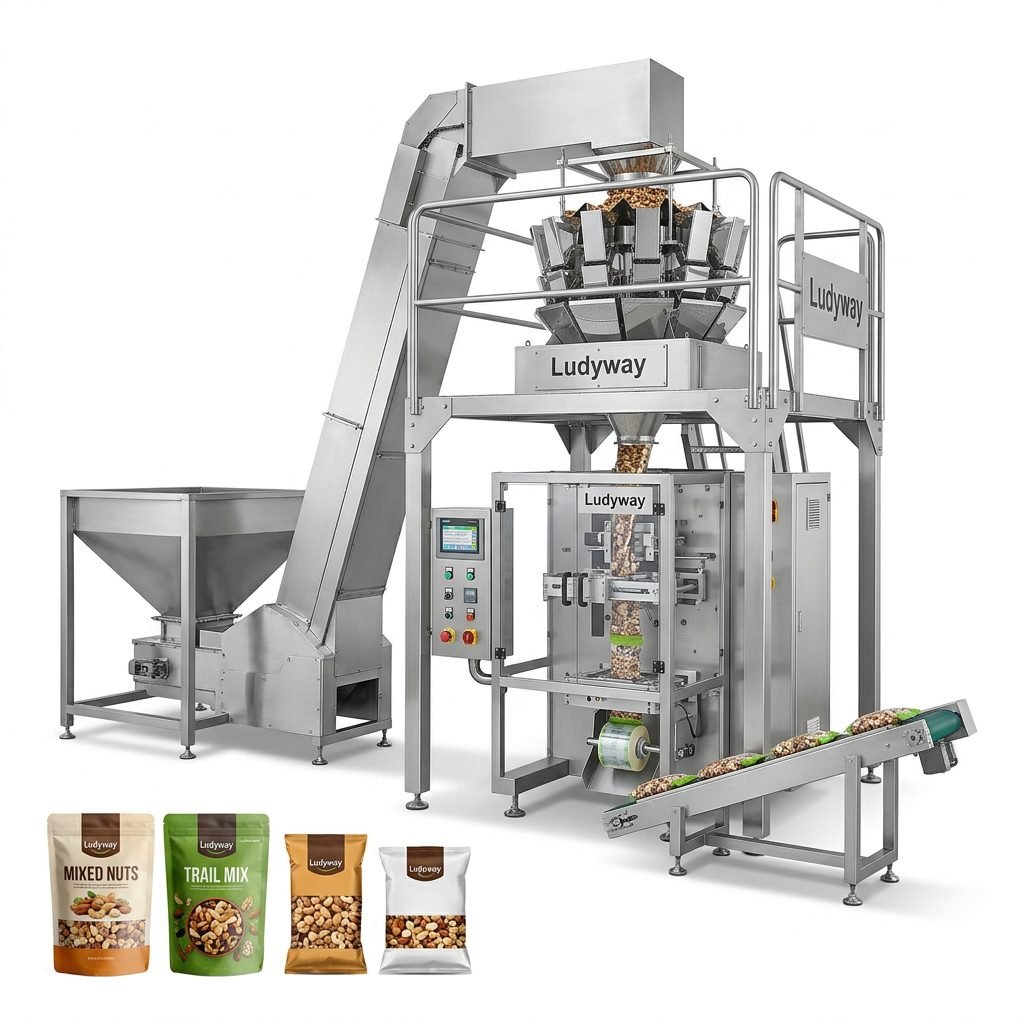
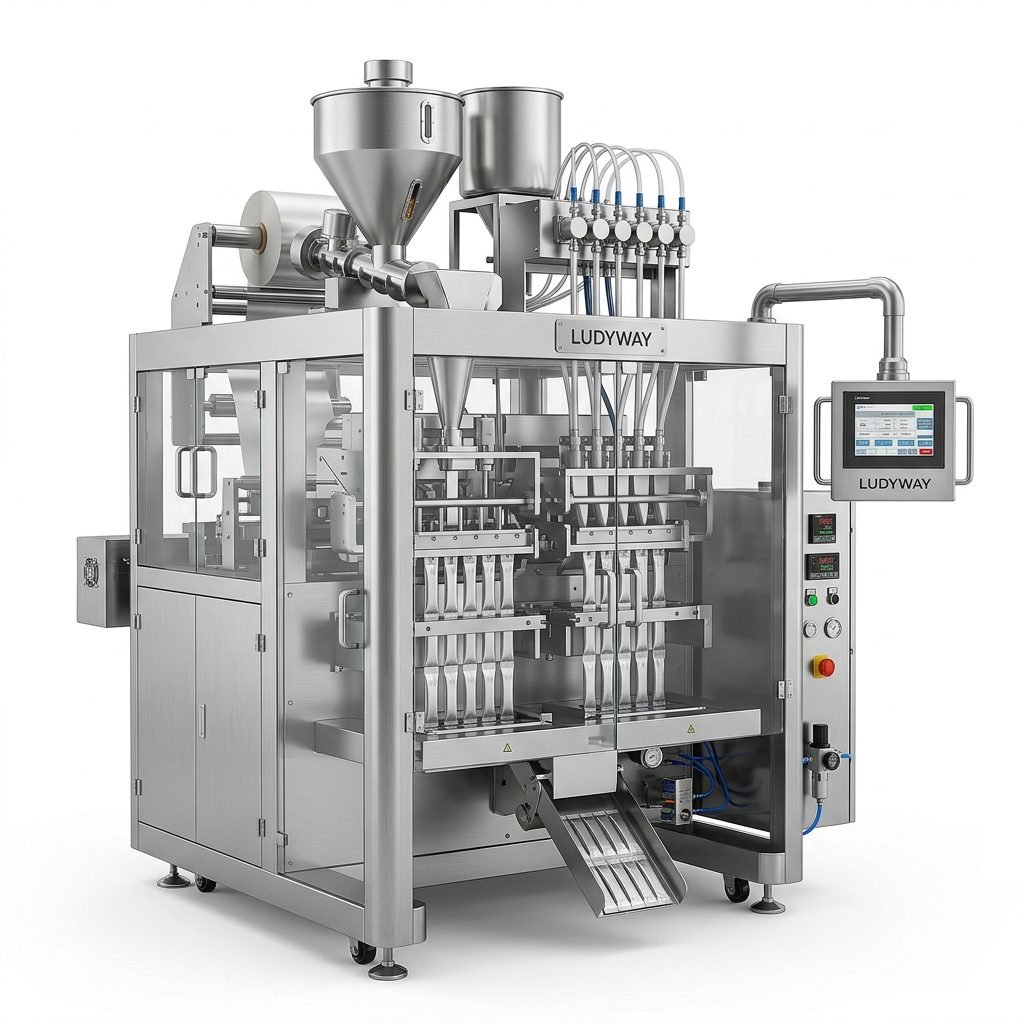
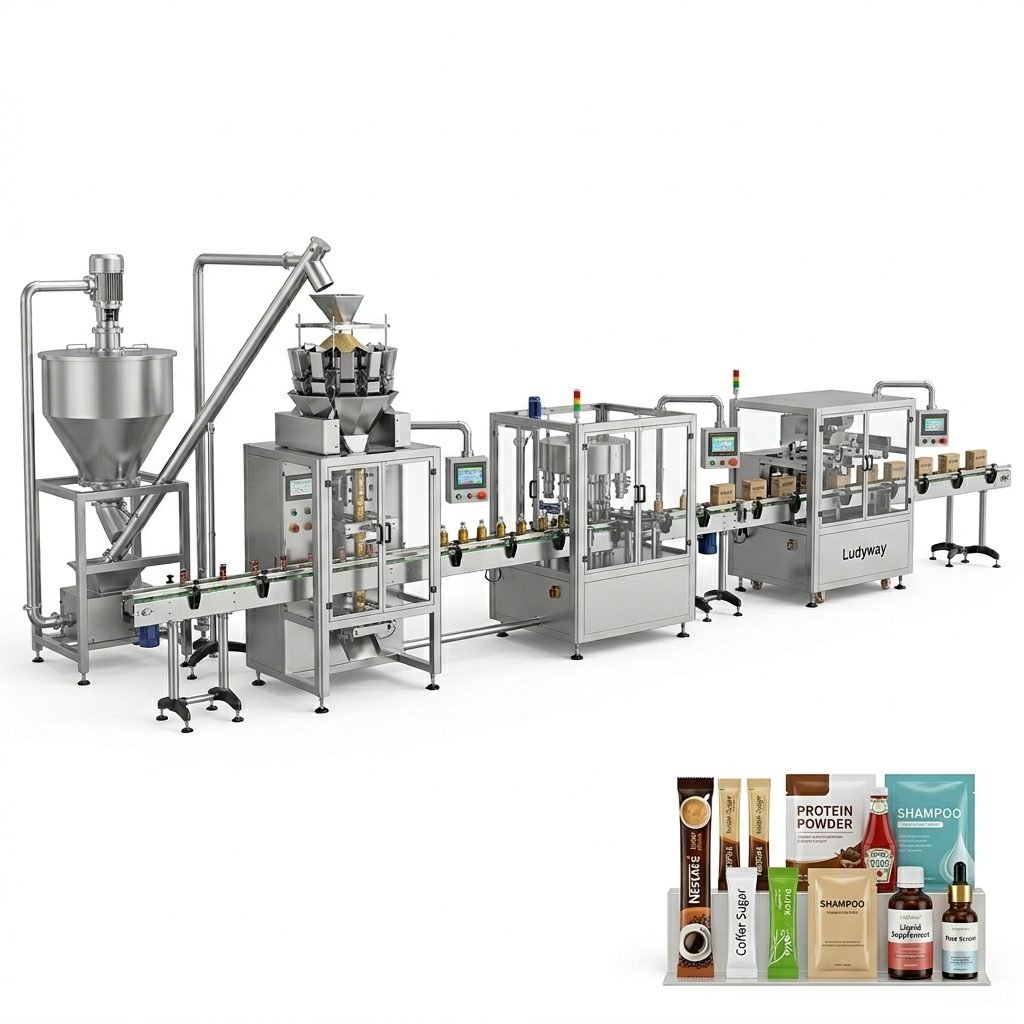
A packaging machine is one of the most important investments in any production facility. Whether you run food, pharmaceutical, cosmetic, chemical, or nutraceutical lines, extending machine lifespan is not only about reducing repair bills—it also helps improve uptime, product consistency, workplace safety, and long-term return on investment.
The good news is that most packaging machine failures are preventable. With the right maintenance routine, operator habits, cleaning practices, and spare-parts strategy, your equipment can continue performing reliably for many years.
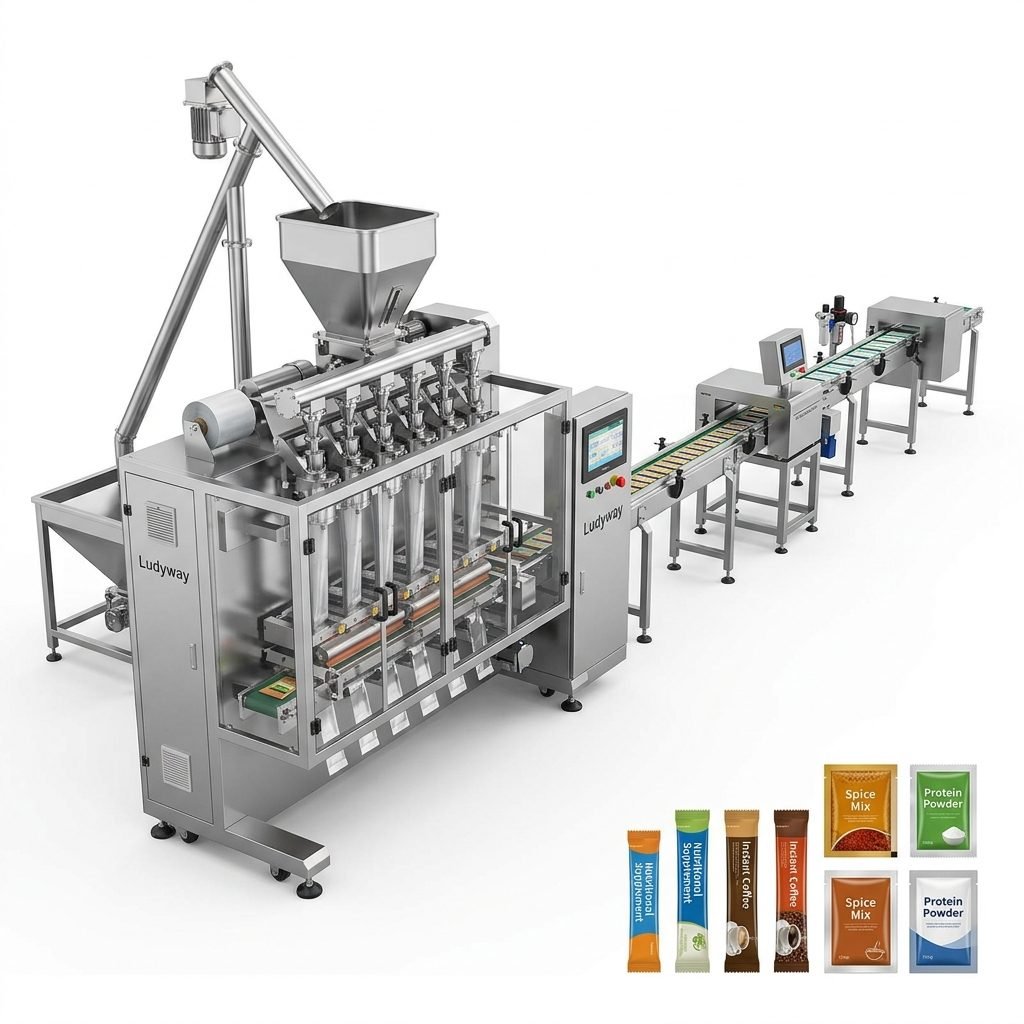
Why Packaging Machine Lifespan Matters
When a packaging machine runs well for a longer period, manufacturers gain several advantages:
- Lower total cost of ownership
- Fewer unexpected shutdowns
- More stable output quality
- Reduced waste of packaging materials and products
- Better production planning and delivery performance
- Higher safety for operators and maintenance teams
In high-volume environments, even a short period of downtime can affect production schedules, customer commitments, and profitability. That is why preventive care should always be treated as a strategic business practice rather than a simple maintenance task.
Start With a Preventive Maintenance Schedule
The most effective way to extend equipment life is to move from reactive maintenance to planned preventive maintenance. Instead of waiting for parts to fail, inspect and service them at fixed intervals based on operating hours, product type, and line intensity.
Recommended maintenance frequency
| Maintenance Interval | Typical Tasks | Main Benefit |
|---|---|---|
| Daily | Cleaning, visual inspection, checking abnormal noise, verifying sensors | Prevents minor issues from escalating |
| Weekly | Lubrication checks, fastener tightening, belt tension review | Reduces wear on moving components |
| Monthly | Electrical inspection, sealing system checks, alignment verification | Improves production stability |
| Quarterly | Replace wear parts, inspect motors, calibrate dosing systems | Extends critical component life |
| Annually | Comprehensive overhaul, software review, full performance audit | Supports long-term reliability and efficiency |
Keep the Machine Clean—But Clean It Correctly
Cleanliness directly affects machine life. Dust, powder, oil residue, liquid splashes, and product buildup can damage sensors, clog moving parts, reduce sealing quality, and create corrosion risks.
Best cleaning practices
- Clean at the end of every production shift
- Use cleaning agents approved for the machine’s materials
- Avoid excessive moisture around electrical components
- Remove product residues from sealing jaws, nozzles, hoppers, and forming areas
- Use compressed air carefully, especially around sensors and control panels
- Document sanitation procedures for repeatability
Improper cleaning can be as harmful as poor maintenance. Harsh chemicals, high-pressure water in the wrong areas, or abrasive tools may shorten the life of stainless steel parts, seals, and electrical systems.
Lubricate Moving Parts on Time
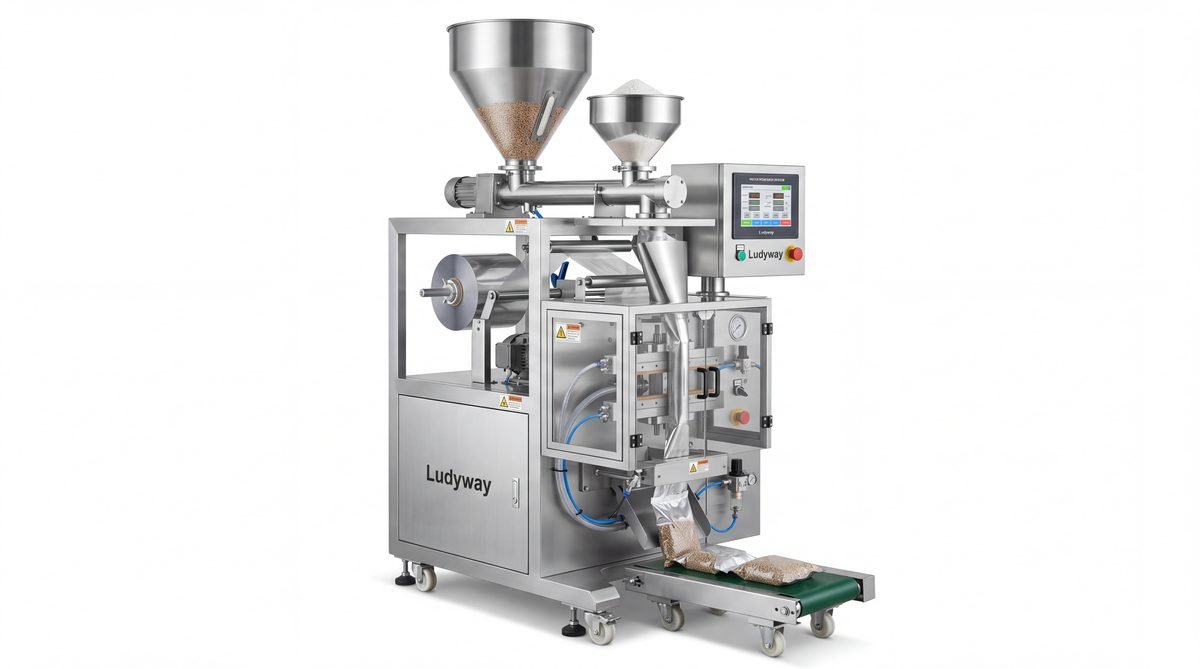
Bearings, chains, guide rails, cams, gears, and drive assemblies all experience friction during operation. Without proper lubrication, metal-on-metal contact increases wear, raises operating temperature, and can eventually lead to costly breakdowns.
Lubrication tips
- Follow the lubricant type recommended by the machine manufacturer.
- Do not over-lubricate; excess grease can attract dust and contaminate products.
- Label lubrication points clearly for maintenance staff.
- Track lubrication dates in a maintenance log.
- Increase inspection frequency in dusty, humid, or high-speed production environments.
Train Operators to Use the Machine Properly
One of the most overlooked causes of premature equipment wear is incorrect operation. Even a high-quality machine can suffer if operators start, stop, adjust, or load it improperly.
Operators should understand not only how to run the machine, but also how to recognize early warning signs such as:
- Unusual vibration
- Changes in sealing quality
- Irregular pouch or sachet forming
- Unexpected alarms
- Inconsistent fill weight
- Abnormal heat or smell
Strong operator training reduces misuse, prevents accidental damage, and helps maintenance teams respond before small issues become major failures.
Monitor Wear Parts and Replace Them Before Failure
Every packaging machine has consumable or wear-prone components. These parts naturally degrade over time and should be replaced based on usage cycles, not just visible damage.
Common wear parts in packaging machinery
| Component | Signs of Wear | Action |
|---|---|---|
| Sealing jaws | Weak or uneven seals | Inspect coating, temperature, and flatness |
| Cutting blades | Jagged cuts, film tearing | Sharpen or replace regularly |
| Belts and chains | Slippage, vibration, noise | Adjust tension or replace |
| Sensors | False readings, misdetection | Clean, recalibrate, or replace |
| Gaskets and seals | Leaks, contamination risk | Replace before cracking or hardening worsens |
Watch Electrical and Pneumatic Systems Closely
Modern packaging machines depend heavily on electrical controls, PLCs, servo drives, sensors, and pneumatic assemblies. Problems in these systems can cause inconsistent movement, filling errors, sealing defects, or full line stoppages.
Electrical and pneumatic maintenance checklist
- Inspect wires, terminals, and connectors for looseness or overheating
- Keep electrical cabinets dry and dust-free
- Drain and filter compressed air systems as required
- Check air pressure consistency
- Inspect cylinders and valves for leakage or delayed response
- Verify emergency stop and safety interlock performance
Clean, dry, stable compressed air is especially important. Moisture or contamination in pneumatic systems can reduce cylinder life and cause erratic machine action.
Avoid Overloading the Machine
Running a machine beyond its designed speed, filling range, or product characteristics can dramatically shorten its life. Many failures happen because the equipment is continuously pushed outside recommended parameters.
To prevent overload:
- Use suitable packaging materials and film thickness
- Stay within rated production speed
- Confirm product flowability matches the filling system
- Avoid sudden speed changes without proper setup adjustment
- Do not force the machine to handle incompatible pouch or package formats
Higher speed is not always higher efficiency. Stable long-term output is usually more profitable than frequent high-speed stoppages and repairs.
Calibrate for Accuracy and Stability
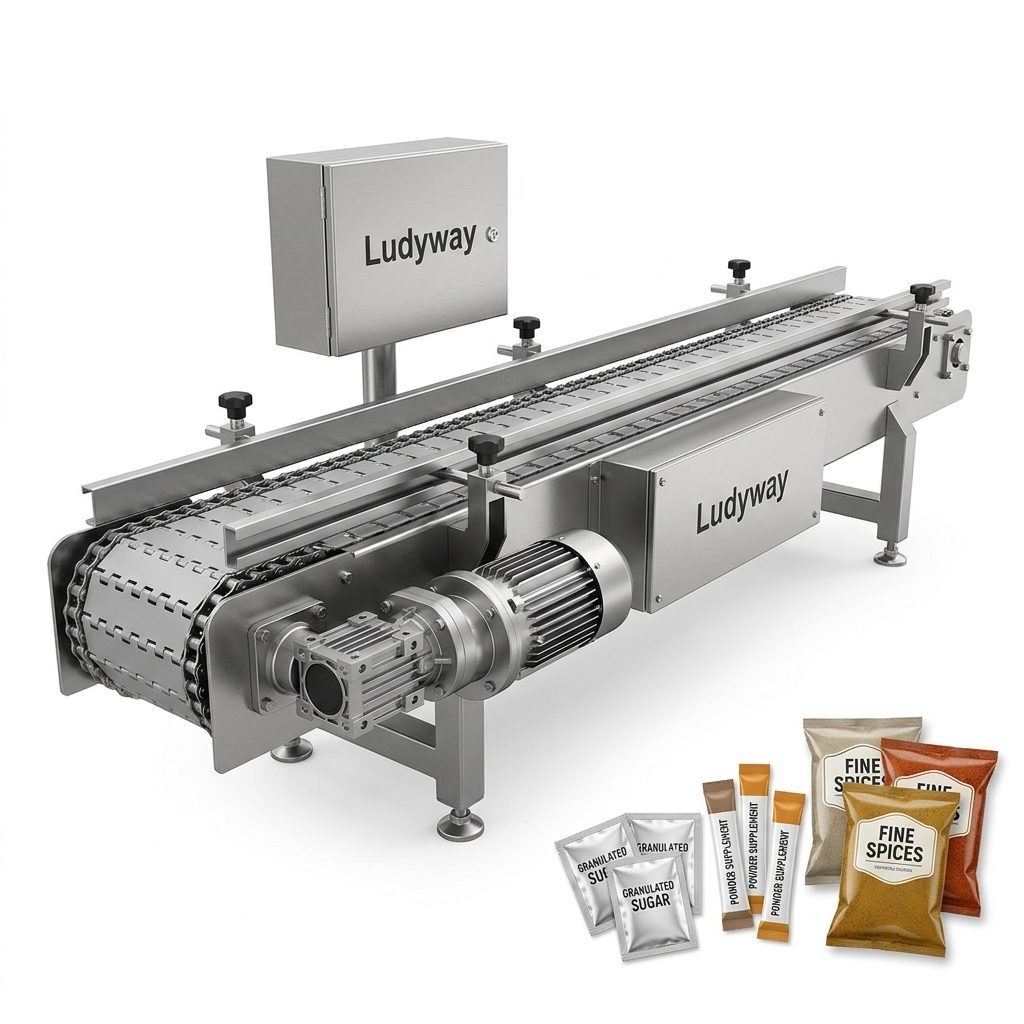
Packaging machines must maintain accuracy over time. If filling systems, sealing temperature, coding position, or feeding alignment drift from standard settings, the machine may still run—but performance degrades and wear increases.
Calibration should include:
- Filling weight or volume accuracy
- Film tracking and registration
- Temperature controller accuracy
- Sensor sensitivity
- Servo positioning and synchronization
Use Genuine Spare Parts and Technical Support
Cheap replacement parts may seem cost-effective, but low-quality components often wear faster, fit poorly, or create compatibility issues. That can increase vibration, reduce sealing consistency, and place extra stress on connected assemblies.
Working with an experienced packaging machine manufacturer such as Ludyway can help ensure proper spare-part selection, machine matching, and long-term technical support for different industries and product formats.
Maintain a Spare Parts Inventory
A well-managed spare-parts inventory reduces downtime and avoids emergency sourcing delays. Critical parts should always be available on site, especially for machines operating in multi-shift or continuous production environments.
Parts worth stocking
- Heating elements
- Thermocouples and temperature controllers
- Sensors and proximity switches
- Belts, blades, and sealing consumables
- Pneumatic valves and cylinders
- Common relays, fuses, and connectors
Record Every Maintenance Activity
Maintenance records help identify recurring issues, estimate wear-part replacement cycles, and improve decision-making. Without records, teams often repeat mistakes, miss service intervals, or replace parts too early or too late.
A good log should include:
- Date and machine hours
- Issue observed
- Action taken
- Parts replaced
- Technician or operator name
- Recommended follow-up date
Create a Maintenance Culture, Not Just a Maintenance Plan
The longest-lasting machines are usually found in factories where maintenance is part of daily operations. Operators, supervisors, and technicians all share responsibility for machine health. Small actions—such as reporting unusual sounds early, keeping the work area clean, or checking alignment before startup—create major long-term benefits.
Simple habits that make a big difference
| Best Practice | Result |
|---|---|
| Daily visual inspections | Faster detection of wear and leaks |
| Operator checklists | More consistent startup and shutdown procedures |
| Scheduled cleaning routines | Less contamination and lower mechanical stress |
| Routine calibration | Better product quality and less waste |
| Spare parts planning | Shorter downtime during repairs |
Final Best Practices for Long-Term Performance
- Follow manufacturer maintenance guidelines
- Train all operators on correct machine handling
- Inspect and replace wear parts proactively
- Keep electrical, pneumatic, and mechanical systems clean and stable
- Never ignore minor alarms or unusual machine behavior
- Use quality spare parts and technical support when needed
- Document maintenance to improve reliability over time
A packaging machine that receives proper attention will deliver better productivity, lower operating costs, and a much longer service life. In competitive manufacturing environments, that difference can have a direct impact on quality, output, and profitability.