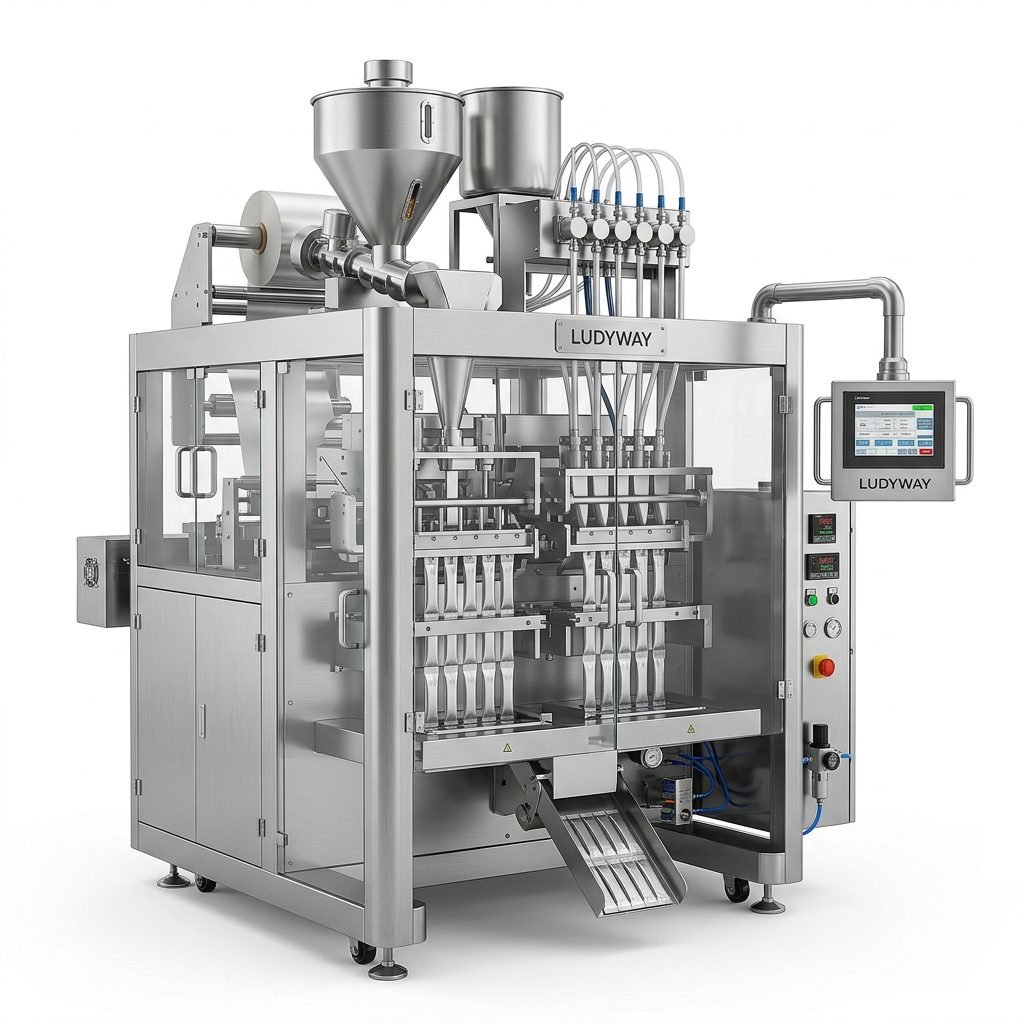
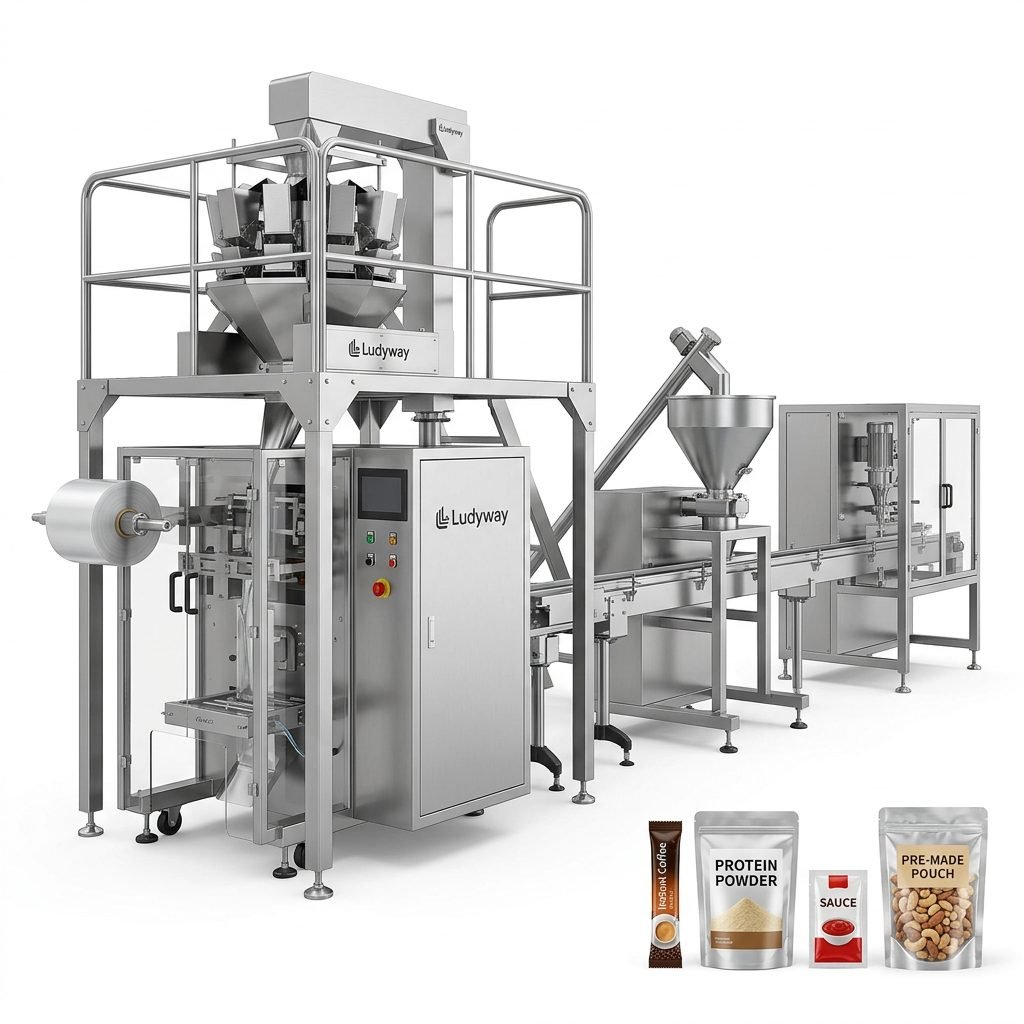
Automatic bagging machines can cost anywhere from $5,000 to over $200,000, depending on the machine type, automation level, bag size, weighing accuracy, output speed, material compatibility, and whether you need a standalone unit or a complete packaging line.
For manufacturers, distributors, and processing plants, understanding bagging machine pricing is not just about comparing quotations. The real cost includes installation, customization, feeding systems, sealing options, quality control modules, and future maintenance. This guide breaks down the full pricing picture so you can make a smarter investment decision.
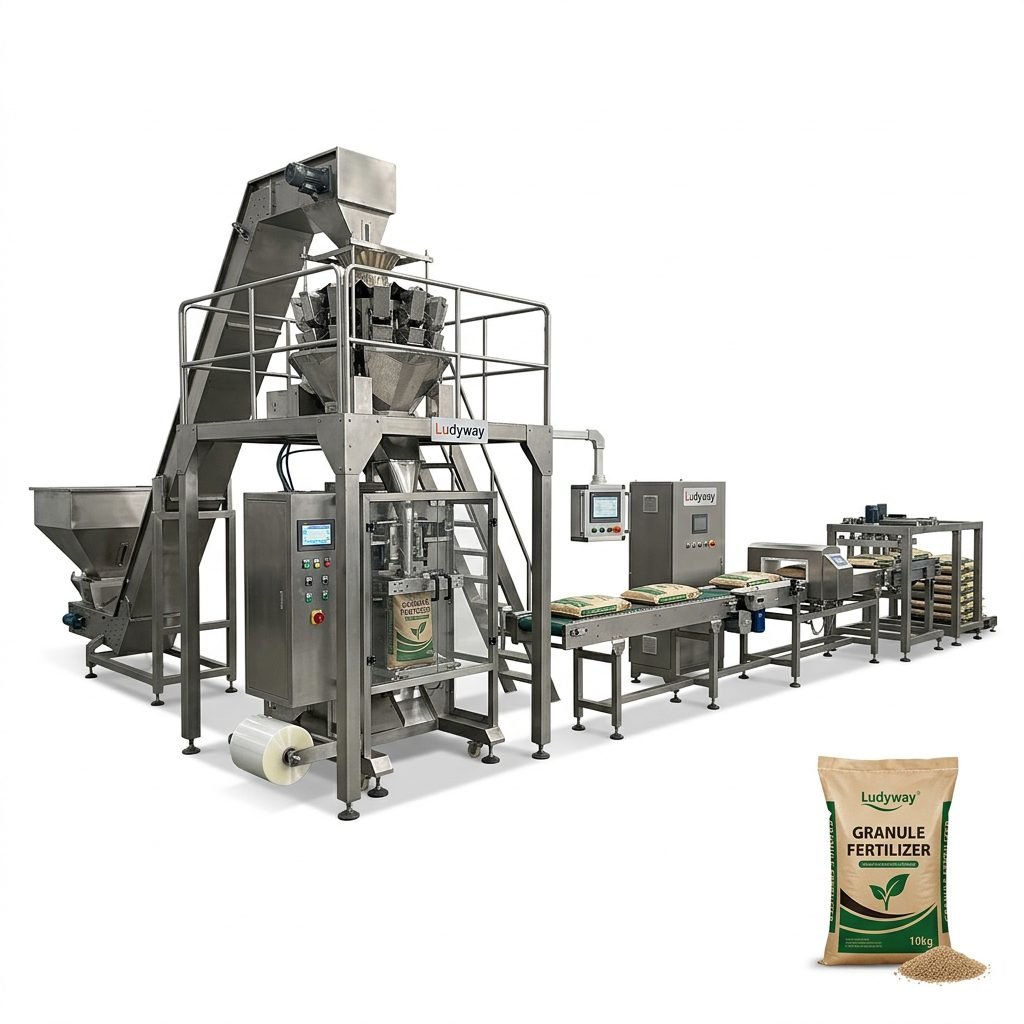
Typical Price Range of Automatic Bagging Machines
The final price depends heavily on the packaging format and production requirement. As a general market reference, here is what buyers often see:
| Machine Type | Estimated Price Range | Typical Application |
|---|---|---|
| Semi-automatic bagging machine | $5,000 – $15,000 | Low-volume powders, granules, feed, chemicals |
| Basic automatic open-mouth bagging machine | $15,000 – $40,000 | Food ingredients, grains, fertilizer, pellets |
| Valve bag packing machine | $20,000 – $50,000 | Cement, dry mortar, fine powders |
| High-speed automatic bagging line | $40,000 – $120,000 | Feed, seeds, flour, rice, chemical products |
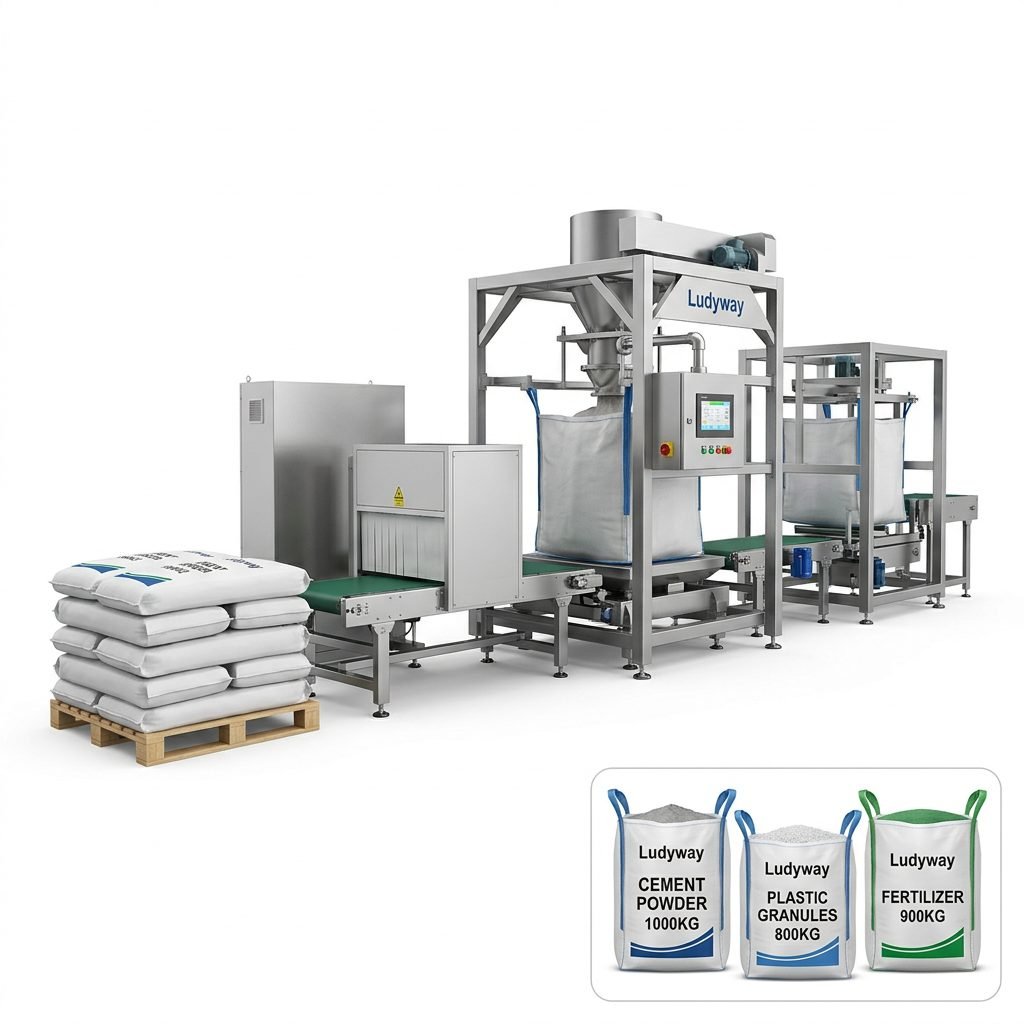
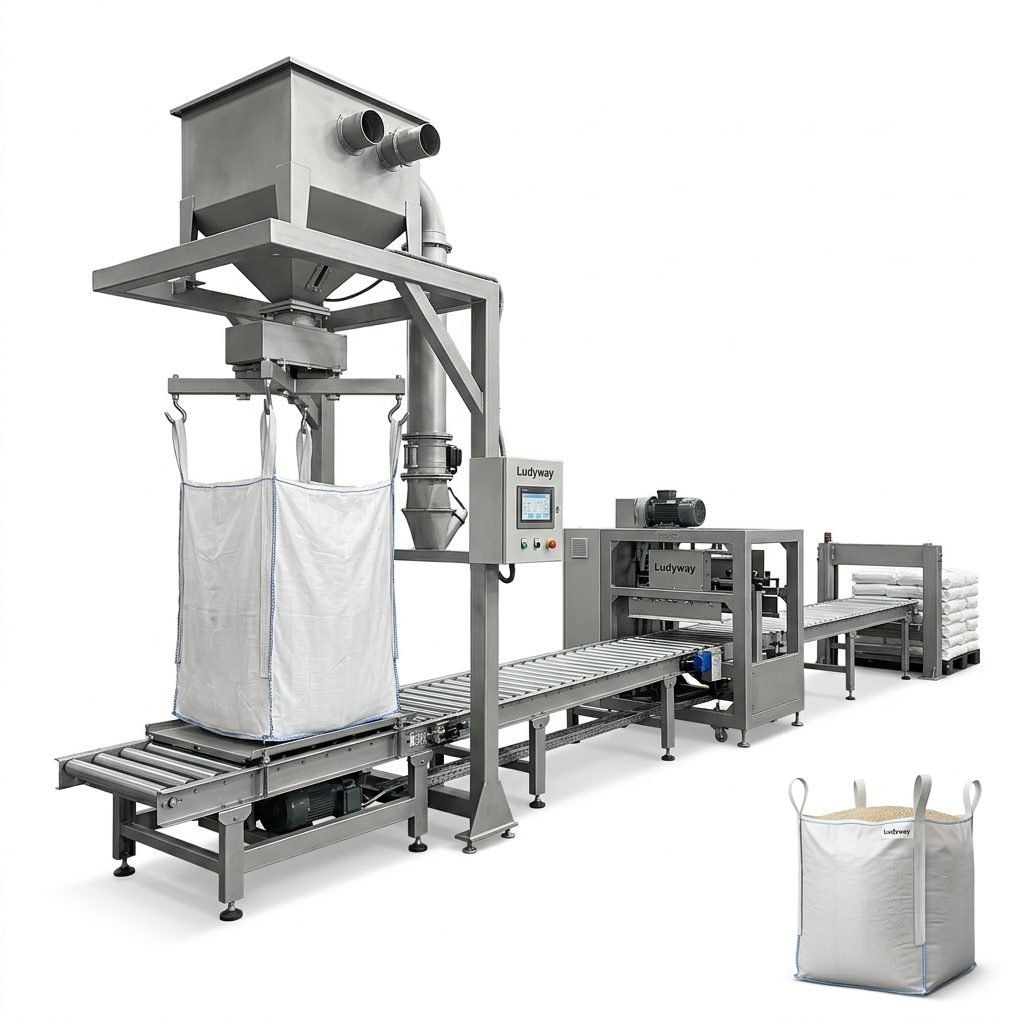
| Big bag / jumbo bag filling system | $30,000 – $100,000+ | Bulk powder and bulk granule handling |
| Complete turnkey bagging and palletizing line | $100,000 – $250,000+ | Fully integrated industrial production lines |
Important: these are broad estimates. A machine handling abrasive powders with dust control and automatic palletizing will naturally cost much more than a simple granule bag filler.
What Affects the Cost of an Automatic Bagging Machine?
1. Level of Automation
Automation is one of the biggest price drivers. A semi-automatic bagging machine requires manual bag placement and often manual bag removal. A fully automatic model can handle bag feeding, opening, filling, weighing, sealing, conveying, and palletizing with minimal operator involvement.
- Semi-automatic machines are cheaper upfront but require more labor.
- Fully automatic machines cost more initially but reduce labor cost and improve consistency.
- Turnkey lines offer the highest efficiency but also the highest total investment.
2. Product Type
Not every bagging machine handles every material. Powders, granules, flakes, pellets, and irregular solids need different feeding and weighing systems.
- Powders may require auger filling, dust extraction, and sealing protection.
- Granules often use gravity feeders or weighing scales.
- Fragile products may need gentle handling systems.
- Sticky or hygroscopic materials may need special contact parts and anti-bridging design.
3. Bag Type and Bag Size
The machine price changes according to the bag style you need:
- Open-mouth bags
- Valve bags
- Premade pouches
- FIBC / jumbo bags
- PE bags, woven bags, paper bags, laminated bags
Machines designed to handle multiple bag sizes or materials usually include servo adjustments, more complex clamping systems, or smart sensors, which increase cost.
4. Filling Accuracy and Weighing System
If your industry requires high precision, expect a higher machine price. Food, pharmaceutical, and specialty chemical sectors often need tighter tolerances than general feed or fertilizer packaging.
More advanced weighing systems may include:
- Single or dual weighers
- Net weighing systems
- Gross weighing systems
- Load cell control
- Checkweighers and reject devices
5. Production Speed
A machine that bags 4 to 6 bags per minute is very different from one that runs 15 to 25 bags per minute. Higher speed usually means:
- stronger frame structure
- higher-end servo motors
- more precise control systems
- better conveyor and sealing integration
In most cases, higher speed equals higher equipment cost, but it can lower the cost per bag over time.
6. Material of Construction
Machine frame and product-contact parts also affect price.
- Carbon steel is usually more economical.
- 304 stainless steel is common in food and pharma applications.
- 316 stainless steel may be needed for corrosive or high-hygiene environments.
If your plant washes down equipment regularly or handles corrosive chemicals, the upgrade in material can significantly increase the quote.
7. Degree of Customization
Standard machines are less expensive than customized ones. However, many production sites need modifications for:
- special bag dimensions
- limited factory space
- dust-proof or explosion-proof design
- special electrical standards
- upstream or downstream line integration
Customization often adds engineering cost, but it can greatly improve long-term reliability and workflow efficiency.
Standalone Machine vs Complete Packaging Line
Many buyers focus only on the bagging machine itself, but the real investment can include far more than the filler.
| Configuration | What It Includes | Budget Impact |
|---|---|---|
| Standalone machine | Bagging unit only | Lowest upfront cost |
| Bagging + conveyor + sewing/sealing | More complete packing section | Moderate investment |
| Bagging line with feeding and weighing | Integrated infeed and metering | Higher investment |
| Full turnkey line | Feeding, bagging, sealing, checkweighing, coding, palletizing | Highest total cost, best automation |
For growing factories, a complete line can often deliver a better return on investment than buying separate machines from different sources.
Additional Costs Buyers Often Overlook
The machine quotation is only part of your total project cost. You should also account for the following:
- Installation and commissioning – on-site setup, testing, and operator training.
- Shipping and import duties – especially for overseas purchases.
- Spare parts package – recommended for reducing downtime.
- Air compressor or auxiliary equipment – often not included in the base price.
- Factory layout adjustment – conveyor routing, power supply, dust collection, or platform work.
- After-sales support – remote support, local service, and future maintenance.
A cheaper machine may not be cheaper overall if it lacks reliable support, easy spare parts access, or stable performance.
How to Choose the Right Budget
Entry-Level Budget
If your production volume is still limited, a lower-cost automatic or semi-automatic system may be enough. This is often suitable for small factories, pilot production, or regional processors.
Mid-Range Budget
For companies looking to improve throughput while controlling labor costs, mid-range automatic bagging systems usually offer the best balance of price and performance.
High-End Budget
Large plants with strict efficiency targets often choose high-speed fully integrated lines. Although the capital cost is higher, these systems can reduce manual handling, improve packaging consistency, and support long production shifts.
When Is a More Expensive Machine Worth It?
A higher-priced bagging machine is often justified when:
- labor costs are rising
- your product requires better weighing accuracy
- downtime is expensive
- you need to scale production within 1 to 3 years
- you want to integrate coding, inspection, and palletizing
- your buyers require stable packaging quality and traceability
In these cases, investing more upfront can lower long-term operating costs and improve delivery performance.
Questions to Ask Before Requesting a Quote
To get an accurate price, prepare the following information for the supplier:
- What product will be packed?
- Is it powder, granule, pellet, flake, or mixed material?
- What is the target bag weight: 5kg, 10kg, 25kg, 50kg, or jumbo bag?
- What bag type and bag material will be used?
- How many bags per hour do you need?
- Do you need sewing, heat sealing, vacuum, or nitrogen flushing?
- Do you need automatic bag feeding and palletizing?
- What country voltage and certification requirements apply?
The more complete your specifications are, the more accurate the quotation will be.
Choosing a Reliable Supplier Matters
Price should never be the only factor. A reliable manufacturer should also offer engineering support, realistic lead times, spare parts availability, and the ability to customize according to your product and factory conditions.
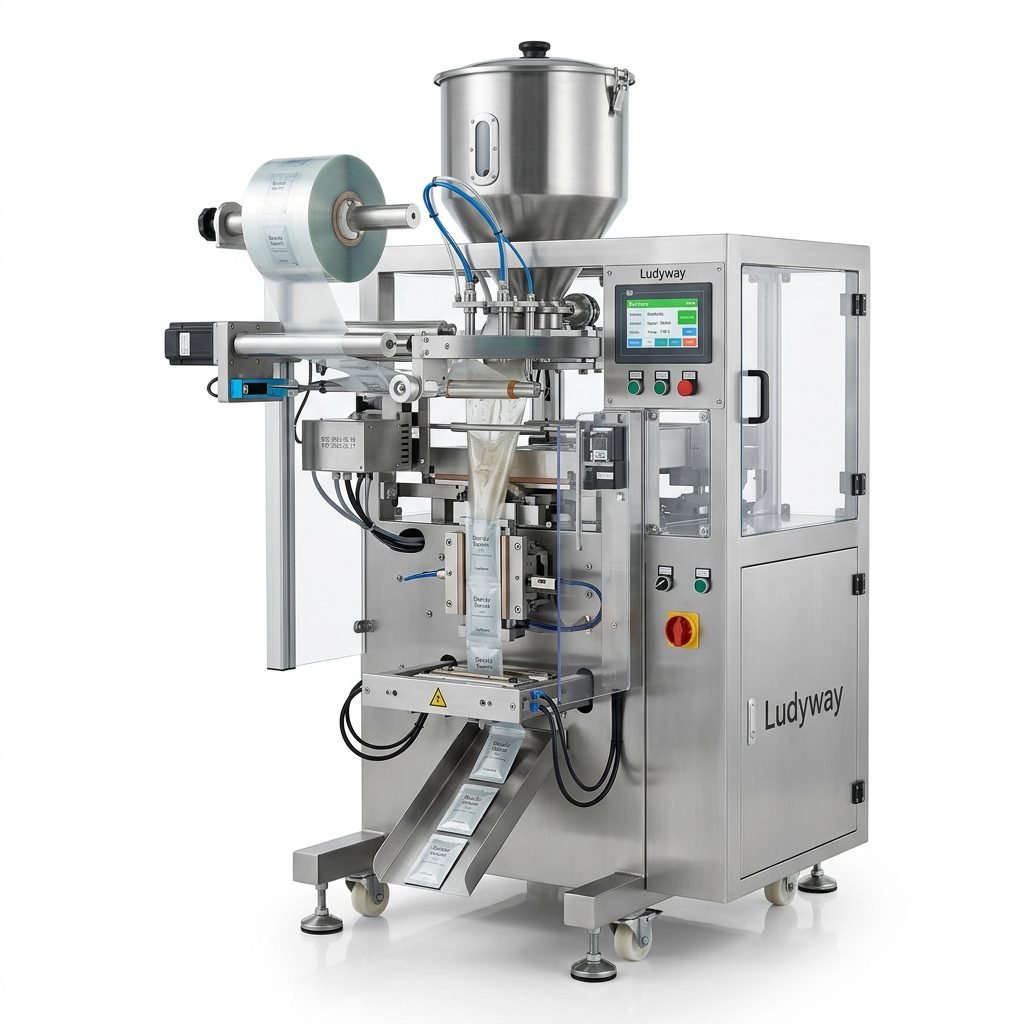
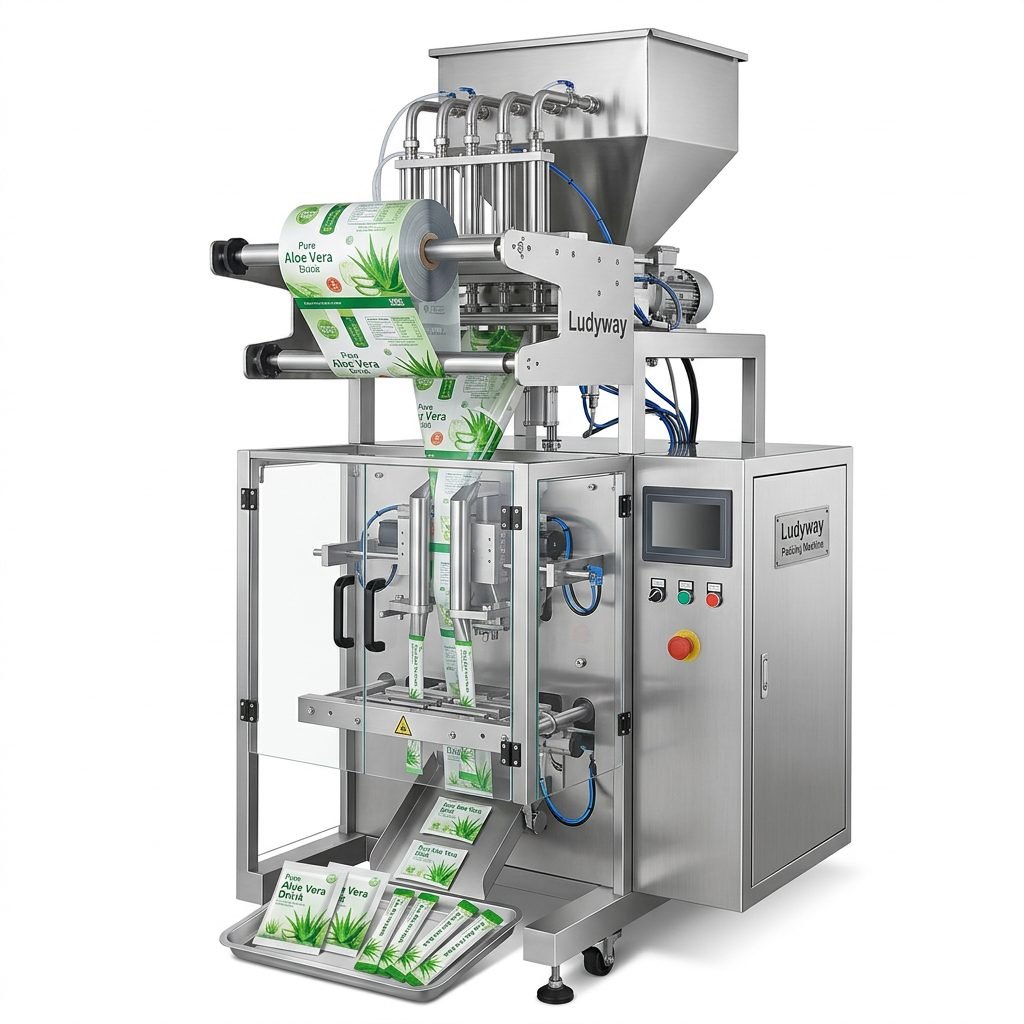
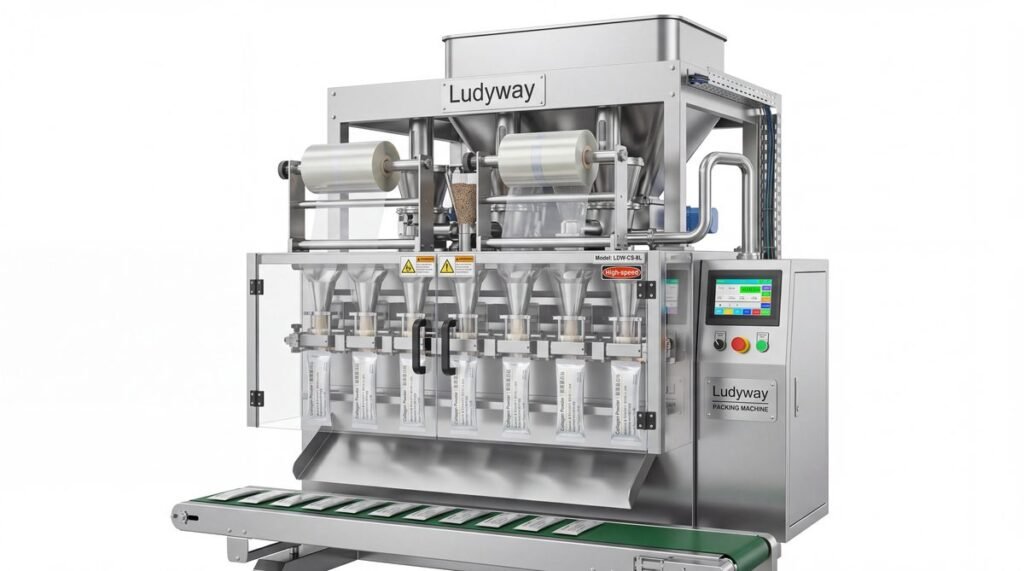
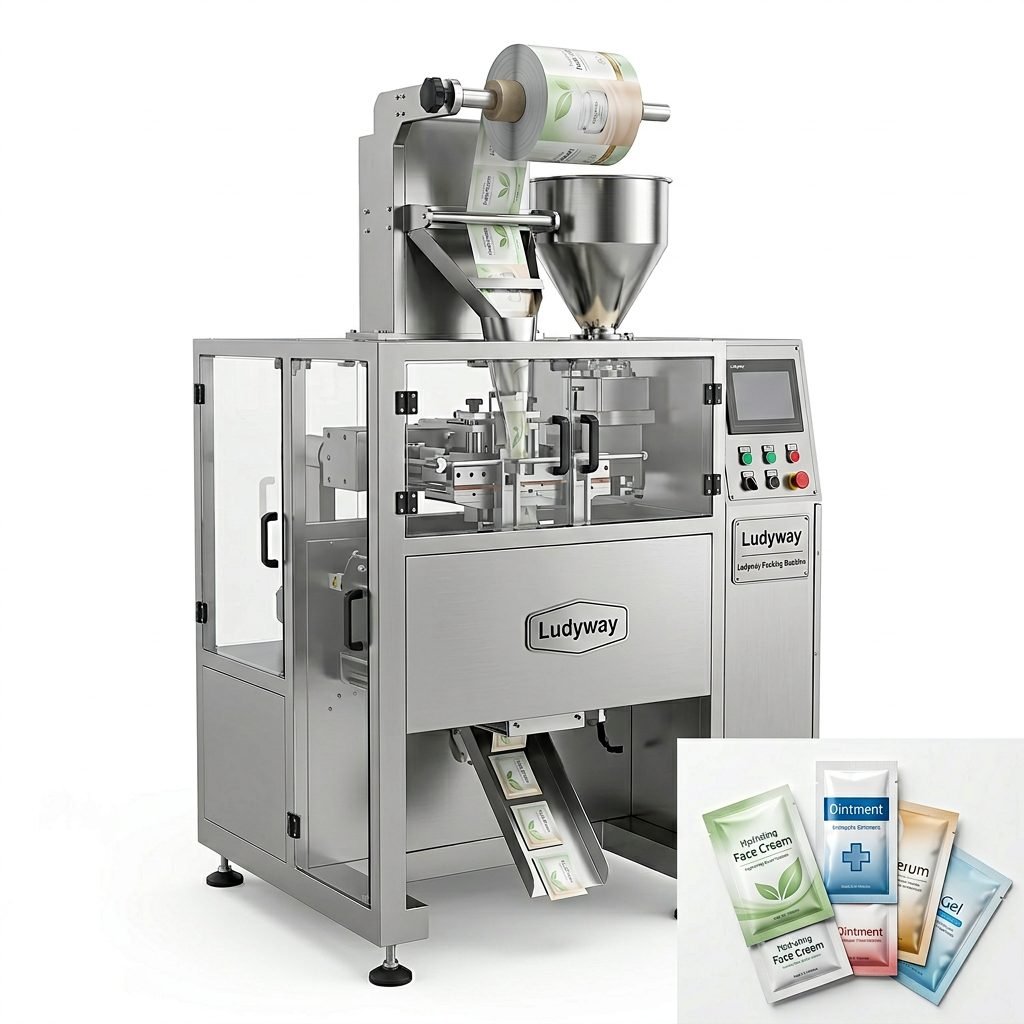
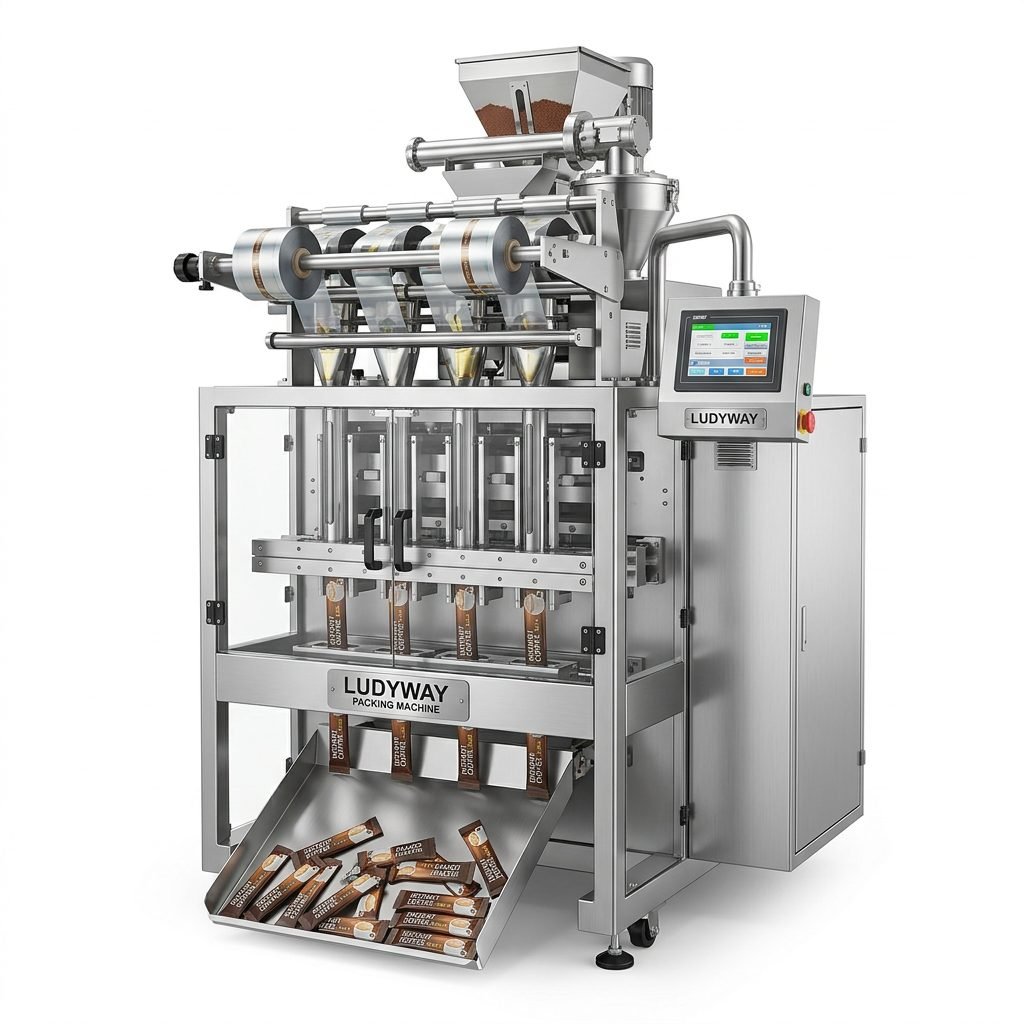
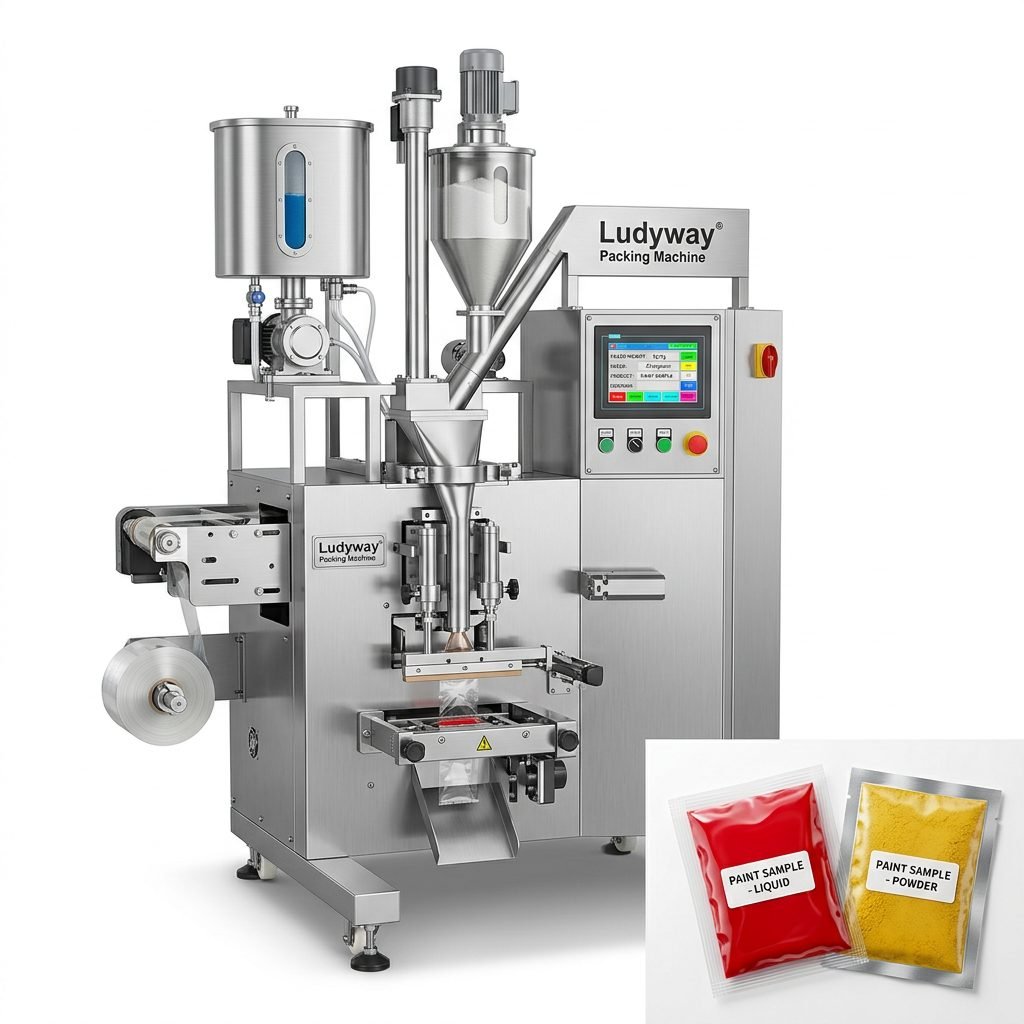
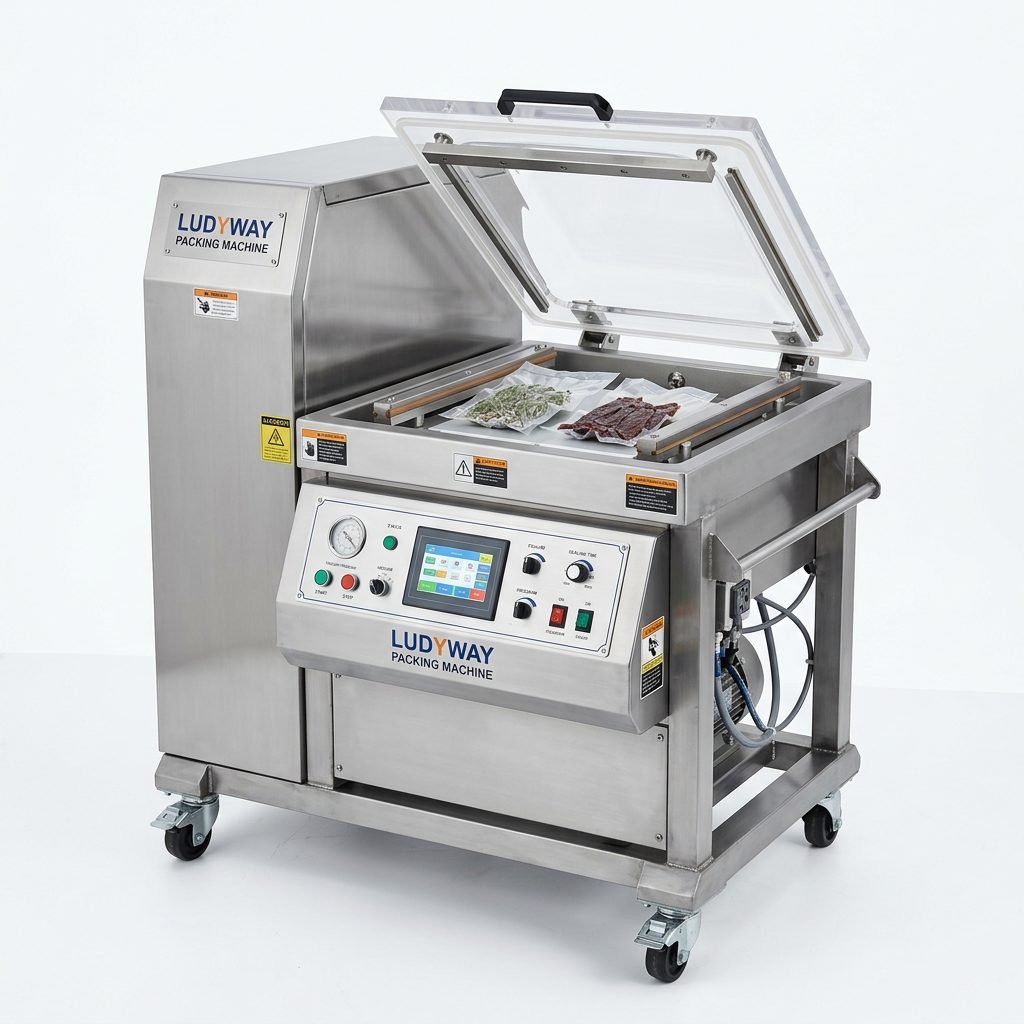
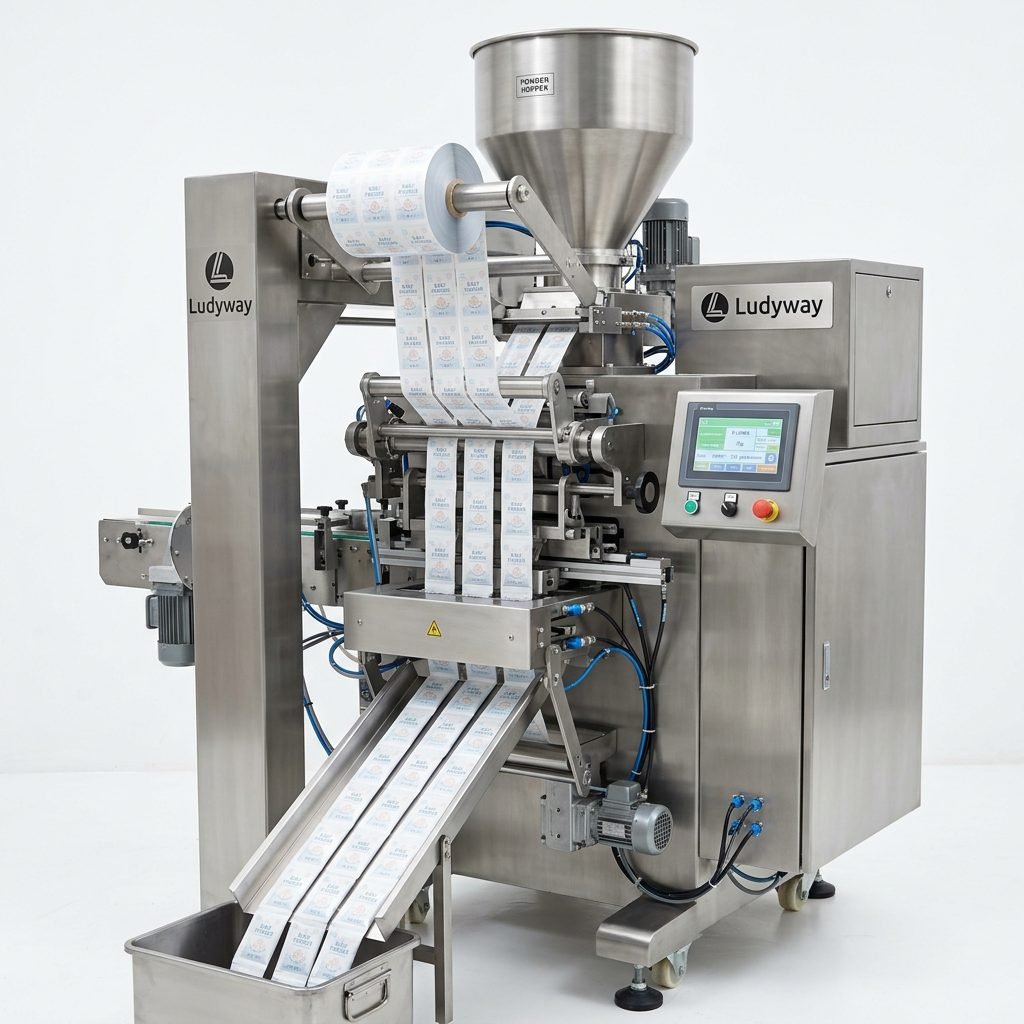
If you are comparing suppliers for automated powder, granule, liquid, pouch, or complete line applications, Ludyway packaging machine solutions are often considered by overseas buyers looking for scalable packaging automation backed by more than 30 years of manufacturing experience.
Final Cost Summary
In most cases, the cost of an automatic bagging machine falls into these practical ranges:
- $5,000 – $15,000 for semi-automatic units
- $15,000 – $50,000 for basic to mid-range automatic bagging machines
- $40,000 – $120,000 for high-speed automatic systems
- $100,000+ for fully integrated turnkey packaging lines
The best choice depends on your product characteristics, bag format, required speed, and long-term production goals. Instead of asking only “How much does the machine cost?”, the better question is “Which machine delivers the best value for my packaging process?”