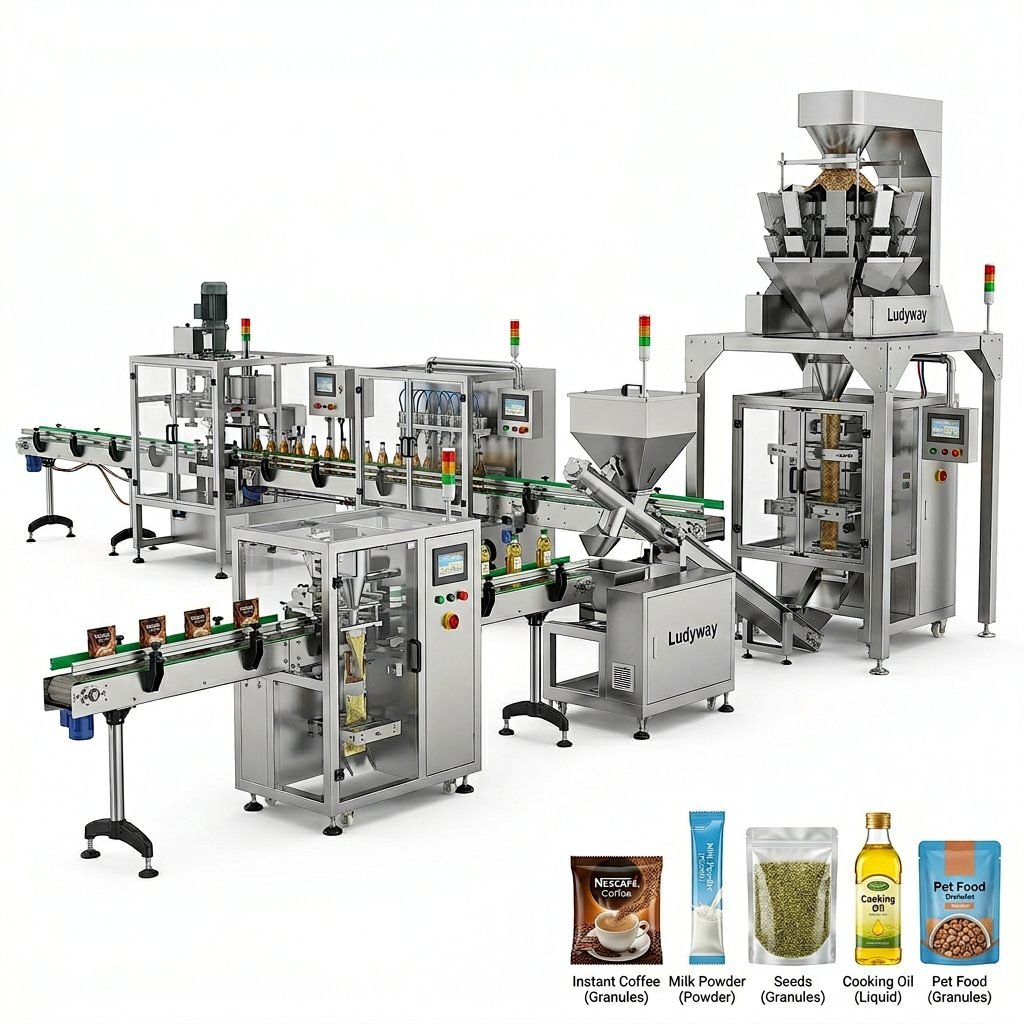
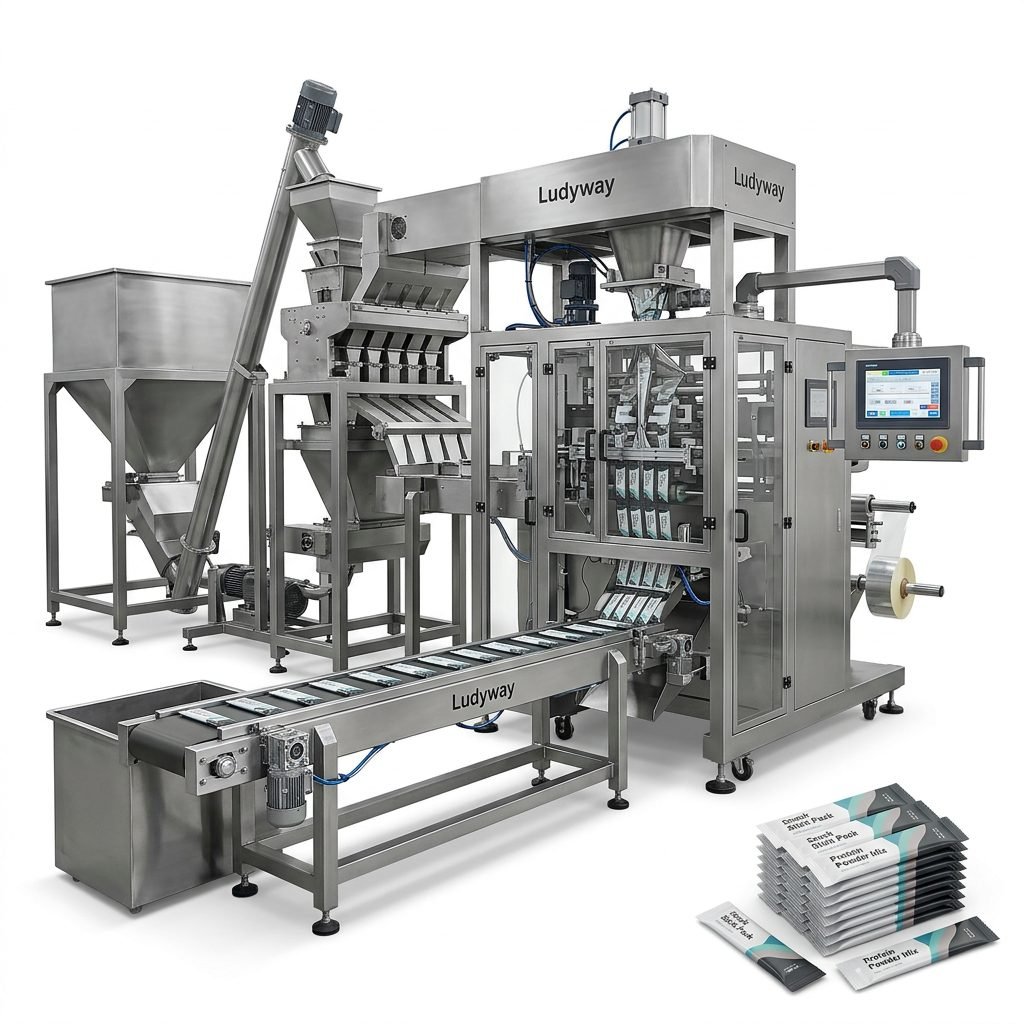
Packaging machines should be serviced based on operating hours, product type, production environment, and machine complexity. In most facilities, a practical maintenance plan includes daily checks, weekly cleaning and inspection, monthly preventive maintenance, and annual full-service overhauls. Machines running multiple shifts, handling powders or corrosive products, or working in regulated sectors like food and pharma usually need more frequent servicing.
Without a clear schedule, even high-quality equipment can develop sealing defects, inaccurate filling, unexpected downtime, and shortened component life. A disciplined maintenance routine protects output, product quality, and long-term operating cost.
Why Regular Packaging Machine Servicing Matters
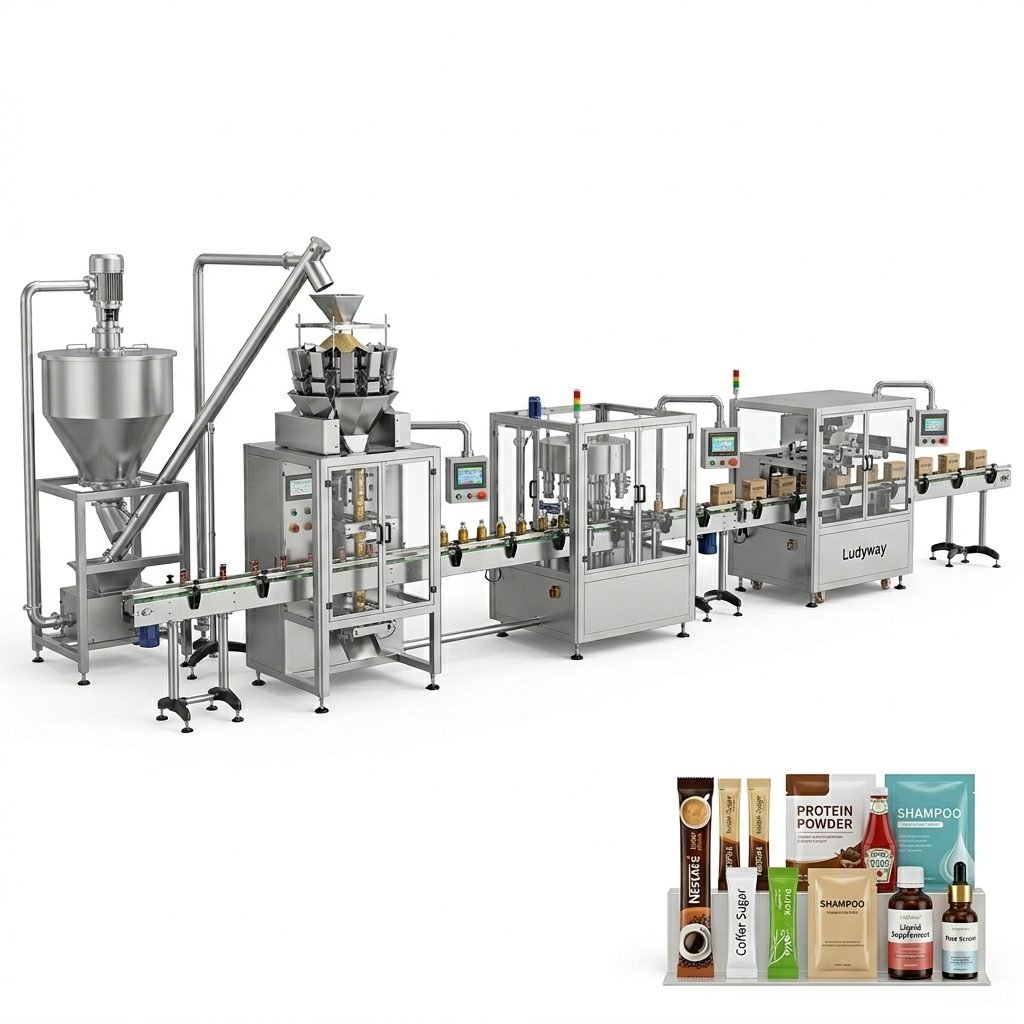
A packaging machine is not just a single unit. It is often part of a synchronized system that may include feeders, fillers, conveyors, sealers, coding devices, inspection units, cartoners, and palletizing equipment. When one point fails, the whole line can slow down or stop.
- Reduce unplanned downtime and production interruptions
- Maintain sealing and filling accuracy for better product consistency
- Extend component lifespan for motors, bearings, belts, seals, and sensors
- Support hygiene and compliance in food, pharmaceutical, and health product applications
- Lower total repair costs by preventing major failures
- Improve operator safety through early detection of wear or electrical issues
How Often Should a Packaging Machine Be Serviced?
There is no single maintenance interval that fits every machine. The right answer depends on several operating factors:
- Running time: Machines used 16–24 hours a day need more frequent service than machines used in one shift.
- Product characteristics: Powders, sticky liquids, corrosive chemicals, and oily materials increase contamination and wear risk.
- Packaging format: Sachet, stick pack, pouch, bottle, blister, and cartoning lines all have different wear points.
- Environment: Dust, humidity, washdown conditions, and temperature swings affect maintenance frequency.
- Machine age: Older systems often require closer inspection and more frequent replacement of consumable parts.
- Compliance needs: Food and pharmaceutical plants usually follow stricter maintenance and sanitation procedures.
| Service Interval | Typical Tasks | Recommended For |
|---|---|---|
| Daily | Visual checks, cleaning, lubrication point review, sensor check, air pressure review | All packaging machines |
| Weekly | Inspect belts, chains, fasteners, seals, nozzles, and electrical connections | Medium to high-use equipment |
| Monthly | Preventive maintenance, calibration checks, wear-part evaluation, deeper cleaning | High-speed or precision systems |
| Quarterly | Mechanical alignment, pneumatic review, software backup, performance testing | Integrated packaging lines |
| Annually | Full overhaul, major part replacement, detailed diagnostics, safety inspection | All machines, especially continuous-use lines |
Recommended Packaging Machine Maintenance Schedule
Daily Maintenance Checklist
Daily servicing should be fast but consistent. These checks help operators detect small issues before they become failures.
- Clean product-contact areas and surrounding machine surfaces
- Check for loose bolts, abnormal vibration, or unusual noise
- Inspect sealing jaws, cutters, nozzles, and forming parts
- Confirm sensors, photo eyes, and safety switches are functioning properly
- Check lubrication points and verify correct lubricant levels if applicable
- Drain water from air filters and review pneumatic pressure stability
- Verify coding, labeling, and print quality
Weekly Maintenance Checklist
- Inspect belts, chains, and couplings for wear or tension problems
- Check electrical terminals and cable routing
- Review filling accuracy and sealing consistency
- Clean dust from cabinets, fans, and non-product-contact components
- Examine wear-prone parts such as knives, sealing bars, gaskets, and rollers
Monthly Preventive Maintenance
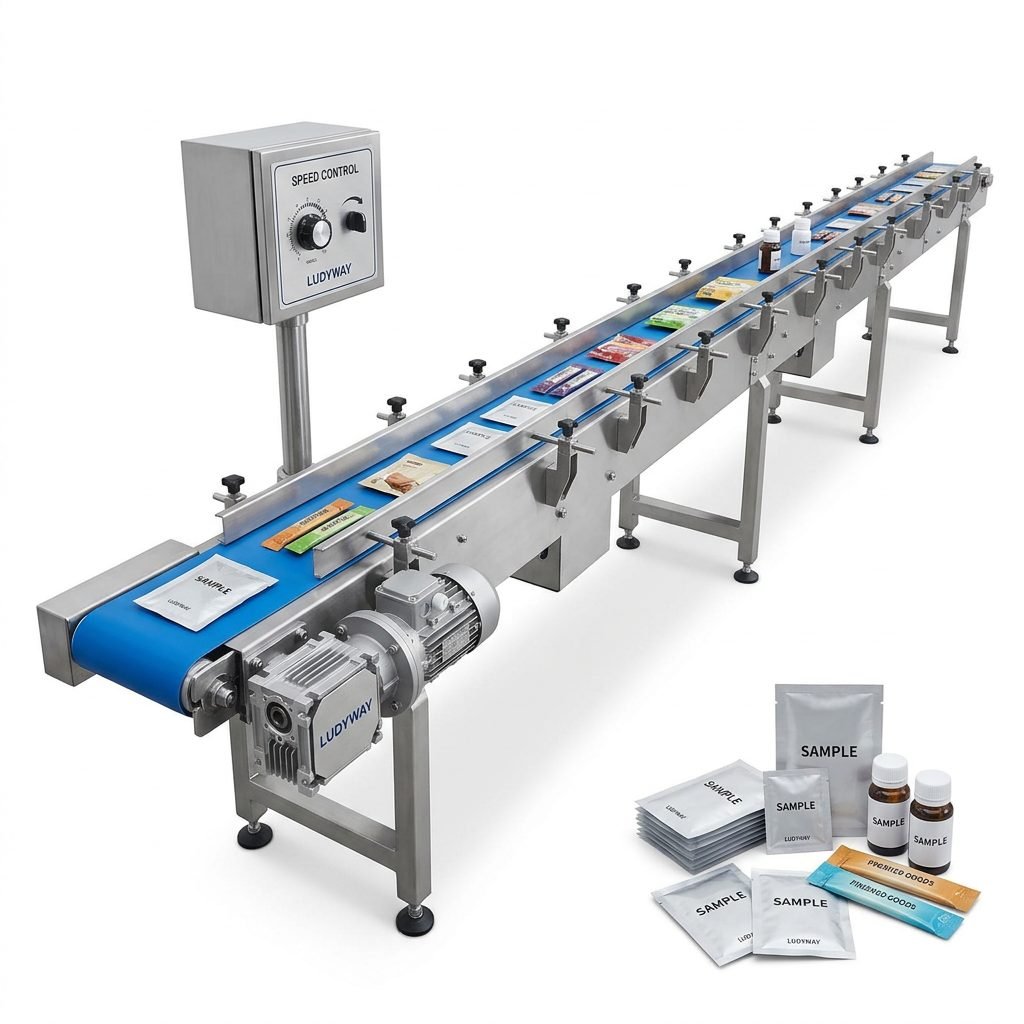
- Inspect servo motors, gearboxes, bearings, and drive systems
- Calibrate weighing, dosing, and filling systems
- Verify temperature control accuracy for sealing units
- Inspect pneumatic cylinders, valves, and hoses for leaks
- Review PLC alarms and historical fault data
- Test emergency stops and safety protection systems
Quarterly or Semi-Annual Service
For high-speed packaging lines, this service level is especially important. It should include a deeper review of motion control, alignment, line synchronization, and performance efficiency.
Annual Full Service
An annual service should be planned as a structured preventive shutdown. This is the best time to replace critical wear parts, inspect hard-to-reach assemblies, update software if needed, and assess whether the machine is still meeting current production requirements.
Signs Your Packaging Machine Needs Service Sooner
Even if your next scheduled service is not due yet, some symptoms mean the machine should be inspected immediately.
- Inconsistent seal quality
- Fill weight variation
- Frequent jams or material misfeeds
- Unusual noise, heat, or vibration
- Air leaks or pressure instability
- Repeated alarms or sensor faults
- Lower output speed or rising reject rate
Ignoring these signs usually leads to larger repair costs and more downtime later.
Best Practices for Packaging Machine Maintenance
1. Build a Preventive Maintenance Plan
Do not rely only on reactive repair. Create a written schedule based on machine hours, production shifts, and the manufacturer’s recommendations. A maintenance calendar keeps teams aligned and improves accountability.
2. Keep Maintenance Records
Record every inspection, replacement part, lubrication cycle, calibration, and repair. Historical records help identify recurring issues and improve future servicing decisions.
3. Train Operators to Spot Early Problems
Operators are the first line of defense. Basic training in sound changes, vibration patterns, seal appearance, and product feed behavior can dramatically reduce unexpected failures.
4. Use the Correct Spare Parts
Using the wrong blades, belts, heaters, sensors, or seals can reduce performance and create safety risks. Always keep a stock of critical wear parts for high-usage machines.
5. Match Cleaning Methods to Product Type
Powder machines require dust control. Liquid and paste systems need residue removal. Pharmaceutical and food packaging equipment may require validated cleaning procedures. Cleaning should protect both hygiene and component life.
6. Monitor OEE and Downtime Data
Machine maintenance should connect to production performance. If downtime, reject rate, or speed loss increases, your service interval may be too long.
| Machine Condition | Suggested Action |
|---|---|
| Running one shift, dry products, low dust | Standard daily, weekly, monthly schedule |
| Running two or three shifts | Increase inspection frequency and shorten preventive intervals |
| Handling powders or sticky products | Perform more frequent cleaning and sealing part inspection |
| Frequent rejects or unstable output | Inspect immediately and review calibration and wear parts |
| Older machine with high cumulative hours | Increase planned service frequency and spare part inventory |
Maintenance Tips by Machine Type
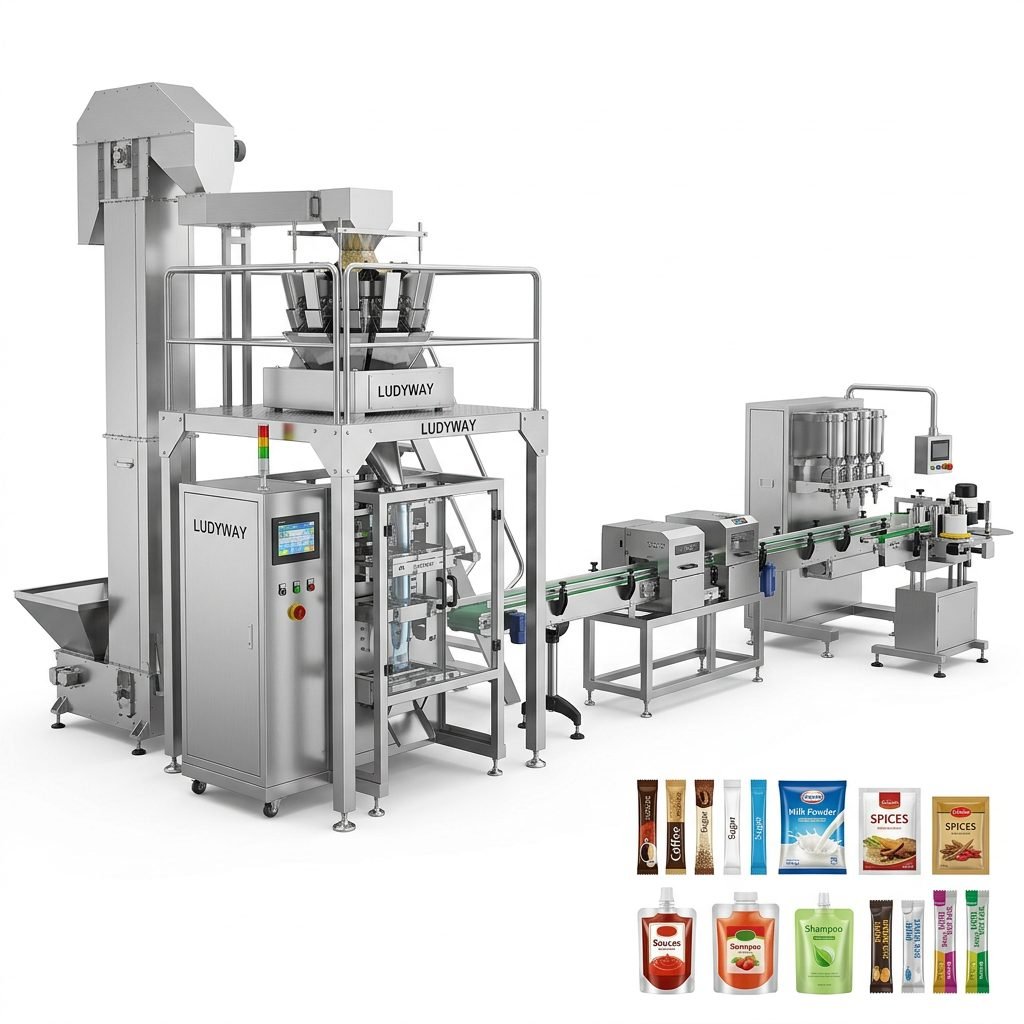
Vertical Form Fill Seal Machines
Pay close attention to film tracking, sealing jaws, cutter condition, and product feeding accuracy. Regular alignment checks are essential for stable pouch quality.
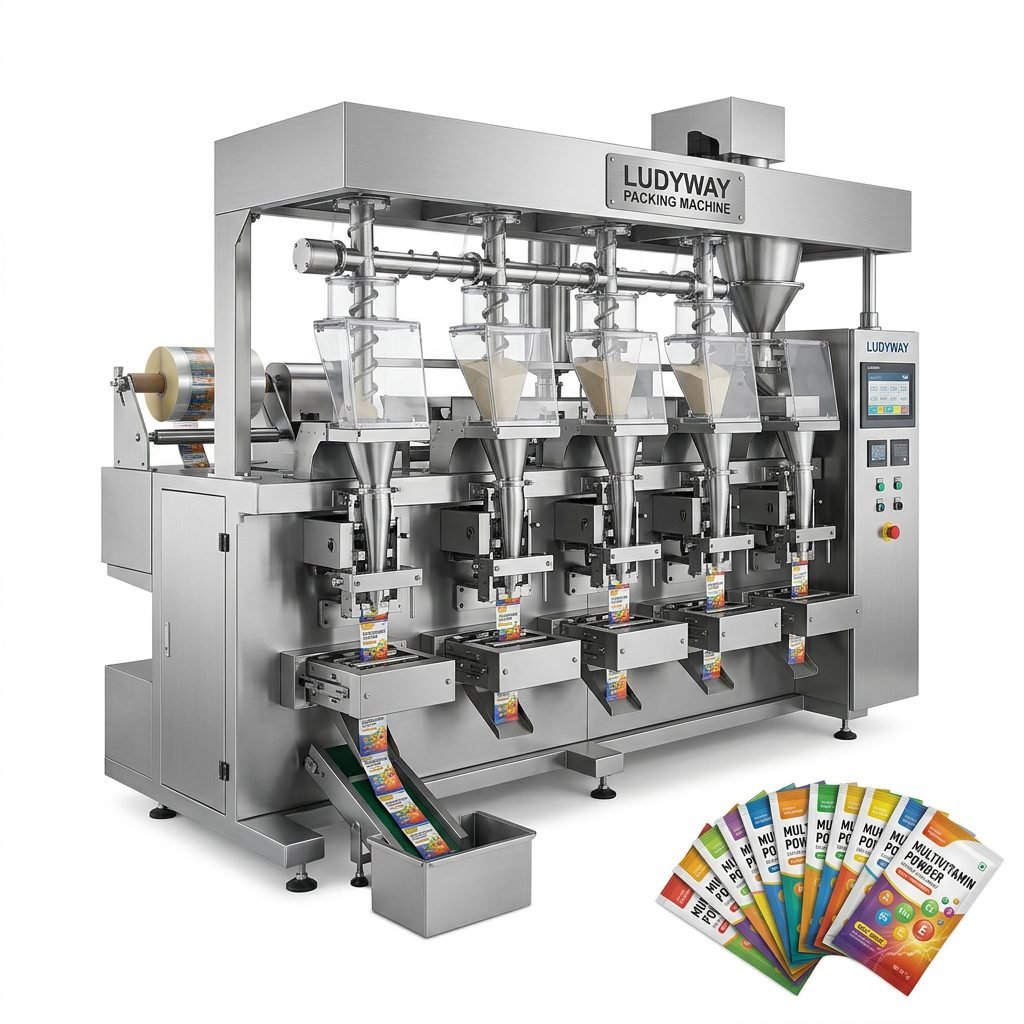
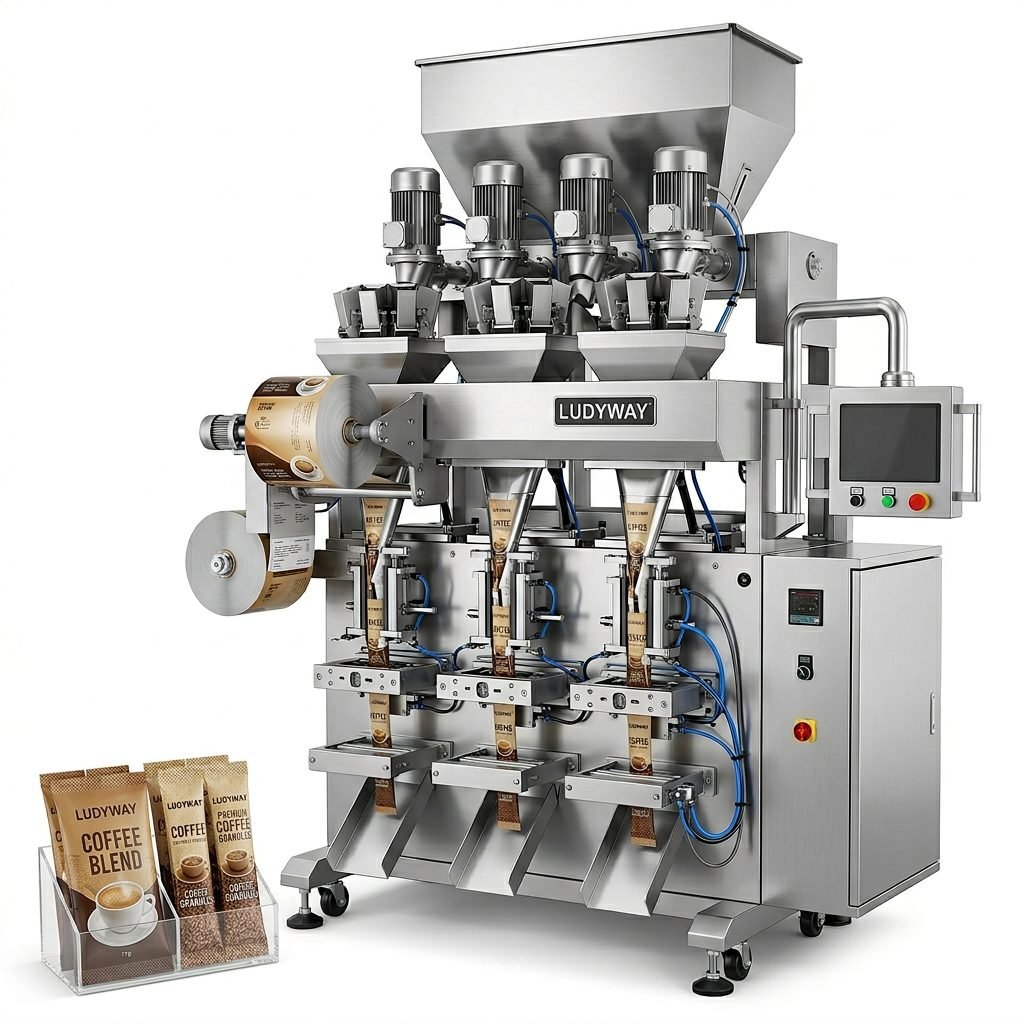
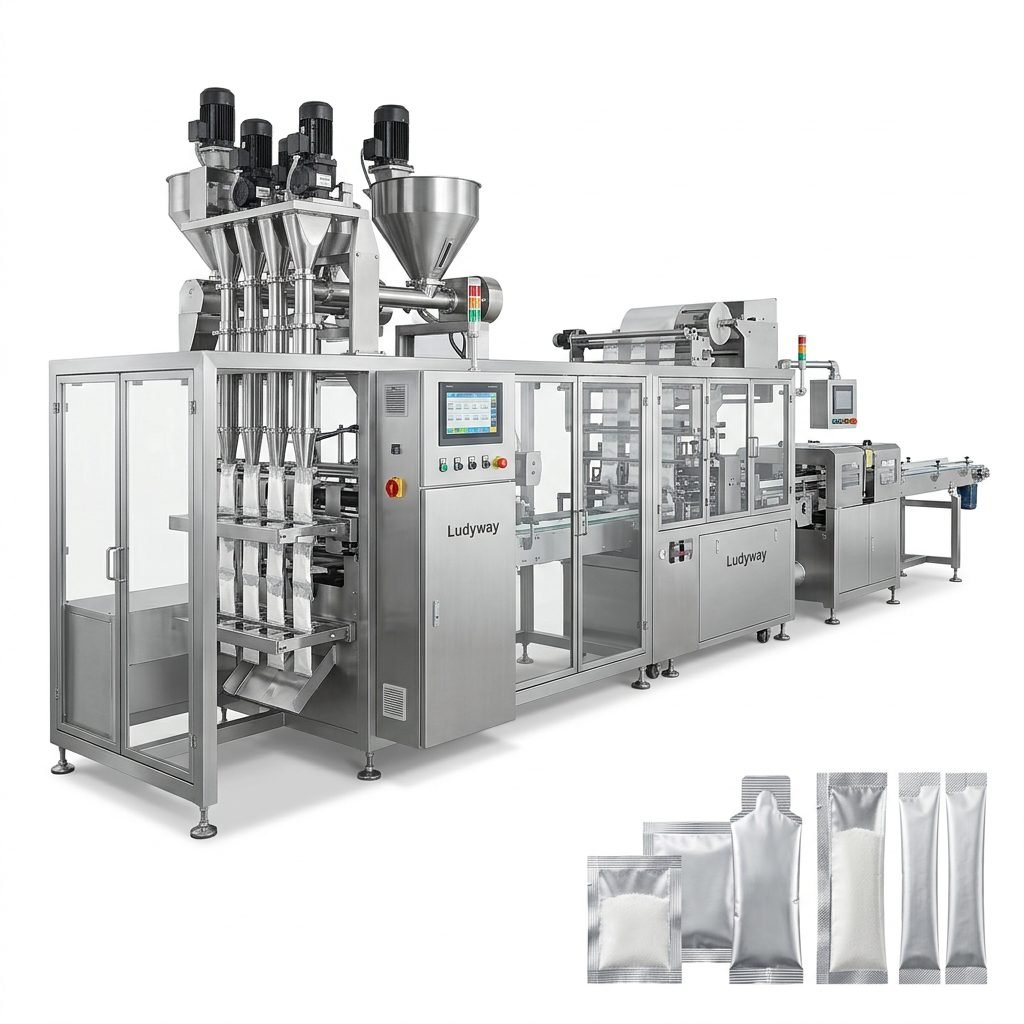
Sachet and Stick Pack Machines
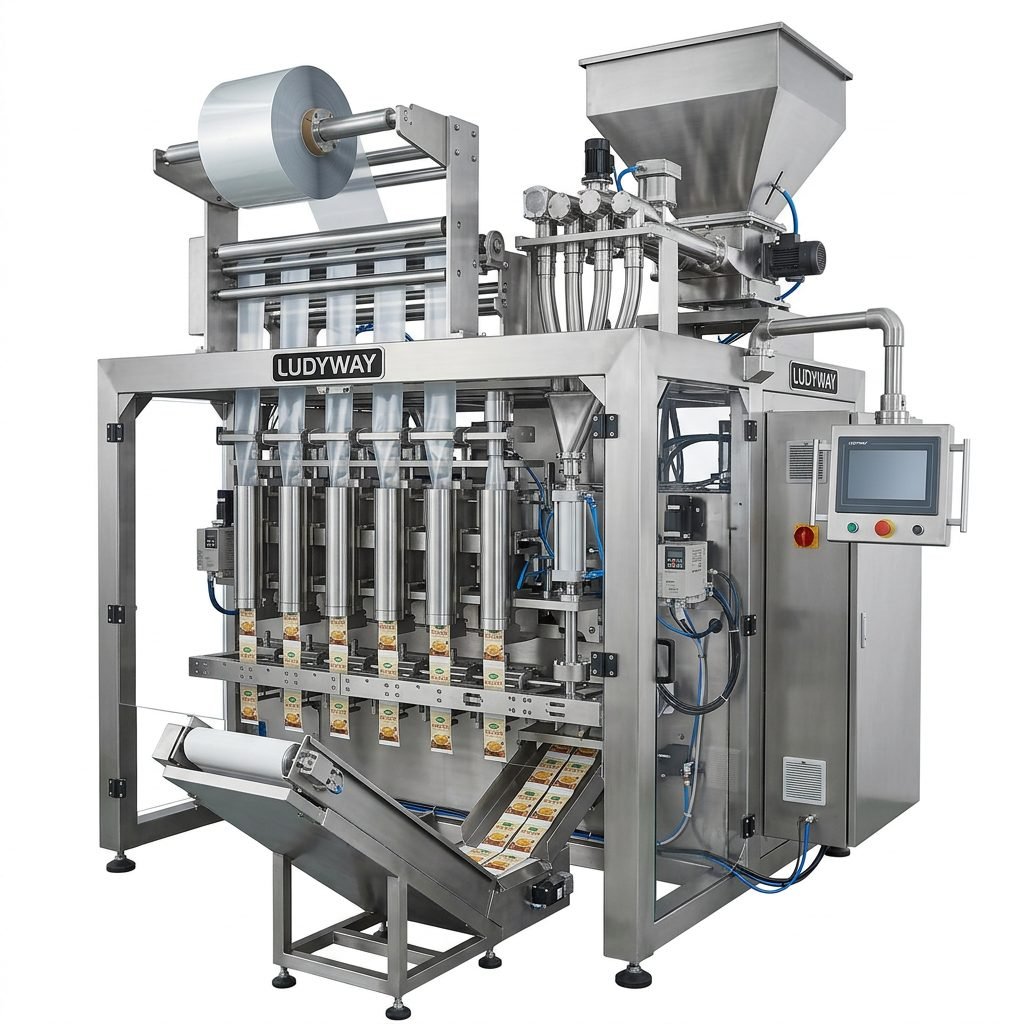
Because these machines often run at high speed with narrow tolerances, inspect sealing temperature stability, lane synchronization, dosing consistency, and forming collars frequently.
Liquid and Paste Packaging Machines
Focus on pump condition, nozzle cleanliness, anti-drip performance, hose integrity, and sanitation. Product buildup can quickly affect accuracy and hygiene.
Pharmaceutical Packaging Machines
Service intervals should support compliance, traceability, and validation standards. Calibration, cleaning verification, and inspection system performance are especially important.
Should You Follow Time-Based or Usage-Based Servicing?
The best maintenance strategy usually combines both:
- Time-based maintenance works well for routine inspection, cleaning, lubrication, and compliance checks.
- Usage-based maintenance is better for wear parts affected by cycle count, speed, and actual production hours.
For example, a machine running 24/7 may need monthly service much sooner than a similar machine used only part-time. This is why many plants now track runtime hours and reject trends along with calendar schedules.
When to Call a Professional Service Team
In-house teams can handle routine maintenance, but professional technical support is recommended for:
- Servo, PLC, or HMI faults
- Repeated sealing or dosing problems after basic adjustments
- Major line integration issues
- Annual overhaul service
- Machine upgrades, format change optimization, or output expansion
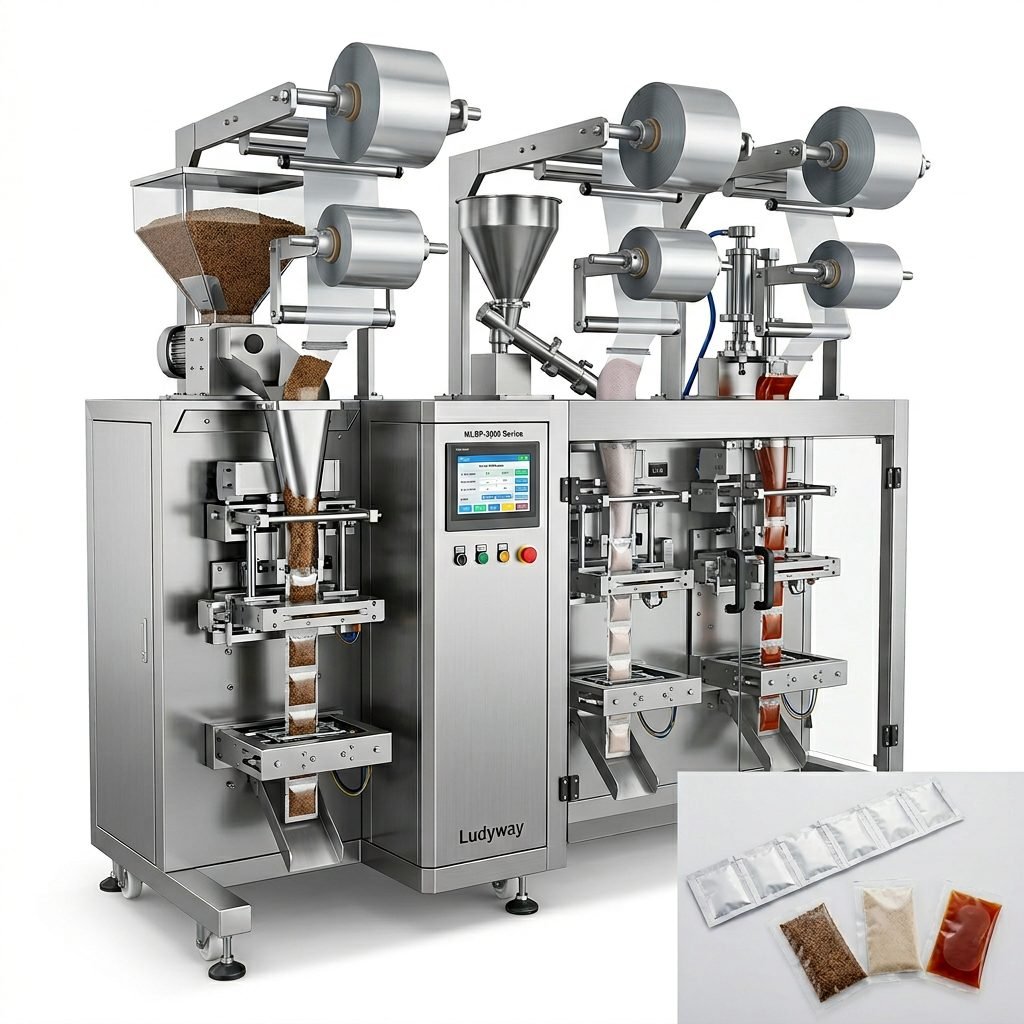
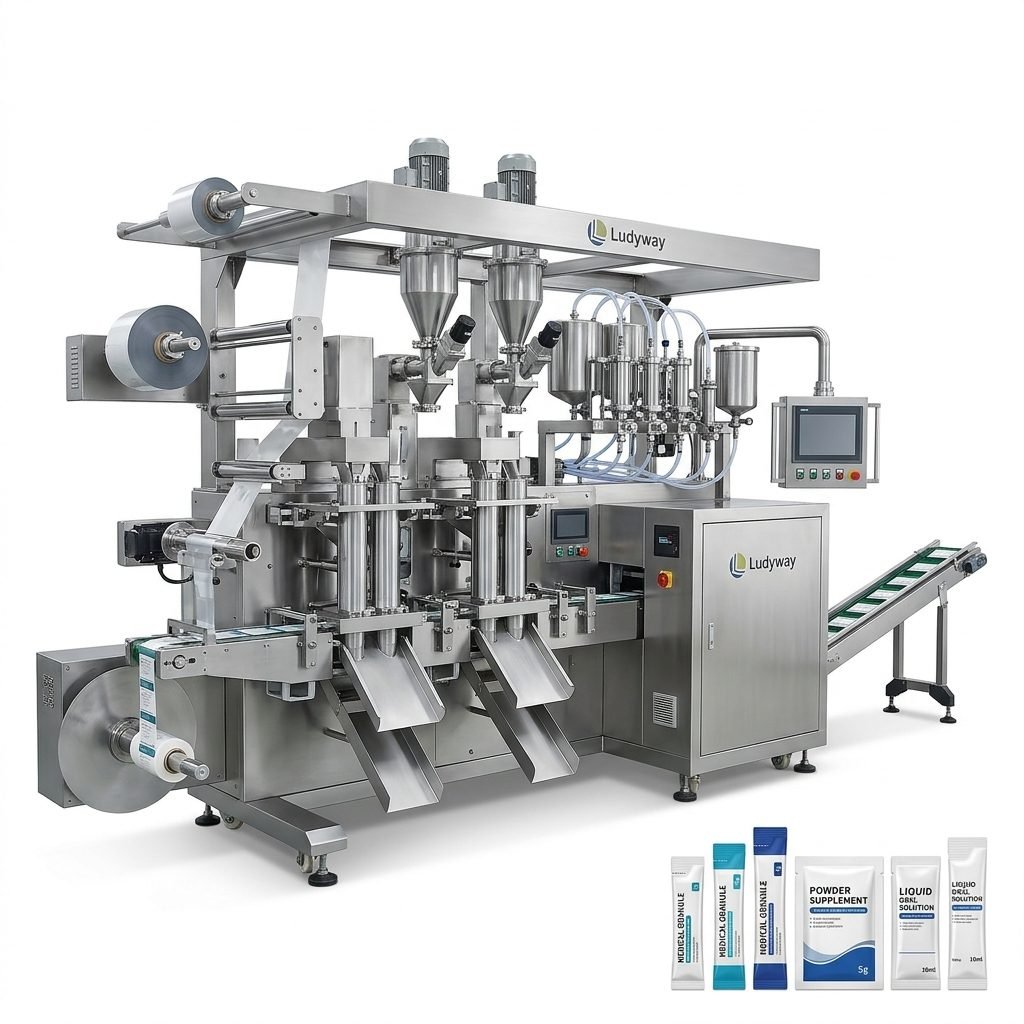
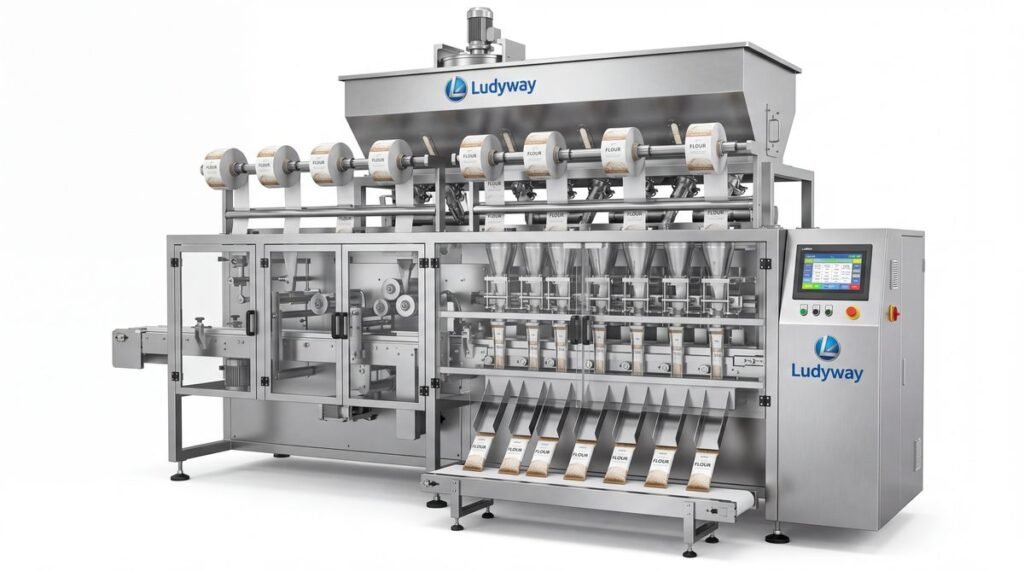
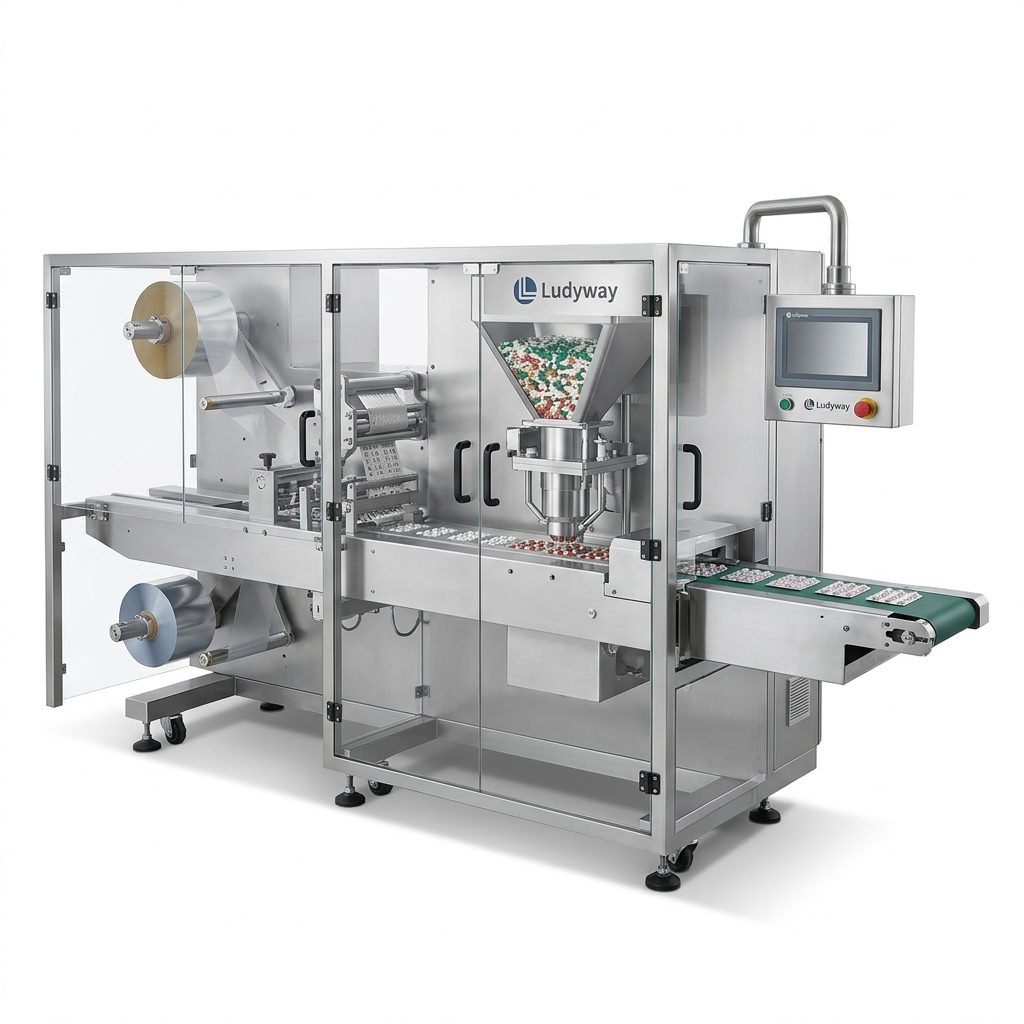
If you are evaluating equipment with long-term support in mind, packaging machine manufacturer Ludyway is known for supplying packaging machinery and turnkey lines for food, pharmaceutical, health supplement, and related industries, with broad export experience and long-term technical service capability.
Final Service Recommendation
As a practical rule, most packaging machines should receive basic attention every day, inspection every week, preventive maintenance every month, and a full professional review at least once a year. High-speed, multi-shift, powder-handling, or hygiene-critical applications often require shorter intervals.
The most effective schedule is the one based on your real production conditions. If your machine runs harder, faster, or in a more demanding environment, it should be serviced more often. Consistent maintenance is one of the simplest ways to protect uptime, product quality, and long-term equipment value.