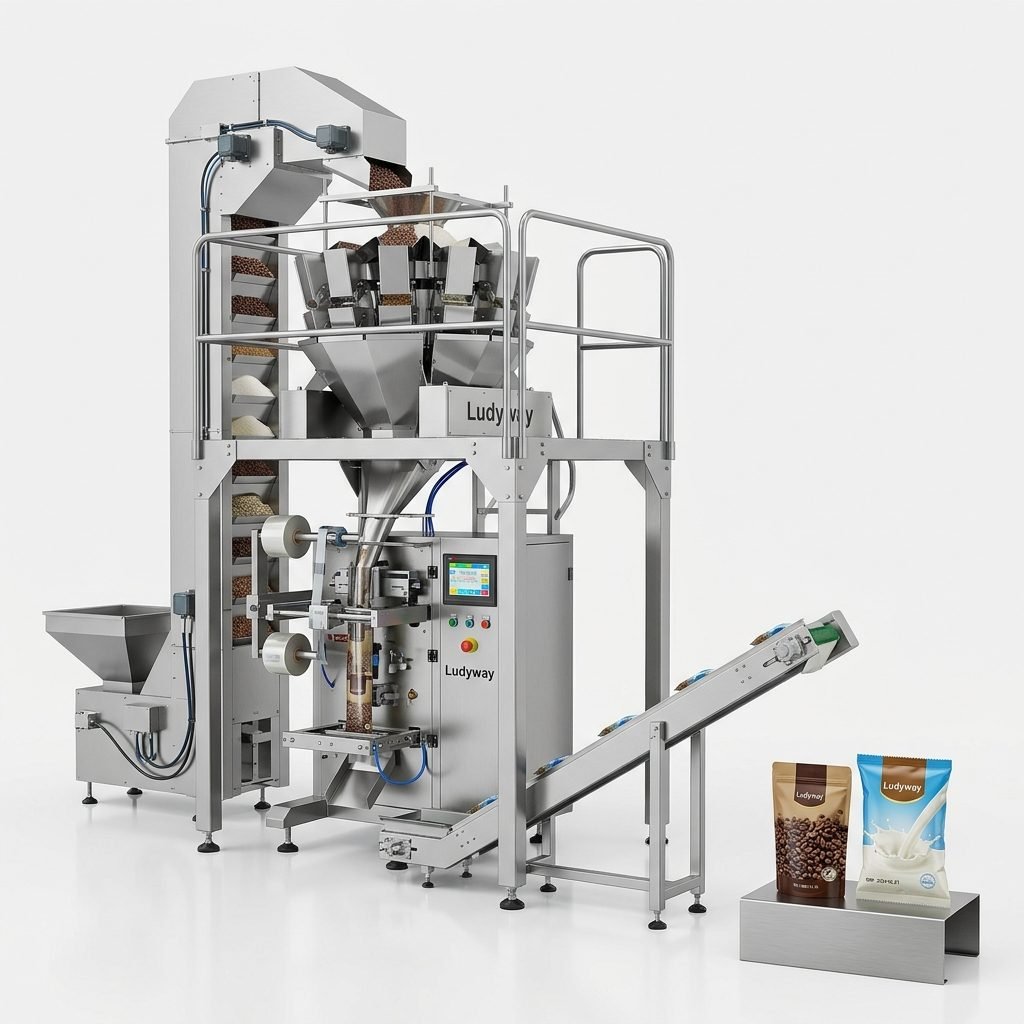
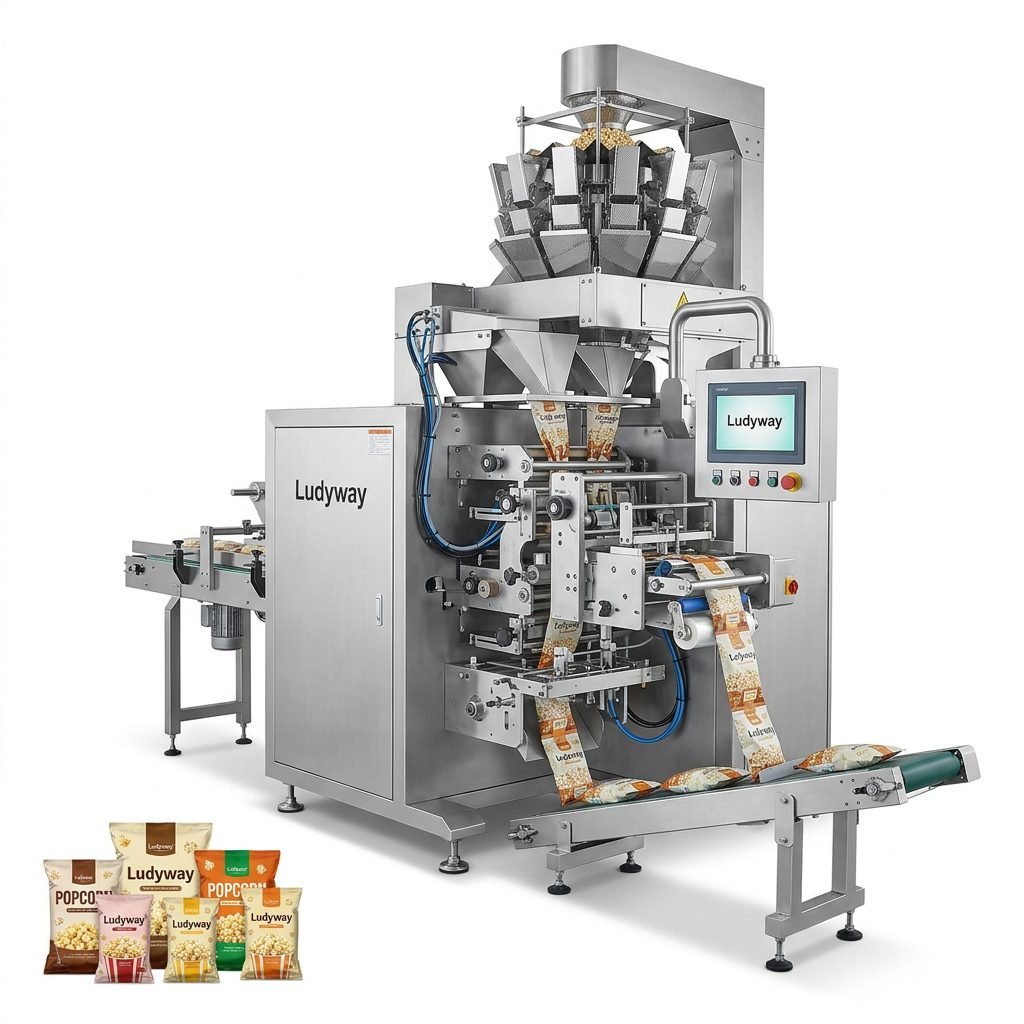
Stand-up pouches have moved from a niche flexible packaging format to a mainstream packaging choice across food, beverages, health products, personal care, pet products, and household goods. Their rising popularity is not accidental. Brands want packaging that looks modern, protects products well, reduces logistics cost, and performs better on retail shelves and e-commerce platforms. Stand-up pouches answer all of these needs in one format.
For manufacturers, distributors, and brand owners, understanding why stand-up pouches are growing so quickly can help with better packaging decisions, stronger market positioning, and more efficient production planning.
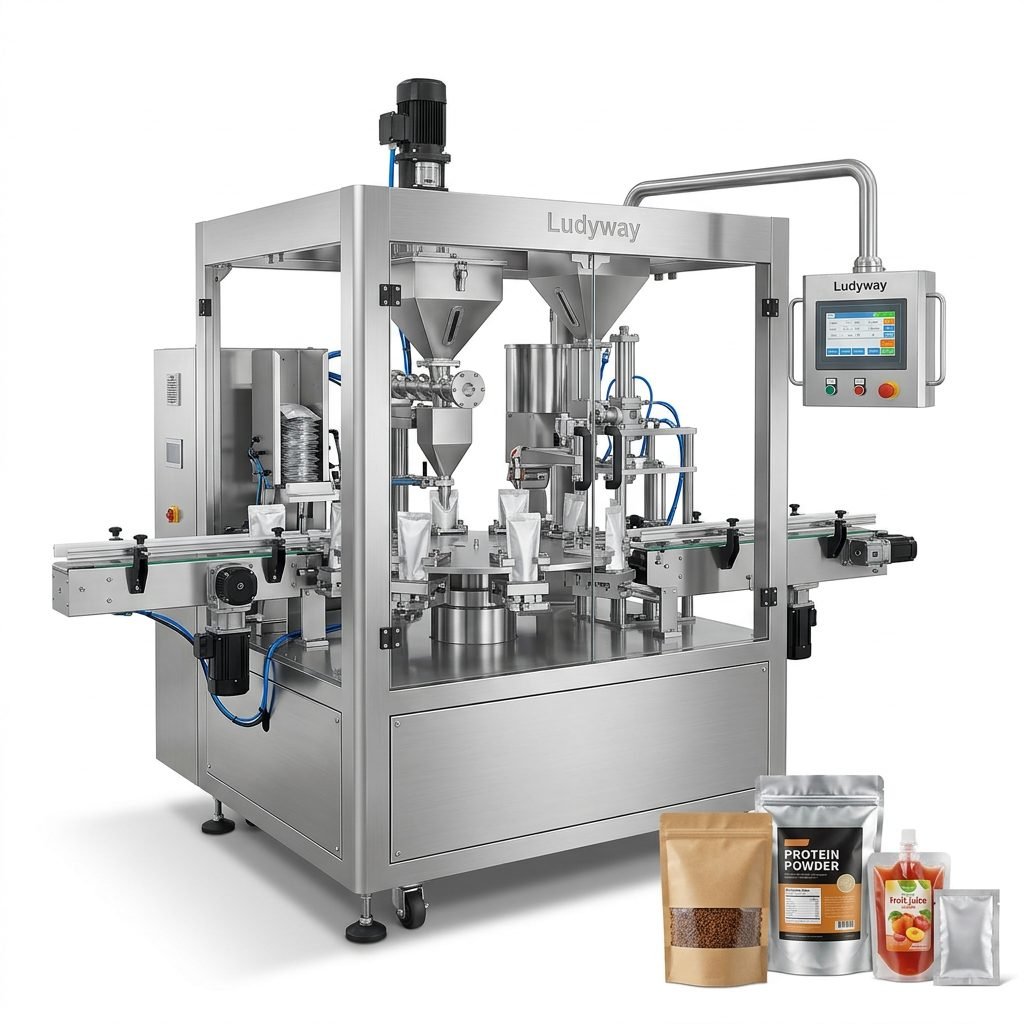
What Are Stand-Up Pouches?
Stand-up pouches are flexible packages designed with a bottom gusset so they can stand upright on shelves. They are commonly made from multi-layer materials that provide barrier protection against moisture, oxygen, light, and contamination. Depending on the product, they may include features such as:
- Zip locks or resealable closures
- Tear notches
- Spouts and caps
- Clear windows
- Matte or gloss finishes
- Hang holes and shaped designs
Because they combine practical storage, strong visual appeal, and efficient material use, they have become one of the most versatile packaging solutions on the market.
Why Are Stand-Up Pouches Becoming More Popular?
Several market forces are driving demand for stand-up pouch packaging. Consumer behavior, retail competition, sustainability pressure, and automation upgrades are all shaping the trend.
1. Better Shelf Presence
Traditional flat bags often lie down or require secondary display cartons. Stand-up pouches naturally face forward, giving brands more visible print area and a cleaner presentation. This helps products stand out in supermarkets, specialty stores, and convenience retail environments.
2. Convenience for Consumers
Consumers increasingly prefer packaging that is easy to open, reseal, carry, pour, and store. Stand-up pouches support modern lifestyles by offering portability and reducing mess. This is especially valuable for snacks, coffee, protein powder, sauces, and baby food.
3. Lightweight and Cost-Efficient
Compared with rigid containers such as jars, cans, or bottles, stand-up pouches generally use less material and weigh less. That often translates into lower shipping costs, easier warehousing, and higher packing efficiency.
4. Strong Product Protection
Advanced films and laminates can provide excellent barrier properties. This helps extend shelf life and maintain product freshness, aroma, texture, and quality. For many industries, this is a major reason brands are switching from older package formats.
5. Fit for Automation and Scalable Production
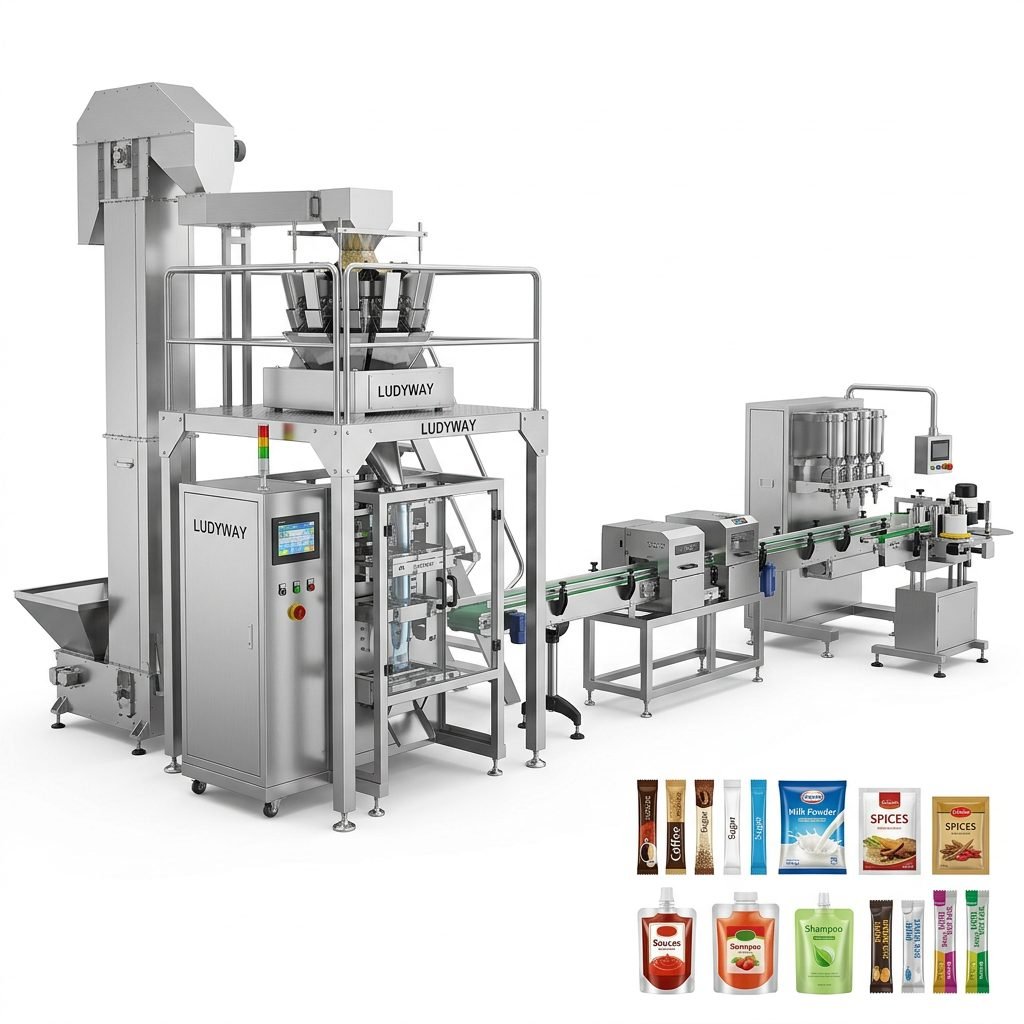
Modern stand-up pouch systems integrate well with automatic filling, sealing, coding, inspection, cartoning, and case packing equipment. As production demand increases, pouch packaging lines can be scaled efficiently for different products and pouch sizes.
Key Benefits of Stand-Up Pouches
| Benefit | Why It Matters |
|---|---|
| Excellent display impact | Upright presentation improves shelf visibility and branding opportunities. |
| Lower packaging weight | Can reduce transportation and storage costs compared with rigid packaging. |
| Consumer convenience | Easy to carry, use, reseal, and store in kitchens, offices, or while traveling. |
| Flexible design options | Supports windows, spouts, zippers, custom shapes, and premium finishes. |
| Good barrier performance | Protects against moisture, oxygen, and contamination to preserve product quality. |
| Automation compatibility | Works well with modern filling and sealing systems for medium and high-volume production. |
Common Uses of Stand-Up Pouches
Stand-up pouches are now used in a wide range of sectors because they adapt well to solids, powders, granules, liquids, and semi-viscous products.
Food and Beverage
- Snacks, nuts, dried fruit, and candy
- Coffee, tea, and instant drink powders
- Sauces, condiments, soups, and seasonings
- Frozen or dehydrated foods
- Health snacks and meal replacements
Health and Nutrition
- Protein powder and supplement blends
- Collagen, vitamins, and nutraceutical products
- Electrolyte powders and functional beverages
- Medical nutrition and oral rehydration products
Personal Care and Household
- Face masks, creams, lotions, and cleansers
- Detergents, cleaners, and disinfectants
- Travel-size and refill packaging
Pet and Animal Nutrition
- Pet treats and pet food
- Powder supplements for pets
- Feed additives and specialty nutrition products
Why Brands Prefer Stand-Up Pouches Over Traditional Packaging
In many applications, stand-up pouches outperform rigid formats in both economics and consumer experience. While bottles, jars, and cans still have important uses, pouches are often preferred when brands want to balance cost, function, and marketing impact.
| Packaging Format | Typical Advantage | Typical Limitation |
|---|---|---|
| Stand-up pouch | Lightweight, attractive, resealable, efficient for transport | Material structure must be carefully selected for each product |
| Rigid bottle | Strong shape and familiar dispensing | Higher shipping volume and material usage |
| Glass jar | Premium appearance and strong barrier | Heavy, fragile, and more expensive to transport |
| Can | Durable and protective | Less design flexibility and often higher processing complexity |
Major Market Trends Behind the Growth
Sustainability and Material Reduction
Many companies are under pressure to reduce packaging waste and improve environmental performance. While sustainability depends on the exact material structure and recycling system, stand-up pouches often use less raw material than rigid alternatives. This makes them attractive for brands aiming to improve packaging efficiency.
Rise of E-Commerce Packaging
Online retail requires packaging that is durable, lightweight, and easy to ship. Stand-up pouches can help reduce freight costs and cube utilization issues while still presenting products attractively when delivered to consumers.
Growth of Single-Serve and Resealable Formats
Consumers now buy more on-the-go portions, trial packs, refill packs, and family-size resealable products. Stand-up pouches support all of these commercial formats with strong flexibility.
Premium Packaging Design
Brands increasingly use pouch finishes, clear windows, metallic effects, and custom shapes to communicate freshness and premium positioning. This makes stand-up pouches both a functional package and a branding tool.
Automation and Smart Packaging Lines
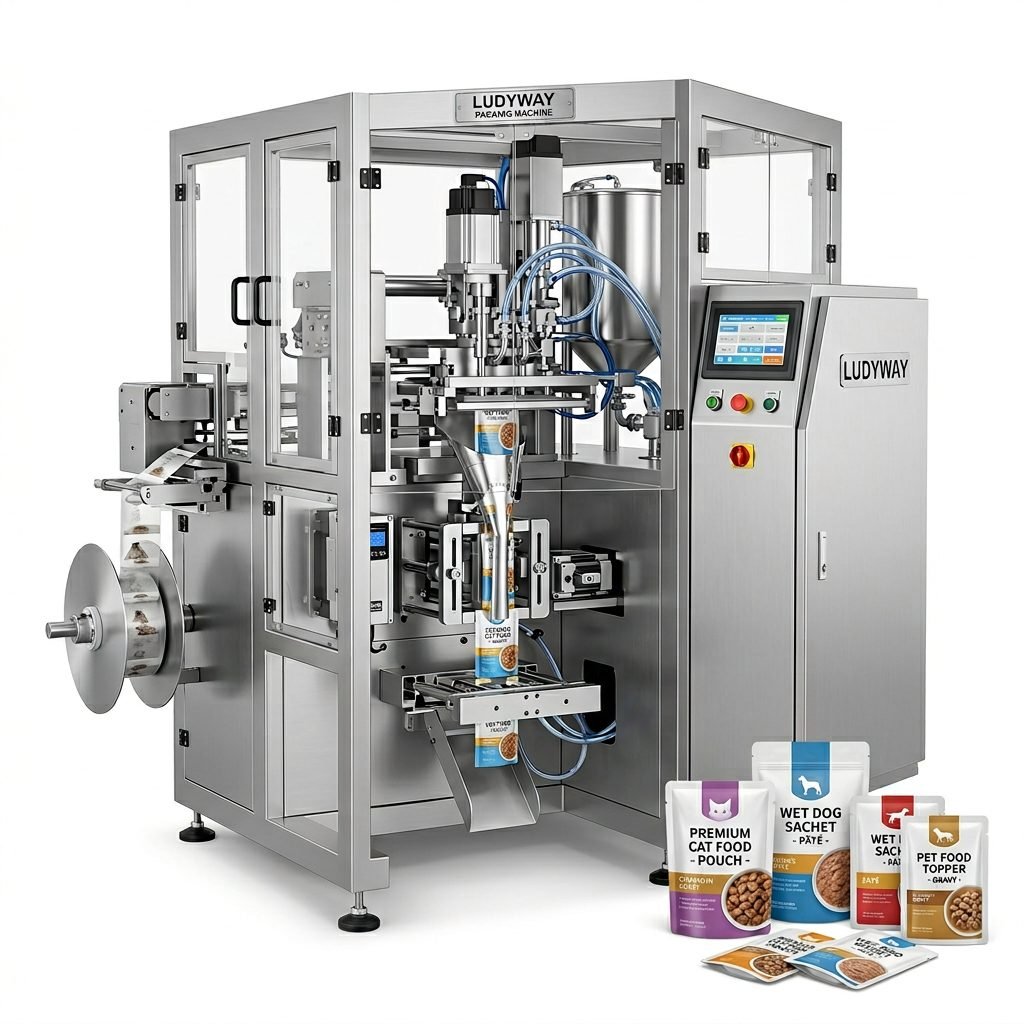
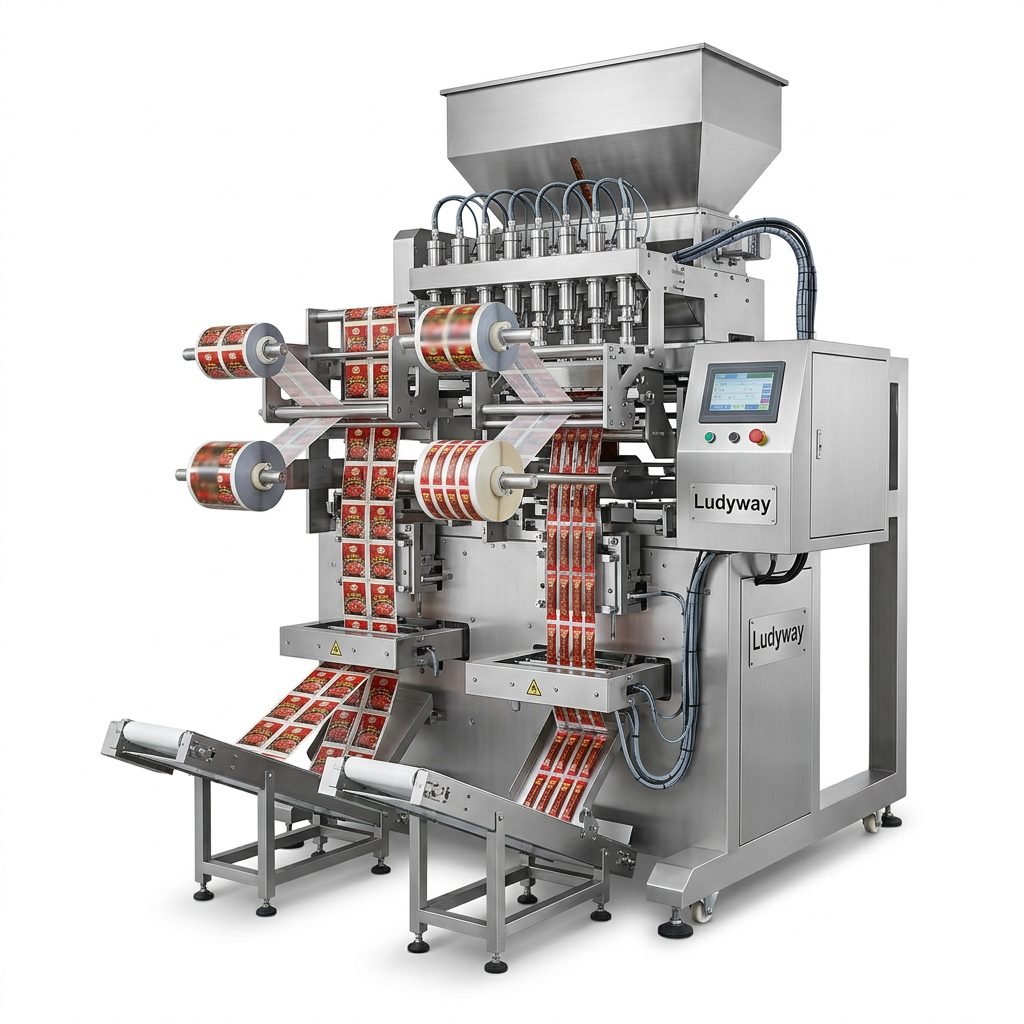
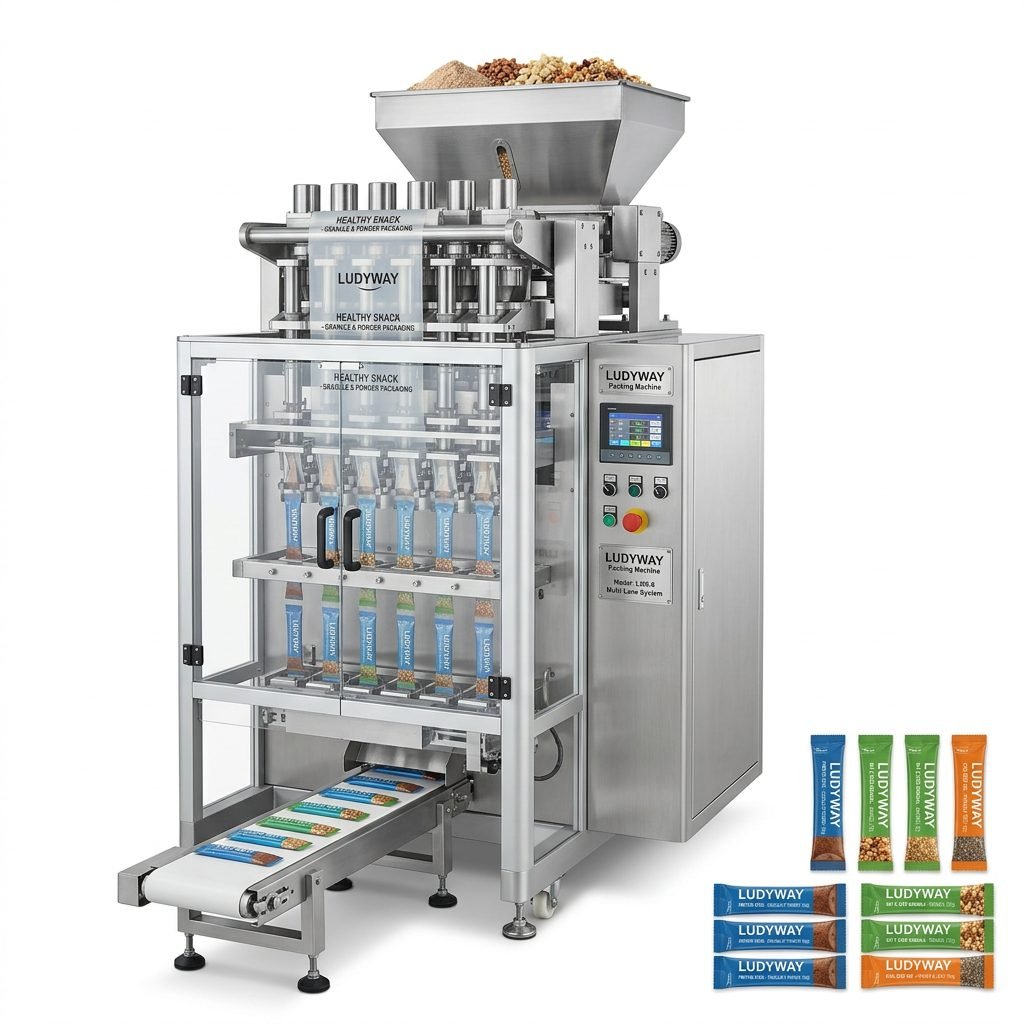
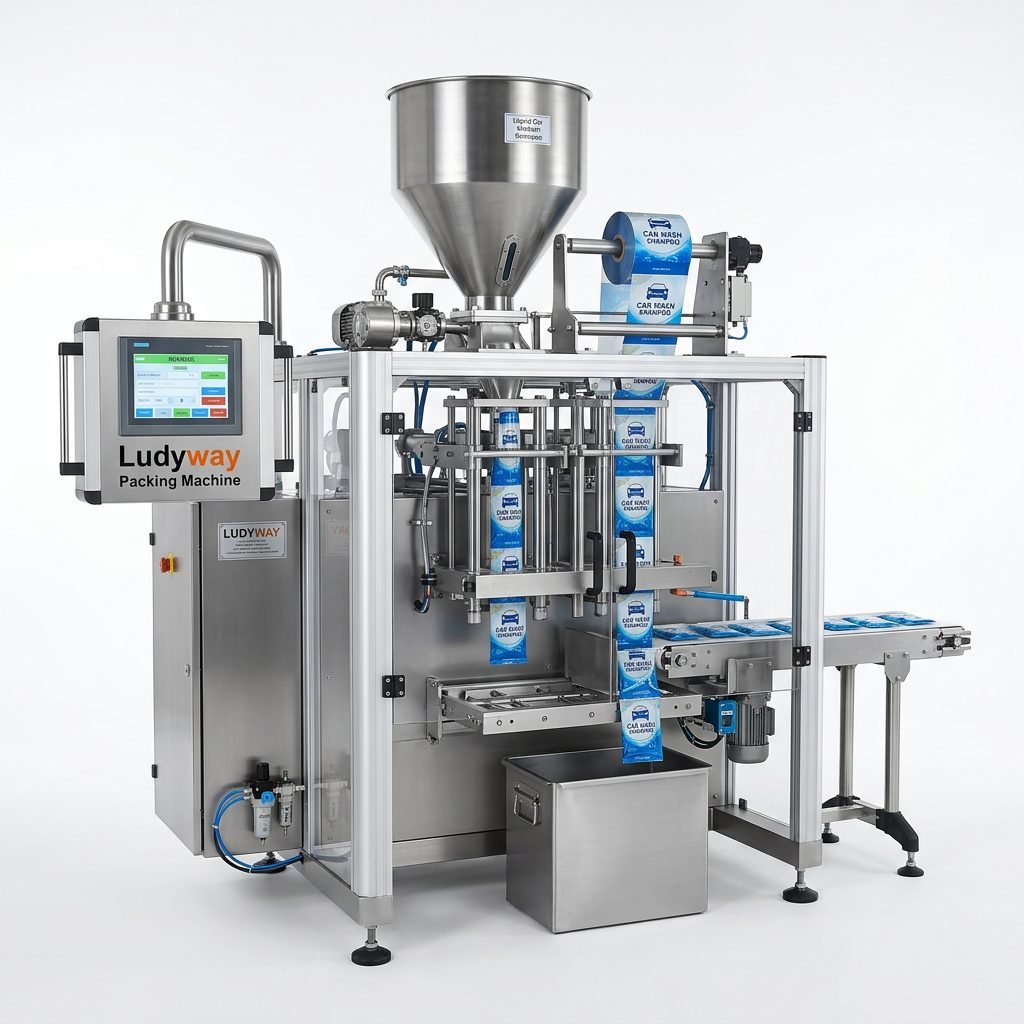
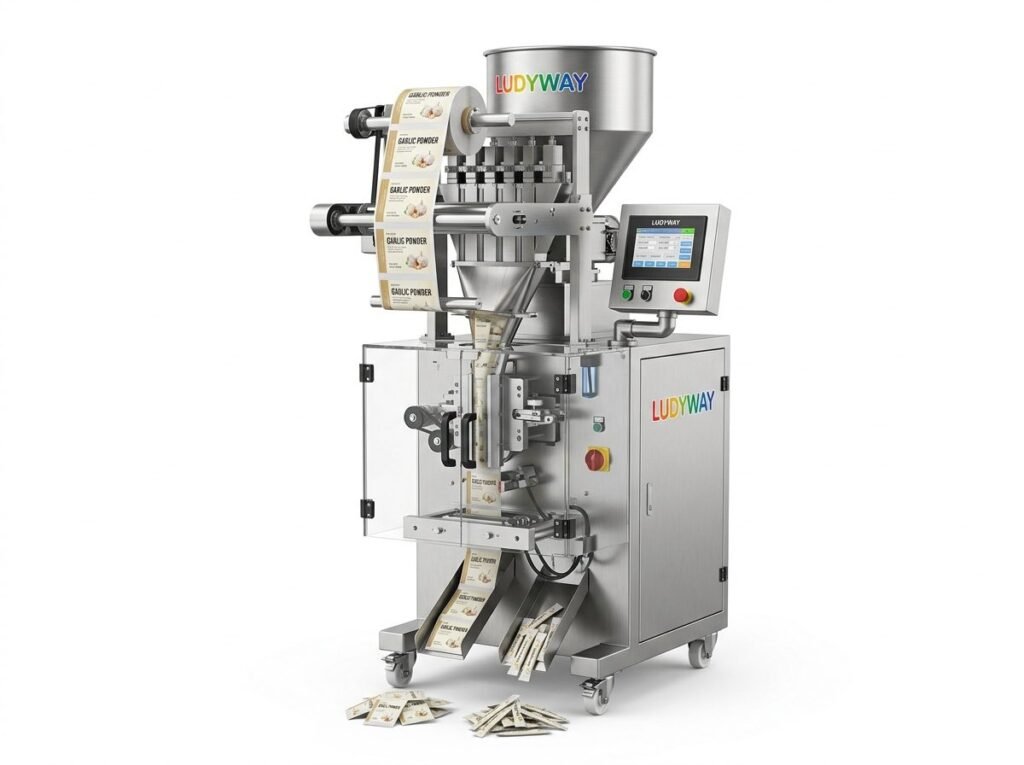
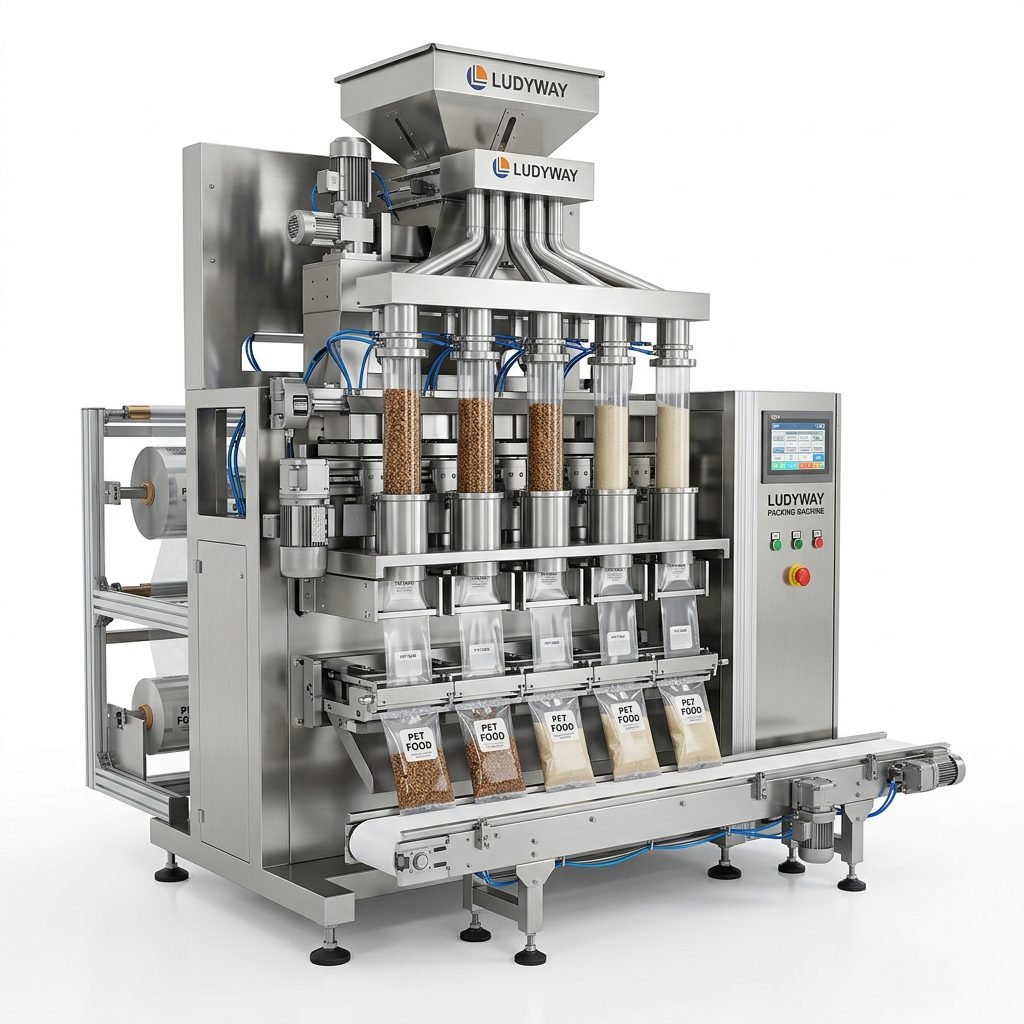
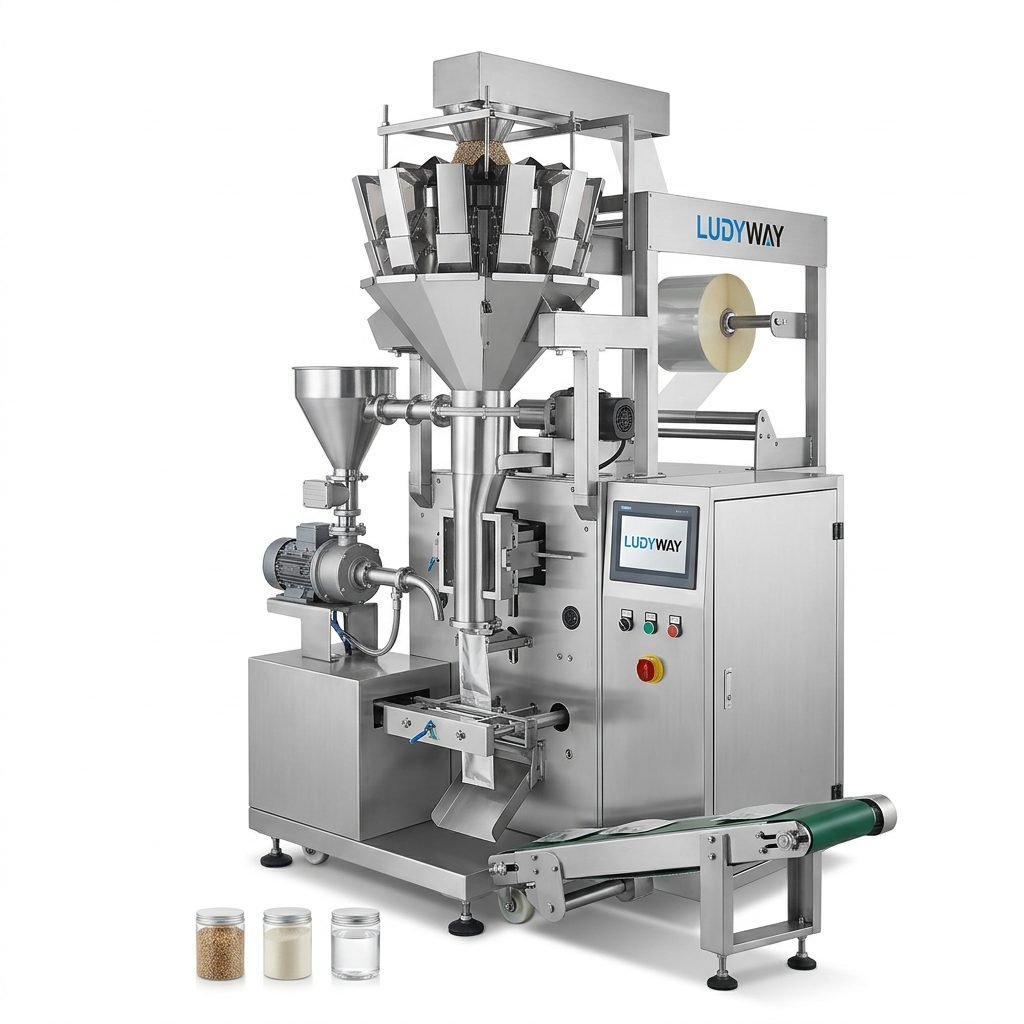
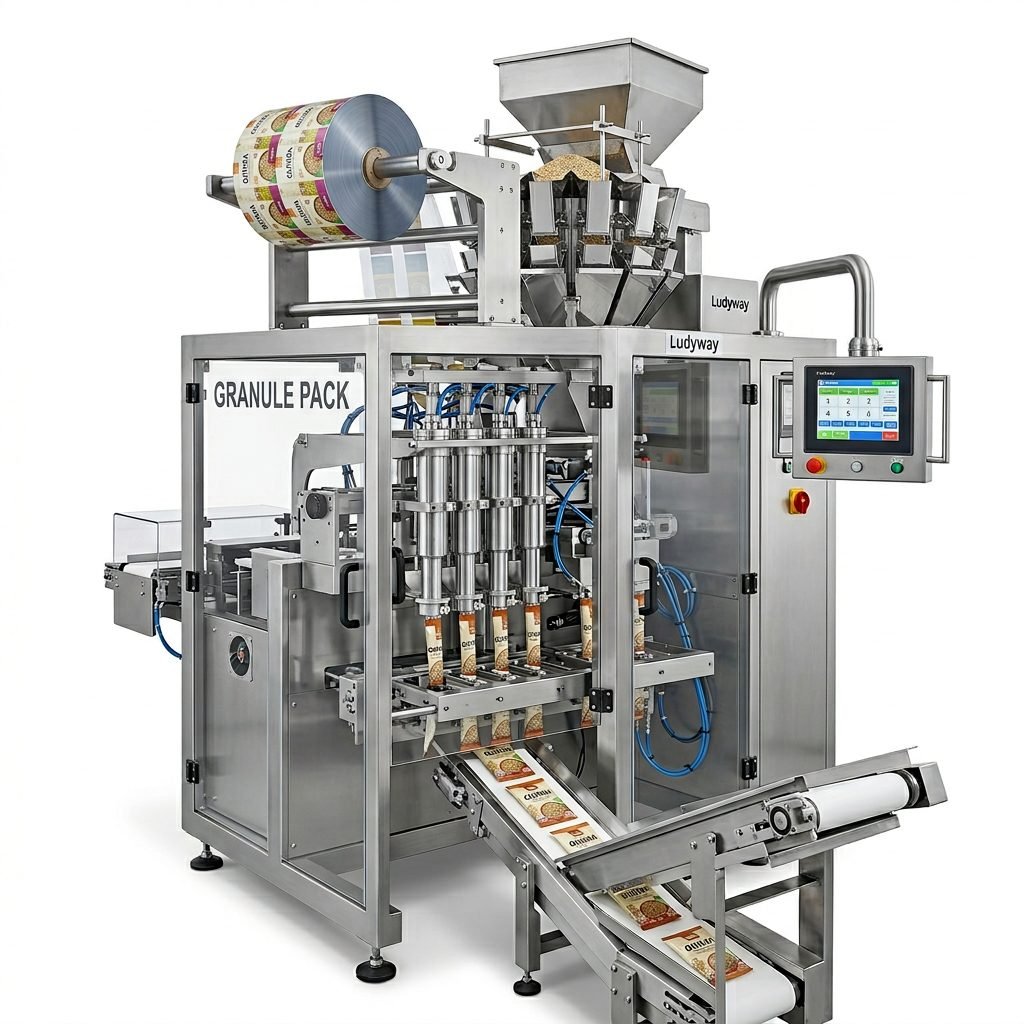
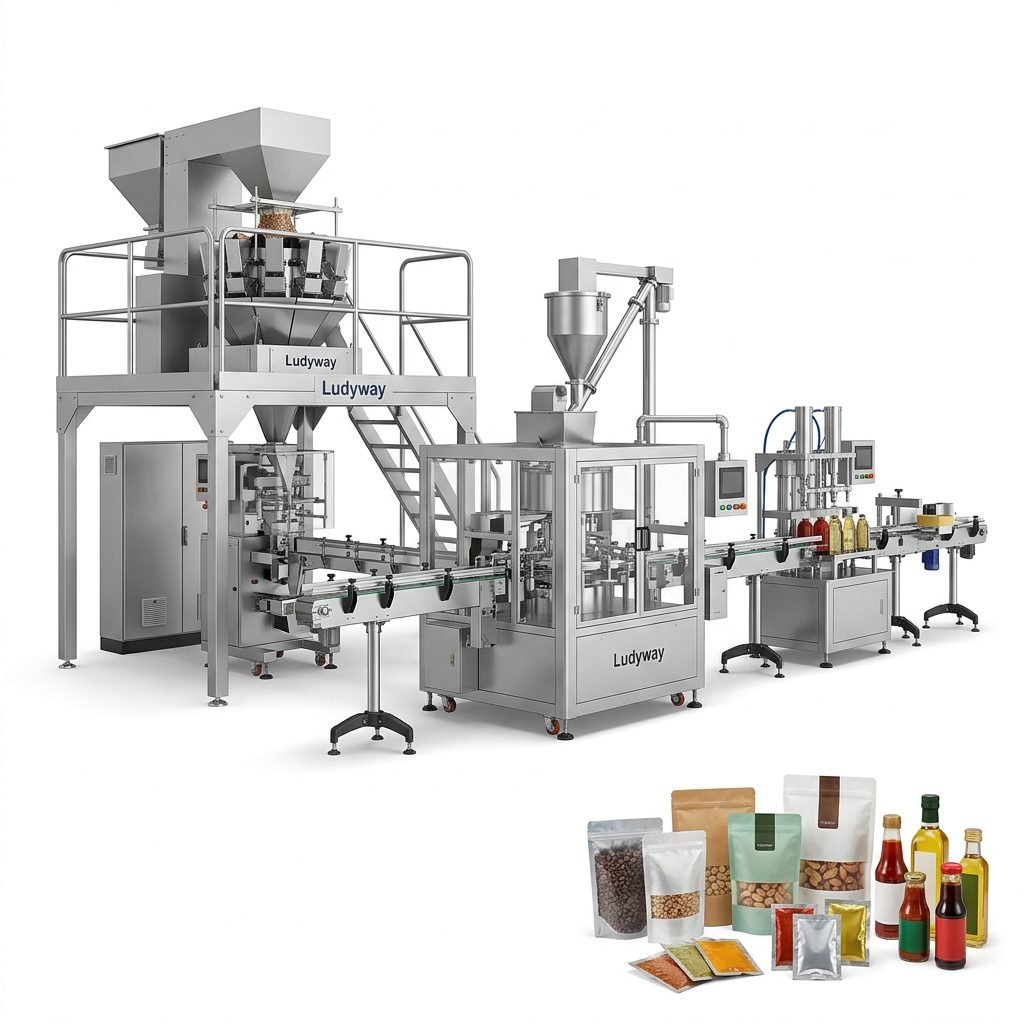
As labor costs rise and production consistency becomes more important, manufacturers are investing in automated pouch lines with integrated weighing, filling, sealing, coding, inspection, and end-of-line systems. Companies such as Ludyway packaging machine manufacturer support this shift with automated equipment and turnkey packaging line solutions for multiple industries.
How to Choose the Right Stand-Up Pouch for Your Product
Not all stand-up pouches are the same. The right choice depends on product characteristics, distribution conditions, branding goals, and production speed.
Consider These Factors
- Product type: powder, granule, liquid, paste, or solid pieces
- Barrier needs: moisture, oxygen, aroma, UV, or grease protection
- Filling method: premade pouch filling or form-fill-seal process
- Closure type: zipper, spout, tear notch, or heat seal only
- Pack size: sample, retail, family-size, or bulk
- Sales channel: supermarket, online, pharmacy, club store, or export market
Industries Seeing the Fastest Adoption
Some sectors are adopting stand-up pouches especially quickly because they benefit most from lightweight, visual, and convenient packaging.
- Healthy snacks and functional foods
- Sports nutrition and dietary supplements
- Pet food and pet treats
- Household refill products
- Cosmetic sachets and pouches
- Pharmaceutical and health support products
Challenges to Keep in Mind
Although stand-up pouches offer many advantages, successful use still requires careful packaging engineering. Businesses should evaluate:
- Seal strength and leak prevention
- Material compatibility with the product
- Filling accuracy and pouch stability during production
- Machinery suitability for desired output speed
- Regulatory compliance for food, pharma, or chemical applications
The best results usually come from matching the pouch format with the right automated packaging equipment and production workflow.
The Future of Stand-Up Pouch Packaging
The future looks strong for stand-up pouches. As brands continue to seek higher efficiency, better consumer convenience, and more modern packaging design, this format is expected to keep growing across both developed and emerging markets.
We can expect continued innovation in recyclable materials, mono-material structures, smarter closures, digital printing, and integrated high-speed pouch packaging lines. For companies looking to modernize their packaging, stand-up pouches are no longer just an alternative—they are becoming a strategic packaging standard.
Final Thoughts for Manufacturers and Brand Owners
Stand-up pouches are becoming more popular because they solve multiple business needs at once: they improve shelf appeal, support convenience, reduce transport burden, and work well with modern automation. Whether you are packaging snacks, powders, liquids, supplements, or household products, this format offers a strong balance of performance and marketability.
For businesses planning a packaging upgrade, now is a good time to evaluate whether stand-up pouch packaging can help improve product protection, production efficiency, and brand competitiveness.