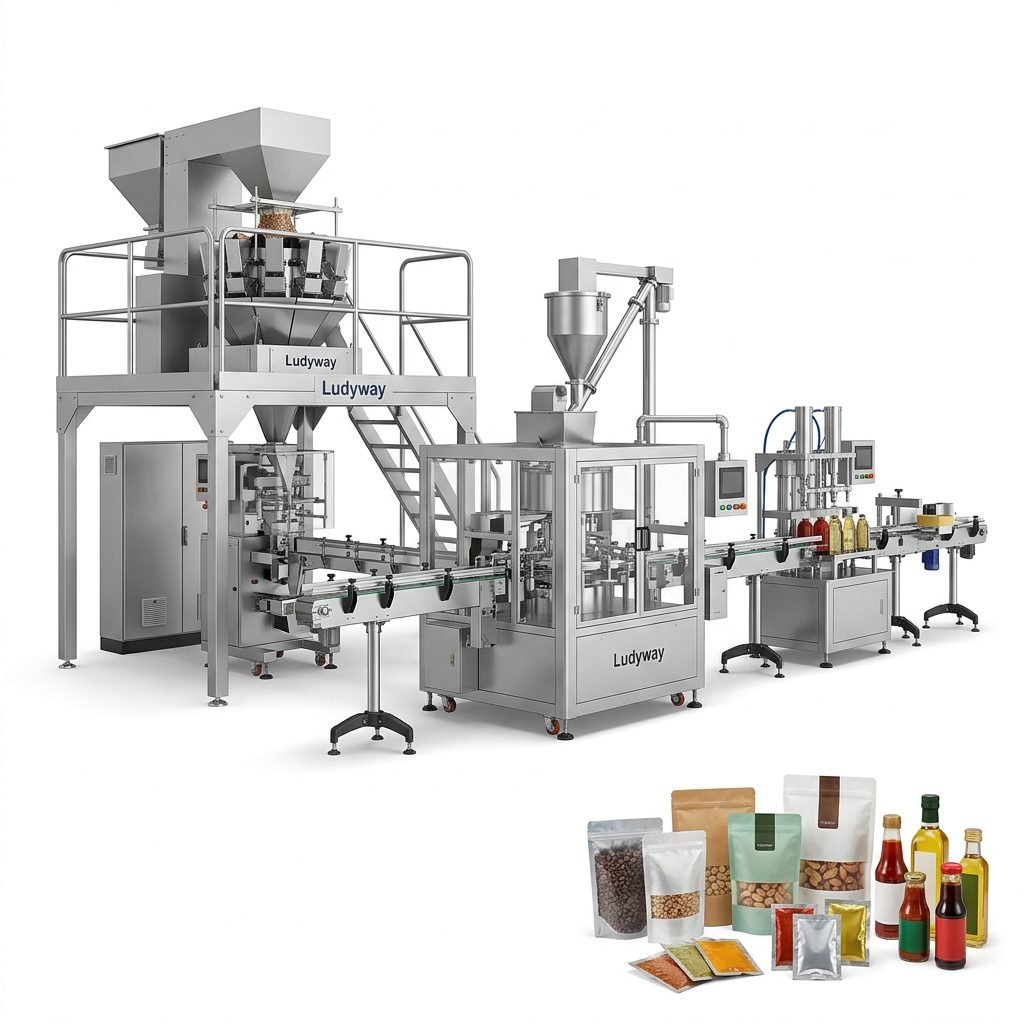
Film wrinkling is one of the most common packaging machine problems in vertical form fill seal systems, sachet machines, stick pack machines, flow wrappers, and pouch packaging lines. Even small wrinkles can lead to poor sealing, bad print registration, air leakage, unattractive packs, and material waste. If not corrected quickly, wrinkled film can also reduce production speed and increase machine downtime.
This guide explains the most frequent causes of film wrinkling, how to diagnose the issue step by step, and what operators, maintenance teams, and plant managers can do to prevent it in daily production.
What Film Wrinkling Looks Like in Packaging Production
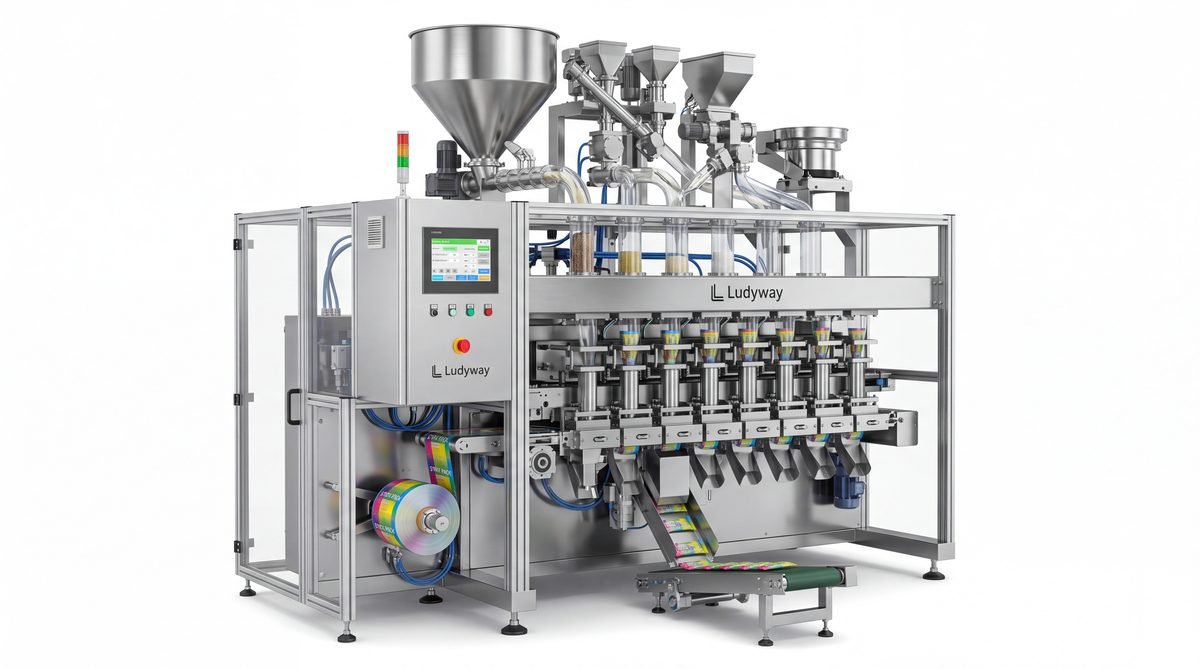
Film wrinkling happens when packaging film does not travel flat and evenly through the machine. The wrinkle may appear before forming, during sealing, or after cutting. In some cases, the wrinkle is slight and only affects appearance. In more serious cases, it causes sealing failure or repeated machine alarms.
- Long vertical creases along the web
- Diagonal folds near rollers or forming collars
- Seal-area wrinkles causing weak or leaking packages
- Uneven pouch shape or distorted stick pack edges
- Registration mark tracking errors
Why Film Wrinkling Matters
Wrinkled film is not just a cosmetic issue. It directly affects packaging efficiency, sealing quality, and overall line performance. In food, pharmaceutical, health supplement, and chemical packaging, stable pack quality is critical for both compliance and brand image.
| Impact Area | Possible Result |
|---|---|
| Seal quality | Channel leaks, incomplete seals, contamination in seal zone |
| Appearance | Unprofessional packs, poor shelf presentation, customer complaints |
| Efficiency | Frequent stoppages, slower running speed, more setup time |
| Material usage | Film waste, rejected packs, higher packaging cost |
| Machine wear | Extra stress on rollers, belts, pull mechanisms, and sealing jaws |
Main Causes of Film Wrinkling in Packaging Machines
1. Incorrect Film Tension
Improper tension is one of the biggest reasons for wrinkling. If tension is too low, the film can wander and fold. If too high, the film may stretch unevenly and create wrinkles near guide rollers, collars, or sealing stations.
Typical signs: side drifting, unstable web travel, repeated wrinkling after roll replacement.
2. Misaligned Rollers or Film Path
When rollers, dancer arms, guide shafts, or the film feeding path are not aligned, the web pulls unevenly from one side. This side load quickly creates diagonal wrinkles and registration issues.
3. Damaged or Poor-Quality Packaging Film
Film itself can be the root cause. Uneven thickness, telescoped rolls, edge damage, poor lamination, moisture absorption, or incorrect storage conditions all increase wrinkling risk.
4. Improper Forming Collar or Tube Setup
On VFFS and stick pack machines, film passes through a collar or forming section. If the collar surface is worn, dirty, rough, or not matched to the film width and structure, the web may fold before sealing.
5. Sealing Temperature or Pressure Problems
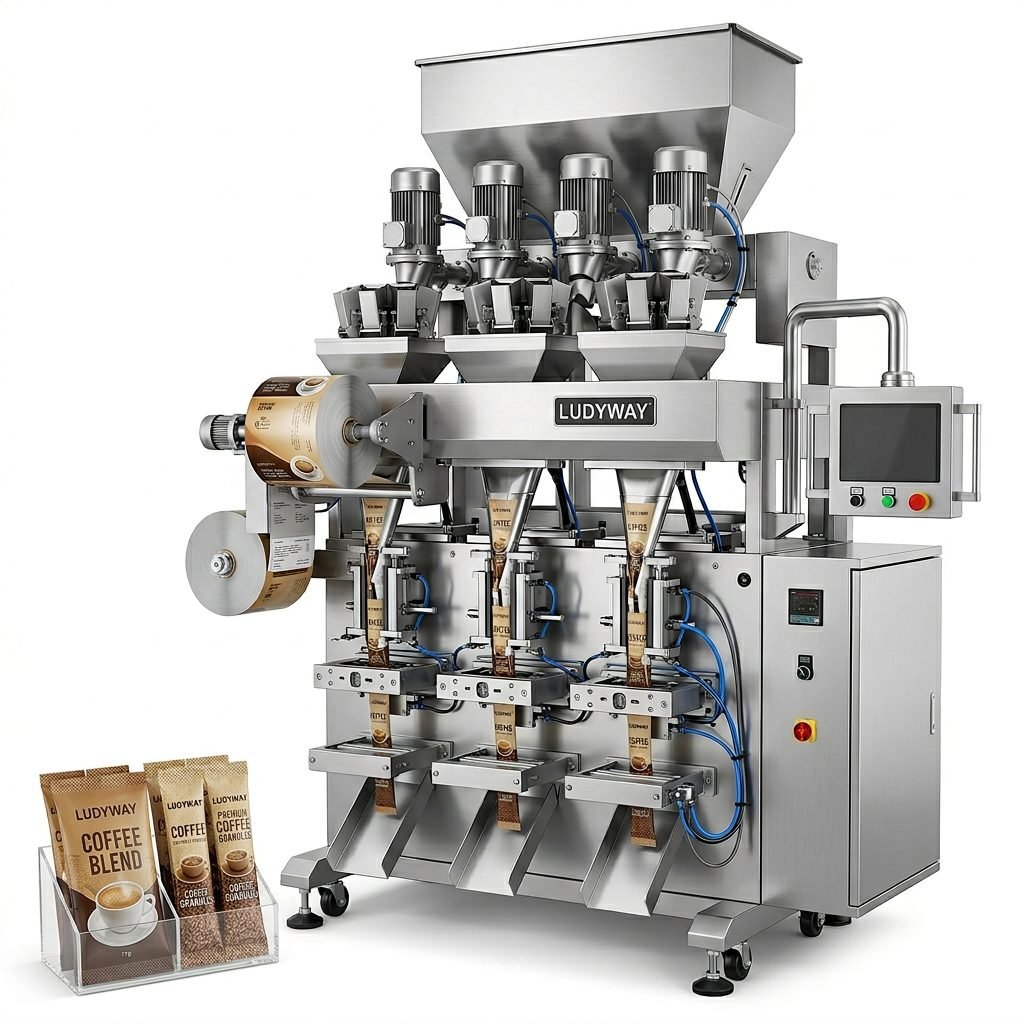
Excessive heat can shrink or distort certain film structures. Uneven sealing pressure may also trap folds inside the seal zone. This often shows up as wrinkles exactly where the pouch is sealed.
6. Machine Speed Too High for the Film Type
Some films run well at medium speed but become unstable at high speed. Lightweight or thin laminates may flutter, drift, or crease when acceleration and pull timing are too aggressive.
7. Environmental Conditions
Temperature and humidity can affect film behavior, especially for multilayer structures and sensitive laminated materials. A film stored in a humid or hot workshop may not feed flat even if machine settings are correct.
8. Dust, Product Contamination, or Static
Powder dust, sticky residue, and static electricity can interfere with smooth film movement. The film may cling to surfaces, drag on the collar, or track unevenly through the guide system.
How to Diagnose Film Wrinkling Step by Step
The fastest way to solve wrinkling is to identify where the wrinkle first appears. Start from the film roll and follow the web through every contact point.
- Check the film roll condition before loading.
- Observe whether the web enters the machine straight.
- Inspect guide rollers and tension devices for alignment.
- Watch the film around the forming collar or shaping section.
- Check the sealing area for trapped folds or uneven pressure.
- Reduce machine speed temporarily to see whether wrinkling changes.
- Test a different film roll from the same batch or another supplier batch.
| Wrinkle Location | Likely Cause | Recommended Check |
|---|---|---|
| At unwind section | Poor roll winding, low or uneven tension | Inspect film roll edges, brake, dancer, shaft setup |
| Near guide rollers | Roller misalignment, contamination | Clean rollers and verify parallel alignment |
| At forming collar | Wrong collar size, rough surface, improper setup | Inspect collar finish and film width compatibility |
| At vertical or horizontal seal | Heat, pressure, timing, trapped air | Check jaw pressure, sealing temperature, dwell time |
| Only at high speed | Film instability or aggressive pulling | Lower speed and retune pull timing/tension |
Practical Solutions to Fix Film Wrinkling
Adjust Film Tension Gradually
Do not make large tension changes at once. Adjust in small steps and observe how the film behaves across the full path. Stable, even tension is usually better than maximum tightness.
Realign the Web Path
Make sure the film roll is mounted squarely, guide rollers are level, and the web centerline matches the machine centerline. A slight alignment error can create major wrinkles at high speed.
Inspect and Clean Contact Surfaces
Clean rollers, forming collars, tubes, and sealing parts regularly. Remove powder dust, oil, adhesive residue, and fragments of packaging material that may disturb web movement.
Match the Film to the Machine Application
Some wrinkling problems come from using a film structure that is too soft, too thin, too slippery, or not suitable for the machine speed. Confirm the film specification with your packaging process and sealing method.
Optimize Sealing Parameters
If wrinkles appear in the seal area, review:
- Jaw pressure
- Temperature consistency
- Dwell time
- Film tracking accuracy
- Product contamination in the seal area
Reduce Speed During Setup or Film Changeover
During startup, run at a lower speed to stabilize film tracking before increasing output. This is especially useful after changing to a new film batch or different pack size.
How to Prevent Film Wrinkling Before It Starts
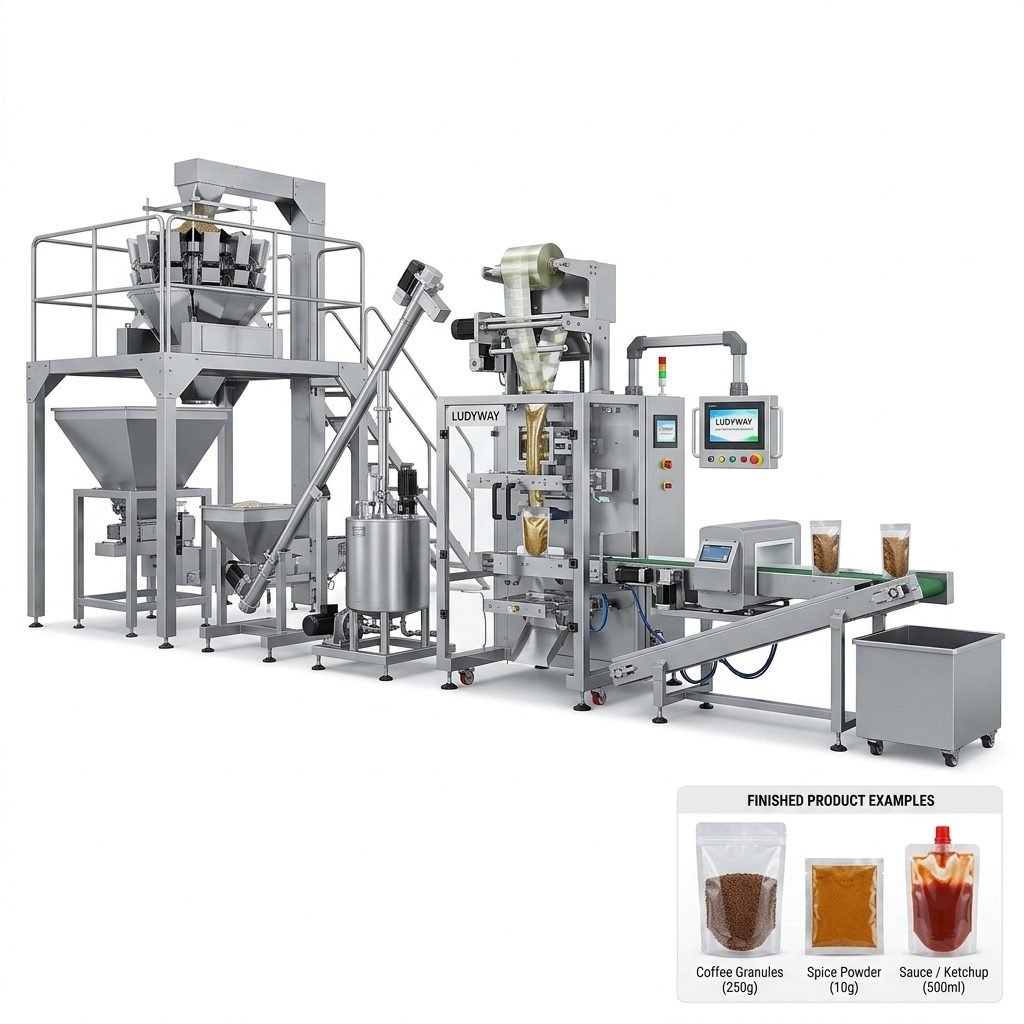
Prevention is more cost-effective than troubleshooting during production. A structured setup and maintenance routine can greatly reduce wrinkling incidents.
Best Preventive Practices
- Store film in a clean, dry, temperature-stable environment
- Allow film rolls to acclimate before use
- Use the correct core size, roll width, and unwind settings
- Check roller alignment during scheduled maintenance
- Replace worn collars, belts, and sealing components on time
- Train operators to identify early wrinkle patterns
- Record machine settings for each film type and pack format
Operator Checklist for Daily Troubleshooting
| Checkpoint | What to Confirm |
|---|---|
| Film roll condition | No edge damage, telescoping, moisture, or deformation |
| Unwind system | Stable brake/tension, centered mounting, smooth rotation |
| Rollers and guides | Clean, parallel, and free from wear |
| Forming parts | Correct size, smooth surface, correct installation |
| Sealing section | Even pressure, proper temperature, no contamination |
| Running speed | Appropriate for current film and product |
When Film Wrinkling Indicates a Bigger Machine Issue
If wrinkling continues after changing film rolls and adjusting basic settings, the issue may involve deeper machine conditions such as:
- Worn pull belts or servo synchronization errors
- Unstable dancer control system
- Bent shafts or roller runout
- Poor forming assembly design for current bag dimensions
- Inconsistent jaw movement or sealing pressure imbalance
At that stage, a full mechanical inspection is recommended instead of repeated operator adjustments.
Choosing the Right Packaging Equipment to Reduce Wrinkling Risk
Modern packaging systems with stable web handling, accurate servo control, precision guiding, and properly engineered forming parts are much less likely to produce wrinkled film. For manufacturers planning new lines or machine upgrades, equipment quality has a direct impact on pack consistency and waste control.
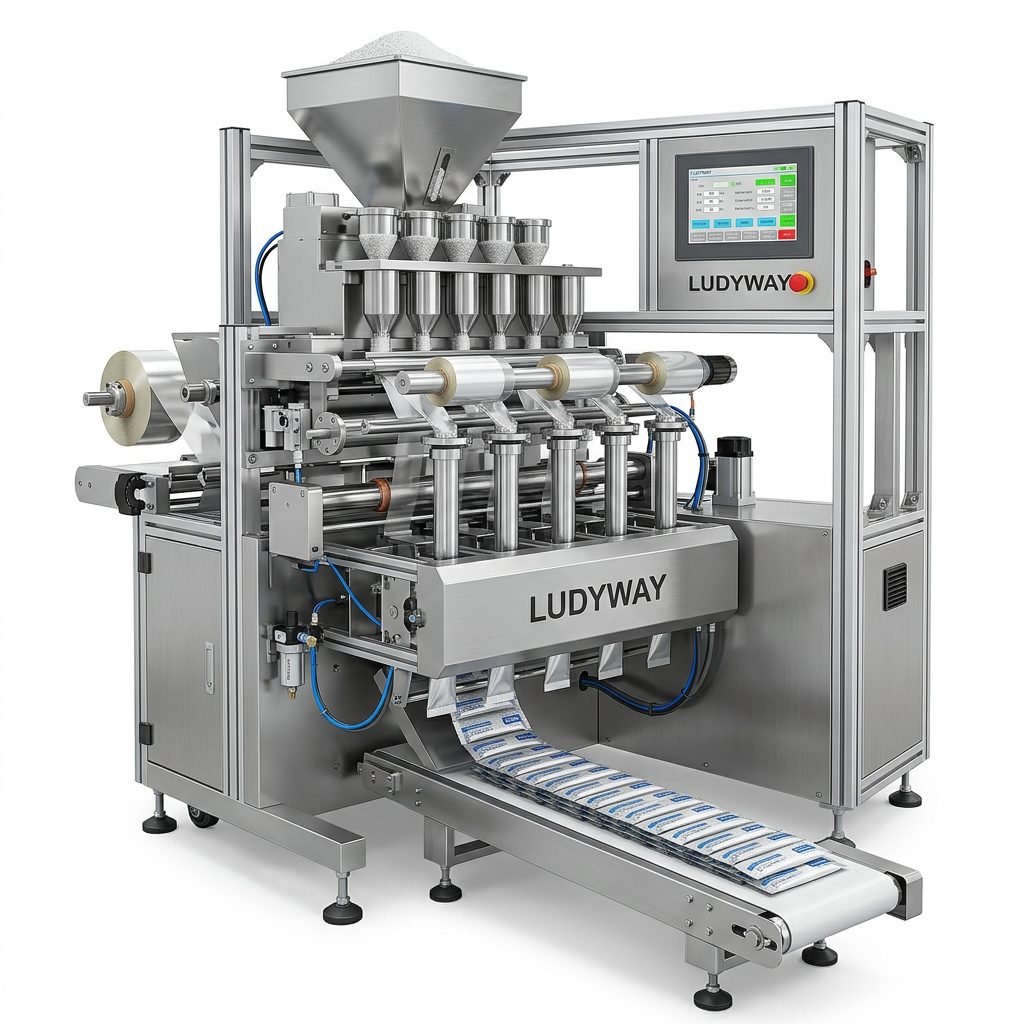
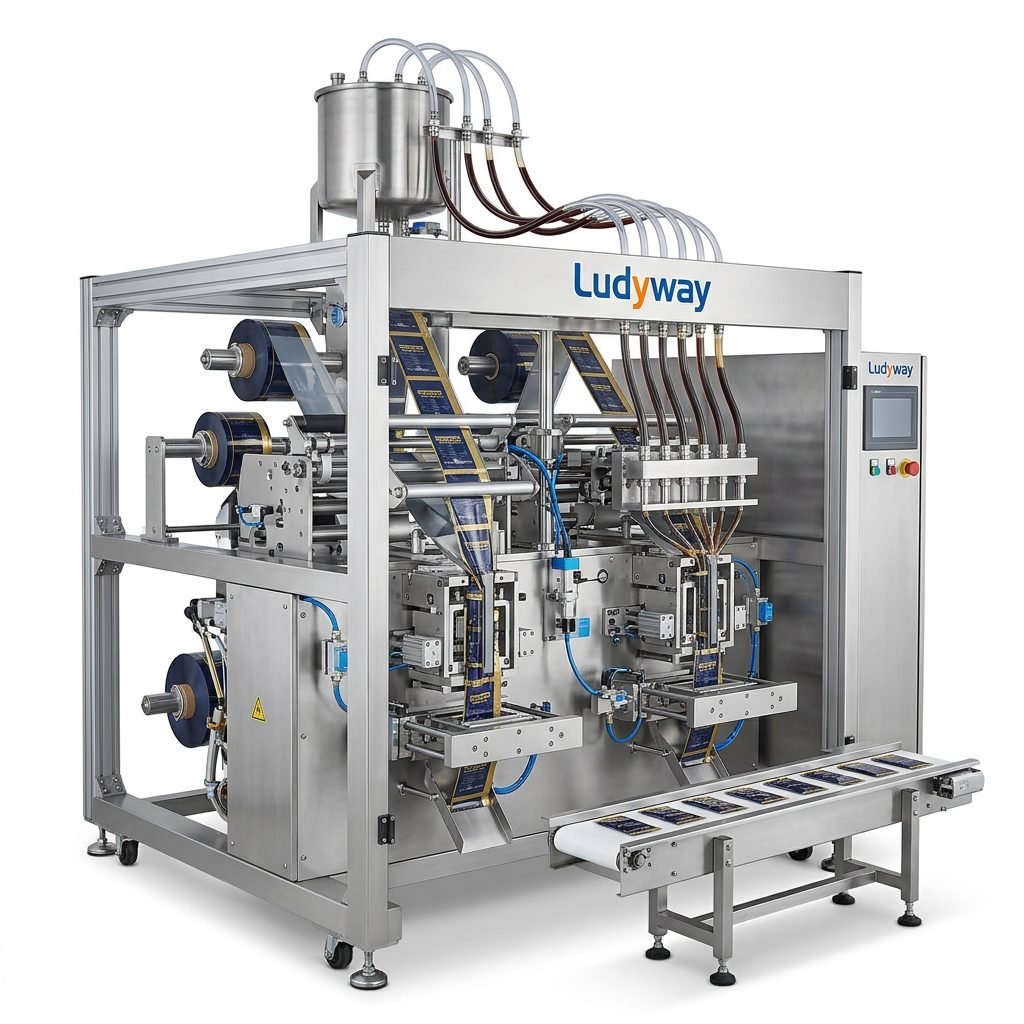
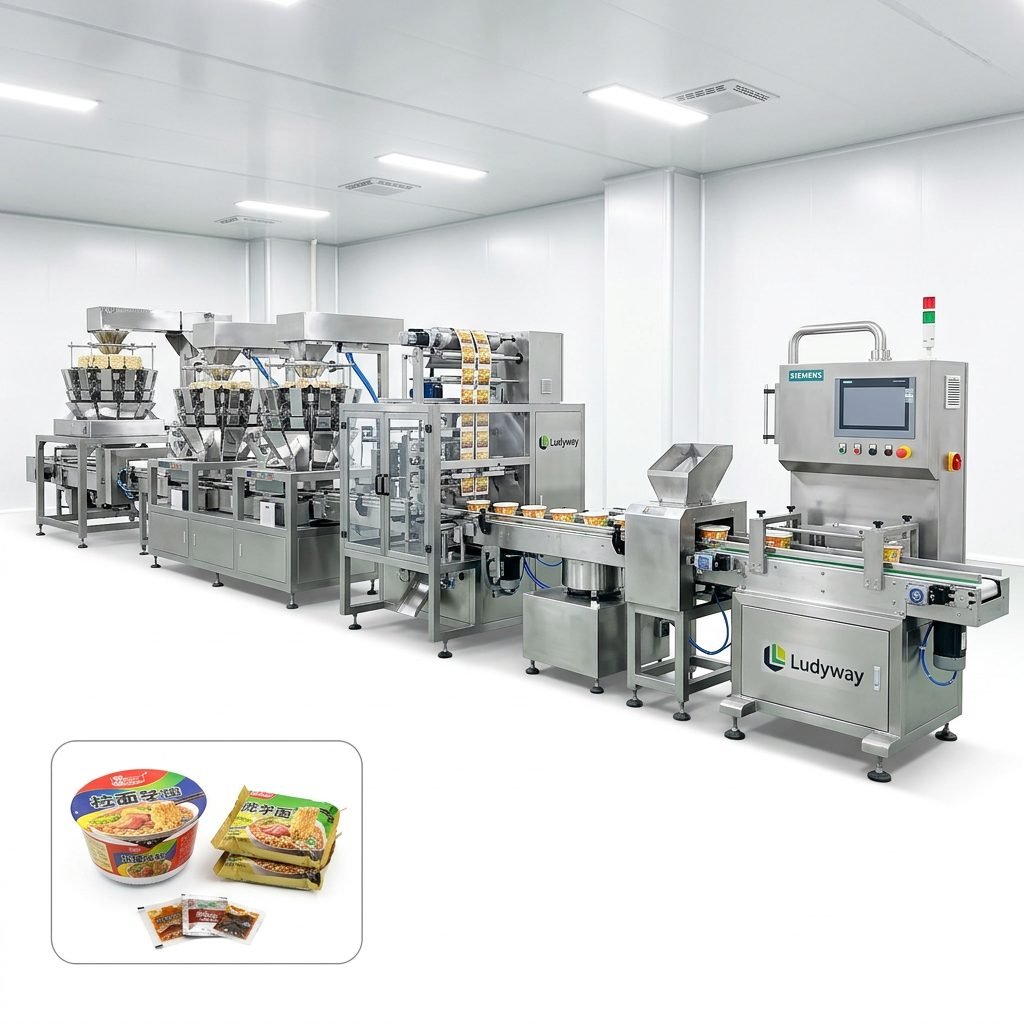
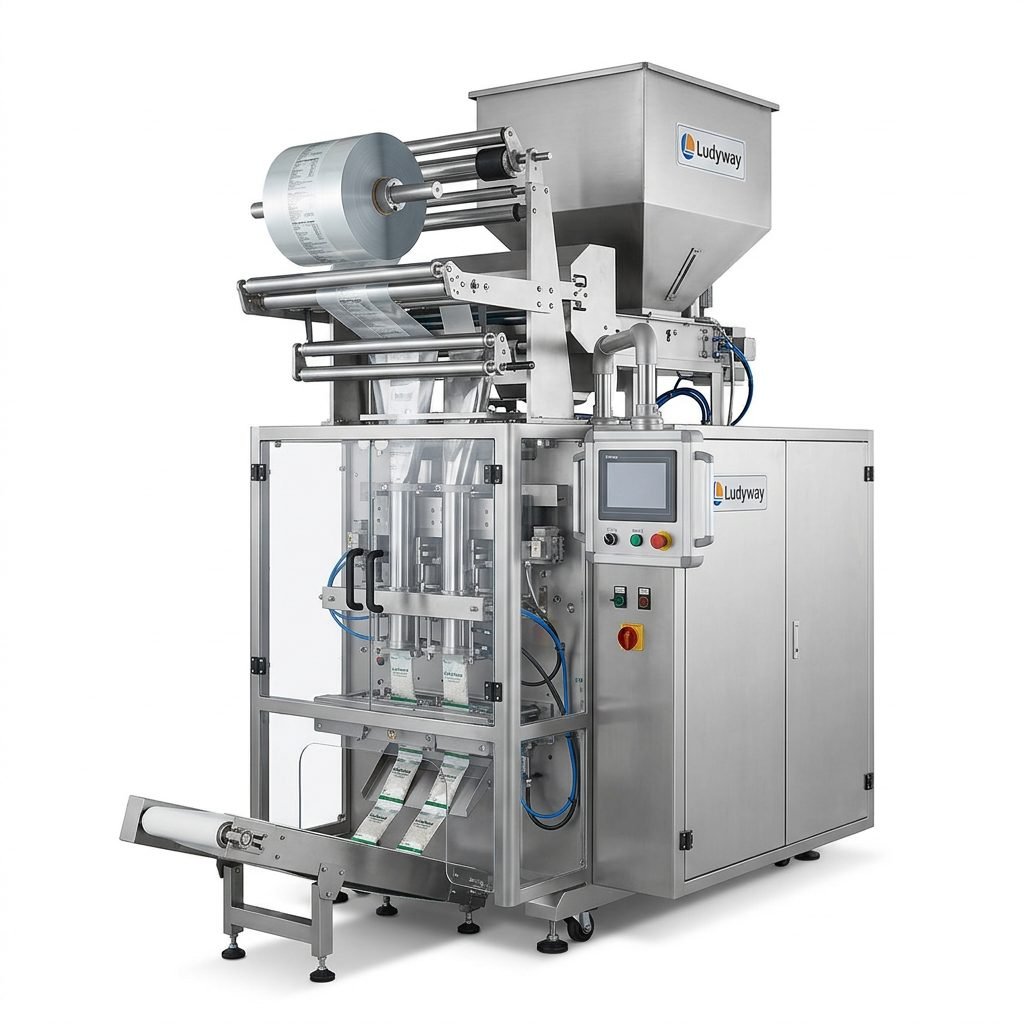
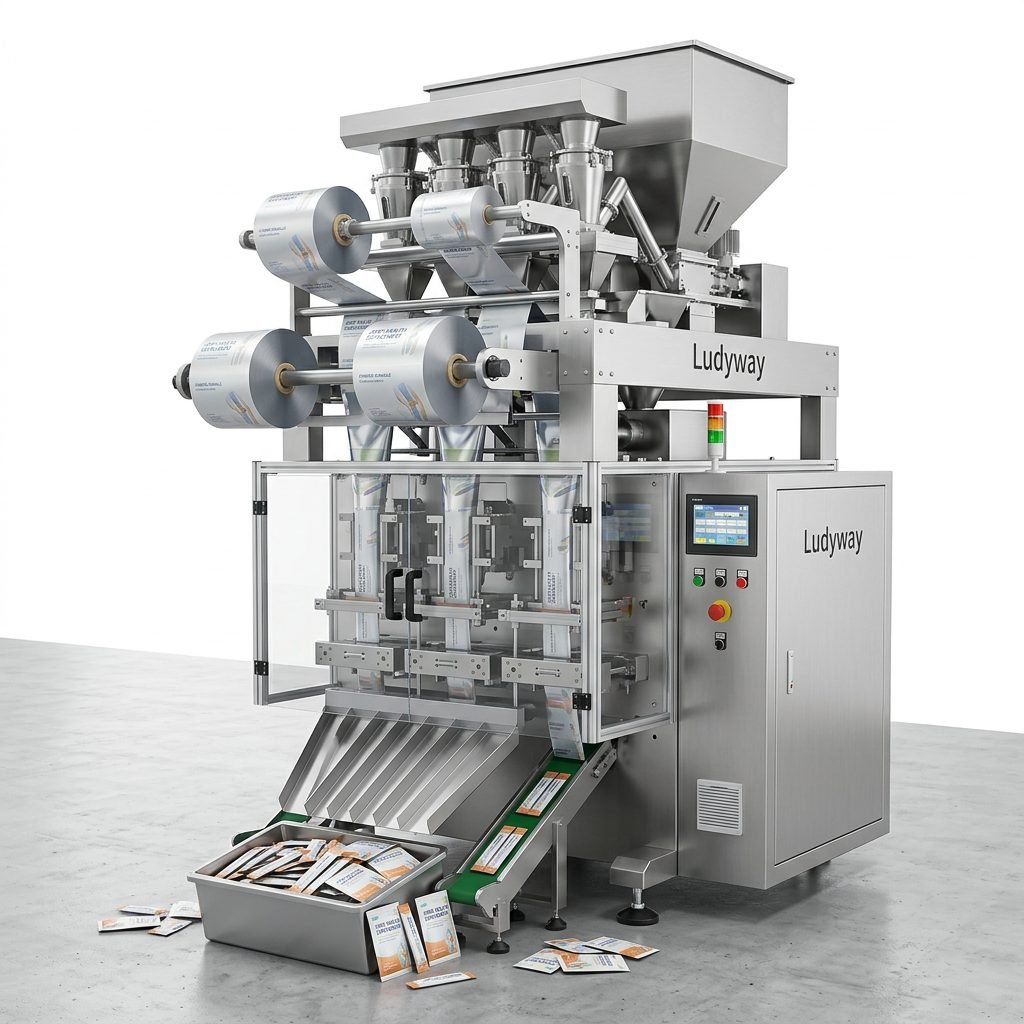
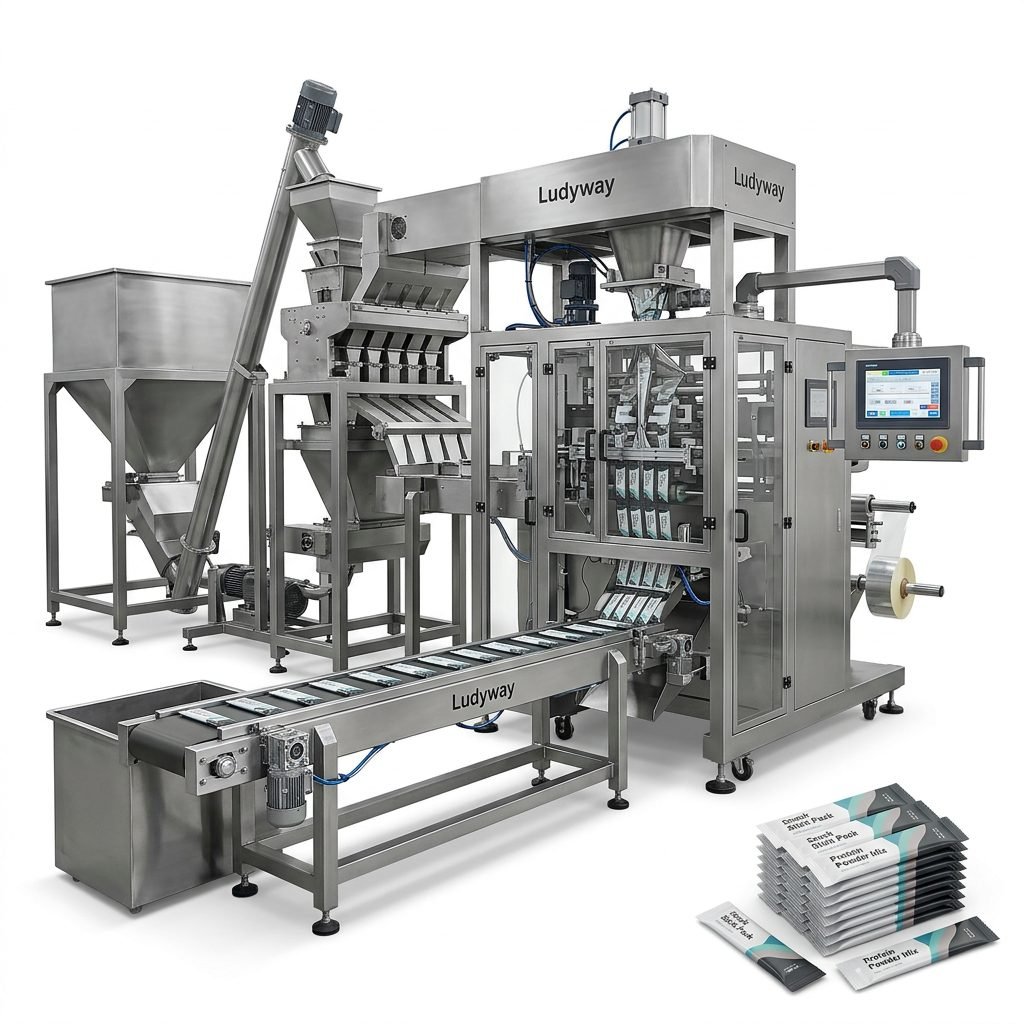
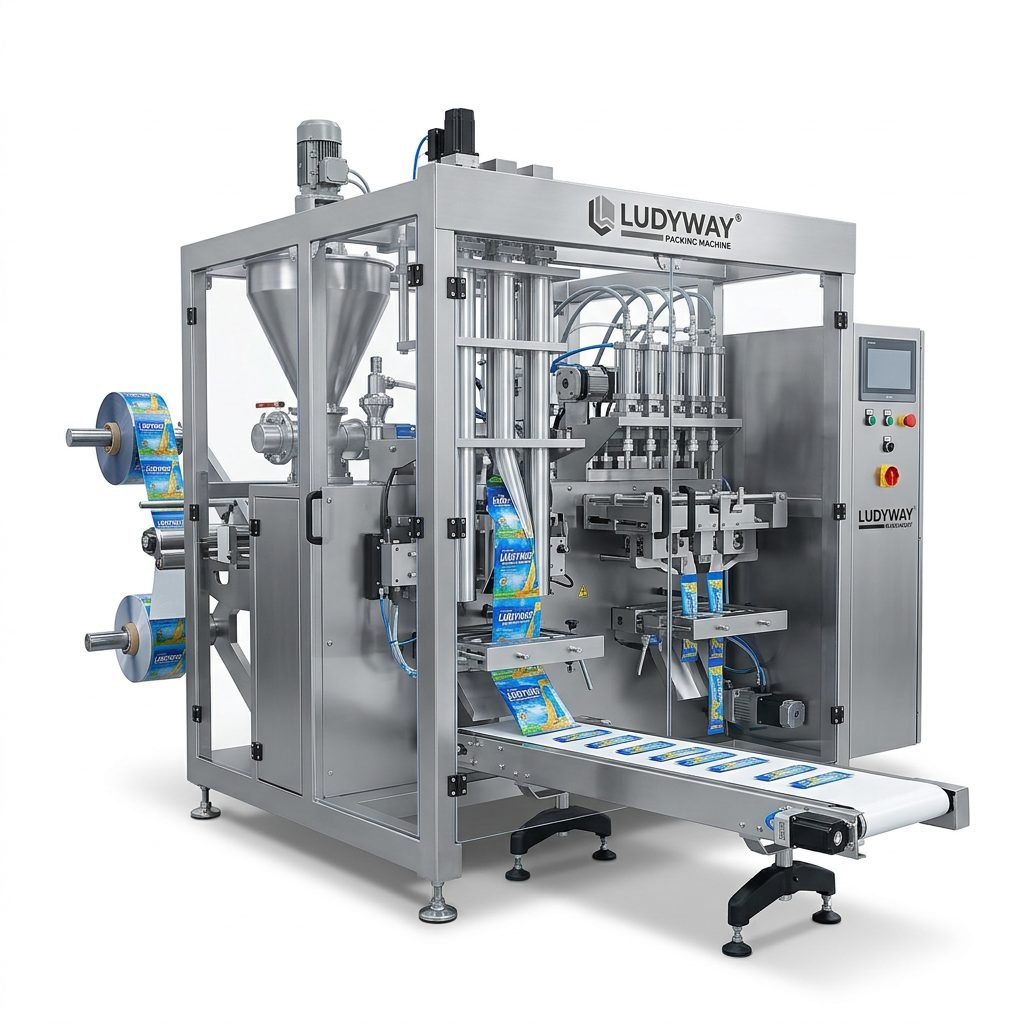
For businesses looking for reliable packaging machine manufacturer solutions, Ludyway offers packaging machines and turnkey packaging lines for food, pharmaceutical, health supplement, cosmetic, chemical, and pouch-based applications, with broad experience in automated sachet, stick pack, filling, and sealing systems.
Final Troubleshooting Advice
To fix film wrinkling effectively, focus on film condition, tension control, alignment, forming setup, and sealing parameters. Most wrinkling problems are caused by a combination of small factors rather than a single fault. A careful inspection routine, operator training, and machine maintenance plan will help reduce rejects and improve packaging performance over the long term.
If you want more stable packaging results, start by documenting the exact wrinkle pattern, where it appears, and what changes with speed, film batch, and machine settings. That simple process often leads to the fastest and most accurate solution.