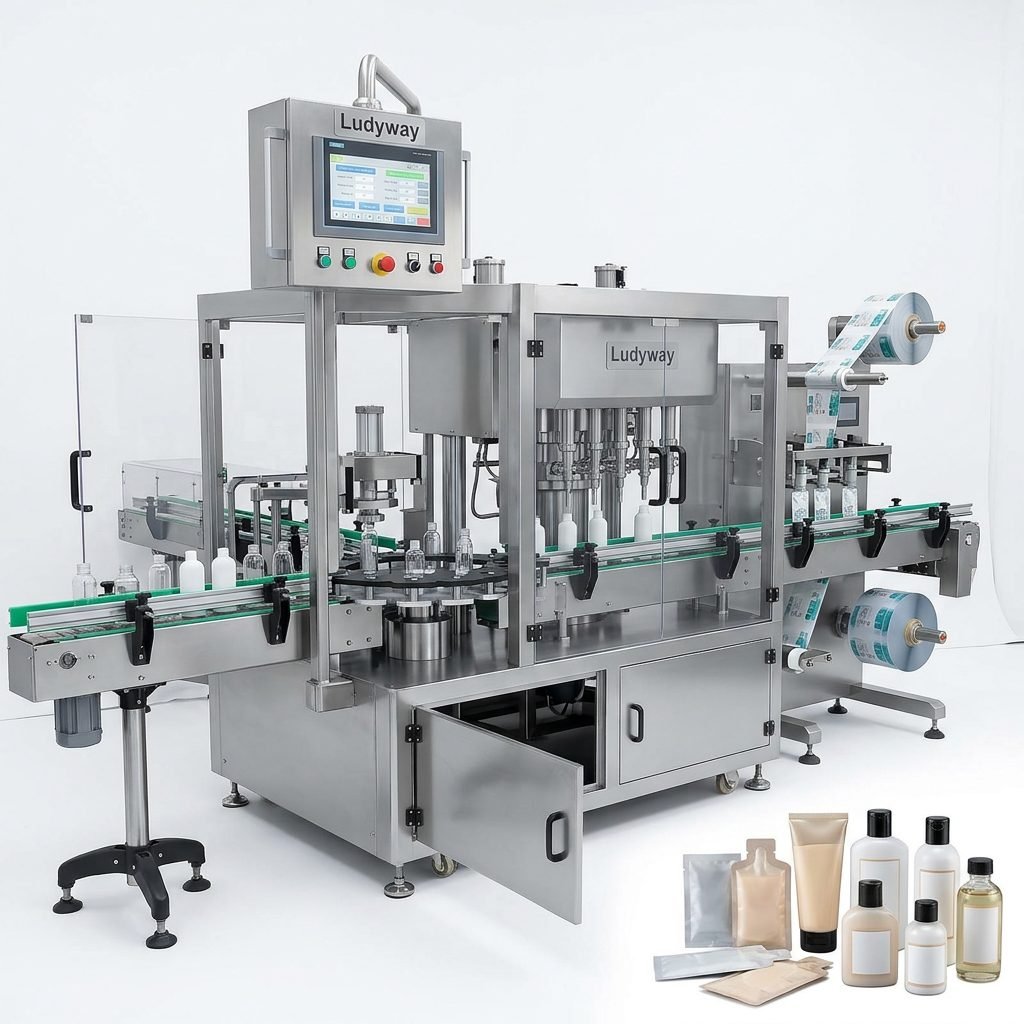
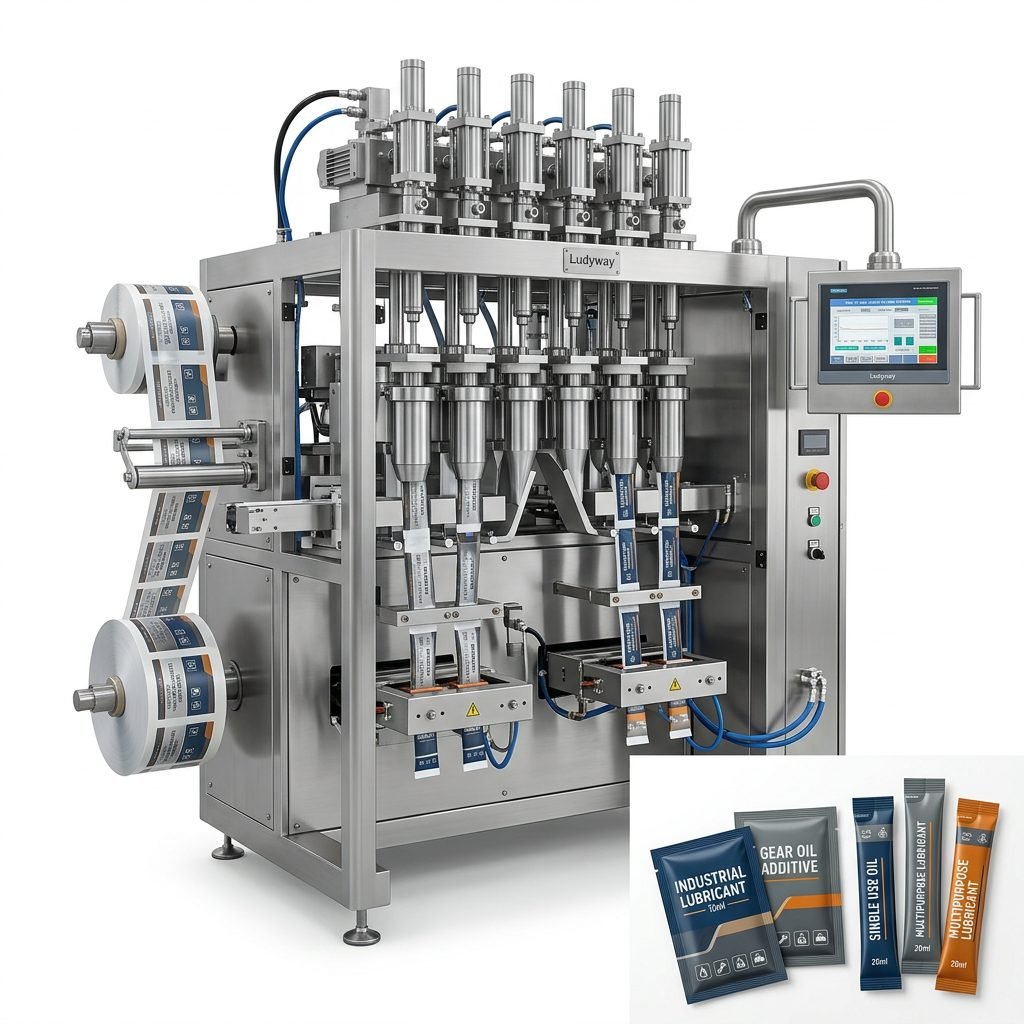
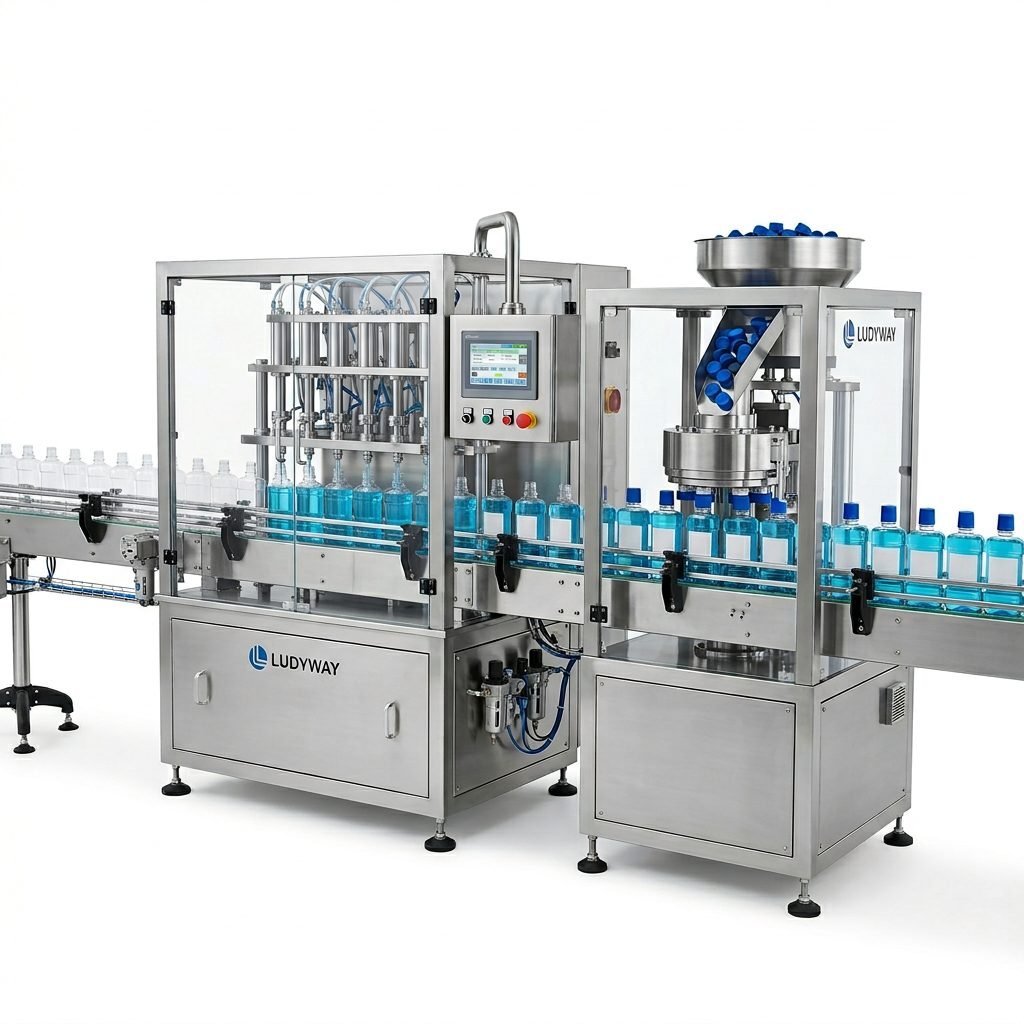
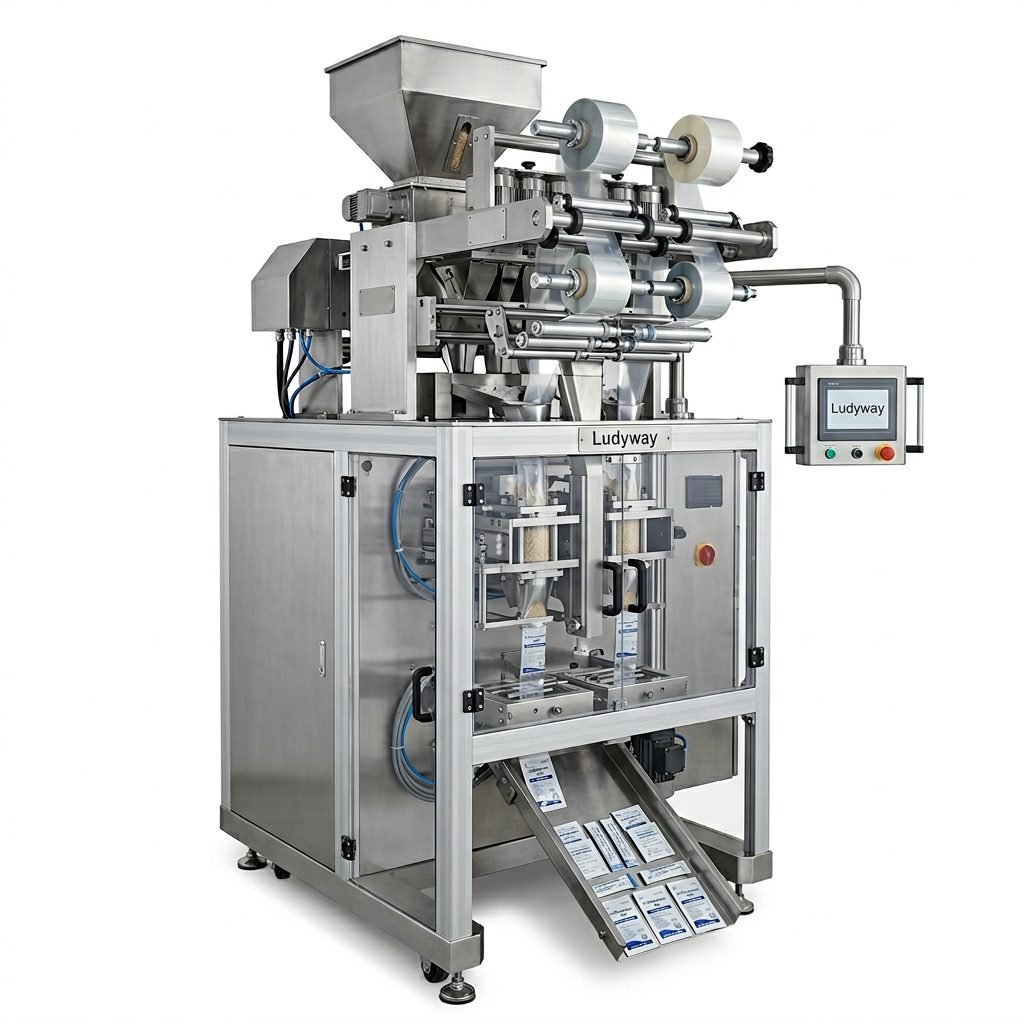
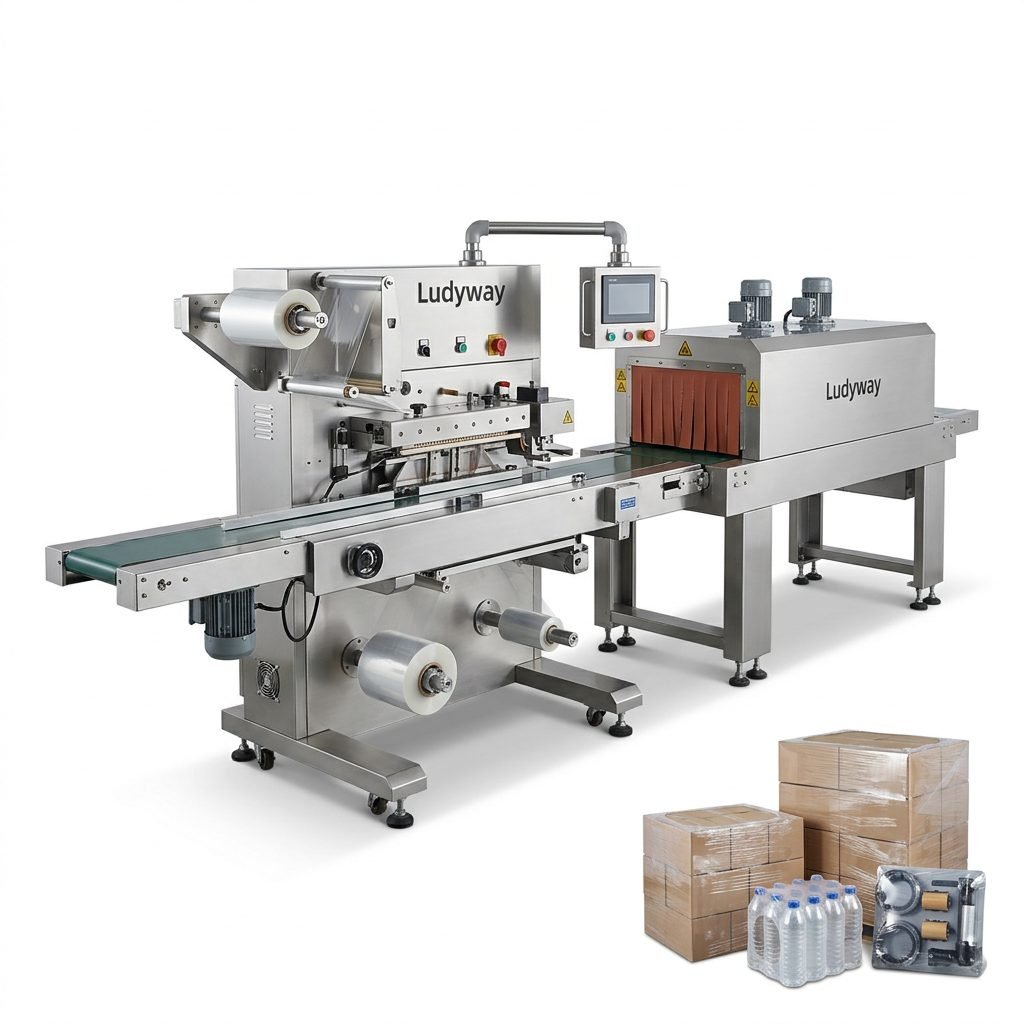
For startups, buying a packaging machine is not just an equipment decision—it is a growth decision. The right system can help you reduce labor, improve product consistency, speed up delivery, and create a more professional brand image. The wrong one can cause downtime, waste materials, and lock your business into a machine that cannot grow with demand.
If you are launching a food, pharmaceutical, health supplement, cosmetic, chemical, pet care, or pouch-based product, choosing the best packaging machine starts with understanding your product, your output goals, and your future scaling plan.
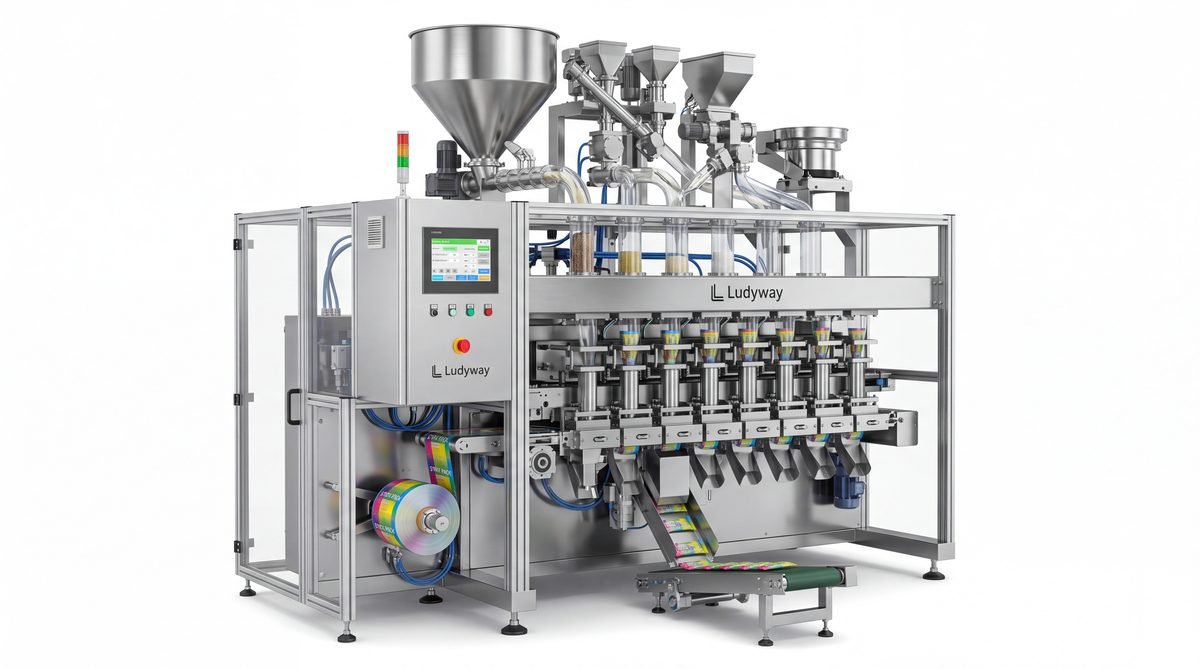
Why startups should invest in packaging equipment early
Many early-stage businesses start with manual or semi-manual packing. That works for testing a market, but once orders become stable, manual packing quickly creates bottlenecks. A packaging machine can help you:
- Increase daily output without hiring a large team
- Improve sealing quality and fill accuracy
- Reduce product giveaway and packaging waste
- Support cleaner and more standardized production
- Build a stronger retail and export-ready presentation
- Prepare for future automation and line integration
For a startup, the best machine is rarely the biggest one. It is usually the one that matches your current production while leaving room for growth.
Start with your product type
Before comparing machine models, define exactly what you are packing. Packaging machinery is usually selected based on product form, package style, and dosing method.
| Product Type | Common Packaging Format | Recommended Machine Type |
|---|---|---|
| Powders | Sachets, stick packs, pouches | Auger filling packaging machine |
| Granules | Sachets, stick packs, pillow bags | Cup filler or weighing packaging machine |
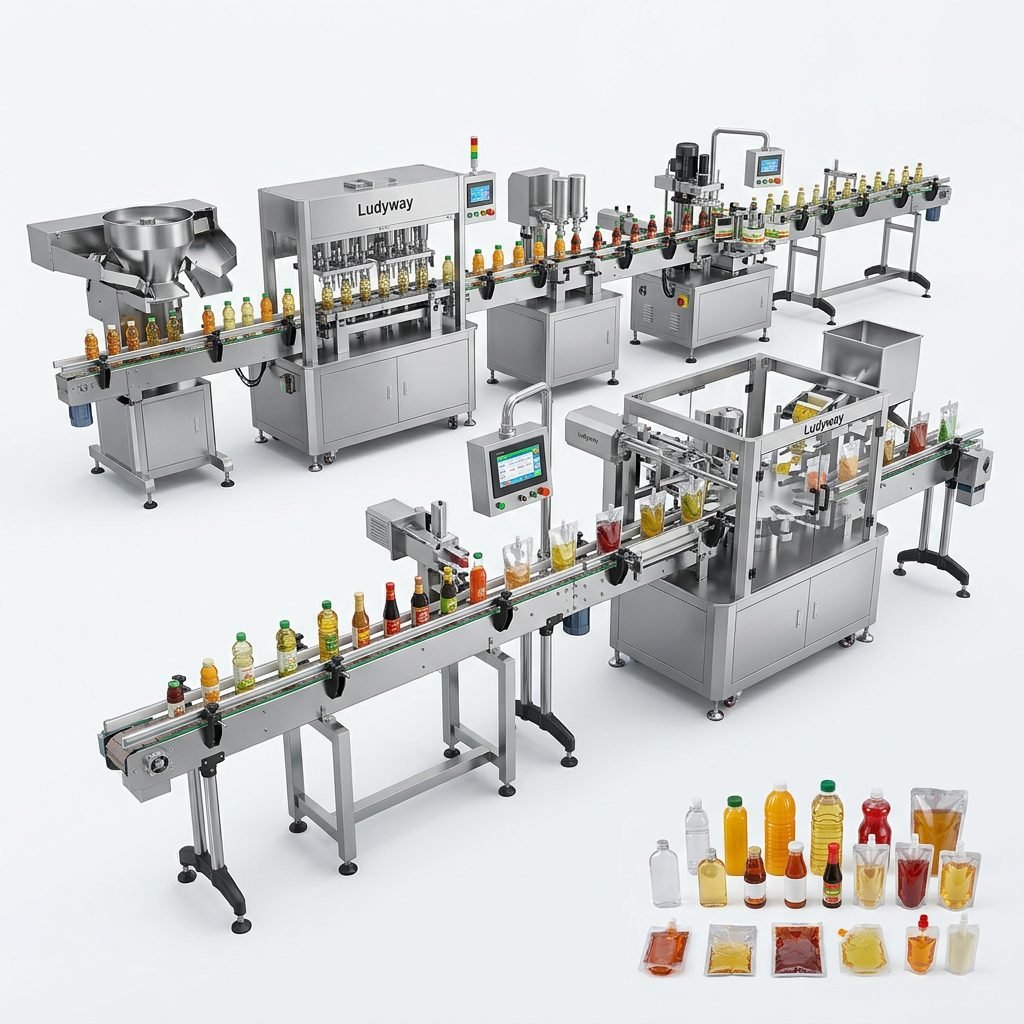
| Liquids | Sachets, stick packs, bottles | Liquid filling and sealing machine |
| Pastes / gels | Sachets, pouches, tubes | Piston filling packaging machine |
| Tablets / capsules | Bottles, blister packs, sachets | Counting, blister, or bottle filling machine |
If your product has poor flowability, high dust, stickiness, fragility, or strict hygiene requirements, mention that early in the buying process. These details have a direct impact on machine structure and filling accuracy.
Know your packaging format before you request a quote
A startup should not ask only for “a packaging machine.” A better request includes the final pack style you want to sell. Common options include:
- Sachets for powders, sauces, creams, supplements, and samples
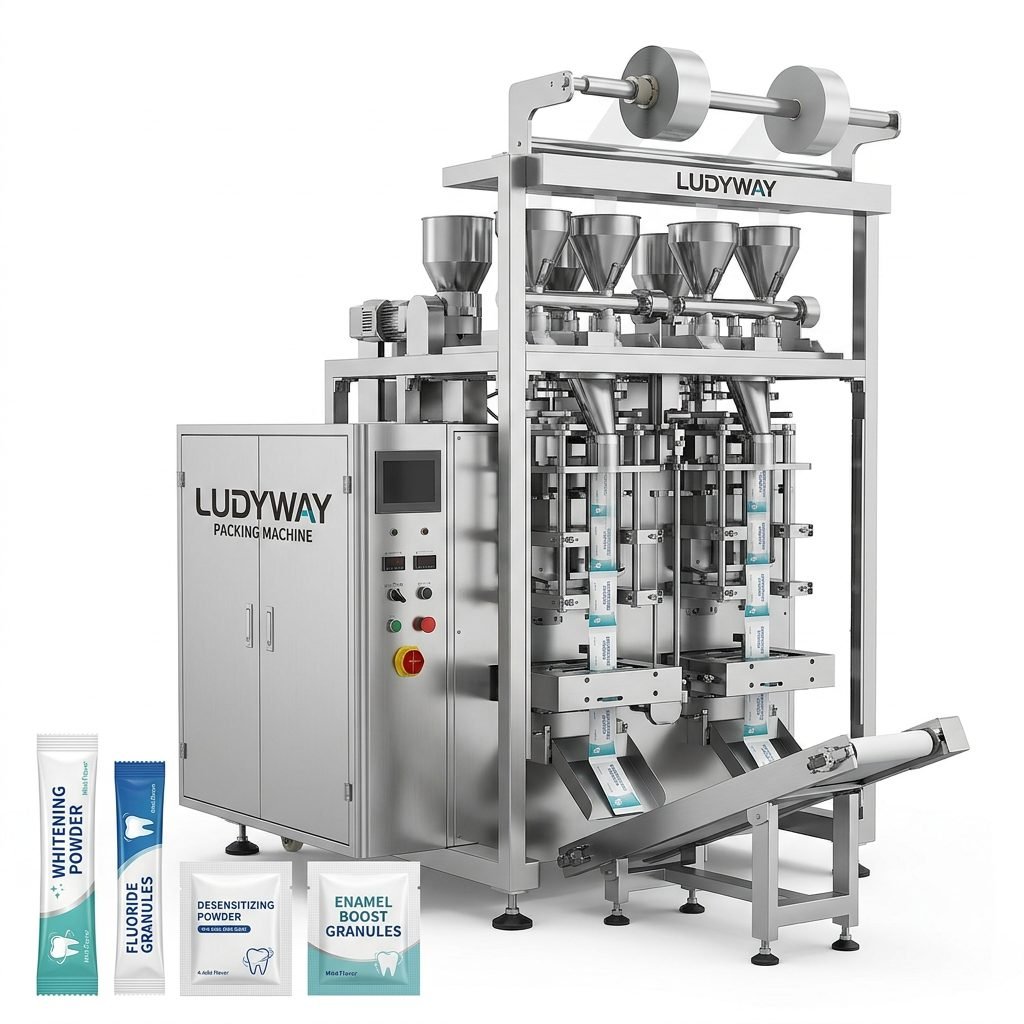
- Stick packs for single-serve drink mixes, sweeteners, coffee, gels, and health products
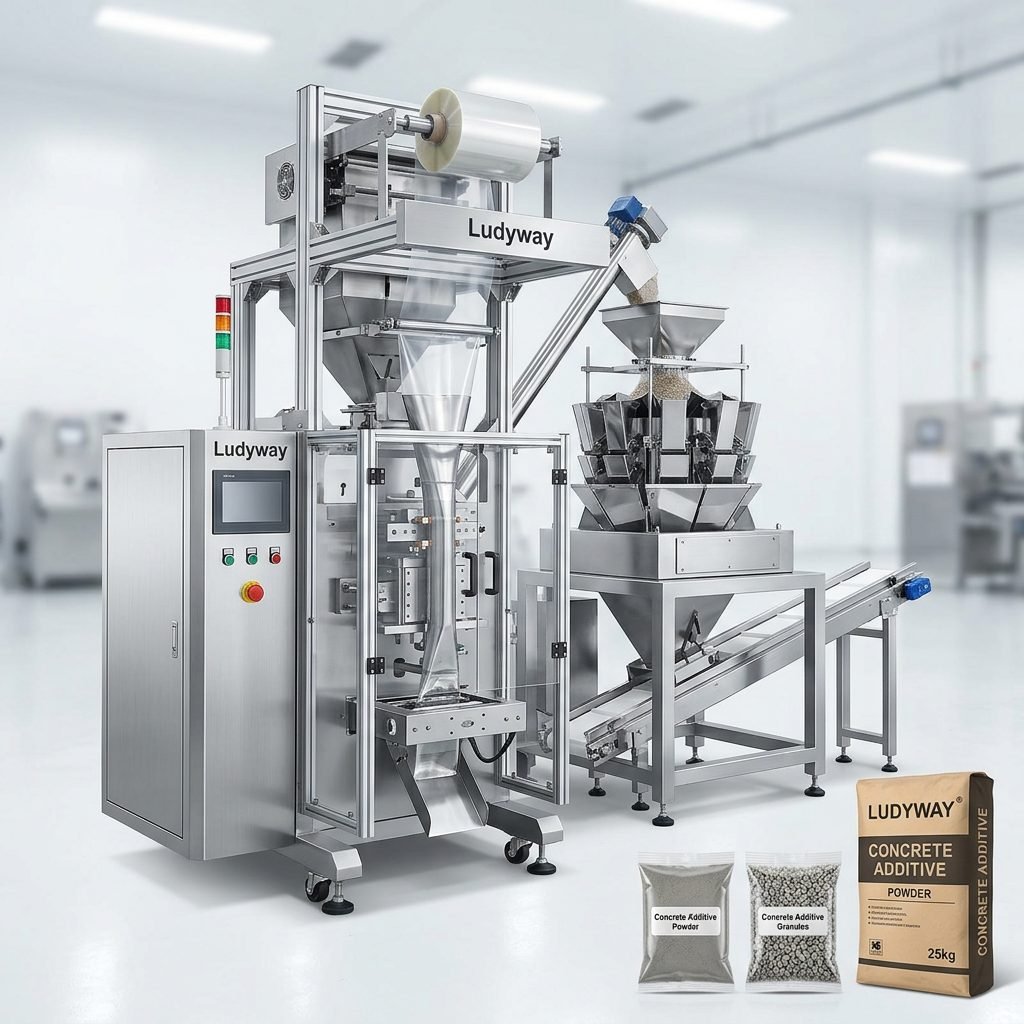
- Pillow bags for snacks, grains, seeds, and bulk food items
- Premade pouches for premium retail packaging
- Bottles or jars for liquids, capsules, tablets, and powders
- Tubes for creams, lotions, gels, and cosmetics
Your packaging style affects machine cost, speed, floor space, and packaging material compatibility.
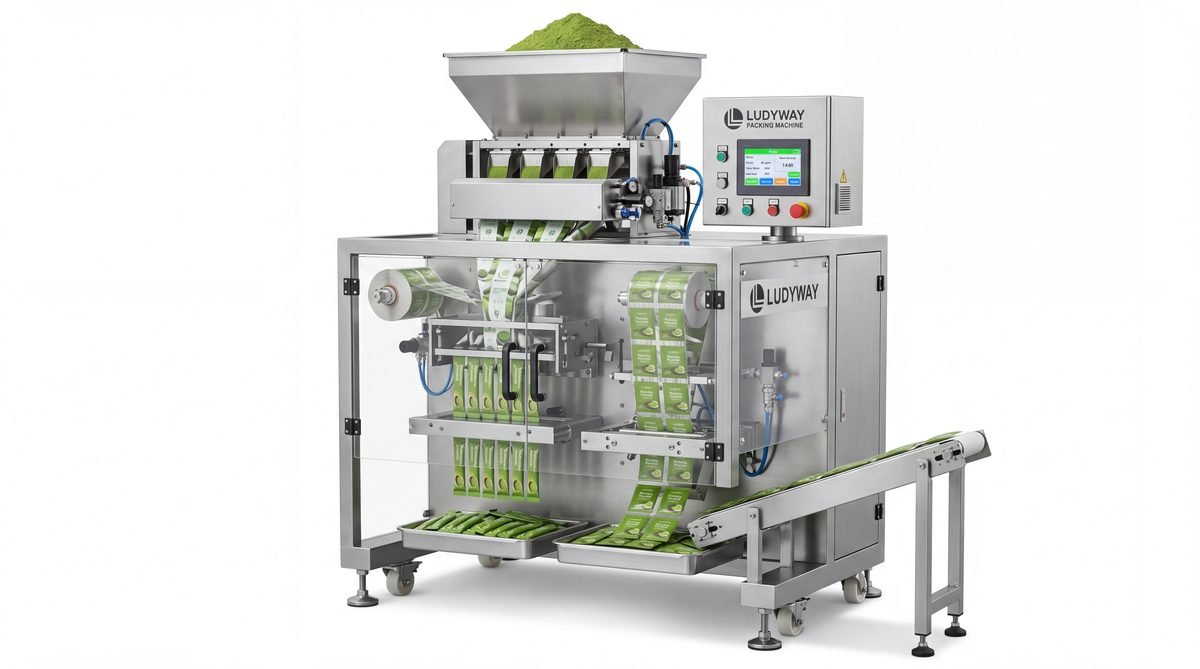
Choose the right automation level
Startups usually compare three levels of packaging automation:
1. Semi-automatic machines
These are often suitable for very small production runs or early product validation. They need more operator involvement but cost less upfront.
2. Fully automatic standalone machines
These are often the best choice for startups with stable monthly orders. They provide better efficiency and consistency without requiring a full production line.
3. Turnkey packaging lines
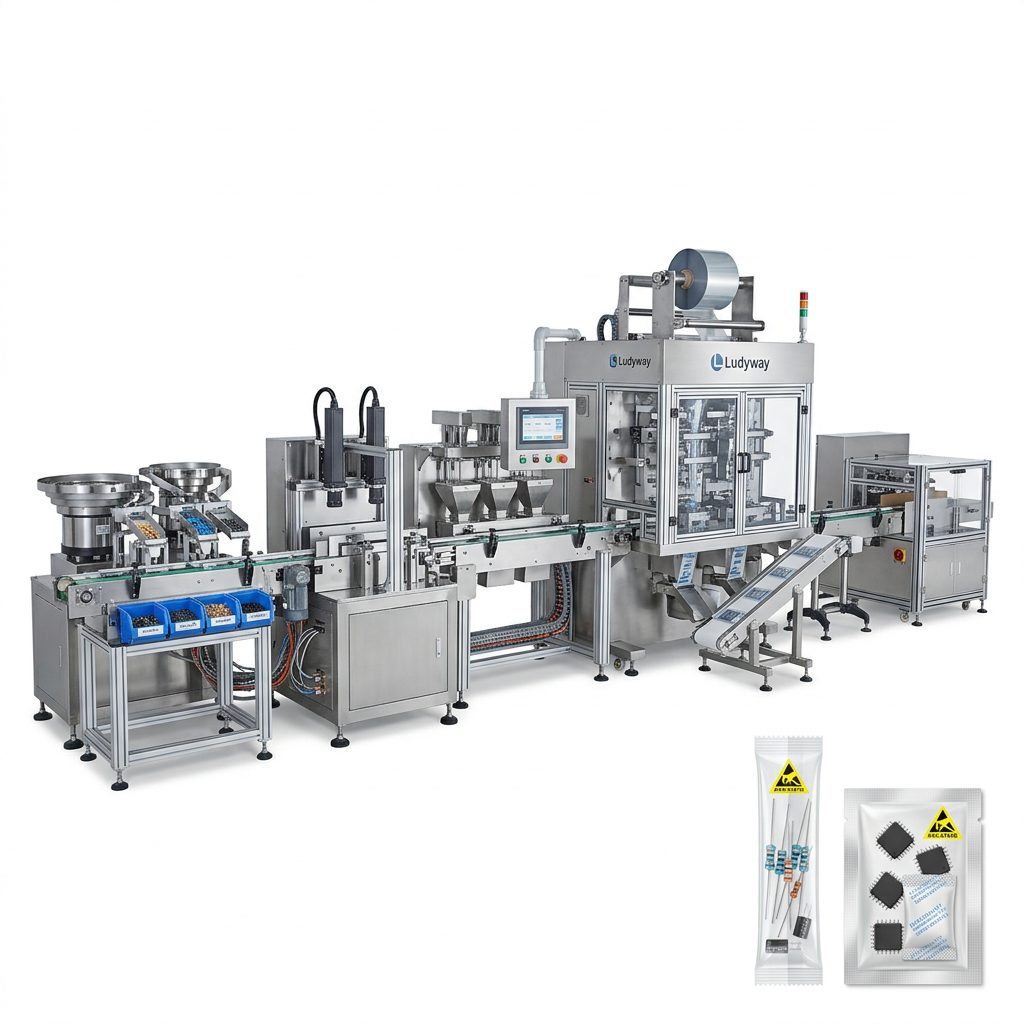
These include feeding, filling, sealing, coding, checking, cartoning, and sometimes palletizing. They are ideal for startups planning aggressive scale-up, multiple SKUs, or export expansion.
If your cash flow is limited, start with a standalone machine that can later connect with conveyors, printers, checkweighers, cartoners, or case packers.
How much output do you really need?
One of the most common startup mistakes is overestimating production demand. Instead of buying based on your “dream output,” buy based on realistic demand over the next 12 to 24 months.
Ask yourself:
- How many units do you need per day?
- How many hours will the machine run?
- Do you expect seasonal demand spikes?
- Will you launch more SKUs soon?
- Do you need one machine for multiple pack sizes?
A machine that runs slightly above your current demand is often a smarter choice than a very high-speed system that stays underused and increases upfront costs.
Important features startups should prioritize
When comparing different packaging machines, focus on practical features rather than marketing claims.
| Feature | Why It Matters for Startups |
|---|---|
| Easy changeover | Helps when running different pack sizes or SKUs |
| Stable filling accuracy | Reduces giveaway and keeps quality consistent |
| Simple HMI / controls | Makes training and daily operation easier |
| Reliable sealing system | Prevents leaks, rejects, and customer complaints |
| Compact footprint | Useful for small workshops and startup factories |
| Spare parts support | Minimizes downtime and maintenance risks |
| Upgrade compatibility | Allows future connection with a larger packaging line |
Think beyond the machine price
Low-cost equipment may look attractive to startups, but the real cost includes much more than the purchase price. Evaluate the full ownership picture:
- Installation and commissioning
- Operator training
- Packaging material testing
- Spare parts availability
- Maintenance requirements
- Production waste rate
- Energy consumption
- After-sales response speed
A stable machine with better support is often cheaper in the long run than a cheaper machine with frequent issues.
Questions to ask before buying a packaging machine
Before you confirm an order, ask the manufacturer these key questions:
- What products and package formats has this machine already run successfully?
- What is the actual speed range under real production conditions?
- How accurate is the filling system?
- Can the machine handle my packaging film or pouch material?
- How long does format changeover take?
- Which wear parts should I stock?
- Is remote technical support available?
- Can the machine be upgraded into a larger automated line later?
- What certifications or quality control procedures are provided?
If possible, ask for a sample test with your own product and packaging material. That is one of the most reliable ways to confirm machine suitability.
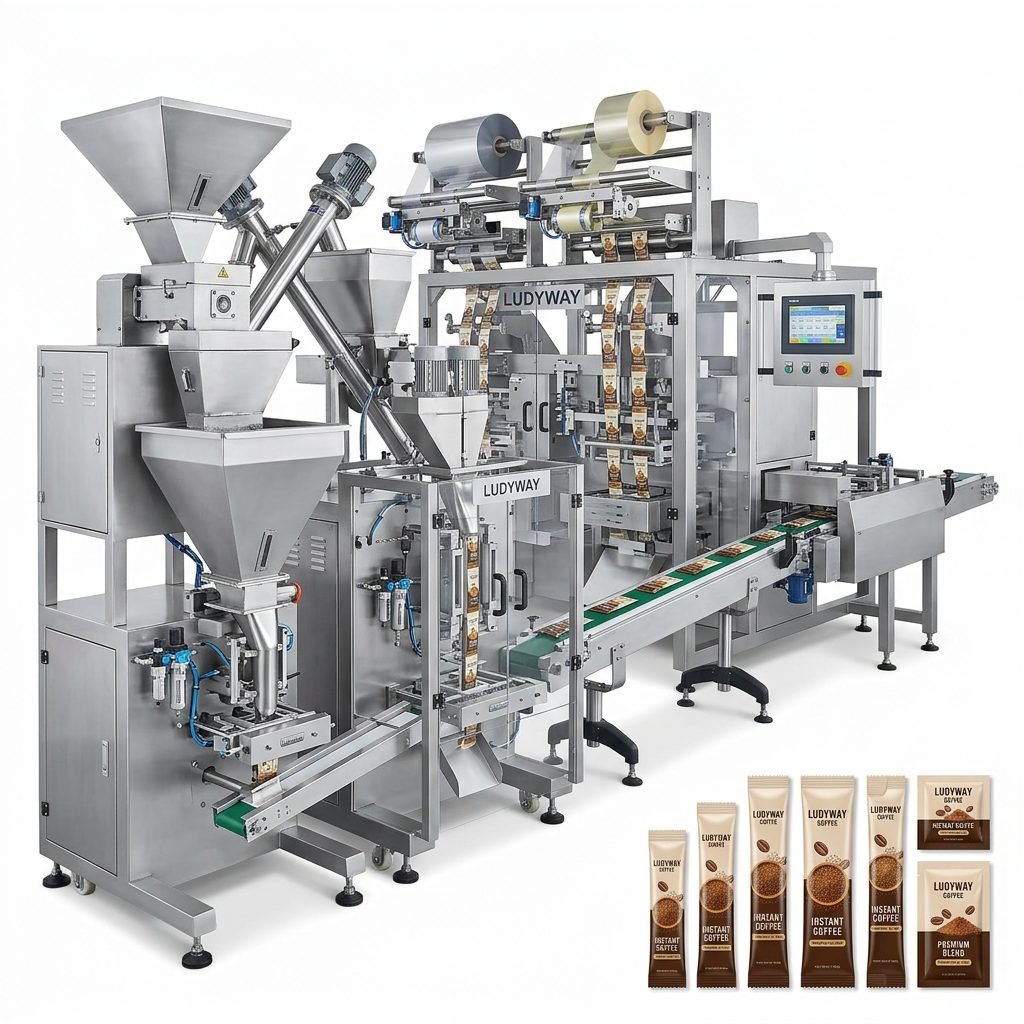
Best packaging machine types for common startup industries
Food startups
For snacks, coffee, spices, baking mixes, cereals, sauces, and drink powders, common options include vertical form fill seal machines, multi-lane stick pack machines, and sachet packing machines.
Supplement startups
For collagen, electrolytes, probiotics, and nutrition powders, stick pack and sachet machines are often preferred because they support single-serve packaging and strong retail appeal.
Pharmaceutical startups
For granules, oral liquids, capsules, and medical consumables, you should focus more heavily on precision, hygiene, traceability, and compliance-oriented machine design.
Cosmetic startups
For creams, lotions, serums, face masks, and sample packs, sachet, tube filling, and bottle filling machines are common entry points.
Chemical and household product startups
For cleaners, detergents, additives, and industrial liquids or powders, machine material compatibility and sealing reliability are especially important.
Standalone machine or turnkey line?
This depends on your business stage.
| Business Situation | Better Choice |
|---|---|
| Testing a new product market | Semi-automatic or entry-level automatic machine |
| Stable orders and one core SKU | Automatic standalone packaging machine |
| Expanding product range and output | Modular automatic system with upgrade options |
| Large-scale launch or export-focused production | Turnkey packaging line |
Red flags startups should avoid
- Choosing only by lowest price
- Buying a machine without sample testing
- Ignoring packaging material compatibility
- Selecting speed far beyond realistic demand
- Overlooking cleaning and maintenance difficulty
- Working with suppliers that provide weak after-sales service
- Buying equipment that cannot be upgraded later
How to choose a reliable packaging machine supplier
A good supplier should offer more than equipment. They should understand product application, packaging workflow, testing, customization, and long-term support. For startups, this matters just as much as machine performance.
When evaluating manufacturers, look for:
- Industry experience across different product categories
- Proven export capability and technical communication
- Customization options for product and pack type
- Factory capacity and quality inspection process
- Availability of turnkey packaging line solutions
For businesses looking for scalable automation, Ludyway packaging machine solutions are often considered by buyers who need standalone machines or complete turnkey lines for food, pharmaceutical, health supplement, cosmetic, and related industries.
Final buying advice for startups
The best packaging machine for a startup is the one that fits your product, package format, budget, and growth stage. It should be easy to run, stable in daily production, and flexible enough to support future expansion.
If you are narrowing down your options, focus on these five points:
- Match the machine to your product properties
- Choose the right packaging format for your market
- Buy for realistic near-term output, not only long-term ambition
- Prioritize reliability, filling accuracy, and service support
- Leave room for upgrades as your startup grows
With the right decision, your first packaging machine can become the foundation of a more efficient, more professional, and more scalable business.