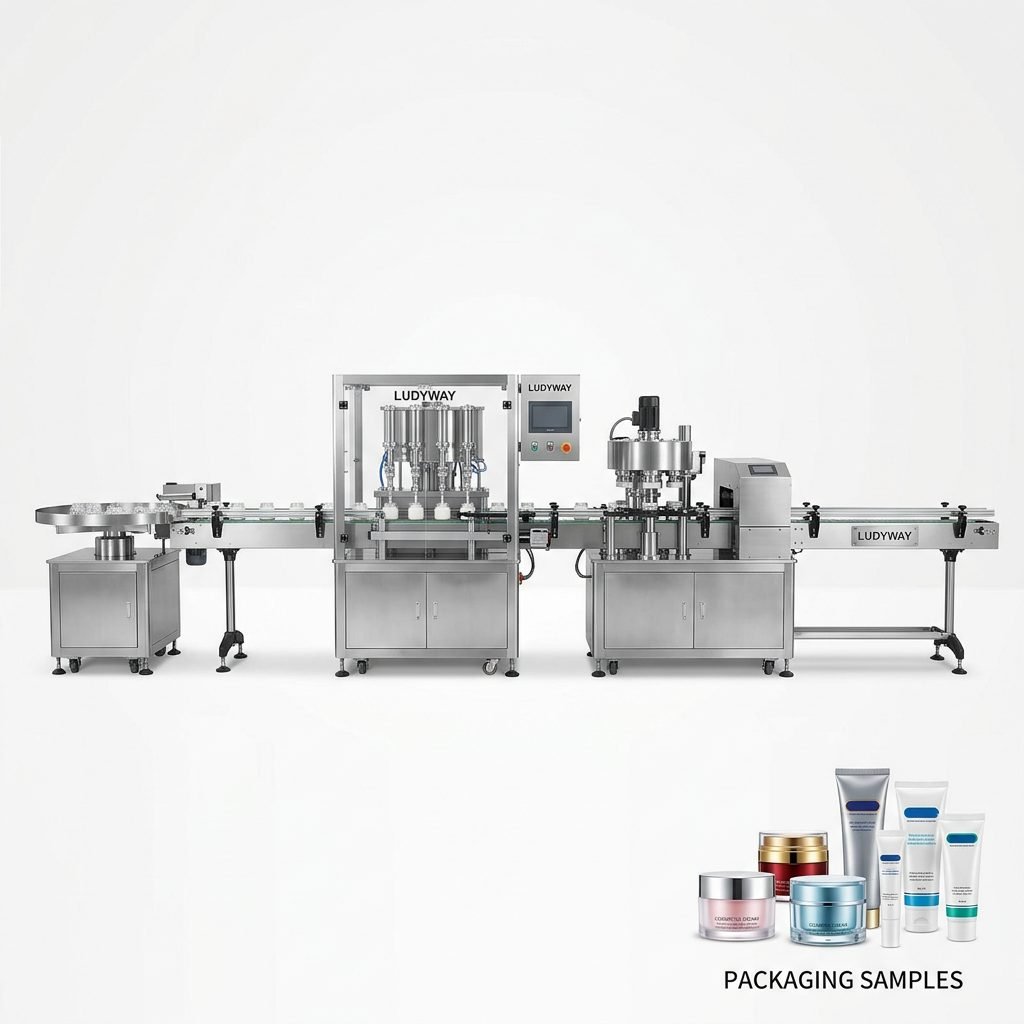
In fast-moving consumer goods, packaging has to do more than simply contain a product. It must support affordability, distribution efficiency, consumer convenience, and brand visibility at the same time. That is exactly why sachet packaging has become such an important format across food, personal care, pharmaceutical, household, and health supplement categories.
From single-use shampoo to instant coffee, powdered drinks, sauces, cream samples, and oral rehydration products, sachets are everywhere in FMCG. Their popularity is not accidental. They answer practical needs for both manufacturers and consumers, especially in markets where small-unit pricing, portability, and quick consumption matter.
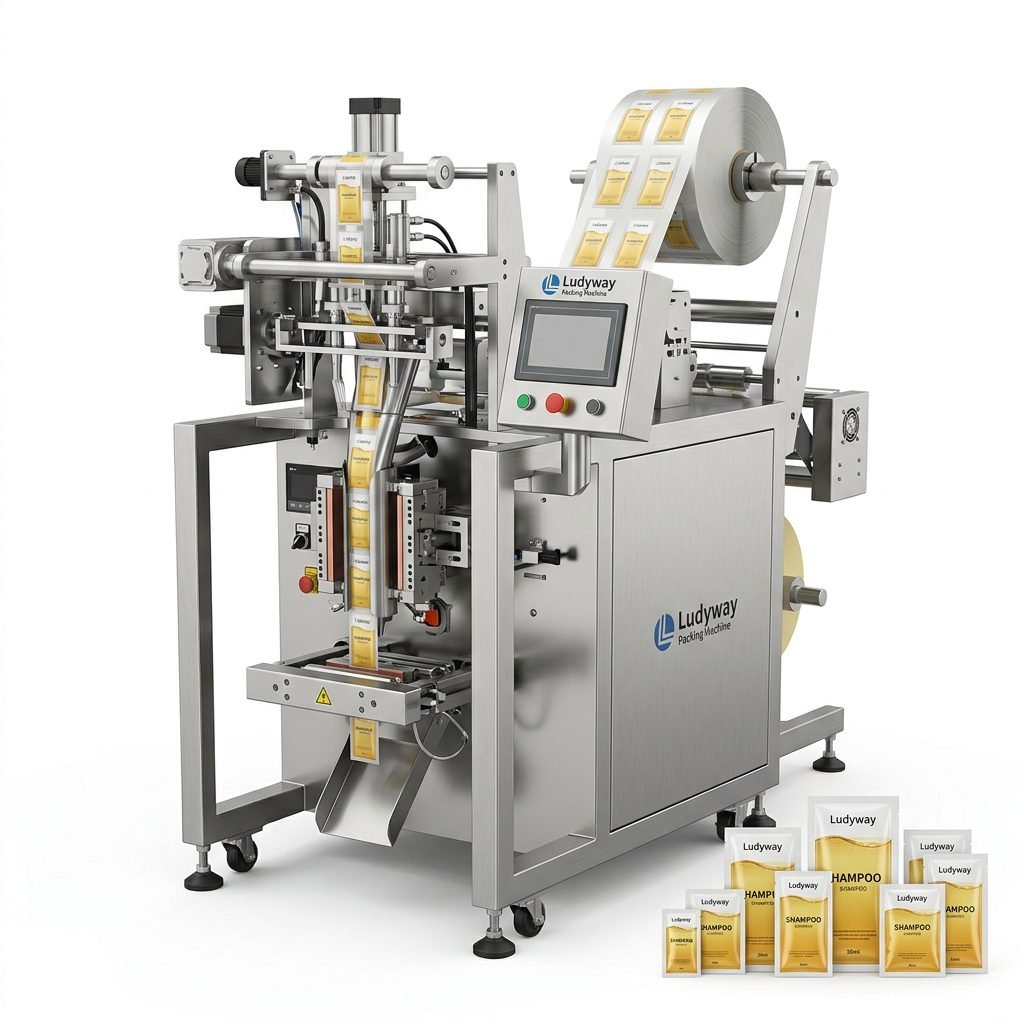
Why Sachet Packaging Is So Common in FMCG
FMCG products move in high volume and rely on repeat purchases. Sachet packaging works well in this environment because it helps brands reach more buyers with a lower upfront price per unit. It also makes it easier to launch new SKUs, trial packs, seasonal promotions, and on-the-go formats without major changes to the product itself.
For distributors and retailers, sachets can improve shelf flexibility and increase product penetration in convenience stores, kiosks, supermarkets, pharmacies, and e-commerce channels. For consumers, they provide a simple way to buy only what is needed for one use or a short time period.
Key Advantages of Sachet Packaging in FMCG
- Lower entry price for consumers through small pack sizes
- Portability for travel, work, school, and outdoor use
- Better portion control for food, beverages, supplements, and pharmaceuticals
- Reduced product waste thanks to single-use dosing
- Efficient sampling for new product launches and promotional campaigns
- Strong merchandising flexibility in both modern trade and traditional retail
- Fast packaging speed when integrated with automated machinery
- Broad material and product compatibility for powders, granules, liquids, gels, and pastes
1. Affordable Pack Sizes Increase Market Reach
One of the biggest advantages of sachet packaging is accessibility. Instead of buying a full-size bottle, jar, or carton, customers can purchase a low-cost single-use or small-dose unit. This matters greatly in price-sensitive FMCG categories, where a brand can win market share by making products easier to try and easier to afford.
This pricing structure often helps brands expand into wider retail networks and reach consumers who prefer daily, weekly, or impulse purchases rather than larger household packs.
2. Single-Use Convenience Fits Modern Lifestyles
Consumers increasingly prefer compact, easy-to-carry products. Sachets are ideal for commuting, travel kits, gym bags, lunch boxes, hospitality use, and emergency supplies. They are also easy to store in small homes, offices, and convenience outlets where shelf and storage space are limited.
For products such as instant coffee, hand sanitizer, ketchup, shampoo, face cream, electrolyte powder, or medicine granules, the single-use format adds practical daily value.
3. Excellent for Trial, Sampling, and New Product Launches
Sachets are highly effective for product sampling. FMCG brands frequently use them to introduce new flavors, formulas, fragrances, or premium lines. A lower-priced sachet reduces the risk for first-time buyers and can accelerate product adoption.
This makes sachets especially useful in categories where customer preference is influenced by taste, scent, texture, or performance after first use.
4. Better Portion Control and Dosage Accuracy
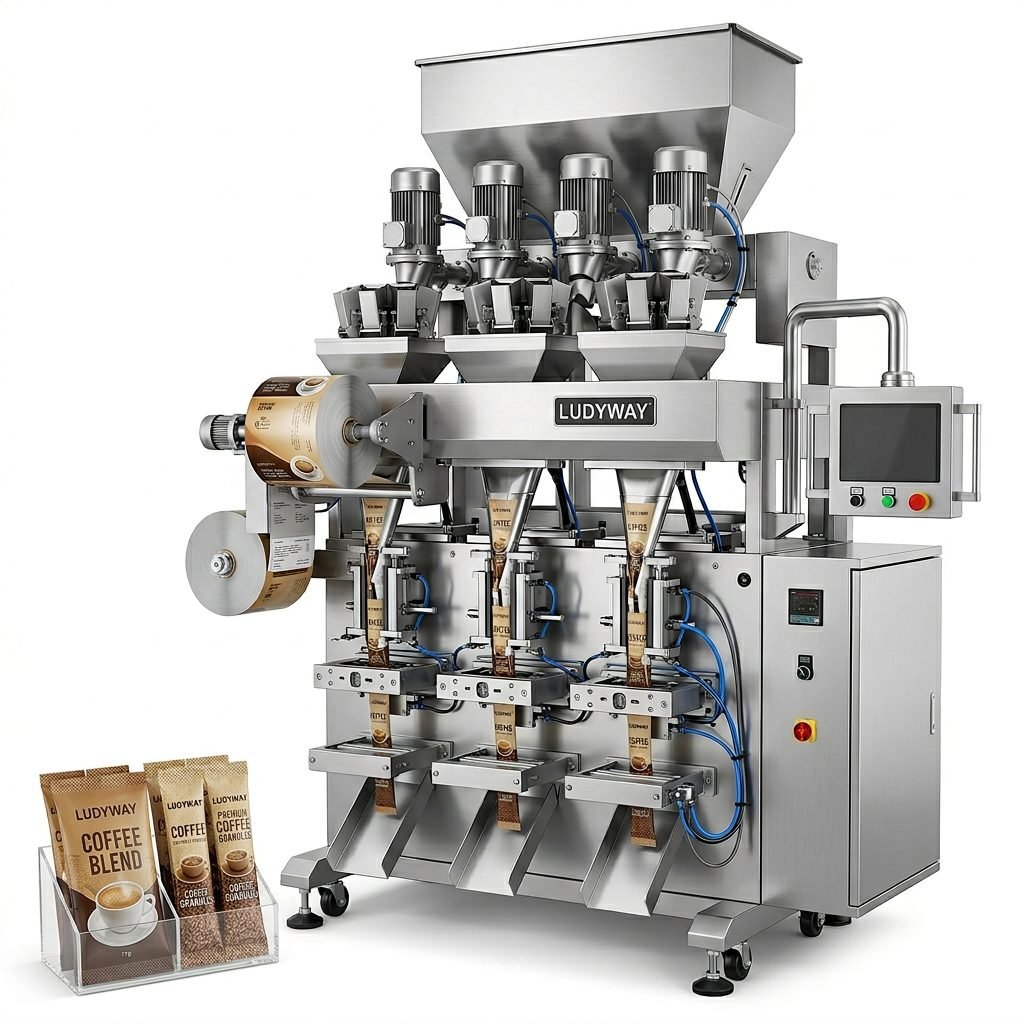
In food, nutraceutical, and pharmaceutical FMCG products, correct portioning is very important. Sachets provide a pre-measured amount, helping users avoid overuse or underuse. This is valuable for:
- Drink powders and nutritional supplements
- Sauces, sweeteners, and seasoning blends
- Medicinal powders and oral dose products
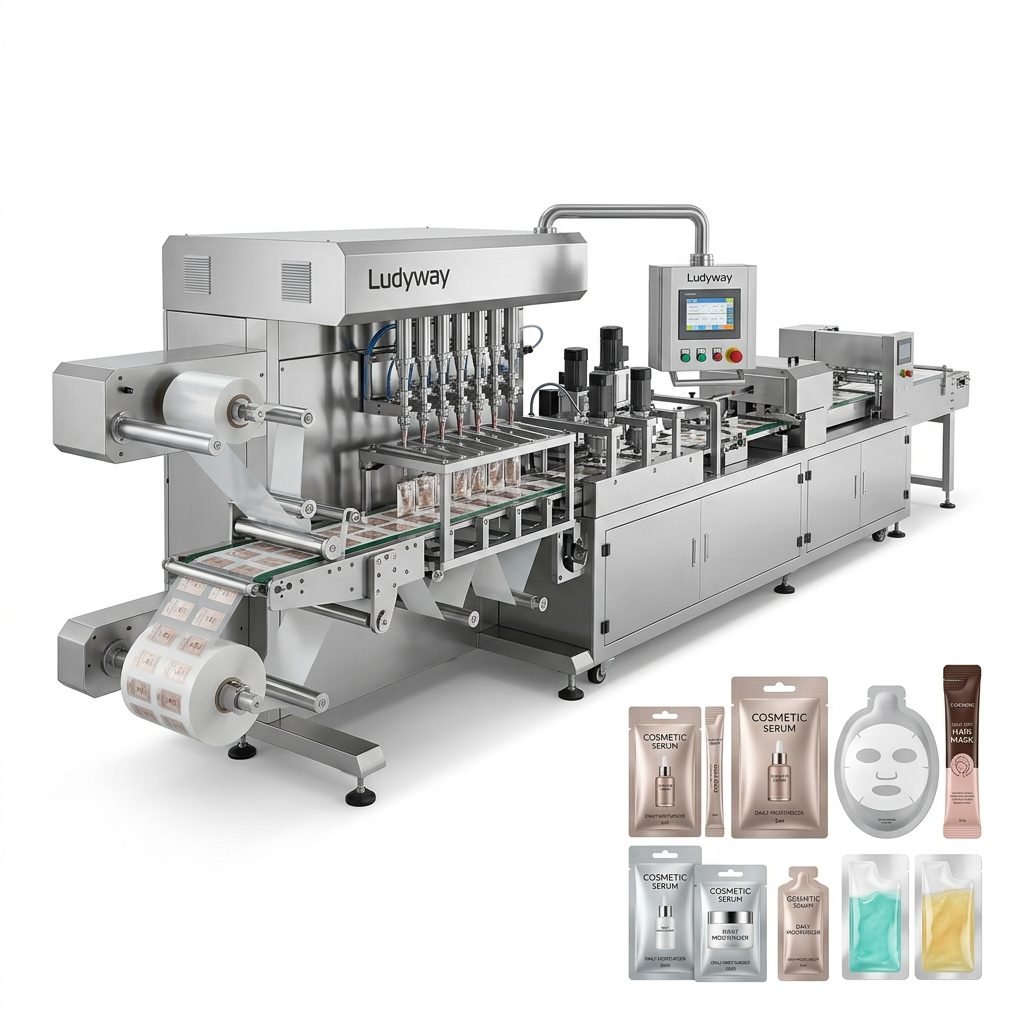
- Cosmetic creams, serums, and treatment packs
When combined with accurate filling technology, sachet packaging supports product consistency and consumer trust.
5. Reduced Waste and Better Hygiene
Because sachets are designed for one-time use or small measured applications, they can help reduce product spoilage and contamination. This is especially useful for moisture-sensitive powders, hygienic personal care items, and products intended for controlled use.
For consumers, this means fresher contents and cleaner handling. For brands, it can translate into fewer complaints related to leakage, exposure, or repeated opening of larger packs.
6. Strong Shelf Presence and Flexible Merchandising
Sachets can be displayed in strips, hanging formats, countertop packs, baskets, pouches, and mixed promotional bundles. This flexibility gives retailers more ways to present products and helps brands gain visibility in crowded FMCG environments.
Colorful printed sachets also provide a compact but effective surface for branding, instructions, compliance labeling, and promotional messages.
Common FMCG Products That Use Sachet Packaging
| Category | Typical Sachet Products | Main Benefit |
|---|---|---|
| Food & Beverage | Coffee, sugar, salt, sauces, seasonings, powdered drinks | Portion control and convenience |
| Personal Care | Shampoo, lotion, face cream, serum, conditioner | Travel use and sampling |
| Pharmaceutical | Powder medicine, oral salts, topical gel, healthcare sachets | Dosage accuracy and hygiene |
| Household Products | Detergent, cleaner, disinfectant, hand wash | Small-unit affordability |
| Health Supplements | Protein powder, collagen, vitamins, probiotics | Measured daily intake |
How Sachet Packaging Supports FMCG Brand Growth
Sachet packaging is not only a consumer convenience format; it is also a strategic growth tool. It allows FMCG brands to:
- Enter new markets with low-risk product sizes
- Drive repeat purchases through affordable unit pricing
- Support promotional bundles and seasonal campaigns
- Create product ladders from trial size to full-size SKU
- Improve distribution efficiency in fragmented retail channels
For many companies, sachets serve as both a mass-market sales format and a market testing format. That dual role makes them highly valuable in competitive FMCG segments.
Operational Benefits for Manufacturers
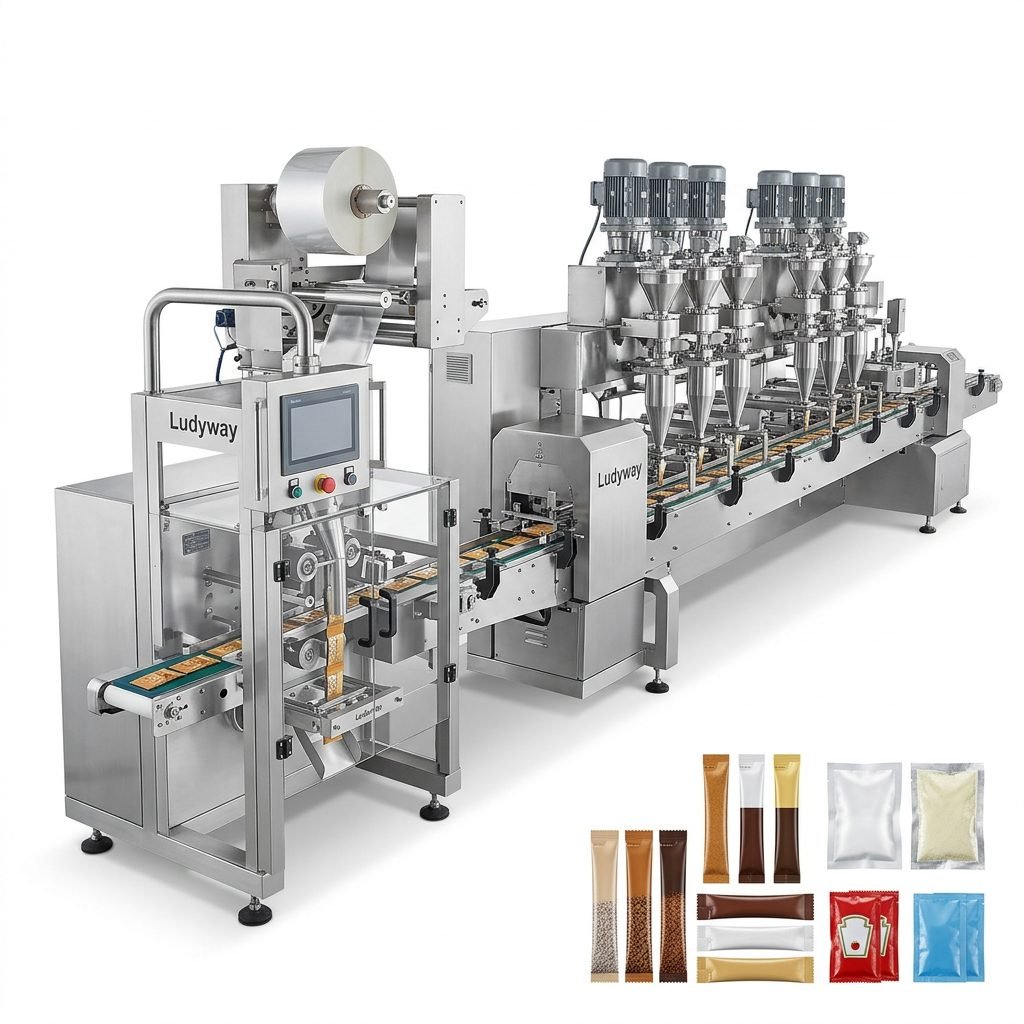
From a production perspective, sachet packaging can support high-volume operations when paired with suitable automation. Modern sachet machines can help manufacturers improve line efficiency, reduce labor dependency, and maintain filling consistency across thousands of units per hour.
Important production advantages include:
- Fast output for high-demand FMCG categories
- Compatibility with powder, granule, liquid, gel, and paste products
- Flexible sachet shapes and multi-lane production options
- Improved sealing consistency and reduced leakage risk
- Easy integration into complete turnkey packaging lines
When Sachet Packaging Makes the Most Sense
Sachet packaging is often the right choice when a product needs to be:
- Sold in small, affordable units
- Consumed in one use or one dose
- Distributed across broad retail networks
- Protected from contamination after opening
- Used for trial marketing or promotional sampling
- Produced in large volumes with automated lines
Best-fit product types include:
Powders: coffee, milk powder, supplements, pharmaceuticals, seasonings
Granules: sugar, salt, drink mix, oral salts, seeds, additives
Liquids and gels: shampoo, lotion, sanitizer, sauces, serum, oils
Challenges to Consider
While sachet packaging offers many benefits, brands should still evaluate a few practical points:
- Material selection must match product sensitivity and shelf-life needs
- Seal quality is critical for liquid and moisture-sensitive products
- Artwork space is limited compared with larger packaging formats
- Production efficiency depends heavily on the right machine design and filling system
Choosing the correct packaging equipment is therefore essential for achieving consistent results at commercial scale.
Choosing the Right Sachet Packaging Equipment
Businesses looking to scale FMCG sachet production should evaluate machine compatibility with their product type, target speed, sachet size range, sealing requirements, and future expansion plans. A reliable equipment partner can make a significant difference in uptime, accuracy, and long-term operating cost.
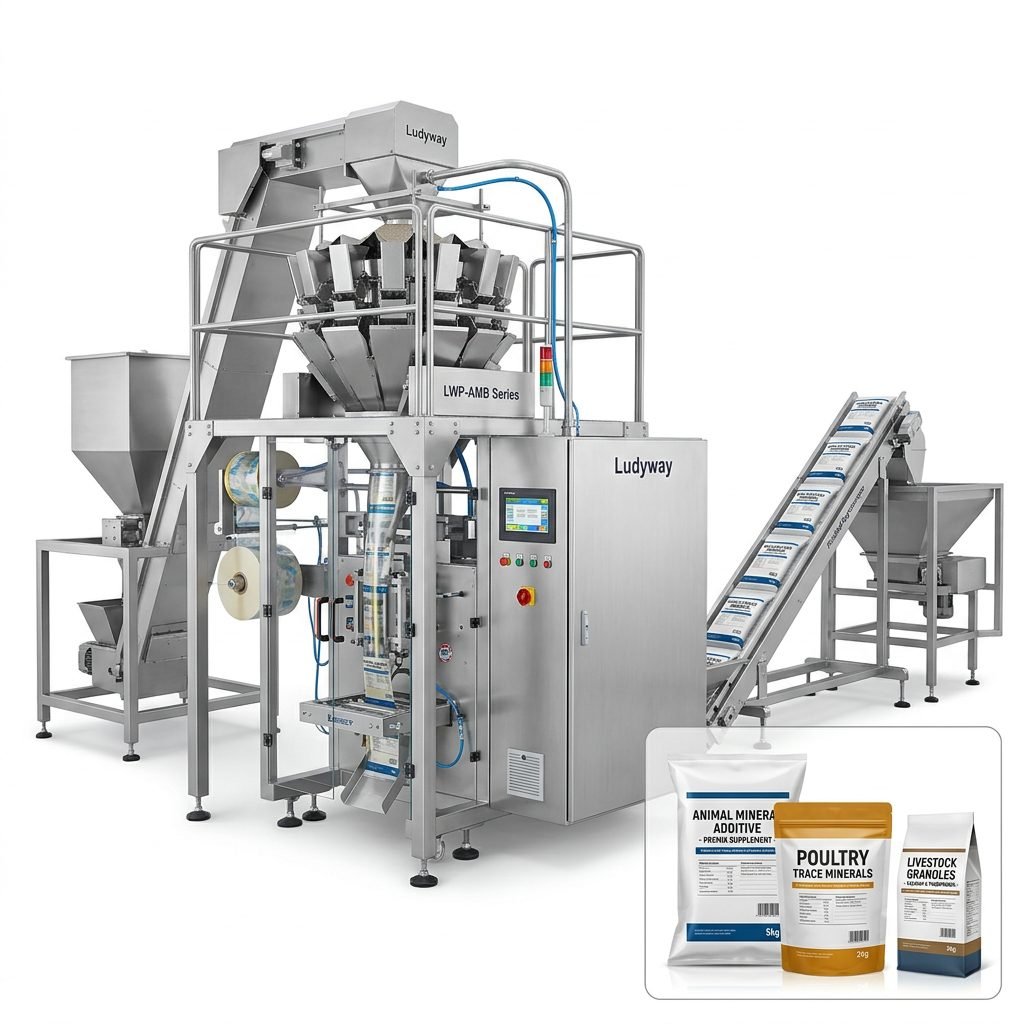
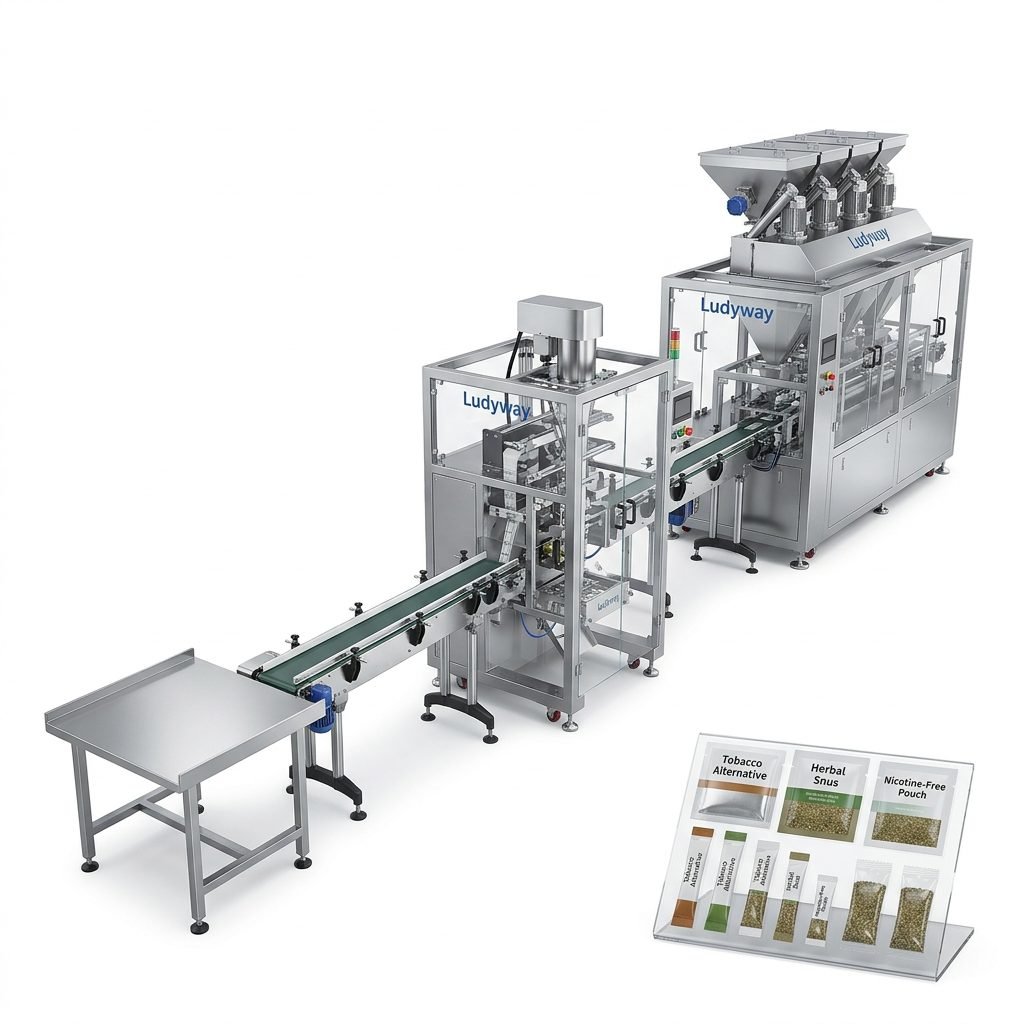
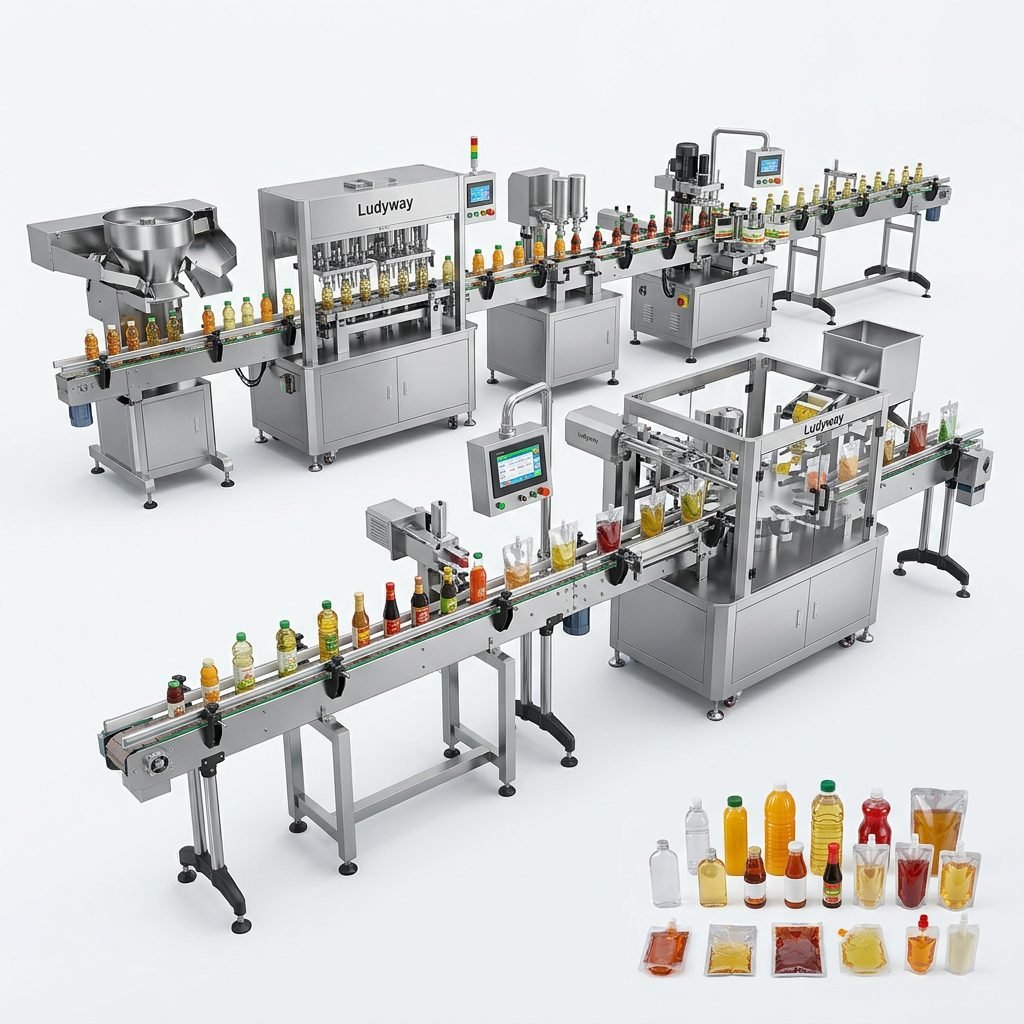
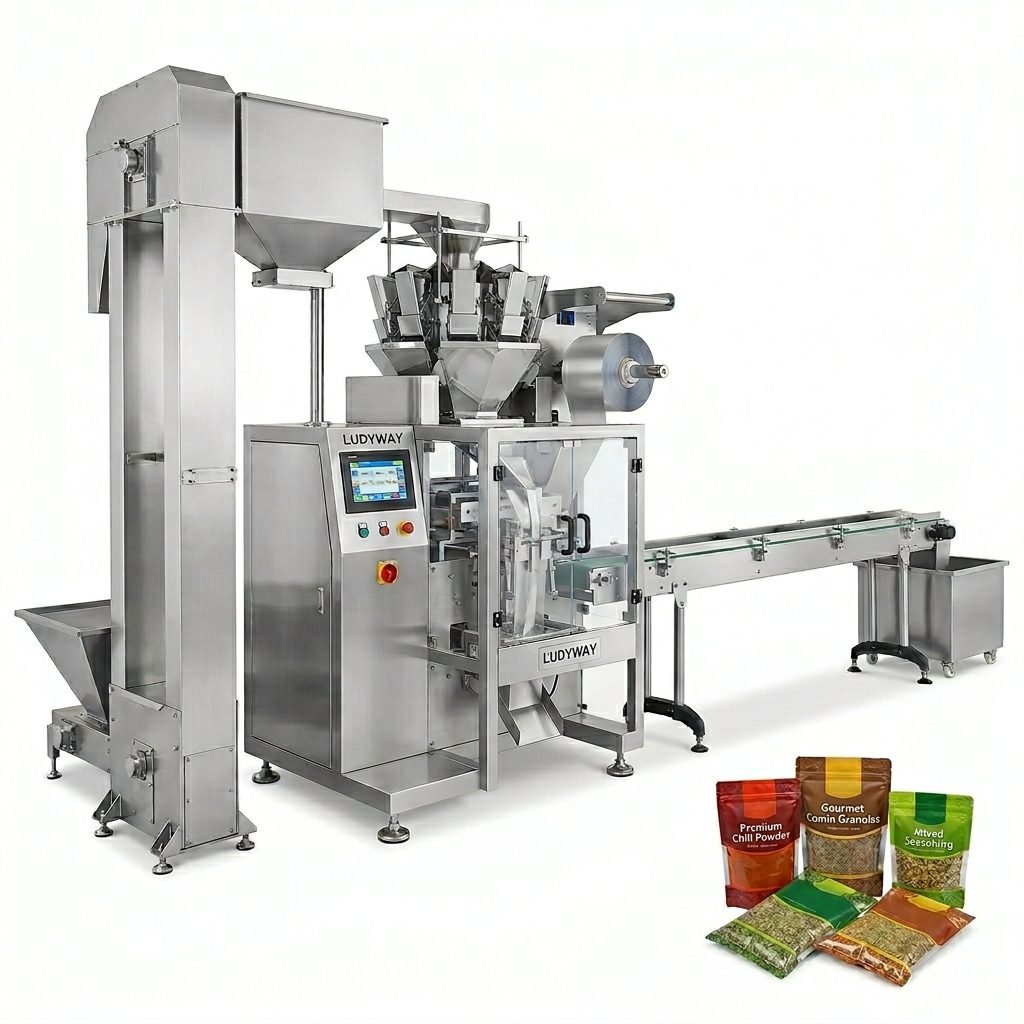
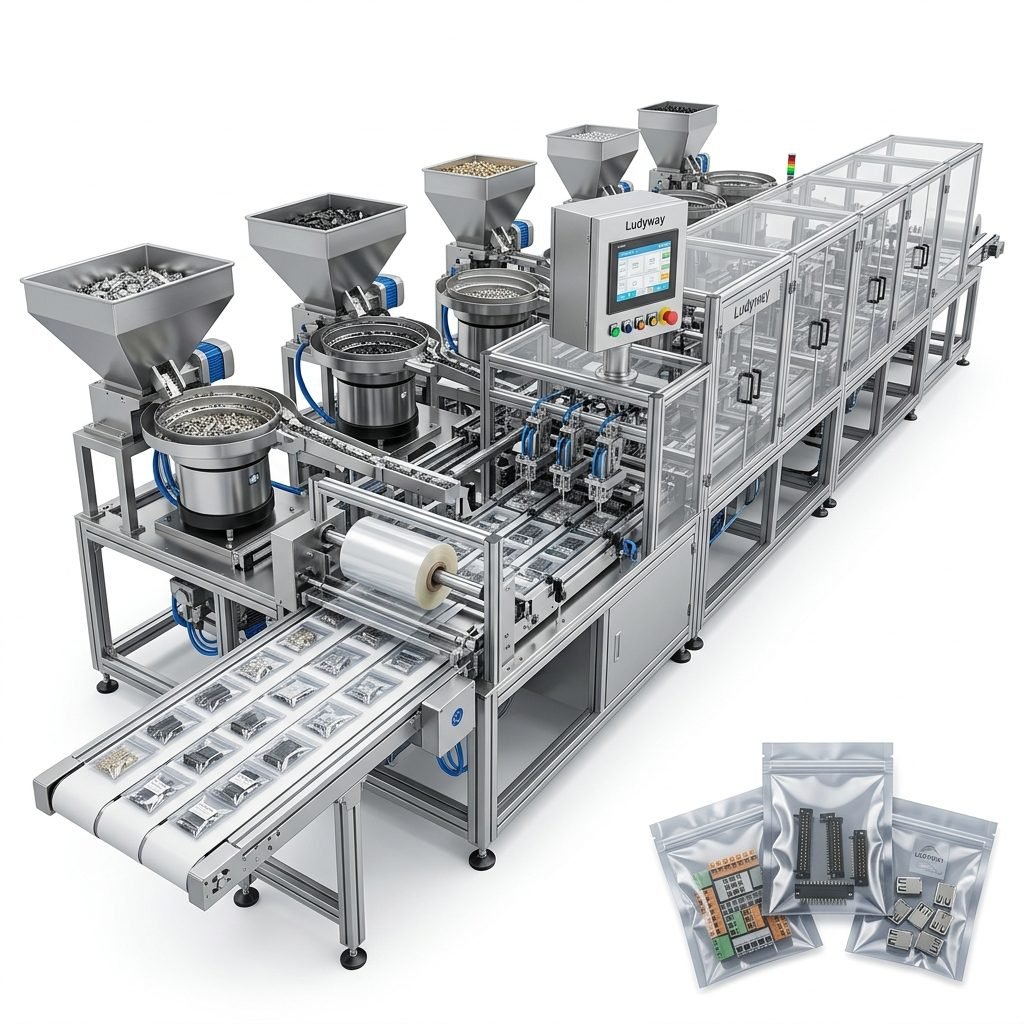
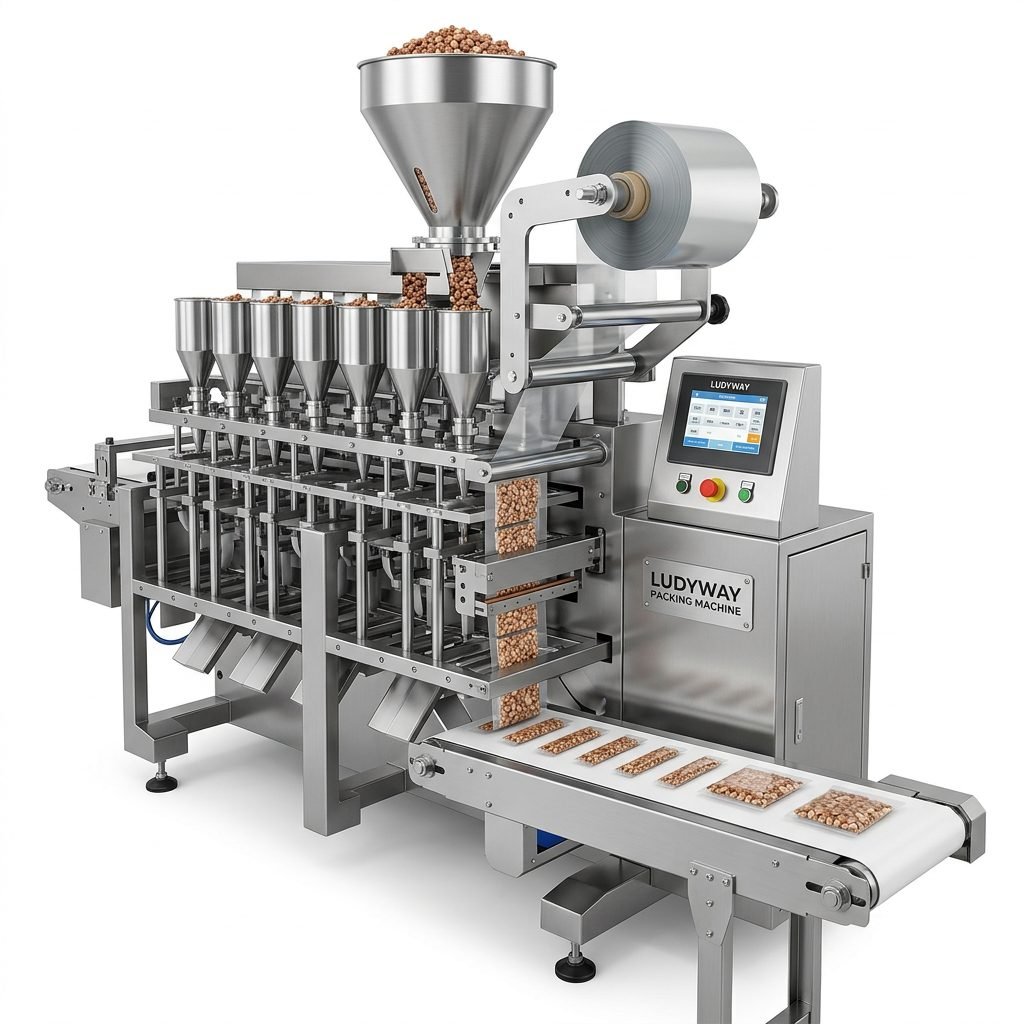
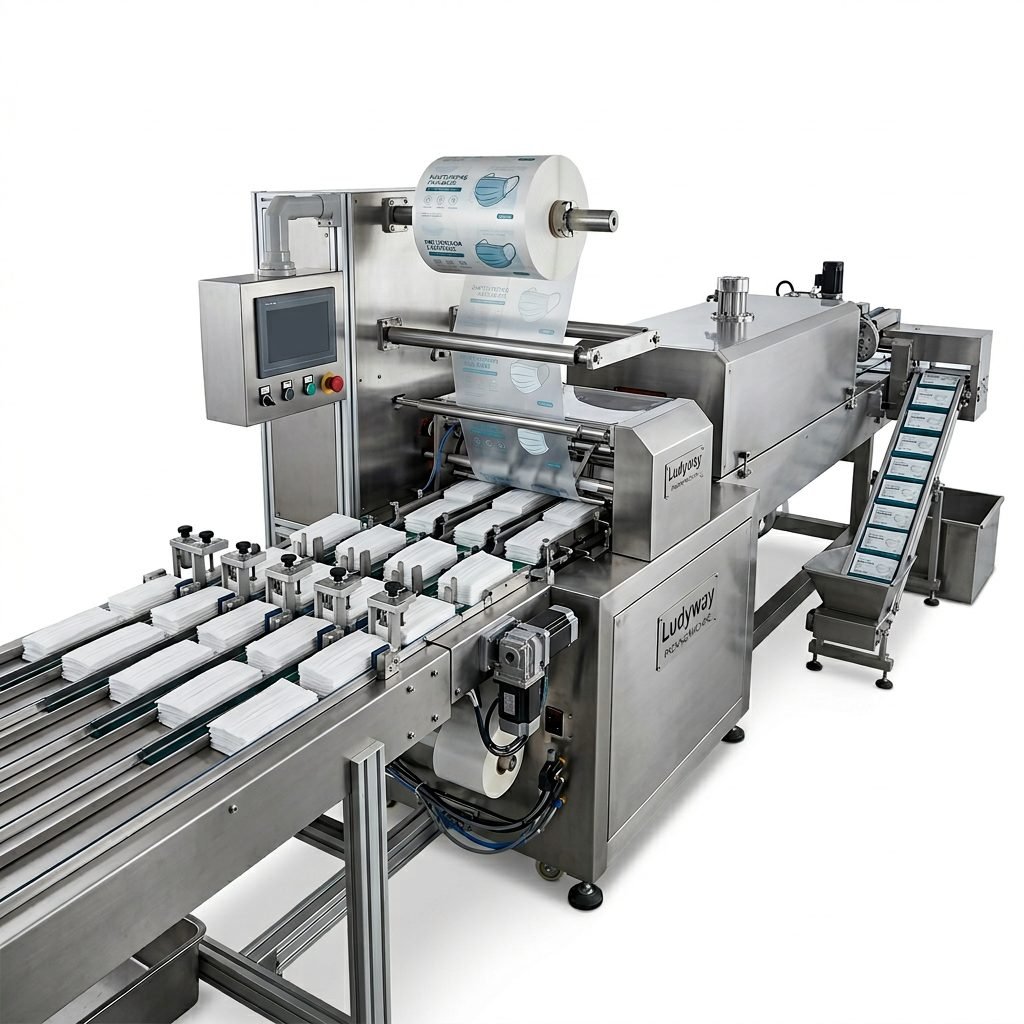
For companies seeking automated sachet solutions, sachet packaging machine manufacturer Ludyway offers a broad range of packaging machinery and turnkey line solutions for food, pharmaceutical, health supplement, cosmetic, and related FMCG applications.
Final Thoughts on Why Sachet Packaging Matters in FMCG
Sachet packaging remains one of the most practical and commercially effective formats in FMCG because it combines affordability, convenience, portion control, market reach, and production efficiency. Whether used for instant beverages, personal care products, healthcare formulations, or household essentials, sachets help brands serve modern consumers while supporting high-volume distribution.
As FMCG markets continue to demand flexible pack sizes and faster product turnover, sachet packaging will remain a powerful solution for brands that want to grow efficiently and stay close to consumer buying habits.