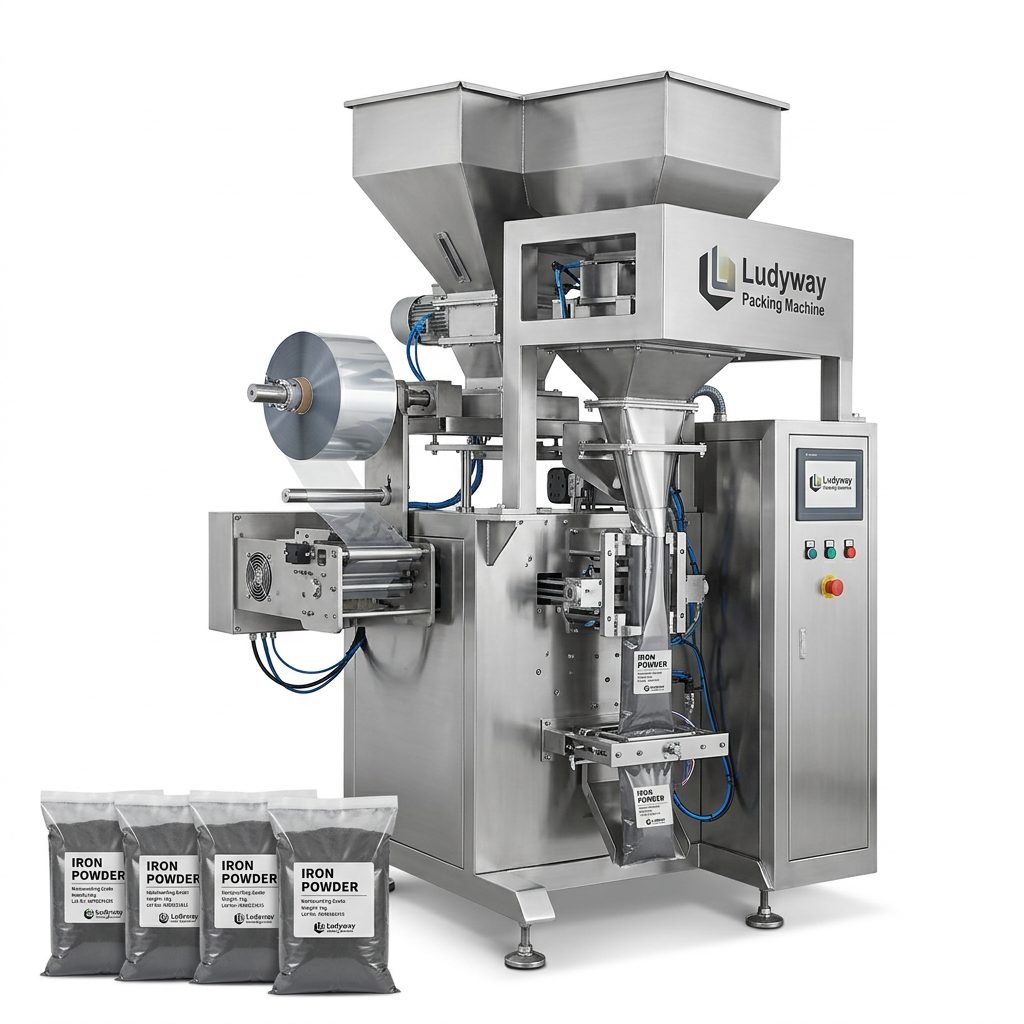
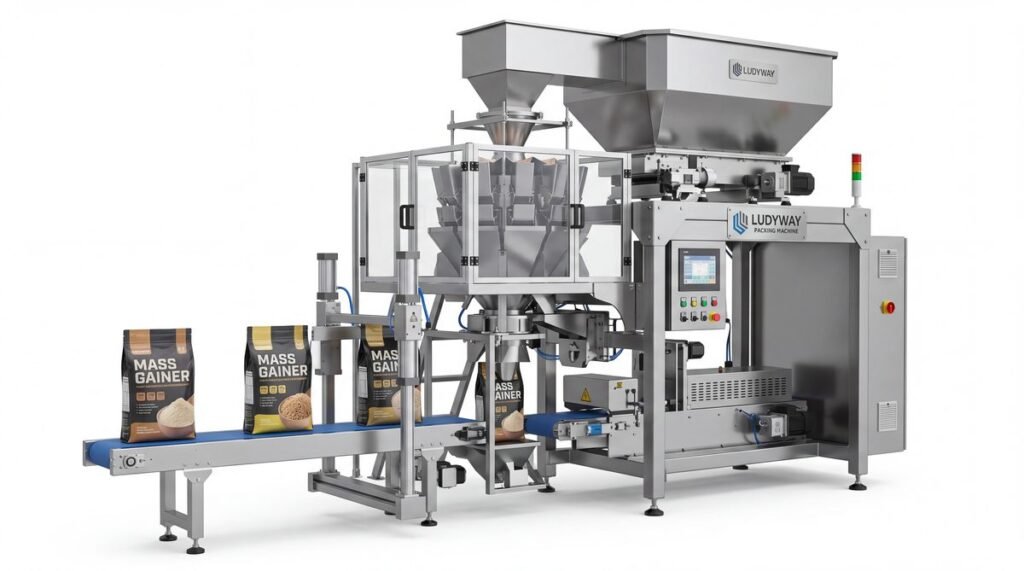
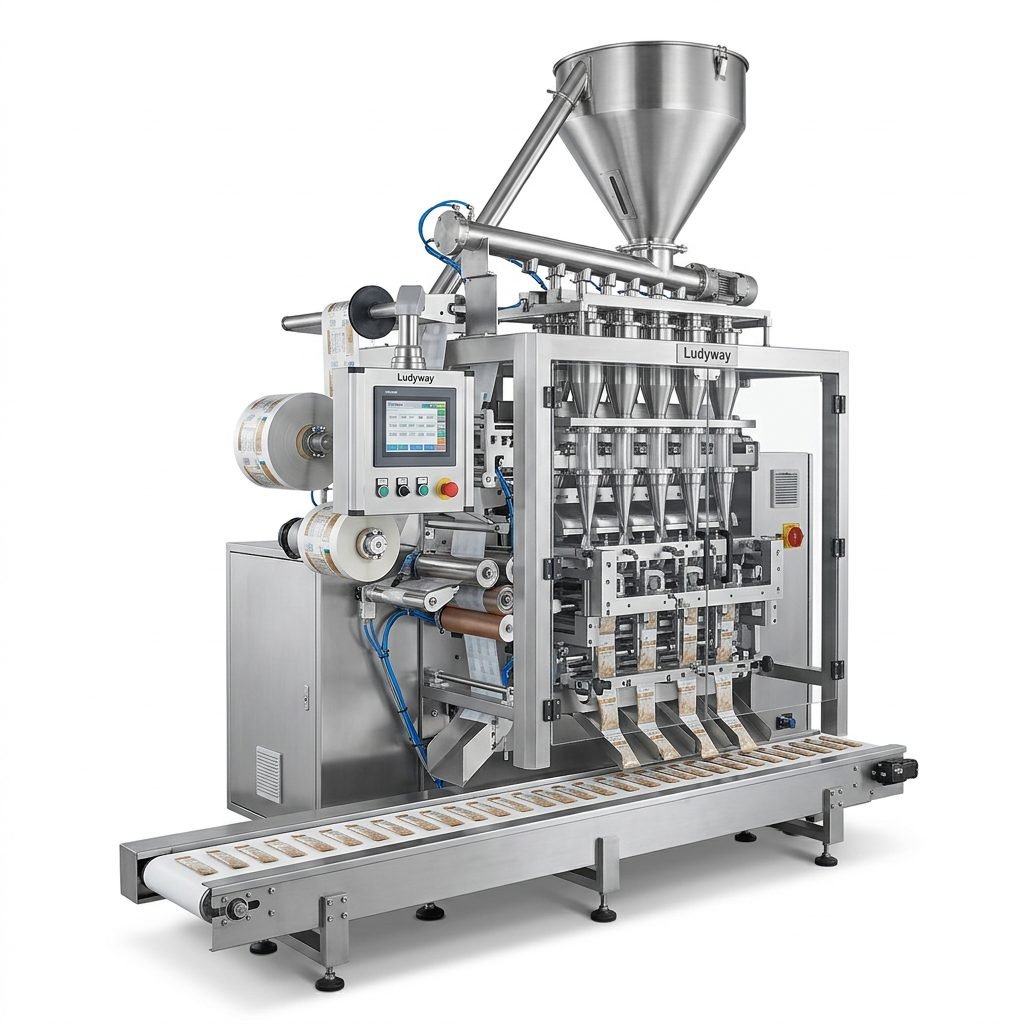
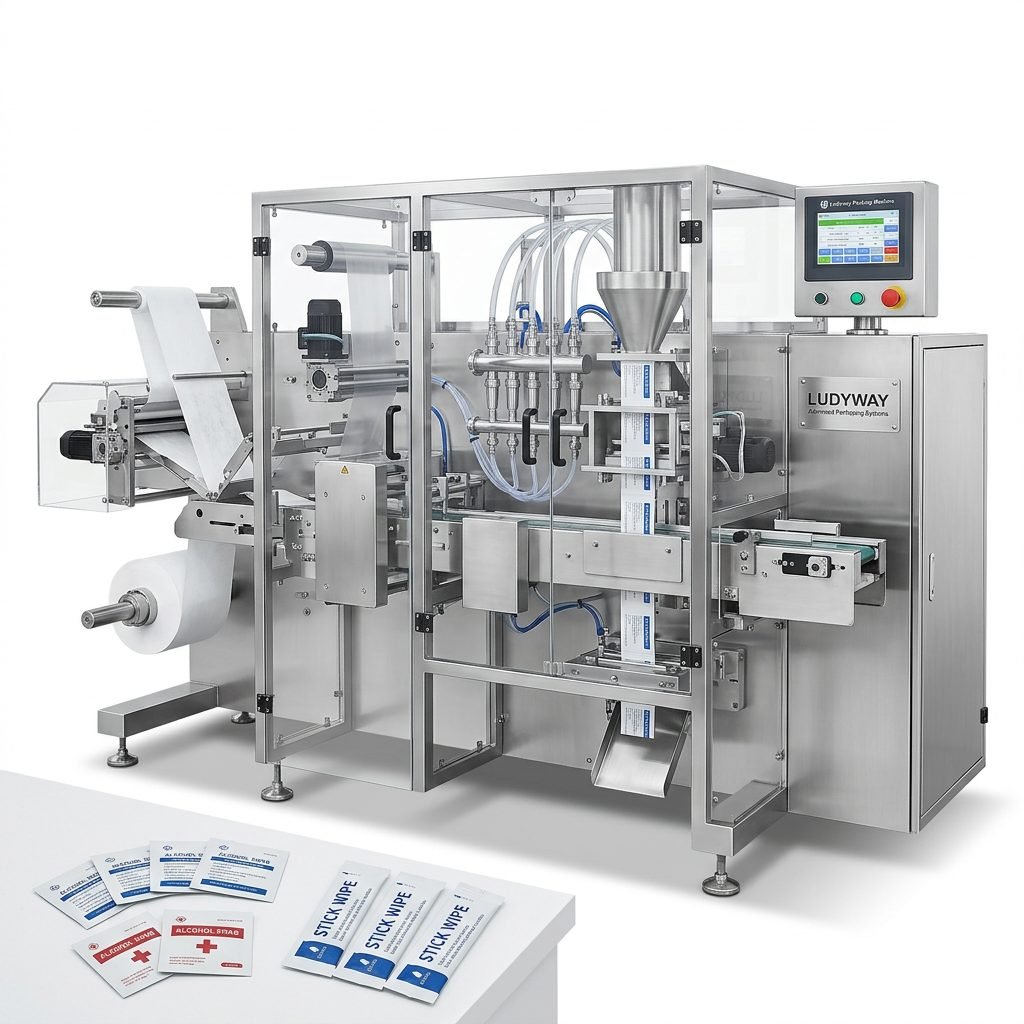
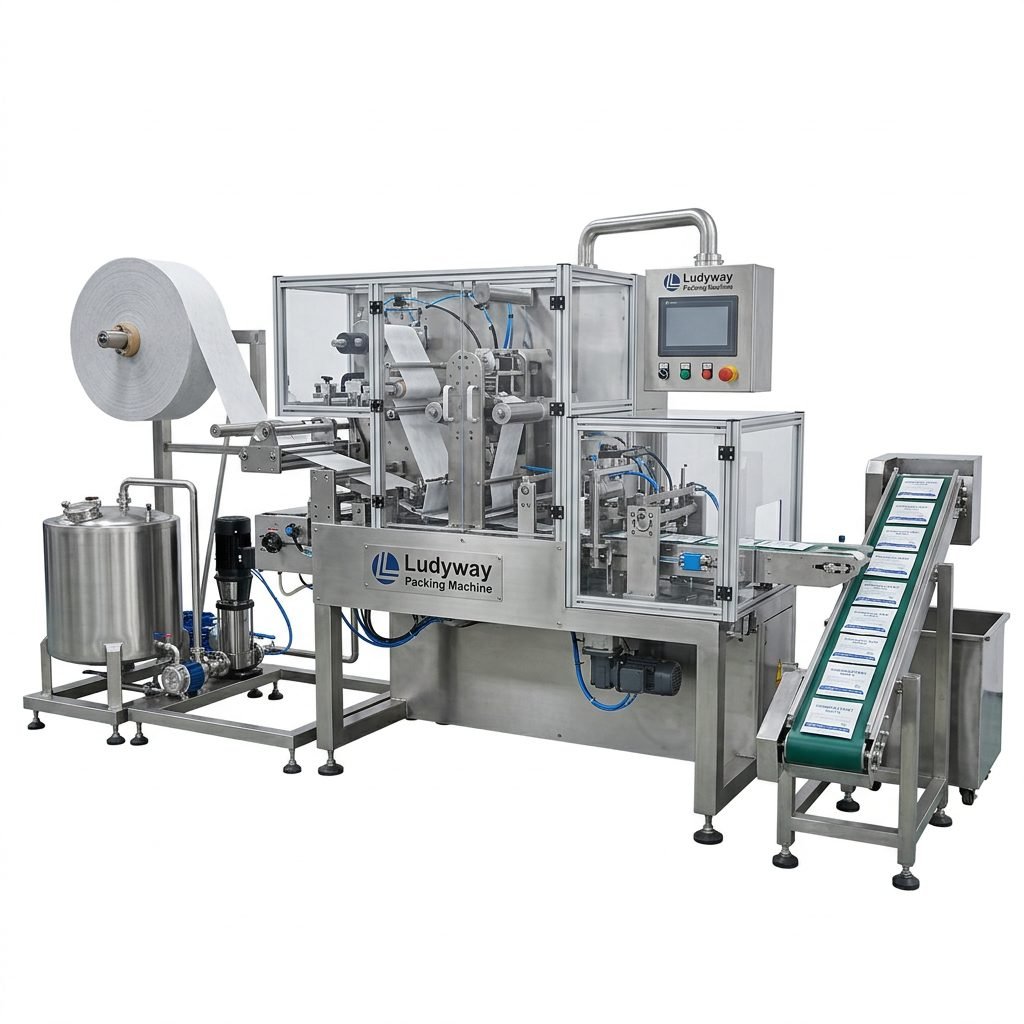
The global bag-in-box packaging machine market represents a dynamic and rapidly evolving segment within the industrial packaging landscape. Characterized by its efficiency, sustainability, and adaptability, bag-in-box (BIB) packaging has transitioned from a niche solution primarily for wine to a mainstream choice for a vast array of liquid and viscous products. This growth is intrinsically linked to the machinery that makes it possible. The market for these sophisticated machines is expanding in tandem with the packaging format’s popularity, driven by technological innovation, shifting consumer preferences, and stringent industry regulations.
Current Market Size and Valuation
The global bag-in-box packaging machine market has demonstrated robust growth over the past decade. Recent industry analyses value the market at several billion USD, with projections indicating a steady compound annual growth rate (CAGR) in the mid-single digits through the remainder of this decade. This valuation encompasses a wide range of machinery, from semi-automatic fillers and sealers for small to medium enterprises to fully automated, high-speed integrated production lines serving large-scale manufacturers.
Geographically, the market is well-established in North America and Europe, where the adoption of BIB packaging for food, beverage, and industrial liquids is mature. However, the highest growth trajectories are being observed in the Asia-Pacific region, particularly in countries like China, India, and Japan. Here, rapid industrialization, growing middle-class consumption, and increasing awareness of packaging waste are fueling demand. In Japan, for instance, the cultural emphasis on convenience, space-saving solutions, and meticulous presentation aligns perfectly with the compact and efficient nature of bag-in-box systems, especially for sauces, ready-to-drink beverages, and liquid condiments.
Key Market Segments by Machine Type
The machinery market can be segmented based on automation level and function:
- › Automatic Machines: Dominating the market share, these systems handle bag forming, filling, sealing, and boxing in one continuous, high-speed operation. They are essential for large-volume producers.
- › Semi-Automatic Machines: These require some manual intervention, such as placing empty bags or finished boxes. They offer a cost-effective entry point for smaller businesses.
- › Filling Machines: The core component, ranging from volumetric piston fillers to advanced flowmeter systems for precise liquid dispensing.
- › Bag Form-Fill-Seal (FFS) Machines: These create the bag from a reel of film, fill it, and seal it, offering excellent hygiene and material efficiency.
Primary Growth Trends Shaping the Industry
Several interconnected trends are propelling the bag-in-box packaging machine market forward, shaping the capabilities and features that manufacturers demand.
Sustainability as a Core Driver
The single most powerful trend is the global push towards sustainable packaging. Bag-in-box systems use significantly less plastic than equivalent rigid containers and have a superior product-to-packaging ratio. The machinery is evolving to handle newer, recyclable, and bio-based films. Furthermore, modern machines are designed to minimize material waste during the bag-forming process and optimize energy consumption during operation, appealing to brands with strong environmental, social, and governance (ESG) commitments.
Automation and Industry 4.0 Integration
The demand for fully automated, intelligent packaging lines is surging. Modern bag-in-box machines are increasingly equipped with IoT sensors, programmable logic controllers (PLCs), and human-machine interfaces (HMIs) that allow for real-time monitoring of production speed, fill accuracy, and machine health. This connectivity enables predictive maintenance, reduces downtime, and facilitates seamless integration into smart factory ecosystems, ensuring data-driven decision-making and unparalleled operational efficiency.
Flexibility and Quick Changeover
Market fragmentation and the rise of limited-edition products require packaging lines to be highly flexible. Machine manufacturers are responding by designing equipment that allows for rapid changeovers between different bag sizes, box dimensions, and product types. This trend minimizes production stoppages and allows manufacturers to respond agilely to shifting market demands and shorter product lifecycles.
Key Drivers Fueling Market Expansion
The expansion of this market is not accidental; it is fueled by concrete drivers across the supply chain, from producers to end consumers.
Consumer and Regulatory Drivers
Extended Shelf Life & Product Protection: The aseptic capabilities of bag-in-box packaging, often enabled by advanced filling machines, drastically extend the shelf life of perishable liquids like milk, juice, and soup without refrigeration. This reduces food waste and expands distribution reach.
Convenience and Functionality: The built-in tap offers easy dispensing and resealing, a feature highly valued in both household and commercial settings (like restaurants or offices). This convenience factor is a major selling point for end-users.
Stringent Food Safety Regulations: Global food safety standards are becoming more rigorous. Modern bag-in-box packaging machines are constructed with food-grade materials, feature easy-clean designs (sometimes with Clean-in-Place systems), and provide hermetic seals that meet these strict hygiene and safety requirements.
Cost-Effectiveness for Manufacturers: While the initial investment in machinery can be significant, the total cost of ownership is favorable. BIB packaging reduces material costs compared to bottles or cans, lowers transportation costs due to its lightweight and space-efficient shape when empty, and decreases storage space requirements. The automation also reduces labor costs per unit.
Emerging Opportunities for Stakeholders
The future of the bag-in-box packaging machine market is ripe with opportunities for manufacturers, integrators, and end-users alike.
Expansion into New Product Categories
While well-established in wine, juice, and dairy, there is significant potential for growth in new segments. These include liquid eggs, edible oils, liquid fertilizers, agrochemicals, pharmaceuticals (like IV solutions), and even viscous products like paints, adhesives, and lubricants. Each category requires specialized machine adaptations, opening niches for innovative engineering.
Growth in E-commerce and Direct-to-Consumer Channels
The durability and leak-proof nature of bag-in-box packaging make it ideal for e-commerce shipping. Machines that can produce robust, retail-ready BIB packages suitable for the “last mile” of delivery present a major opportunity. This aligns with the global boom in online grocery shopping and D2C brand models.
Technological Advancements in Machinery
Opportunities abound in developing machines with enhanced capabilities: more precise filling for high-value products, integration of vision inspection systems for quality assurance, use of artificial intelligence for optimizing production parameters, and development of machines that can handle novel, sustainable film structures. Companies that lead in innovation and reliable engineering will capture significant market share.
After-Sales Services and Support
As machinery becomes more complex, the value of comprehensive after-sales service—including remote troubleshooting, spare parts availability, and operator training—increases. Providing exceptional lifetime support represents a substantial recurring revenue stream and builds long-term customer loyalty in a competitive market.
Frequently Asked Questions (FAQs)
What are the main benefits of using a bag-in-box packaging machine for my business?
The primary benefits include significant material and logistics cost savings, extended product shelf life (especially with aseptic filling), enhanced product protection from light and oxygen, meeting sustainability goals through reduced packaging waste, and the ability to offer end-users a convenient, drip-free dispensing solution.
How do I choose between an automatic and a semi-automatic bag-in-box machine?
The choice depends on your production volume, budget, and labor availability. Automatic lines are ideal for high-volume, continuous production with minimal manual intervention. Semi-automatic machines are better suited for small to medium batches, lower initial investment, and operations where production flexibility or a slower pace is acceptable.
Can bag-in-box machines handle products other than liquids?
Yes, modern machines are increasingly versatile. While designed primarily for liquids, many systems can be adapted for viscous products like sauces, pastes, gels, and certain granular or powdered products with fluid characteristics, often requiring specific pump and nozzle configurations.
What is the importance of “changeover time” in this machinery?
Quick changeover time is critical for manufacturing efficiency, especially for producers running multiple SKUs. Faster changeovers mean less downtime between production runs, higher overall equipment effectiveness (OEE), and greater flexibility to respond to market demands. It is a key specification to evaluate when selecting a machine.
How does bag-in-box packaging contribute to sustainability?
BIB packaging is considered sustainable because it uses up to 85% less plastic than a comparable rigid bottle, generates less waste by volume, and is lighter, reducing carbon emissions from transportation. The machinery supports this by enabling the use of thinner, recyclable films and minimizing production waste through precise forming and filling.