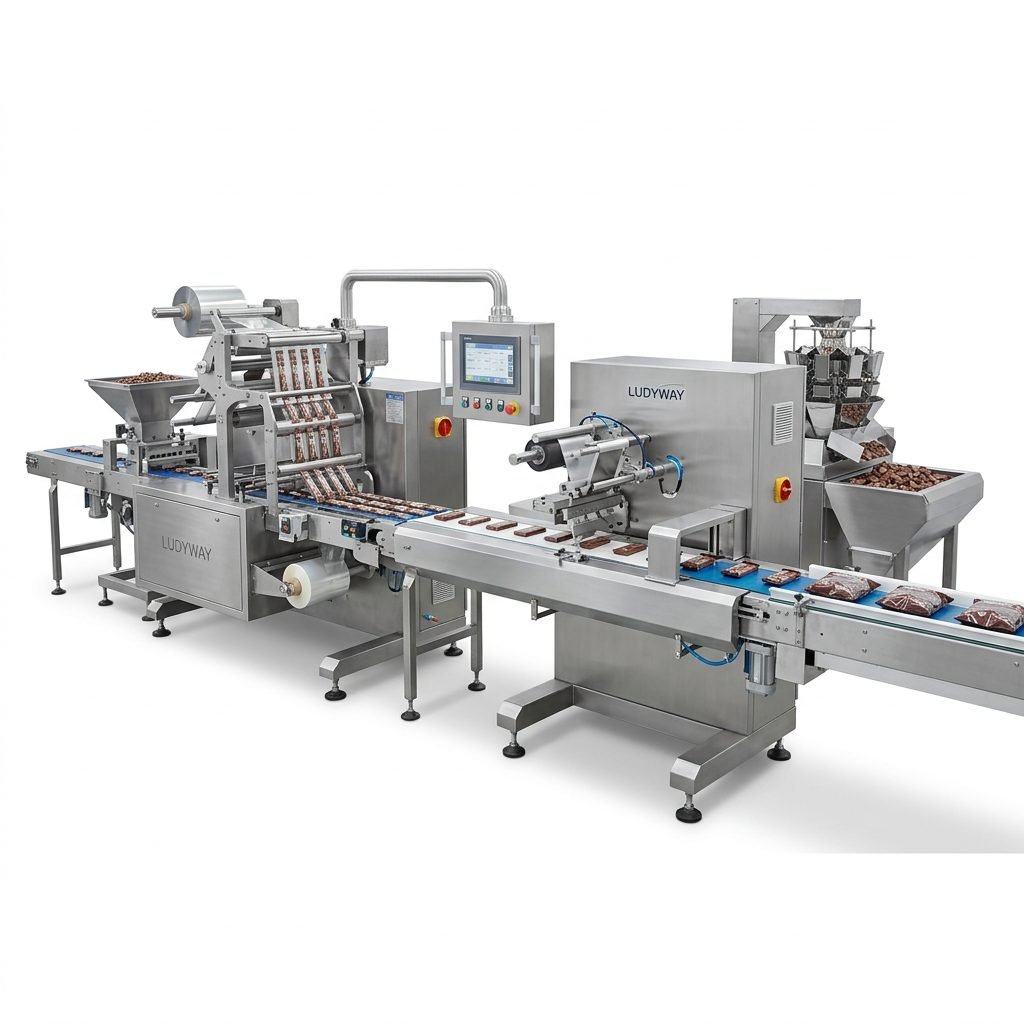
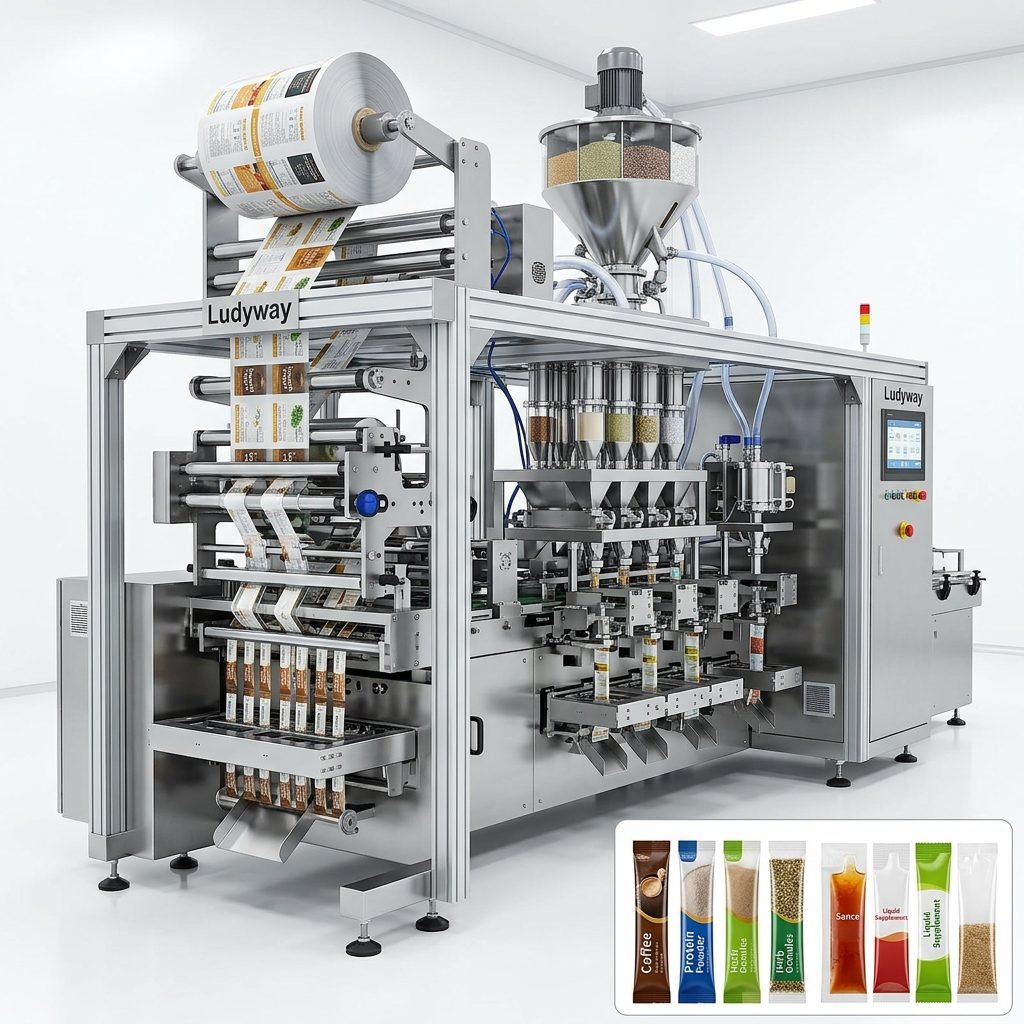
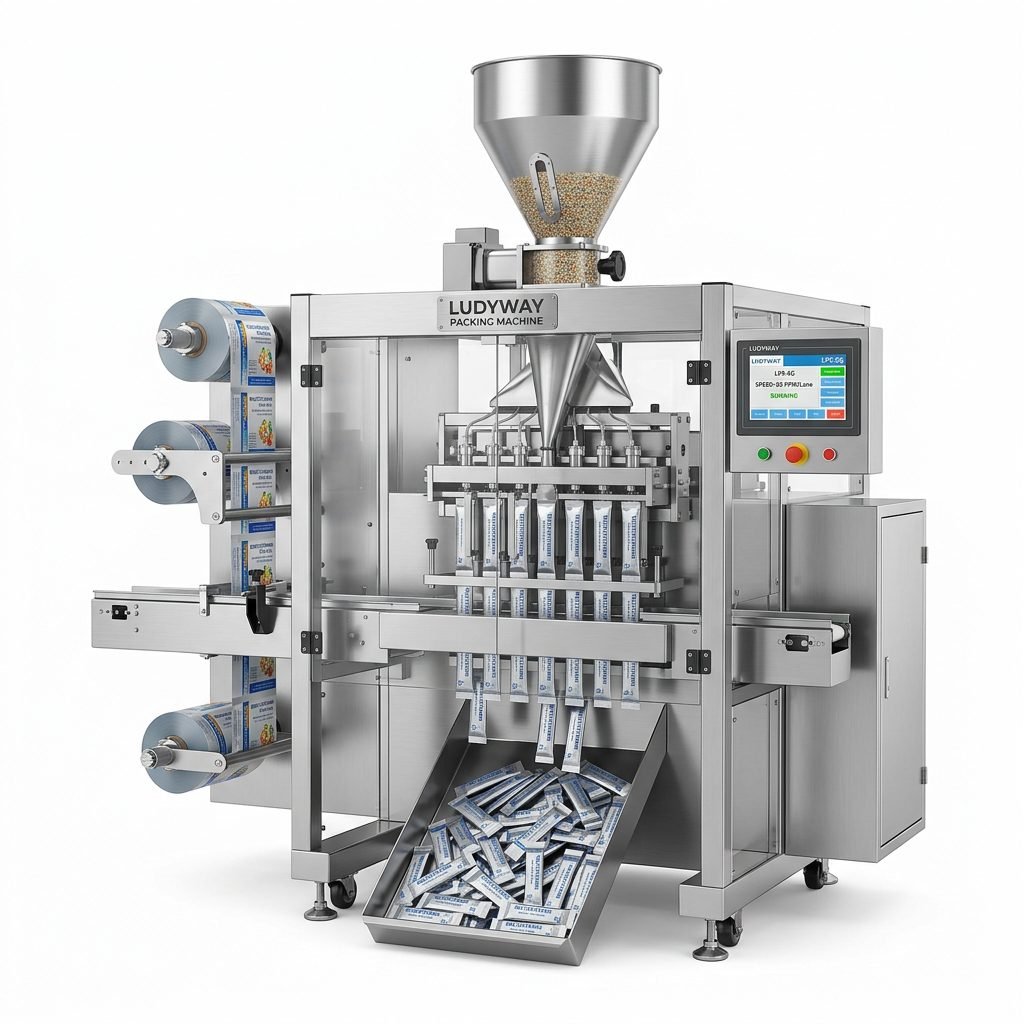
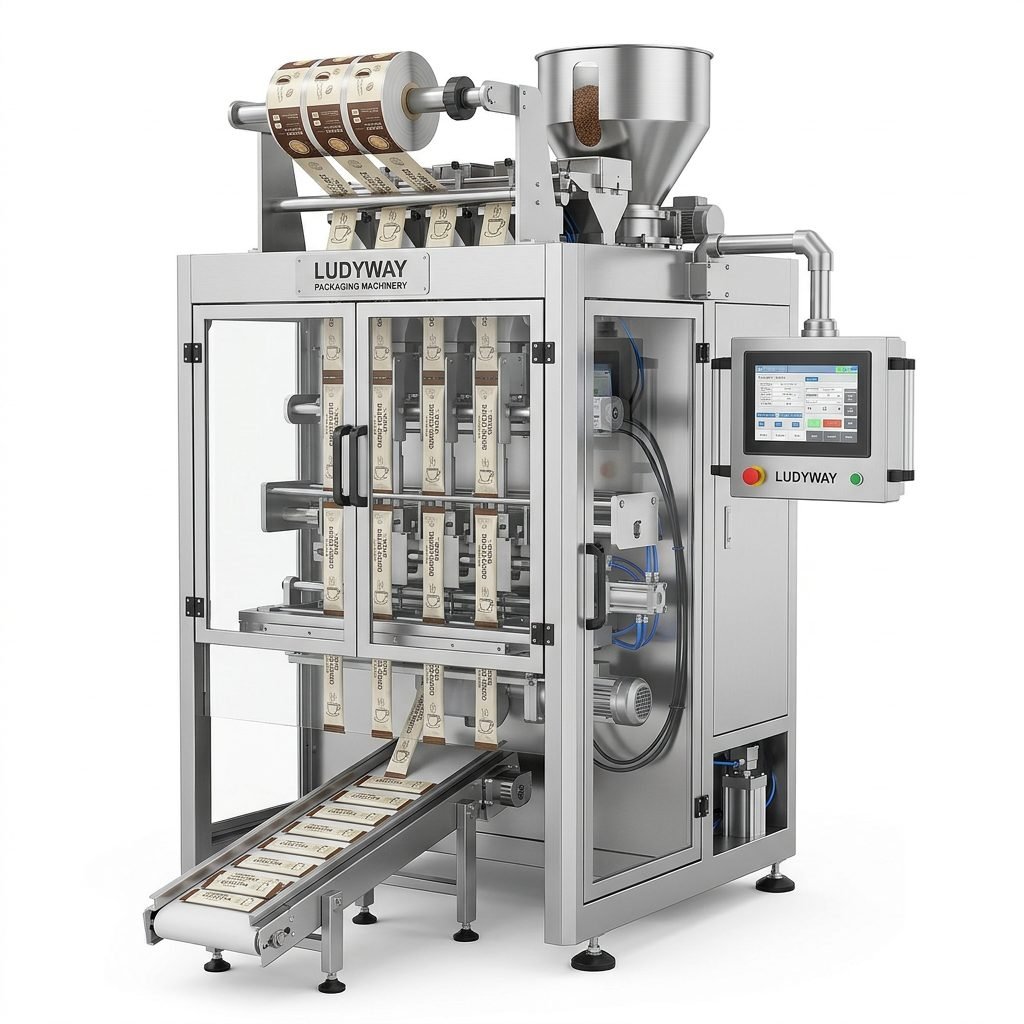
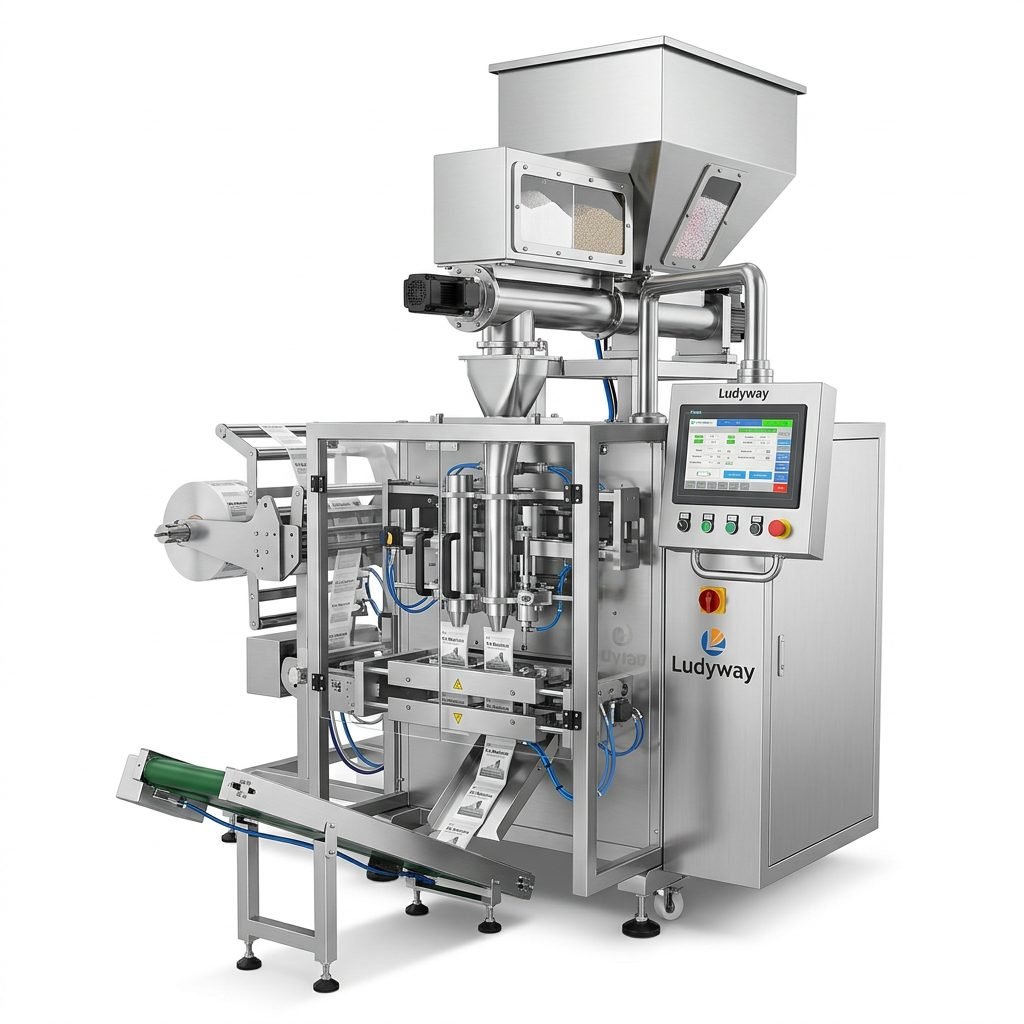
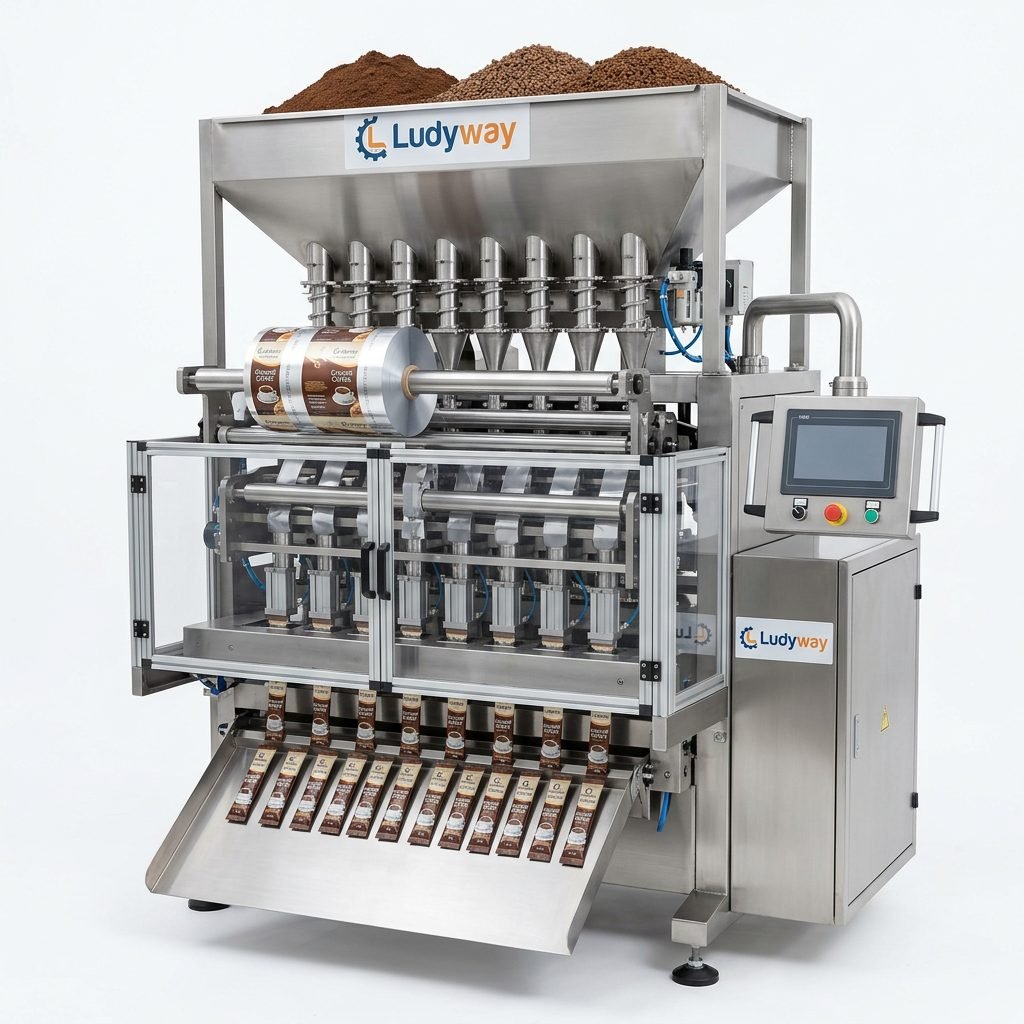
Horizontal flow wrapping machines have become a core solution for manufacturers that need fast, consistent, and visually appealing packaging. Whether you produce food, medical supplies, personal care items, household products, or industrial goods, this packaging format offers a practical balance of speed, protection, product presentation, and automation compatibility.
For growing brands and large-scale factories alike, understanding the benefits of horizontal flow wrapping machines can help improve line efficiency, reduce waste, and create stronger shelf impact.
What Is a Horizontal Flow Wrapping Machine?
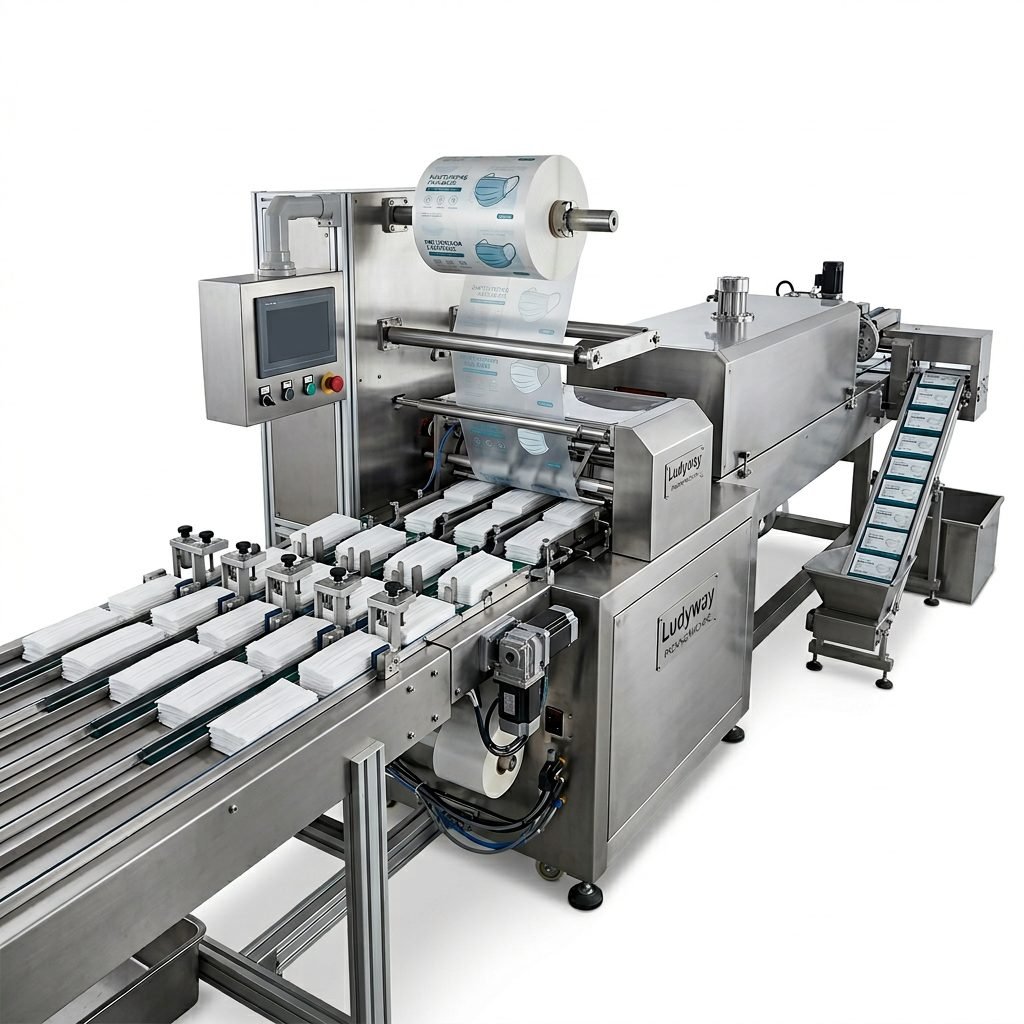
A horizontal flow wrapping machine, also called a flow wrapper or HFFS machine, is an automated packaging system that wraps products in film while moving them horizontally through the machine. The film is formed around the item, sealed along the length and at both ends, and then cut into individual packs.
This type of machine is commonly used for:
- Bakery items and snacks
- Frozen food and confectionery
- Soap, wipes, and tissue products
- Medical devices and personal care items
- Hardware parts and industrial components
How Horizontal Flow Wrapping Works
The process is straightforward but highly efficient. Products are typically fed onto an infeed conveyor, spaced automatically, wrapped in roll film, and sealed continuously. Because the packaging motion is horizontal, it works especially well for solid, regular-shaped, or tray-supported products.
- Product enters the infeed system
- Film is drawn around the product
- Longitudinal seal is created
- End seals are formed and cut
- Finished packs exit for inspection, cartoning, or case packing
Main Benefits of Horizontal Flow Wrapping Machines
1. High Packaging Speed
One of the biggest reasons manufacturers choose horizontal flow wrappers is speed. These machines are designed for continuous operation and can package a high volume of products per minute. This makes them ideal for operations where throughput directly affects profitability.
High-speed wrapping helps companies:
- Meet rising production demand
- Reduce packaging bottlenecks
- Lower per-unit labor cost
- Improve line utilization
2. Attractive and Consistent Pack Appearance
Retail packaging is not just about protection. It also affects first impressions. Horizontal flow wrapping produces neat, uniform packs with clean seals, helping products look professional on shelves and in e-commerce fulfillment.
A consistent package shape supports:
- Better brand presentation
- Improved barcode readability
- Easier downstream handling
- Stronger shelf appeal
3. Better Product Protection
Flow wrapping helps protect products from dust, moisture, contamination, and external handling. Depending on the film structure and machine setup, it can also support modified atmosphere packaging or stronger barrier performance for sensitive items.
This is especially valuable for:
- Fresh and frozen foods
- Medical and hygiene products
- Products with strict cleanliness standards
- Fragile or shape-sensitive items
4. Reduced Film Waste
Modern horizontal flow wrapping machines are designed for efficient film usage. Precise film tracking, sealing control, and cutting accuracy help minimize material waste, which can lower operating cost over time.
Material savings become even more important when packaging volumes are high or film prices fluctuate.
5. Wide Product Compatibility
Horizontal flow wrappers are suitable for a broad range of products and industries. With the right feeding system, sealing jaws, and film selection, manufacturers can package single items, multipacks, tray-packed goods, and even delicate products.
| Industry | Typical Products | Why Flow Wrapping Fits |
|---|---|---|
| Food | Biscuits, bread, candy, frozen foods, bars | Fast, hygienic, shelf-ready packs |
| Medical | Masks, dressings, wipes, test kits | Clean sealing and product protection |
| Cosmetics | Sheet masks, soap, wipes | Premium appearance and automation |
| Industrial | Hardware kits, components, accessories | Efficient pack grouping and protection |
6. Easy Integration into Automated Lines
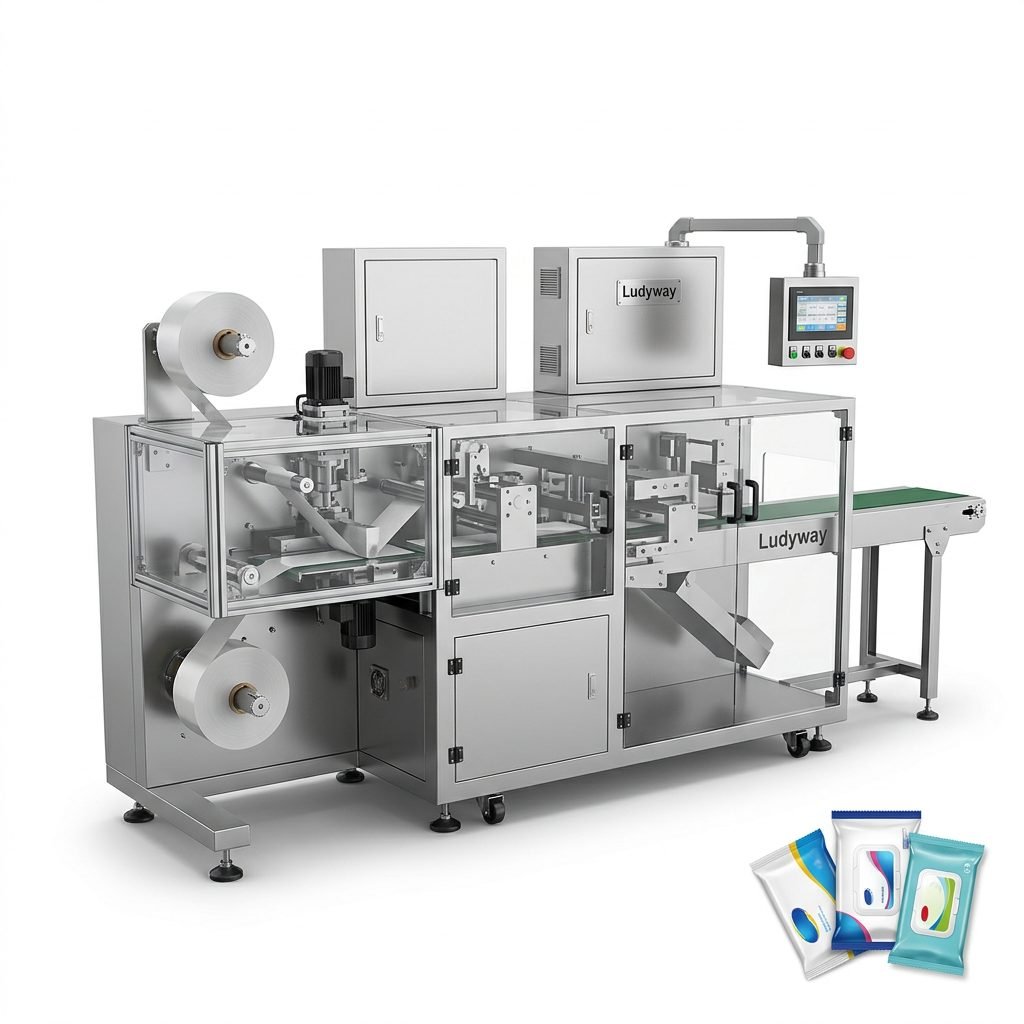
Horizontal flow wrapping machines can be integrated with upstream and downstream equipment such as conveyors, feeders, checkweighers, metal detectors, labeling systems, coding units, cartoners, and case packers. This makes them a strong fit for automated production environments.
Benefits of integration include:
- Lower manual handling
- Improved production continuity
- Fewer packaging errors
- Higher total line efficiency
7. Improved Hygiene and Food Safety
In food, pharmaceutical, and hygiene sectors, packaging cleanliness matters. Horizontal flow wrappers can be built with sanitary contact parts, easy-clean structures, and enclosed packaging zones. These features support safer production and simplify compliance with industry standards.
8. Lower Labor Dependence
Automation helps manufacturers reduce reliance on repetitive manual packaging work. This not only cuts labor costs, but also improves consistency and helps solve staffing challenges in high-volume operations.
For many factories, this advantage is especially important when:
- Production runs are long
- Labor costs are rising
- Product demand is seasonal or variable
- Pack quality must remain stable across shifts
9. Flexible Changeover Options
Modern machines often support relatively fast format changes when switching between product sizes or pack lengths. This gives businesses more flexibility to serve multiple SKUs without needing a separate line for every product.
This flexibility is valuable for contract packers and multi-product manufacturers that need to balance efficiency with product variety.
10. Strong Return on Investment
Although the initial machine investment can be significant, the long-term value is often compelling. A well-selected horizontal flow wrapping machine can deliver measurable returns through faster output, reduced labor, less rework, lower material waste, and better packaging quality.
When Is a Horizontal Flow Wrapper the Right Choice?
A horizontal flow wrapping machine is often the right option when your product is:
- Solid or semi-solid
- Stable enough to move on a conveyor
- Sold as an individual retail unit or multipack
- Expected to have a clean and attractive final appearance
- Part of a medium- to high-speed packaging line
It may be especially suitable for companies that want to upgrade from manual wrapping or semi-automatic systems to a more scalable packaging process.
Common Applications of Horizontal Flow Wrapping Machines
These machines are used across many industries because they combine speed with versatility. Common applications include:
| Application | Examples |
|---|---|
| Bakery & Snacks | Cookies, cakes, bars, bread, wafer products |
| Frozen & Prepared Foods | Portioned foods, meal kits, frozen snacks |
| Health & Medical | Masks, swabs, bandages, sterile consumables |
| Household & Personal Care | Soap bars, wipes, tissues, cosmetic masks |
| Industrial Products | Hardware pieces, kits, spare parts, accessories |
Key Features to Look For
Not all horizontal flow wrapping machines are the same. The best machine for your business depends on your product shape, speed target, film type, hygiene level, and future expansion plans.
Important features to evaluate include:
- Servo-driven motion control
- Automatic product feeding systems
- Precise sealing temperature control
- Date coding or printing integration
- No-product-no-bag function
- Easy cleaning and maintenance access
- Compatibility with different film materials
- Connection with full packaging lines

Horizontal Flow Wrapping vs. Other Packaging Methods
Compared with manual bagging, basic sealing systems, or some vertical packaging methods, horizontal flow wrapping stands out in situations where product orientation, presentation, and pack consistency are critical.
| Packaging Method | Best For | Main Limitation |
|---|---|---|
| Horizontal Flow Wrapping | Solid items, retail presentation, continuous speed | Less suitable for free-flowing bulk powders alone |
| Vertical Form Fill Seal | Granules, powders, liquids in bag or sachet formats | Not always ideal for flat or pre-formed solid items |
| Manual or Semi-Automatic Packing | Low-volume operations | Lower speed and less consistency |
Who Benefits Most from This Equipment?
Horizontal flow wrapping machines can benefit:
- Food processors expanding output
- Medical product manufacturers needing sealed individual packs
- Personal care brands improving retail packaging
- Contract packers serving multiple customer SKUs
- Factories building complete automated packaging lines
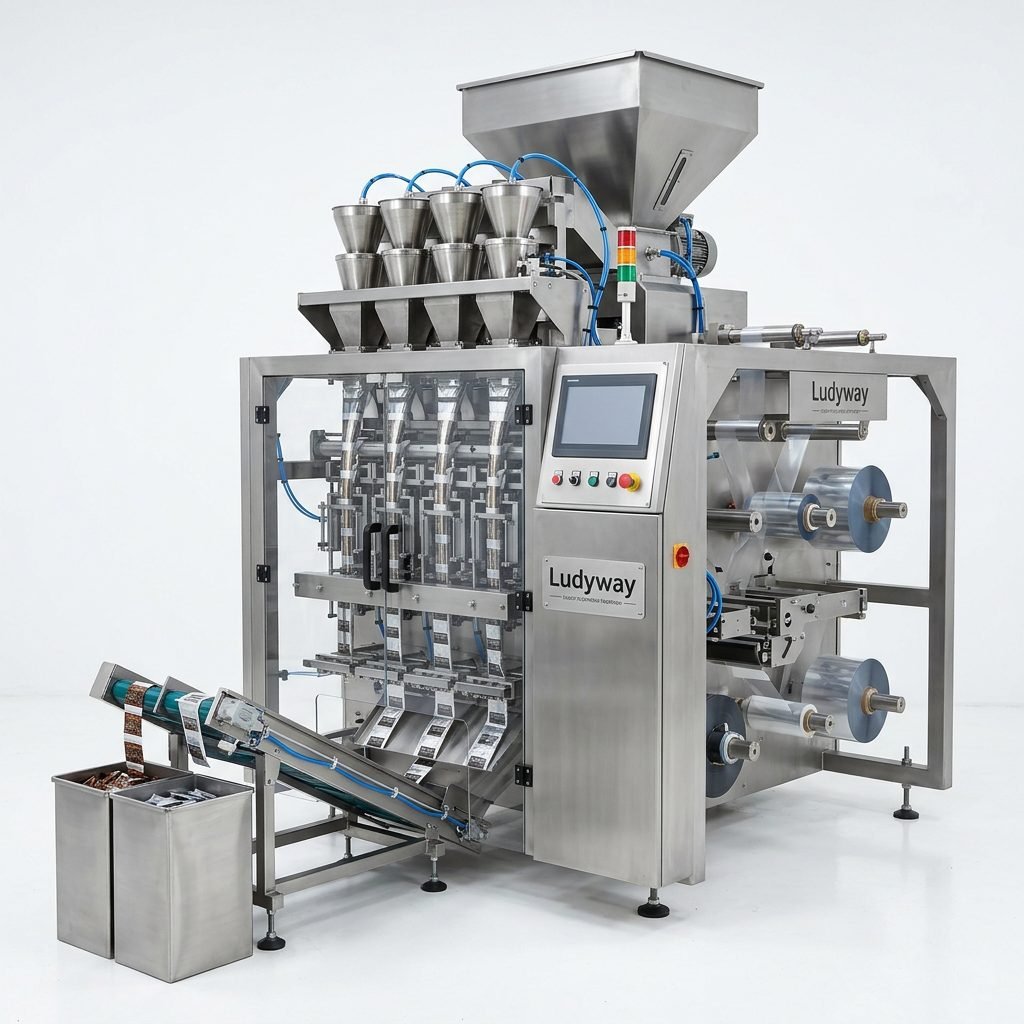
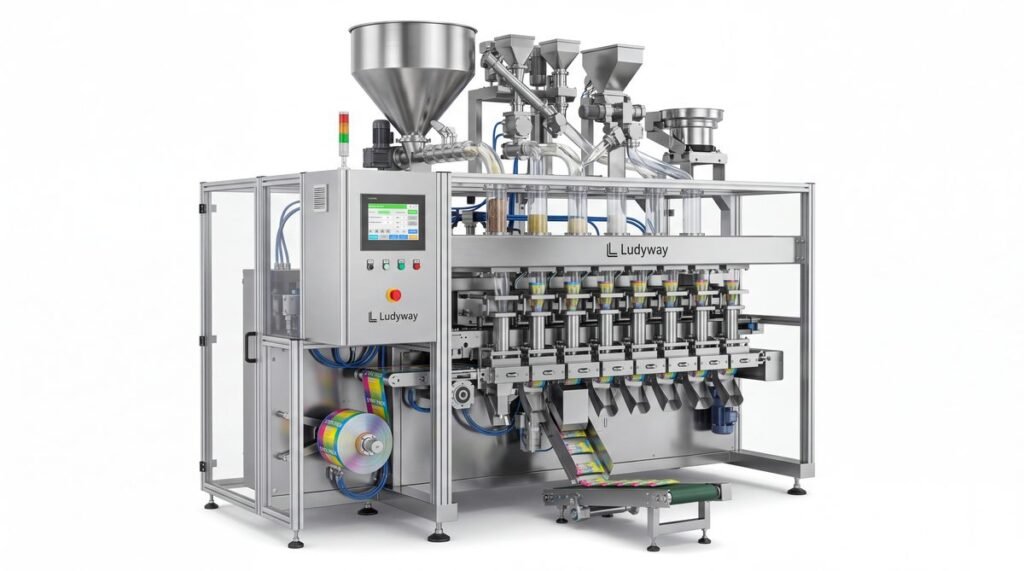
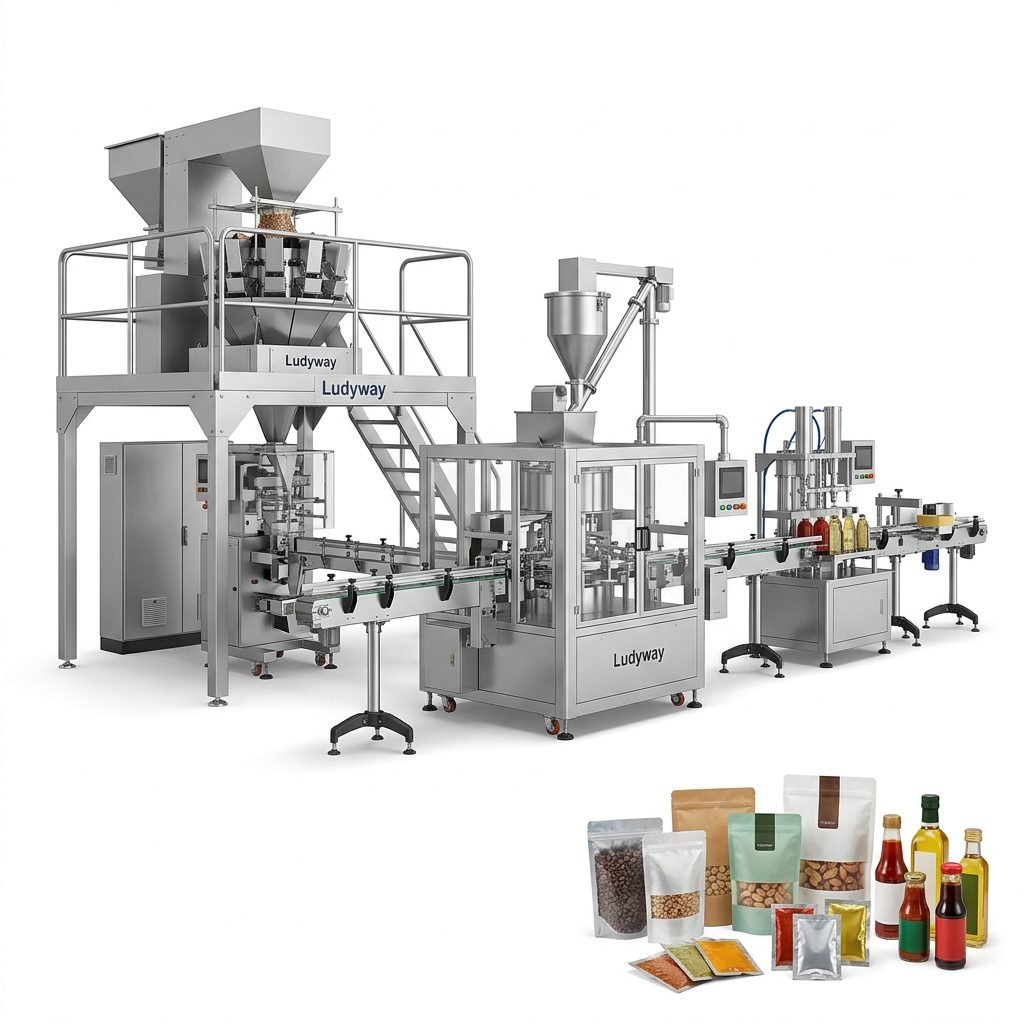
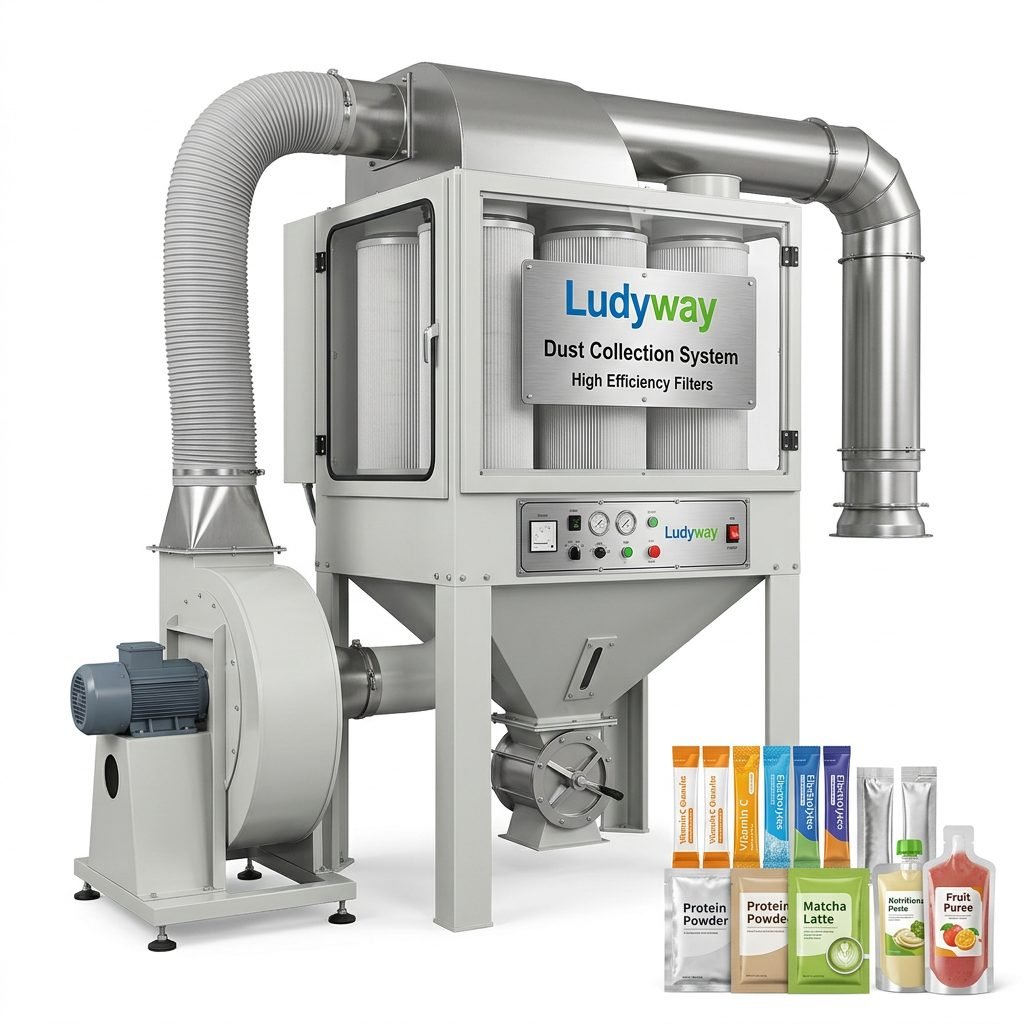
Companies seeking scalable automation often work with experienced equipment manufacturers that can supply both standalone machines and full-line integration. For example, Ludyway horizontal flow wrapping and packaging line solutions are often considered by buyers looking for efficient packaging automation across food, pharmaceutical, health supplement, and related industries.
How to Choose the Right Horizontal Flow Wrapping Machine
Before investing, ask these practical questions:
- What product dimensions and shapes will be packed?
- What speed is required today, and what will be needed later?
- What film material and barrier level are necessary?
- Do you need printing, labeling, inspection, or cartoning integration?
- How often will you change product sizes?
- Is washdown or hygienic design required?
- Will the machine operate as a standalone unit or in a turnkey line?
Quick Selection Checklist
- Product type: rigid, delicate, tray-packed, or grouped
- Output goal: low, medium, or high-speed production
- Pack style: pillow pack, gusseted pack, multipack
- Automation level: basic feeding or full turnkey integration
- Maintenance needs: easy access, tool-free adjustments, operator training
Final Thoughts on the Benefits of Horizontal Flow Wrapping Machines
Horizontal flow wrapping machines offer a powerful mix of speed, pack consistency, product protection, reduced labor, and automation flexibility. They are especially valuable for manufacturers that need reliable packaging performance while maintaining attractive presentation and scalable output.
If your business packages solid or regularly shaped products and wants to improve efficiency without sacrificing quality, a horizontal flow wrapper can be a smart long-term investment.