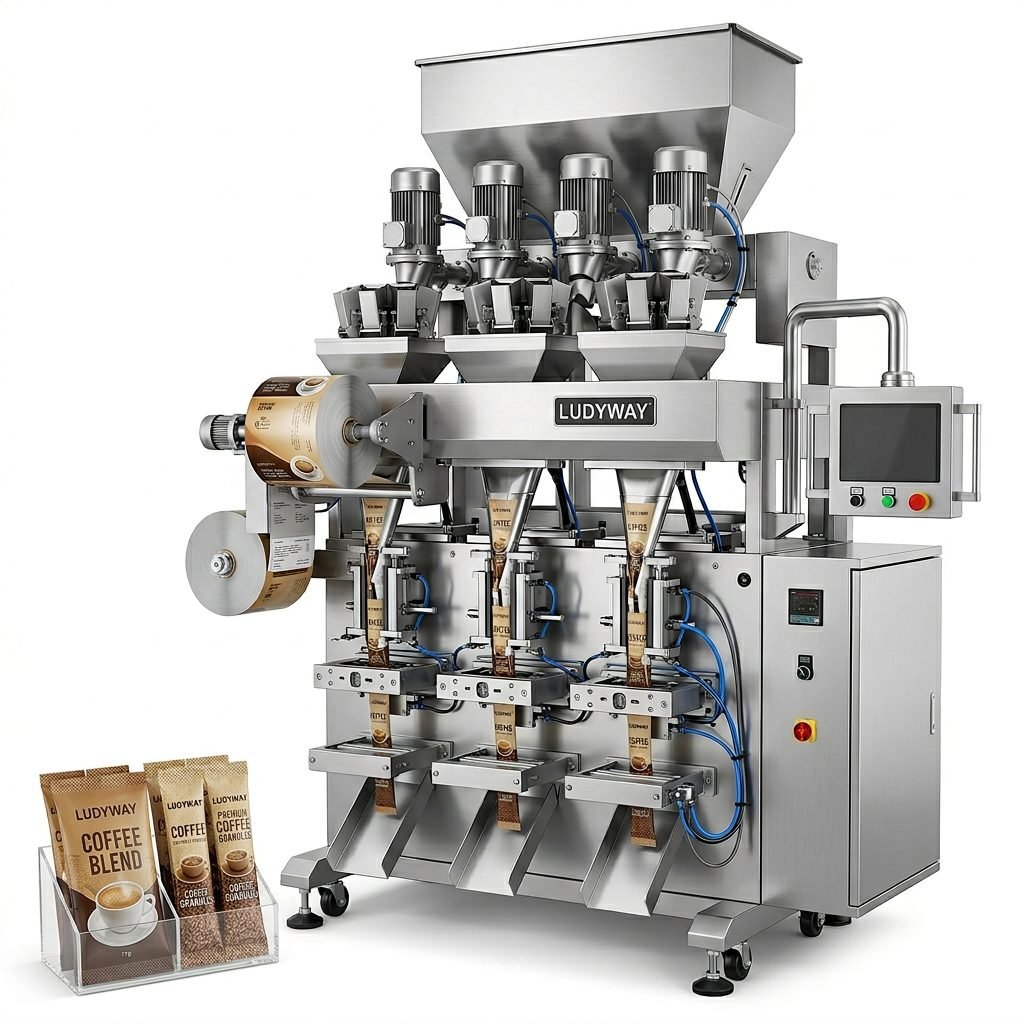
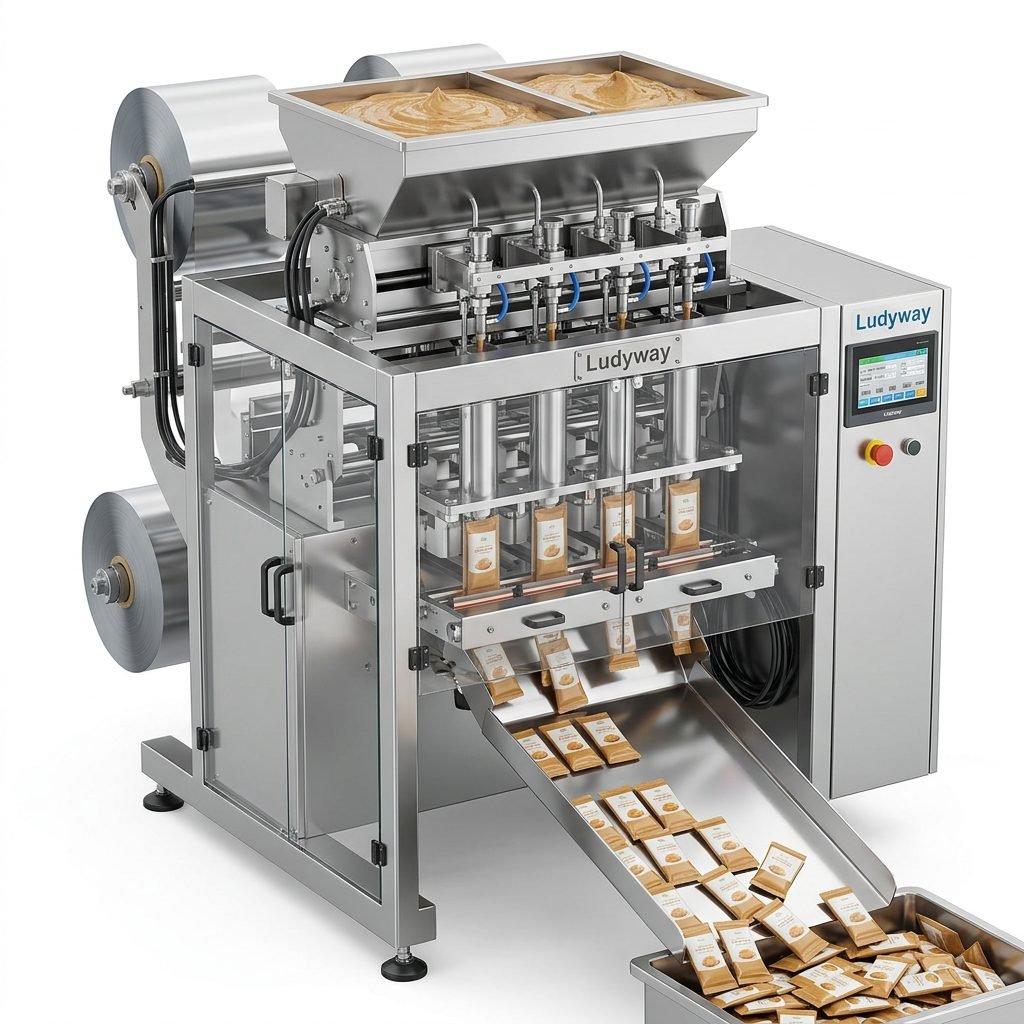
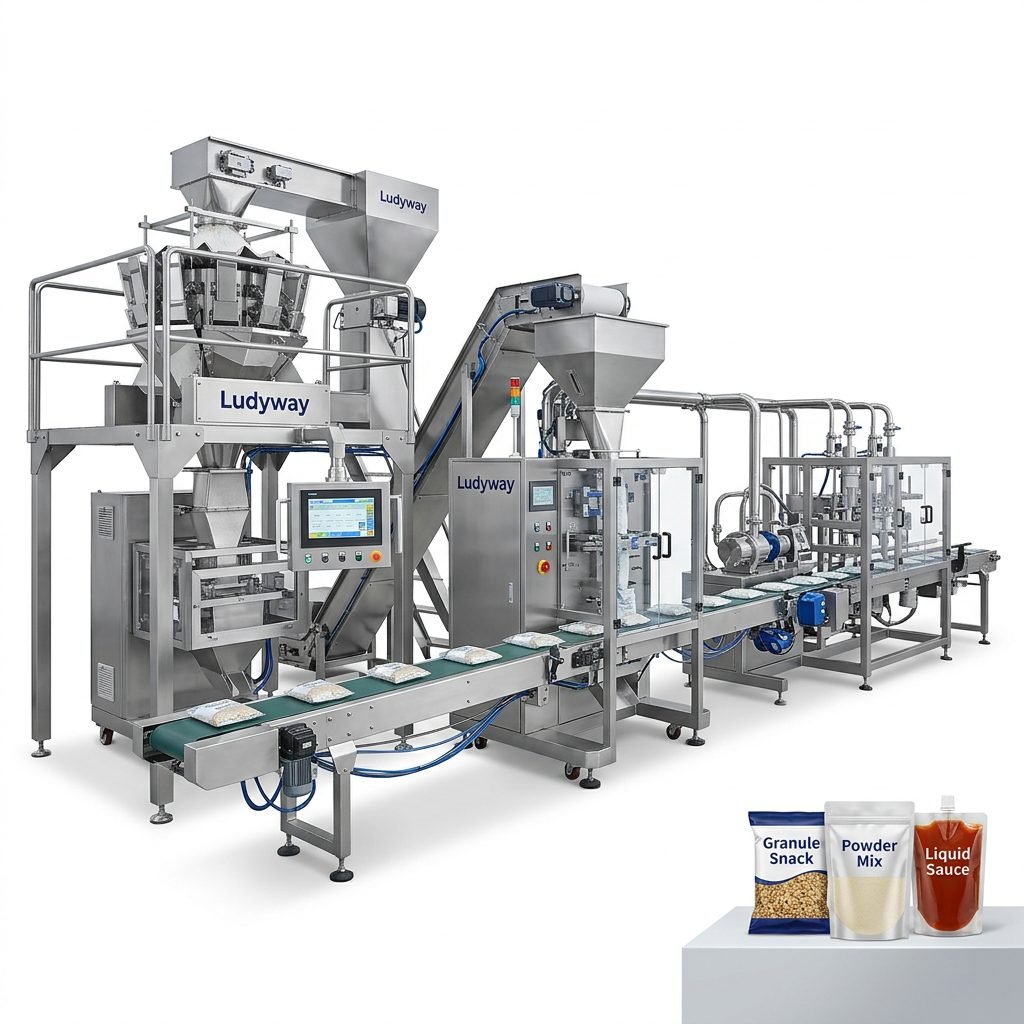
Stick pack packaging has become a preferred format for brands that need portable, precise, and cost-efficient single-serve packaging. From drink powders and instant coffee to pharmaceutical granules, sauces, gels, and health supplements, stick packs offer practical advantages for manufacturers, retailers, and consumers alike.
Because of their slim shape, excellent convenience, and strong shelf appeal, stick packs are now widely used across food, pharmaceutical, nutraceutical, cosmetic, and chemical markets. For companies looking to improve packaging efficiency while supporting product differentiation, stick packs can be a highly strategic choice.
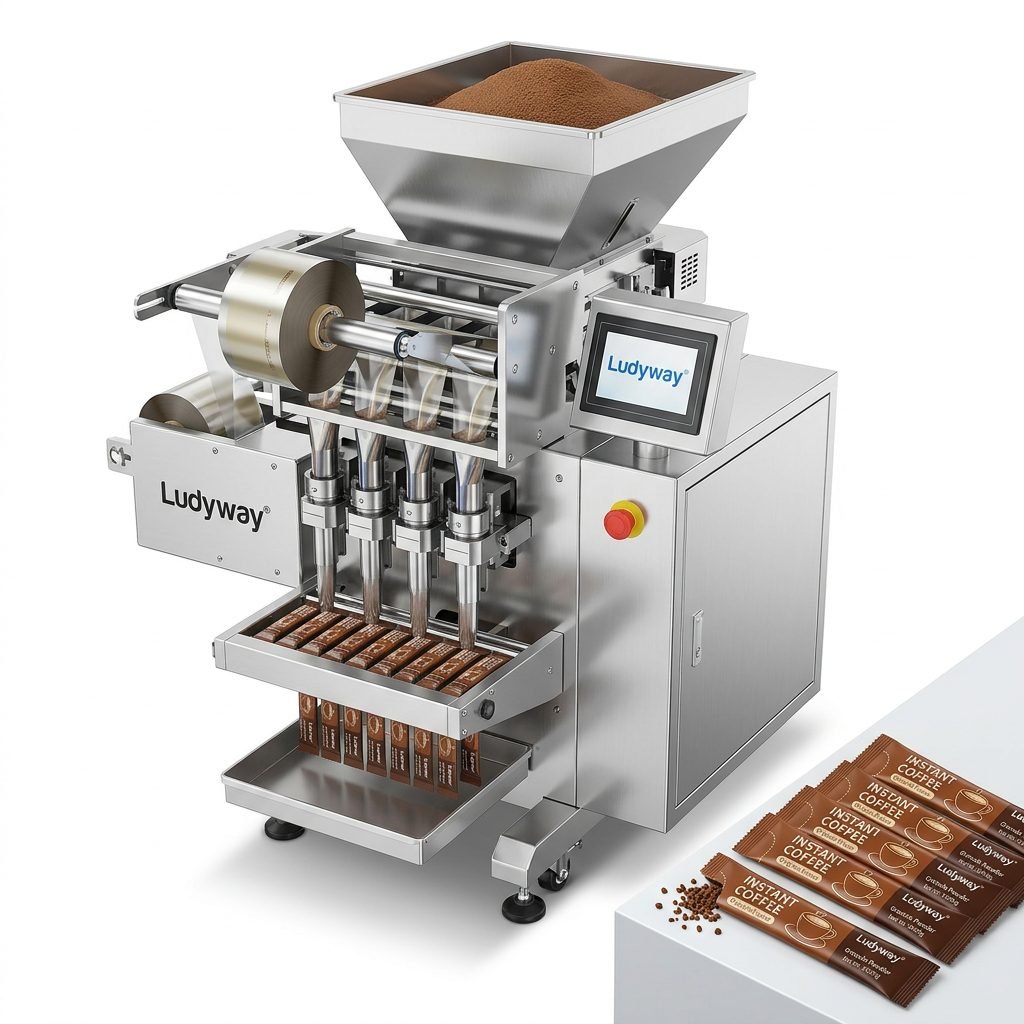
What Is Stick Pack Packaging?
Stick pack packaging is a narrow, tube-shaped flexible package designed for single-use or portion-controlled products. It is commonly made from laminated film structures that provide sealing strength, product protection, and barrier performance against moisture, oxygen, and contamination.
Compared with wider sachets, stick packs are more compact and often easier to open, pour, and carry. This makes them especially suitable for:
- Instant beverage powders
- Coffee, tea, and sugar
- Electrolyte and nutrition supplements
- Pharmaceutical powders and granules
- Liquid concentrates and gels
- Cosmetic creams and sample packs
- Household and industrial single-dose products
Why Stick Pack Packaging Is Growing in Popularity
The growth of on-the-go consumption, e-commerce, travel-friendly formats, and demand for convenient single-serve products has significantly increased interest in stick packs. Brands are adopting this format because it balances consumer convenience with production efficiency.
For manufacturers, stick packs also support high-speed automation through multi-lane packaging systems, allowing large volumes to be produced consistently. This combination of market appeal and operational performance is one of the main reasons stick packs continue to expand across industries.
Main Benefits of Stick Pack Packaging
1. Superior Convenience for Consumers
One of the biggest benefits of stick pack packaging is convenience. The slim format is easy to carry in a pocket, purse, gym bag, travel kit, or product carton. Consumers can use exactly one portion without measuring or resealing larger containers.
- Easy to tear open
- Simple to pour into bottles, cups, or directly into the mouth depending on the product
- Ideal for travel, commuting, sports, and outdoor use
- Reduces mess during use
2. Accurate Portion Control
Stick packs are excellent for pre-measured dosing. This is especially important in pharmaceutical, nutraceutical, and functional food sectors, where dosage accuracy matters. It also improves user confidence because each pack contains a consistent amount.
For products such as oral rehydration salts, protein powders, collagen, probiotics, and instant beverage mixes, single-dose precision can directly improve product usability and compliance.
3. Better Product Protection
Flexible laminated films used in stick packs can provide strong barriers against moisture, oxygen, light, and external contaminants. This helps preserve freshness, aroma, potency, and shelf life.
Products that benefit from strong protection include:
- Hygroscopic powders
- Flavored beverage ingredients
- Sensitive pharmaceutical formulations
- Oxidation-prone supplements
- Liquid concentrates and gels
4. Lower Material Usage Than Many Traditional Formats
Compared with rigid bottles, jars, and some larger pouches, stick packs typically require less packaging material per serving. Their compact geometry can improve material efficiency while still delivering strong sealing performance.
This can contribute to:
- Reduced packaging waste per dose
- Lower shipping weight
- Improved storage efficiency
- Potential cost savings over time
5. Excellent Shelf Appeal and Branding Space
Although small, stick packs can still create strong visual impact. Brands can print vivid graphics, colors, dosage information, flavor identifiers, and product claims on each pack. This is particularly valuable for retail multipacks, sample kits, and promotional campaigns.
The modern, clean appearance of stick packs often gives products a more premium and convenient image, which can help improve purchase intent.
6. Ideal for High-Speed Automated Production
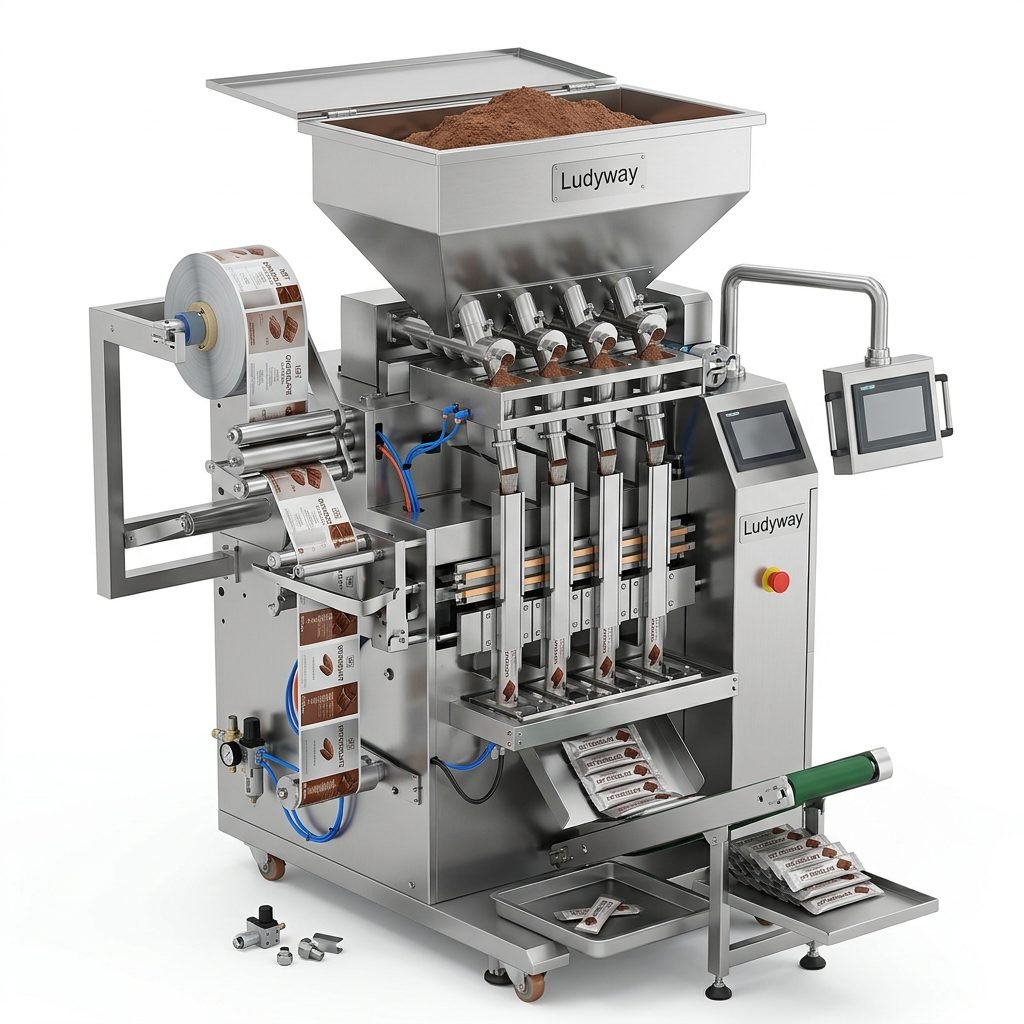
Stick pack packaging is highly compatible with automated form-fill-seal systems, especially multi-lane machines. This makes it suitable for medium- to high-volume production environments where speed, consistency, and labor efficiency are critical.
Modern stick pack lines can support:
- High output rates
- Accurate filling
- Stable sealing quality
- Automated cutting and discharge
- Integration with cartoning and secondary packaging
7. Cost-Effective Shipping and Storage
Because stick packs are compact and lightweight, they help reduce logistics costs. More units can fit into cartons, master cases, and shipping containers compared with bulkier rigid packaging formats.
This is a major advantage for manufacturers and distributors managing warehouse space, transportation budgets, and international freight costs.
8. Strong Fit for Sampling and Trial Marketing
Stick packs are perfect for free samples, promotional campaigns, subscription boxes, hotel amenities, and new product launches. Their low-unit format allows consumers to try a product without committing to a full-size purchase.
This can help brands:
- Increase first-time trials
- Promote premium or innovative formulas
- Support direct-to-consumer campaigns
- Expand into travel and convenience channels
9. Versatile for Many Product Types
Another important benefit is versatility. Stick packs are suitable for powders, granules, liquids, pastes, and gels. With the right packaging machine and dosing system, companies can adapt the format for many applications.
| Product Type | Typical Stick Pack Applications |
|---|---|
| Powders | Coffee, protein, collagen, soup mix, drink powders |
| Granules | Sugar, salt, seeds, herbal granules, instant medicine |
| Liquids | Honey, sauces, oils, detergents, oral liquids |
| Pastes/Gels | Cosmetic serum, cream samples, gel supplements |
Stick Packs vs. Sachets: What Makes Stick Packs Different?
Stick packs and sachets are both flexible single-use packages, but stick packs are usually narrower and longer. This shape brings several distinct advantages, particularly for direct pouring and portability.
| Feature | Stick Pack | Sachet |
|---|---|---|
| Shape | Slim and elongated | Wider and flatter |
| Portability | Very high | High |
| Pouring Control | Often better for direct pouring | Can be less precise |
| Retail Image | Modern, premium, convenient | Classic and versatile |
Industries That Benefit Most from Stick Pack Packaging
Food and Beverage
Food and beverage brands use stick packs for instant coffee, milk tea, cocoa, soup powder, sugar, salt, seasoning, sweeteners, and functional drink mixes. The format is perfect for portion control and fast preparation.
Pharmaceutical and Nutraceutical
For medical and health-related products, stick packs support consistent dosing, hygiene, and convenient single-use administration. Common applications include granules, oral rehydration salts, probiotics, vitamin powders, and herbal supplements.
Cosmetics and Personal Care
Cosmetic companies often use stick packs for creams, lotions, serums, gels, and trial-size beauty products. This improves sampling efficiency and supports premium presentation.
Chemical and Household Products
Single-dose cleaning chemicals, detergents, additives, and specialty industrial materials can also benefit from stick pack formats, especially where measured dispensing and reduced contamination risk are important.
Operational Advantages for Manufacturers
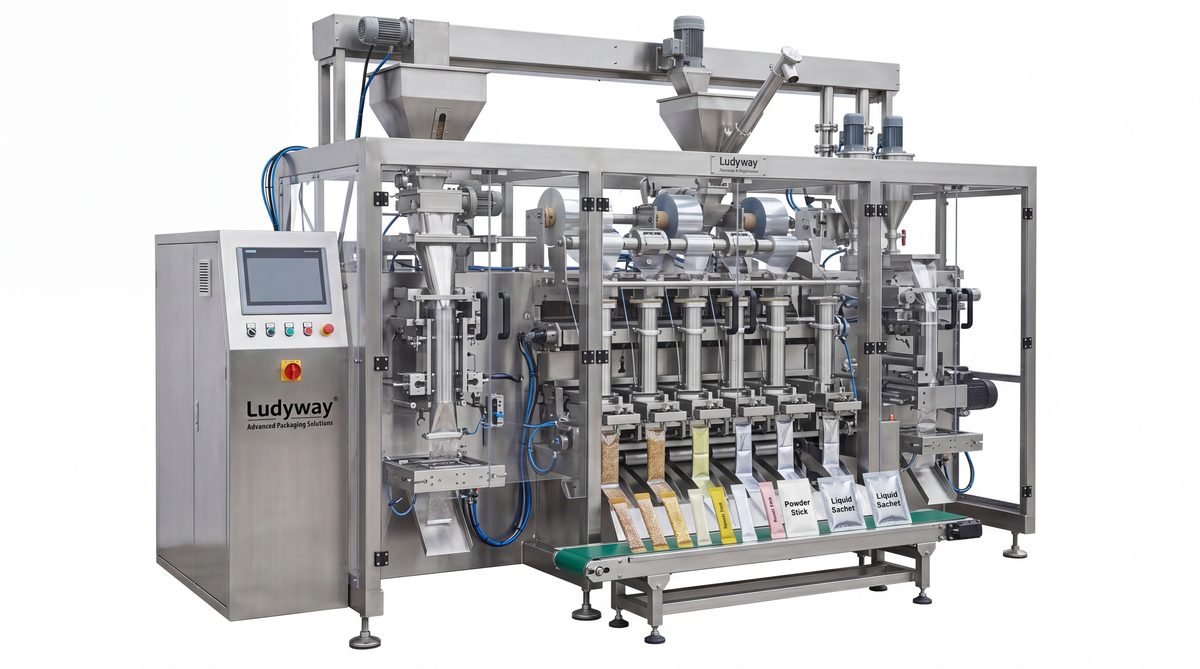
From a production standpoint, stick pack packaging can provide measurable operational improvements when paired with the right equipment and line design.
- Higher throughput: Multi-lane systems can pack multiple sticks in one machine cycle.
- Reduced labor dependence: Automation lowers manual handling requirements.
- Consistent seal quality: Proper heat sealing improves package integrity.
- Flexible product compatibility: Different fillers can handle powder, granule, liquid, or paste products.
- Simplified downstream packaging: Stick packs can be bundled, cartoned, and case-packed efficiently.
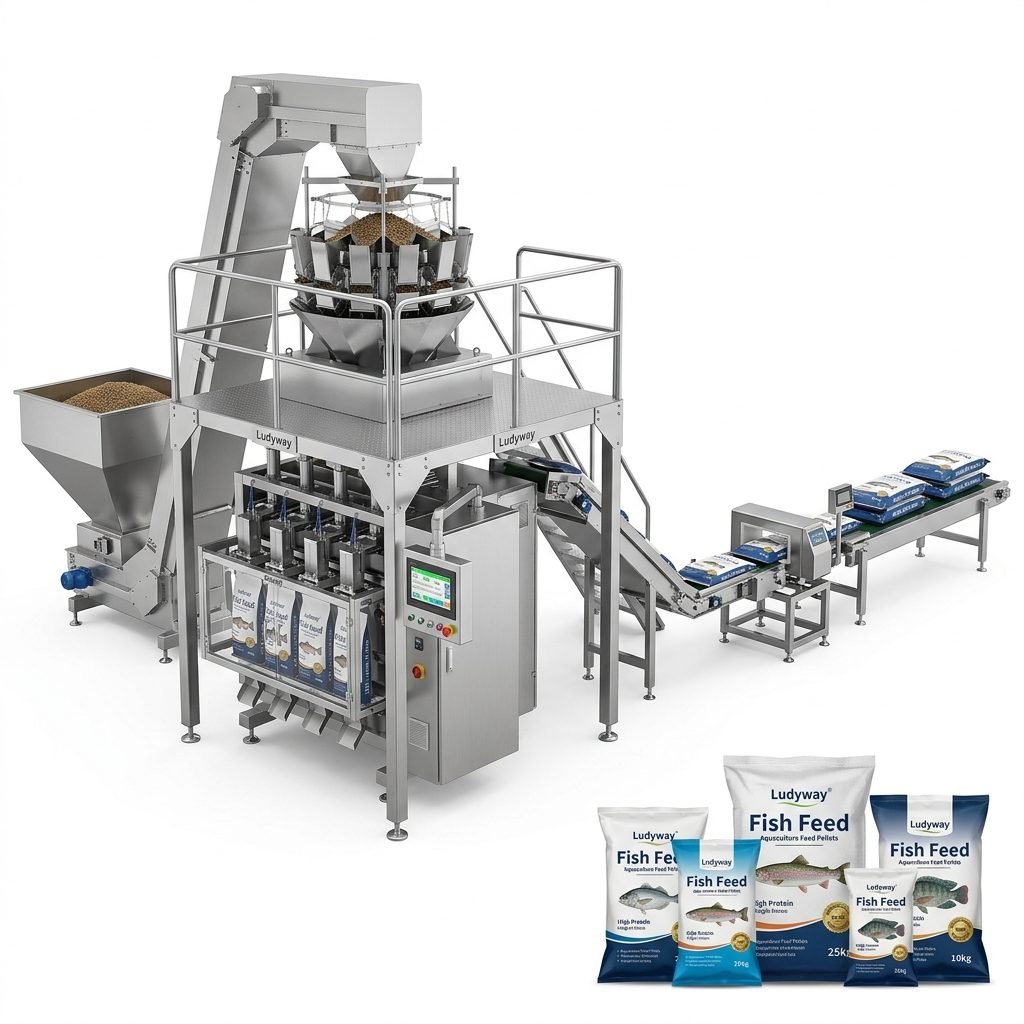
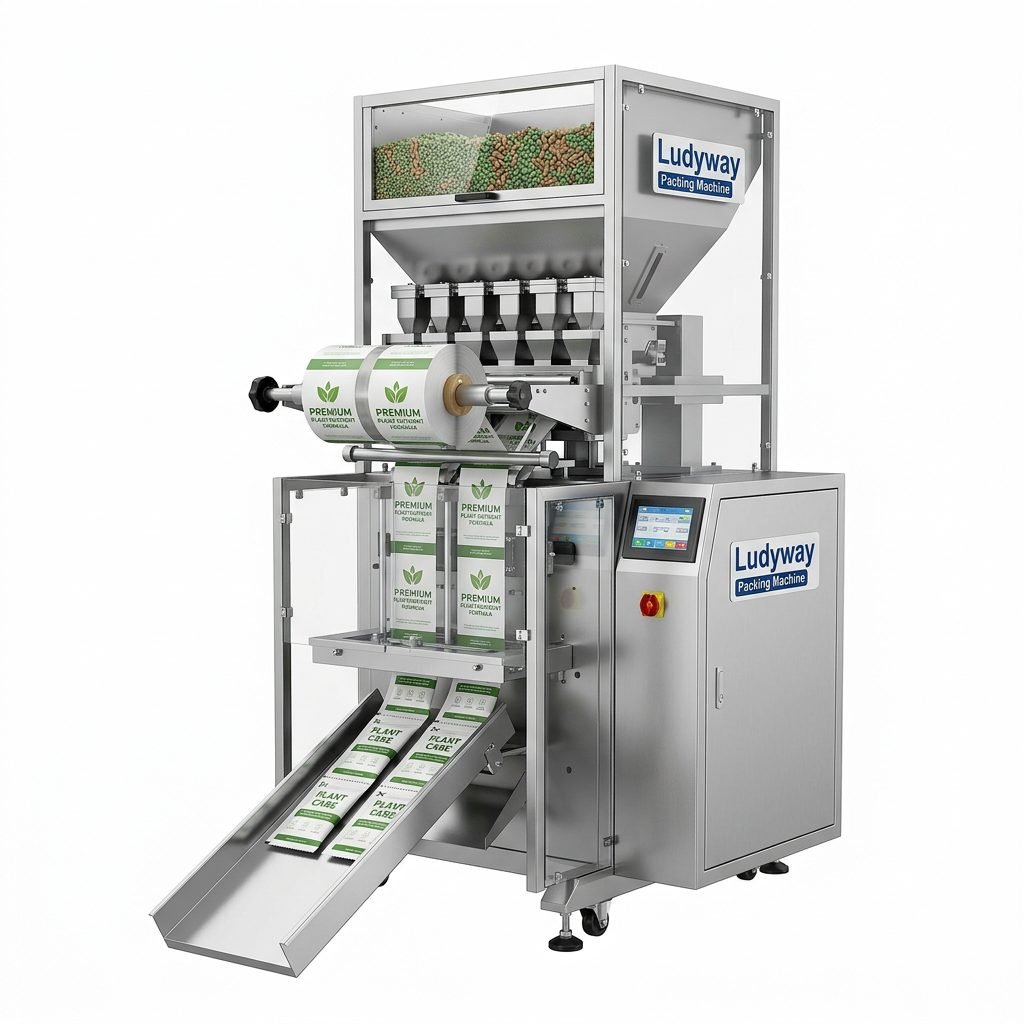
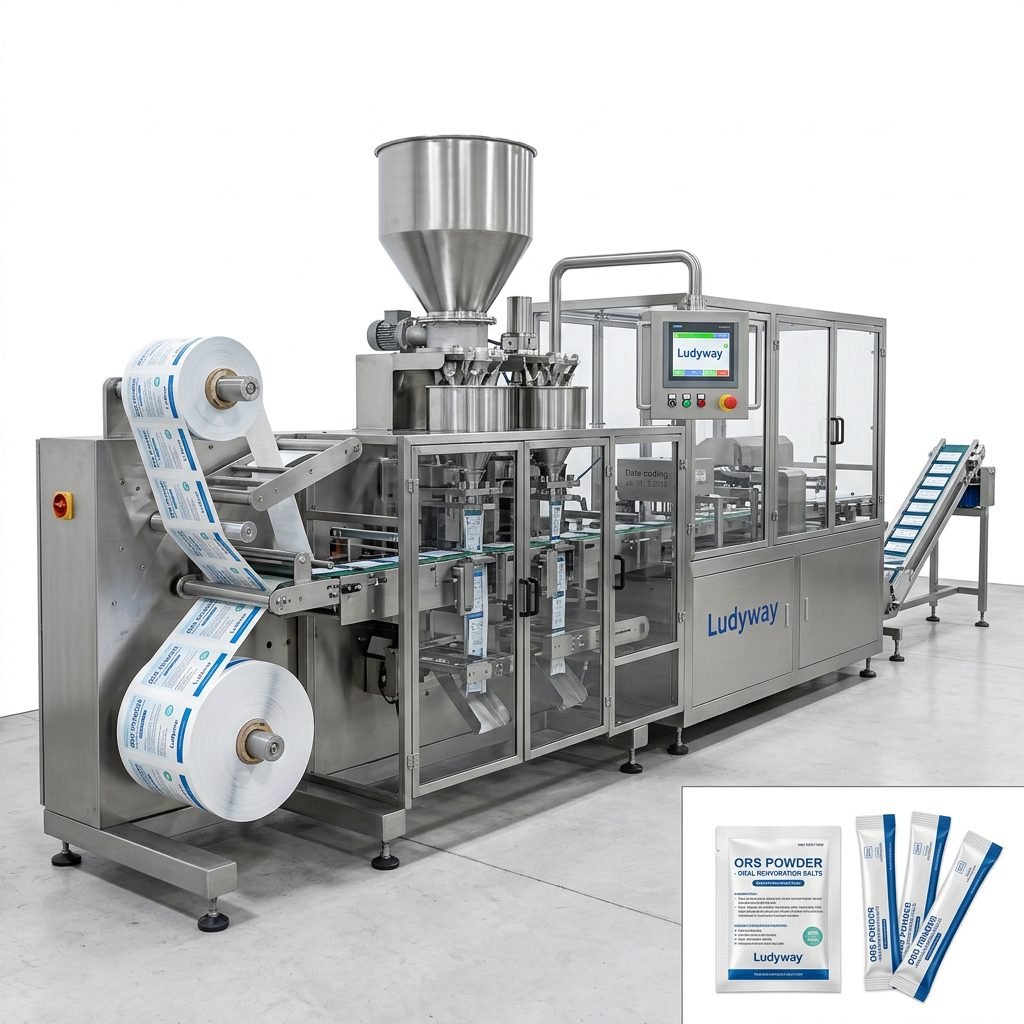
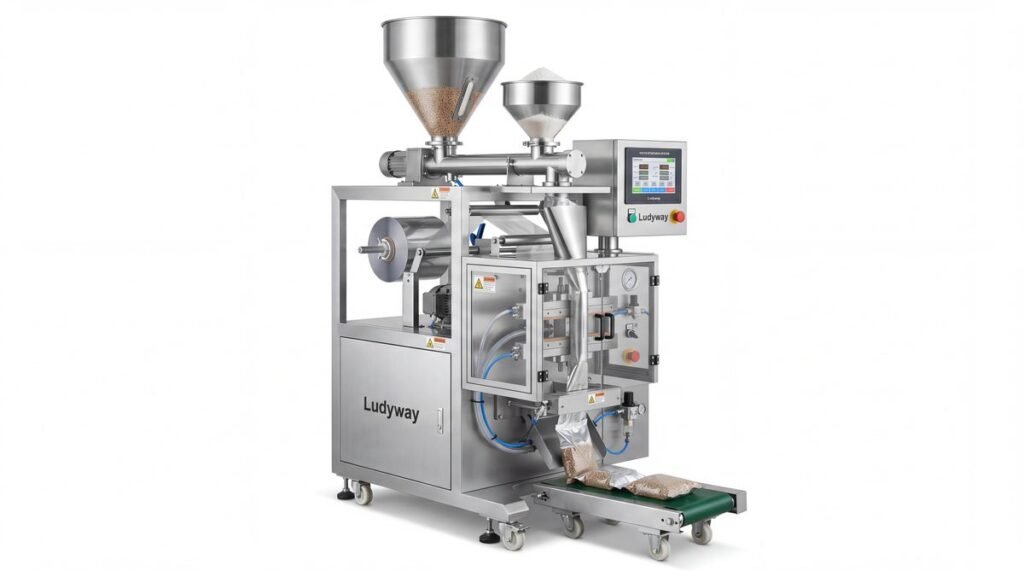
For businesses planning scalable automation, working with experienced suppliers such as Ludyway stick pack packaging machine solutions can help align machine configuration with product characteristics, output targets, and line integration needs.
What to Consider Before Choosing Stick Pack Packaging
Although stick packs offer many benefits, selecting this format should involve a practical review of product and production requirements.
- Product flowability or viscosity
- Required fill accuracy
- Target output speed
- Film structure and barrier needs
- Consumer opening experience
- Secondary packaging method
- Regulatory and labeling requirements
The best results usually come from matching the correct machine type, dosing system, sealing design, and film material to the specific product application.
Are Stick Packs Sustainable?
Sustainability depends on the total packaging system, film selection, and supply chain efficiency. While flexible packs can use less material than many rigid alternatives, brands should also assess recyclability, material sourcing, and packaging-to-product ratio.
In many cases, stick packs can support sustainability goals through:
- Lower packaging weight
- Less storage and transport volume
- Reduced product waste through precise portioning
- Potential use of improved mono-material or optimized film structures where applicable
Frequently Asked Questions
Are stick packs good for powders?
Yes. Stick packs are especially popular for powders because they offer accurate portions, clean pouring, and strong product protection.
Can stick packs be used for liquids?
Yes. With the correct filling and sealing technology, stick packs can handle liquids, gels, and pastes such as honey, sauces, serums, and detergents.
Why do consumers like stick packs?
Consumers appreciate stick packs because they are portable, easy to use, hygienic, and convenient for single servings.
Are stick packs suitable for pharmaceuticals?
Yes. They are widely used for pharmaceutical granules, powders, and health supplements because they support dosage accuracy and single-use hygiene.
Final Thoughts
Stick pack packaging offers a strong combination of convenience, portion accuracy, product protection, automation compatibility, and cost efficiency. It serves both consumer expectations and manufacturer performance goals, making it one of the most practical packaging formats for modern single-dose products.
Whether you are packaging powders, granules, liquids, or gels, stick packs can help improve usability, branding, and production efficiency across a wide range of industries.